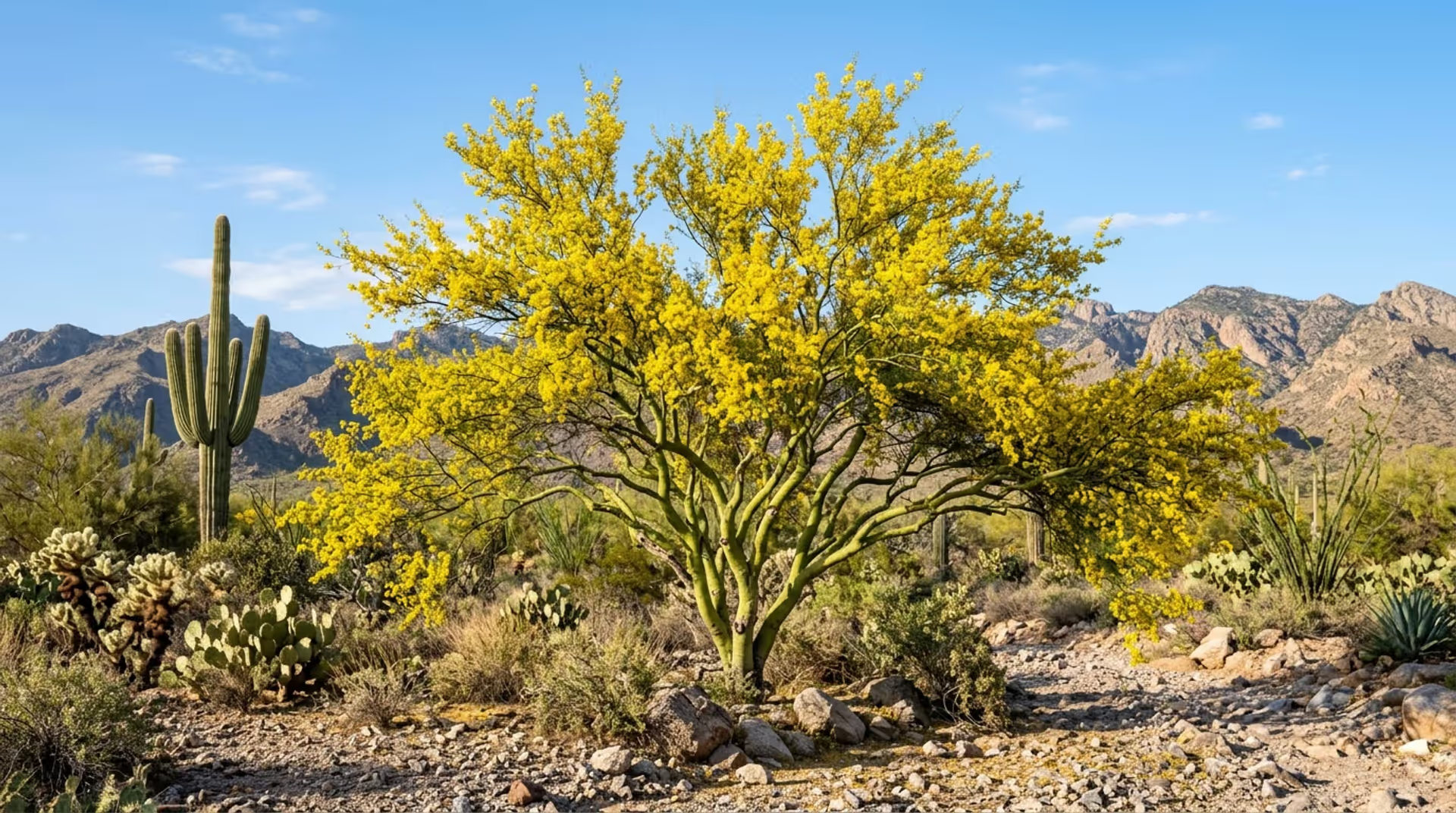
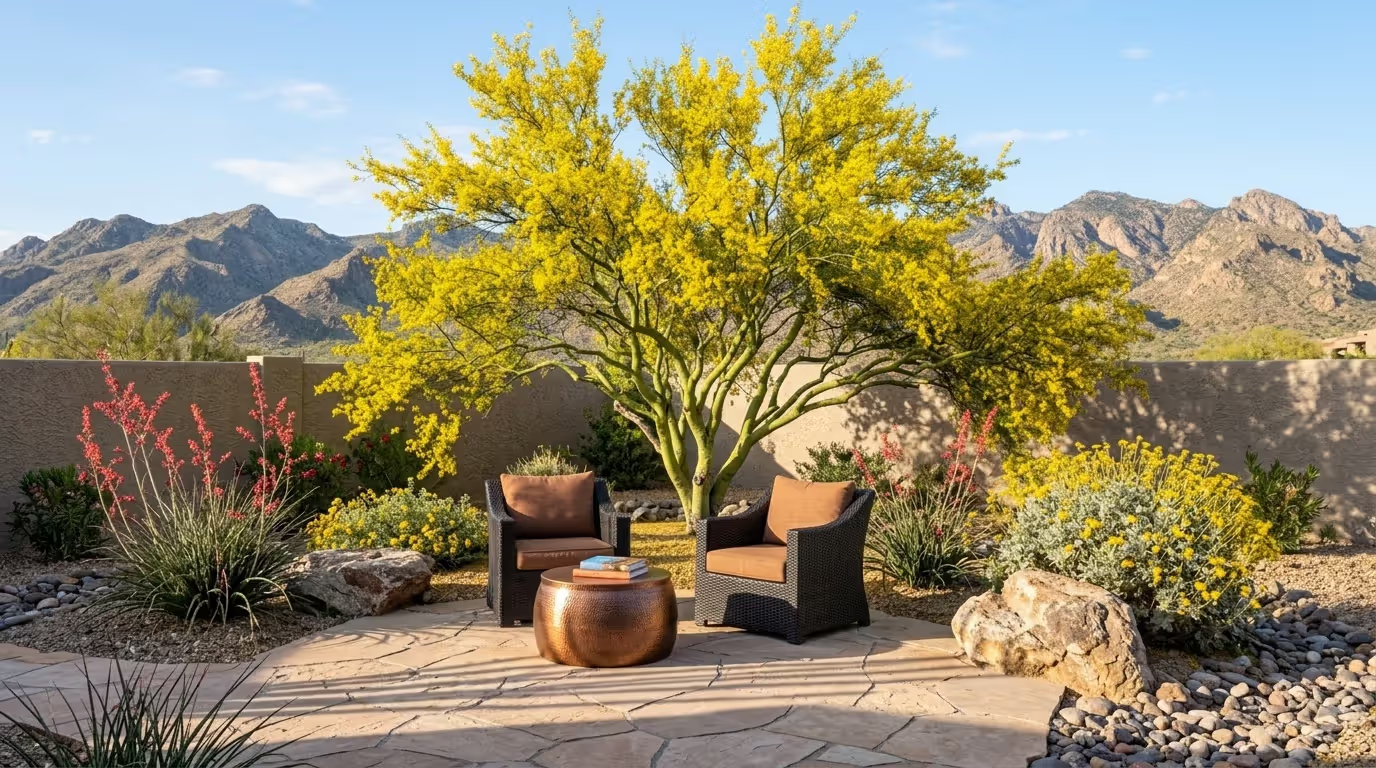
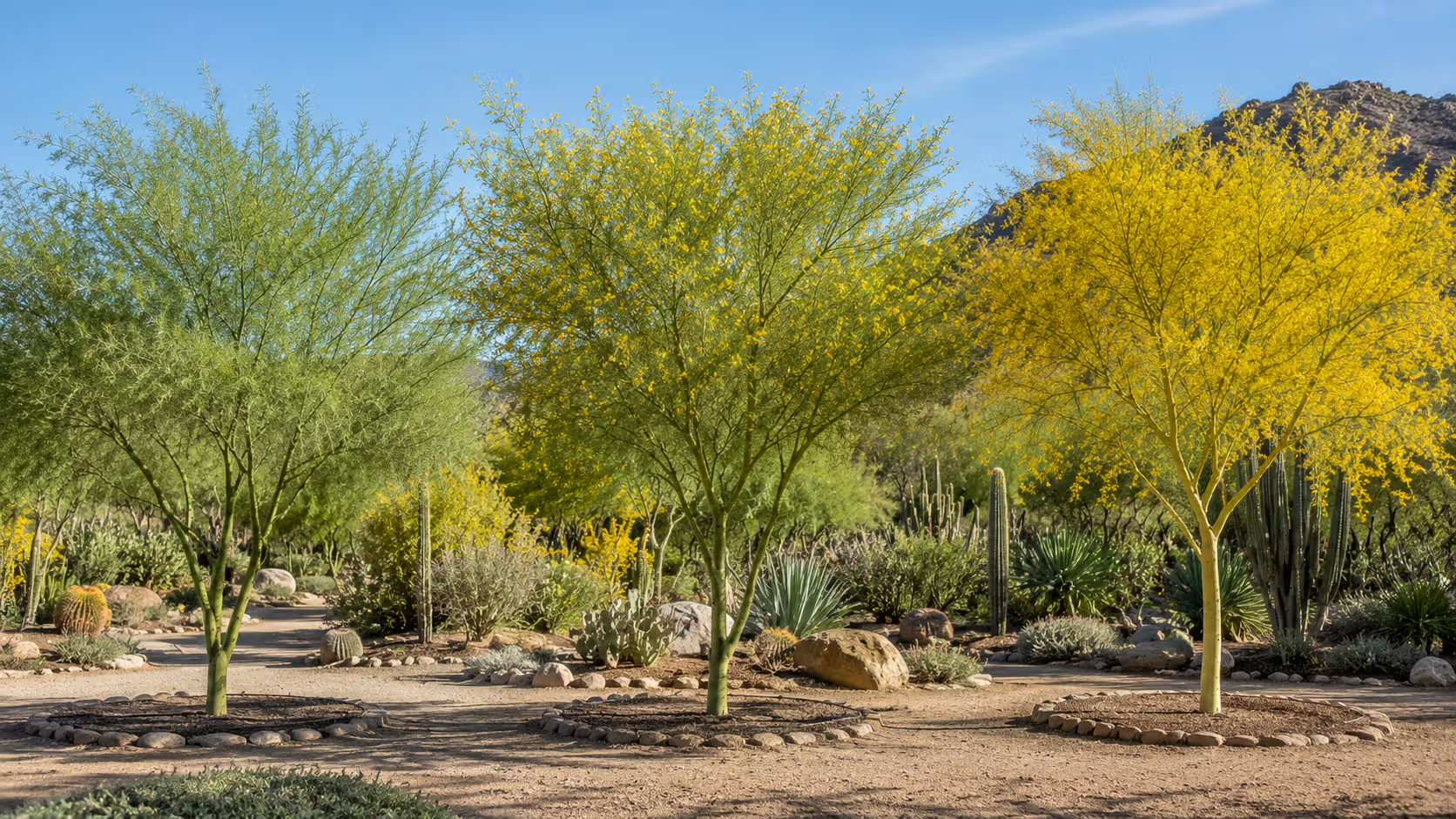
The yellow palo verde stands out in the Sonoran Desert landscape with its lime-green bark and brilliant spring blooms. This iconic Southwest native has adapted to thrive where most trees struggle, making it a top choice for homeowners who want shade without the water bill. If you're planning a desert-friendly landscape or just curious about this distinctive tree, you'll find it's more versatile than you might expect.
What Is a Yellow Palo Verde Tree?
Yellow palo verde (Parkinsonia microphylla, formerly Cercidium microphyllum) is a deciduous tree native to the Sonoran Desert regions of Arizona, southeastern California, and northwestern Mexico. The name "palo verde" translates to "green stick" in Spanish—a perfect description of its photosynthetic bark that stays green year-round.
This tree belongs to the legume family, Fabaceae. It's one of several palo verde species, but the yellow variety is particularly well-adapted to the hottest, driest desert conditions. You'll find it growing wild on rocky slopes, bajadas, and along desert washes from sea level up to about 4,000 feet elevation.
The bark's chlorophyll allows the tree to photosynthesize even when it drops its tiny leaves during drought. Smart adaptation. This feature makes yellow palo verde remarkably efficient at surviving extended dry periods that would kill most other trees.
In its native range, this southwest native tree serves as a keystone species. It provides critical shade and shelter for desert wildlife, fixes nitrogen in poor soils, and offers nectar for native pollinators during its spectacular bloom period.
Size and Growth Characteristics
Yellow palo verde typically reaches 15 to 25 feet tall with a similar canopy spread at maturity. Some specimens push to 30 feet in ideal conditions, but that's less common. The crown develops an irregular, spreading shape that casts dappled shade—perfect for desert gardens where you want protection without complete darkness.
Growth rate sits in the moderate range. Expect about 12 to 18 inches per year once established. Young trees grow faster with supplemental water, but they'll slow down naturally as they mature.
The branching structure is open and somewhat angular. Trunks often divide low to the ground, creating a multi-trunked appearance. This gives the tree visual interest but can require early pruning if you prefer a single-trunk form.
Lifespan varies considerably. In the wild, yellow palo verde can live 100 years or more. Landscape specimens typically survive 40 to 80 years depending on care and growing conditions.
Here's a common misconception: many people assume all palo verdes are covered in vicious thorns. Yellow palo verde does have thorns, but they're relatively small compared to other desert trees. Some cultivated varieties offer reduced thorniness, though truly thornless palo verde options are more common among blue palo verde cultivars. If thorns concern you, check the specific variety before purchasing.
The tiny compound leaves appear almost feathery. They're drought-deciduous, meaning the tree drops them during dry spells to conserve water. Don't panic when this happens—it's normal, and the green bark continues photosynthesis.
Bloom Season and Flowering
The palo verde bloom season is one of the desert's most anticipated events. Yellow palo verde typically flowers from late March through May, with peak bloom usually occurring in April. Timing shifts slightly based on elevation and that year's winter rainfall.
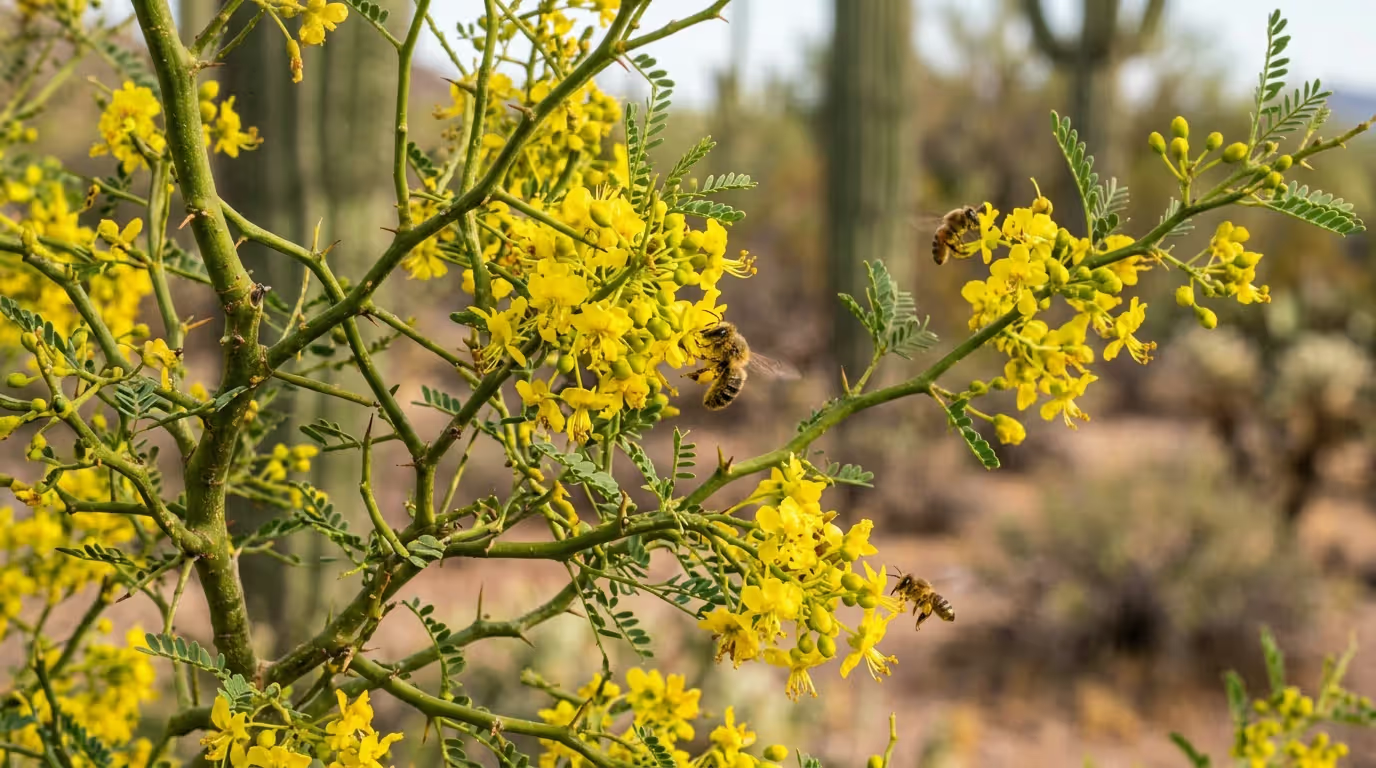
The flowers themselves are bright yellow, about half an inch across, and appear in dense clusters along the branches. Each bloom has five petals with one petal often marked with orange or reddish spots—a nectar guide for pollinators.
Peak bloom lasts about two to three weeks. During this period, the entire tree canopy becomes a cloud of gold. It's genuinely spectacular, especially when multiple trees bloom simultaneously across the landscape.
Bees absolutely love these flowers. You'll also see butterflies, moths, and various native pollinators working the blooms from dawn to dusk. This makes yellow palo verde excellent for pollinator-friendly desert native tree gardens.
After flowering, flat seed pods develop. These legume pods start green and mature to tan or brown by summer. Each pod contains several hard seeds. The pods can create some litter, which we'll address in the FAQ section.
One pattern I see most often is homeowners being disappointed when their newly planted tree doesn't bloom the first spring. Young trees typically need two to three years of establishment before flowering heavily. Patience pays off.
Author: Liam Ashcroft;
Source: cribbslandscaping.com
Root System and Planting Considerations
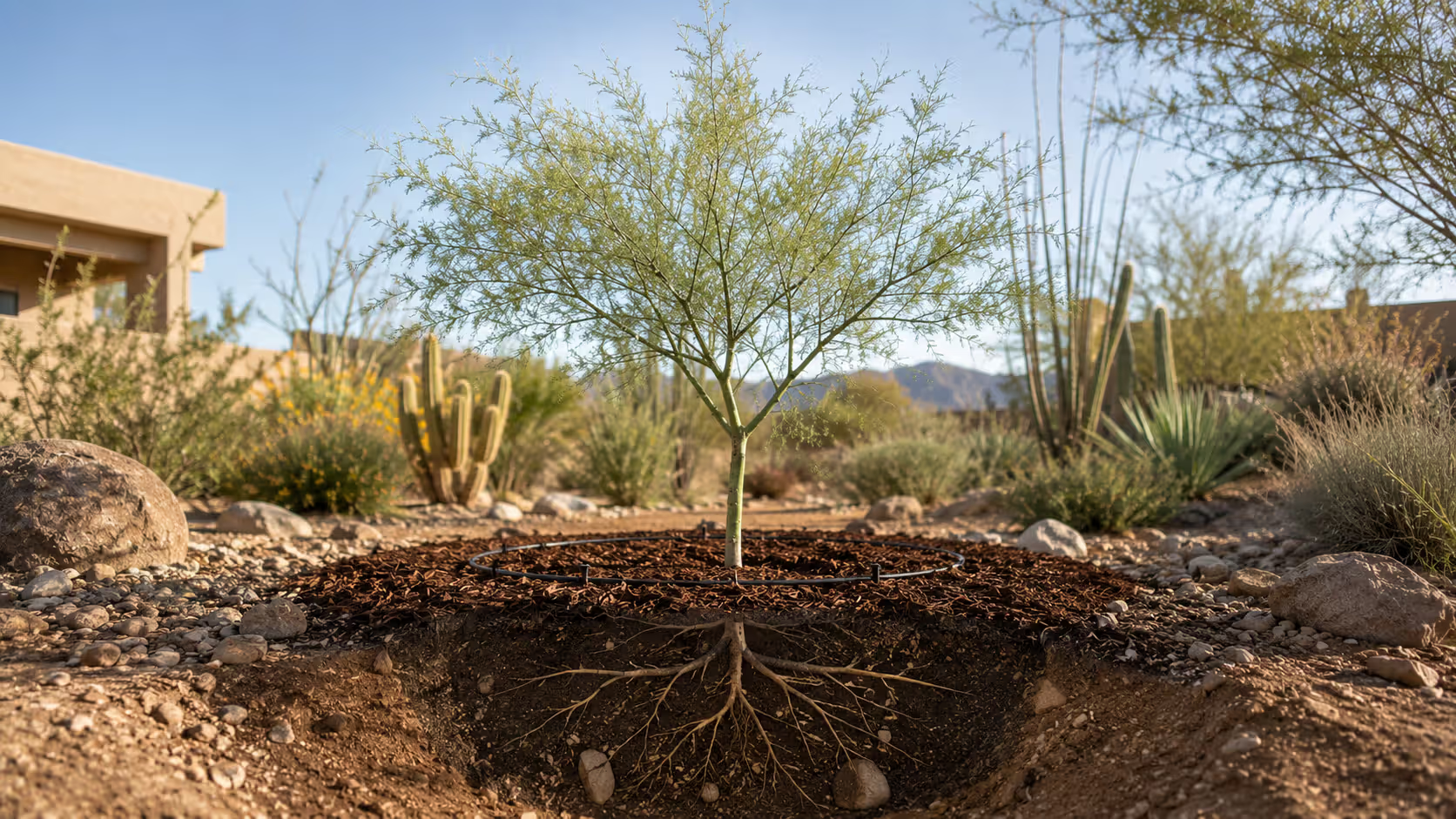
The palo verde root system is surprisingly well-behaved for a desert tree. Roots spread wide but relatively shallow, typically extending 1.5 to 2 times the canopy width. Most feeder roots concentrate in the top 18 to 24 inches of soil.
Unlike mesquite or some other desert trees, yellow palo verde doesn't develop an aggressive taproot that seeks deep water. This makes it less likely to invade sewer lines or lift hardscapes—though you should still maintain reasonable distances from structures.
For foundation plantings, keep yellow palo verde at least 10 to 15 feet from building walls. This provides adequate clearance for both roots and canopy as the tree matures.
When spacing multiple trees in desert native tree gardens, allow 20 to 25 feet between specimens for proper canopy development. Closer spacing creates a grove effect but limits individual tree size.
Soil preferences are flexible. Yellow palo verde tolerates everything from sandy loam to rocky caliche soils common in the Southwest. Drainage is the critical factor—standing water will kill these trees faster than drought. If your site has heavy clay, plant on a slight mound or berm to improve drainage.
Planting depth matters more than most people realize. Set the root ball so the top sits level with or slightly above the surrounding grade. Planting too deep invites root rot and collar disease.
Avoid amending the backfill soil. Use native soil to encourage roots to spread into the surrounding landscape rather than circling in a pocket of enriched material. This might seem counterintuitive, but it works better long-term for desert-adapted species.
Author: Liam Ashcroft;
Source: cribbslandscaping.com
Care Requirements and Maintenance
Yellow palo verde tree care is refreshingly simple once you understand the tree's needs. The biggest mistake? Overwatering.
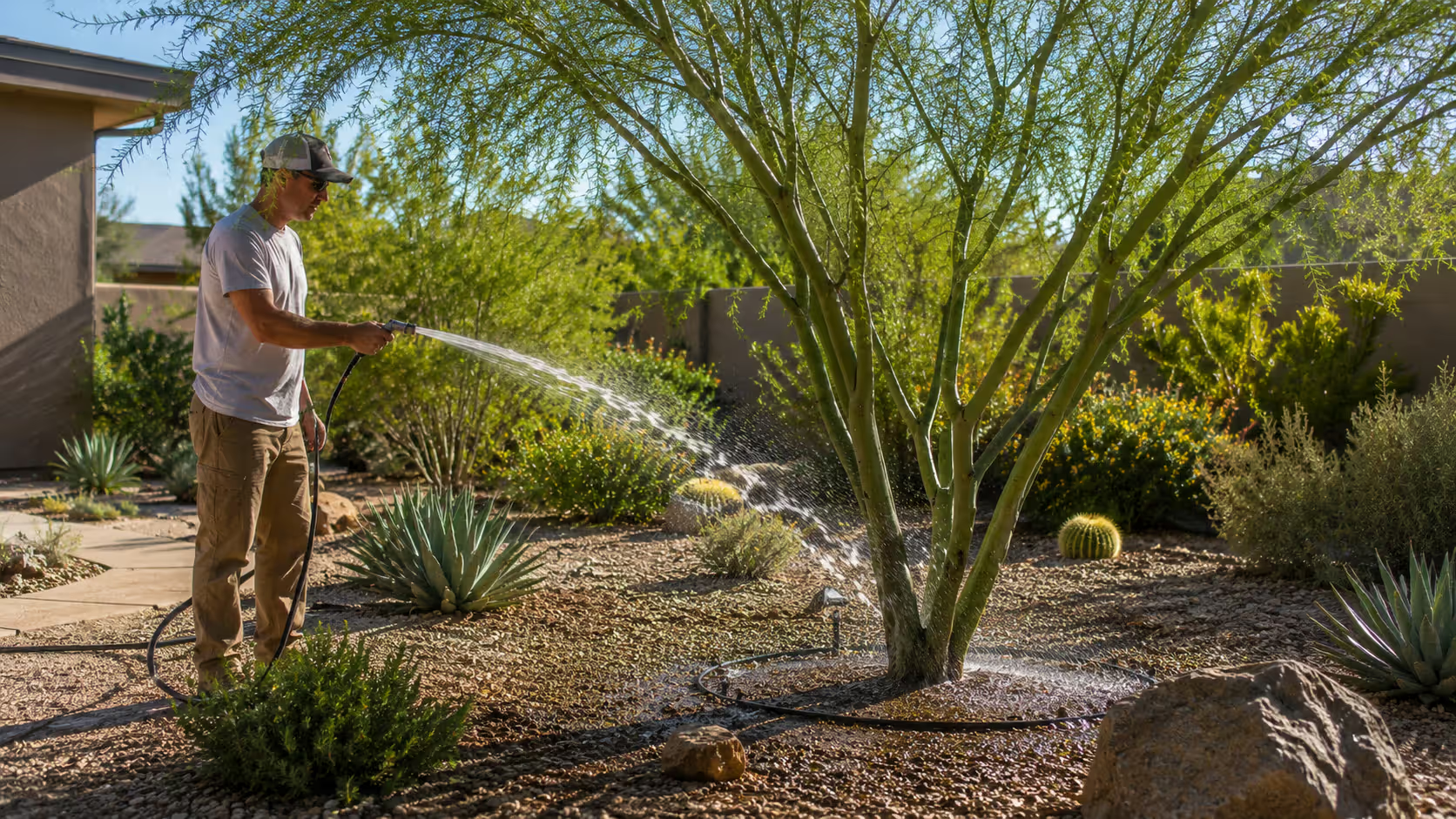
During the first growing season, water deeply every 7 to 10 days during warm months. Deep means wetting the soil to 24 to 36 inches. Shallow frequent watering creates weak, surface-oriented roots.
By the second year, you can stretch watering to every two to three weeks in summer. Mature trees need supplemental water only during extended drought—perhaps once monthly in the hottest months if there's been no rain.
Winter watering isn't usually necessary unless you're experiencing an unusually dry year. The tree's natural dormancy period requires minimal moisture.
Pruning should be minimal and strategic. Remove dead or crossing branches in late spring after flowering. Avoid heavy pruning, which can stimulate excessive water-sprout growth. Never remove more than 25% of the canopy in a single year.
If you want to shape a young tree to a single trunk, select the strongest leader and gradually remove lower branches over several years. Don't rush this process.
Fertilization is rarely needed. As a legume, yellow palo verde fixes its own nitrogen through root nodules. Excessive fertilizer actually promotes weak, leggy growth that's more susceptible to breakage.
Pest and disease resistance is excellent. Palo verde beetles occasionally bore into stressed trees, but healthy specimens typically resist serious damage. Root rot from overwatering is the most common killer—entirely preventable.
Cold hardiness covers USDA zones 8 through 11. Yellow palo verde handles brief dips to 15°F without damage. Prolonged freezes below 20°F can cause branch dieback, but established trees usually recover.
This drought tolerant shade tree essentially takes care of itself once established. That's the whole point.
Author: Liam Ashcroft;
Source: cribbslandscaping.com
Using Yellow Palo Verde in Desert Landscaping
Desert tree landscaping with yellow palo verde offers multiple design opportunities. The dappled shade it provides is perfect for creating comfortable outdoor spaces without blocking all sunlight—crucial in desert climates where you still want winter warmth.
Position yellow palo verde on the west or southwest side of outdoor living areas for afternoon shade. The open canopy allows enough light through for shade-tolerant groundcovers and perennials underneath.
Companion plants for southwest native tree gardens should match the tree's water requirements. Excellent choices include:
Desert marigold (Baileya multiradiata)
Brittlebush (Encelia farinosa)
Red yucca (Hesperaloe parviflora)
Autumn sage (Salvia greggii)
Mexican honeysuckle (Justicia spicigera)
These plants create layers of texture and seasonal color while sharing similar irrigation needs.
Spacing for visual impact depends on your goal. A single specimen tree makes a strong focal point in smaller yards. For larger properties, plant in groups of three or five at irregular intervals for a naturalistic look that mimics desert washes.
Avoid the common mistake of surrounding palo verde with thirsty lawn grass. The constant irrigation required for turf encourages root rot in the tree. Create a rock mulch or decomposed granite transition zone instead.
Author: Liam Ashcroft;
Source: cribbslandscaping.com
Lighting yellow palo verde from below at night highlights the distinctive bark texture and creates dramatic shadows. Use warm LED uplights positioned 3 to 4 feet from the trunk.
In drought-tolerant landscape design, yellow palo verde serves as an anchor plant—a structural element that defines space and provides vertical interest. Combine it with boulders, gravel mulch, and lower-growing desert perennials for a cohesive, water-wise design.
The tree's seasonal changes add interest throughout the year. Spring bloom provides spectacular color. Summer's green bark glows against blue sky. Fall and winter reveal the sculptural branch structure.
Yellow palo verde represents the perfect intersection of ecological function and landscape beauty. It provides wildlife habitat, fixes nitrogen, offers shade, and requires almost no supplemental water once established—all while creating a visual signature that says 'Southwest' more clearly than almost any other plant.
— Chen Margaret
Comparison of Palo Verde Varieties
Feature
Yellow Palo Verde
Blue Palo Verde
Foothill Palo Verde
Mature Height
15–25 feet
25–35 feet
15–20 feet
Canopy Spread
15–25 feet
25–35 feet
15–20 feet
Bloom Color
Bright yellow
Bright yellow
Pale yellow-cream
Thorniness
Small thorns
Moderate thorns
Thornless or minimal
Water Needs
Very low
Low to moderate
Very low
Heat Tolerance
Excellent (hottest sites)
Very good
Excellent
Growth Rate
Moderate
Fast
Slow to moderate
Bark Color
Yellow-green
Blue-green
Yellow-green
Best Use
Hottest, driest sites
Larger landscapes, faster shade
Tight spaces, thorn-free option
This comparison helps clarify which palo verde fits your specific landscape needs. Blue palo verde grows larger and faster but needs slightly more water. Foothill palo verde (also called littleleaf palo verde) offers a nearly thornless option for high-traffic areas.
Author: Liam Ashcroft;
Source: cribbslandscaping.com
FAQ: Yellow Palo Verde Questions Answered
How long does a yellow palo verde tree live?
Yellow palo verde can live 100 years or more in natural desert settings. Landscape specimens typically survive 40 to 80 years depending on care quality and growing conditions. Trees that receive appropriate watering—not too much, not too little—and aren't subjected to mechanical damage or excessive pruning tend toward the longer end of that range. The key factor is avoiding overwatering, which causes root rot and dramatically shortens lifespan.
Are yellow palo verde trees messy?
This depends on your definition of messy. Yellow palo verde drops small leaves, flowers, and seed pods seasonally. The leaves are tiny and decompose quickly, so they don't create the heavy leaf litter of deciduous shade trees. Flower drop lasts about two to three weeks in spring—the blooms are small and light. Seed pods develop in late spring and summer, creating the most noticeable litter. If you're looking for a completely clean tree, palo verde isn't your best choice. But compared to mulberry, olive, or eucalyptus, it's relatively tidy.
Do all palo verde varieties have thorns?
No, thorniness varies by species and cultivar. Yellow palo verde has small thorns but they're less aggressive than many desert trees. Blue palo verde typically has more prominent thorns. Foothill palo verde (also called littleleaf palo verde) is nearly thornless or has very minimal thorns, making it the best choice for areas where people or pets might brush against branches. Some newer cultivated varieties have been selected for reduced thorniness. Always ask about the specific variety's thorn characteristics before purchasing if this is a concern for your landscape.
How much water does an established yellow palo verde need?
Established yellow palo verde trees (three years or older) need surprisingly little supplemental water. In most Southwest locations, monthly deep watering during the hottest summer months is sufficient if there's been no rainfall. During cooler months or periods with normal desert rainfall, mature trees often need no supplemental irrigation at all. The tree's natural adaptations—photosynthetic bark, drought-deciduous leaves, and efficient root system—allow it to survive on 8 to 12 inches of annual rainfall. Overwatering causes more problems than underwatering for this species.
Can yellow palo verde trees damage sidewalks or foundations?
Yellow palo verde is less likely to damage hardscapes than many other desert trees. The root system spreads wide but relatively shallow, without the aggressive deep taproot of mesquite. That said, any tree planted too close to structures can eventually cause problems. Maintain a minimum 10 to 15 foot distance from foundations, sidewalks, and driveways. The roots can lift pavement if planted directly adjacent, but this risk is lower than with many other species. Proper spacing during installation prevents most issues.
When is the best time to plant a yellow palo verde?
Fall and early spring are ideal planting times for yellow palo verde in the Southwest. October through November allows roots to establish during cooler weather before summer heat arrives. March is also suitable, giving the tree several months to develop roots before peak temperatures. Avoid planting during summer (June through September) when heat stress makes establishment difficult, or during winter when cold soil slows root growth. Container-grown trees can technically be planted year-round, but fall planting gives the best results with the least stress.
Yellow palo verde brings authentic desert character to landscapes while demanding almost nothing in return. The brilliant spring bloom, distinctive green bark, and drought tolerance make it hard to beat for Southwest gardens.
Start with proper placement. Give the tree room to grow, ensure good drainage, and keep it away from high-water-use areas. These three factors determine success more than any other care practices.
Water deeply but infrequently during establishment, then back off as the tree matures. Fight the urge to coddle it—yellow palo verde thrives on benign neglect once its roots spread into native soil.
Pair it with other desert-adapted plants that share similar water needs. The layered effect of trees, shrubs, and perennials creates visual interest while conserving water.
Accept the tree's seasonal rhythms. Leaf drop during drought is normal. Seed pod litter is temporary. The spring bloom makes up for any minor inconvenience.
Whether you're creating a new desert landscape or replacing a struggling non-native tree, yellow palo verde deserves consideration. It's proven itself across thousands of years of desert living. That's a track record worth respecting.
Star jasmine creates fragrant, evergreen coverage but grows vigorously. This guide explains whether it's truly invasive, how fast it spreads, control strategies, and complete care instructions for US gardeners in zones 8-11.
You've probably noticed entire hillsides glowing gold during autumn walks. Yellow fall foliage creates stunning displays, but not every tree joins the show. Learn which species reliably turn brilliant yellow year after year, the science behind the color change, and how to choose the perfect yellow fall tree for your landscape.
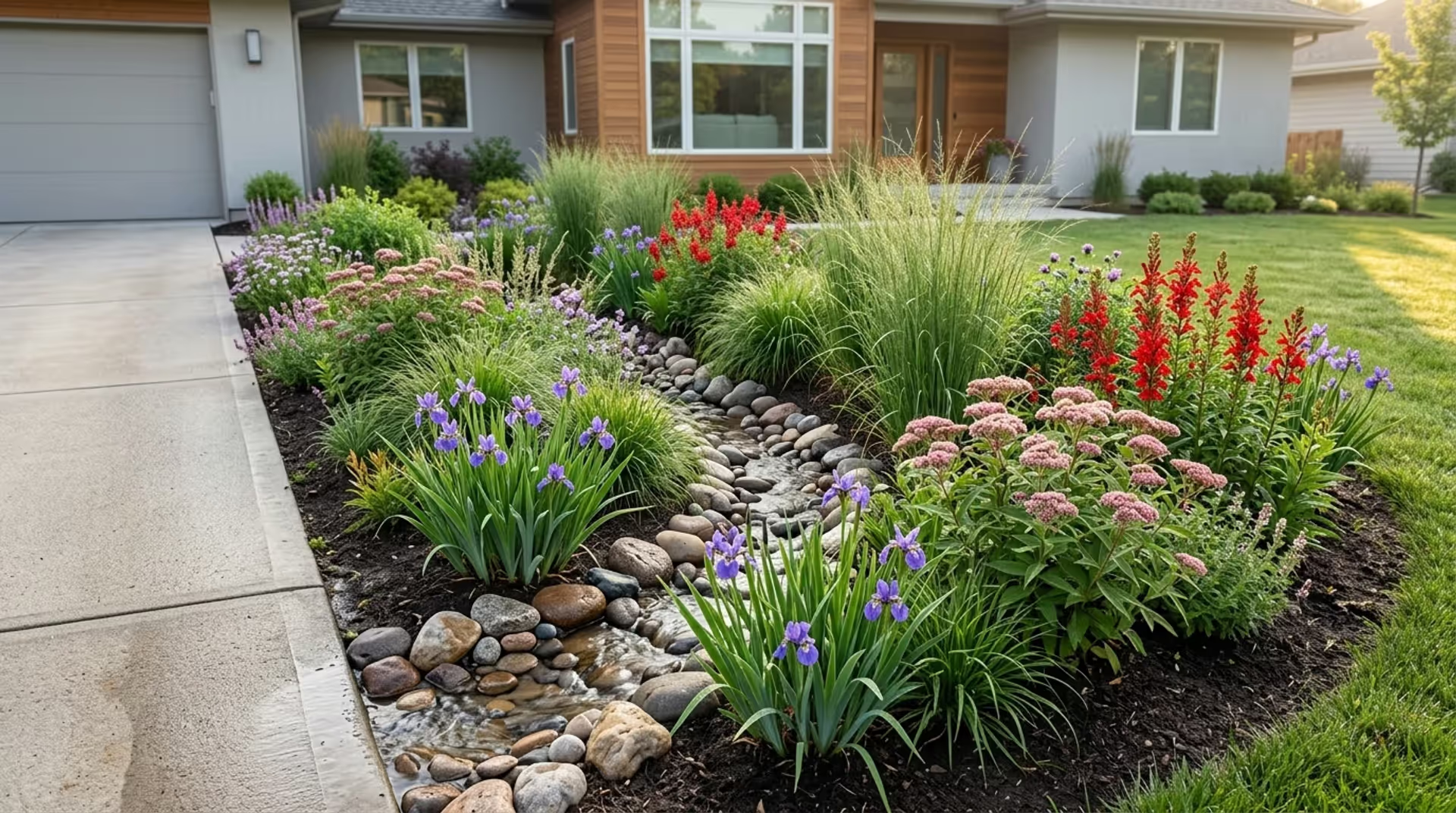
Learn which plants thrive in bioswales and drainage areas. This comprehensive guide covers native species by region, moisture-tolerant options, planting zones, design principles, and common mistakes to avoid when creating functional rain gardens and bioswales.
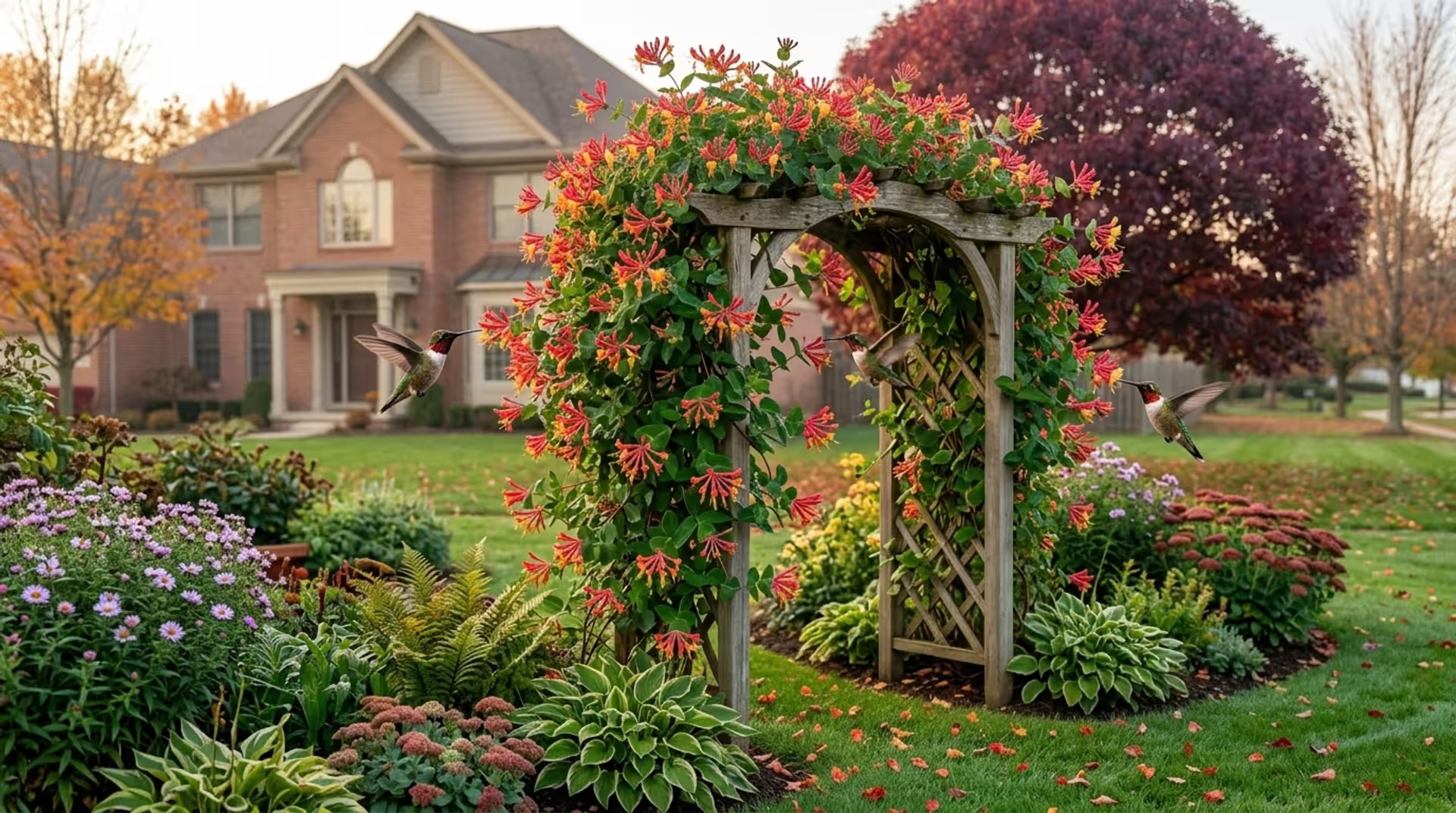
Lonicera plants offer more than sweet-smelling vines. This guide covers climbing, shrub, and ground cover varieties, plus care tips for hedges, wildlife gardens, and responsible planting. Learn which honeysuckles attract hummingbirds and which to avoid for ecological reasons.
The content on this website is provided for general informational and educational purposes only. It is intended to explain concepts related to landscape design, outdoor spaces, plants, irrigation, hardscape and softscape, and sustainable landscaping.
All information on this website, including articles, guides, and examples, is presented for general educational purposes. Outcomes may vary depending on local climate, soil, plant selection, and project implementation.
This website does not provide professional design, construction, or horticultural advice, and the information presented should not be used as a substitute for consultation with qualified landscape architects, contractors, or horticulturists.
The website and its authors are not responsible for any errors or omissions, or for any outcomes resulting from decisions made based on the information provided on this website.