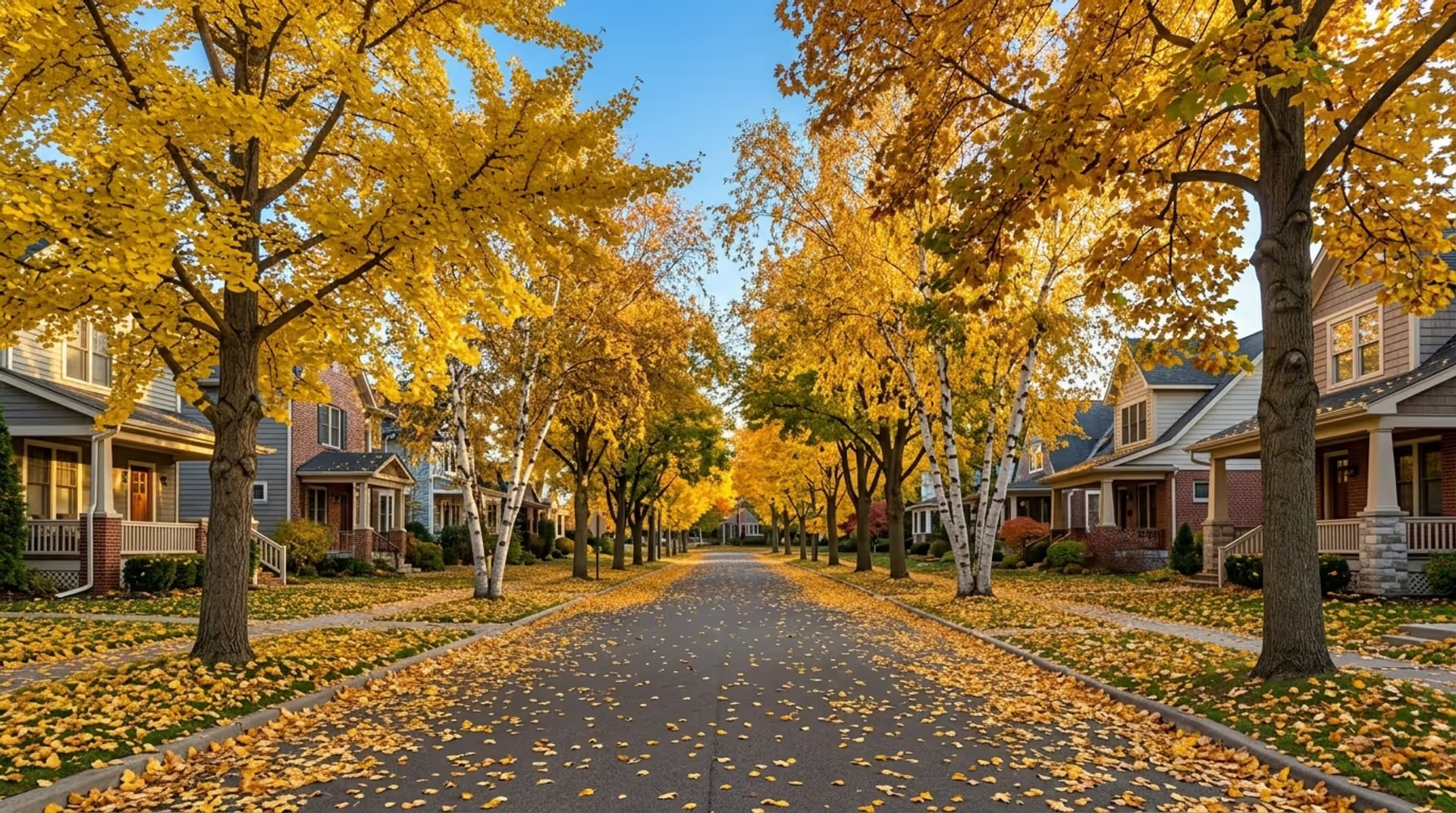
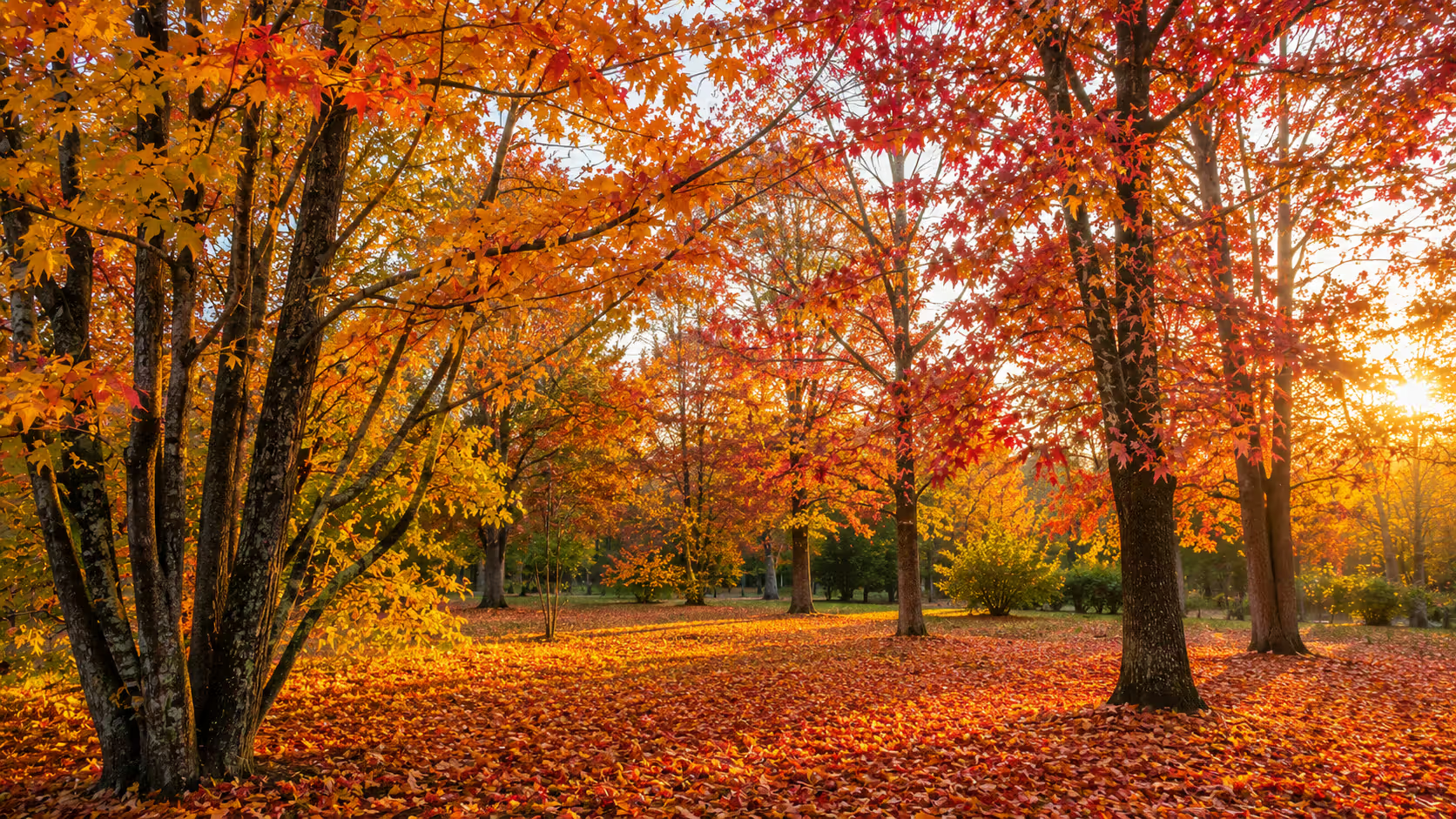
You've probably noticed it during a crisp October walk — entire hillsides glowing gold, neighborhoods lined with butter-yellow canopies, and that one spectacular tree that stops traffic every autumn. Yellow fall foliage creates some of nature's most stunning displays, but not every tree joins the show. Some species reliably turn brilliant yellow year after year, while others stay green until they drop or shift to brown. If you're wondering which trees produce that coveted golden glow, you're in the right place.
Why Some Trees Turn Yellow While Others Don't
The science behind fall color isn't mysterious, but it's often misunderstood. People assume cold weather triggers the change. Temperature plays a role, sure, but the real driver is daylight length.
As days shorten in autumn, deciduous trees begin shutting down chlorophyll production. Chlorophyll is the green pigment that powers photosynthesis all summer. When it breaks down and isn't replaced, other pigments that were there all along finally get their moment. Yellow and orange colors come from carotenoids — the same compounds that make carrots orange and corn yellow. These pigments were always present in the leaves, just masked by the dominant green.
Red and purple fall colors work differently. Those come from anthocyanins, which trees actively produce in autumn under specific conditions. But yellow? That's simply what was hiding underneath all summer.
Not every tree species bothers with this color show. Evergreens keep their needles, and some deciduous trees just turn brown when chlorophyll fades. The trees that turn yellow are typically those with high carotenoid concentrations in their leaves. Genetics determines this — you can't make an oak turn yellow if it's programmed for brown.
Weather conditions affect intensity, though. A warm, wet growing season followed by sunny, cool (but not freezing) autumn days produces the brightest yellows. Early hard freezes can shut down the process before colors peak, leaving you with disappointing brown leaves instead.
Native Trees That Turn Yellow in Autumn
North America has no shortage of native species that put on a golden autumn show. These trees evolved here and typically thrive without much fussing.
Author: Olivia Maren;
Source: cribbslandscaping.com
Birch Trees and Their Golden Display
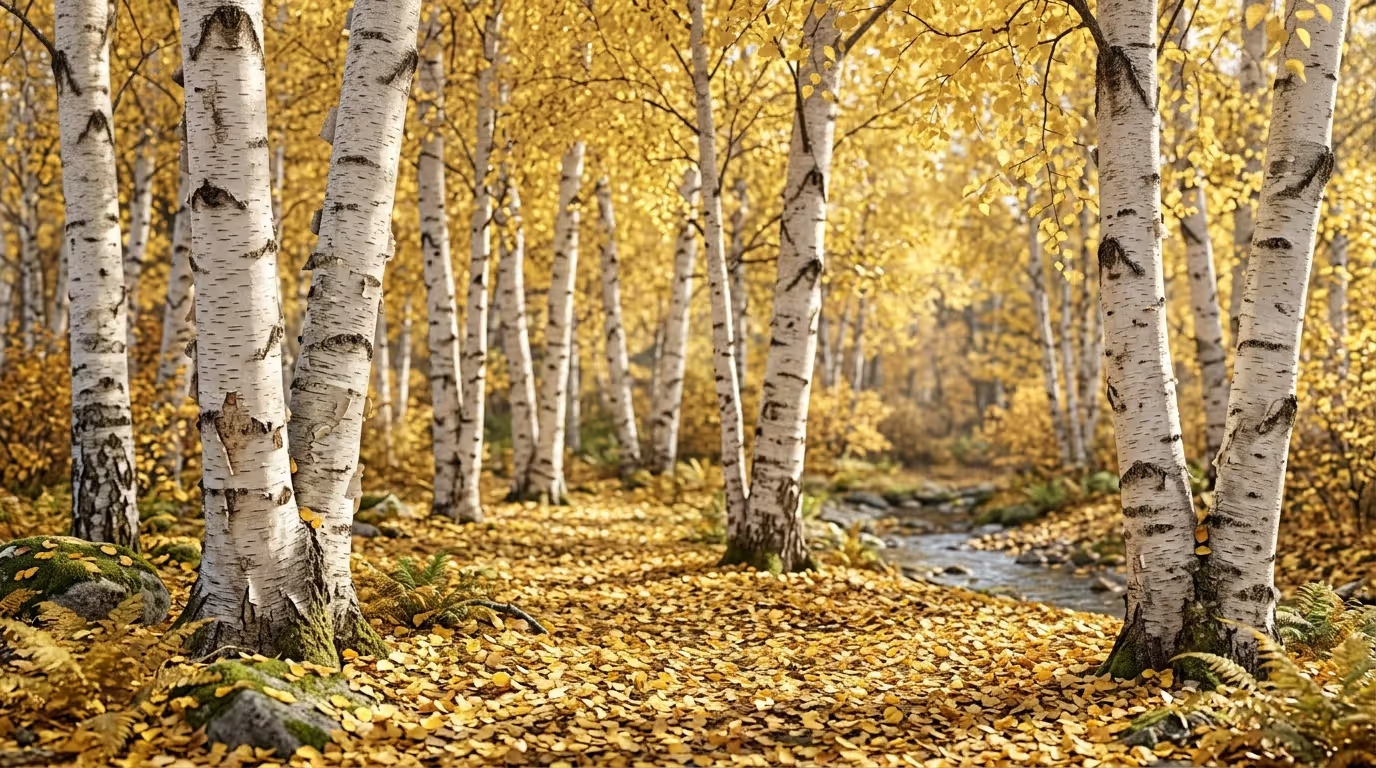
Birch tree fall color is reliably yellow, and the contrast against white bark makes it unforgettable. River birch, paper birch, and yellow birch all deliver warm golden tones in autumn.
Paper birch (Betula papyrifera) might be the most iconic. It grows across the northern U.S. and Canada, turning a clear butter-yellow that practically glows in late September. The pattern I see most often is entire groves shifting color within days of each other, creating those postcard-perfect scenes you associate with New England or the Upper Midwest.
River birch adapts to warmer climates better than other birches — it'll grow as far south as Florida. The fall color tends toward pale yellow rather than the richer gold of northern species, but it's still attractive. One advantage: river birch resists bronze birch borer better than paper birch, which makes it a smarter landscape choice in many areas.
Yellow birch (Betula alleghaniensis) produces golden-yellow fall foliage with occasional orange highlights. It's a larger tree than paper birch, sometimes reaching 80 feet, and prefers cool, moist sites.
Aspen and Poplar Varieties
Aspen tree autumn color is legendary in the Rocky Mountain states. Quaking aspen (Populus tremuloides) creates those famous golden mountainsides you see in Colorado tourism photos. The leaves flutter in the slightest breeze, making entire hillsides shimmer.
Aspens spread through root suckers, so what looks like a forest of individual trees might actually be a single organism. This means large stands often change color simultaneously — all connected to the same root system.
Bigtooth aspen (Populus grandidentata) grows in the eastern U.S. and turns yellow-gold in fall. It's faster-growing than many native trees but shorter-lived, typically lasting 50-70 years.
Tulip poplar (Liriodendron tulipifera) isn't a true poplar but produces excellent yellow fall color. It's one of the tallest eastern hardwoods, reaching 100+ feet. The leaves turn golden-yellow in October, and the tree's straight trunk and pyramidal shape make it a landscape standout year-round.
American Sycamore and Tulip Trees
American sycamore (Platanus occidentalis) turns yellow-brown in fall. It's not the showiest autumn tree, but the exfoliating bark provides year-round interest. These massive trees can live 250+ years and tolerate urban conditions better than many natives.
Tulip trees deserve a second mention here because they're underused in landscaping despite being spectacular. The tulip-shaped flowers in spring are a bonus, but that clear yellow fall foliage is the main event. They grow fast — 2 feet per year when young — and prefer moist, well-drained soil.
Ginkgo and Other Ornamental Yellow Trees
If you want a guaranteed yellow show every autumn, ornamental trees bred for fall color won't disappoint.
Author: Olivia Maren;
Source: cribbslandscaping.com
Why Ginkgo Trees Are Prized for Fall Color
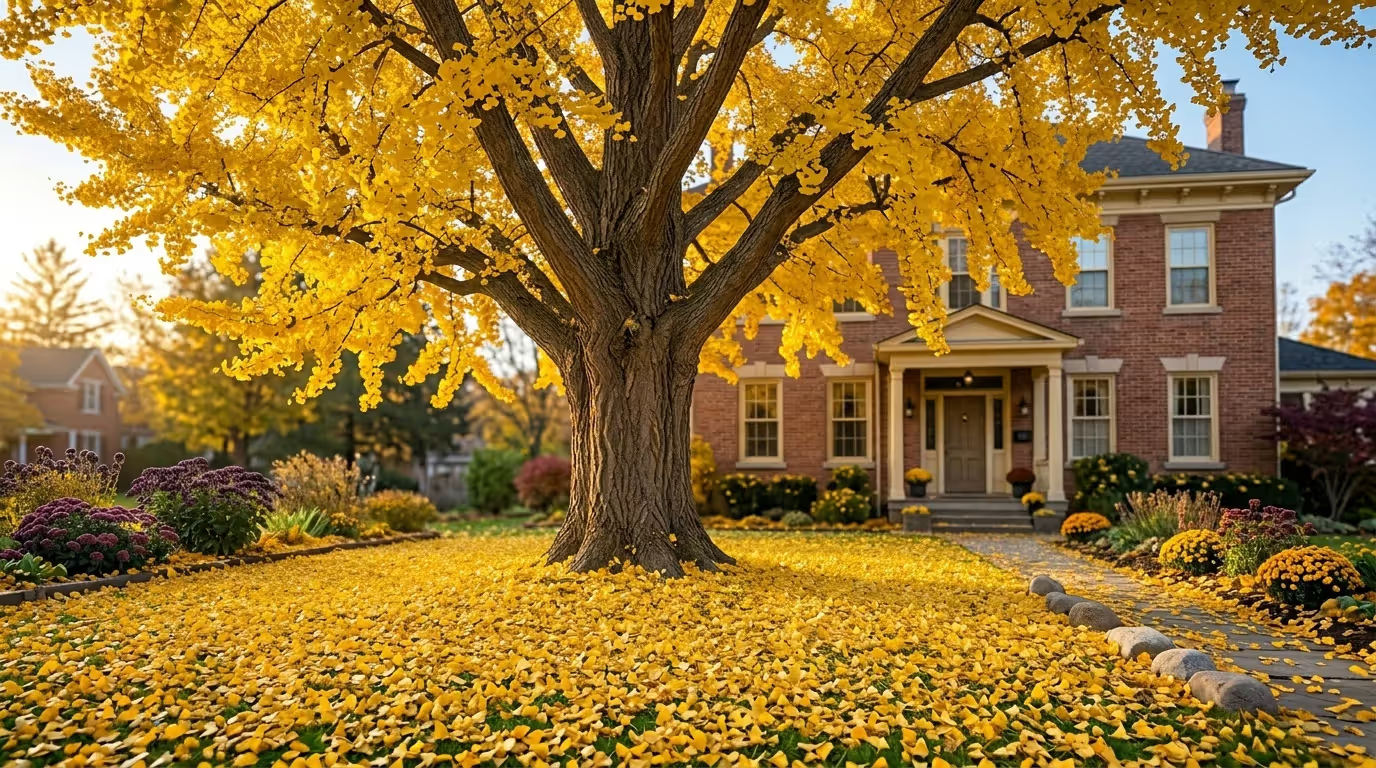
Ginkgo tree fall color is predictable, intense, and happens all at once. That's unusual. Most trees gradually change over weeks, but ginkgos often drop their entire canopy within 24-48 hours after turning yellow.
The color itself is a rich, buttery yellow — almost luminous. Ginkgo biloba is the only surviving species of an ancient plant family that dates back 200 million years. It's incredibly tough, tolerating pollution, compacted soil, salt, and drought once established.
One catch: ginkgos are either male or female, and female trees produce foul-smelling fruit. Always buy a named male cultivar like 'Autumn Gold' or 'Princeton Sentry'. The smell of ginkgo fruit is genuinely awful — think rancid butter mixed with vomit. Not what you want near your driveway.
Ginkgos grow slowly when young but pick up speed after establishment. They're hardy in zones 3-8 and can live for centuries. The fan-shaped leaves are unique and beautiful even before they turn yellow.
The ginkgo's synchronized leaf drop is actually a survival strategy from its evolutionary past. In its native range, dropping all leaves at once helped the tree avoid damage from sudden winter storms. For homeowners, this means one afternoon of serious raking instead of weeks of cleanup — which most people appreciate once they adjust to the timing.
— Chen Michael
Ornamental Pears and Serviceberry
Callery pear cultivars (Pyrus calleryana) like 'Bradford' and 'Chanticleer' produce yellow to red-purple fall color. These trees became wildly popular in the 1980s and 1990s but have fallen out of favor. They're invasive in many regions, and the wood is brittle — branches break easily in storms.
If you already have one, it'll likely give you decent fall color. But don't plant new ones. Better alternatives exist.
Serviceberry (Amelanchier species) is one of those better alternatives. These small ornamental trees for fall offer yellow-orange-red color combinations, white spring flowers, and edible berries that birds love. They're native, non-invasive, and adaptable to various conditions. Downy serviceberry (Amelanchier arborea) works well as an understory tree or in small yards.
Katsura tree (Cercidiphyllum japonicum) deserves mention here too. The fall color ranges from yellow to apricot, and the leaves smell like cotton candy or burnt sugar when they drop. It's a conversation starter every autumn.
Maples That Produce Yellow Fall Foliage
When people think fall color, they think maples. But not all maples turn red.
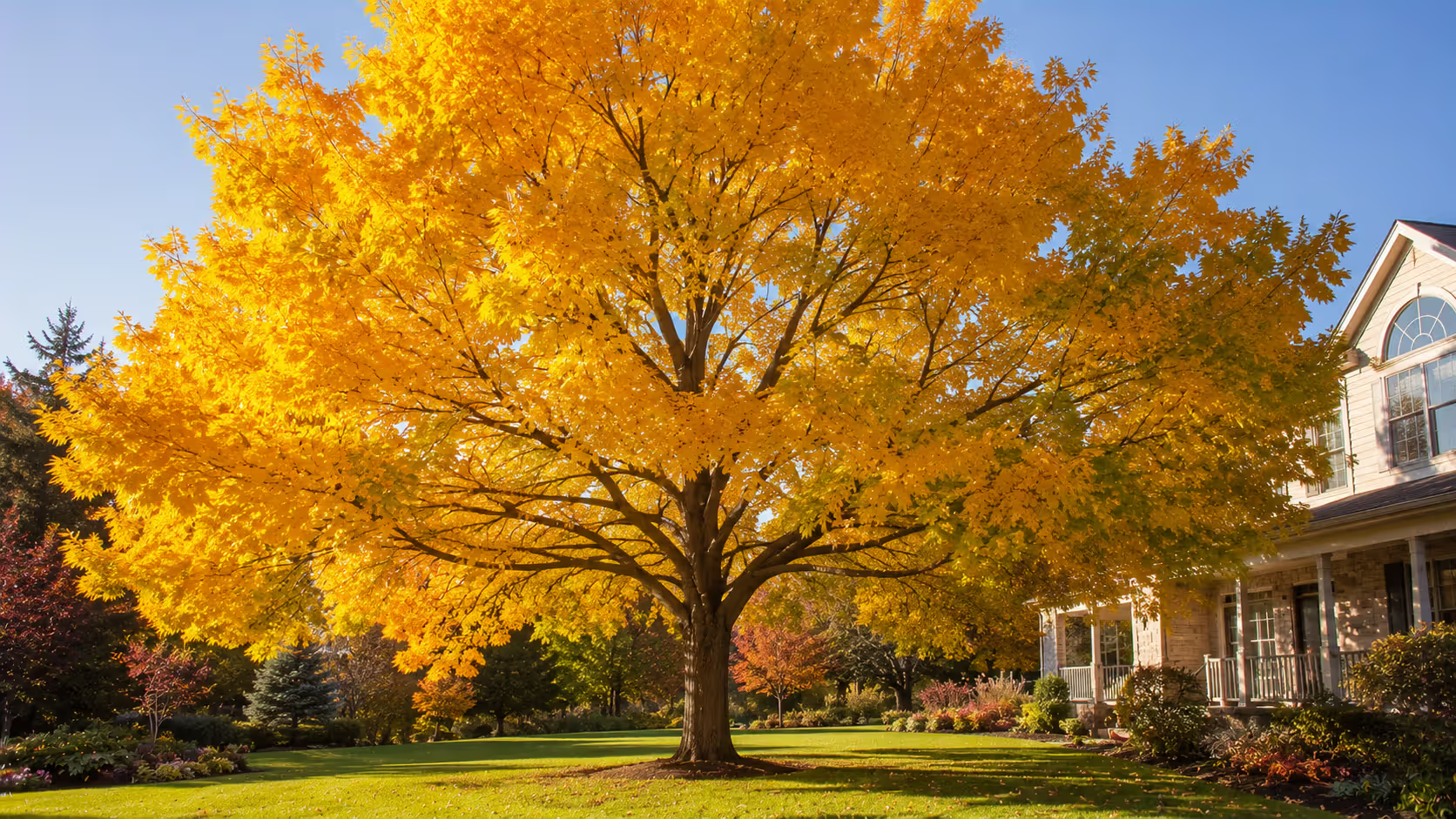
Maples with yellow fall foliage include several popular species. Sugar maple (Acer saccharum) can turn yellow, orange, or red depending on genetics and growing conditions. Individual trees are consistent year to year, but two sugar maples growing side by side might display completely different colors. If you want yellow specifically, you need to see the tree's fall color before buying or choose a cultivar selected for yellow tones.
Norway maple (Acer platanoides) turns yellow reliably. The fall color isn't as bright as sugar maple at its best, but it's consistent. Norway maple is considered invasive in many areas, though, because it outcompetes native species and creates dense shade that prevents understory growth.
Silver maple (Acer saccharinum) produces pale yellow fall color — nothing spectacular, but pleasant enough. It grows fast and tolerates wet soil, making it useful in challenging sites. The wood is weak, though, and branches break in ice storms.
Hedge maple (Acer campestre) is a smaller option (25-35 feet) with yellow fall color. It's more drought-tolerant than most maples and works well as a street tree or in tight spaces.
Paperbark maple (Acer griseum) offers yellow to red-orange fall color, but the real attraction is the cinnamon-colored exfoliating bark. It's slow-growing and expensive but worth it if you want year-round interest in a small package.
Author: Olivia Maren;
Source: cribbslandscaping.com
Trees With Yellow-Orange Fall Color Combinations
Some of the most striking autumn displays come from trees that don't pick just one color. These species transition through multiple shades or show several colors simultaneously.
Sweetgum (Liquidambar styraciflua) is the poster child for multi-color fall foliage. A single tree might display yellow, orange, red, and purple leaves at the same time. The effect is spectacular but unpredictable. Some years lean more yellow, others more red. The spiky seed balls are a nuisance, though — they hurt to step on barefoot and clog lawn mowers.
Hickory species produce yellow-orange to golden-bronze fall color. Shagbark hickory (Carya ovata) and bitternut hickory (Carya cordiformis) both deliver warm autumn tones. These are large, slow-growing trees that produce edible nuts (though cracking them is work).
Black tupelo (Nyssa sylvatica), also called black gum, transitions from yellow to orange to scarlet, often with all three colors visible at once. It's a fantastic wildlife tree — birds love the berries — and it tolerates wet soil. The horizontal branching pattern looks great in winter too.
Sassafras (Sassafras albidum) produces yellow, orange, and red fall leaves, sometimes on the same branch. The leaves come in three shapes (mitten-shaped, three-lobed, or unlobed), which makes the tree interesting even in summer. Sassafras spreads by root suckers and can form colonies if not managed.
White oak (Quercus alba) turns yellow-brown to russet in fall. It's not flashy, but the color lasts well into winter since oaks hold their leaves longer than most deciduous trees. White oaks are long-lived, majestic shade trees — a 50-year investment that pays off for generations.
Author: Olivia Maren;
Source: cribbslandscaping.com
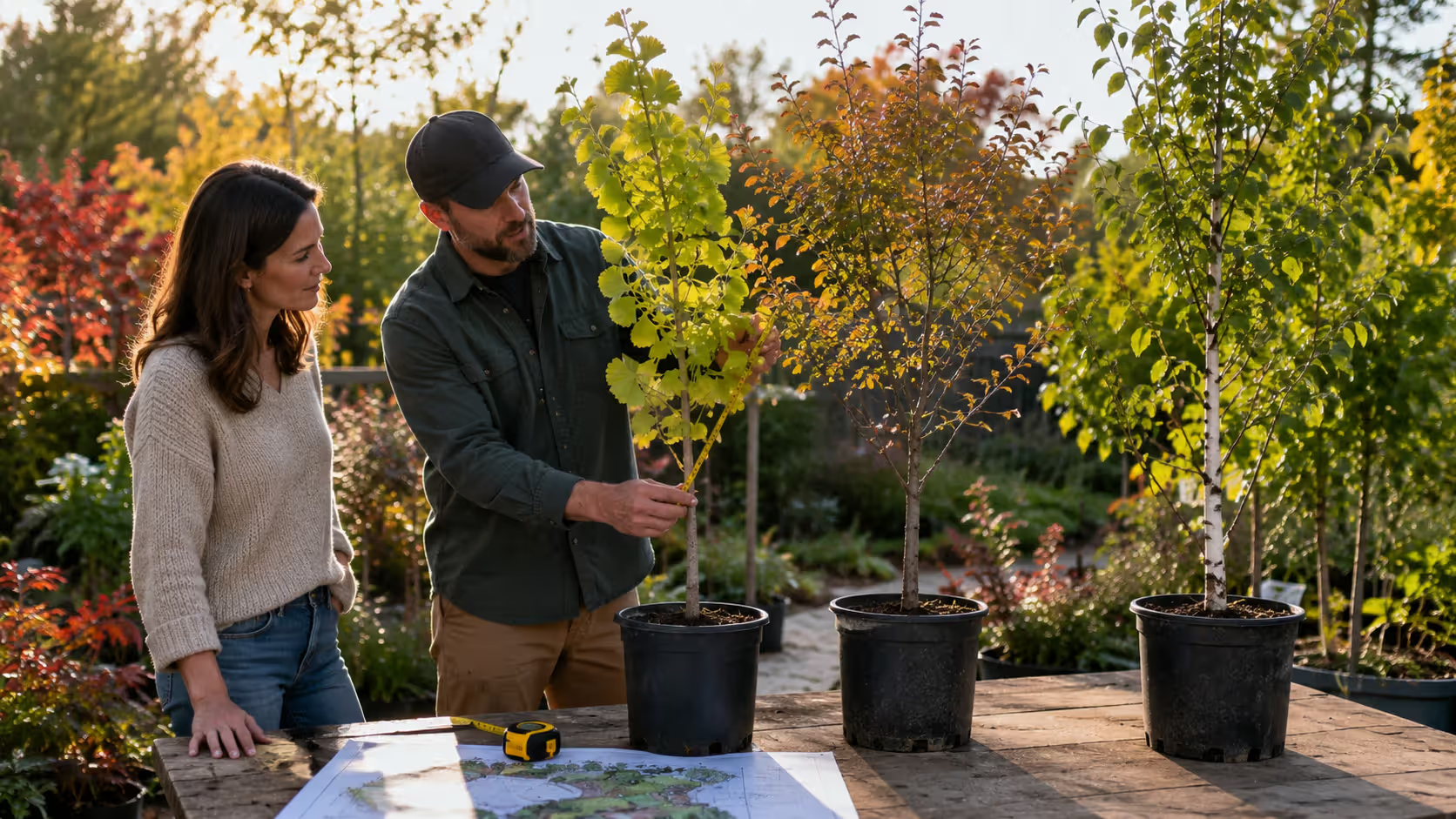
How to Choose Yellow Fall Foliage Trees for Your Yard
Picking the right tree involves more than just liking the fall color. You need to match the tree to your site conditions and long-term goals.
Start with hardiness zones. A tree that thrives in Minnesota won't necessarily work in Georgia. Check your USDA hardiness zone and choose species rated for your area. Most yellow fall color trees prefer zones 3-8, but some extend into zone 9.
Soil matters more than people realize. Birches need consistent moisture and struggle in dry, compacted soil. Ginkgos tolerate poor soil. Maples prefer slightly acidic, well-drained soil but adapt to a range of conditions. Get a soil test if you're unsure what you're working with.
Mature size is non-negotiable. That cute 6-foot tree at the nursery might reach 80 feet tall with a 50-foot spread. Make sure you have room. Planting too close to houses, driveways, or power lines creates expensive problems later.
Growth rate affects how soon you'll see results. Fast-growing trees like tulip poplar or silver maple give you shade and fall color within 10-15 years. Slow growers like ginkgo or oak take longer but typically live longer and have fewer structural problems.
Maintenance requirements vary. Some trees drop messy fruit (ginkgo females, sweetgum), need regular watering (birches), or require pruning to maintain good structure (fast-growing maples). Be honest about how much maintenance you're willing to do.
The simpler option usually wins here. If you want low-maintenance yellow fall color, ginkgo (male cultivar), katsura, or tulip tree are solid choices. If you don't mind a bit of extra care, birches and aspens offer unmatched beauty.
Author: Olivia Maren;
Source: cribbslandscaping.com
Here's a practical comparison of popular options:
Tree Species
Mature Height
Hardiness Zones
Fall Color Timing
Growth Rate
Maintenance Level
Ginkgo biloba
50-80 ft
3-8
Late October
Slow to moderate
Low (choose male)
Paper Birch
50-70 ft
2-6
Early-mid October
Moderate
Moderate (water needs)
Quaking Aspen
40-50 ft
1-6
Late September
Fast
Moderate (suckering)
Tulip Poplar
70-100 ft
4-9
Mid-late October
Fast
Low
Sugar Maple
50-80 ft
3-8
Early-mid October
Slow to moderate
Low to moderate
River Birch
40-70 ft
4-9
Mid-late October
Fast
Moderate (water needs)
Katsura
40-60 ft
4-8
Mid October
Moderate
Low
Serviceberry
15-25 ft
4-9
Mid October
Moderate
Low
One common mistake: planting based only on fall color photos. That tree looks amazing for maybe three weeks a year. What does it look like the other 49 weeks? Consider bark texture, summer foliage, flowers, growth habit, and winter silhouette. A tree should earn its space year-round.
Frequently Asked Questions About Yellow Fall Trees
What month do trees turn yellow in fall?
Timing varies by species and location. In northern states (zones 3-5), yellow fall foliage typically peaks in late September to early October. Central regions (zones 6-7) see peak color in mid to late October. Southern areas (zones 8-9) might not see color change until November, and some trees skip the yellow phase entirely in warm climates. Elevation matters too — mountain areas change earlier than lowlands in the same region.
Do yellow fall trees need special care?
Not really. The yellow color happens naturally as part of the tree's dormancy process. You can't fertilize or water your way to brighter yellow. That said, a healthy tree produces better fall color than a stressed one. Make sure your tree gets adequate water during the growing season, mulch around the base, and avoid damage to the trunk or roots. Trees under drought stress often turn brown instead of yellow.
Which yellow fall tree grows the fastest?
Tulip poplar and river birch are among the fastest-growing yellow fall foliage trees, adding 2+ feet per year when young. Quaking aspen also grows quickly. Fast growth comes with tradeoffs — these trees often have weaker wood or shorter lifespans than slow-growers like oak or ginkgo. If you need shade and fall color quickly, though, fast-growers make sense.
Can trees turn yellow in warm climates?
Yes, but it depends on the species. Ginkgo, river birch, and tulip poplar produce yellow fall color even in zones 8-9. The color might be less intense than in northern climates, and timing shifts later in the year. Some trees need a certain amount of cold weather to trigger good color, so paper birch or quaking aspen won't perform well in the South. Choose species adapted to your specific climate for best results.
Do all birch trees turn yellow?
Most birch species turn some shade of yellow in fall, but intensity varies. Paper birch, yellow birch, and river birch all produce yellow fall foliage. Gray birch turns pale yellow. The exact shade depends on the species, individual tree genetics, and weather conditions that autumn. Birches are generally reliable for yellow fall color across their range.
What's the difference between yellow and gold fall color?
It's mostly a matter of intensity and tone. "Yellow" typically describes brighter, clearer colors — think lemon or butter yellow. "Gold" refers to deeper, richer yellows with orange undertones — more like honey or amber. Ginkgo produces true yellow. Hickories lean toward gold. Some people use the terms interchangeably, and there's no scientific distinction. Both colors come from carotenoid pigments in the leaves.
Yellow fall foliage brings warmth and light to autumn landscapes. Whether you're planting a single specimen tree or planning an entire yard, choosing species with reliable yellow color gives you something to look forward to every October.
The best approach combines practical considerations with personal preference. Match trees to your site conditions first — soil, space, climate. Then choose species whose fall color, growth habit, and year-round appearance fit your vision. Don't overlook native species like birch, aspen, and tulip poplar. They're often better adapted to local conditions than exotic ornamentals.
If you're starting from scratch, consider planting a mix of trees that peak at slightly different times. Early-coloring aspens, mid-season maples, and late-season ginkgos extend your fall display by several weeks. Pair yellow fall trees with red or orange species for contrast, or stick with all yellows for a cohesive golden theme.
Remember that fall color is a bonus, not the only reason to plant a tree. Choose species that contribute to your landscape all year. The right tree in the right place will give you decades of enjoyment — and every autumn, you'll get that spectacular yellow show that makes the wait worthwhile.
Star jasmine creates fragrant, evergreen coverage but grows vigorously. This guide explains whether it's truly invasive, how fast it spreads, control strategies, and complete care instructions for US gardeners in zones 8-11.
Learn which plants thrive in bioswales and drainage areas. This comprehensive guide covers native species by region, moisture-tolerant options, planting zones, design principles, and common mistakes to avoid when creating functional rain gardens and bioswales.
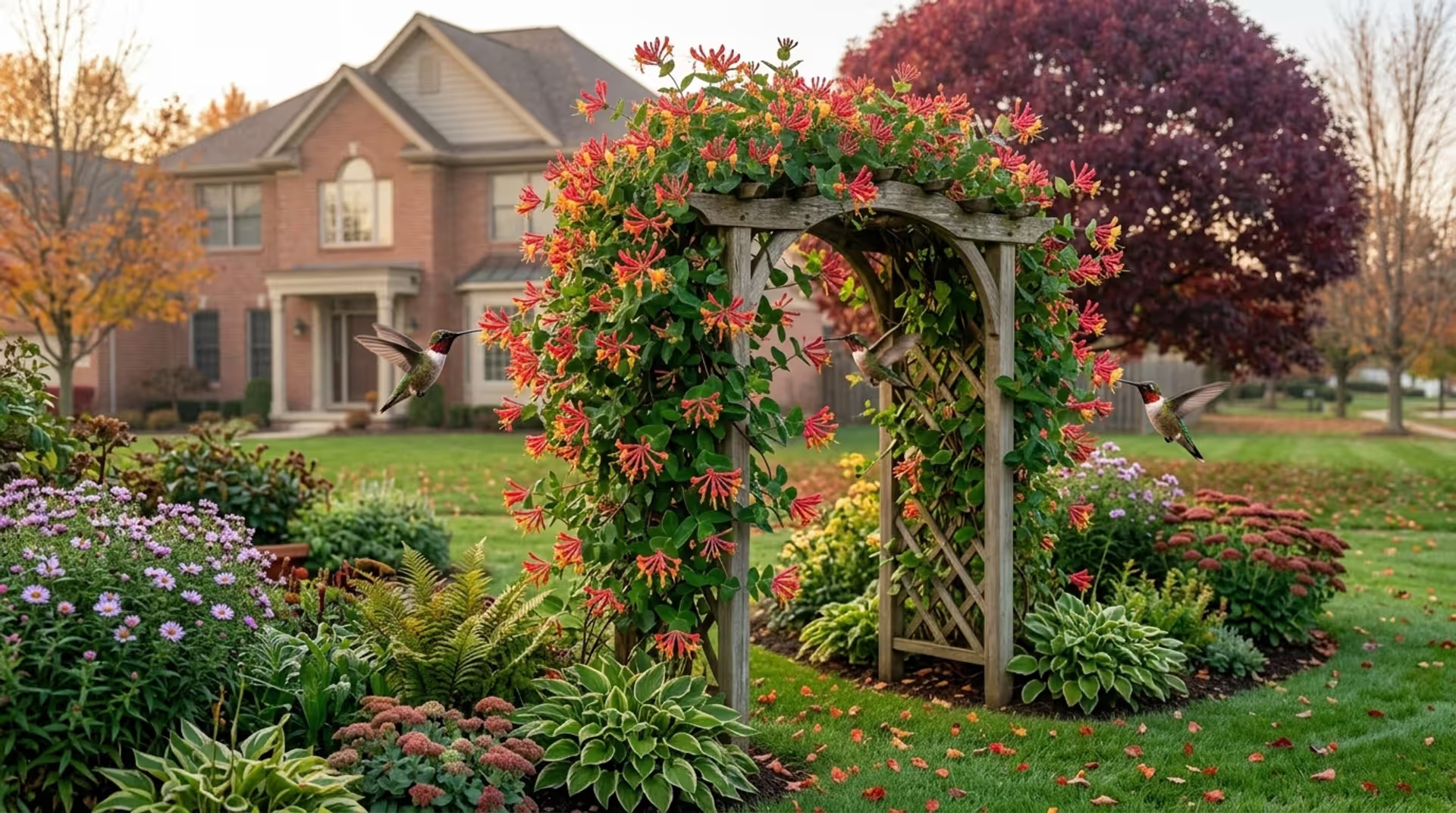
Lonicera plants offer more than sweet-smelling vines. This guide covers climbing, shrub, and ground cover varieties, plus care tips for hedges, wildlife gardens, and responsible planting. Learn which honeysuckles attract hummingbirds and which to avoid for ecological reasons.
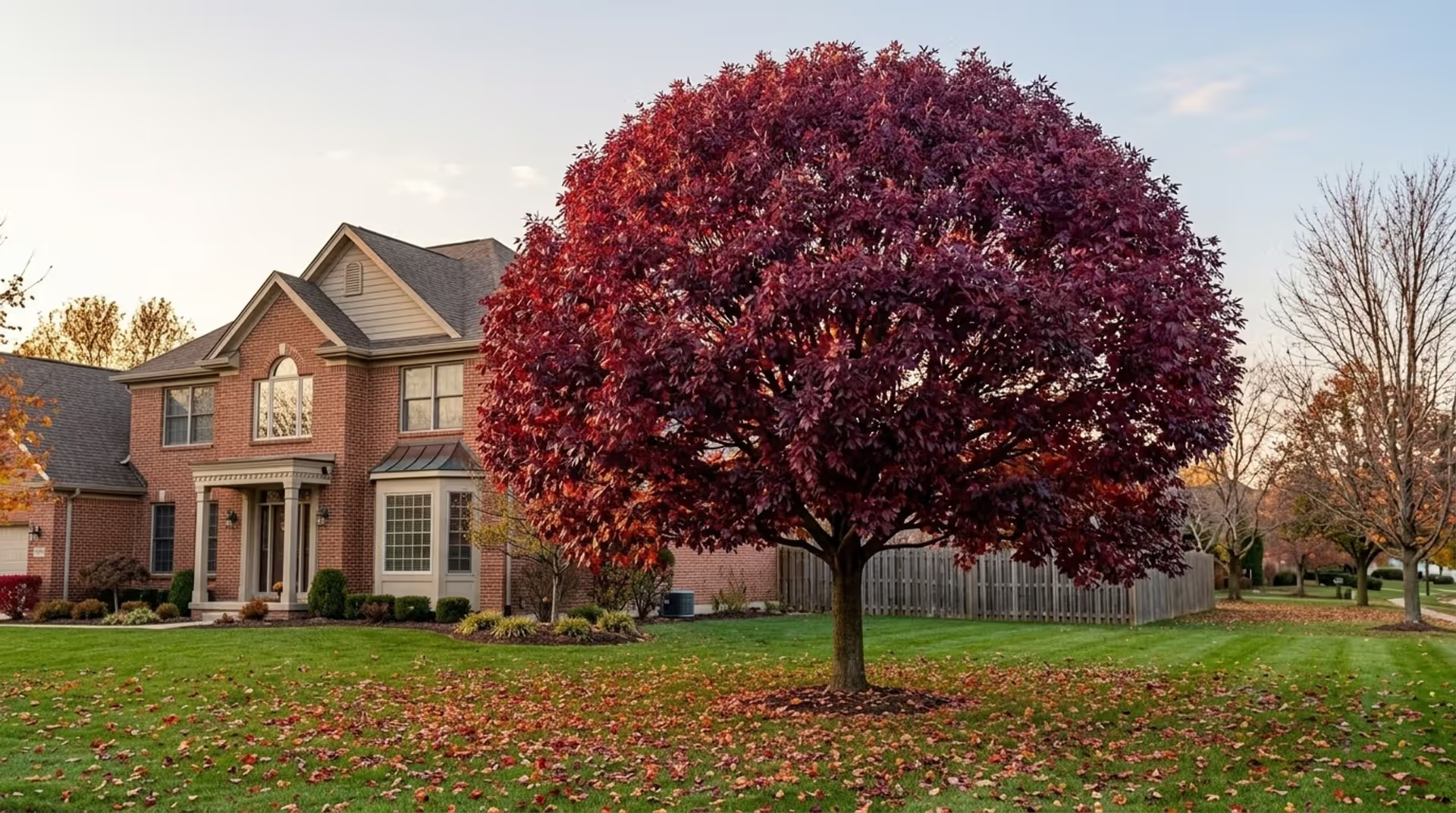
The raywood ash stands out among ornamental shade trees for one spectacular reason: its fall display rivals any maple. This deciduous tree transforms from deep green to burgundy-plum in autumn, creating a focal point that stops traffic.
The content on this website is provided for general informational and educational purposes only. It is intended to explain concepts related to landscape design, outdoor spaces, plants, irrigation, hardscape and softscape, and sustainable landscaping.
All information on this website, including articles, guides, and examples, is presented for general educational purposes. Outcomes may vary depending on local climate, soil, plant selection, and project implementation.
This website does not provide professional design, construction, or horticultural advice, and the information presented should not be used as a substitute for consultation with qualified landscape architects, contractors, or horticulturists.
The website and its authors are not responsible for any errors or omissions, or for any outcomes resulting from decisions made based on the information provided on this website.