Last spring, I watched a neighbor's brand-new bioswale turn into a muddy mess after three days of rain. The culprit? She'd planted hostas and impatiens—gorgeous shade plants that have zero business sitting in standing water. By June, half were dead, and the swale looked worse than the drainage ditch it replaced.
Here's the thing about bioswales: they're not garden beds with extra water. They're filtration systems that happen to use plants. Water floods in during storms, sits for hours (sometimes days), then vanishes completely during dry spells. That's brutal on vegetation. Pick the wrong species, and you'll replant every season while your swale clogs with sediment and dead roots.
The difference between a bioswale that works and one that fails? Plant selection accounts for about 70% of it.
What Is a Bioswale and Why Plant Selection Matters
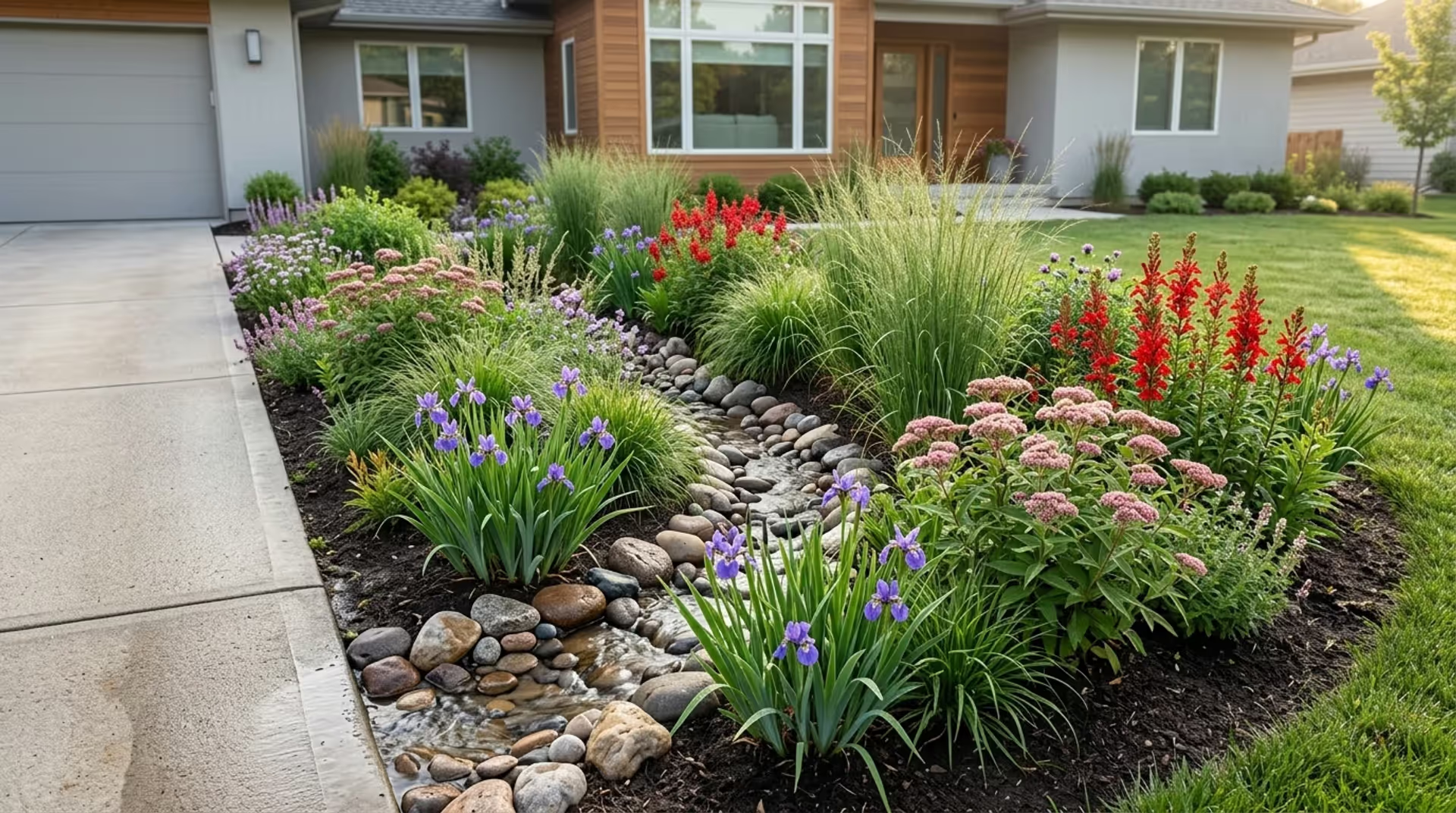
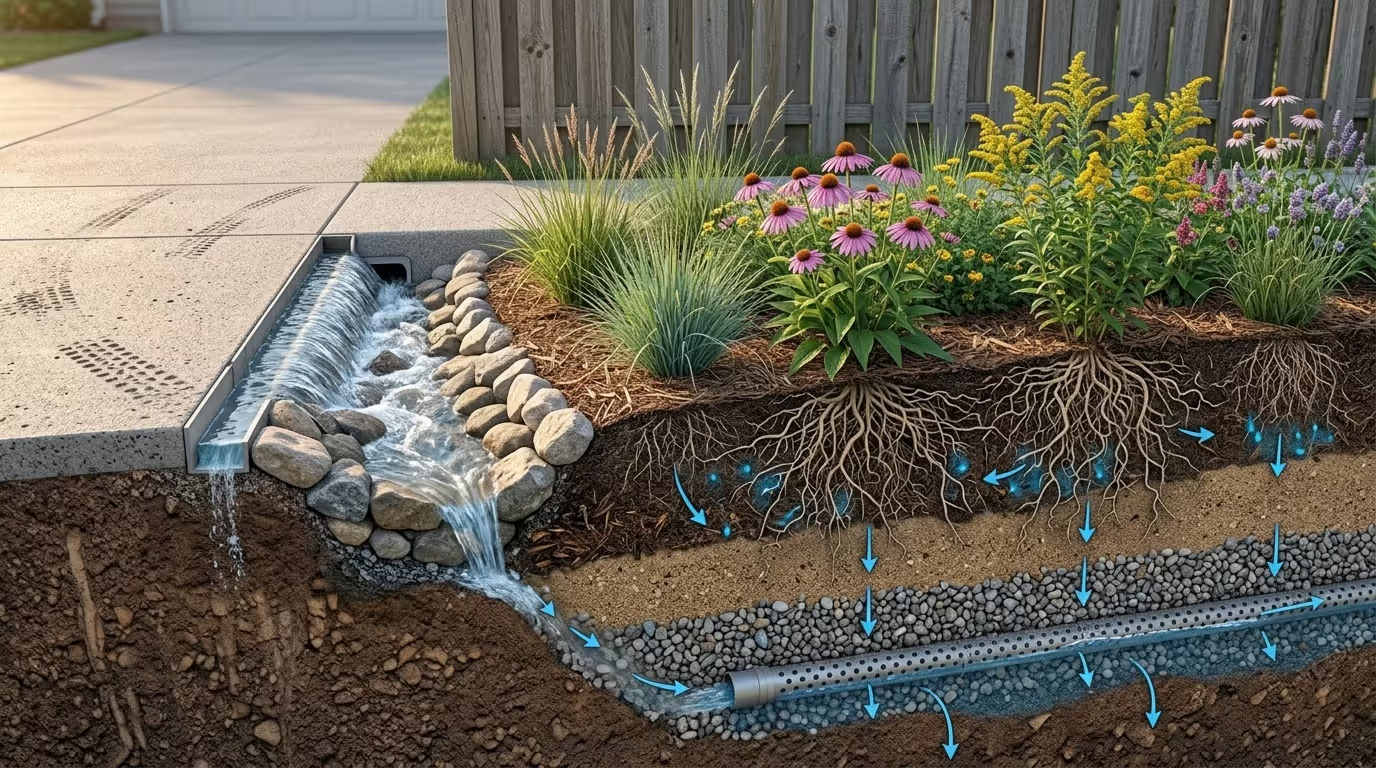
Think of a bioswale as a living filter disguised as a landscaping feature. It's basically a shallow ditch—usually 4 to 8 inches deep—filled with specific soil layers and strategic plantings. When stormwater rushes off your driveway or roof, the swale catches it, slows it down, and lets plant roots and soil microbes strip out the nasty stuff: motor oil, fertilizer residue, heavy metals from brake dust, sediment.
The water then soaks into the ground instead of flooding storm drains or carrying pollutants into streams.
Your plant choices make or break this process. Deep roots? They punch channels into compacted soil, letting water infiltrate faster. Dense top growth? Slows water velocity so soil has time to work its filtering magic. Wrong plants? You get washouts, dead zones, and a system that stops functioning within a year.
I've seen homeowners treat bioswales like regular perennial borders. They plant whatever looks pretty at the nursery. Then wonder why their expensive landscaping dies every winter or gets washed halfway down the block during thunderstorms.
Native species handle local weather patterns without life support. They've spent thousands of years adapting to your region's rainfall, soil types, and temperature swings. Non-natives usually need fertilizer (which defeats the whole pollution-filtering purpose) and constant replacement.
Author: Marcus Eldridge;
Source: cribbslandscaping.com
Best Plants for Bioswales and Drainage Swales
Forget the idea of a universal "best plants" list. What thrives in a Massachusetts bioswale might rot in Georgia or shrivel in Arizona. You need regionally appropriate species matched to your swale's specific moisture zones.
Native Plants for Swales by US Region
Northeast (Zones 4–6):
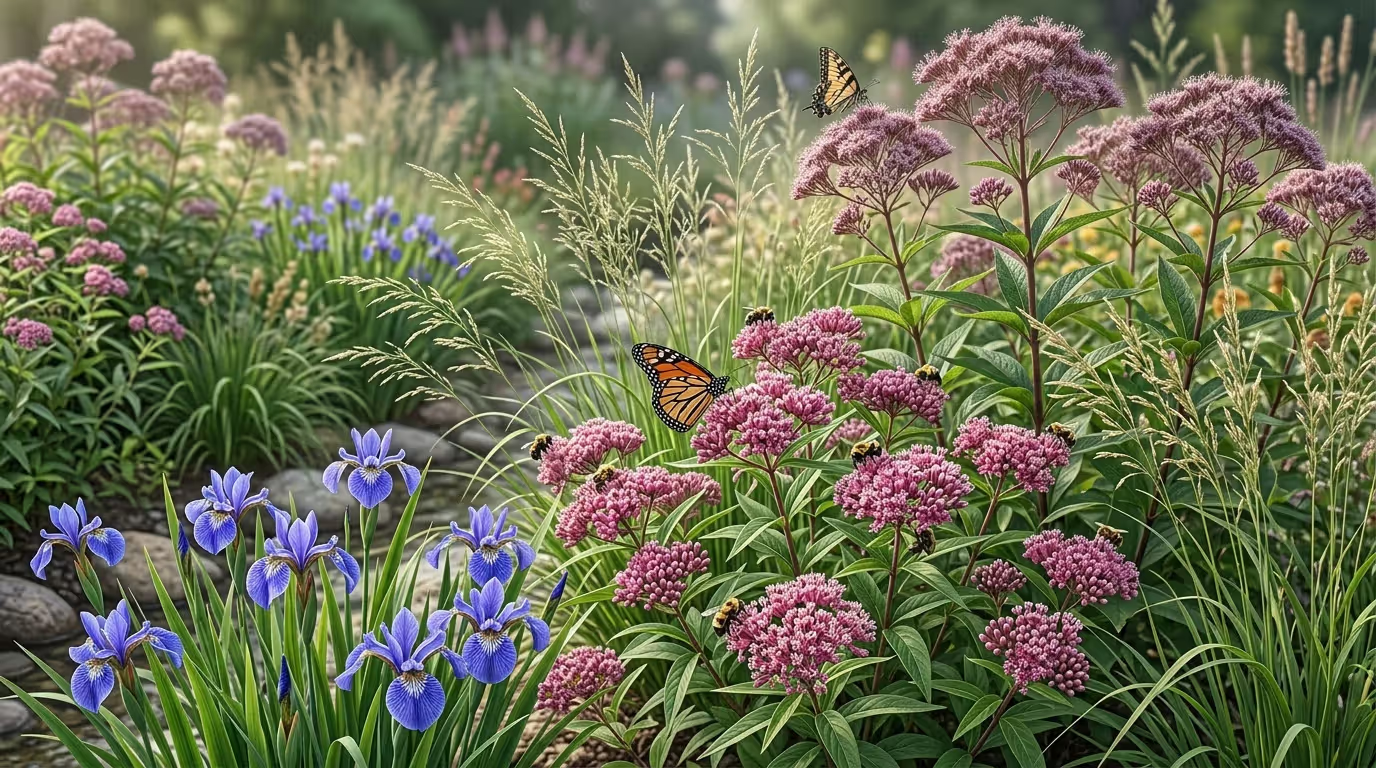
Blue flag iris (Iris versicolor) handles standing water better than almost any flowering perennial I've tested. Those purple blooms show up in late May, and the plant tolerates being submerged for 48+ hours without rotting. Grows 2 to 3 feet tall. Spreads slowly via rhizomes but never aggressively.
Joe Pye weed (Eutrochium purpureum) develops roots that go down 8 to 12 feet once established. That's serious infiltration power. The dusty pink flower clusters attract every butterfly in the neighborhood. Handles both flooding and drought. Gets huge though—plan for 5 to 7 feet in good conditions.
Swamp milkweed (Asclepias incarnata) is your monarch magnet. Pink flower clusters from July through August. Tolerates wet feet during spring runoff, then shrugs off summer dry spells. About 3 to 4 feet tall. Self-seeds moderately, which is useful for filling gaps.
Switchgrass (Panicum virgatum) provides year-round structure. Green in summer, golden-bronze in fall, bleached tan all winter. Roots stabilize slopes better than most erosion fabric. The cultivar 'Shenandoah' adds burgundy tints. Reaches 4 to 6 feet.
Southeast (Zones 7–9):
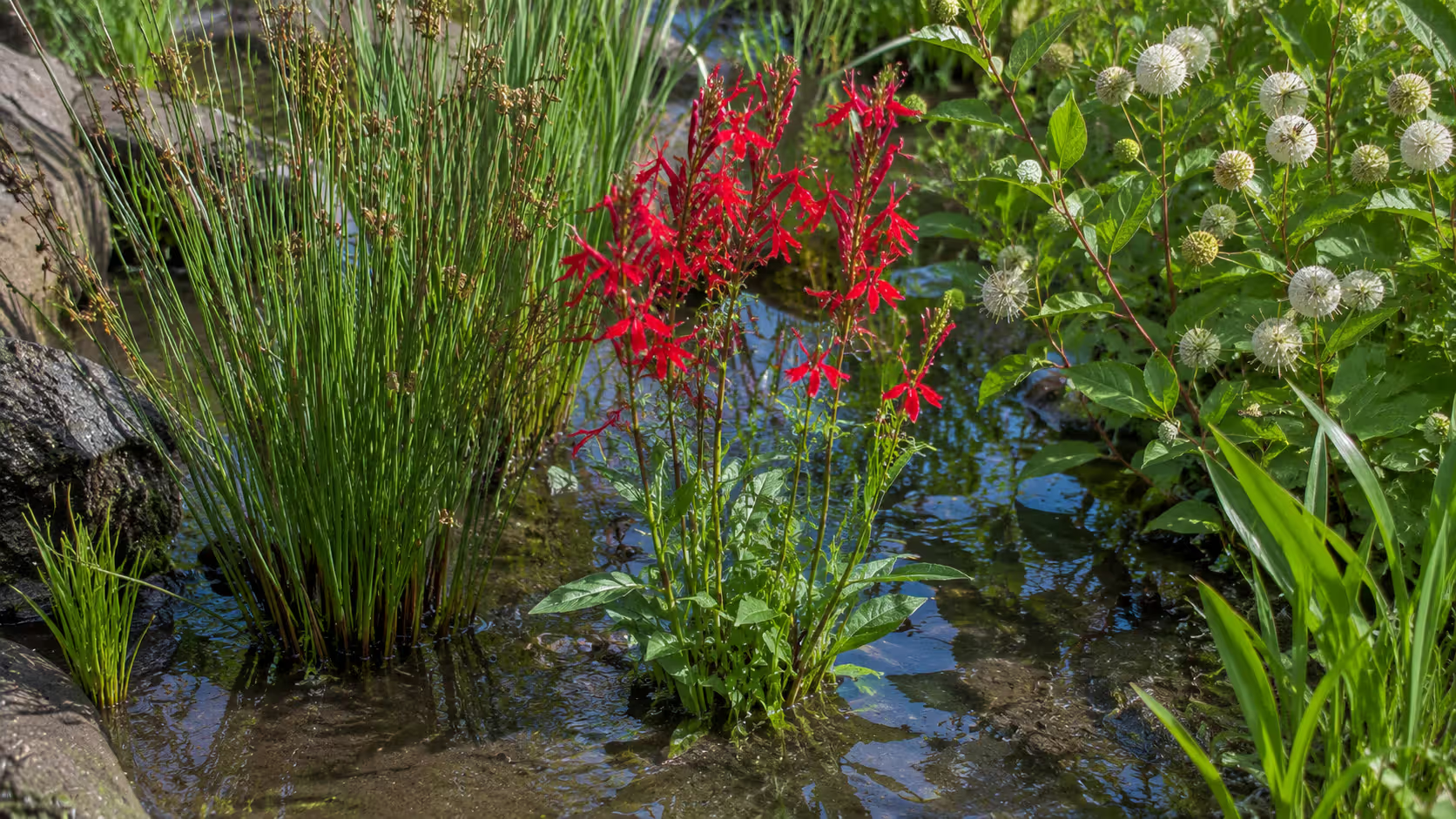
Cardinal flower (Lobelia cardinalis) produces the most intense red you'll see in a native plant. Hummingbirds hit it constantly in July and August. Needs consistent moisture—perfect for swale bottoms where water lingers. About 3 to 4 feet. Short-lived (2-3 years) but self-seeds reliably.
River oats (Chasmanthium latifolium) is one of the few grasses that actually prefers shade. Those dangling seed heads look like flattened oat grains. They catch light beautifully in fall. Spreads via rhizomes and seed—can get aggressive in small spaces, but that's useful for erosion control. 2 to 4 feet.
Soft rush (Juncus effusus) looks like a fountain of dark green pencils. Evergreen structure matters in winter when everything else dies back. Can handle full submersion for weeks. Use it in the wettest zones. 2 to 3 feet.
Cinnamon fern (Osmundastrum cinnamomeum) thrives in wet shade—a tricky combination most plants hate. Those cinnamon-colored fertile fronds in spring give it the name. Dramatic texture. 3 to 5 feet. Doesn't spread aggressively like some ferns.
Midwest (Zones 4–6):
Prairie blazing star (Liatris pycnostachya) sends up purple bottle-brush spikes in July. Flowers open from the top down (unusual—most plants go bottom-up). Drought-tolerant once established, but handles spring wet periods fine. 3 to 4 feet. Butterflies swarm it.
Black-eyed Susan (Rudbeckia hirta) adapts to just about anything. Wet spring? Fine. Dry summer? Also fine. Blooms for months—June through September in most areas. Self-seeds enthusiastically. Some people consider that weedy; I consider it low-maintenance gap-filling. 2 to 3 feet.
Sedges (Carex species)—there are hundreds of species, and most tolerate moisture better than grasses. C. vulpinoidea (fox sedge) handles standing water. C. pensylvanica (Pennsylvania sedge) works on drier slopes. Heights vary from 6 inches to 3 feet depending on species. They're underused workhorses.
Blue vervain (Verbena hastata) produces purple flower spikes that last most of summer. Self-seeds but never obnoxiously. Handles wet-dry cycles without complaint. 3 to 5 feet. Looks weedy up close but great from 10 feet away in mass plantings.
West Coast (Zones 8–10):
Red twig dogwood (Cornus sericea) is technically a shrub, but those bright red stems provide winter interest that perennials can't match. New growth is brightest, so cut it back hard every few years. Stabilizes banks aggressively via suckering roots. 6 to 9 feet if you let it go.
Douglas iris (Iris douglasiana) stays evergreen in mild climates. Purple-blue flowers in spring. California native that's adapted to wet winters and dry summers—exactly what West Coast bioswales experience. 1 to 2 feet. Clump-forming, not spreading.
Creeping Oregon grape (Mahonia repens) is a low-growing evergreen with holly-like leaves. Yellow flower clusters in spring, blue berries in summer. Spreads via rhizomes to form a dense mat—great for slopes. About 1 foot tall.
Rush (Juncus patens) provides vertical architecture. Those stiff, upright stems create textural contrast against broader-leaved plants. Minimal care requirements. 2 to 3 feet. Use it like you'd use an ornamental grass.
Don't fall for the "native equals zero maintenance" myth. Even regionally appropriate plants need establishment care—18 to 24 months of supplemental watering during dry spells, weeding, and occasional division.
Author: Marcus Eldridge;
Source: cribbslandscaping.com
Moisture Tolerant Plants for Fluctuating Water Levels
The swale bottom is where conditions get extreme. Water might sit there for 36 hours after a storm, then the soil cracks like a dry lakebed three weeks later. Most plants die in one extreme or the other. These species handle both:
Horsetail (Equisetum hyemale) looks prehistoric because it is—the genus dates back 100 million years. Those segmented green stems tolerate both standing water and drought. Warning: it spreads aggressively via underground rhizomes. I've seen it travel 15 feet in two years. Use barriers or save it for large installations where aggressive spreading is actually useful.
Cattails (Typha latifolia) are filtration powerhouses. Those dense root mats trap sediment and absorb nutrients like nitrogen and phosphorus. The problem? They can take over a small residential bioswale in 3 to 4 years. Consider narrow-leaf cattail (T. angustifolia) or dwarf varieties for tighter spaces.
Buttonbush (Cephalanthus occidentalis) is a native shrub with round, white flower balls that look like pincushions. Handles full submersion for weeks. Grows 6 to 12 feet, so give it room. Ducks and waterfowl love the seeds.
Lizard's tail (Saururus cernuus) produces drooping white flower spikes that look like—you guessed it—lizard tails. Thrives in shallow standing water. Spreads moderately. Foliage smells spicy when crushed. 1 to 2 feet.
Fluctuating moisture kills more bioswale plantings than pests, disease, and deer combined. True wetland plants often rot when water disappears in summer. Upland plants drown when storms hit. This middle category bridges both conditions.
Author: Marcus Eldridge;
Source: cribbslandscaping.com
Wetland Edge Planting Options
The upper slopes of your swale stay drier. Water drains through quickly, maybe pools for an hour or two after heavy rain, then it's gone. This transition zone needs plants that tolerate occasional wet feet but won't demand constant moisture:
New England aster (Symphyotrichum novae-angliae) saves its show for fall when most things are done. Purple-pink flowers cover the plant in September and October. Provides critical late-season nectar for migrating monarchs. 3 to 6 feet. Can get floppy in rich soil—plant it on the lean side.
Goldenrod (Solidago species) gets unfairly blamed for hay fever. (Ragweed is the actual culprit—it blooms at the same time.) Those bright yellow plumes provide late-season nectar. Dozens of species, most in the 2 to 5 foot range. S. rugosa 'Fireworks' has an attractive arching habit.
Little bluestem (Schizachyrium scoparium) is a warm-season grass that turns bronze-orange in fall and holds that color all winter. Drought-tolerant once established. Clump-forming, not spreading. 2 to 4 feet. The cultivar 'Standing Ovation' resists flopping.
Serviceberry (Amelanchier species) gives you a small tree option for larger bioswales. White flowers in early spring, edible berries in June (if birds don't get them first), orange-red fall color. 15 to 25 feet depending on species. Multi-stemmed forms work better than single-trunk trees in swales.
Edge plantings create visual transition between your bioswale and the surrounding landscape. They also let you include species that can't handle the wettest zones but still contribute to filtration and habitat.
Choosing regionally native plants for bioswales not only improves water infiltration rates by up to 40% compared to non-native alternatives, but also supports local pollinator populations and reduces long-term maintenance costs by an average of 60% over a ten-year period.
— Chen Patricia
Rain Garden Plant List: Top Performers for Wet Areas
Rain gardens and bioswales overlap functionally, but rain gardens typically hold standing water longer—24 to 48 hours is common. They're bowl-shaped rather than linear channels. That means plants need even higher standing water tolerance.
For full sun:
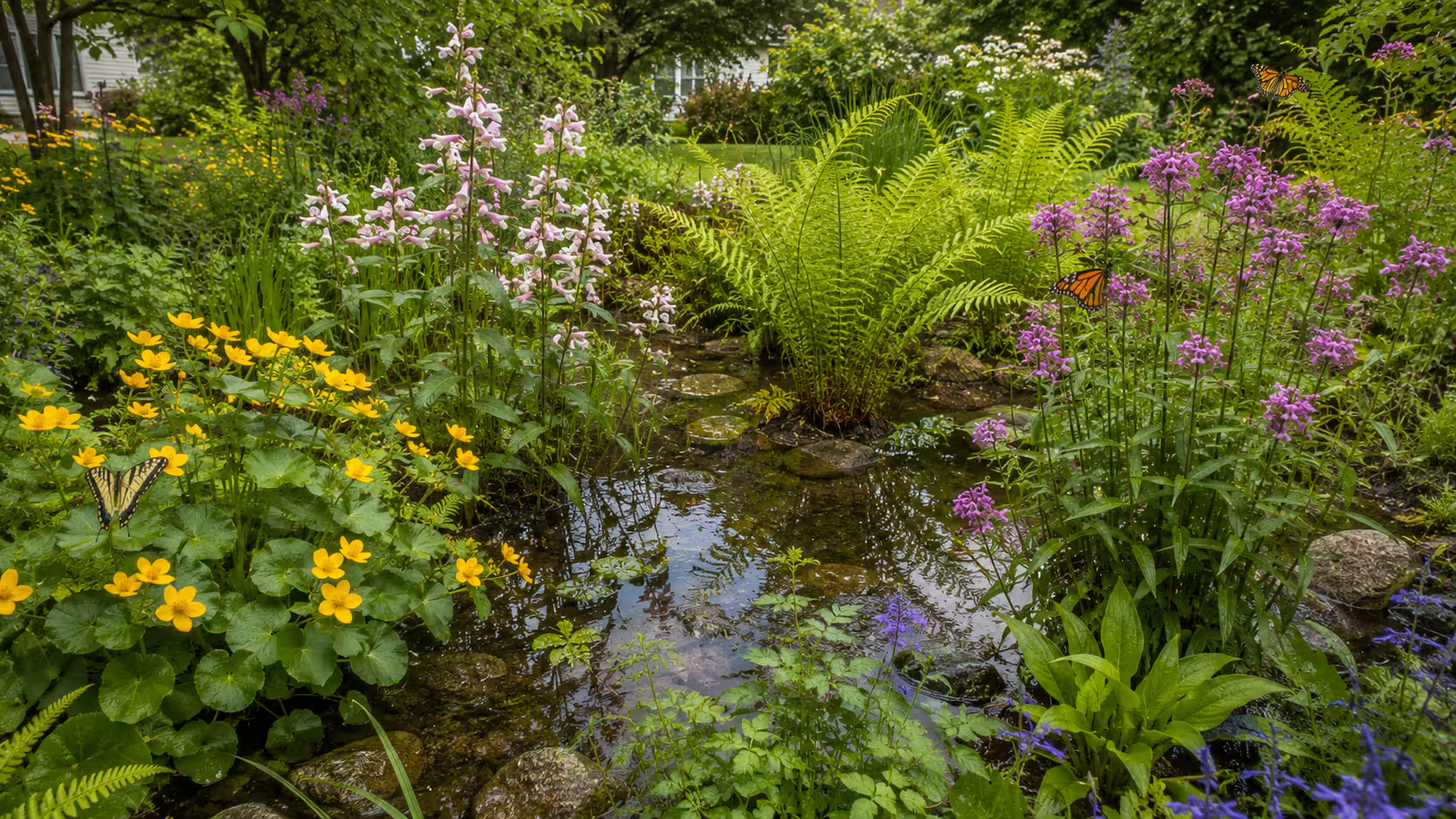
Marsh marigold (Caltha palustris) is one of the first things to bloom in spring—sometimes while snow still lingers. Bright yellow flowers, glossy leaves. Tolerates full submersion for days. Goes dormant by midsummer, so pair it with later-emerging plants that'll fill the space. 1 to 2 feet.
Turtlehead (Chelone glabra) has hooded flowers that look like (surprise) turtle heads. White or pink depending on variety. Blooms late summer when a lot of other things are cooked. 2 to 3 feet. Spreads slowly via rhizomes.
Ironweed (Vernonia species) produces clusters of purple flowers on tall stems. Makes a dramatic vertical accent. 4 to 6 feet. Needs staking in rich soil but stands fine in average conditions. Butterflies mob it in August.
For partial shade:
Ostrich fern (Matteuccia struthiopteris) has those classic arching fronds you see in woodland gardens. Spreads via underground runners—can be aggressive in ideal conditions, but that's useful for filling space quickly. 3 to 6 feet. Fronds die back with first hard frost.
Foamflower (Tiarella cordifolia) works as a low groundcover. White or pink flower spikes in spring. Evergreen foliage in mild climates (Zone 7 and warmer). Spreads moderately via runners. 6 to 12 inches. Pair it with taller plants for layering.
Wild ginger (Asarum canadense) produces kidney-shaped leaves that form a dense mat. The flowers hide under the foliage at ground level—you have to lift leaves to see them. Excellent groundcover for shady swale edges. 6 inches.
For full shade:
Jack-in-the-pulpit (Arisaema triphyllum) has that unique hooded flower structure. Green with purple stripes. Produces clusters of red berries in fall. 1 to 2 feet. Goes dormant by late summer. Needs consistent moisture.
Skunk cabbage (Symplocarpus foetidus) blooms in late winter—sometimes pushing up through snow. The flower generates heat to melt surrounding ice. Large cabbage-like leaves emerge later. Tolerates deep shade and wet soil. 1 to 2 feet. Yes, it smells bad if you crush the leaves, but you won't notice it otherwise.
Here's a shortcut: choose plants rated for at least one zone colder than your actual zone if they'll experience standing water regularly. Cold, wet roots are more stressful than cold, dry ones. A Zone 5 plant in a Zone 6 rain garden has better survival odds than a Zone 6 plant.
Author: Marcus Eldridge;
Source: cribbslandscaping.com
Swale Planting Guide: How to Design and Install
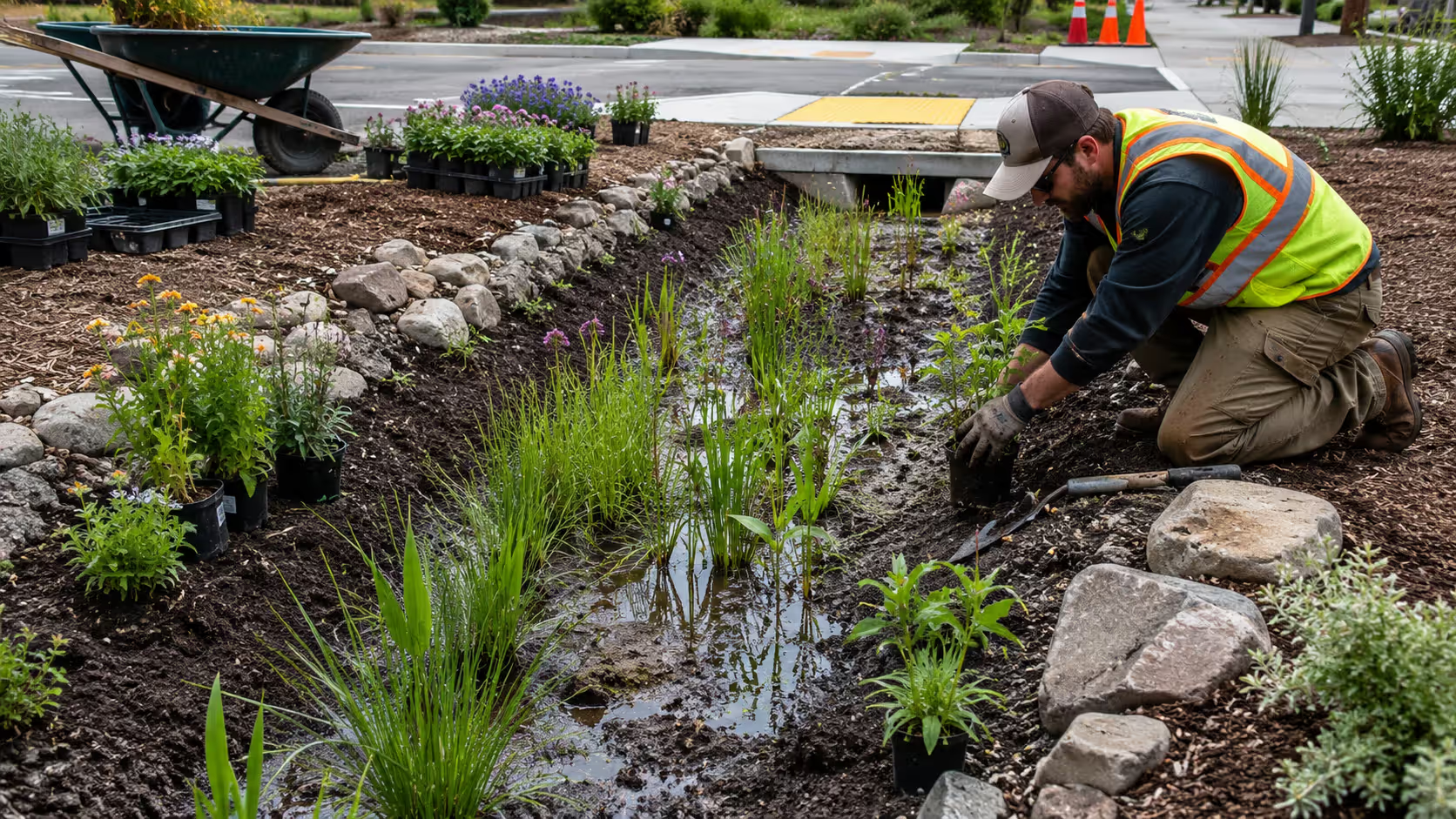
Theory's fine, but execution matters more. Here's how to actually get plants in the ground so they survive.
Swale Garden Design Principles
Start by observing your bioswale during and after a heavy rain. Where does water pool deepest? How long does it sit? Where does it flow fastest? Take notes or photos. That information determines everything else.
Mark three zones: wet (water sits 12+ hours), transition (water drains in 6-12 hours), and dry (water drains in 2-4 hours). Match plants to zones based on moisture tolerance, not how much you like them. That gorgeous plant you saw at the nursery? Doesn't matter if it dies in your wet zone.
Space plants closer than typical garden recommendations. You want 60% to 80% coverage within two growing seasons. Bare soil invites erosion and weeds. In a bioswale, both cause problems fast.
Layer by height, but think about viewing angles. If you'll see the swale from one side only, put tall plants in back. If it's visible from all sides, put taller species in the center. This isn't just aesthetic—varied heights create varied root depths, which improves infiltration.
Plan for access. You'll need to remove debris after storms, divide aggressive spreaders, and replace occasional losses. Leave stepping stone paths or designated entry points. A bioswale you can't access becomes a maintenance nightmare.
Author: Marcus Eldridge;
Source: cribbslandscaping.com
Planting Zones Within a Bioswale (Wet Bottom vs. Drier Slopes)
Wet zone (bioswale bottom):
Soil stays saturated 12+ hours after rain. Sometimes days. Plant only species specifically rated for "wet feet" or "standing water." Install at grade or slightly elevated on small mounds if your drainage is terrible. Don't mulch heavily here—1 inch max or skip it entirely. Too much mulch floats during flooding and clogs drainage.
Transition zone (lower slopes):
Soil drains within 6 to 12 hours. Most "moisture-tolerant" plants thrive here. This is your biggest planting area in most bioswales. Standard planting depth—root crown at soil level. Use 2 to 3 inches of mulch to help retain moisture and suppress weeds while roots establish.
Dry zone (upper slopes and edges):
These areas may only get briefly wet during major storms. Treat them more like traditional garden beds, but still choose species that tolerate occasional saturation. Deep-rooted prairie plants and ornamental grasses work especially well here because they anchor soil and prevent erosion.
One mistake I see constantly: homeowners planting thirsty wetland species all the way up the slope because they assume “bioswale equals wet.” Upper edges often dry out faster than nearby lawns because water drains downslope quickly. Match plants to actual conditions, not assumptions.
FAQ
What plants grow best in a bioswale?
Native grasses, sedges, rushes, and moisture-tolerant perennials generally perform best because they handle both flooding and drought conditions while developing deep root systems that improve infiltration.
Can you use non-native plants in a bioswale?
You can, but native plants usually require less irrigation, fertilizer, and maintenance over time. Many non-native ornamentals struggle with fluctuating moisture levels and extreme weather exposure.
How deep should bioswale plant roots be?
Deeper roots improve stormwater infiltration and stabilize soil. Many effective bioswale plants develop roots 3 to 10 feet deep once established, especially prairie grasses and large native perennials.
What is the difference between a rain garden and a bioswale?
A rain garden is typically bowl-shaped and designed to temporarily hold water in one location. A bioswale is usually linear and designed to slow, filter, and move stormwater through a channel.
Do bioswale plants need fertilizer?
Usually no. Excess fertilizer can wash into waterways and reduce the environmental benefits of the bioswale. Native plants adapted to local soils generally perform well without additional feeding.
How often should bioswale plants be watered?
New plantings need supplemental watering during establishment, especially during dry periods. Mature bioswale plants often survive on natural rainfall except during extreme drought.
Star jasmine creates fragrant, evergreen coverage but grows vigorously. This guide explains whether it's truly invasive, how fast it spreads, control strategies, and complete care instructions for US gardeners in zones 8-11.
You've probably noticed entire hillsides glowing gold during autumn walks. Yellow fall foliage creates stunning displays, but not every tree joins the show. Learn which species reliably turn brilliant yellow year after year, the science behind the color change, and how to choose the perfect yellow fall tree for your landscape.
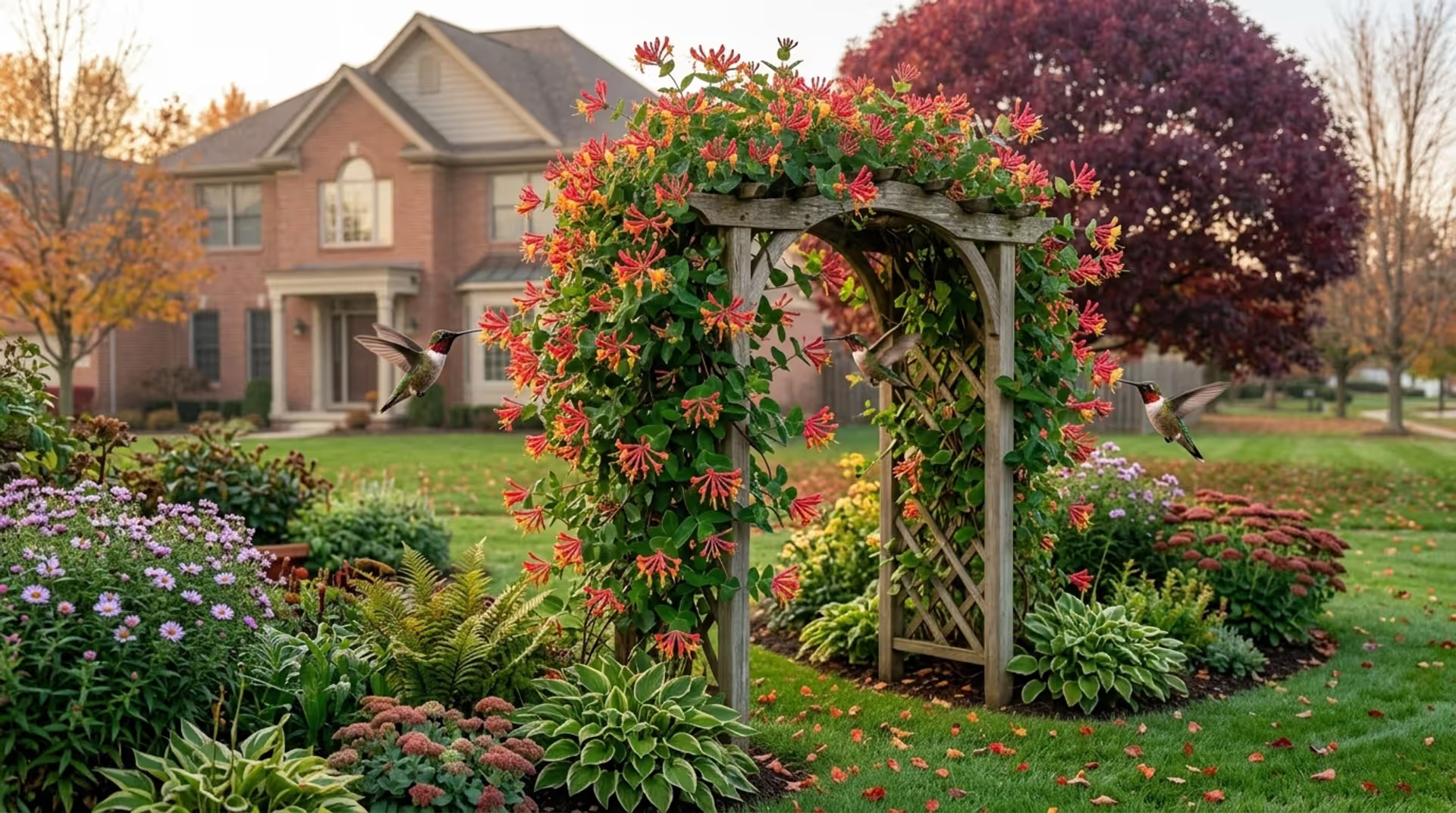
Lonicera plants offer more than sweet-smelling vines. This guide covers climbing, shrub, and ground cover varieties, plus care tips for hedges, wildlife gardens, and responsible planting. Learn which honeysuckles attract hummingbirds and which to avoid for ecological reasons.
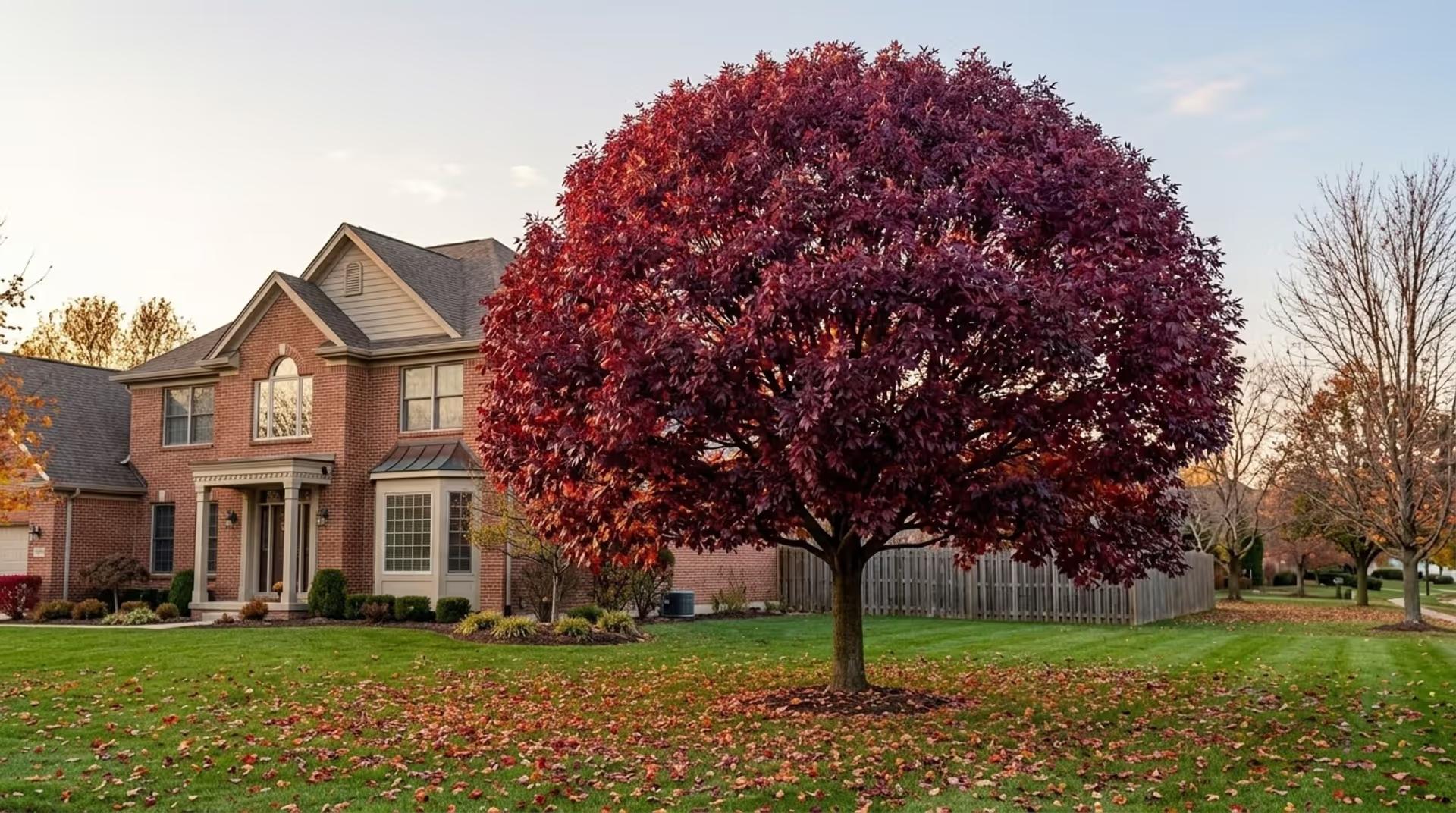
The raywood ash stands out among ornamental shade trees for one spectacular reason: its fall display rivals any maple. This deciduous tree transforms from deep green to burgundy-plum in autumn, creating a focal point that stops traffic.
The content on this website is provided for general informational and educational purposes only. It is intended to explain concepts related to landscape design, outdoor spaces, plants, irrigation, hardscape and softscape, and sustainable landscaping.
All information on this website, including articles, guides, and examples, is presented for general educational purposes. Outcomes may vary depending on local climate, soil, plant selection, and project implementation.
This website does not provide professional design, construction, or horticultural advice, and the information presented should not be used as a substitute for consultation with qualified landscape architects, contractors, or horticulturists.
The website and its authors are not responsible for any errors or omissions, or for any outcomes resulting from decisions made based on the information provided on this website.