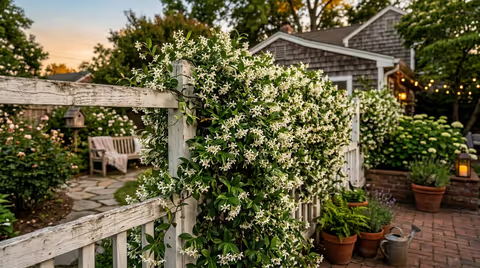
Star jasmine is one of those plants that makes you fall in love at first sight. Those fragrant white flowers. That glossy evergreen foliage. The way it climbs fences and covers bare ground with ease.
But then you start wondering: will this beautiful vine take over my entire yard?
It's a fair question. Star jasmine grows vigorously, and any plant that spreads quickly can make gardeners nervous. The good news? Star jasmine isn't classified as invasive in the United States, though it does have an aggressive growth habit that requires management. Understanding the difference between these two characteristics will help you decide whether this popular vine belongs in your landscape.
What Is Star Jasmine and Where Does It Grow?
Star jasmine (Trachelospermum jasminoides) isn't actually a true jasmine at all. It belongs to the dogbane family, though it earned its common name from those intensely fragrant flowers that bloom in late spring and early summer.
Native to China and Japan, this evergreen climbing plant has become a landscape staple across the southern and western United States. It thrives in USDA hardiness zones 8–11, though some gardeners in protected zone 7 locations have success with it.
The plant produces distinctive pinwheel-shaped white flowers that release their sweetest fragrance in the evening. Dark green, leathery leaves stay on the plant year-round, making it valuable for privacy screening and erosion control. Stems twine naturally around supports, but the plant can also spread horizontally as a ground cover.
You'll find star jasmine performing well in California, Texas, the Gulf Coast states, and throughout the Southeast. It adapts to various conditions but shows its best growth in areas with mild winters and warm, humid summers.
Is Star Jasmine Considered Invasive in the United States?
Here's where we need to get specific about terminology.
Invasive means a plant escapes cultivation, spreads into natural areas, and displaces native species. These plants appear on official invasive species lists maintained by state and federal agencies.
Aggressive means a plant grows vigorously and can dominate a garden space if not managed, but it stays where you plant it.
Star jasmine falls into the aggressive category, not the invasive one. It doesn't appear on the USDA's invasive species database or on state noxious weed lists. You won't find it spreading into forests or natural areas the way truly invasive vines like English ivy or Japanese honeysuckle do.
That said, regional behavior varies. In warm, humid climates with year-round growing seasons—think coastal Southern California, South Florida, or the Gulf Coast—star jasmine grows more vigorously than in areas with distinct winter dormancy periods.
The plant spreads primarily through deliberate planting and vegetative growth from the roots you establish. It produces seeds, but they rarely germinate in garden settings, and you won't see volunteer seedlings popping up throughout your neighborhood.
Compare this to truly invasive vines. Japanese honeysuckle can spread hundreds of feet per year, produces thousands of bird-dispersed seeds, and chokes out native vegetation. Star jasmine does none of these things. It stays put and behaves predictably.
Author: Liam Ashcroft;
Source: cribbslandscaping.com
How Fast Does Star Jasmine Spread?
Growth rate depends heavily on climate and care.
In ideal conditions—zones 9–10 with regular water and good soil—star jasmine can grow 3–6 feet per year once established. That's fast. In cooler zones or with less-than-perfect conditions, expect 1–3 feet annually.
The first year after planting, you'll see minimal growth. The plant focuses on root establishment. Year two brings noticeable expansion. By year three, you've got a vigorous grower on your hands.
As a ground cover, star jasmine typically spreads 4–5 feet wide per plant. If you want complete coverage of a 100-square-foot area, you'd plant about 5–6 plants on 4-foot centers and wait 2–3 years for them to fill in.
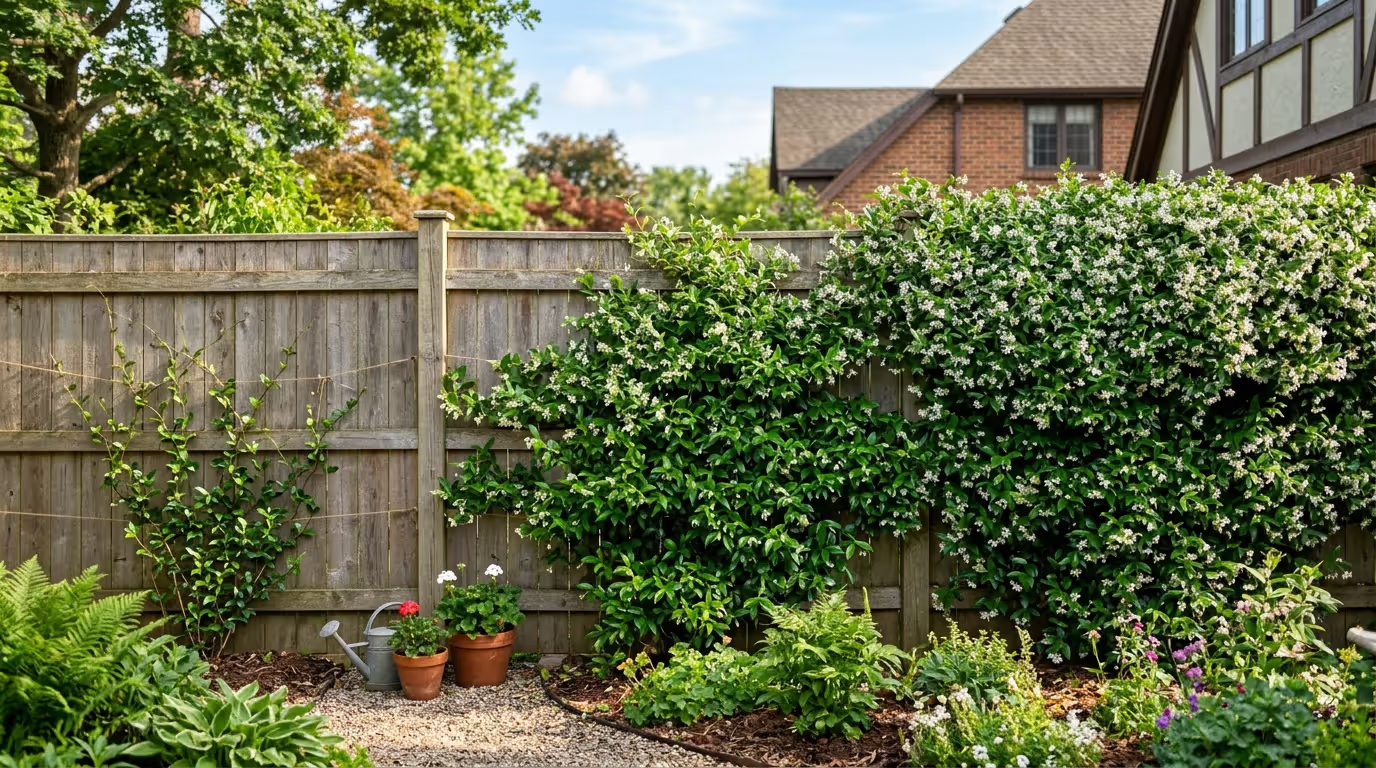
For wall coverage, a single plant can cover 10–15 feet of vertical space in 4–5 years with proper support and training. The twining stems don't cling to surfaces like ivy, so you'll need a trellis, wires, or lattice.
The root system grows moderately deep (2–3 feet) and spreads laterally as the plant matures. Roots aren't aggressive enough to damage foundations or hardscaping, but they will fill the available soil space.
One pattern I see most often: gardeners underestimate the mature spread and plant star jasmine too close to other shrubs or structures. Give each plant at least 3–4 feet of space unless you're intentionally creating a dense ground cover.
Author: Liam Ashcroft;
Source: cribbslandscaping.com
Controlling Star Jasmine Growth in Your Landscape
You can't just plant star jasmine and forget it. This vine needs regular management.
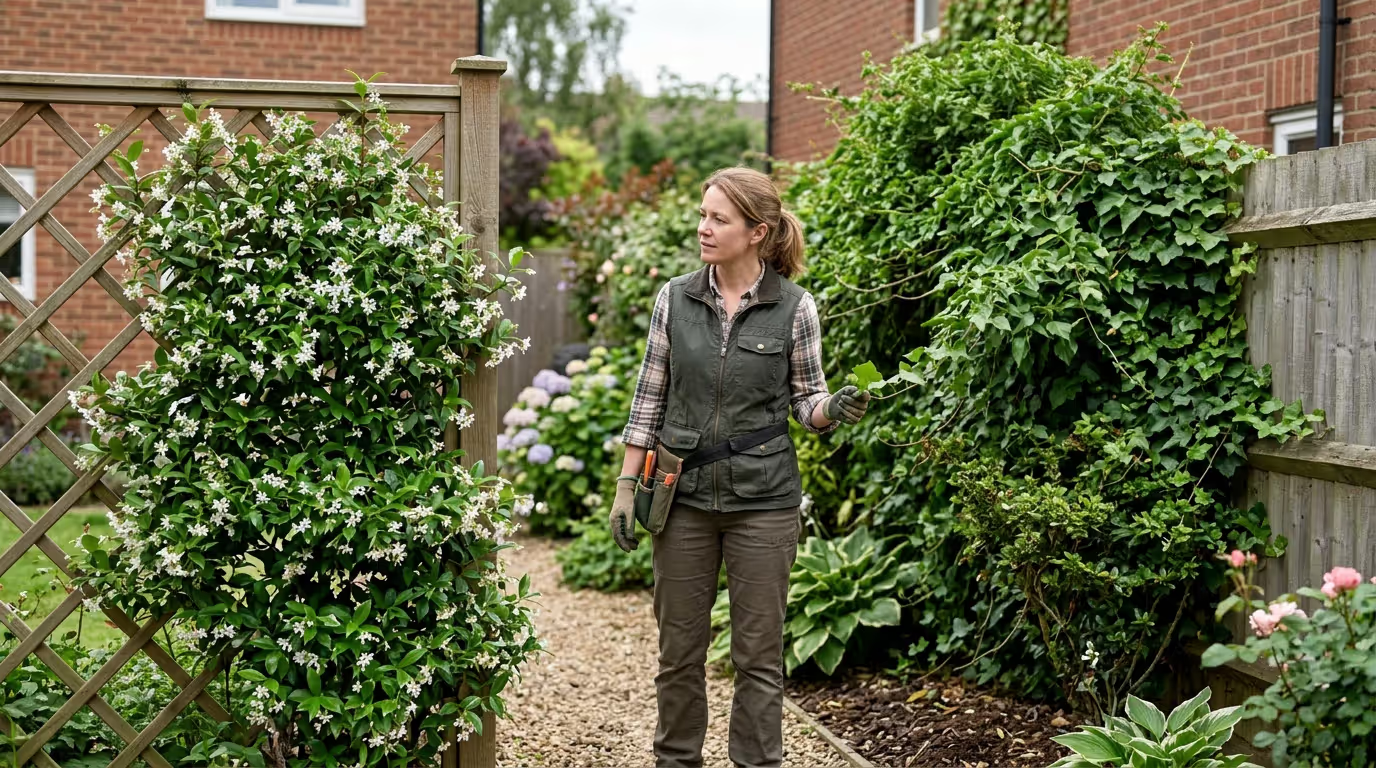
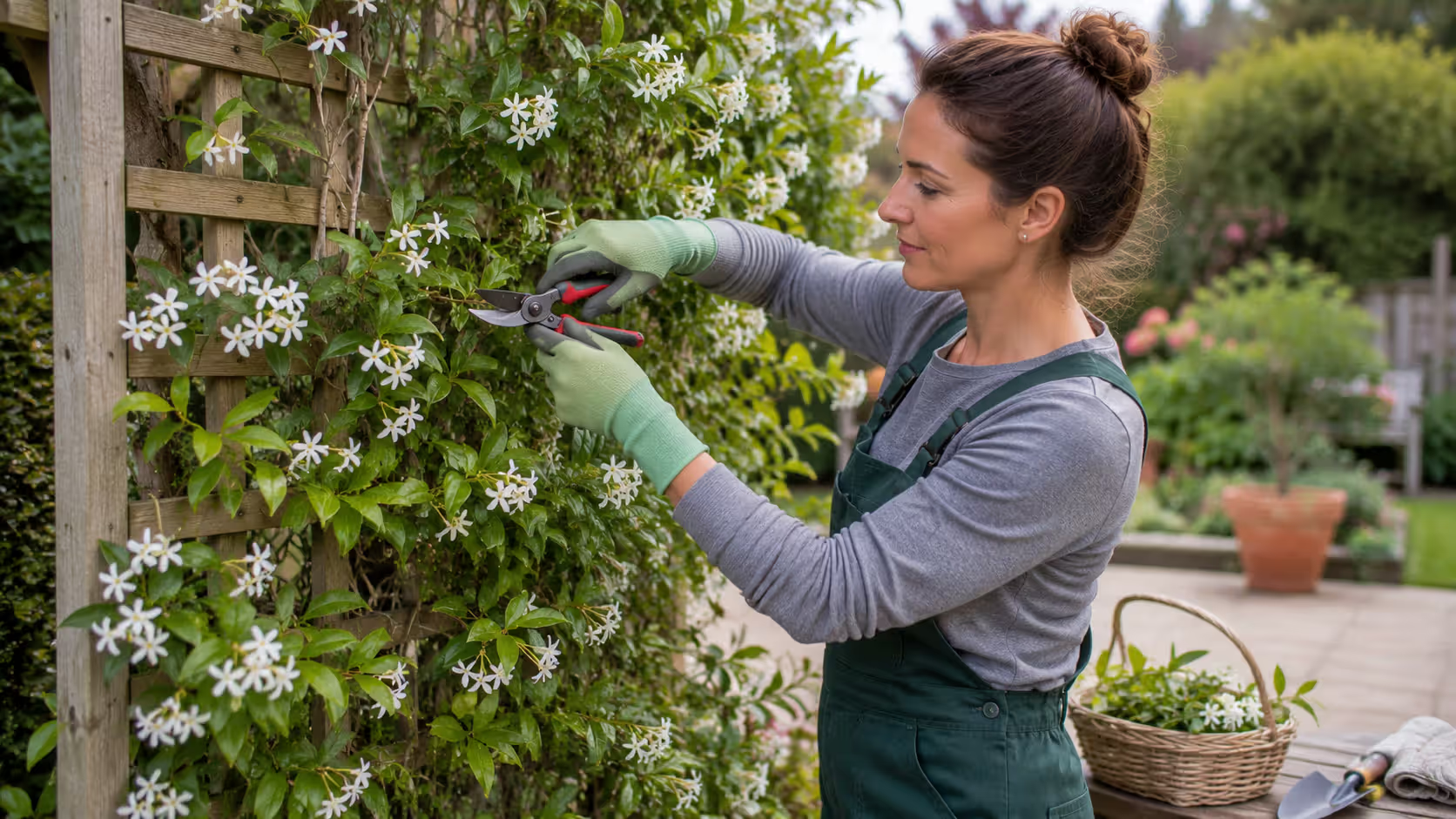
Pruning is your primary control method. Cut back stems 2–3 times per year during the growing season—once after flowering finishes, again in mid-summer, and potentially once more in early fall. Remove any stems growing beyond your desired boundaries. Star jasmine tolerates hard pruning, so don't be timid.
For ground cover applications, mow or trim the entire planting down to 6–8 inches every 2–3 years to rejuvenate growth and prevent the buildup of woody stems and debris underneath.
Root barriers work if you're planting near areas where you absolutely don't want spread. Install 12–18 inch deep plastic or metal edging at planting time. This won't stop the plant completely, but it slows underground spread significantly.
Container growing eliminates spread concerns entirely. Star jasmine grows well in large pots (15 gallons or bigger) and makes an excellent patio specimen. You'll need to provide a trellis or obelisk for support. Container plants require more frequent watering and annual fertilization.
The maintenance requirement is moderate to high compared to other landscape plants. Budget time every 4–6 weeks during growing season for pruning and training. Skip this, and you'll have a tangled mess within a year or two.
Author: Liam Ashcroft;
Source: cribbslandscaping.com
Star Jasmine vs. Carolina Jasmine: Which Should You Choose?
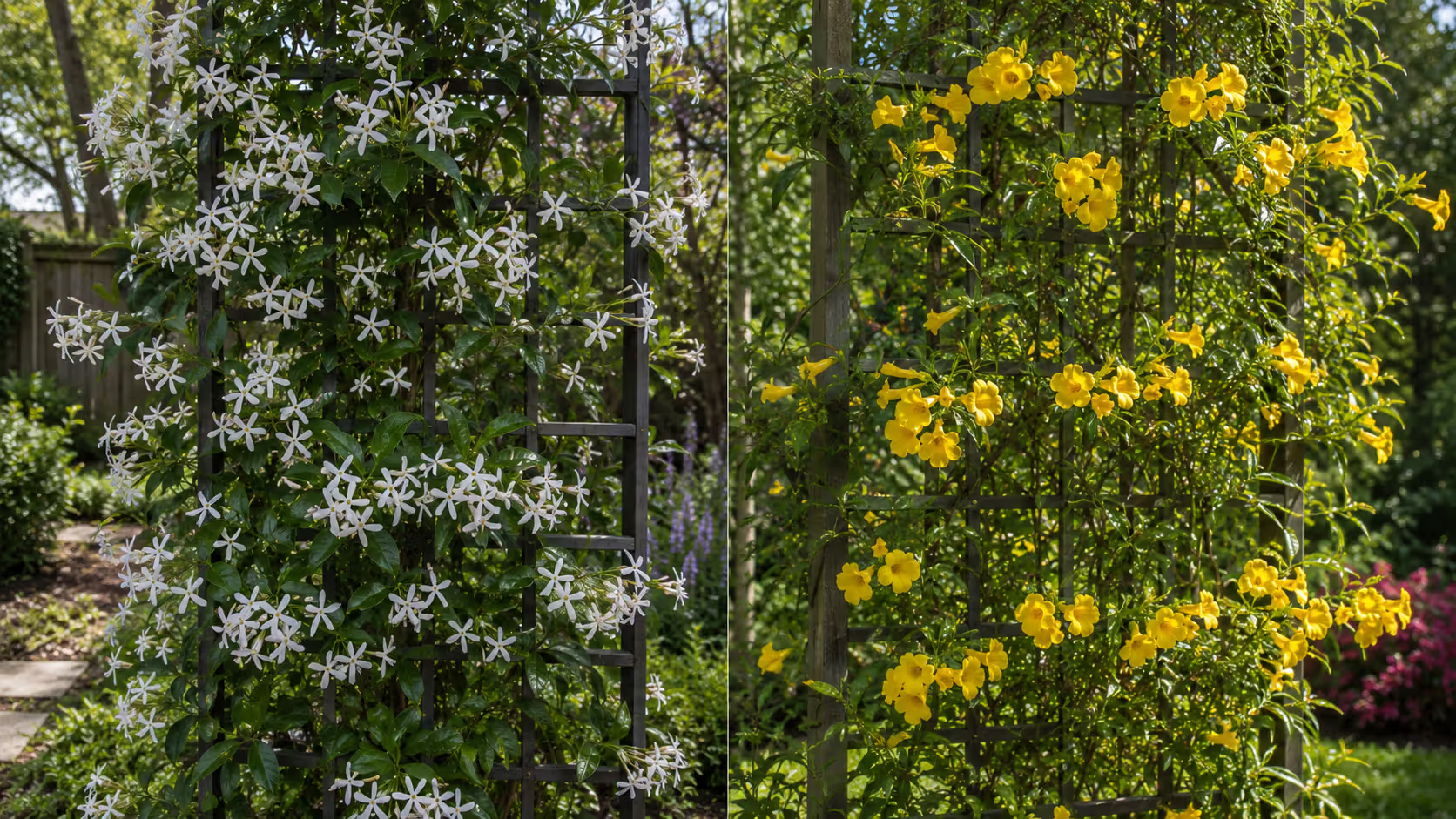
These two plants get confused constantly because of their similar names and fragrant yellow or white flowers. But they're quite different.
Feature
Star Jasmine
Carolina Jasmine
Scientific Name
Trachelospermum jasminoides
Gelsemium sempervirens
Growth Rate
Fast (3–6 ft/year)
Moderate (2–4 ft/year)
Fragrance Intensity
Strong, sweet
Moderate, honey-like
Toxicity
Mildly toxic (sap irritant)
Highly toxic (all parts)
Cold Hardiness
USDA zones 8–11
USDA zones 7–9
Invasive Potential
Non-invasive (aggressive)
Non-invasive (moderate growth)
Maintenance Level
Moderate-high
Low-moderate
Carolina jasmine (also called yellow jessamine) is actually native to the southeastern United States, while star jasmine is an Asian import. That native status makes Carolina jasmine the better choice for supporting local ecosystems and wildlife.
The toxicity difference matters if you have pets or children. All parts of Carolina jasmine contain gelsemine alkaloids that can cause serious poisoning if ingested. Star jasmine contains mildly irritating sap but isn't dangerously toxic.
For fragrance, star jasmine wins. Those white flowers produce an intense, sweet perfume that can scent an entire yard on warm evenings. Carolina jasmine smells pleasant but subtler.
Carolina jasmine blooms earlier—late winter to early spring—covering itself in bright yellow tubular flowers. Star jasmine blooms later in spring and early summer. If you want extended bloom time, plant both.
The simpler option usually wins here: if you want maximum fragrance and don't mind regular pruning, choose star jasmine. If you prefer a lower-maintenance native with good (but less intense) fragrance, go with Carolina jasmine.
Author: Liam Ashcroft;
Source: cribbslandscaping.com
Pros and Cons of Planting Star Jasmine
Let's be direct about what you're getting into.
The advantages:
Fragrance tops the list. Few landscape plants match star jasmine for sheer perfume power. The scent carries on evening breezes and creates an unforgettable sensory experience in late spring.
Evergreen coverage means year-round screening and visual interest. While some vines go dormant or look ratty in winter, star jasmine maintains its glossy green appearance.
Drought tolerance develops once the plant establishes (usually after 2–3 years). Mature plants handle dry spells well, though they look better with occasional deep watering during extended droughts.
Deer resistance is excellent. Deer typically avoid star jasmine, making it useful in areas where these animals browse other landscape plants.
Versatility allows use as a climber, ground cover, or even a container specimen. Few plants adapt to such varied applications.
The drawbacks:
Maintenance demands are real. This isn't a plant-it-and-forget-it vine. You'll spend time pruning, training, and controlling spread.
Cold sensitivity limits where you can grow it successfully. A hard freeze in zone 8 can damage or kill plants, especially young ones.
Aggressive spread requires management. Plant it in the wrong spot, and you'll fight it for years.
Slow to bloom frustrates some gardeners. Young plants may take 2–3 years before producing significant flowers.
Sap irritation affects some people. Wear gloves when pruning to avoid skin contact with the milky sap.
Star jasmine is an excellent choice for southern gardens when gardeners understand they're committing to regular maintenance. The key is establishing clear boundaries at planting time and staying consistent with pruning. I tell clients to think of it like getting a haircut—skip it too long, and you've got a much bigger job on your hands.
— Thompson Sarah
Star Jasmine Care Guide for US Gardeners
Getting star jasmine established properly sets you up for success.
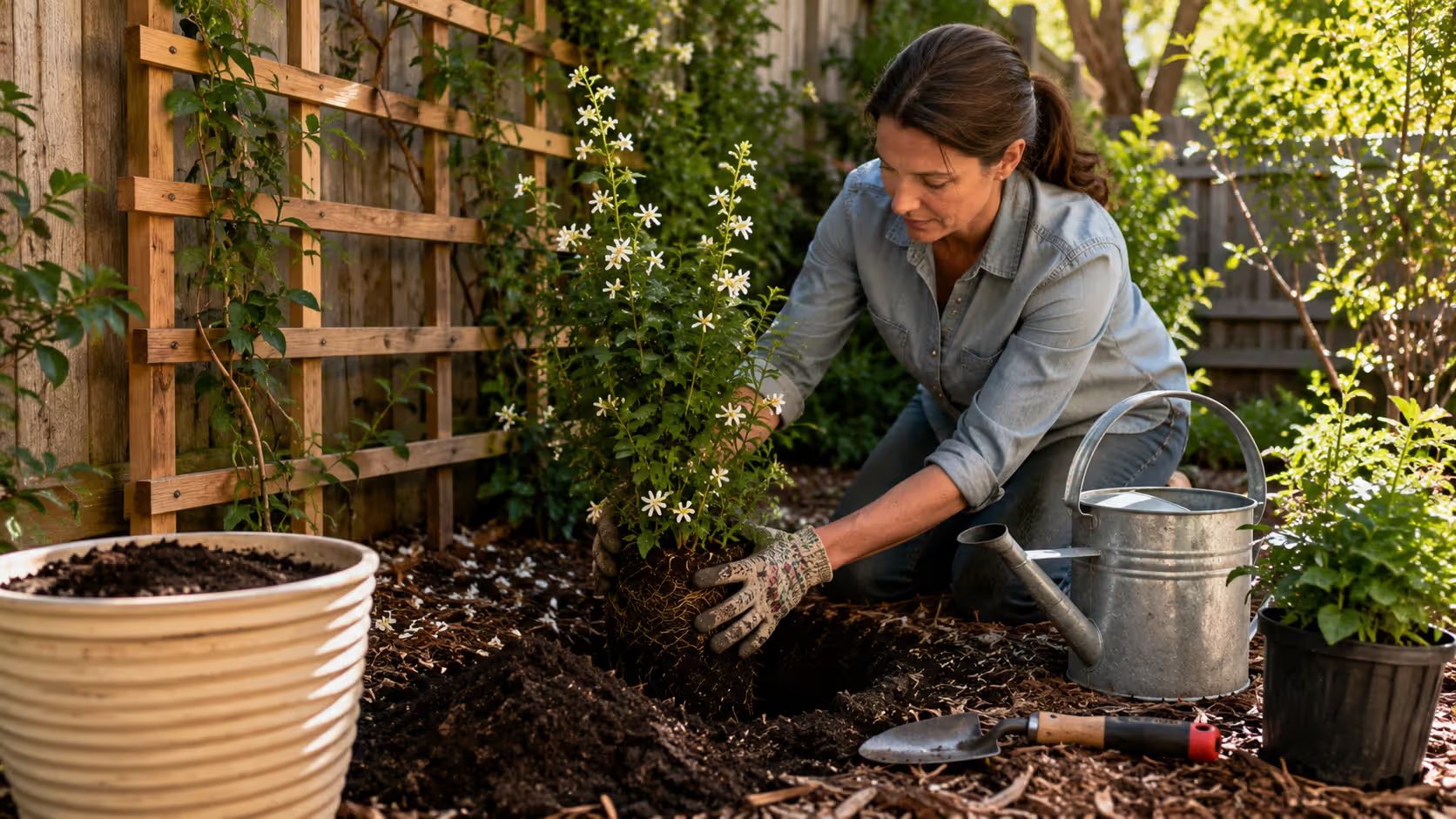
Planting timing matters. Spring planting (after last frost) gives plants a full growing season to establish before winter. Fall planting works in zones 9–11 but risks cold damage in zone 8.
Soil requirements are flexible. Star jasmine tolerates clay, loam, or sandy soils as long as drainage is decent. Amend heavy clay with compost to improve drainage. The plant prefers slightly acidic to neutral pH (6.0–7.0) but adapts to a range.
Sun exposure affects growth and flowering. Full sun (6+ hours) produces the most flowers and densest growth. Part shade (4–6 hours) works fine and may be preferable in hot inland areas where afternoon shade prevents leaf scorch. Too much shade reduces flowering significantly.
Watering schedule changes as the plant matures. Water deeply 2–3 times per week for the first growing season. Year two, reduce to once weekly. Established plants (year three and beyond) need supplemental water only during dry spells, roughly every 2–3 weeks in summer.
Fertilization should be light. Apply a balanced slow-release fertilizer (10-10-10) in early spring as new growth begins. Avoid high-nitrogen formulas that promote excessive foliage at the expense of flowers. Container plants need monthly feeding during the growing season.
Author: Liam Ashcroft;
Source: cribbslandscaping.com
For ground cover use, plant on 3–4 foot centers. Spread a 2–3 inch layer of mulch between plants to suppress weeds while the jasmine fills in. Pin down stems with landscape staples to encourage rooting along the length and faster coverage.
For climbing use, install support structures before or at planting time. Star jasmine doesn't damage wood or masonry like some vines, but it needs something to twine around—wire, lattice, or cable systems work well. Train young stems by weaving them through supports. Tie loosely with soft plant ties if needed.
Common mistake: planting too close to structures. Keep plants at least 12–18 inches away from walls and fences to allow air circulation and access for maintenance.
Frequently Asked Questions About Star Jasmine
Will star jasmine take over my yard?
Not without help. Star jasmine spreads where you plant it and grows vigorously within that area, but it won't send runners throughout your entire landscape or pop up in random locations. It stays contained to the planting zone unless you neglect pruning for several years. The plant doesn't produce viable seeds in most garden settings, so you won't see volunteer seedlings spreading it around. Regular pruning 2–3 times per year keeps it exactly where you want it.
Can star jasmine damage walls or fences?
No. Unlike English ivy or Virginia creeper, star jasmine doesn't produce adhesive rootlets that penetrate masonry or wood. The twining stems need support structures to climb and won't damage the surface beneath. However, if left completely unpruned for many years, the sheer weight of accumulated growth could strain lightweight trellises or old wooden structures. The vine itself causes no structural damage to walls, foundations, or fences.
Is star jasmine toxic to pets?
Mildly. The milky sap contains compounds that can cause stomach upset if pets chew or ingest significant amounts of leaves or stems. Most animals avoid it due to the bitter taste. It's far less toxic than plants like oleander or sago palm. If you have a pet that habitually chews plants, monitor them around star jasmine and consider planting it in areas they don't frequent. Contact your veterinarian if your pet consumes large quantities.
How do I stop star jasmine from spreading too much?
Consistent pruning is your best tool. Cut back stems to your desired boundaries every 4–6 weeks during the growing season. For ground cover plantings, use a string trimmer or mower to cut the entire planting back to 6–8 inches every 2–3 years. Install root barriers (12–18 inch deep edging) at planting time if you're concerned about underground spread into adjacent beds. Container growing eliminates spread concerns entirely while still giving you the fragrance and beauty.
Does star jasmine attract bees and butterflies?
Yes, but moderately. The fragrant flowers attract bees, particularly honeybees and bumblebees, during bloom time in late spring and early summer. You'll see some butterfly activity, though star jasmine isn't a top nectar source for most butterfly species. Hummingbirds occasionally visit but prefer tubular flowers. The plant supports pollinators but won't create the intense pollinator activity you'd see with natives like milkweed or coneflowers.
Can star jasmine survive winter in cold climates?
It depends on your definition of cold. Star jasmine is reliably hardy in zones 8–11. In zone 8, expect some leaf damage or dieback during harsh winters, especially on young plants. The plant may survive in protected zone 7 locations (south-facing walls, urban heat islands) but will likely die back to the ground in cold winters and regrow from roots in spring. In zone 6 and colder, treat it as an annual or container plant that you bring indoors for winter. Mulch heavily around the root zone in borderline areas to improve winter survival.
Star jasmine earns its popularity honestly. That intoxicating fragrance, evergreen foliage, and versatile growth habit make it valuable for many landscape situations.
But it's not a carefree plant. You're signing up for regular maintenance and active growth management. Skip the pruning, and you'll have an unruly tangle. Plant it in the wrong location, and you'll spend years fighting its spread.
The plant works best when you match it to appropriate uses. As a ground cover on slopes for erosion control? Excellent choice. On a fence or trellis where you want fragrant screening? Perfect. Planted three feet from your prize roses in a small bed? Recipe for frustration.
Think about your maintenance tolerance honestly. If you enjoy spending time in the garden and don't mind regular pruning sessions, star jasmine will reward you with years of beauty and fragrance. If you want truly low-maintenance plants, look elsewhere.
Consider your climate carefully. Zones 9–10 offer ideal growing conditions. Zone 8 works with some winter protection. Colder zones require container growing or accepting it as a tender perennial.
And remember: aggressive doesn't mean invasive. Star jasmine won't escape into natural areas or displace native plants. It stays where you put it, grows vigorously, and requires management. That's a completely different situation from truly invasive species that threaten ecosystems.
For most southern and western gardeners with realistic expectations and willingness to prune, star jasmine makes an excellent addition to the landscape. Just give it room, establish boundaries, and keep those pruners handy.
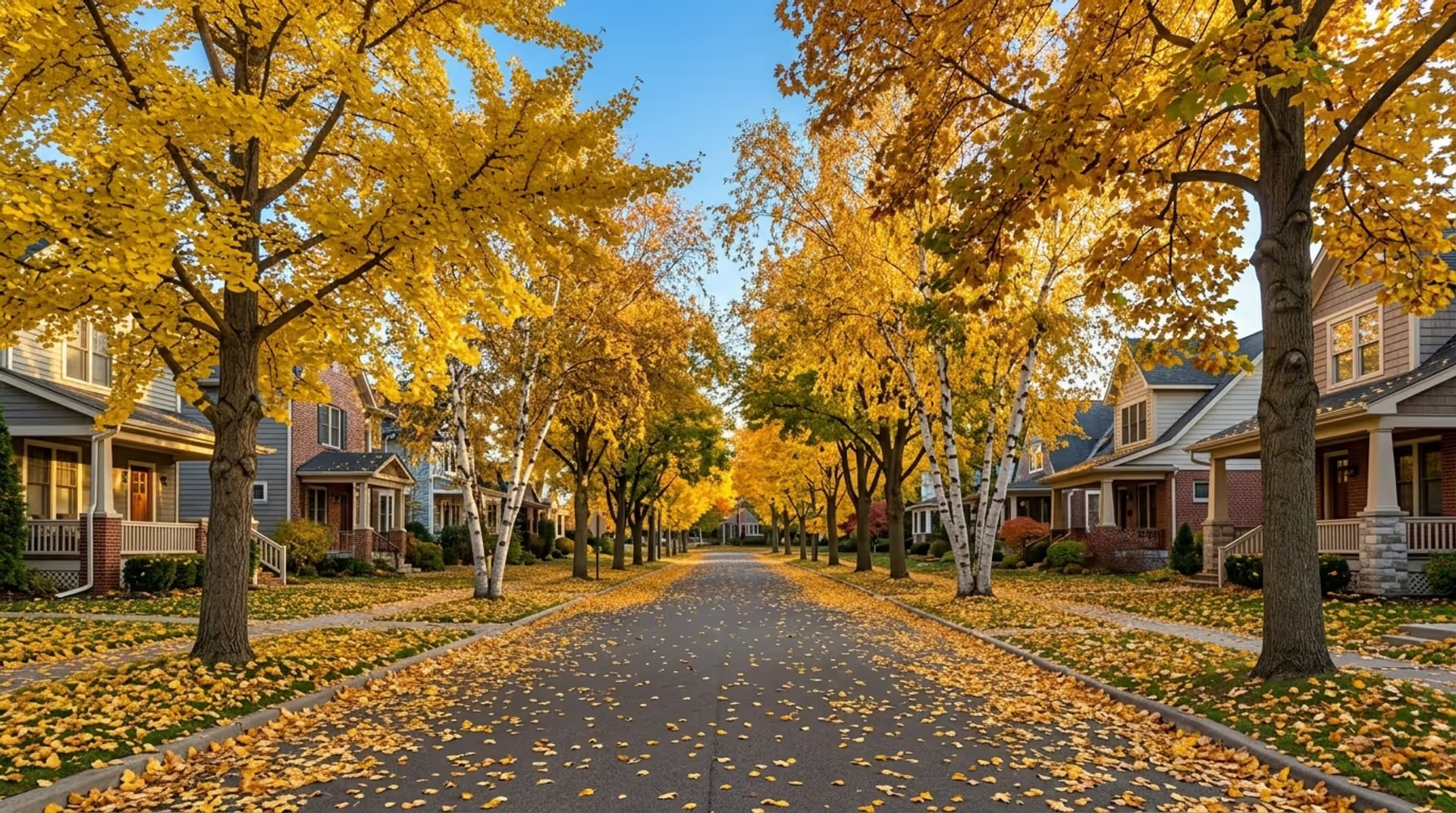
You've probably noticed entire hillsides glowing gold during autumn walks. Yellow fall foliage creates stunning displays, but not every tree joins the show. Learn which species reliably turn brilliant yellow year after year, the science behind the color change, and how to choose the perfect yellow fall tree for your landscape.
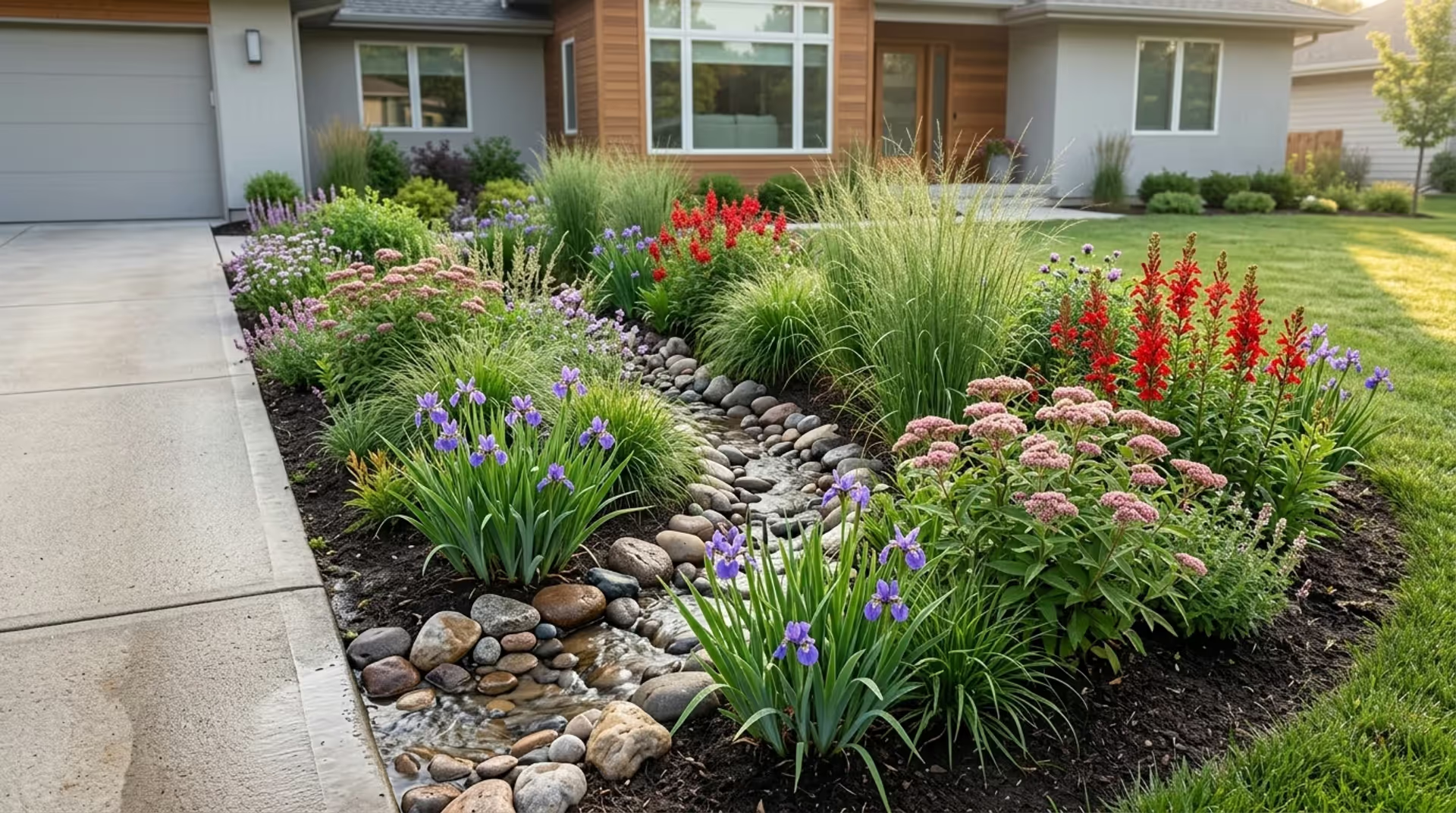
Learn which plants thrive in bioswales and drainage areas. This comprehensive guide covers native species by region, moisture-tolerant options, planting zones, design principles, and common mistakes to avoid when creating functional rain gardens and bioswales.
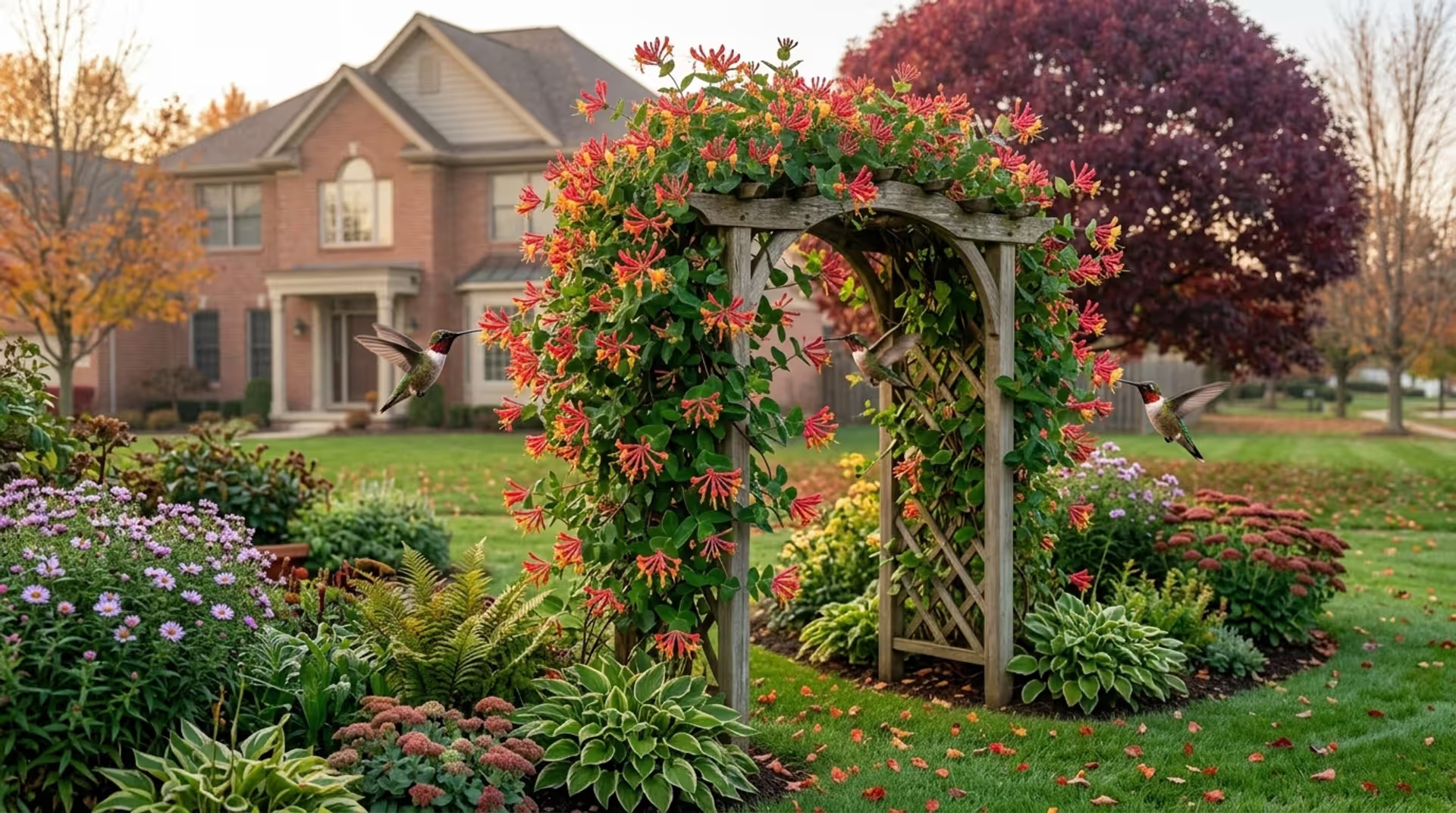
Lonicera plants offer more than sweet-smelling vines. This guide covers climbing, shrub, and ground cover varieties, plus care tips for hedges, wildlife gardens, and responsible planting. Learn which honeysuckles attract hummingbirds and which to avoid for ecological reasons.
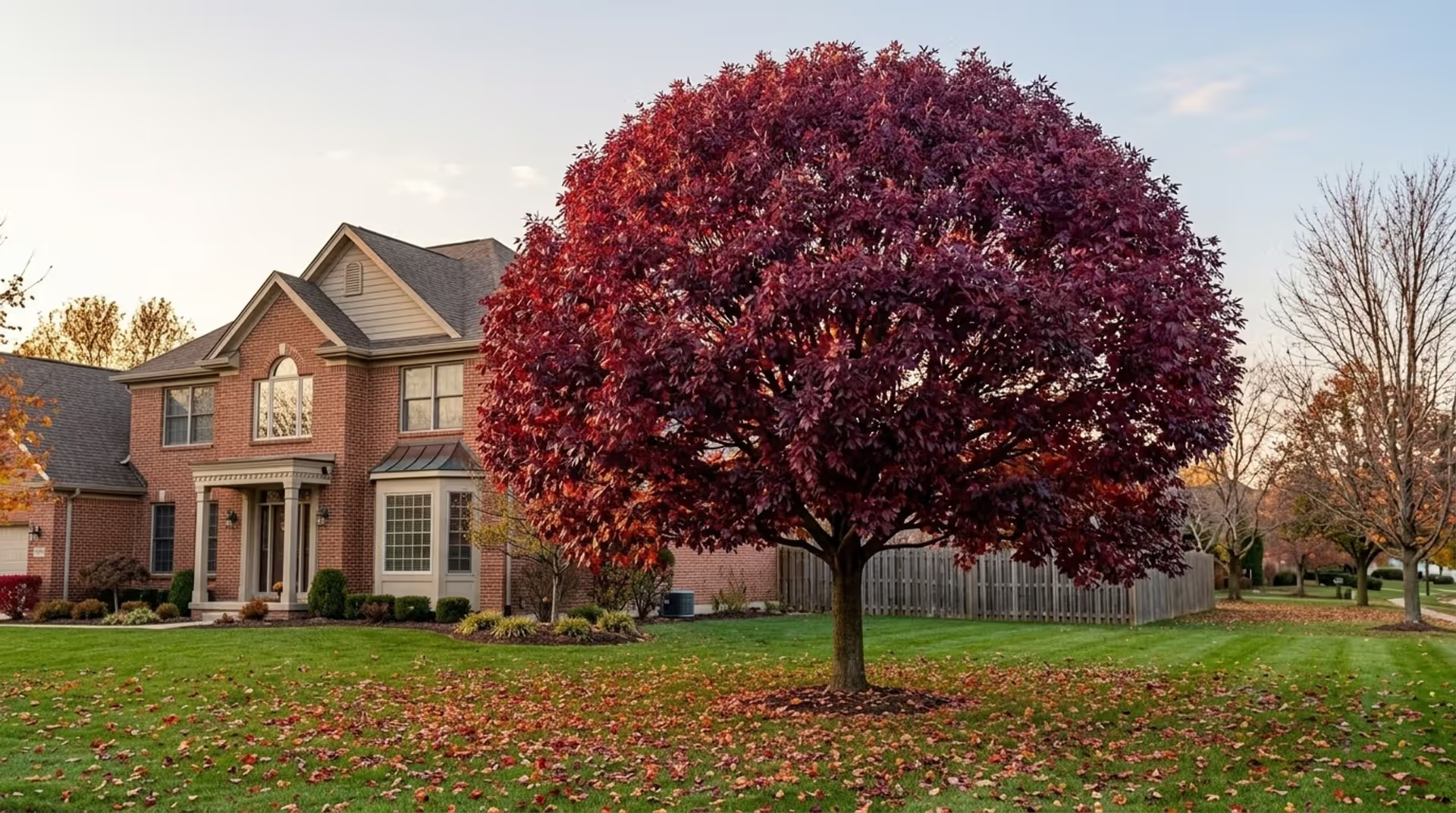
The raywood ash stands out among ornamental shade trees for one spectacular reason: its fall display rivals any maple. This deciduous tree transforms from deep green to burgundy-plum in autumn, creating a focal point that stops traffic.
The content on this website is provided for general informational and educational purposes only. It is intended to explain concepts related to landscape design, outdoor spaces, plants, irrigation, hardscape and softscape, and sustainable landscaping.
All information on this website, including articles, guides, and examples, is presented for general educational purposes. Outcomes may vary depending on local climate, soil, plant selection, and project implementation.
This website does not provide professional design, construction, or horticultural advice, and the information presented should not be used as a substitute for consultation with qualified landscape architects, contractors, or horticulturists.
The website and its authors are not responsible for any errors or omissions, or for any outcomes resulting from decisions made based on the information provided on this website.