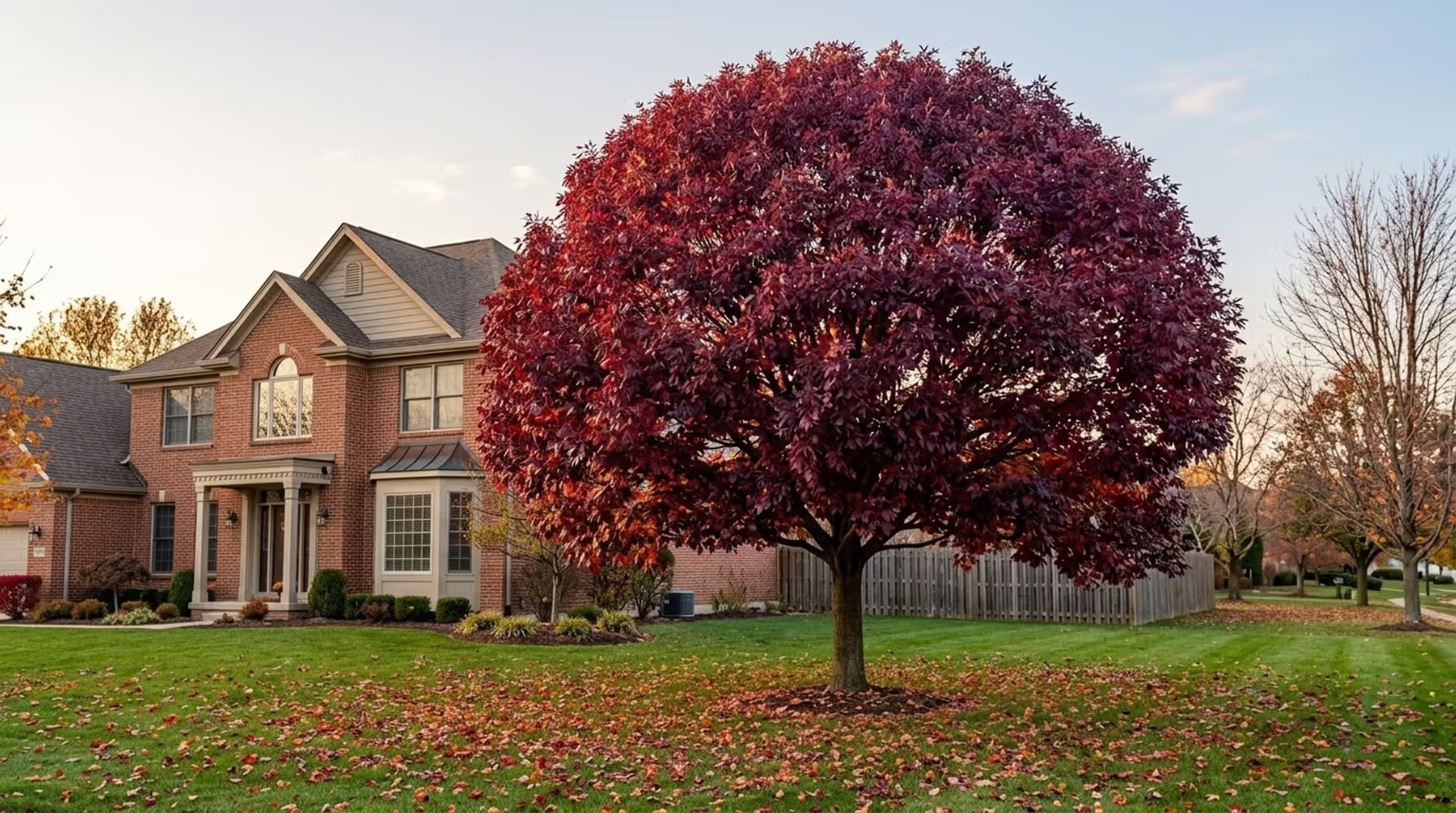
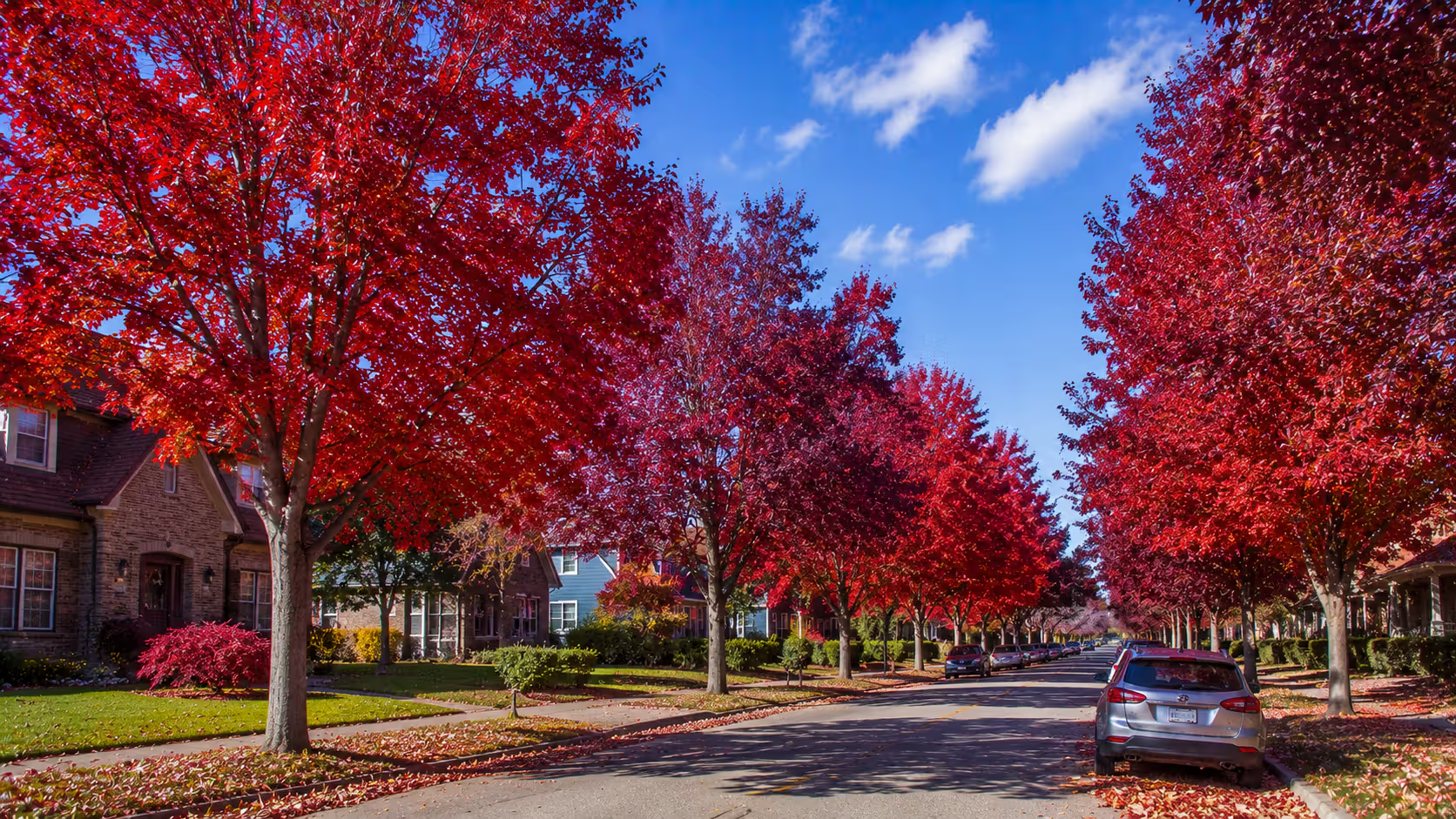
The raywood ash stands out among ornamental shade trees for one spectacular reason: its fall display rivals any maple. This deciduous tree transforms from deep green to burgundy-plum in autumn, creating a focal point that stops traffic. Literally. I've watched neighbors slow down just to admire a well-placed specimen in full color.
Native to Australia but perfectly adapted to many US climates, this tree has earned its place in residential landscapes from California to the Southeast. It grows fast, tolerates drought once established, and asks for very little in return. But like any tree worth planting, it rewards those who understand its needs.
What Is a Raywood Ash Tree?
The raywood ash (Fraxinus angustifolia 'Raywood') belongs to the same species as claret ash tree—in fact, 'Raywood' is a selected cultivar of the narrow-leafed ash. Botanically speaking, you'll see it listed under Fraxinus oxycarpa in older references, though Fraxinus angustifolia is the accepted name today.
This ornamental ash tree originated from a single seedling discovered in South Australia around 1910, then propagated and introduced to cultivation in the 1920s. The cultivar name 'Raywood' comes from the property where it was first identified.
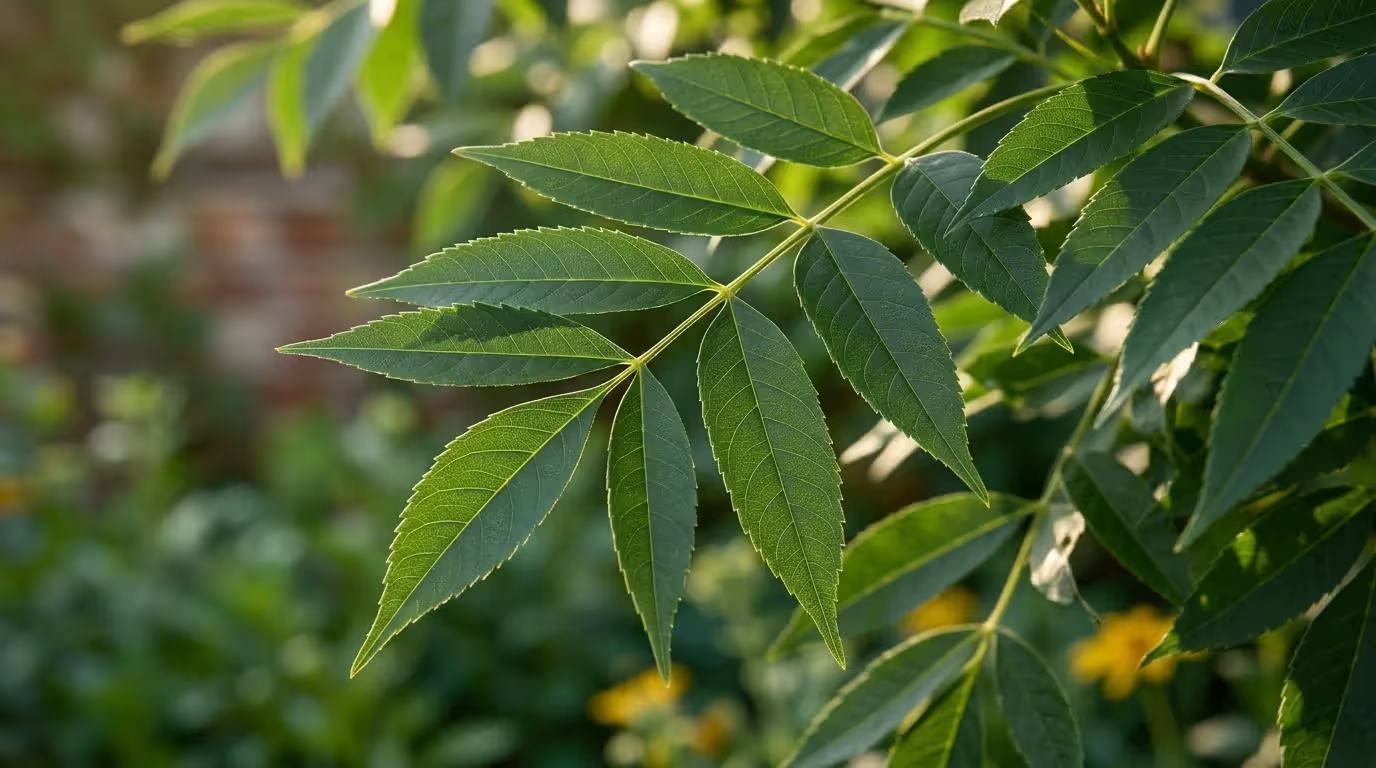
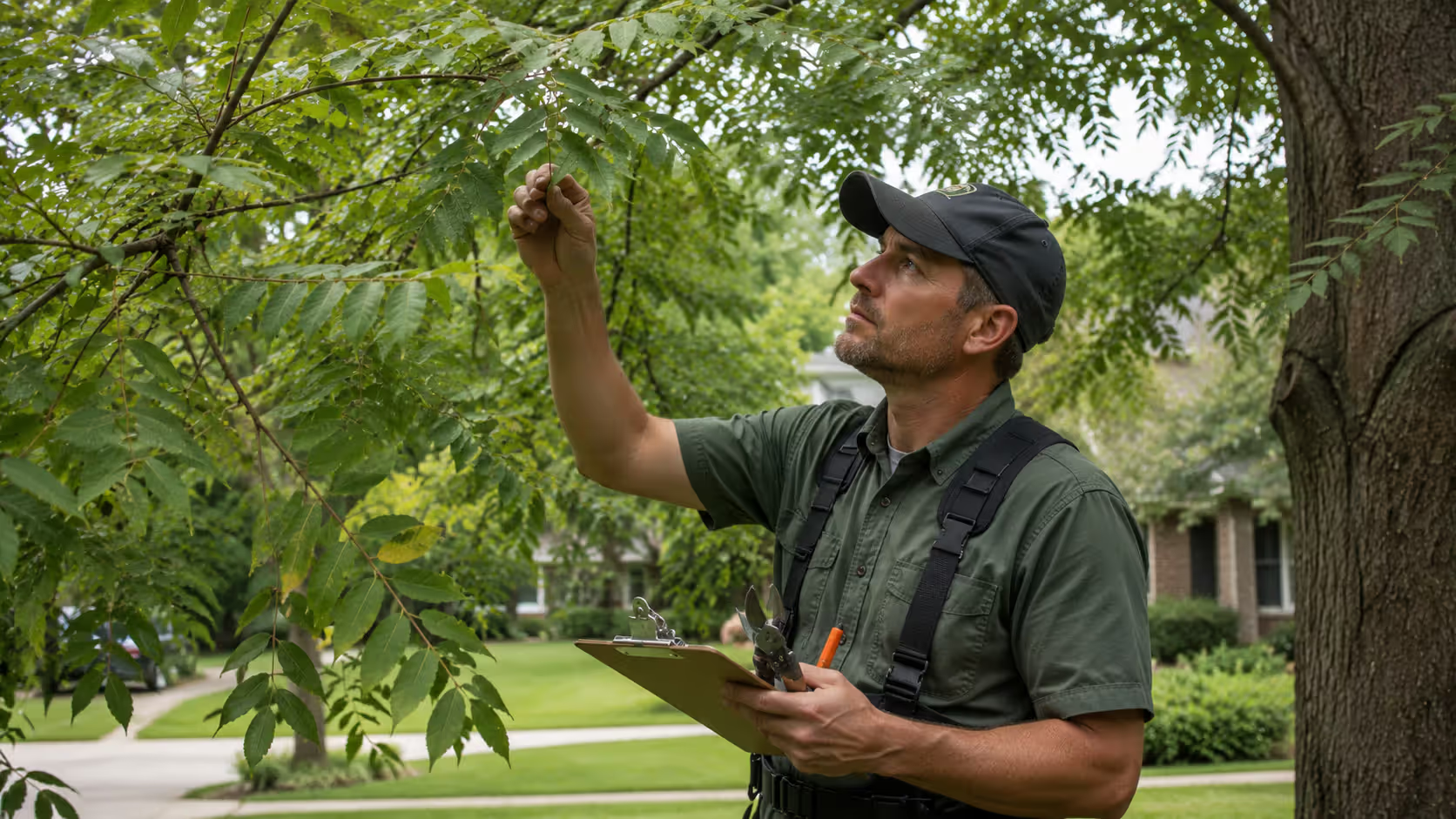
What sets it apart from other ash varieties? The leaves are more refined—compound leaves with 7 to 9 narrow, serrated leaflets that create a delicate texture. The canopy develops into a rounded, oval shape that's denser than most ash trees. And that fall color? It's genetic, not a happy accident.
The tree is deciduous, dropping its leaves in winter after that stunning autumn show. During the growing season, the dark green foliage provides excellent shade without feeling heavy or oppressive. The bark stays relatively smooth when young, developing shallow furrows with age.
You'll sometimes see raywood ash and claret ash used interchangeably in nurseries. They're closely related, but raywood produces more reliable fall color and a slightly more compact form.
Author: Liam Ashcroft;
Source: cribbslandscaping.com
Raywood Ash Fall Color and Seasonal Interest
Here's where this tree earns its keep. Raywood ash fall color develops into deep burgundy, claret-red, and purple tones that intensify as temperatures drop. The transformation typically begins in mid-October in cooler climates, stretching into November in warmer regions.
The color change isn't uniform—you'll see burgundy mixed with bronze and deep plum, sometimes all on the same branch. This variation creates depth that solid-color trees can't match. The show lasts 3 to 4 weeks in most areas, longer if autumn stays mild.
But fall isn't the only season worth noting. Spring brings fresh green growth that emerges surprisingly early compared to other deciduous trees. The leaves unfurl in a bright, almost chartreuse shade before deepening to dark green by early summer.
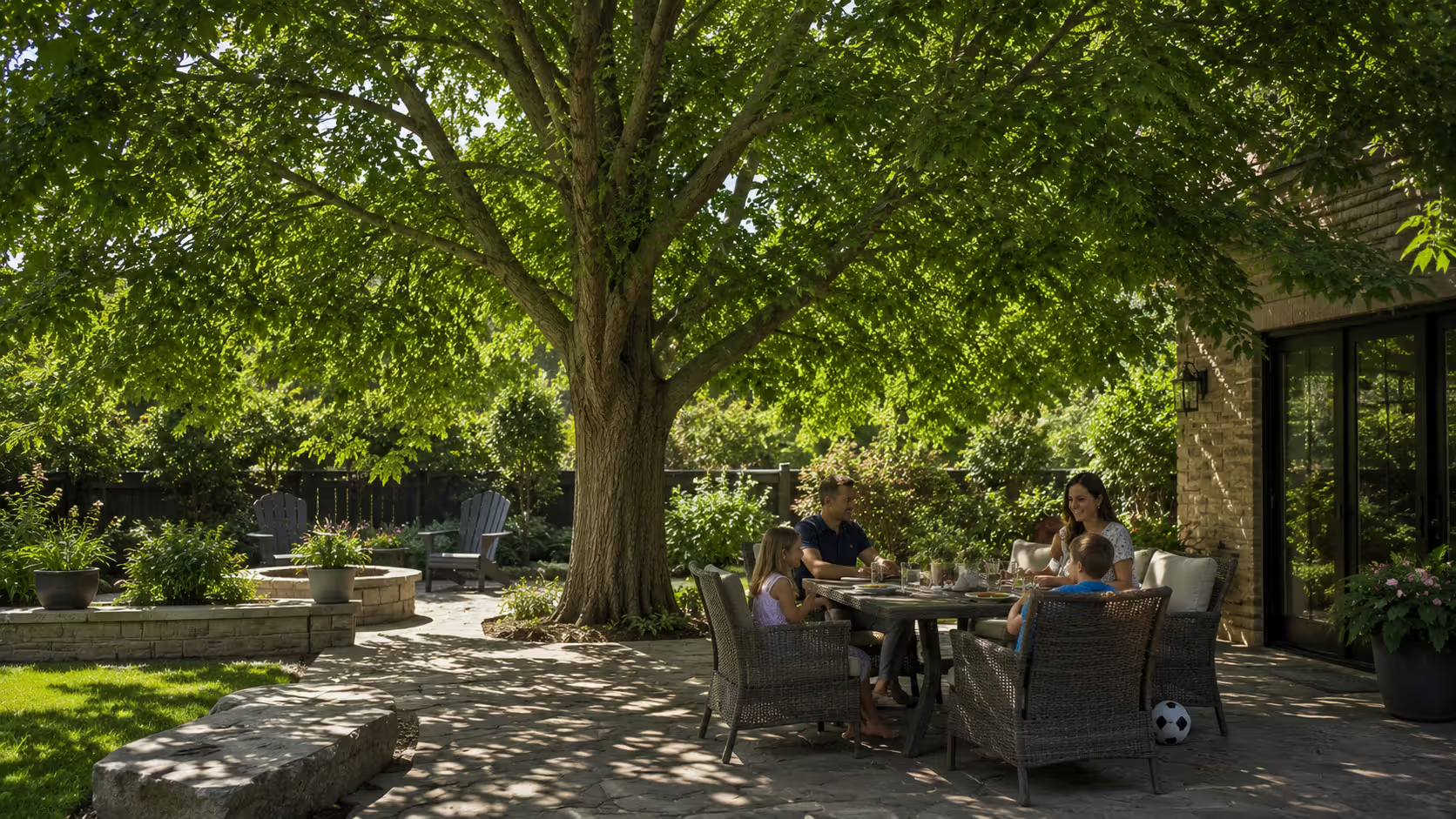
Summer foliage is dense and cooling—this tree casts real shade, the kind that drops temperatures underneath by 10 to 15 degrees on hot days. The compound leaves create dappled light rather than complete darkness, so you can still grow shade-tolerant plants beneath it.
Winter reveals the tree's branching structure. The silhouette is clean and architectural, without the messy twig growth some ornamental trees develop. It's not showy in winter, but it's not an eyesore either.
What makes raywood particularly valuable as an autumn color shade tree is the timing. It holds its color later than many maples, extending the fall display in your landscape when other trees have already dropped their leaves.
The raywood ash delivers consistent fall color without the maintenance headaches of more temperamental ornamental trees. For clients who want a statement tree that won't demand constant attention, it's my first recommendation in suitable climates.
— Chen Michael
Size, Growth Rate, and Landscape Uses
Raywood ash size at maturity reaches 35 to 50 feet tall with a spread of 25 to 35 feet. That's manageable for most residential lots without overwhelming smaller yards. The canopy shape tends toward upright-oval when young, rounding out as the tree matures.
Growth rate qualifies it as one of the fast growing ornamental trees—expect 2 to 3 feet per year under good conditions. You'll have a substantial shade tree within 10 years, which matters if you're not willing to wait 20 years for impact.
Compare that to oaks (12 to 18 inches annually) or many maples (12 to 24 inches), and you'll see why impatient homeowners gravitate toward raywood. But "fast growing" doesn't mean weak wood. This tree develops a strong branch structure when properly trained.
Ash tree landscape uses for raywood include:
Street tree plantings: The upright form and moderate size work well in parkways and along streets. Just ensure there's adequate root space—minimum 4 feet from curbs.
Specimen placement: Plant it where that fall color gets maximum visibility. Front yards, near patios, or framing a view all work beautifully.
Shade for outdoor living areas: The spreading canopy provides excellent coverage for decks and seating areas. Just allow 15 feet of clearance from structures.
Parking lot islands: Commercial landscapes use raywood frequently because it tolerates urban conditions better than many ornamental trees.
Spacing requirements depend on your goal. For a single specimen, allow at least 20 feet from buildings and 15 feet from other large trees. If you're creating a grove effect (less common but striking), space trees 25 to 30 feet apart.
One mistake I see often: planting raywood too close to driveways or walkways. The trunk diameter can reach 2 to 3 feet, and surface roots may lift pavement if planted within 8 feet of hardscaping.
The shade benefits are real and measurable. A mature raywood can reduce cooling costs for nearby buildings by 15 to 25 percent during summer months, according to urban forestry studies conducted in Sacramento and Phoenix.
Author: Liam Ashcroft;
Source: cribbslandscaping.com
How to Plant and Care for Raywood Ash
Raywood ash tree care starts with proper planting. Get this right, and you'll avoid 80 percent of problems down the road.
Site Selection and Soil Preparation
Choose a location with full sun—minimum 6 hours of direct sunlight daily, though 8+ hours is better. Raywood tolerates partial shade but won't develop that signature fall color without adequate sun exposure.
Soil requirements are flexible. This tree adapts to clay, loam, or sandy soils as long as drainage is decent. It tolerates alkaline soils better than many ornamental trees, making it suitable for areas with high pH (up to 8.0).
What it won't tolerate is constantly wet soil. If water stands for more than 6 hours after rain, choose a different site or improve drainage before planting.
Dig the planting hole 2 to 3 times wider than the root ball but no deeper. The root flare (where trunk meets roots) should sit at or slightly above grade. Planting too deep is the number one cause of establishment failure.
Backfill with the native soil you removed—don't amend it with compost or potting mix. You want roots to grow outward into the surrounding soil, not circle endlessly in a pocket of rich material.
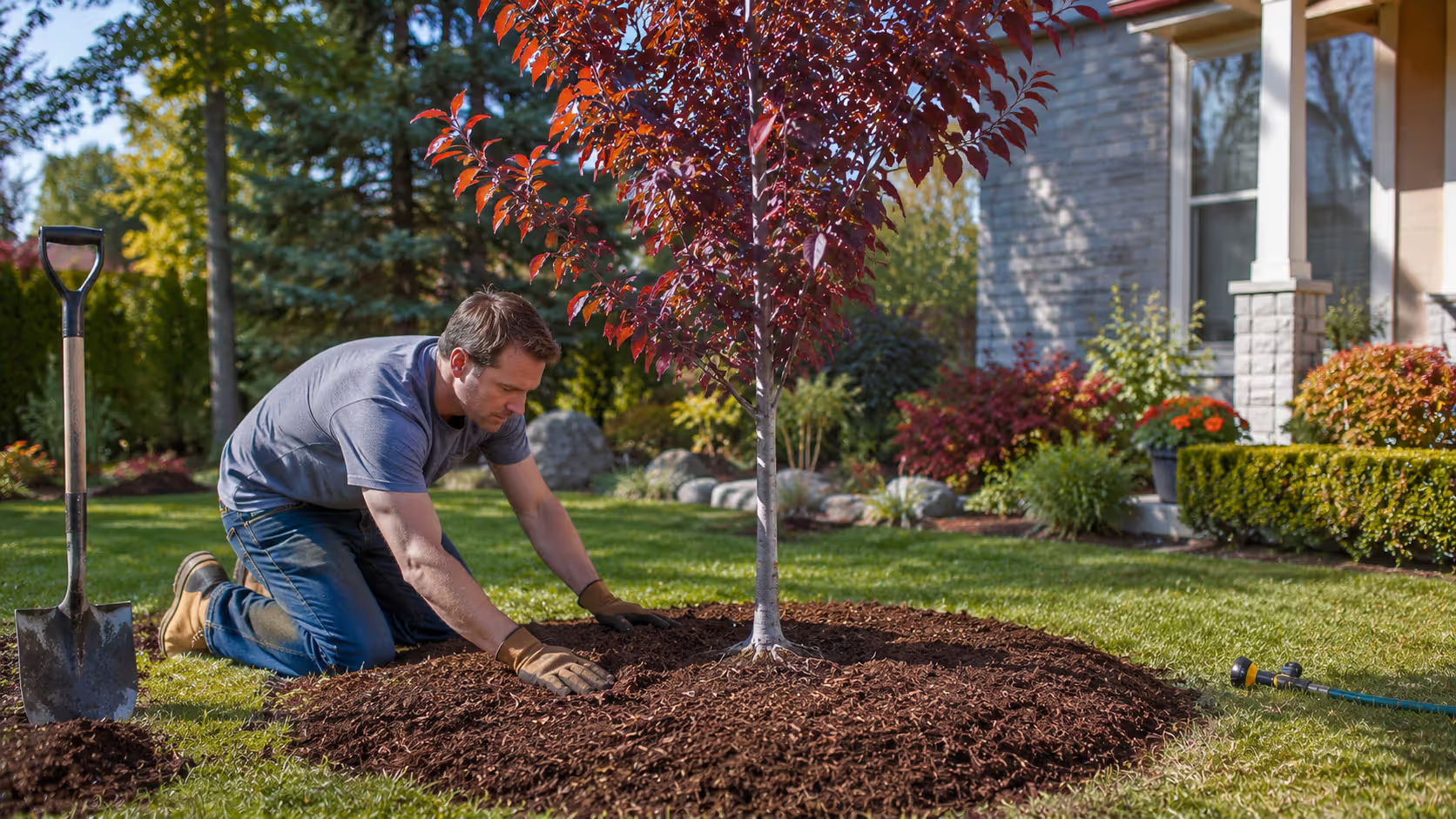
Water thoroughly after planting, then apply 2 to 3 inches of mulch in a 3-foot radius around the trunk. Keep mulch 4 to 6 inches away from the trunk itself to prevent rot.
Author: Liam Ashcroft;
Source: cribbslandscaping.com
Watering and Drought Tolerance
Raywood ash drought tolerance is excellent—once established. That qualifier matters.
For the first 2 to 3 years, maintain consistent soil moisture during the growing season. Water deeply once or twice weekly in the absence of rain, applying enough to moisten soil 12 to 18 inches deep. Shallow, frequent watering creates weak, surface-level roots.
By year three, you can reduce supplemental watering significantly. Established trees survive on natural rainfall in most climates, though they'll look better with occasional deep watering during extended dry periods.
In arid climates (annual rainfall below 15 inches), plan on watering every 2 to 3 weeks during summer even after establishment. The tree won't die without it, but growth slows and fall color may be less intense.
Drought tolerance doesn't mean drought-preferring. Raywood performs best with moderate moisture—not soggy, not bone-dry. Think Mediterranean climate patterns: wet winters, dry summers with occasional irrigation.
One pattern I see most often: overwatering established raywood trees. More problems stem from too much water than too little. If leaves yellow and drop in summer, check soil moisture before adding more water.
Pruning and Maintenance
Pruning requirements are minimal once the tree develops a strong structure. Focus your efforts on young trees, shaping them during the first 5 to 7 years.
Establish a central leader (main upward trunk) and select 4 to 6 well-spaced scaffold branches. Remove competing leaders, branches with narrow crotch angles (less than 45 degrees), and any growth crossing through the center of the canopy.
Prune in late winter or early spring before new growth begins. Avoid pruning in fall—fresh cuts can't seal before winter, inviting disease.
Mature trees need only occasional maintenance: removing dead wood, thinning overly dense areas, and eliminating branches that interfere with structures or sightlines.
Fertilization is rarely necessary in average soils. If growth seems sluggish (less than 12 inches annually after the first few years), apply a balanced fertilizer in early spring. But most raywood ash trees thrive without supplemental feeding.
Watch for suckers—shoots emerging from the base or roots. Remove these promptly; they drain energy from the main tree and create maintenance headaches.
Raywood Ash vs Other Ash Tree Varieties
Several ash tree varieties compete for space in ornamental landscapes. Here's how raywood compares to the most common alternatives:
Variety
Mature Height
Fall Color
Growth Rate
Drought Tolerance
Hardiness Zones
Raywood Ash
35-50 ft
Burgundy-purple
Fast (24-36"/yr)
High
6-9
Modesto Ash
30-40 ft
Yellow
Fast (24-36"/yr)
High
6-10
Shamel Ash
40-80 ft
Yellow-green
Very fast (36-48"/yr)
Moderate
8-11
Green Ash
50-60 ft
Yellow
Moderate (12-24"/yr)
Moderate
3-9
White Ash
50-80 ft
Yellow-purple
Moderate (12-24"/yr)
Low
3-9
What makes raywood unique among ornamental ash trees? The fall color is the obvious answer—no other ash reliably produces those deep burgundy tones. But there's more.
The size is ideal for modern residential lots. Shamel and white ash grow too large for many properties, while raywood stays in that sweet spot of "big enough to matter, small enough to manage."
Raywood also shows better resistance to anthracnose (a fungal disease) than green or white ash, though it's not immune. And it handles alkaline soils better than white ash, which prefers slightly acidic conditions.
The tradeoff? Raywood isn't as cold-hardy as green or white ash. If you're in Zone 5 or colder, choose a different variety.
Modesto ash is the closest competitor—similar size, similar drought tolerance, same growth rate. The deciding factor usually comes down to fall color preference: yellow (Modesto) or burgundy (raywood).
Common Problems and Solutions
Author: Liam Ashcroft;
Source: cribbslandscaping.com
Raywood ash tree care includes watching for a few specific issues. Catch them early, and they're manageable. Ignore them, and you'll have real problems.
Verticillium wilt is the most serious disease threat. This soil-borne fungus attacks the vascular system, causing branches to wilt and die. Leaves may yellow on one side of the tree while the other side looks healthy.
There's no cure. Remove infected branches, sterilizing pruning tools between cuts with a 10 percent bleach solution. Severely infected trees should be removed entirely to prevent spread. Don't plant another ash (or susceptible species like maple or olive) in the same location.
Prevention matters more than treatment. Avoid wounding the trunk or roots, maintain tree health through proper watering, and don't plant in soil where susceptible trees have recently died.
Ash anthracnose causes brown spots on leaves and premature defoliation during wet springs. It's unsightly but rarely fatal. Rake and destroy fallen leaves to reduce fungal spores. Fungicide applications help in severe cases but usually aren't necessary.
Emerald ash borer (EAB) has devastated native ash populations in the eastern and midwestern US since its discovery in 2002. Raywood ash is susceptible, though it's less commonly attacked than native species.
If you're in an area with confirmed EAB populations, consider preventive insecticide treatments or choose a different tree species entirely. The beetle continues to spread westward as of 2026, though it hasn't established in all western states yet.
Aphids occasionally infest new growth, causing sticky honeydew and sooty mold. A strong spray from the hose usually solves the problem. Beneficial insects (ladybugs, lacewings) provide natural control if you avoid broad-spectrum insecticides.
Iron chlorosis shows up as yellowing leaves with green veins, typically in alkaline soils with pH above 7.5. Apply chelated iron as a soil drench or foliar spray. Long-term solutions include acidifying soil amendments, though this is difficult to maintain.
Environmental stress often mimics disease symptoms. Before treating for pests or pathogens, verify that watering is appropriate and the tree isn't suffering from compacted soil, road salt, or other cultural problems.
One counterintuitive point: some leaf drop in late summer is normal, especially during drought. Raywood may shed older leaves to conserve water. This isn't a disease—it's an adaptation. Resume watering if soil is dry, and the tree will recover.
Author: Liam Ashcroft;
Source: cribbslandscaping.com
FAQ: Raywood Ash Tree Questions Answered
How fast does a raywood ash grow?
Raywood ash grows 2 to 3 feet per year under optimal conditions, qualifying it as a fast-growing ornamental tree. Young trees often exceed this rate during the establishment phase, while mature trees slow to 12 to 18 inches annually. Growth rate depends on soil quality, water availability, and climate—trees in ideal conditions (full sun, moderate water, well-drained soil) consistently hit the upper end of that range.
Is raywood ash drought tolerant once established?
Yes, raywood ash demonstrates excellent drought tolerance after the first 2 to 3 years. Established trees survive on natural rainfall in most climates, though performance improves with occasional deep watering during extended dry periods. In arid regions receiving less than 15 inches of annual rainfall, supplemental irrigation every 2 to 3 weeks during summer maintains optimal growth and fall color intensity. The tree's Mediterranean origins make it well-suited to dry summer conditions.
What zones can raywood ash grow in?
Raywood ash thrives in USDA hardiness zones 6 through 9, handling winter temperatures down to -10°F. The tree performs best in zones 7 to 9, where it experiences mild winters and warm summers. In zone 6, plant in protected locations and expect occasional winter dieback during severe cold snaps. The tree struggles in zones 10 and above due to insufficient winter chill, and it's not suitable for zones 5 or colder where temperatures regularly drop below -10°F.
How big does a raywood ash tree get?
A mature raywood ash reaches 35 to 50 feet tall with a canopy spread of 25 to 35 feet. Trees typically achieve 25 to 30 feet of height within 10 years, reaching full size by 20 to 25 years. Trunk diameter at maturity ranges from 2 to 3 feet. Size varies based on growing conditions—trees in rich, consistently moist soil reach the upper end of the range, while those in poor or dry soil stay more compact.
When does raywood ash change color?
Raywood ash begins its color transformation in mid to late October in most climates, with peak color occurring from late October through mid-November. Timing varies by region and weather—cooler areas see earlier color, while warm climates may not peak until late November. The display lasts 3 to 4 weeks under normal conditions, extending longer during mild autumns. Trees need consistent sunlight and cool night temperatures (below 50°F) to develop the deepest burgundy tones.
Are raywood ash trees messy?
Raywood ash is relatively clean compared to many deciduous trees. It doesn't produce significant fruit, flowers are inconspicuous, and leaf drop is concentrated in a 2 to 3 week period during late autumn. The compound leaves break down quickly, making them easier to manage than large, leathery leaves from magnolias or oaks. Some twig drop occurs during storms, but the tree doesn't shed small branches constantly like some species. Overall, it's a low-mess choice for ornamental landscapes.
The raywood ash delivers exactly what most homeowners want from a shade tree: fast growth, stunning fall color, and minimal fuss. It won't demand weekly attention or specialized care. Plant it right, water it through establishment, and it'll reward you for decades.
The fall display alone justifies the space it occupies. But you're also getting reliable summer shade, a clean winter silhouette, and drought tolerance that matters more every year as water becomes precious.
Choose your planting location carefully—this tree will be there for 50+ years if properly sited. Give it room to spread, ensure good drainage, and make sure that fall color will be visible from where you spend time outdoors.
And don't overthink the care. Water young trees consistently, establish good structure through early pruning, then step back and let the tree do what it does best. The simpler option usually wins here, and raywood ash is about as simple as ornamental trees get.
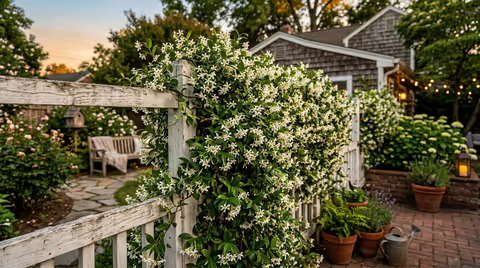
Star jasmine creates fragrant, evergreen coverage but grows vigorously. This guide explains whether it's truly invasive, how fast it spreads, control strategies, and complete care instructions for US gardeners in zones 8-11.
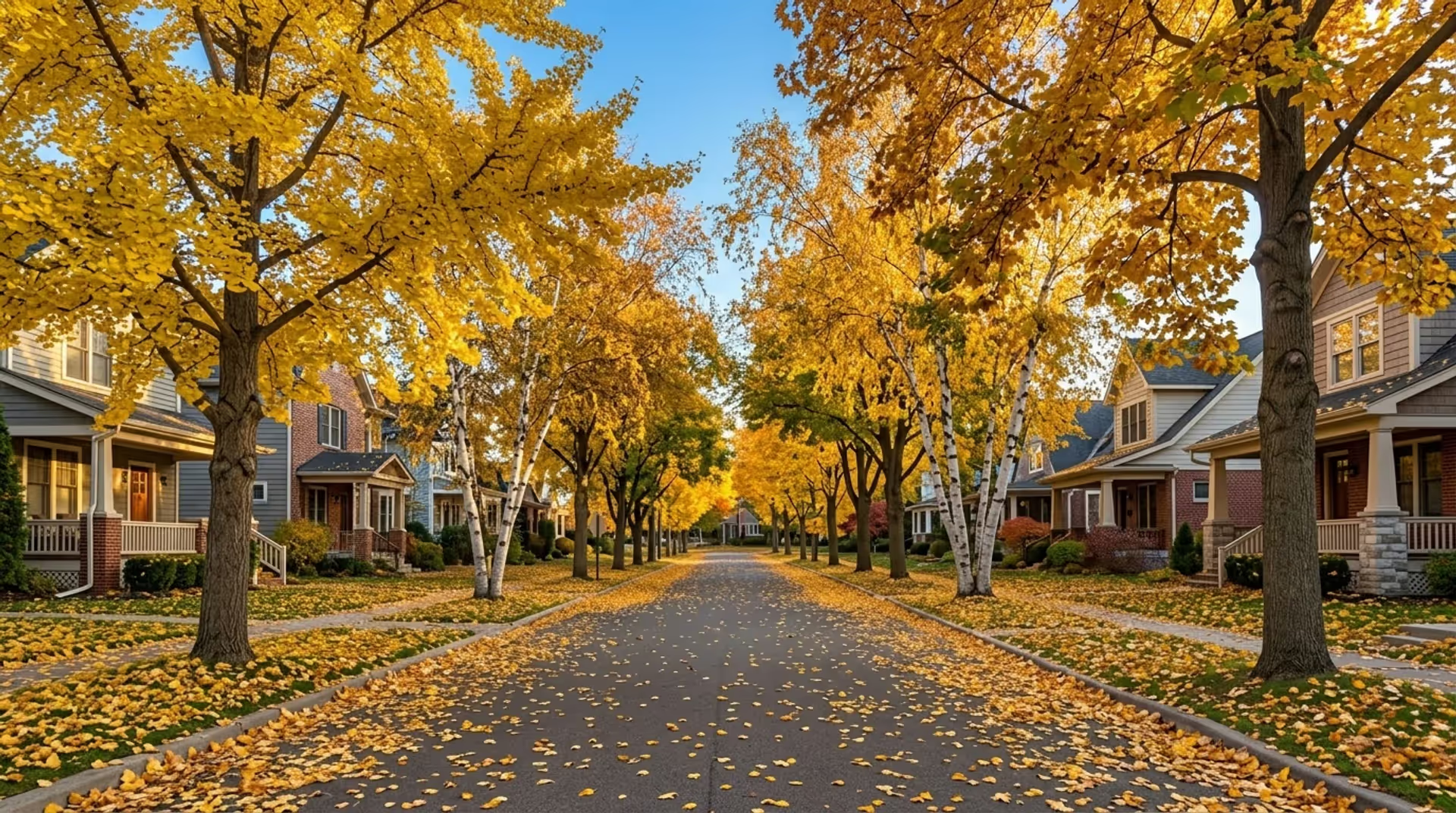
You've probably noticed entire hillsides glowing gold during autumn walks. Yellow fall foliage creates stunning displays, but not every tree joins the show. Learn which species reliably turn brilliant yellow year after year, the science behind the color change, and how to choose the perfect yellow fall tree for your landscape.
Learn which plants thrive in bioswales and drainage areas. This comprehensive guide covers native species by region, moisture-tolerant options, planting zones, design principles, and common mistakes to avoid when creating functional rain gardens and bioswales.
Lonicera plants offer more than sweet-smelling vines. This guide covers climbing, shrub, and ground cover varieties, plus care tips for hedges, wildlife gardens, and responsible planting. Learn which honeysuckles attract hummingbirds and which to avoid for ecological reasons.
The content on this website is provided for general informational and educational purposes only. It is intended to explain concepts related to landscape design, outdoor spaces, plants, irrigation, hardscape and softscape, and sustainable landscaping.
All information on this website, including articles, guides, and examples, is presented for general educational purposes. Outcomes may vary depending on local climate, soil, plant selection, and project implementation.
This website does not provide professional design, construction, or horticultural advice, and the information presented should not be used as a substitute for consultation with qualified landscape architects, contractors, or horticulturists.
The website and its authors are not responsible for any errors or omissions, or for any outcomes resulting from decisions made based on the information provided on this website.