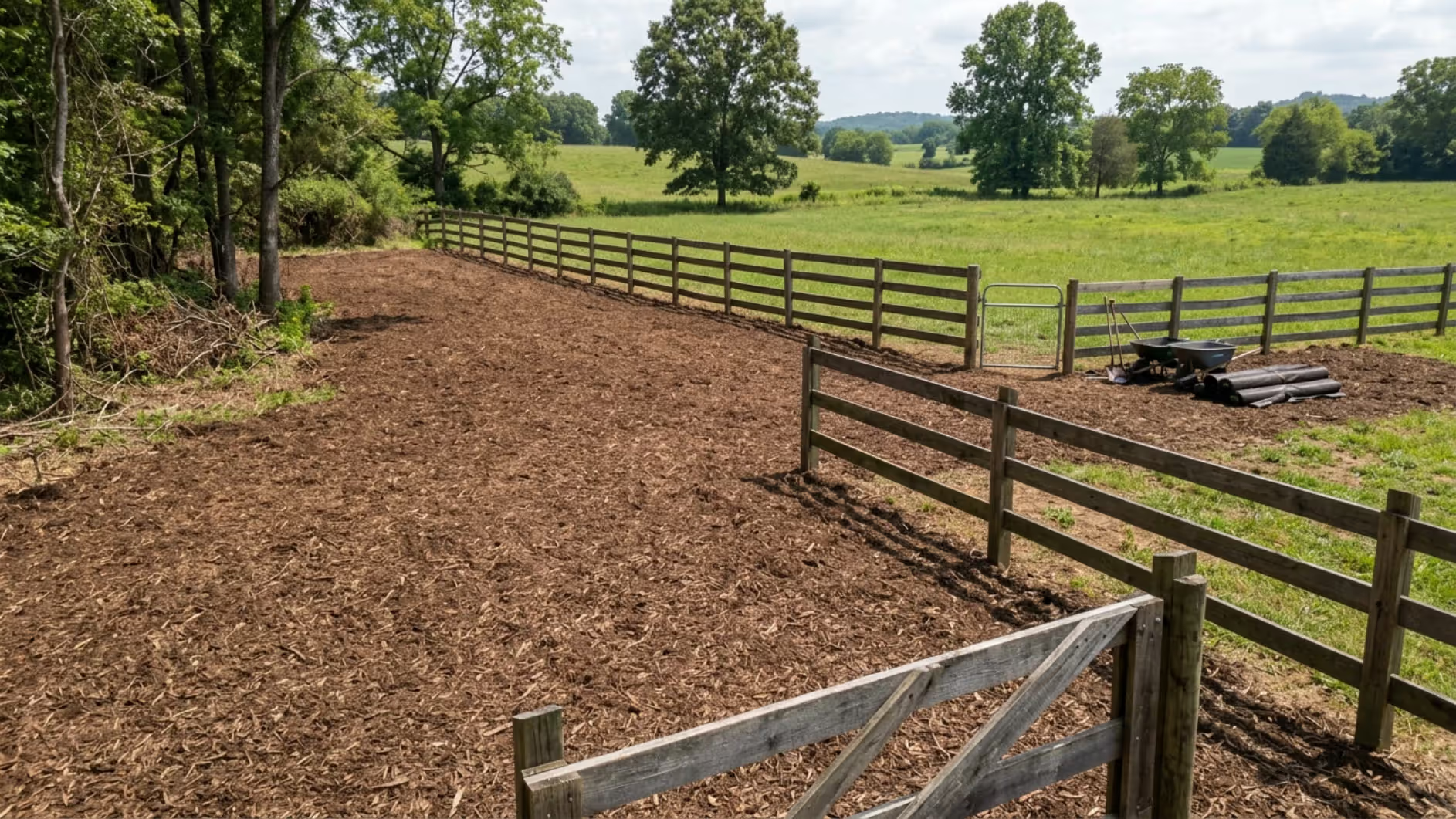
Your back pasture hasn't been touched in fifteen years. Multiflora rose tangles through cedar saplings. Honeysuckle vines strangle everything waist-high and above. You've got maybe three options that come to mind: rent a bulldozer and scrape it all down to hardpan, pile everything up and pray the fire department approves your burn permit, or spend six weekends with a chainsaw and a chipper wondering why you didn't just hire somebody.
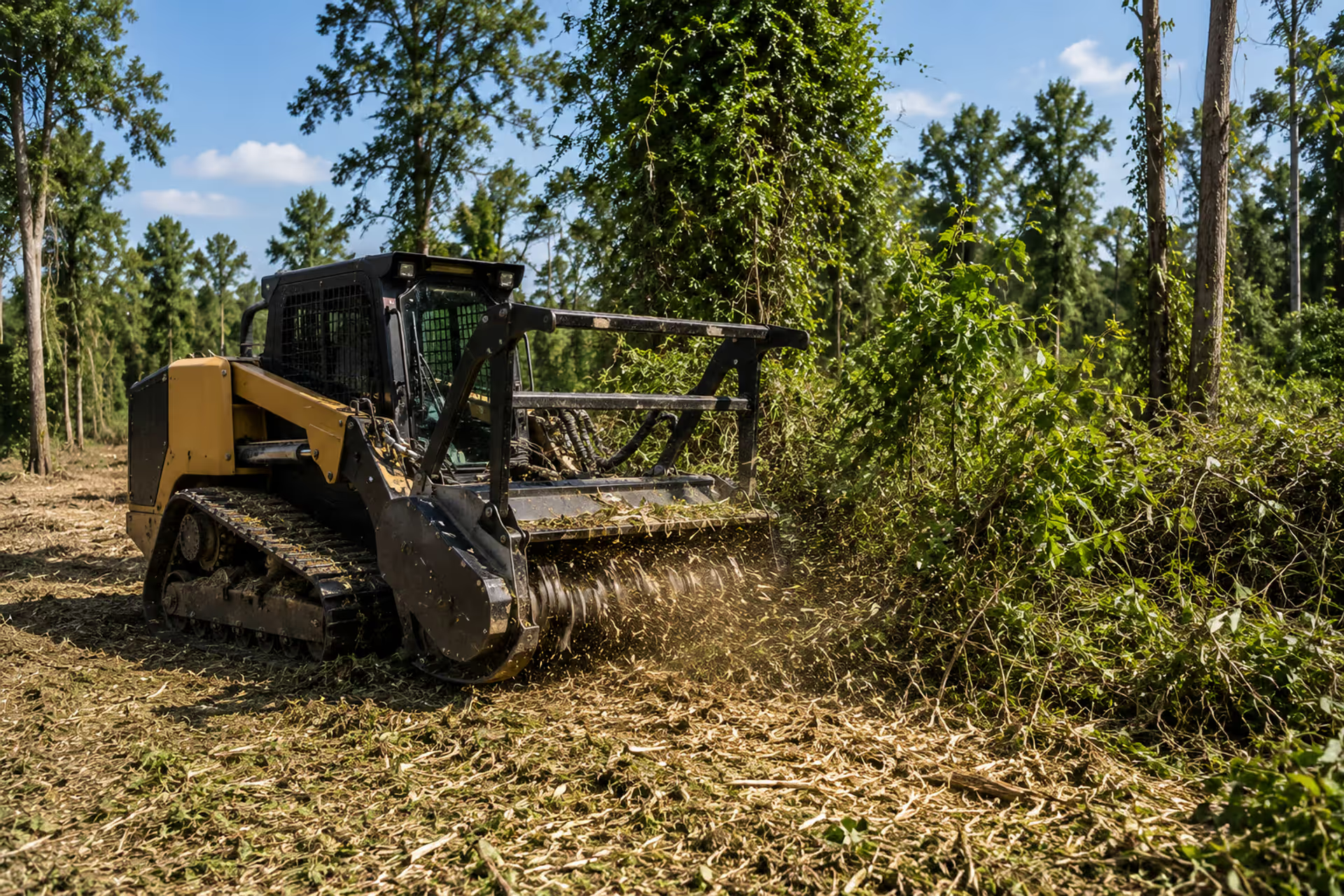
There's another way. One machine shows up. The operator drives across your property once, maybe twice. Trees and brush get chewed into chips right where they're standing. When the machine leaves, you've got cleared land covered in fresh mulch—no piles of debris waiting for disposal, no topsoil scraped away, no follow-up crews needed.
Understanding Forestry Mulching
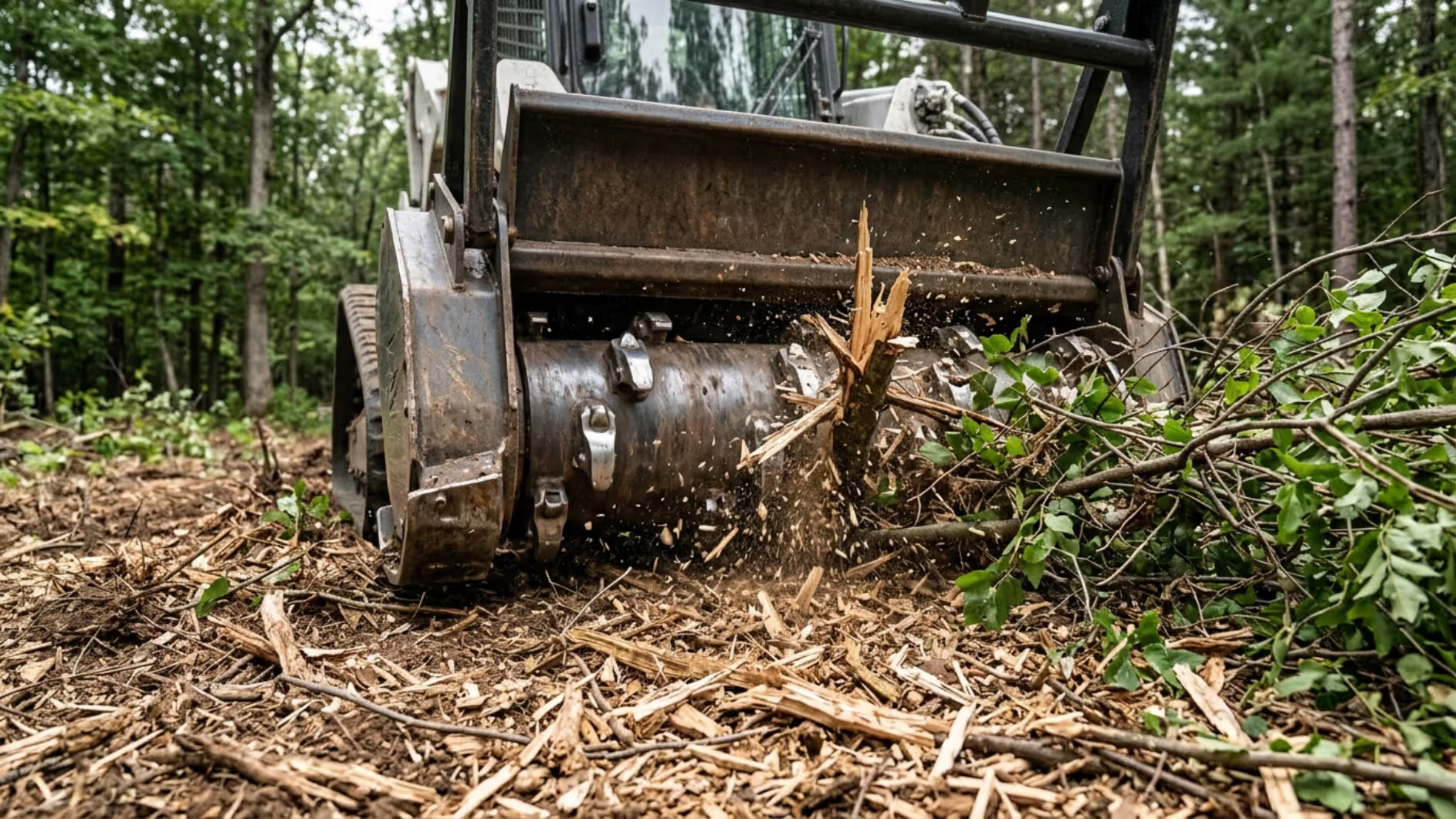
Think of it as a massive wood chipper mounted on tracks that moves across your property instead of you feeding material into a stationary machine. The business end is a rotating drum—usually 24 to 36 inches in diameter—covered with carbide or hardened steel teeth that grab vegetation and shred it into chips.
What can these machines actually handle? Brush piles that would take you three days to clear by hand disappear in minutes. Saplings up to your wrist thickness? Gone. Most commercial units process trees between six and twelve inches across without slowing down. The heavy-duty rigs—the ones utility companies use for transmission line work—can chew through sixteen-inch oaks, though anything bigger usually means the chainsaw crew comes first to section things down.
Here's what makes this different from every other clearing method: the machine cuts everything at ground level, but the roots stay put. Underground, nothing changes. Your soil structure—all those root channels, earthworm tunnels, and fungal networks—keeps functioning exactly like before. Compare that to a bulldozer yanking stumps and you'll understand why erosion becomes such a problem with traditional clearing.
Property owners have figured out this approach works great for reclaiming overgrown fence lines without tearing up their entire yard. You can clear a twenty-foot-wide corridor along your property boundary and leave everything else untouched. Try doing that with a bulldozer without destroying half your lawn.
The wood chips left behind? They'll break down over six months to a year and a half, depending mostly on how much rain you get. Hot, humid summers speed things up. Dry winters slow everything down. While they're decomposing, those chips feed nutrients back into your soil and prevent weeds from establishing. You get a grace period to figure out what comes next—whether that's planting, building, or just enjoying cleared land.
Author: Olivia Maren;
Source: cribbslandscaping.com
The Forestry Mulching Process Step by Step
Knowing what actually happens helps you prepare your property and spot contractors who know their business from those who don't.
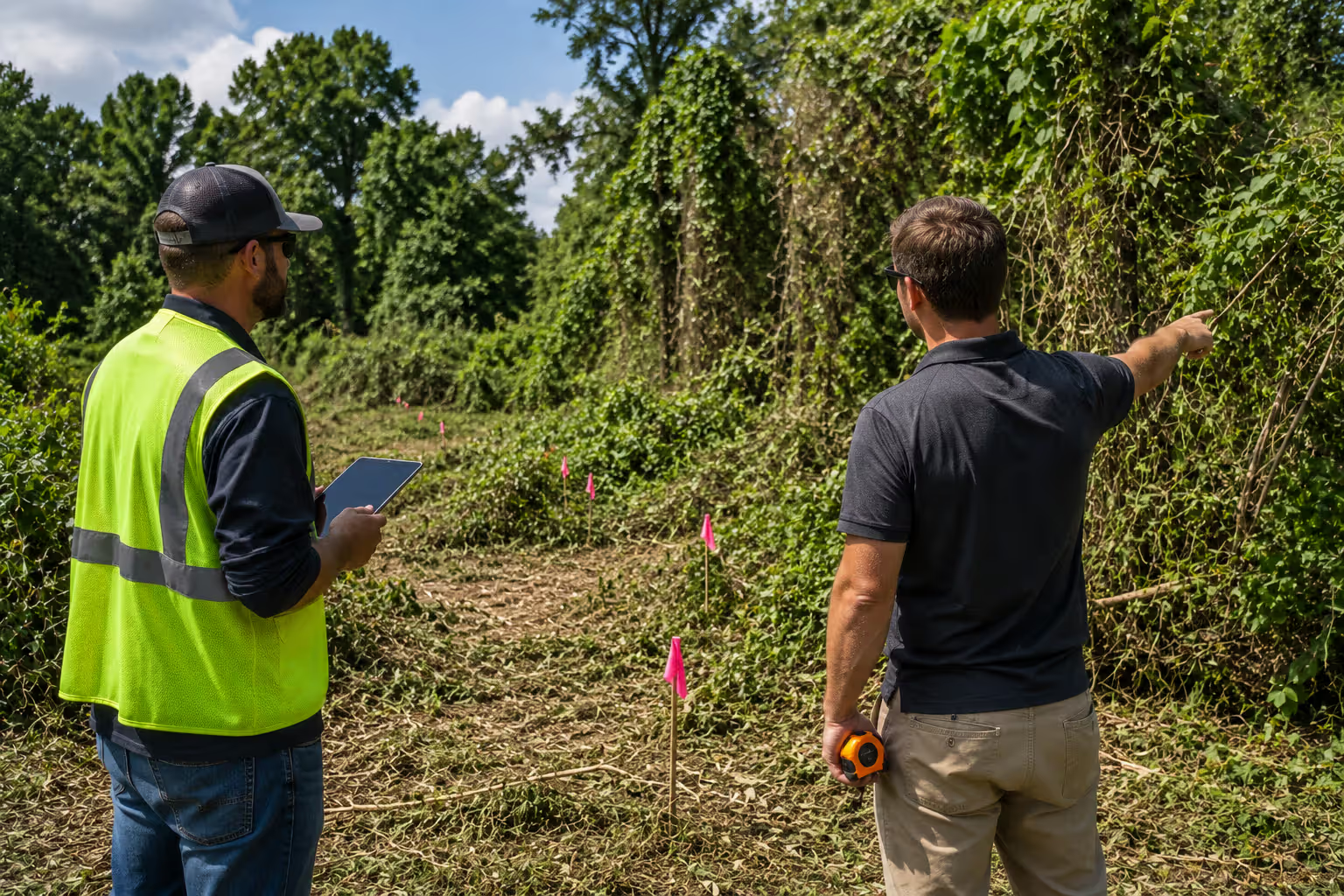
Site Assessment Comes First: Before any equipment arrives, someone needs to walk your property. They're looking for buried utility lines, rock outcroppings that'll wreck cutting teeth, wet spots where a 15,000-pound machine might sink, and figuring out the most logical clearing pattern. A half-acre residential lot takes maybe twenty minutes to evaluate. Ten acres of mixed hardwoods and brush? Plan on spending half a day.
Equipment Shows Up: You'll see either a dedicated tracked machine (looks like a small bulldozer with a different front end) or a skid steer with a mulching attachment bolted on. Most operators start at your property edges and work inward, or they follow contour lines if you've got hills. Starting in the middle and working outward just creates access problems.
The Actual Mulching Happens: That cutting drum spins at high speed—we're talking 2,000+ RPM on most machines. The teeth catch vegetation, pull it into the grinding chamber, and spit processed chips out the side or back. Trees get cut flush with the ground. Dense thickets of brush just... vanish into a spray of wood fragments. Operators adjust how deep they're cutting and how thick the mulch layer ends up based on what they're seeing.
Chips Get Spread Around: This isn't like running a wood chipper where everything piles up in one spot. The machine distributes processed material across the entire cleared area as it moves. You end up with a fairly even layer—usually two to four inches deep—that covers the whole site. Heavy vegetation might need a second pass to even things out.
Final Cleanup and Touch-Ups: After the main clearing, operators smooth out any inconsistent spots and make sure the mulch layer looks uniform. They pull out any temporary markers or flagging tape. Your property goes straight from overgrown to usable without an intermediate "construction zone" phase.
Timeline-wise? A typical one to two acre residential property takes one or two full days. Commercial jobs covering fifty acres might run for weeks, depending on how thick the vegetation is and whether the terrain fights you.
Author: Olivia Maren;
Source: cribbslandscaping.com
Equipment and Attachments Used
The right machine for your project depends on how much land you're clearing, what's growing there, and what equipment you've already got access to.
Skid Steer Attachments: Mount one of these on a compact skid steer and you can handle properties under five acres with light to moderate brush. They squeeze into tight spots and cost less per hour to operate. But trees over six inches across start pushing these units to their limits. Rental yards charge $250 to $500 daily, though most first-time operators discover they've burned through twice their budget by lunchtime on day two because they underestimated the learning curve.
Excavator-Mounted Heads: Bolt a mulching head onto a mid-size excavator and you've got reach plus power. The extended boom lets operators work steep slopes or reach over obstacles without constantly repositioning the machine. Commercial land reclamation and utility corridor maintenance mostly use this configuration.
Purpose-Built Tracked Units: These dedicated machines—built from the ground up for mulching—deliver maximum power and stability. They'll process dense forest undergrowth and trees up to sixteen inches across without breaking a sweat. Fire prevention projects and large-scale forestry operations depend on these rigs.
Plenty of property owners rent a skid steer attachment Friday afternoon planning to knock out their project over the weekend, then call a professional contractor Monday morning after realizing the job's harder than YouTube videos made it look.
Forestry Mulching vs Traditional Land Clearing Methods
Let's compare what you're actually getting with different clearing approaches, because the differences matter more than you'd think.
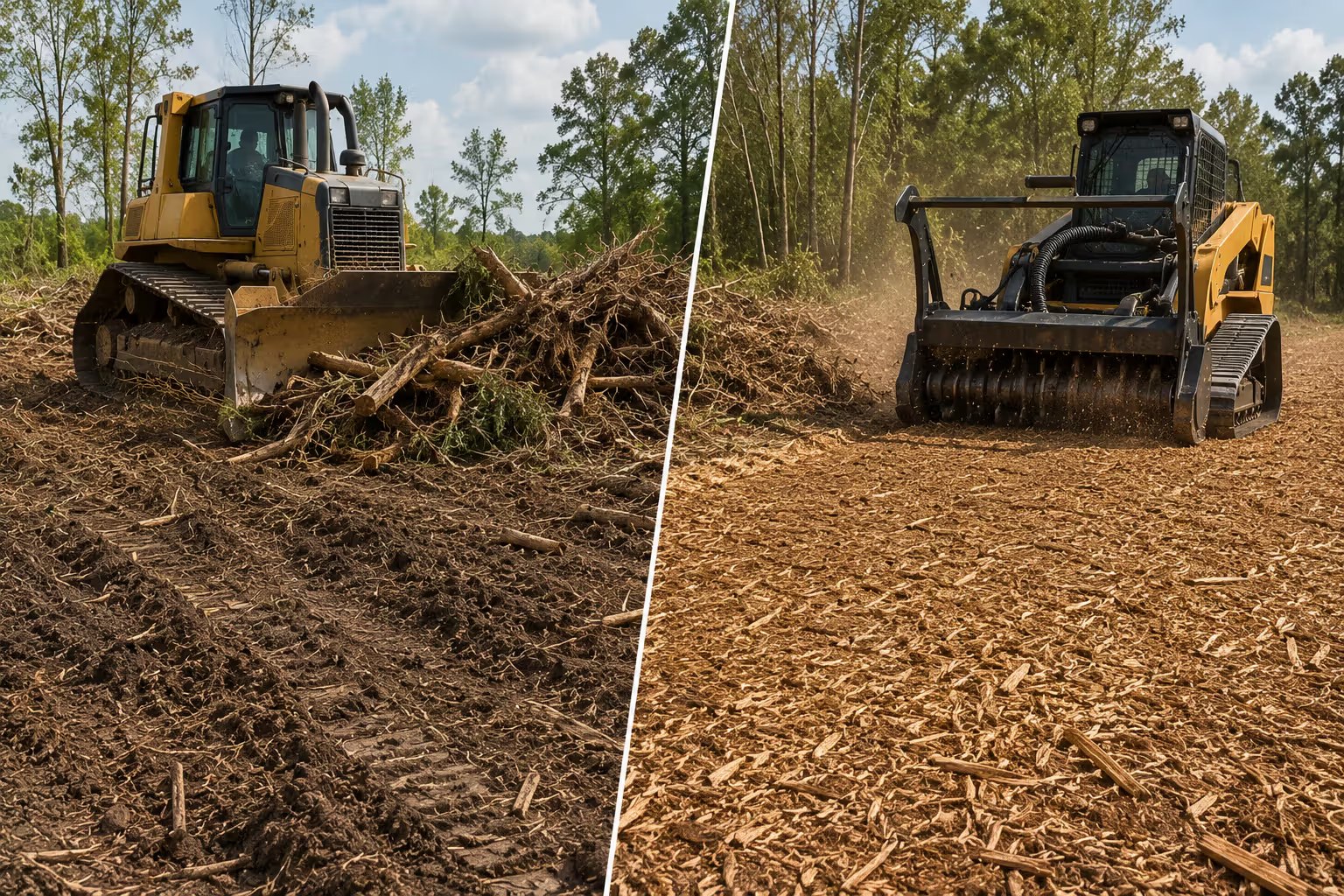
Bulldozers push everything into piles through brute force. Fast for demolition-scale work, sure. But they're also ripping away your topsoil, compacting subsoil into something resembling concrete, and creating debris mountains that still need hauling or burning. Then you're paying again for grading crews to fix the damage the bulldozer caused.
Controlled burns eliminate vegetation through fire—assuming you can get permits, the weather cooperates, and your neighbors don't call the fire department. Initial costs look cheap until you factor in liability insurance, air quality regulations, and the very real possibility of things going sideways. The ash left behind provides almost no erosion protection. First heavy rain after a burn? Watch your topsoil head for the nearest creek.
Manual clearing with chainsaws and brush cutters works fine for a quarter-acre. Scale up to anything larger and labor costs go through the roof. You're still left with debris requiring disposal. Total hours invested usually exceed what you'd pay for mechanized clearing.
Forestry mulching eliminates the entire debris problem. Processed material stays exactly where it is. No hauling fees, no burn permits, no secondary cleanup operations. Your soil structure stays intact while gaining immediate erosion protection.
One machine, one operator, finished product when they leave—that's typically your most efficient option.
Author: Olivia Maren;
Source: cribbslandscaping.com
Key Benefits of Forestry Mulching
The advantages here go beyond just removing unwanted vegetation. You're getting measurable improvements in soil health, project costs, and long-term property maintenance.
Stopping Erosion: Those wood chips function like a protective blanket over exposed soil. When rain hits, it impacts the chips instead of bare earth. Water slows down instead of carving gullies. Sloped properties and flood-prone areas see 60 to 80 percent less soil loss compared to conventionally cleared land left unprotected.
Preserving Soil Biology: Underground root networks stay put, maintaining soil structure. Microbes keep functioning. Earthworms stick around. Mycorrhizal fungi networks avoid disruption. Decomposing chips gradually feed nutrients back into topsoil rather than stripping fertility.
Saving Money: You get one invoice instead of bills from multiple contractors. No separate cutting charges, hauling fees, disposal costs, or grading invoices. Total project costs typically run 20 to 40 percent below traditional clearing when you account for everything.
Getting Done Faster: Experienced operators clear one to two acres daily in typical conditions. That matches bulldozing speed while eliminating follow-up restoration work, and absolutely destroys manual clearing timelines.
Minimizing Site Damage: Equipment footprint stays smaller than the parade of machinery traditional methods require. No dump trucks tearing up your driveway. No staging areas for debris mountains. The mulching machine rolls off leaving finished work behind.
Transitioning Quickly to Next Steps: Mulched surfaces stabilize enough for foot traffic or vehicle access within days. You skip waiting for grading crews or dealing with mud problems. Land becomes immediately available for whatever you're doing next.
Creating a Weed Barrier: Mulch blocks sunlight and creates physical barriers preventing weed seeds from germinating. This cuts maintenance requirements for twelve to eighteen months, giving planned vegetation or landscaping time to establish without competition.
When Forestry Mulching Works Best
Certain situations make forestry mulching the obvious choice among available clearing methods.
Bringing Back Neglected Properties: Land sitting vacant for years or inherited property with decades of accumulated growth responds perfectly to mulching. Equipment handles mixed vegetation—vines tangled through saplings, thorny brambles, invasive species—without needing manual sorting or equipment swaps.
Maintaining Utility Corridors: Power companies and municipal agencies keep transmission line corridors, pipeline routes, and roadside vegetation under control using mulchers. The method avoids damaging buried infrastructure, and resulting mulch suppresses regrowth better than mowing alone.
Reducing Wildfire Risk: Properties in fire-prone regions benefit from defensible space around structures. Mulching reduces combustible fuel loads by processing dense brush and small trees while leaving fire-resistant chip layers that ignite less readily than standing dead vegetation.
Managing Boundary Lines: Clearing fence lines or property boundaries suits mulching operations perfectly. Narrow working widths of skid steer attachments let operators clear ten to twenty foot corridors without affecting adjacent areas.
Prepping Development Sites: Builders clear construction sites with mulchers before grading and foundation work begins. Mulch stabilizes sites during active construction, reducing mud and dust problems associated with exposed soil.
Building Recreational Trails: Parks, recreational properties, and private landowners cut trails through wooded areas using mulching equipment. Results include clear pathways with natural chip surfaces that drain well and resist erosion.
What separates forestry mulching from traditional methods isn't just what it accomplishes—it's what it avoids. Your topsoil stays in place. Debris piles never materialize. You don't need multiple machines and crews cycling through your property. The land you clear ends up in better condition than before work started, and conventional approaches simply can't deliver that result.
— Henderson Marcus
Common Applications for Land Clearing with Forestry Mulchers
Forestry mulchers serve diverse industries and property types. These represent the most common use cases you'll encounter.
Residential Property Projects: Homeowners reclaim overgrown backyards, clear wooded parcels for gardens, or prepare land for outbuildings and recreational areas. Clearing overgrown land around existing homes avoids risks of heavy equipment damaging driveways, crushing septic systems, or destroying established landscaping.
Commercial Development: Businesses purchasing overgrown parcels for expansion or development use mulching to prepare sites efficiently while avoiding environmental permitting headaches that follow burning or mass grading. The method satisfies most municipal regulations for stormwater management and erosion prevention.
Converting Agricultural Fields: Farmers converting pasture to cropland or reclaiming fields overtaken by woody vegetation rely on mulching to reset agricultural land. Organic matter incorporation improves soil fertility, and the process avoids compaction problems that plague bulldozed fields.
Managing Transmission Lines: Electric, natural gas, and telecommunications companies maintain vegetation along transmission corridors and pipeline easements. Mulching provides cost-effective maintenance cycles—typically every three to five years—compared to annual mowing programs or chemical herbicide applications.
Controlling Invasive Plants: Managing invasive species like kudzu, European buckthorn, or multiflora rose requires aggressive intervention. Mulching grinds plants along with root crowns, disrupting regeneration cycles more effectively than surface mowing. Subsequent herbicide treatments achieve better results on mulched sites.
Enhancing Wildlife Habitat: Conservation organizations and private landowners create early successional habitat for wildlife by selectively mulching portions of forested land. The process opens tree canopy, encourages native grasses and flowering plants, and provides edge habitat benefiting white-tailed deer, wild turkey, and upland game birds.
Bush mulching for landscaping extends to upscale residential developments where maintaining natural aesthetics matters. Mulching removes undergrowth while preserving mature specimen trees, creating park-like settings without the barren appearance of bulldozed parcels.
Author: Olivia Maren;
Source: cribbslandscaping.com
Cost Factors and What to Expect
Forestry mulching pricing shifts based on multiple factors. Understanding these variables helps establish accurate budgets and prevents billing surprises.
Property Size Matters: Most contractors price work per acre, with typical rates spanning $400 to $800 per acre for standard residential and light commercial projects. Operations covering ten or more acres frequently qualify for volume discounts—sometimes dropping to $350 to $600 per acre as project scale increases.
Vegetation Density and Type: Light brush and young saplings cost less to process than thick stands of mature trees. Properties with trees in the eight to twelve inch diameter range push pricing toward the upper end of typical ranges. Dense thorny invasives like multiflora rose increase machine time and accelerate cutting tooth wear.
Terrain and Access: Level, dry ground with straightforward equipment access costs less than steep slopes, rocky terrain, or properties requiring extended travel from staging areas. Saturated or muddy conditions slow progress and may necessitate waiting for drier weather windows.
Regional Differences: Labor and equipment expenses shift by region. Southeast and Midwest locations tend toward $400 to $600 per acre. Western states and Northeast markets often reach $600 to $800 or higher due to elevated operating costs and stronger service demand.
Additional Services: Some contractors include stump grinding below grade, selective tree preservation, or finish grading in base pricing. Others bill these separately. Always clarify included services before signing contracts.
Professional forestry mulching services typically encompass site evaluation, equipment operation, and finished mulched surfaces ready for your next development phase. Debris removal doesn't appear as an extra charge—there's no material requiring disposal.
Common mistake: assuming DIY equipment rental saves money. Rental fees, fuel consumption, operator learning curves, and potential equipment damage frequently push total expenses above professional contractor rates. For properties exceeding half an acre, obtain professional quotes before committing to rental equipment.
Frequently Asked Questions About Forestry Mulching
What should I expect to pay per acre for forestry mulching services?
Professional forestry mulching typically runs $400 to $800 per acre for residential and light commercial work. Your actual price depends on vegetation density, terrain difficulty, and regional labor markets. Light brush with scattered saplings falls toward the lower price range. Properties with dense tree stands approaching twelve inches in diameter push costs higher. Larger projects spanning ten or more acres sometimes qualify for reduced rates, dropping to $350 to $600 per acre. Always request detailed quotes from multiple contractors and verify exactly what services their pricing includes.
What does forestry mulching actually cost per acre?
Professional forestry mulching typically runs $400 to $800 per acre for residential and light commercial work. Your actual price depends on vegetation density, terrain difficulty, and regional labor markets. Light brush with scattered saplings falls toward the lower end of that range, while properties with dense tree stands approaching twelve inches in diameter push costs higher. Larger projects covering ten or more acres often qualify for volume discounts, sometimes dropping to $350 to $600 per acre. Regional differences matter too — Southeast and Midwest locations tend toward $400 to $600, while Western and Northeast markets often reach $600 to $800 or higher due to elevated operating costs.
Can forestry mulching equipment handle large trees and stumps?
Standard forestry mulching machines process trees between eight and twelve inches in diameter without slowing down. Heavy-duty commercial units — the kind utility companies use for transmission line work — can chew through sixteen-inch oaks. Anything larger generally requires pre-cutting with chainsaws to section the tree down first. Stumps get ground flush with ground level or slightly below depending on machine specifications and operator technique. The grinding action shreds stumps into chips rather than extracting them with roots attached, which leaves underground root systems intact to decompose in place. This is exactly what preserves your soil structure — all those root channels, earthworm tunnels, and fungal networks keep functioning.
How does forestry mulching compare to bulldozing or controlled burns?
Each method serves different needs, but forestry mulching usually wins on overall efficiency. Bulldozers work fast but strip your topsoil, compact subsoil into something resembling concrete, and create debris mountains that still need hauling or burning. You'll end up paying again for grading crews to fix the damage. Controlled burns look cheap on paper until you factor in permits, liability insurance, air quality regulations, and the ash provides almost no erosion protection. Manual clearing works for small areas but labor costs explode beyond a quarter-acre. Forestry mulching eliminates the debris problem entirely — processed material stays exactly where it is, your soil structure stays intact, and you skip the hauling fees, burn permits, and secondary cleanup operations that traditional methods require.
Should I rent equipment and do this myself instead of hiring a contractor?
For properties exceeding half an acre, hire a professional. Rental yards charge $250 to $500 daily for skid steer attachments, but most first-time operators burn through twice their budget by lunchtime on day two because they underestimated the learning curve. Plenty of property owners rent equipment Friday afternoon planning to knock out their project over the weekend, then call a professional contractor Monday morning after realizing the job's harder than YouTube videos made it look. Once you factor in rental fees, fuel consumption, the operator learning curve, and potential equipment damage, DIY costs frequently exceed professional contractor rates. Obtain professional quotes before committing to rental equipment.
How long do the wood chips last and what happens after?
The wood chips break down over six months to a year and a half, depending mostly on your climate. Hot, humid summers speed decomposition. Dry winters slow everything down. While they're decomposing, those chips function like a protective blanket — sloped properties and flood-prone areas see 60 to 80 percent less soil loss compared to conventionally cleared land left unprotected. The chips also block sunlight and create physical barriers that prevent weed seeds from germinating, which cuts maintenance requirements for twelve to eighteen months. Mulched surfaces stabilize enough for foot traffic or vehicle access within days, so the land becomes immediately available for whatever comes next — planting, building, or just enjoying cleared property.
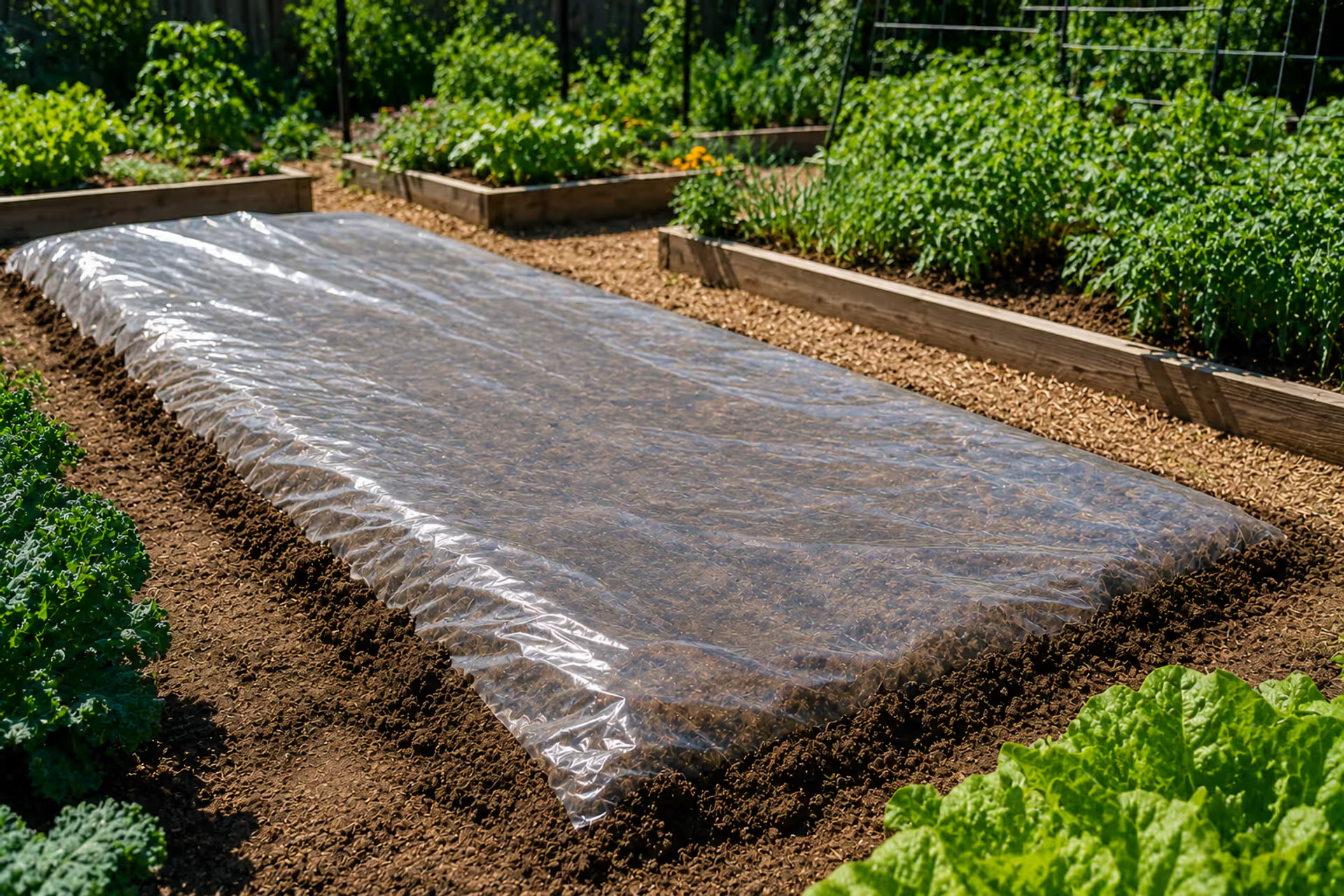
Soil solarization uses summer heat to sterilize garden beds naturally. This guide covers the complete process, from choosing materials and timing to avoiding common mistakes. Learn what pests it kills, how long it takes, and whether it works in your climate zone.
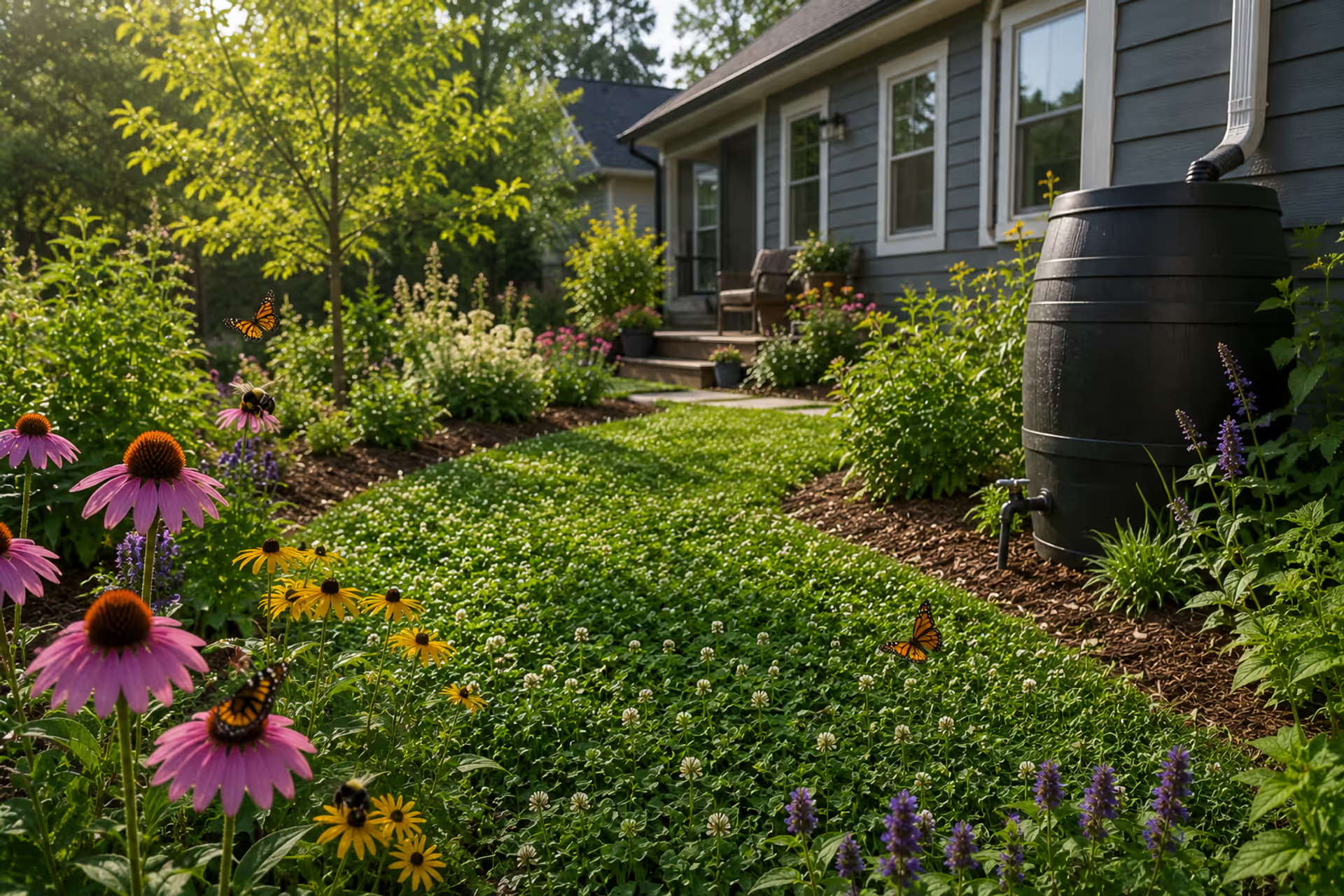
Transform your yard into an eco-friendly landscape that works with nature instead of against it. Discover native plants, water-saving techniques, organic care methods, and wildlife habitat features that reduce environmental impact while cutting maintenance costs by up to 60%.
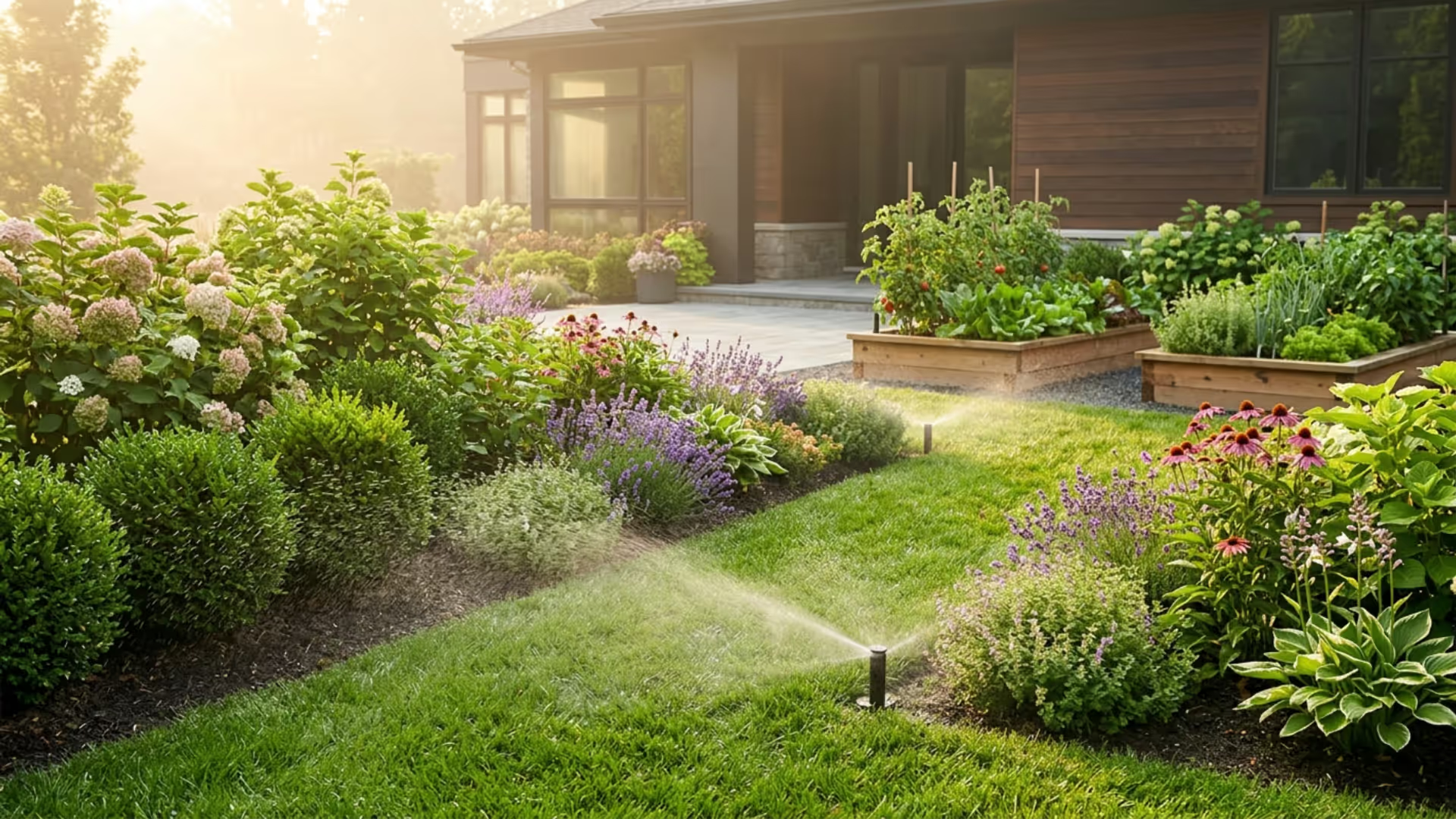
Every garden needs water, but delivery method matters. Compare drip irrigation, sprinklers, soaker hoses, and automated systems. Learn which watering system fits your garden, how to install it efficiently, and avoid common mistakes that waste water and harm plants.
Zeroscape and xeriscape sound similar but represent very different approaches to water-wise landscaping. Learn the key differences in water usage, maintenance, costs, and aesthetics to decide which method works best for your climate, budget, and lifestyle.
The content on this website is provided for general informational and educational purposes only. It is intended to explain concepts related to landscape design, outdoor spaces, plants, irrigation, hardscape and softscape, and sustainable landscaping.
All information on this website, including articles, guides, and examples, is presented for general educational purposes. Outcomes may vary depending on local climate, soil, plant selection, and project implementation.
This website does not provide professional design, construction, or horticultural advice, and the information presented should not be used as a substitute for consultation with qualified landscape architects, contractors, or horticulturists.
The website and its authors are not responsible for any errors or omissions, or for any outcomes resulting from decisions made based on the information provided on this website.