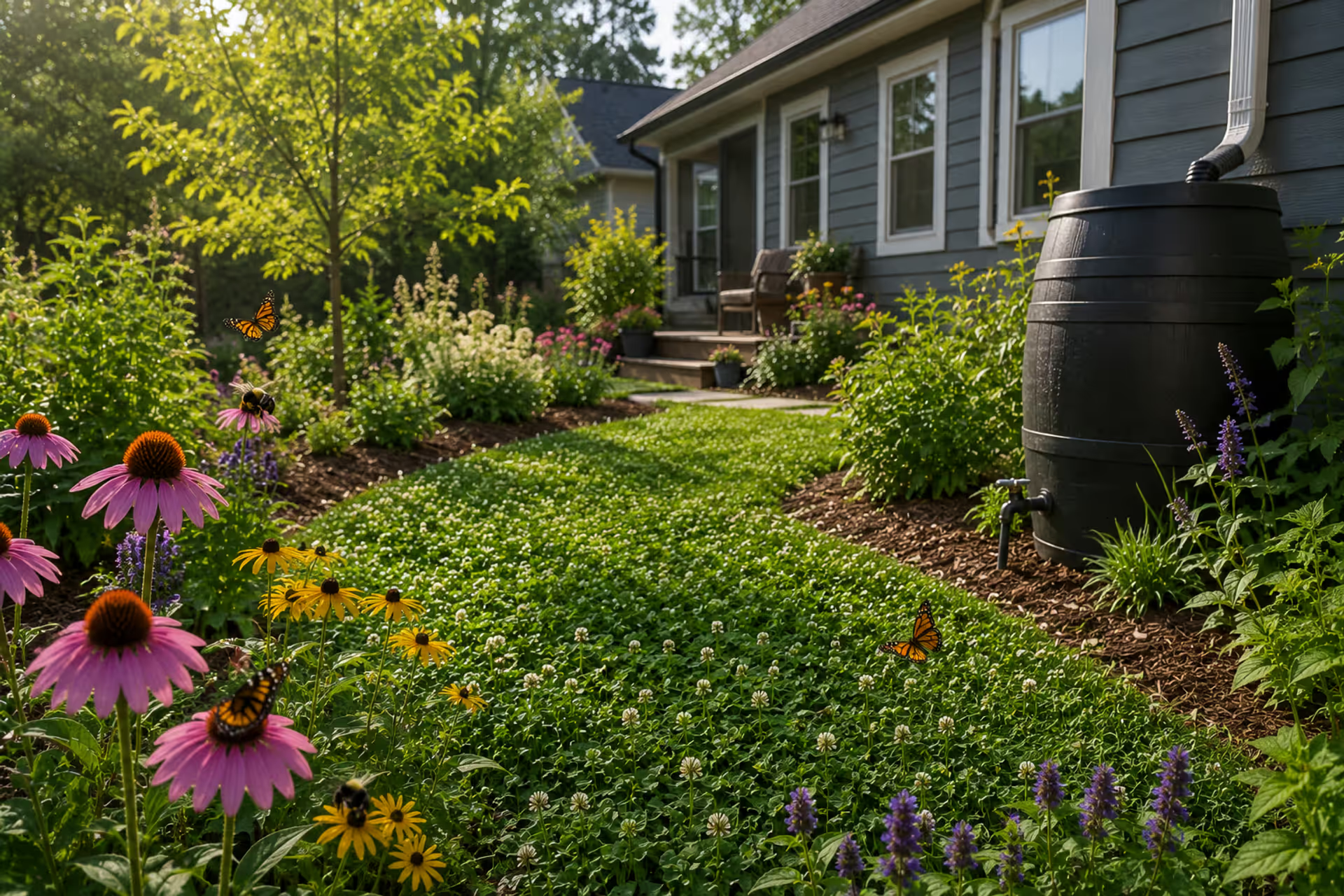
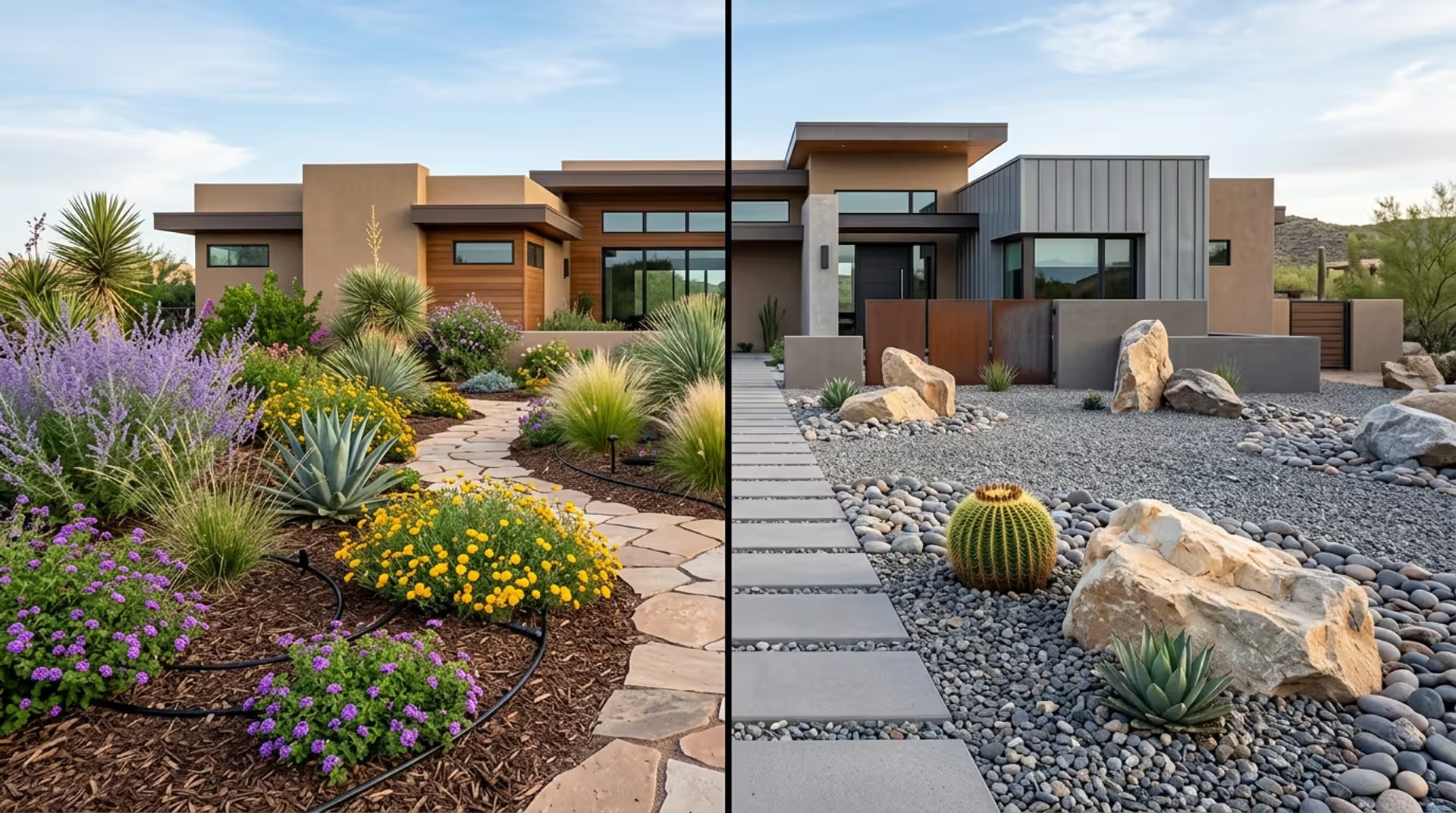
Creating a yard that works with nature instead of against it isn't just trendy—it's becoming necessary. Climate patterns are shifting, water restrictions are tightening in most US regions, and homeowners are finally questioning whether a perfect green lawn is worth the environmental cost. The good news? You don't need to sacrifice curb appeal to make your outdoor space genuinely sustainable.
Why Traditional Landscaping Harms the Environment
That pristine lawn comes with hidden costs that most people never calculate.
Standard landscaping practices create problems that ripple far beyond your property line. Pesticide and fertilizer runoff contaminates local waterways, contributing to algae blooms and dead zones in rivers and coastal areas. The EPA estimates that residential lawn care accounts for nearly 70 million pounds of pesticide application annually across the US.
Water waste ranks as another major issue. Conventional landscaping consumes roughly 9 billion gallons of water daily nationwide, with up to 50% lost to evaporation, wind, or runoff from inefficient sprinkler systems. In drought-prone states like California, Arizona, and Nevada, outdoor watering can represent 70% of total household water use.
Then there's the carbon footprint. Gas-powered mowers, blowers, and trimmers emit surprising amounts of pollution. Operating a gas mower for one hour produces as much volatile organic compound pollution as driving a car 300 miles. Multiply that across millions of lawns mowed weekly, and you're looking at a significant contributor to air quality problems.
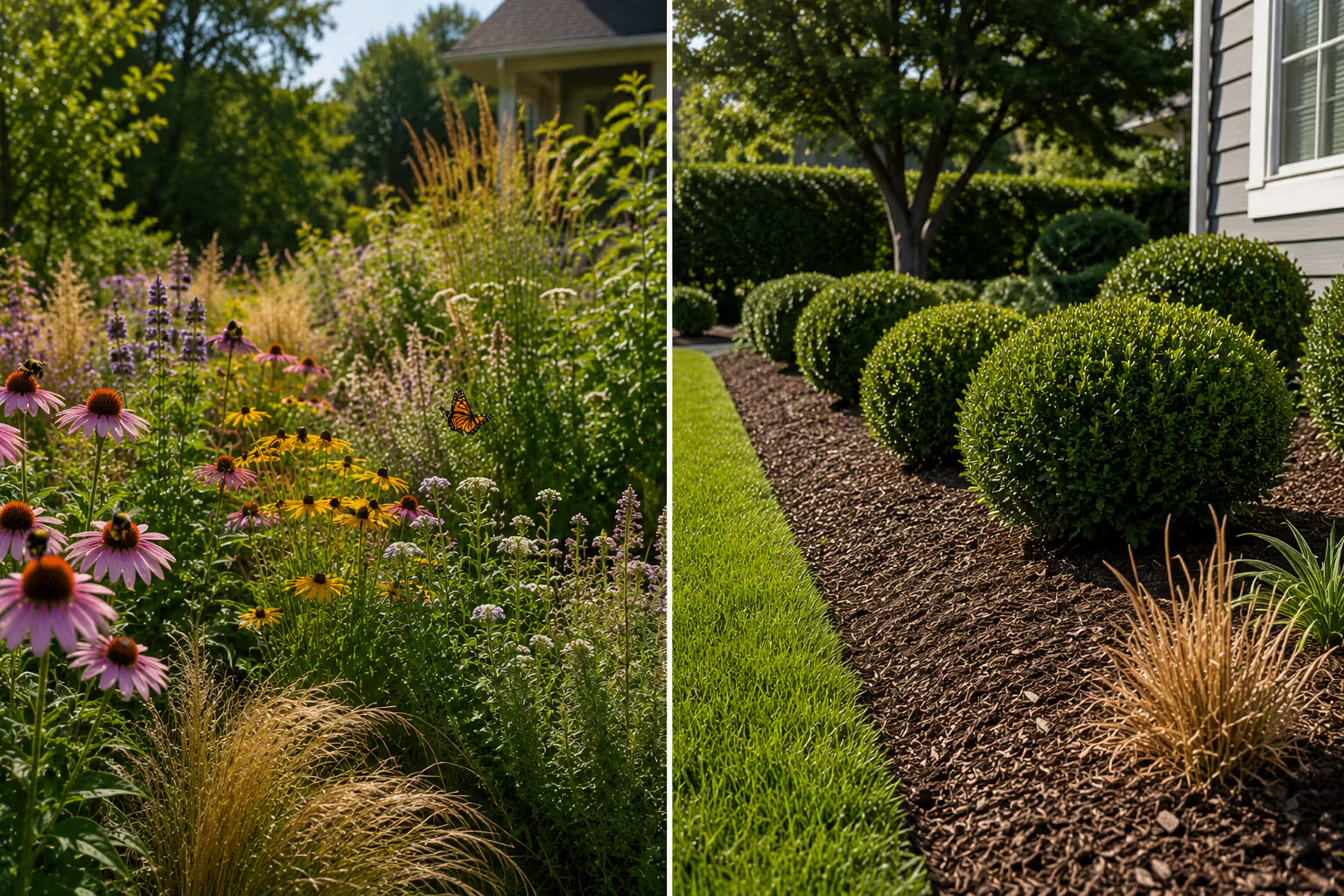
Monoculture lawns—those uniform carpets of a single grass species—create ecological deserts. They support almost no insect diversity, which means no food for birds and other wildlife. You've essentially paved your yard with living green concrete.
Habitat destruction happens gradually but completely. When native plants disappear, so do the specialized insects that depend on them. Those insects feed birds, which feed larger predators. Break one link, and the whole chain weakens.
Most homeowners don't realize that a typical suburban lawn uses 30-60% more water than necessary and contributes more carbon emissions per square foot than native meadow ecosystems. When we measure the full environmental footprint—chemicals, fuel, water, and habitat displacement—traditional landscaping becomes one of the most ecologically damaging features of residential property.
— Chen Patricia
How to Start Environmentally Friendly Landscaping
Transformation doesn't require ripping everything out on day one.
Assess Your Current Yard's Environmental Impact
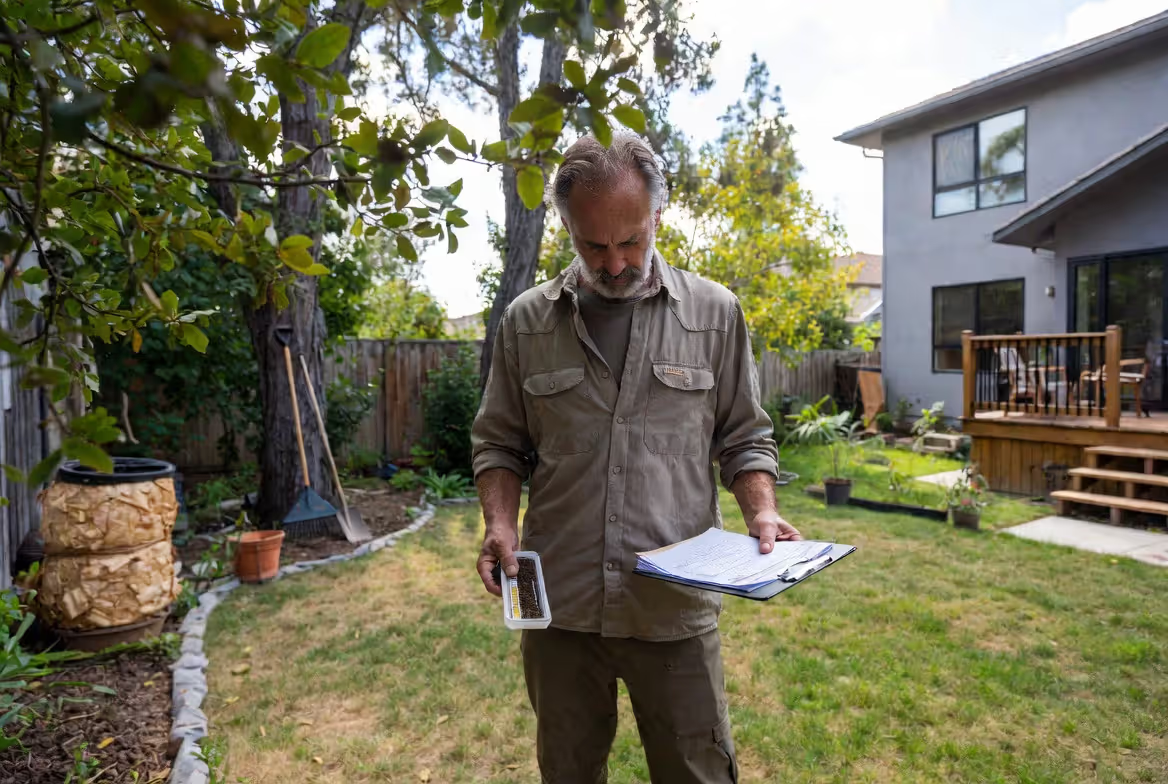
Start by actually measuring what you're using. Check your water bills from spring through fall to establish your irrigation baseline. Track how many hours you spend on maintenance monthly—mowing, edging, fertilizing, treating weeds. Note where you're applying chemicals and why.
Walk your property and identify problem areas. Which spots stay soggy? Where does nothing grow? What areas require constant reseeding or treatment? These trouble zones often signal that you're fighting your site's natural conditions instead of working with them.
Soil testing matters more than most people think. A $20 test kit from your local extension office reveals pH levels, nutrient deficiencies, and soil composition. You can't make smart plant choices without knowing what you're working with.
Set Realistic Goals for Your Property
Be honest about your commitment level and budget. A complete native plant conversion might be your dream, but starting with 25% of your yard is perfectly valid.
Identify your climate zone using the USDA Plant Hardiness Zone Map, updated in 2023 to reflect current temperature patterns. But don't stop there—understand your microclimate. South-facing slopes dry out faster. Low spots collect water. Walls and fences create heat pockets.
Set a timeline that won't overwhelm you. Many successful eco-friendly landscapes evolve over 3-5 years, tackling one section at a time. This approach spreads costs and lets you learn as you go.
The pattern I see most often is homeowners who try to do everything at once, get overwhelmed, and give up. Start small. Win early. Build momentum.
Author: Olivia Maren;
Source: cribbslandscaping.com
Native Plants vs. Non-Native Species
The native versus non-native debate isn't about plant nationalism—it's about ecological function and practical maintenance.
Native plants evolved with your local climate, soil, and wildlife over thousands of years. They've adapted to your rainfall patterns, temperature extremes, and seasonal variations. This means they generally need less water once established, resist local pests naturally, and provide food and shelter for native insects and birds.
Non-native ornamentals often require constant support. They need supplemental water, fertilizer to compensate for unsuitable soil, and pesticides because they lack natural defenses against local pests. Some become invasive, escaping cultivation and crowding out native ecosystems.
But here's the nuance: not all non-natives are problematic, and not all natives are low-maintenance. A native plant placed in the wrong conditions—too much shade, wrong soil type—will struggle just as much as any exotic species.
Regional selection makes all the difference. A plant native to the Pacific Northwest won't automatically thrive in Florida just because it's "native" somewhere in the US. Work with species indigenous to your specific ecoregion.
Factor
Native Plants
Non-Native Ornamentals
Water Usage (gallons/year)
2,000-4,000
8,000-15,000
Maintenance Hours (per month)
2-4
8-12
Wildlife Species Supported
35-50+
0-5
Initial Cost (per 1,000 sq ft)
$800-1,500
$600-1,200
5-Year Total Cost
$1,200-2,000
$3,500-6,000
The cost analysis surprises most people. Native plantings cost slightly more upfront because the plants can be harder to source and may require professional design help. But maintenance costs drop dramatically after year two. No weekly mowing, minimal watering, no fertilizer, no pesticides—the savings compound quickly.
Author: Olivia Maren;
Source: cribbslandscaping.com
Water-Saving Techniques for Your Landscape
Water conservation isn't just about using less—it's about using smarter.
Rainwater Harvesting Systems
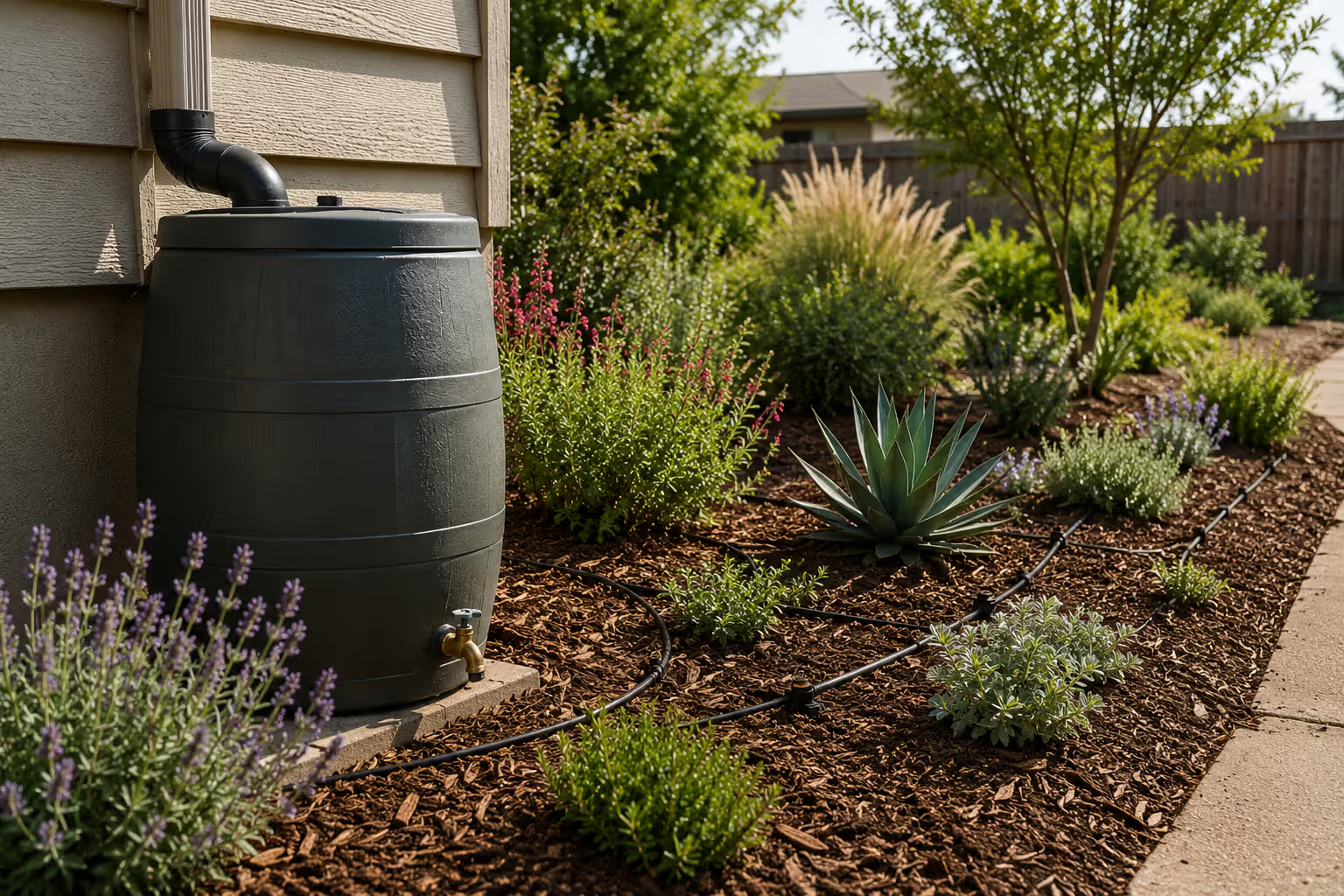
Capturing roof runoff reduces stormwater pollution while providing free irrigation water. A basic rain barrel system costs $100-300 and can collect 50-80 gallons per moderate rainfall. That's enough to water a small garden bed for weeks.
Larger cistern systems (200-500 gallons) run $800-2,500 installed but can supply significant portions of your landscape water needs. In states with regular rainfall, you'll harvest 600 gallons from just one inch of rain on a 1,000-square-foot roof.
Check local regulations first. Most areas encourage rainwater harvesting, but some Western states have complex water rights laws that technically restrict it.
Drip Irrigation and Smart Watering
Drip systems deliver water directly to root zones, eliminating the 30-50% waste typical of spray sprinklers. They're not complicated to install—most homeowners can set up a basic drip system in a weekend for $200-400.
Smart controllers take this further. These devices adjust watering schedules based on real-time weather data, soil moisture sensors, and plant needs. They typically reduce water use by 30-50% compared to timer-based systems.
The ROI here is straightforward. If you're currently spending $150/month on landscape water during summer, a smart system pays for itself in one season.
Xeriscaping Principles
Xeriscaping doesn't mean "desert rocks and cacti" unless you live in the desert. It means designing landscapes that minimize irrigation needs through smart plant selection, efficient watering, and appropriate use of mulch and hardscaping.
Group plants by water needs. Put thirsty species together in small, easily irrigated zones. Fill the rest of your yard with drought-tolerant natives that survive on rainfall after establishment.
Mulch acts as insulation, reducing soil temperature and evaporation. A 3-4 inch layer of organic mulch can cut water needs by 25-30% while suppressing weeds and improving soil as it breaks down.
Author: Olivia Maren;
Source: cribbslandscaping.com
Organic Lawn and Garden Care Methods
You can have a healthy landscape without a chemical dependency.
Ditch synthetic fertilizers in favor of compost and organic amendments. Compost improves soil structure, increases water retention, and feeds beneficial microorganisms that help plants resist disease. A 1-inch layer applied annually provides more balanced, long-term nutrition than quick-release synthetic products.
Building a simple compost bin takes an afternoon and costs under $50 in materials. You'll divert kitchen scraps and yard waste from landfills while creating premium soil amendment. Most households can produce 300-500 pounds of finished compost annually—enough to maintain several garden beds.
Pest management works differently in organic systems. You're managing populations, not attempting eradication. Healthy soil grows strong plants that resist pests naturally. Encourage beneficial insects like ladybugs, lacewings, and parasitic wasps that prey on problem species.
When intervention is needed, start with the gentlest option. Hand-picking works for large pests. Insecticidal soap handles soft-bodied insects. Neem oil addresses fungal issues. Save stronger organic pesticides like pyrethrin for serious infestations.
Mulching strategies do double duty. Organic mulches suppress weeds while feeding soil biology as they decompose. Wood chips work well for pathways and around trees. Shredded leaves excel in garden beds. Grass clippings (from chemical-free lawns) provide nitrogen-rich mulch for vegetables.
Soil health is everything. Synthetic fertilizers feed plants directly, bypassing soil biology. Organic methods feed the soil, which then feeds plants. This builds long-term fertility and resilience instead of creating chemical dependency.
Creating Habitat for Local Wildlife
A wildlife-friendly garden buzzes, chirps, and blooms with life.
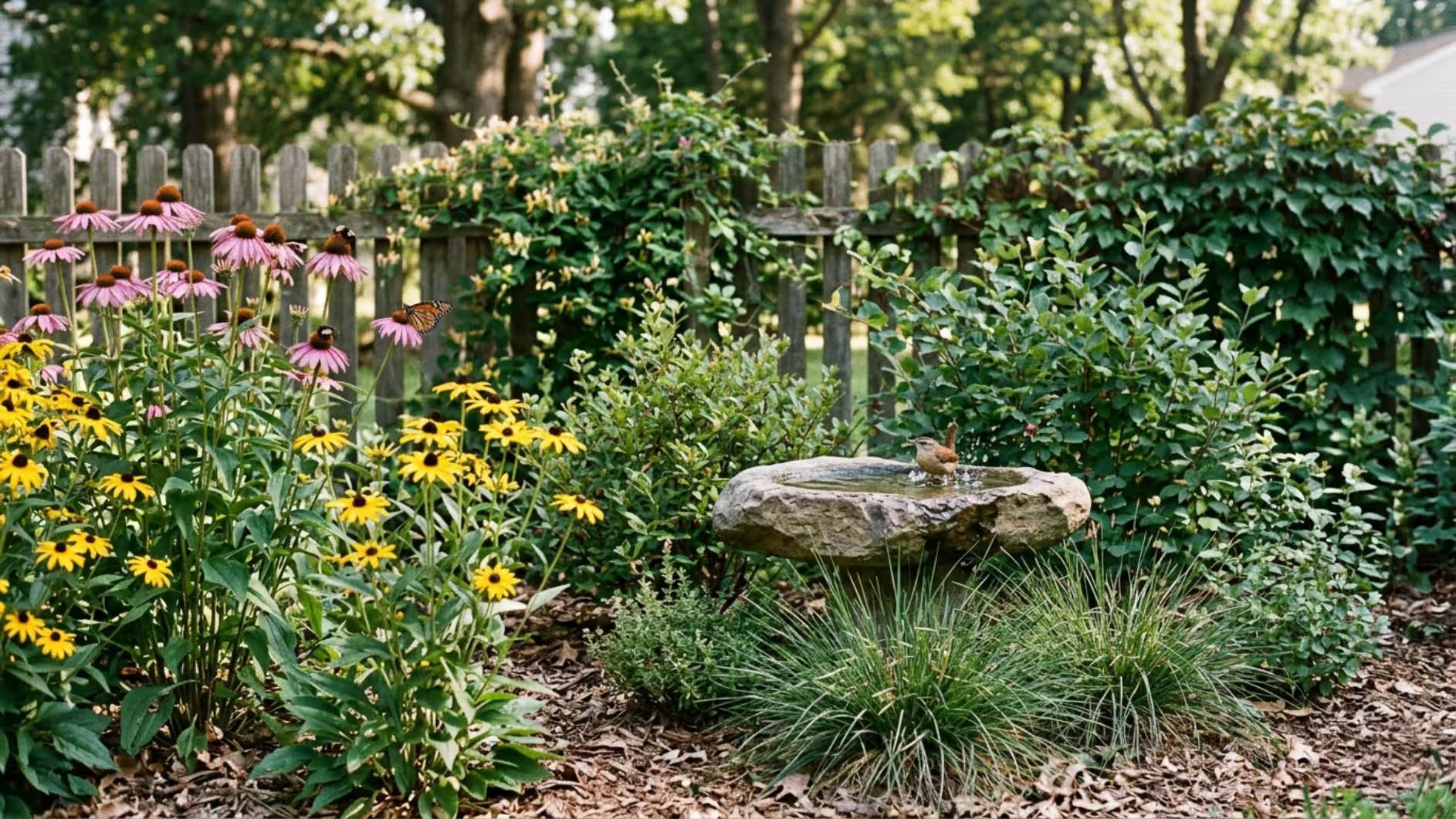
Pollinator gardens have become popular, but effectiveness varies wildly. The key is providing bloom succession—flowers from early spring through fall so pollinators have consistent food sources. Native plants excel here because they've co-evolved with native bees, butterflies, and other pollinators.
Avoid double-flowered ornamental varieties. They look impressive but often lack accessible pollen and nectar. Single-flower natives provide far more value to pollinators.
Bird-friendly features extend beyond feeders. Birds need water, shelter, and nesting sites. A simple birdbath with fresh water attracts more species than any feeder. Dense shrubs and small trees provide nesting cover. Leave some dead plant stems standing through winter—they shelter beneficial insects that birds eat.
Pesticide elimination becomes critical when supporting wildlife. Neonicotinoid insecticides, common in garden centers, kill bees and persist in soil for years. Even organic pesticides can harm beneficial insects if applied carelessly.
Food sources should be diverse. Berry-producing shrubs feed birds. Seed heads from native grasses and flowers provide winter food. Host plants support butterfly and moth caterpillars—yes, you need to tolerate some leaf damage.
Water features don't require elaborate ponds. A shallow dish with stones for perching gives bees and butterflies safe drinking access. Change water every few days to prevent mosquito breeding.
Shelter options matter year-round. Rock piles house lizards and beneficial insects. Brush piles provide small mammal cover. Dead trees (if safe to leave standing) become insect hotels that feed woodpeckers.
Author: Olivia Maren;
Source: cribbslandscaping.com
Common Mistakes in Eco-Friendly Landscaping
Even well-intentioned efforts can backfire.
Overwatering natives is surprisingly common. People assume "drought-tolerant" means "never water," then panic when new plants look stressed and drown them. The reality: natives need regular water during establishment (usually one year), then very little once roots are deep.
Wrong plant placement kills more natives than any other factor. Putting a wetland species on a dry slope or a sun-lover in shade guarantees failure. Match plant requirements to actual site conditions, not wishful thinking.
Ignoring soil conditions leads to expensive failures. You can't grow acid-loving plants in alkaline soil without constant intervention. Test first, then choose plants adapted to what you have or amend soil appropriately.
Greenwashing products flood the market. "Natural" doesn't mean safe or sustainable. Some "organic" fertilizers are harvested unsustainably. Some "eco-friendly" pest controls still harm beneficial insects. Read labels carefully and research products before buying.
Unrealistic expectations doom many projects. Native meadows look weedy the first year. Pollinator gardens attract caterpillars that eat leaves. Organic lawns won't match the artificial perfection of chemically maintained turf. Adjust your aesthetic expectations to value ecological function.
The simpler option usually wins here. Complicated systems requiring constant adjustment rarely get maintained properly. Design for low-maintenance resilience, not high-maintenance perfection.
What is the most environmentally friendly type of lawn?
No-mow or low-mow native grass meadows win for environmental impact. Species like buffalo grass, blue grama, or fine fescue blends require mowing just 3-4 times per season, need minimal water after establishment, and support far more wildlife than conventional turf. If you need a traditional lawn feel, organic tall fescue maintained at 3-4 inches uses less water and requires no synthetic chemicals. The least eco-friendly option is Kentucky bluegrass maintained as a golf-course-style monoculture—it demands maximum water, fertilizer, and pesticides.
How much does environmentally friendly landscaping cost compared to traditional landscaping?
Initial installation typically runs 10-30% higher for eco-friendly designs due to native plant costs and potential soil amendment needs. However, five-year total cost of ownership is usually 40-60% lower because you're eliminating ongoing expenses: reduced water bills (30-50% savings), no fertilizer or pesticide purchases ($200-500 annually), and minimal maintenance labor. A $5,000 native landscape installation might cost $6,500, but you'll spend $1,200 total over five years versus $4,000+ maintaining a traditional landscape.
Can I convert my existing yard gradually or does it need to be done all at once?
Gradual conversion works better for most homeowners. Start with one high-visibility area or a problem zone where traditional landscaping struggles. This lets you learn plant care, adjust your design approach, and spread costs over several years. Many successful conversions happen in 20-25% increments annually. The lawn can shrink progressively as native beds expand. Just avoid creating awkward maintenance zones—don't leave a 10-foot strip of grass that's annoying to mow between two garden beds.
Do native plants really require less maintenance?
After establishment, yes—dramatically less. But there's a critical first year where natives need regular watering and weeding until roots develop. Once established, most natives require 70-80% less maintenance than traditional ornamentals. You'll eliminate mowing (if replacing lawn), reduce watering to occasional deep soaks during extreme drought, and avoid fertilizer and pesticide applications entirely. Annual maintenance becomes mostly spring cleanup and occasional pruning—maybe 20-30 hours yearly for 1,000 square feet versus 100+ hours for traditional landscaping.
How do I find native plants for my specific region?
Start with your state's native plant society—every state has one with plant lists and vendor directories. Local Audubon chapters often provide region-specific native plant guides. The USDA PLANTS database lets you search by zip code and filter for native species. For purchasing, seek out specialty native plant nurseries rather than big-box stores, which rarely stock true natives. Many areas have annual native plant sales hosted by conservation organizations. Your county extension office can provide lists of natives suitable for your specific ecoregion and soil type.
Is artificial turf an environmentally friendly alternative?
No, despite marketing claims. Artificial turf is petroleum-based plastic that creates urban heat islands (surface temperatures 40-80°F hotter than living grass), prevents water infiltration leading to runoff issues, provides zero wildlife habitat, and eventually becomes plastic waste in landfills. Manufacturing and transportation create substantial carbon emissions. It doesn't require water, but the environmental costs outweigh this single benefit. Better alternatives include native groundcovers, clover lawns, or hardscaping with permeable materials that allow water infiltration.
Your yard doesn't exist in isolation. It's part of a larger ecosystem that extends beyond property lines and municipal boundaries.
Every choice you make—plant selection, water use, chemical applications—ripples outward. A single yard converted to native plants can support hundreds of insect species, which feed dozens of bird species, which control pest populations across your neighborhood.
Start where you are. You don't need to achieve perfection immediately or transform your entire property overnight. Pick one area, make it better, learn from the experience, and expand.
The environmental benefits compound over time. Year one, you're still learning and plants are establishing. Year three, your landscape is functioning as a mini-ecosystem. Year five, you've forgotten what high-maintenance landscaping felt like.
And you'll probably spend more time actually enjoying your yard instead of constantly fighting to maintain it.
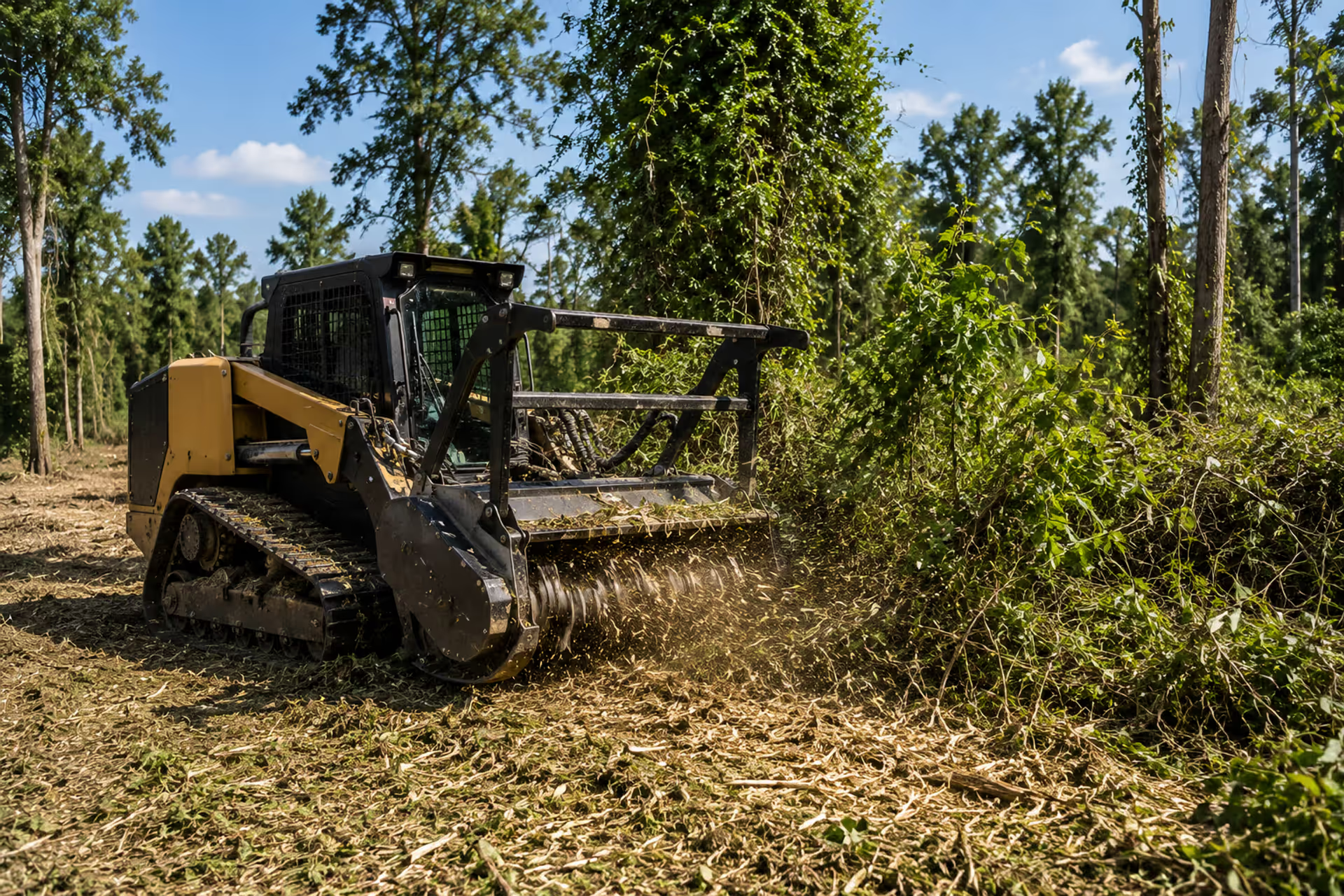
Forestry mulching grinds vegetation into nutrient-rich mulch on site, clearing land without debris removal or soil damage. Learn how the process works, compare costs to traditional clearing methods, and discover when mulching is the best choice for your property.
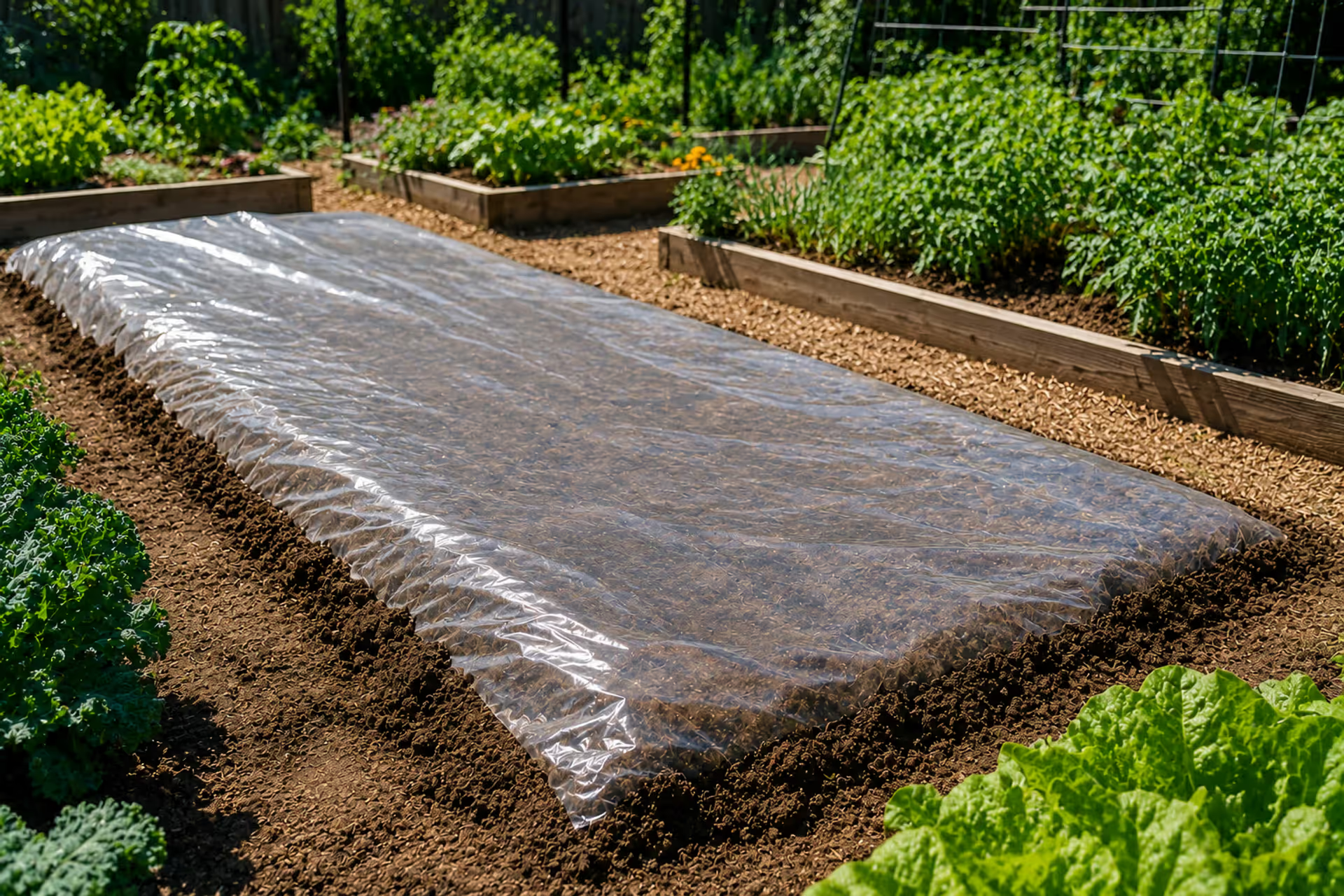
Soil solarization uses summer heat to sterilize garden beds naturally. This guide covers the complete process, from choosing materials and timing to avoiding common mistakes. Learn what pests it kills, how long it takes, and whether it works in your climate zone.
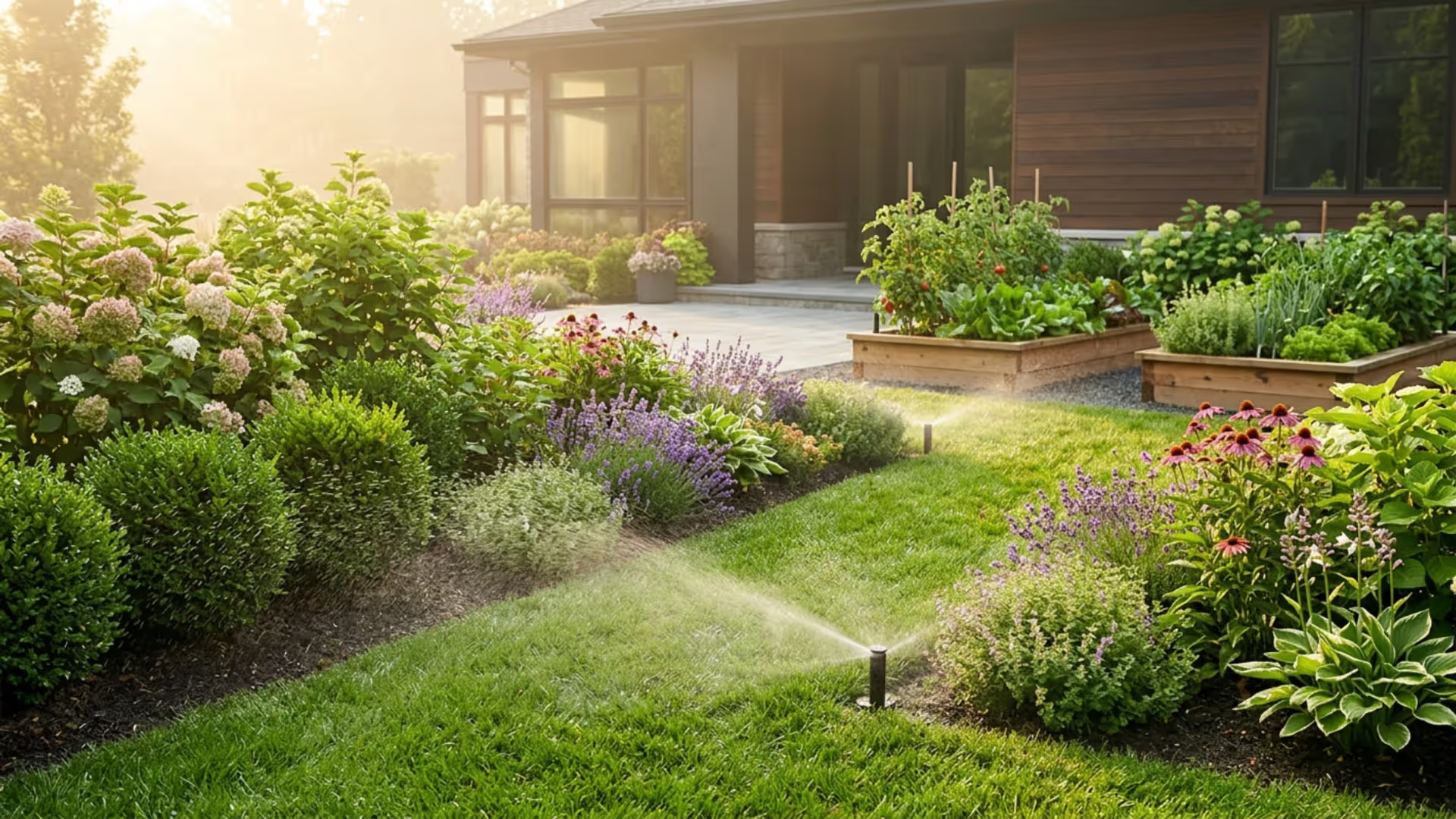
Every garden needs water, but delivery method matters. Compare drip irrigation, sprinklers, soaker hoses, and automated systems. Learn which watering system fits your garden, how to install it efficiently, and avoid common mistakes that waste water and harm plants.
Zeroscape and xeriscape sound similar but represent very different approaches to water-wise landscaping. Learn the key differences in water usage, maintenance, costs, and aesthetics to decide which method works best for your climate, budget, and lifestyle.
The content on this website is provided for general informational and educational purposes only. It is intended to explain concepts related to landscape design, outdoor spaces, plants, irrigation, hardscape and softscape, and sustainable landscaping.
All information on this website, including articles, guides, and examples, is presented for general educational purposes. Outcomes may vary depending on local climate, soil, plant selection, and project implementation.
This website does not provide professional design, construction, or horticultural advice, and the information presented should not be used as a substitute for consultation with qualified landscape architects, contractors, or horticulturists.
The website and its authors are not responsible for any errors or omissions, or for any outcomes resulting from decisions made based on the information provided on this website.