Japanese gardens aren't just pretty landscapes. They're philosophical statements rendered in stone, water, and green. Each type serves a distinct purpose—meditation, ceremony, contemplation, or pure aesthetic pleasure. Understanding these categories helps you appreciate what you're looking at when you visit one, and more importantly, helps you choose the right style if you're planning your own.
What Makes Japanese Gardens Unique
Japanese garden design follows principles that developed over more than a thousand years. The philosophy centers on creating miniature, idealized landscapes that evoke natural scenery—mountains, forests, rivers, oceans—within a confined space.
Three core concepts shape every authentic design. First, the principle of shakkei (borrowed scenery) incorporates distant views into the garden's composition. Second, asymmetry and odd numbers dominate the layout because perfect symmetry feels artificial and static. Third, every element carries symbolic weight.
You'll find recurring elements across different garden types. Rocks represent mountains or islands. Gravel or sand symbolizes water. Pruned pines suggest age and endurance. Moss evokes the passage of time.
But here's what many people miss: Japanese gardens aren't wild. They're highly controlled environments designed to look natural. The artistry lies in concealing the effort.
The tradition emerged from multiple influences—Shinto reverence for nature, Buddhist concepts of paradise gardens, and Chinese landscape design. By the Heian period (794-1185), distinct Japanese styles had crystallized. The aesthetic evolved through subsequent eras, each adding new interpretations.
Karesansui: The Japanese Zen Rock Garden
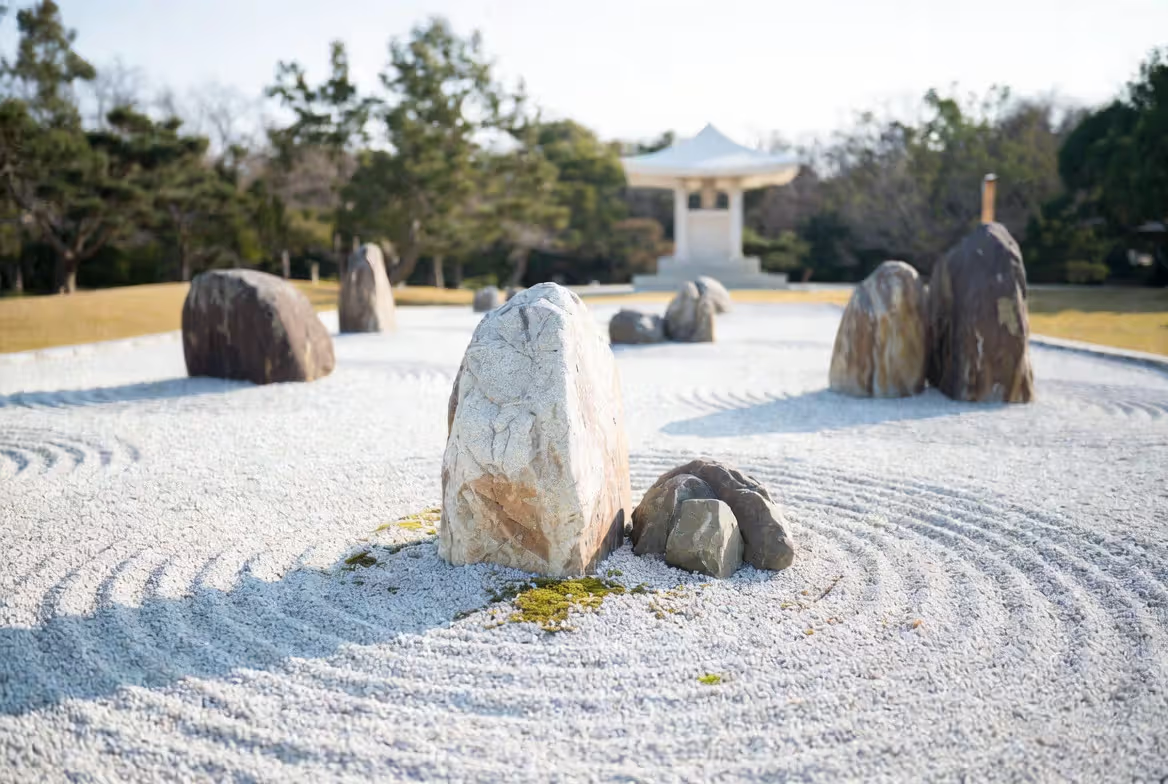
The karesansui garden—literally "dry mountain water"—strips landscape design to its essence. No water. Minimal plants. Just rocks, gravel, and negative space.
These Japanese zen gardens emerged during the Muromachi period (1336-1573) alongside the rise of Zen Buddhism. Monks created them as aids to meditation, spaces where raking gravel became a moving meditation and contemplating stone arrangements could quiet the mind.
Author: Olivia Maren;
Source: cribbslandscaping.com
Design Principles of Dry Landscape Gardens
A true karesansui uses gravel or sand as its primary surface. Raked into parallel lines or concentric circles, this "dry water" flows around rock groupings that represent islands, mountains, or abstract concepts.
The rock placement follows strict principles. Arrangements typically use odd numbers—three, five, seven stones. The stones vary in size and orientation, creating dynamic tension. From any viewing angle, at least one stone remains partially hidden, suggesting depth and mystery.
Scale matters enormously. Larger rocks anchor the composition. Smaller supporting stones balance and complete the grouping. The negative space between elements carries as much weight as the elements themselves.
Most dry landscape gardens include minimal planting. You might see carefully pruned shrubs defining boundaries or moss softening the base of rock groupings. But plants never dominate. The pattern I see most often in American attempts at zen yard design: too much variety, too many plants, too busy.
Symbolism in Zen Yard Design
The raked gravel patterns aren't decorative flourishes. Parallel lines suggest calm water or flowing streams. Concentric circles around rocks create the impression of ripples. Swirling patterns evoke currents and eddies.
Rock arrangements carry layered meanings. A vertical stone might represent heaven, a horizontal one earth, a diagonal stone humanity connecting the two. Or the stones might simply evoke a mountainous coastline with islands emerging from the sea.
The most famous example sits at Ryoan-ji temple in Kyoto: fifteen rocks arranged in five groups on a bed of white gravel. From any viewing position, you can see only fourteen stones. The fifteenth remains hidden, representing the limits of human perception or the incompleteness of worldly understanding.
Japanese rock garden maintenance requires regular attention. You'll need to rake the gravel weekly to maintain crisp patterns and remove debris. Weeds must be pulled immediately. Moss requires careful watering during dry periods.
Japanese Stroll Gardens: Designed for Walking
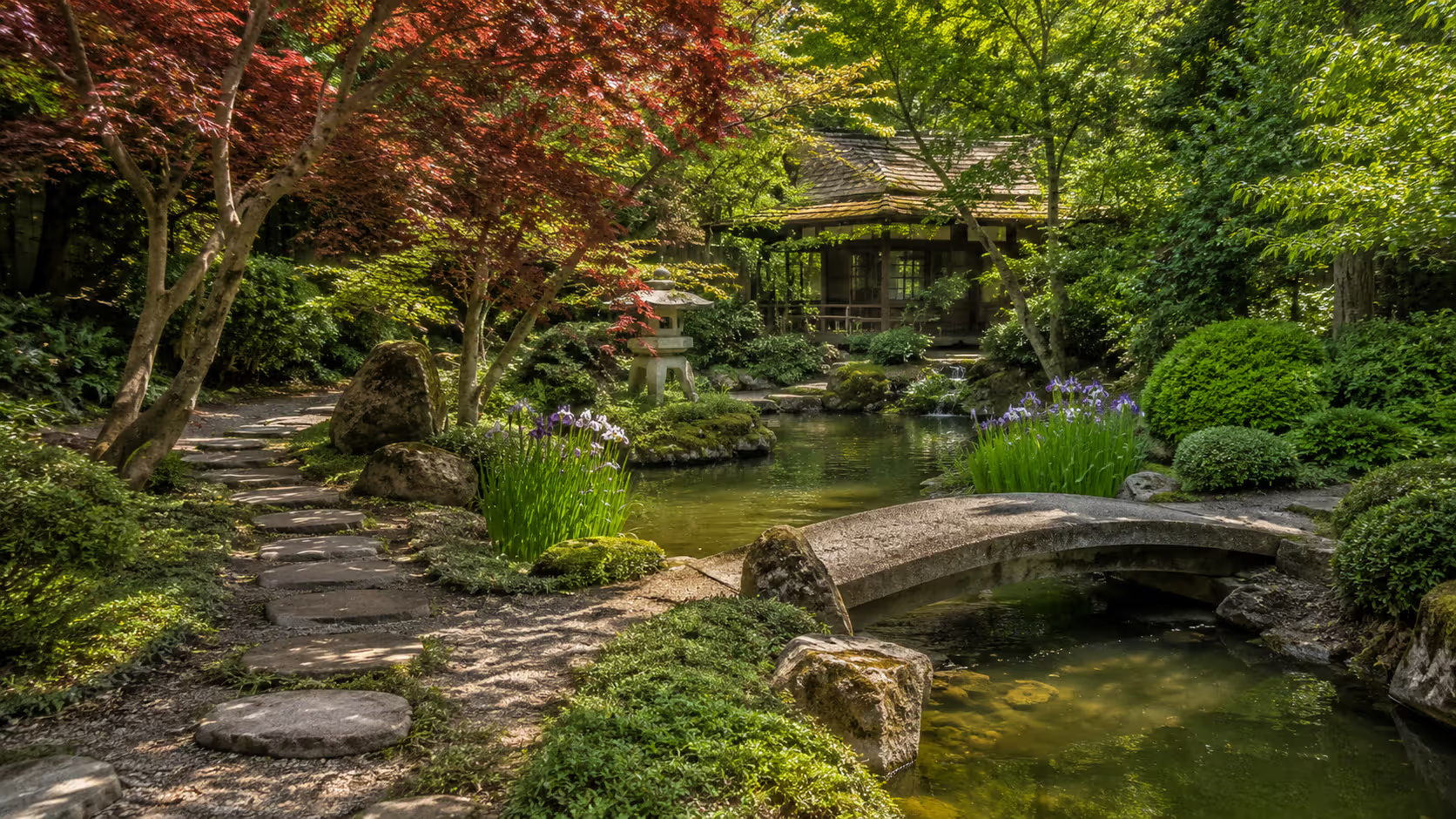
The chisen-kaiyu-shiki garden—pond stroll garden—invites movement. You're meant to walk a designated path that reveals carefully orchestrated views and scenes.
These Japanese stroll gardens developed during the Edo period (1603-1868) when feudal lords created elaborate estates. The design conceals what's ahead while constantly changing your perspective on what you've already seen.
The path itself becomes an artistic element. It might be packed earth, stepping stones, or wooden boardwalks depending on the terrain and intended mood. Narrow sections create intimacy. Wide areas encourage pausing.
Strategic placement of trees, hills, and structures ensures you never see the entire garden at once. You round a corner and discover a waterfall. You cross a bridge and suddenly face a tea house. Each turn offers a new composition.
Seasonal interest drives plant selection. Cherry blossoms announce spring. Irises bloom in early summer. Maples blaze in autumn. Even winter reveals structure through bare branches and evergreen silhouettes.
Water features anchor most stroll gardens. A central pond typically includes islands connected by bridges, creating multiple viewing opportunities. The shoreline curves naturally, hiding portions of the water to suggest greater expanse.
These gardens work beautifully in larger residential properties—half an acre or more gives you enough room to create genuine discovery moments. Smaller spaces can't really achieve the effect.
Author: Olivia Maren;
Source: cribbslandscaping.com
Japanese Tea Gardens and Their Cultural Role
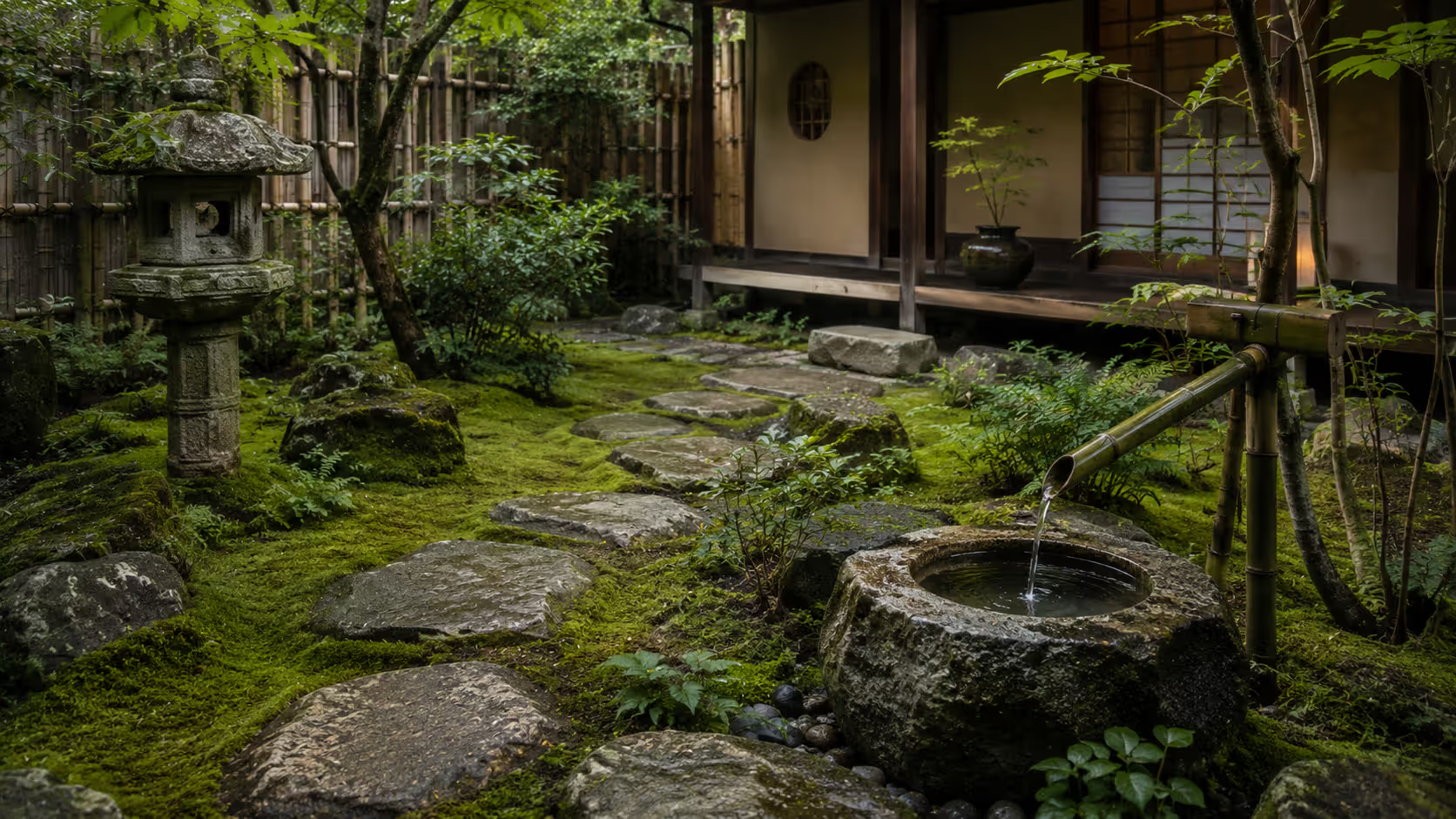
The tea garden (roji, literally "dewy path") serves one purpose: preparing guests mentally and spiritually for the tea ceremony. Everything about the design reinforces humility, simplicity, and presence.
The path from the outer gate to the tea house deliberately separates you from the outside world. You're transitioning from mundane concerns to focused awareness. The journey matters as much as the destination.
Stepping stones (tobi-ishi) force you to slow down and watch your footing. They're intentionally irregular, set in patterns that prevent rushing. The spacing makes you mindful of each step.
A stone water basin (tsukubai) sits near the tea house entrance. You crouch to wash your hands, a physical gesture of purification that also enforces humility—even nobles must bow.
The planting stays subdued. Evergreens dominate. Moss covers the ground, muffling footsteps and adding softness. Flowering plants appear sparingly, if at all. The aesthetic values shibui—quiet, unobtrusive beauty.
Japanese moss gardens often overlap with tea garden design. Moss thrives in the shaded, humid conditions that tea gardens cultivate. It requires acidic soil, consistent moisture, and protection from direct sun. In the right conditions, moss creates a living carpet that improves with age.
Stone lanterns (ishidoro) provide subtle lighting and sculptural interest. A waiting bench (machiai) offers a place to sit before entering the tea house. Every element has function first, beauty second.
The scale remains intimate. Tea gardens rarely exceed a few hundred square feet. They're meant for small groups, quiet contemplation, deliberate movement.
Author: Olivia Maren;
Source: cribbslandscaping.com
Water-Focused Japanese Pond Gardens
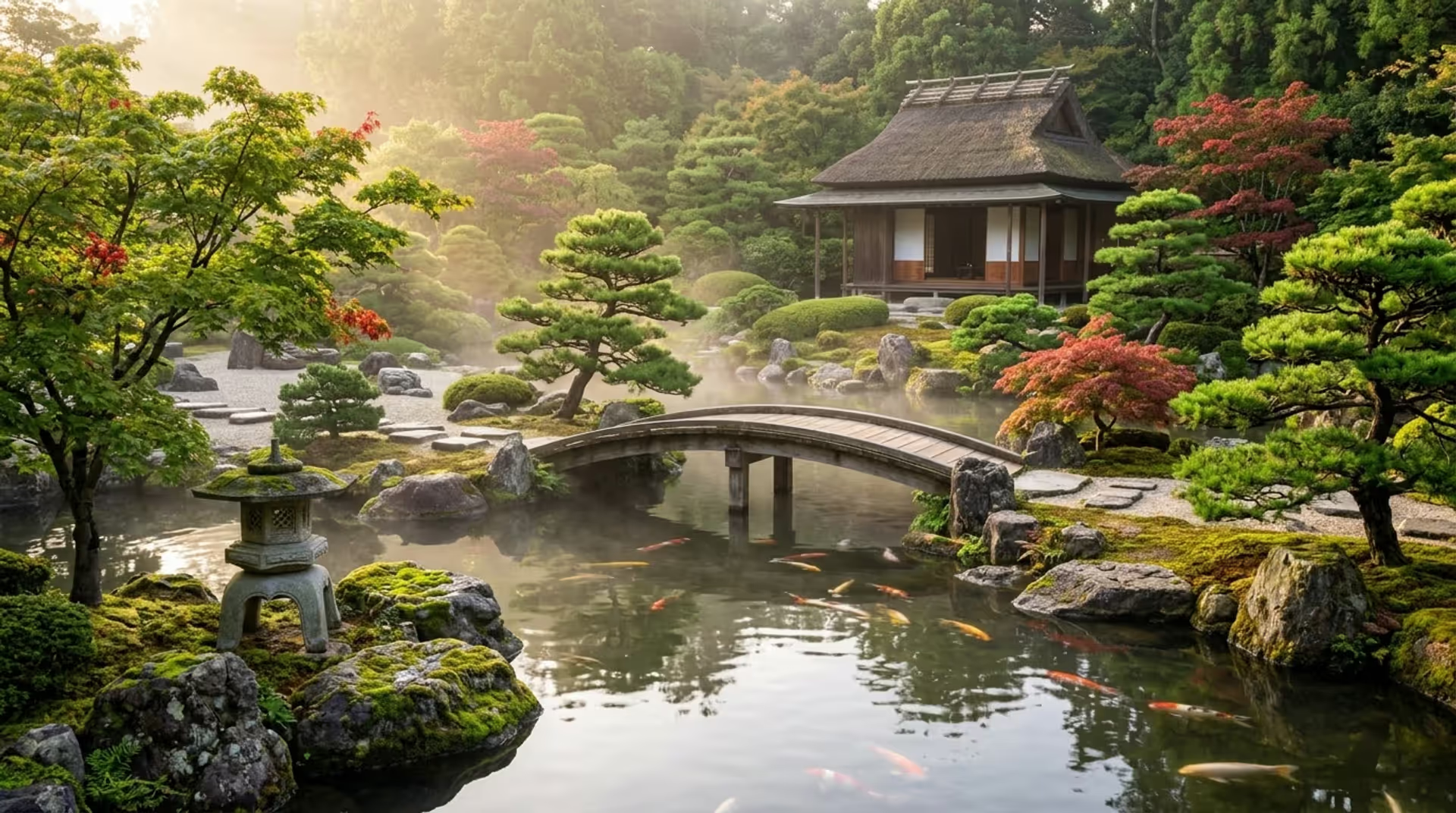
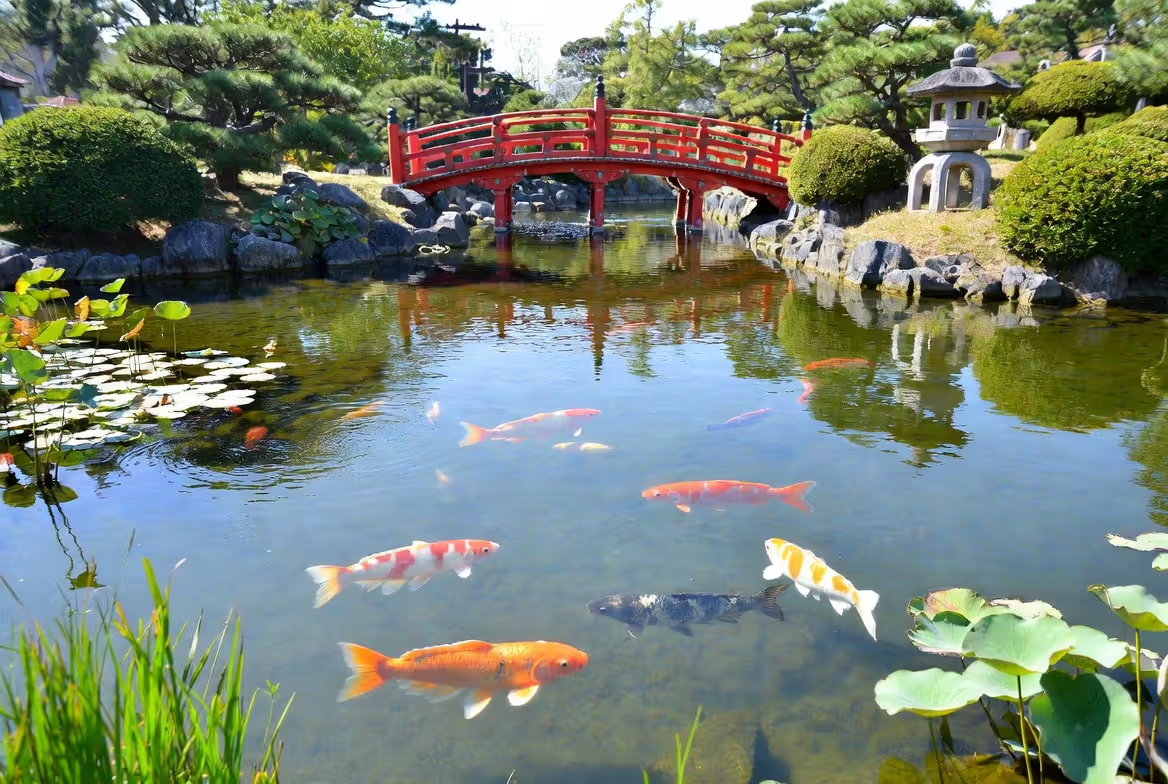
The chisen style—pond garden—places water at the center of the composition. Everything else serves to frame, reflect, or interact with the water.
These Japanese pond gardens trace back to the Heian period when aristocrats created elaborate "paradise gardens" inspired by Buddhist Pure Land imagery. The pond represented the sacred lotus pond of paradise.
The pond shape avoids geometric regularity. Irregular shorelines with peninsulas and inlets create visual complexity. Islands—sometimes connected by bridges, sometimes isolated—add focal points and suggest distant lands.
Koi add movement and color. Their presence transforms still water into living art. The fish gather when people approach, creating interaction. Watching them swim becomes meditative.
Bridges serve both practical and aesthetic functions. A simple plank bridge offers the most direct crossing. An arched bridge (soribashi) creates a dramatic silhouette and provides an elevated viewing platform. Zigzag bridges (yatsuhashi) force you to slow down and change direction, altering your perspective repeatedly.
Waterfalls and streams feed the pond, adding sound and motion. The waterfall might be naturalistic, tumbling over rocks, or formalized, flowing over a stone basin. The sound masks urban noise and creates a sense of seclusion.
Aquatic and marginal plants soften the edges. Irises bloom at the water's edge. Lotus leaves float on the surface. Reeds and grasses add vertical interest. But the planting never obscures the water—that remains the star.
Reflections double the garden's visual impact. Trees, lanterns, and structures mirror on the water's surface, creating inverted compositions that shift with every breeze.
Maintenance demands increase significantly with water features. You'll need filtration systems for koi ponds, regular cleaning to prevent algae buildup, seasonal plant care, and winter protection in cold climates.
Author: Olivia Maren;
Source: cribbslandscaping.com
Specialized Garden Types Worth Knowing
Beyond the major categories, several specialized forms deserve attention. Each developed for specific contexts or purposes.
Japanese Moss Gardens
Pure moss gardens (kokedera) take the understated beauty of moss and make it the primary focus. The most famous example, Saiho-ji temple in Kyoto, features more than 120 moss varieties creating a verdant carpet beneath maple trees.
Creating a successful moss garden requires the right conditions. You need shade, humidity, acidic soil, and patience. Moss doesn't establish quickly. It spreads slowly, filling in over years.
The payoff? A garden that improves with age and requires minimal maintenance once established. No mowing. No fertilizing. Just occasional weeding and ensuring adequate moisture during dry spells.
Moss works particularly well in Pacific Northwest climates where rainfall and cloud cover create ideal conditions. It struggles in hot, dry regions unless you're committed to regular irrigation.
Courtyard and Viewing Gardens
The tsubo-niwa (courtyard garden) fits into the small interior courtyards of traditional townhouses. These tiny spaces—sometimes just a few square feet—bring nature into dense urban environments.
Viewed from inside the house rather than entered, these gardens function like living paintings. The composition must work from specific viewing angles, typically from adjacent rooms.
Common elements include a single dramatic rock, a small tree or bamboo, ground cover, and perhaps a stone lantern. The scale stays tiny but the impact remains powerful.
Modern adaptations place courtyard gardens in atriums, between buildings, or in narrow side yards. They prove you don't need acreage to create authentic Japanese garden beauty.
A Japanese garden is not about recreating nature—it is about distilling nature's essence into its purest form, where every stone, every plant, every empty space speaks to something larger than itself.
— Takuma Tono
Choosing the Right Japanese Garden Style for Your Space
Your climate determines what's possible. Moss gardens thrive in Portland but struggle in Phoenix. Pond gardens work anywhere but require more maintenance in freezing climates where you'll need to protect fish and equipment.
Space constraints matter more than you might think. A karesansui garden works beautifully in a 10x15 foot area. A proper stroll garden needs at least 2,000 square feet to create the revelation-around-every-corner effect. Be honest about your available space.
Maintenance levels vary dramatically by type. Here's the reality:
Dry rock gardens need weekly raking and occasional weeding. That's it.
Moss gardens require almost no maintenance once established, but getting there takes years.
Stroll gardens need seasonal pruning, path maintenance, and ongoing plant care.
Tea gardens fall somewhere in the middle—moderate ongoing care to maintain the refined simplicity.
Budget considerations extend beyond installation. A simple karesansui might cost $3,000-$8,000 for materials and basic labor. A pond garden with koi, filtration, and professional landscaping easily runs $15,000-$50,000 or more.
But maintenance costs matter too. Pond equipment, fish food, water treatments, and professional cleaning add up. Pruning services for shaped pines and maples aren't cheap.
The simpler option usually wins here. Start with a manageable dry garden or courtyard space. You can always expand later.
Your intended use should guide the choice. Want a meditation space? Karesansui delivers. Planning to entertain and show off seasonal changes? Stroll garden. Need something visible from inside that requires minimal care? Courtyard viewing garden.
Don't try to combine everything. The most common mistake Americans make: attempting to include every Japanese garden element in one space. The result feels cluttered and confused rather than serene and intentional.
Pick one style. Commit to its principles. Execute it well. That's how you create something genuinely beautiful rather than a hodgepodge of Japanese-ish features.
What is the most common type of Japanese garden in the US?
Karesansui or Zen rock gardens appear most frequently in American landscapes, particularly in commercial and public settings. Their low water requirements, manageable maintenance, and adaptability to various climates make them practical choices. You'll find them at meditation centers, corporate campuses, and residential properties throughout the country. The style's minimalist aesthetic also aligns well with contemporary architecture and modern landscape design preferences.
How much does it cost to build a Japanese zen garden?
A basic DIY karesansui garden costs $2,000-$5,000 for materials including gravel, rocks, edging, and minimal plants. Professional installation typically runs $5,000-$15,000 depending on size and complexity. High-end designs with premium stones, custom features, and extensive site preparation can exceed $25,000. The biggest variables are rock selection—large, interesting specimen rocks cost hundreds to thousands each—and site preparation if you need grading or drainage work.
Do all Japanese gardens use water features?
No. Karesansui gardens deliberately avoid water, using raked gravel to symbolize water instead. Tea gardens might include only a small water basin for ritual washing. Courtyard gardens often omit water entirely due to space constraints. While pond and stream features appear prominently in many styles, they're not universal requirements. The choice depends on the garden's purpose, available space, and maintenance capacity.
What is the difference between a zen garden and a tea garden?
Zen gardens (karesansui) use dry materials—rocks and gravel—to create abstract compositions for meditation. They're meant to be viewed from a stationary position, often from a temple veranda. Tea gardens (roji) are transitional spaces leading to tea houses, designed to be walked through. They include stepping stones, moss, water basins, and subtle plantings. Zen gardens emphasize mental contemplation; tea gardens focus on physical purification and mindful movement before the tea ceremony.
Can I create a Japanese garden in a small yard?
Absolutely. Small spaces actually suit several Japanese garden styles perfectly. A courtyard garden works in areas as small as 50 square feet. A simple karesansui fits comfortably in a 10x10 foot space. Even a modified tea garden can occupy just a corner of a yard. The key is choosing a style appropriate to your space rather than trying to shrink a large-scale design. Japanese garden principles emphasize quality and intention over size.
What maintenance do Japanese rock gardens require?
Japanese rock gardens need weekly raking to maintain clean gravel patterns and remove fallen leaves or debris. Weeds must be pulled promptly—they're highly visible against the gravel. Moss around rocks requires occasional watering during dry periods. Pruning of any included plants should happen seasonally. Edge maintenance keeps gravel from migrating into surrounding areas. Overall, the time commitment is modest—30 minutes to an hour weekly for a typical residential installation—making it one of the lowest-maintenance garden styles.
The beauty of Japanese garden design lies in its flexibility. You don't need acres or a massive budget to create something meaningful. You need understanding of the principles, honest assessment of your space and resources, and commitment to a coherent vision.
Start by visiting authentic examples if you can. Public Japanese gardens exist in most major US cities. Walk them slowly. Notice how elements relate to each other. Pay attention to what's not there—the restraint that makes the included elements powerful.
Choose your style based on practical realities, not just aesthetic preference. Your climate, available space, maintenance capacity, and budget all impose real constraints. Work within them rather than fighting them.
Execute your chosen style faithfully. Resist the temptation to mix elements from incompatible traditions. A karesansui with a koi pond misses the point of both styles. Commit to one approach and do it well.
Remember that these gardens mature over time. Moss spreads. Stones settle. Plants develop character. The garden you create today will look different—and better—in five years if you've designed it thoughtfully and maintained it consistently.
The goal isn't creating a museum piece. It's crafting a space that brings you peace, beauty, and connection to natural rhythms. That's what Japanese garden design has offered for centuries, and what it can offer in your own backyard today.
Learn professional commercial landscape lighting design principles that transform properties into 24-hour assets. Explore lighting techniques, fixture types, voltage systems, and the layered approach that creates safe, visually compelling outdoor spaces.
Transform your backyard into a lush island paradise with this complete guide to Polynesian garden design. Discover essential tropical plants, hardscape elements, water features, and climate adaptations that create an authentic Pacific island aesthetic right at home.
Artificial turf transforms backyards with low-maintenance green space year-round. Discover design ideas combining turf with pavers and concrete, layout strategies for any yard size, putting green installation tips, and cost comparisons to create your ideal outdoor space.
Transform your outdoor space with versatile concrete solutions. From stamped patterns to polished finishes, learn which concrete backyard design works best for your climate, budget, and style. Includes cost comparisons, maintenance schedules, and expert installation tips.
The content on this website is provided for general informational and educational purposes only. It is intended to explain concepts related to landscape design, outdoor spaces, plants, irrigation, hardscape and softscape, and sustainable landscaping.
All information on this website, including articles, guides, and examples, is presented for general educational purposes. Outcomes may vary depending on local climate, soil, plant selection, and project implementation.
This website does not provide professional design, construction, or horticultural advice, and the information presented should not be used as a substitute for consultation with qualified landscape architects, contractors, or horticulturists.
The website and its authors are not responsible for any errors or omissions, or for any outcomes resulting from decisions made based on the information provided on this website.