Artificial turf has come a long way from the stiff, obviously fake carpet you might remember from old sports fields. Today's synthetic grass looks surprisingly natural, feels soft underfoot, and solves a lot of headaches for homeowners tired of weekend mowing, brown patches, and sky-high water bills. If you're considering a backyard makeover, turf opens up design possibilities that go way beyond just rolling out green carpet. You can mix materials, create zones, and build spaces that look polished year-round with almost zero upkeep.
Why Homeowners Are Choosing Artificial Turf
The shift toward fake grass backyards isn't just about skipping lawn care, though that's definitely part of the appeal. Water conservation drives a lot of decisions, especially in drought-prone regions where watering restrictions make natural grass impractical. A typical lawn can demand 55 gallons of water per square foot annually. Turf? Zero.
But there's more to it. Artificial grass backyard ideas have evolved to address real lifestyle needs. Families with dogs love that modern turf drains quickly and doesn't turn into a mud pit after rain. Parents appreciate that kids can play on a clean, pesticide-free surface without tracking dirt inside. And anyone who's dealt with patchy grass under trees knows the frustration—turf solves the shade problem instantly.
The aesthetic consistency matters too. Your yard looks the same in July and January. No seasonal die-off, no crunchy brown spots, no weird growth patterns where the sprinkler doesn't quite reach.
One thing I've noticed: people who install turf rarely regret it, but they often wish they'd done it sooner. The upfront cost feels significant until you add up years of lawn service, fertilizer, mower repairs, and water bills.
Popular Turf and Hardscape Combinations
Plain turf works fine, but mixing materials creates visual interest and solves practical problems. The best turf and pavers backyard designs use contrast to define spaces and add texture.
Author: Liam Ashcroft;
Source: cribbslandscaping.com
Turf with Pavers
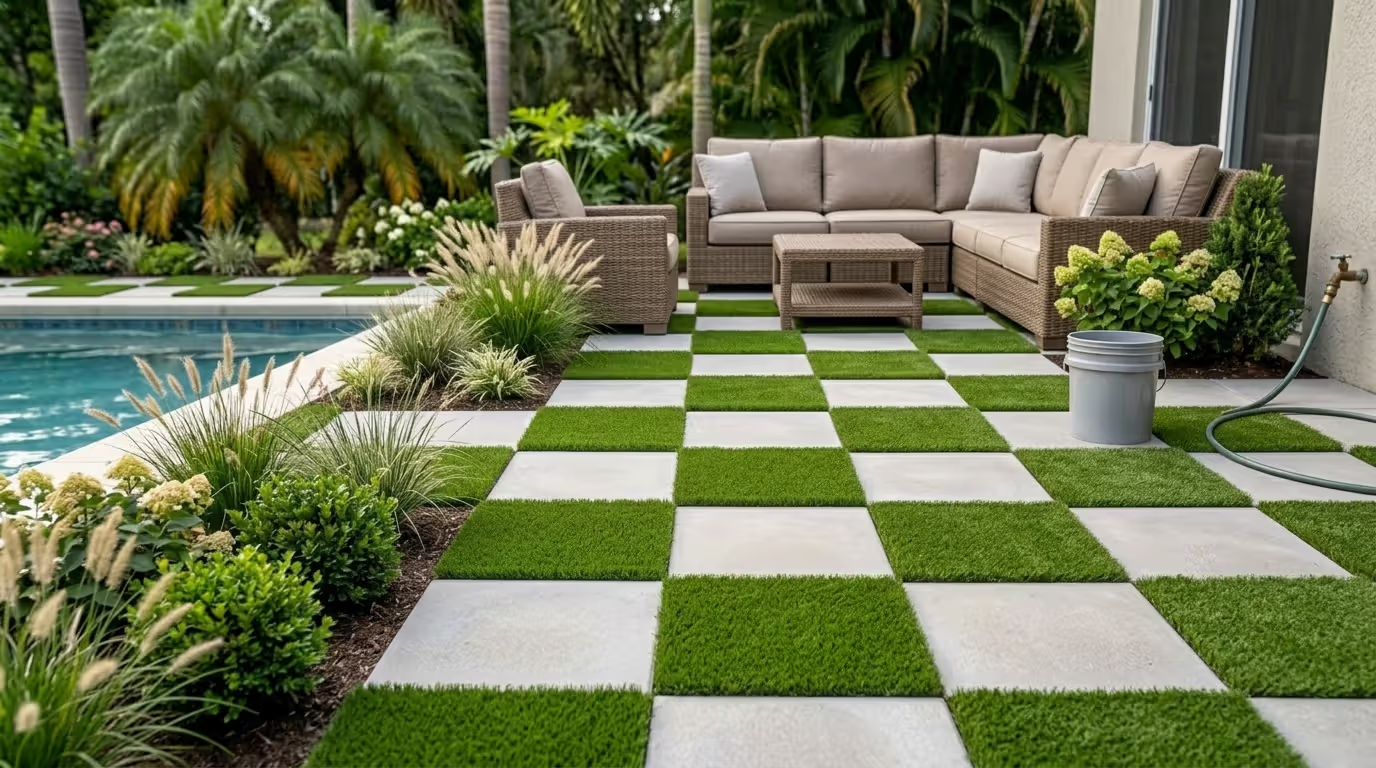
This combination shows up everywhere for good reason—it just works. Pavers and turf backyard layouts typically use stone or concrete pavers to create pathways, patios, or geometric patterns within the turf. The hard surface gives you somewhere to put furniture without crushing the grass, and it breaks up large green expanses that might otherwise look too uniform.
Popular approaches include stepping stone paths that wind through turf, checkerboard patterns alternating paver squares with turf squares, and patio extensions where turf flows right up to dining areas. The paver and turf backyard style works especially well in smaller yards where you need every square foot to serve multiple purposes.
Installation tip: set pavers level with or slightly above the turf surface. This makes mowing edges easier and prevents tripping hazards.
Turf with Concrete Borders
A turf and concrete backyard design uses poured or formed concrete to create clean edges and functional zones. Concrete works well for perimeter borders, raised planters, fire pit surrounds, and modern linear designs. The sharp contrast between smooth gray concrete and green turf gives a contemporary look that photographs well.
Concrete also solves drainage challenges. You can slope it away from the house and use it to channel water where you want it to go. In areas with heavy foot traffic—like the path from a back door to a gate—concrete holds up better than turf alone.
The cost runs higher than pavers, but you get durability and a custom shape that pavers can't easily match.
Turf with Gravel or Decomposed Granite
This softer, more naturalistic combination suits desert landscapes and drought-conscious designs. Decomposed granite (DG) creates permeable pathways and borders that complement rather than compete with turf. The earth tones work well with drought-tolerant plants placed around the turf perimeter.
Gravel also makes excellent drainage channels. If your yard slopes or collects water in certain spots, a gravel swale bordered by turf handles runoff while looking intentional.
Design Layouts for Different Backyard Sizes
The right turf backyard layout depends heavily on square footage and how you actually use the space. Cookie-cutter approaches rarely work.
Small yards (under 800 square feet) benefit from simple, bold designs. Don't try to cram too many features or materials into limited space. A single turf area with one hardscape element—like a corner patio or central fire pit—usually looks best. Consider running turf wall-to-wall and using furniture or planters to define zones instead of breaking up the surface. This makes the space feel larger.
One clever small-yard trick: use pavers to create a diagonal path across the turf. The angled line draws the eye and makes the yard appear longer than it actually is.
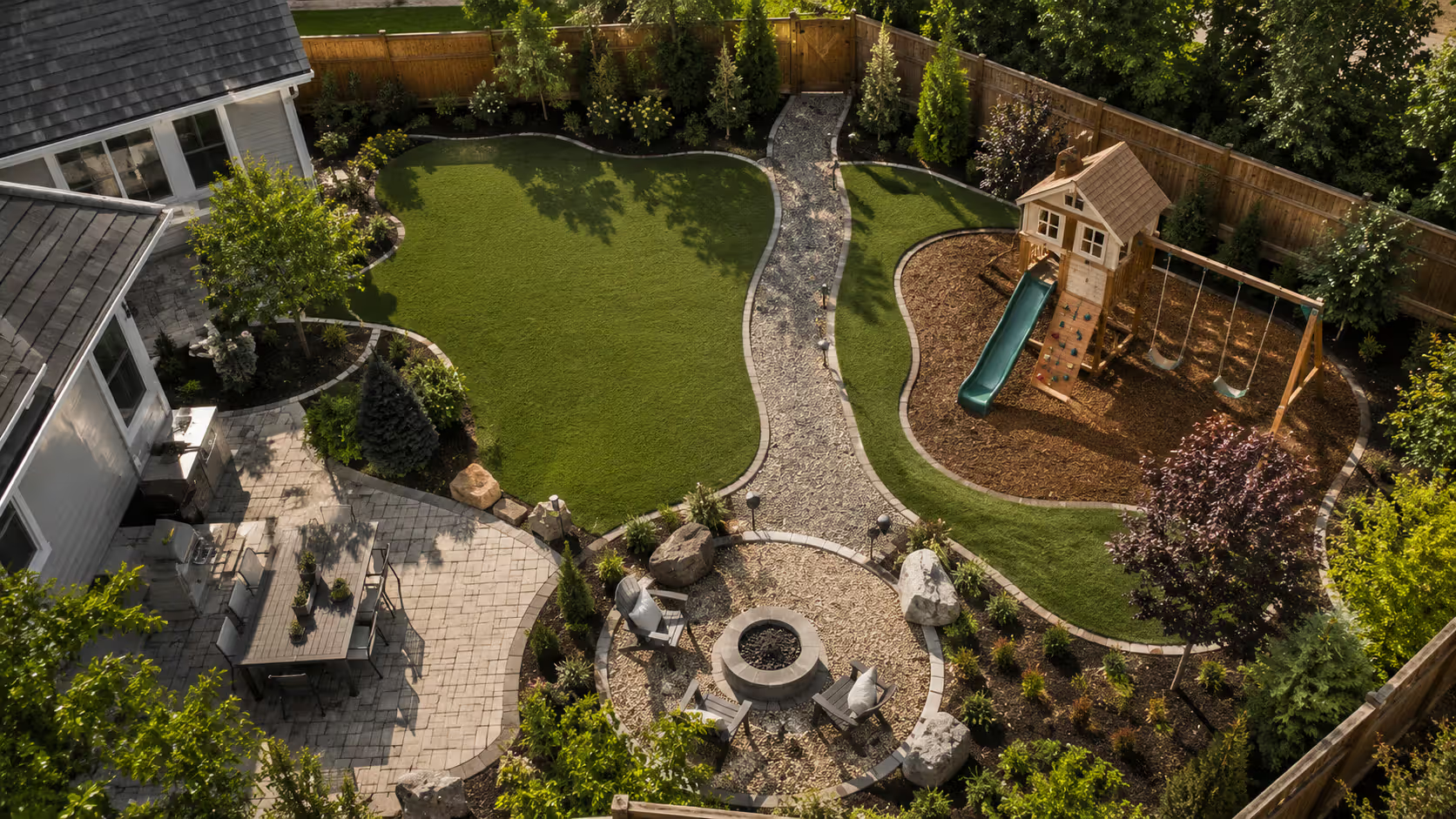
Medium yards (800–2,000 square feet) give you room to layer. This is where backyard designs with artificial turf really shine. You can dedicate zones for different activities—a play area for kids, a lounge space with seating, maybe a small putting green. Use hardscape to separate these zones visually without building walls or fences.
A common layout: turf in the center for open play, pavers forming a U-shaped patio along the back fence, and a gravel path connecting side gates to the patio. This creates flow while keeping maintenance minimal.
Large properties (over 2,000 square feet) can handle more ambitious backyard with turf concepts. You might install multiple turf areas with different pile heights or colors to distinguish spaces. Some homeowners use turf for high-traffic zones near the house while maintaining natural grass in outer areas.
Large yards also accommodate features like bocce courts, full-size putting greens, or turf "rooms" bordered by hedges or low walls. The key is avoiding a flat, featureless expanse. Break it up with elevation changes, curved borders, or specimen trees that cast interesting shadows.
Author: Liam Ashcroft;
Source: cribbslandscaping.com
Installing a Backyard Putting Green
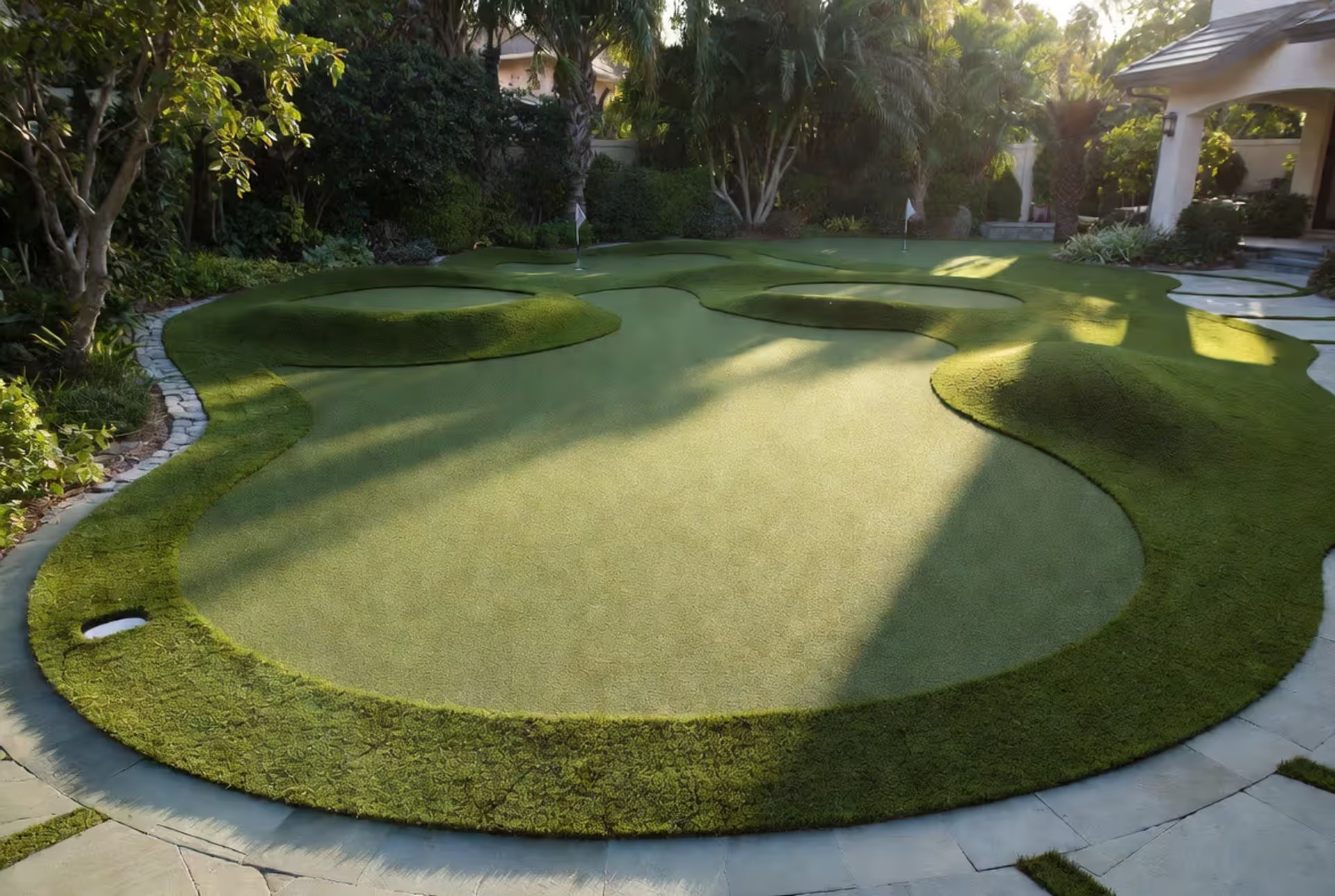
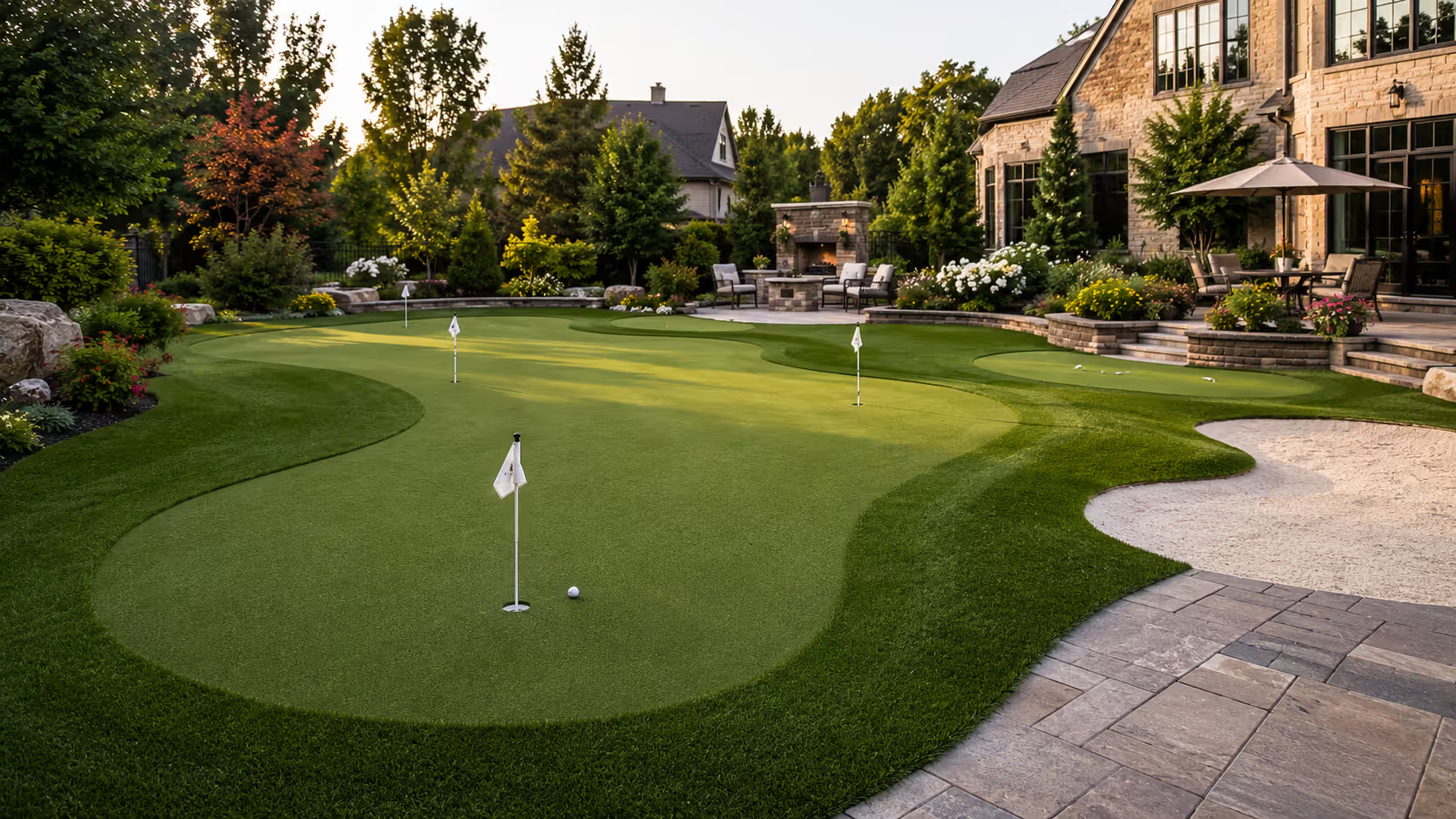
Backyard putting green ideas range from simple practice holes to elaborate multi-hole layouts with sand traps and elevation changes. Either way, you're looking at specialized turf and installation requirements beyond standard landscaping.
Putting green turf uses shorter, denser fibers that allow a golf ball to roll true. Standard landscape turf won't cut it—literally. The ball bounces and wobbles instead of rolling smoothly. Expect to pay $15–30 per square foot for quality putting green turf versus $8–15 for landscape turf.
Size matters more than you might think. A functional putting green needs at least 500 square feet to feel worthwhile. Smaller than that and you're basically practicing putts from the same few spots repeatedly. If space allows, 800–1,200 square feet gives you room for multiple pin positions and some interesting contours.
The base preparation makes or breaks the project. You need a perfectly smooth, level (or intentionally contoured) base with excellent drainage. Most DIY attempts fail here. The surface looks fine initially, but settles unevenly within months, creating bumps and depressions that ruin ball roll.
Professional installation costs $18–40 per square foot including base work, turf, cups, and flags. That puts a 500-square-foot green at $9,000–20,000. DIY can cut costs by 40–50% if you're handy and patient, but mistakes are expensive to fix.
One counterintuitive point: bigger isn't always better. A well-designed 600-square-foot green with interesting breaks and elevation changes beats a flat 1,000-square-foot rectangle every time.
Author: Liam Ashcroft;
Source: cribbslandscaping.com
Cost Breakdown by Design Type
Budget planning gets tricky because material costs vary by region and quality level. These numbers reflect typical 2026 pricing for mid-grade materials and professional installation in most US markets.
Design Type
Avg Cost Per Sq Ft
Installation Complexity
Maintenance Level
Best For
Turf Only
$8–15
Moderate
Very Low
Budget-conscious, simple aesthetics, maximum usable space
Turf + Pavers
$12–22
Moderate-High
Low
Visual interest, defined zones, furniture placement areas
Turf + Concrete
$15–28
High
Very Low
Modern designs, custom shapes, drainage solutions
Putting Green
$18–40
Very High
Low-Moderate
Golf enthusiasts, entertainment value, premium feature
Author: Liam Ashcroft;
Source: cribbslandscaping.com
The "per square foot" figures include materials and labor but not site prep like removing existing landscaping, grading, or dealing with drainage issues. Those extras can add $2–8 per square foot depending on current conditions.
Most contractors quote projects as a whole rather than by square footage once they assess your specific site. A 1,000-square-foot installation might run $10,000–18,000 for basic turf, $15,000–28,000 with extensive paver work, or $25,000–45,000 for a putting green with premium features.
The biggest mistake homeowners make is treating artificial turf like carpet—they focus only on the surface product and ignore the base. Ninety percent of performance and longevity comes from what's underneath. Proper drainage, a stable compacted base, and correct infill make the difference between turf that looks great for fifteen years and turf that fails in three.
— Mitchell Sarah
Common Mistakes When Planning a Turf Backyard
Even experienced DIYers stumble on turf projects. These errors show up repeatedly.
Ignoring drainage tops the list. Water has to go somewhere. If your yard slopes toward the house or pools in low spots, turf won't fix that—it'll just hide the problem until you have standing water on top of your expensive new lawn. You need proper grading and possibly French drains or dry wells before turf goes down.
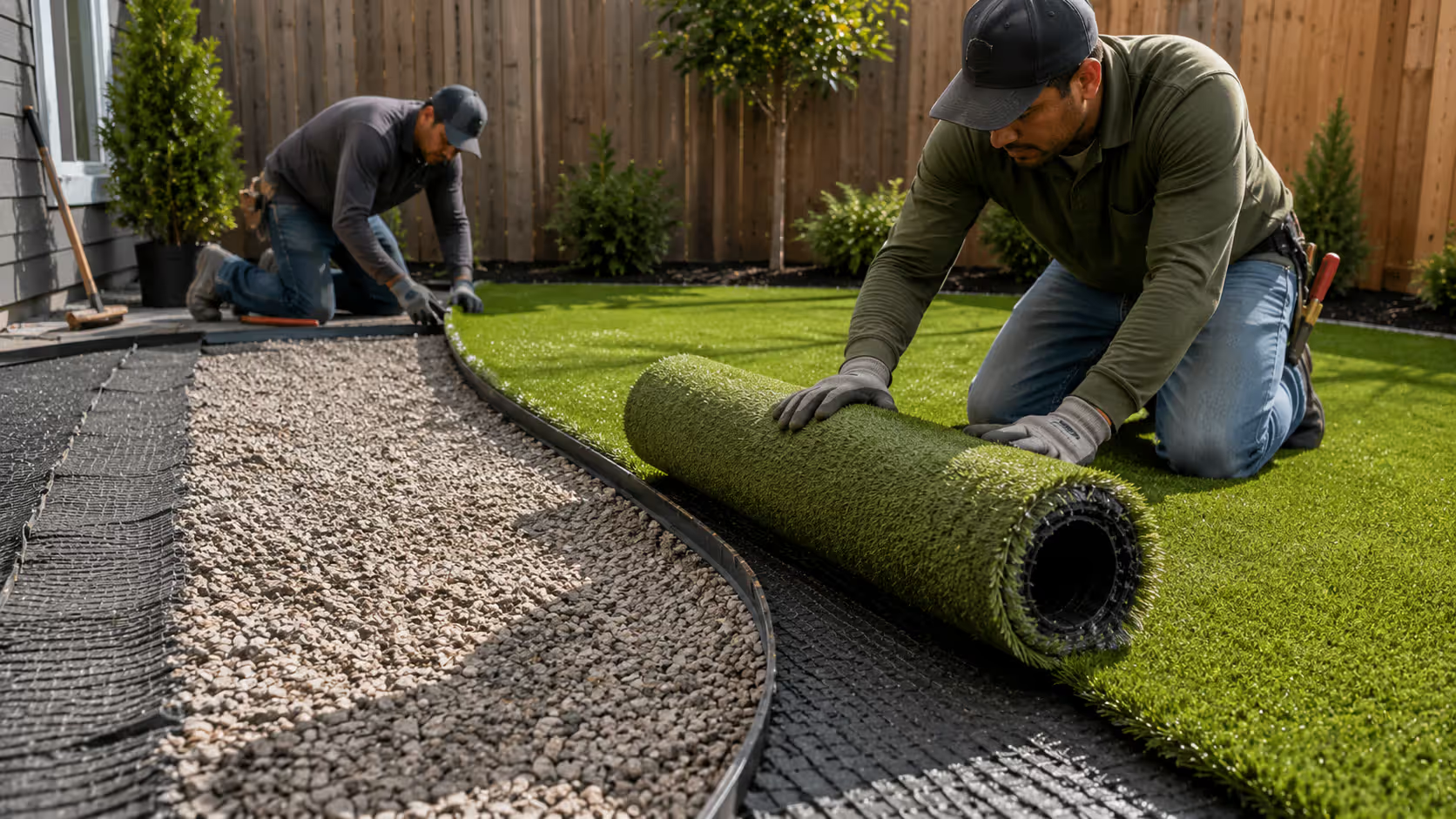
Skimping on base preparation causes most long-term failures. The base should be 3–4 inches of compacted crushed rock (Class II road base works well). Compact it in layers, not all at once. A solid base prevents settling, improves drainage, and keeps the turf surface smooth. Cutting corners here saves maybe $2 per square foot but costs you thousands in premature replacement.
Author: Liam Ashcroft;
Source: cribbslandscaping.com
Choosing the wrong turf type happens when people shop by price alone. Turf comes in different pile heights, densities, and backing materials. Short pile (1–1.5 inches) works for putting greens and high-traffic areas. Medium pile (1.5–2 inches) suits general landscaping. Tall pile (2+ inches) looks lush but mats down quickly under foot traffic. Match the product to your actual use.
Forgetting about shade patterns creates regret later. Natural grass struggles in shade, but turf doesn't—except it can get hot in full sun. If your yard gets blasted by afternoon sun, dark green turf absorbs heat and becomes uncomfortable to walk on barefoot. Lighter shades or tan/brown infill help, but it's worth considering shade structures or trees in your design.
Poor edge details make even quality turf installations look cheap. The perimeter needs secure edging—bender board, metal strips, or concrete mow strips—to prevent the turf from lifting or separating. Visible seams in the middle of the lawn scream "fake." Plan seam locations along natural sight lines or under features where they won't be obvious.
Frequently Asked Questions About Backyard Turf
How long does artificial turf last in a backyard?
Quality turf typically lasts 15–20 years with normal residential use. The backing material and UV stabilization determine longevity more than the grass fibers themselves. Cheaper products might show wear in 8–10 years, especially in high-traffic areas or under intense sun exposure. Most manufacturers offer 8–15 year warranties, which gives you a realistic minimum expectation. Proper installation and occasional maintenance—like brushing to restore pile and adding infill as needed—push lifespan toward the upper end of that range.
Do I need drainage for artificial turf?
Yes, absolutely. Modern turf drains through perforations in the backing at rates of 30+ inches per hour—faster than natural grass—but that water still needs somewhere to go. Without proper base drainage, water pools underneath the turf, creating soggy spots, mold growth, and eventual base failure. The crushed rock base layer handles most drainage, but yards with clay soil or poor natural drainage may need additional solutions like French drains or catch basins. Don't skip this step.
Can you mix turf with pavers in a small backyard?
Not only can you, but you probably should. Small yards benefit from the visual variety that pavers provide. A simple pattern—like a paver path from the door to a gate, or a small paver patio in one corner—breaks up the green and adds functional hard surface for furniture. The key is keeping it simple. One or two paver elements work better than trying to incorporate multiple materials or complex patterns that make a small space feel cluttered.
How much does a backyard putting green cost?
Expect to pay $18–40 per square foot installed, which puts a typical 500-square-foot green at $9,000–20,000. Smaller greens (under 400 square feet) cost more per square foot due to fixed setup costs. Larger greens or those with custom features like sand bunkers, fringe collars, and multiple elevation changes push toward the higher end. DIY installation can cut costs by 40–50%, but putting green construction requires precision that's hard to achieve without experience. Most homeowners who want a quality result hire professionals for at least the base work and contouring.
Is artificial turf safe for dogs and children?
Modern turf is generally safe for both. Most products use polyethylene or polypropylene fibers that don't harbor bacteria and drain quickly to prevent puddles. The bigger considerations are heat and infill material. Dark turf gets hot in direct sun—uncomfortable for bare feet and paws—so lighter colors or shade help. For infill, skip crumb rubber if you have concerns about chemicals; use silica sand, zeolite, or antimicrobial infill designed for pet areas instead. Turf also eliminates pesticides, herbicides, and fertilizers that can irritate skin or cause illness if ingested.
What maintenance does fake grass require?
Far less than natural grass, but it's not zero. You'll need to rinse off dust and debris occasionally with a hose, brush the fibers every few months to keep them standing upright, and remove leaves or organic matter that accumulates. Pet owners should rinse areas where dogs urinate to prevent odor buildup—a quick spray with the hose once or twice a week usually does it. Every few years, you might need to add infill material that's been displaced or compacted. Total maintenance time runs maybe 30–60 minutes per month compared to hours weekly for natural lawn care.
Artificial turf isn't a one-size-fits-all solution, but it solves real problems for homeowners who value their time, want consistent aesthetics, and need functional outdoor space without constant upkeep. The best installations blend turf with complementary materials—pavers, concrete, gravel—to create visual interest and define how different areas get used.
Start by honestly assessing how you use your backyard now and how you want to use it. If you're installing turf to create a play area for kids, prioritize soft, cushioned turf with good drainage. Planning an entertainment space? Think about where furniture goes and whether pavers or concrete make sense for high-traffic zones. Want a putting green? Budget appropriately and hire pros for the technical work.
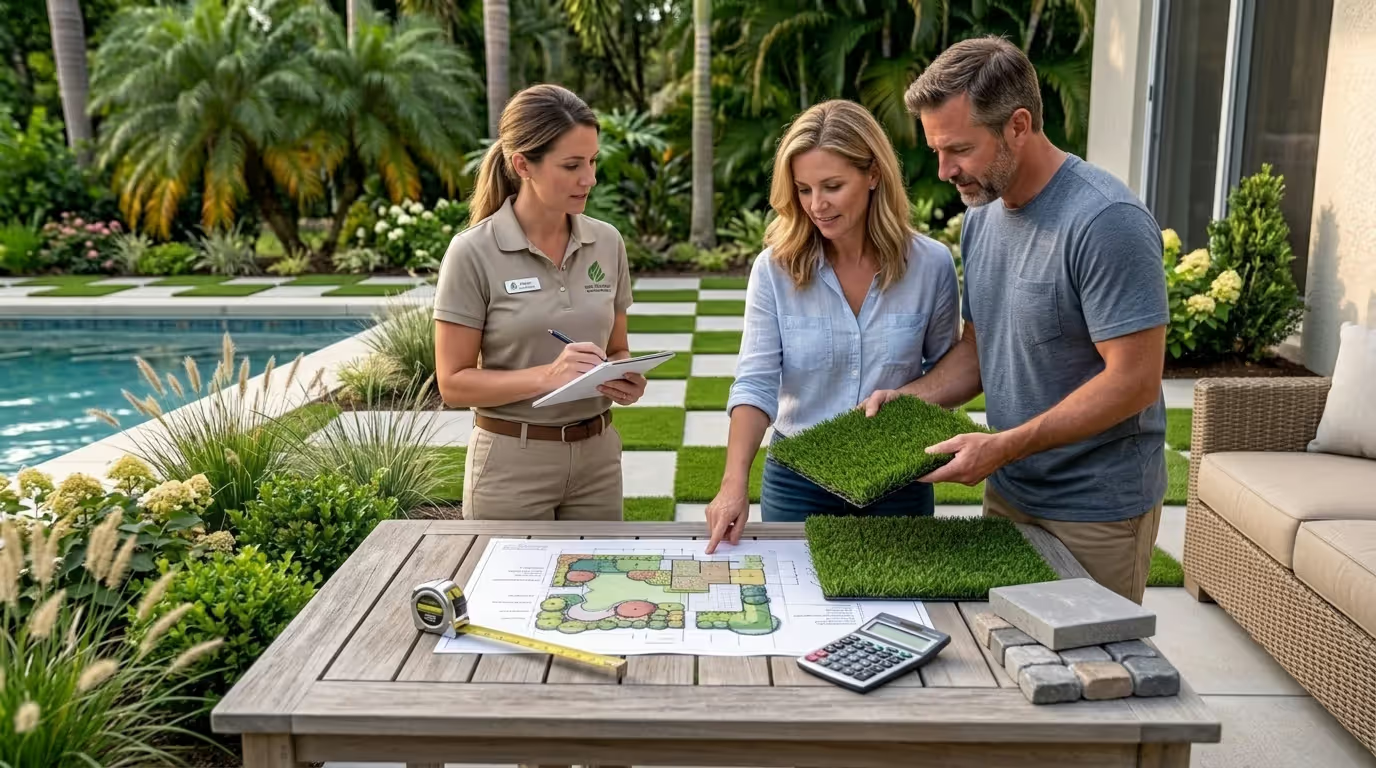
Don't rush the planning phase. Walk your yard at different times of day to understand sun patterns, drainage, and sightlines from inside the house. Sketch rough layouts. Get multiple quotes from contractors and ask to see completed projects in person—photos lie, but standing on actual turf tells you everything about quality.
The upfront investment feels substantial, but spread over 15–20 years of use with minimal maintenance costs, the math works out favorably compared to traditional landscaping. You're buying back weekends, reducing water consumption, and creating a space that looks intentional and polished year-round. That's worth something.
Learn professional commercial landscape lighting design principles that transform properties into 24-hour assets. Explore lighting techniques, fixture types, voltage systems, and the layered approach that creates safe, visually compelling outdoor spaces.
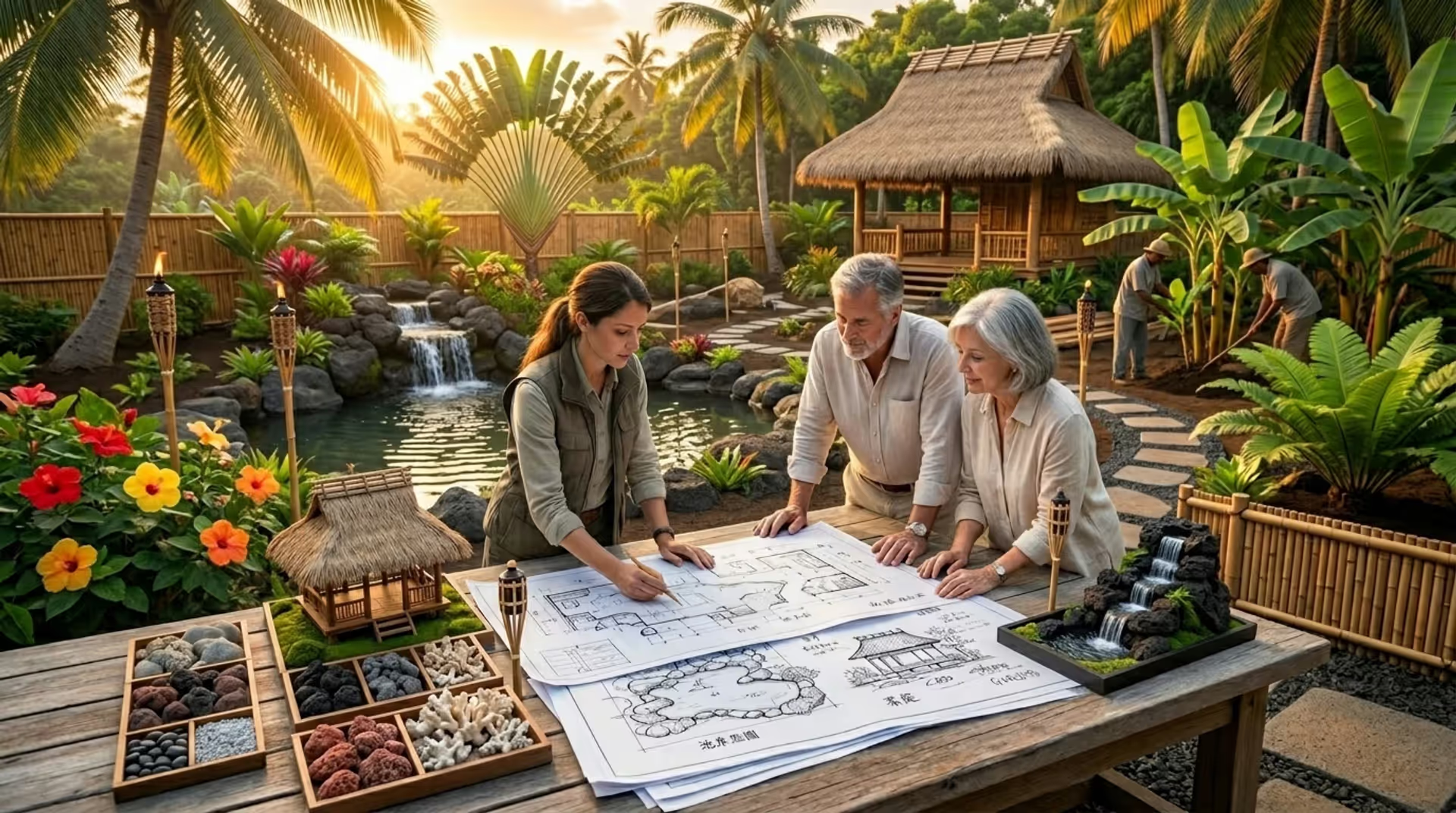
Transform your backyard into a lush island paradise with this complete guide to Polynesian garden design. Discover essential tropical plants, hardscape elements, water features, and climate adaptations that create an authentic Pacific island aesthetic right at home.
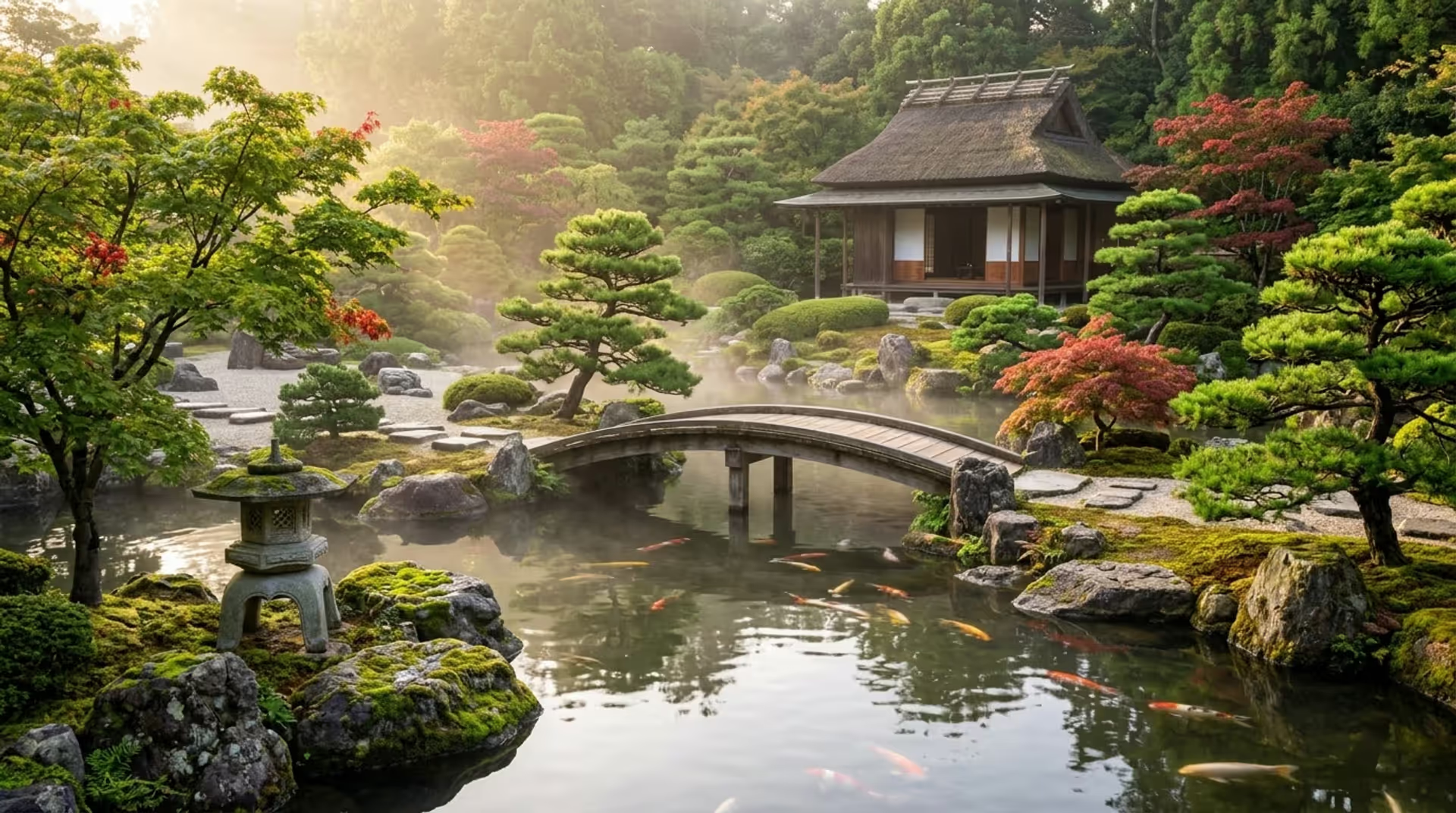
Japanese gardens aren't just pretty landscapes—they're philosophical statements in stone, water, and green. Each type serves a distinct purpose, from meditation to ceremony. Learn about karesansui zen gardens, stroll gardens, tea gardens, and specialized styles to find the right fit for your space.
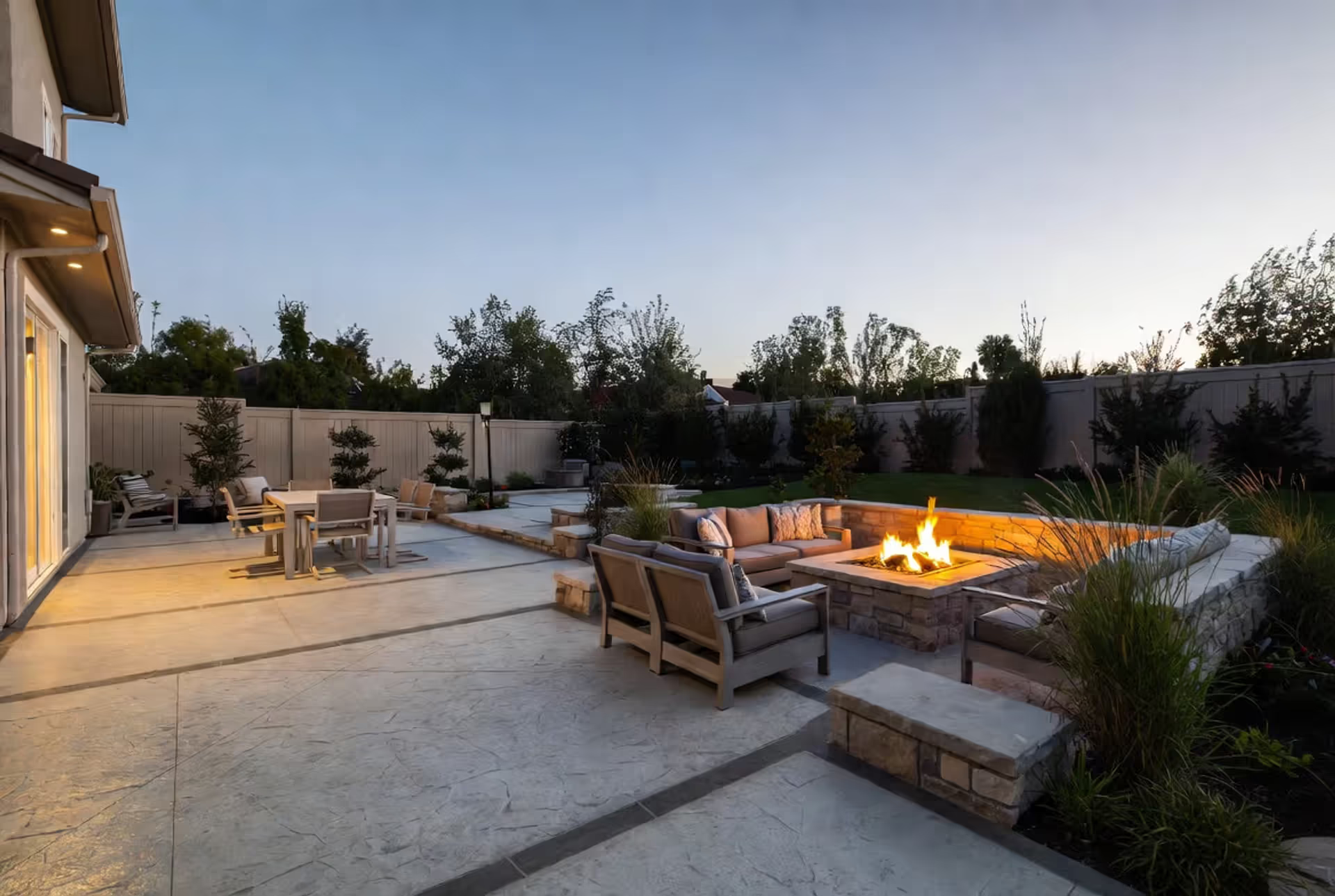
Transform your outdoor space with versatile concrete solutions. From stamped patterns to polished finishes, learn which concrete backyard design works best for your climate, budget, and style. Includes cost comparisons, maintenance schedules, and expert installation tips.
The content on this website is provided for general informational and educational purposes only. It is intended to explain concepts related to landscape design, outdoor spaces, plants, irrigation, hardscape and softscape, and sustainable landscaping.
All information on this website, including articles, guides, and examples, is presented for general educational purposes. Outcomes may vary depending on local climate, soil, plant selection, and project implementation.
This website does not provide professional design, construction, or horticultural advice, and the information presented should not be used as a substitute for consultation with qualified landscape architects, contractors, or horticulturists.
The website and its authors are not responsible for any errors or omissions, or for any outcomes resulting from decisions made based on the information provided on this website.