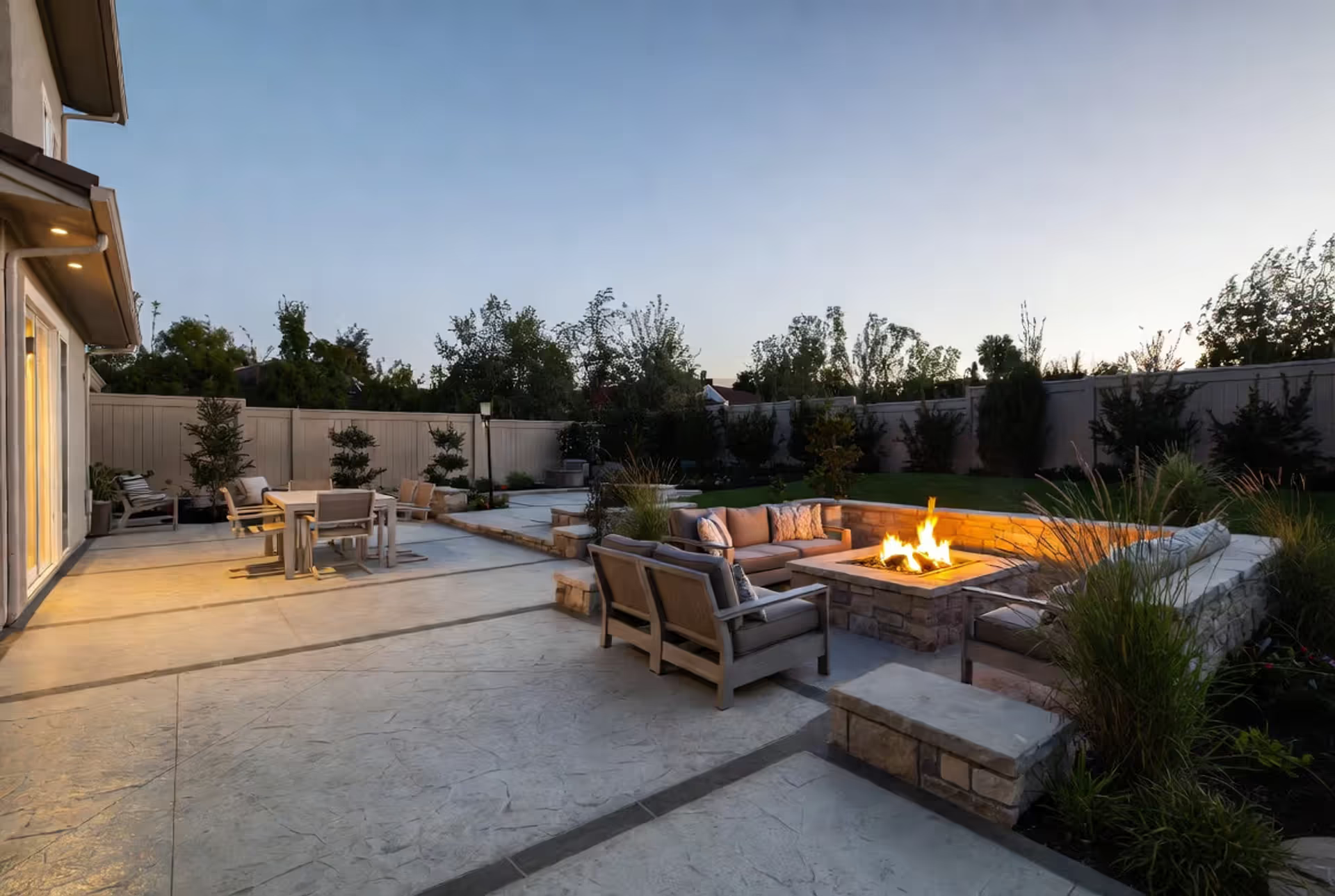
Concrete has evolved from a purely utilitarian material into a design element that can define your entire outdoor aesthetic. Modern installation techniques and finishing options mean you're no longer limited to plain gray slabs that crack and stain. Today's concrete surfaces can mimic expensive natural materials, incorporate custom artwork, or create sleek contemporary spaces that rival indoor flooring. The material adapts to virtually any design vision while delivering practical benefits that matter for long-term enjoyment of your outdoor space. Understanding which treatments and techniques align with your climate, budget, and lifestyle makes the difference between a concrete surface that merely functions and one that transforms your property.
Why Choose Concrete for Your Backyard
Several factors make concrete a smart choice for outdoor living areas. The material stands up to constant use without deteriorating—heavy patio furniture, grills, fire features, and regular foot traffic won't damage a properly installed surface. You're looking at a lifespan that extends three to four decades with appropriate care.
Budget considerations often drive material selection. Standard concrete installation typically falls between $6 and $12 per square foot, while enhanced finishes range from $12 to $25 per square foot. Natural stone alternatives can easily reach $20 to $50 per square foot, making concrete significantly more affordable for larger projects.
The design flexibility really distinguishes concrete from alternatives. Pour it into any configuration, add color that coordinates with your home's palette, create textures that prevent slipping, and apply finishes that bear no resemblance to conventional concrete. Your outdoor concrete patio can replicate the appearance of brick, flagstone, timber planks, or completely custom geometric designs.
Regional weather patterns don't limit concrete the way they do other materials. Properly formulated and installed concrete performs reliably across diverse US climates. In desert regions like Arizona and Texas, lighter concrete tones reflect solar radiation instead of storing heat. In freeze-thaw territories spanning the Midwest and Northeast, correct reinforcement techniques and air-entrainment formulas prevent temperature-related damage.
Here's an advantage that often gets overlooked: concrete demands far less upkeep than wood decking or paver systems. You won't face rotting boards, termite problems, or individual units that sink and shift as ground conditions change.
Popular Concrete Backyard Designs and Styles
Design capabilities have multiplied substantially over the past decade. Current concrete applications bear little resemblance to the limited options available in previous years.
Author: Olivia Maren;
Source: cribbslandscaping.com
Stamped Concrete Patterns
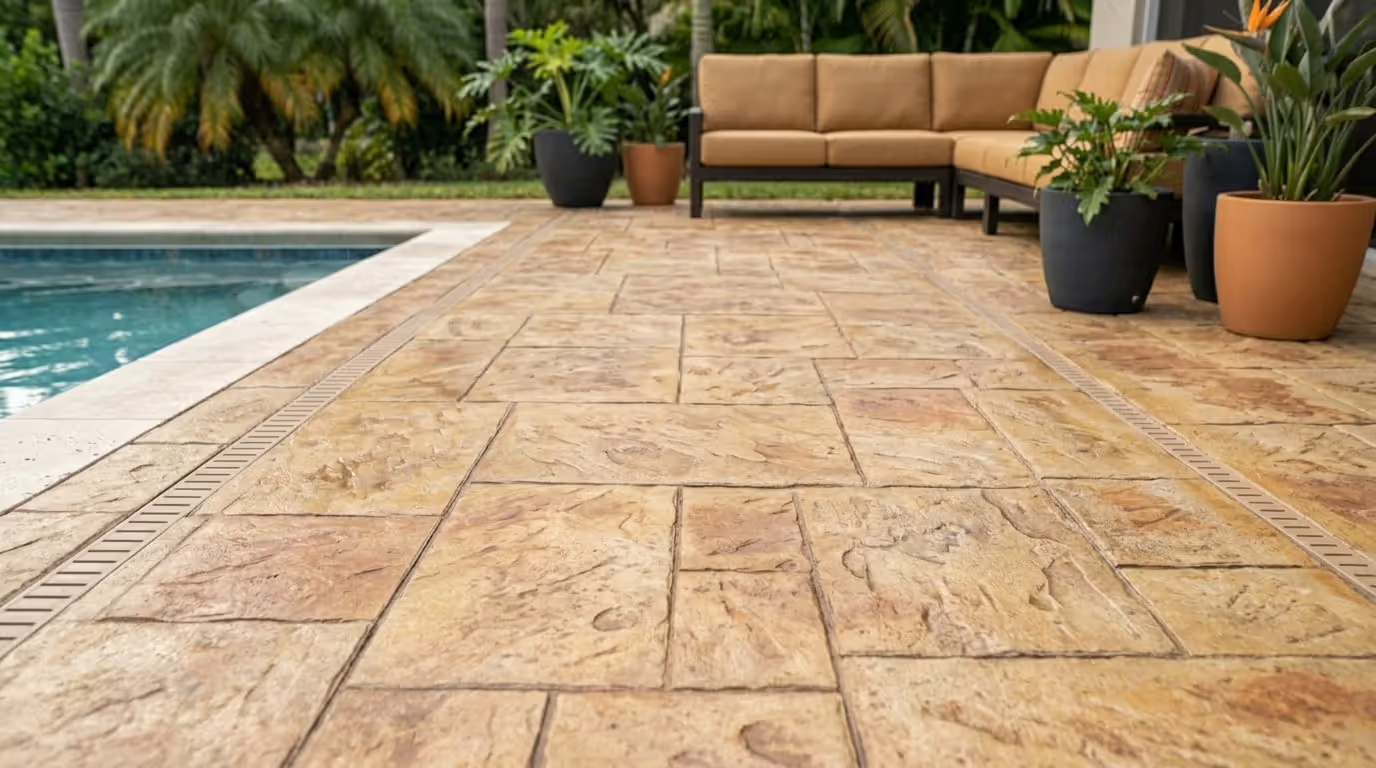
Stamped concrete backyard installations continue gaining popularity among homeowners. Contractors impress textured mats into fresh concrete to replicate the look of natural materials. Pattern options span from ashlar slate and cobblestone to European fan designs and random stone configurations.
The installation sequence involves pouring the concrete, incorporating color through integral pigments or surface applications, then stamping patterns before the material fully cures. A release compound prevents mat adhesion and frequently contributes secondary color variation for added depth.
Budget expectations for stamped applications typically range from $12 to $18 per square foot. Ashlar slate patterns appear most frequently in residential projects—the design reads as upscale without creating visual chaos in compact areas.
Here's a critical consideration: stamped surfaces become dangerously slippery in wet conditions unless contractors incorporate non-slip compounds into the sealer. Always request this addition if your patio sits near a pool or you live where rain is common.
Etched and Engraved Finishes
An etched concrete patio employs chemical treatments or physical engraving to generate designs on hardened concrete. Unlike stamping that occurs during installation, etching works on existing surfaces.
Acid-based treatments produce variegated, semi-transparent coloration through chemical reactions with concrete minerals. Water-based alternatives provide broader color selections and more uniform results. Engraving employs specialized equipment to cut patterns, borders, or even custom artwork into the surface layer.
This technique excels at transforming aging concrete. Add compass rose medallions, create faux tile grids, or engrave perimeter borders. Project costs typically span $8 to $15 per square foot based on design intricacy.
Polished Concrete Surfaces
Polished concrete backyard applications deliver ultra-contemporary aesthetics to outdoor environments. The process involves grinding concrete with increasingly fine diamond abrasives until achieving a glossy, reflective appearance.
This finish appears most frequently in modern designs featuring clean lines and minimalist landscaping. The surface becomes extremely smooth and simple to maintain—basic hosing removes most debris.
There's a significant drawback to consider. Polished surfaces become hazardously slippery when moisture is present, making them inappropriate around pools or in regions with frequent precipitation. The finish also reveals scratches more prominently than textured alternatives. Anticipate spending $10 to $20 per square foot for polished concrete installation.
Decorative Color Options
Color transforms ordinary concrete into distinctive outdoor surfaces. Three primary methods exist: integral pigments (mixed throughout), color hardeners (applied to the surface), or stains (applied after curing).
Integral pigments deliver the most uniform results and resist wear since color permeates the entire thickness. Hardeners generate richer, more saturated tones but only affect the top layer. Stains offer the broadest color spectrum and enable custom blending and special effects.
Current trends in decorative concrete outdoor applications favor warm terracotta, slate gray, sandstone buff, and charcoal tones. Many property owners select two or three harmonizing colors to establish borders, bands, or patterns that break up expansive concrete areas.
Avoid very dark colors in hot regions. Dark concrete absorbs solar energy and can become painfully hot for bare feet during summer afternoons.
How to Transform an Existing Concrete Patio
Stuck with an outdated, unattractive slab? Complete removal and replacement isn't always necessary. Multiple techniques can transform concrete patio surfaces without demolition.
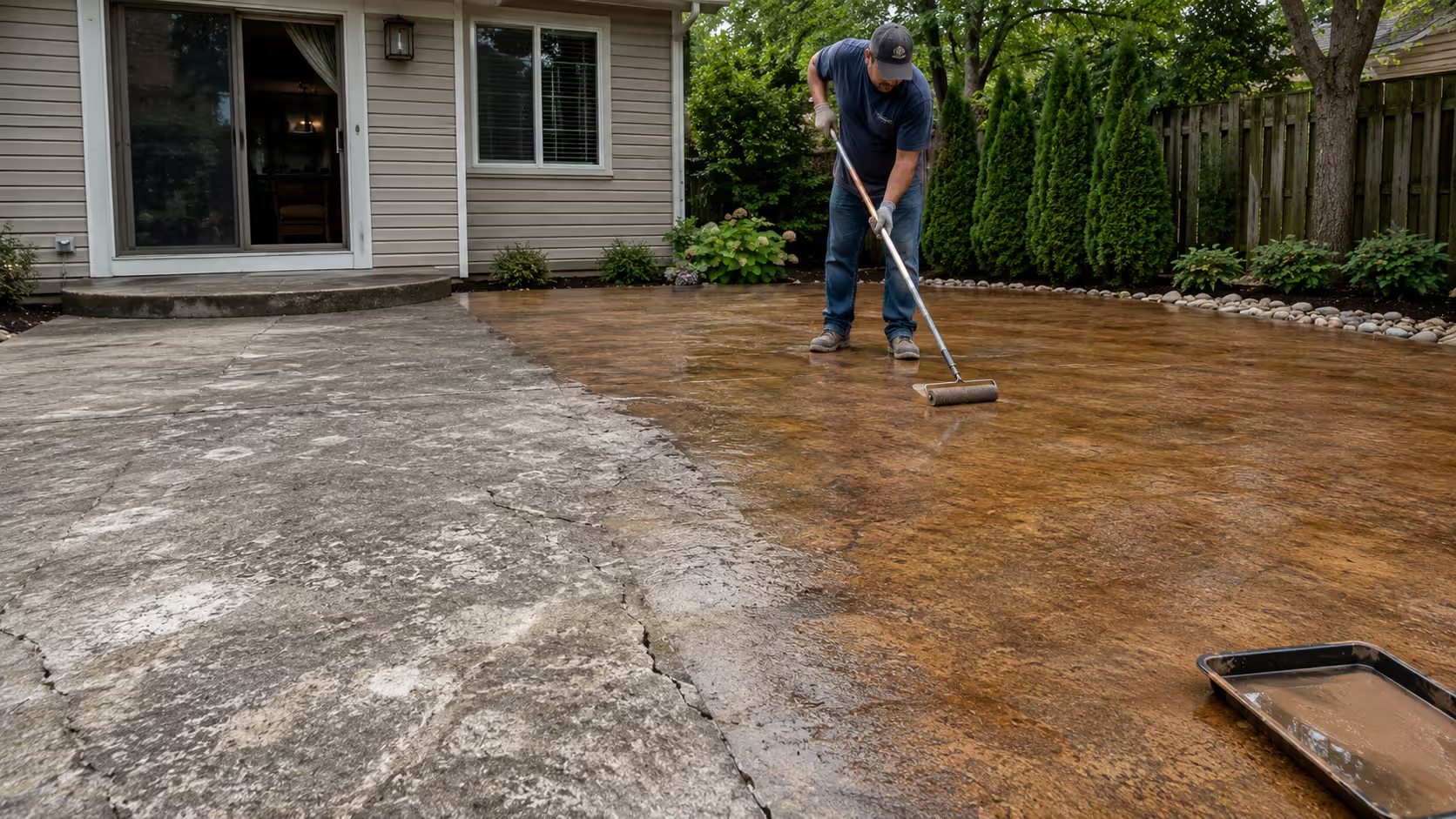
Concrete resurfacing applies a thin overlay—typically one-quarter to one-half inch thick—over your current slab. The overlay accepts stamping, staining, or texturing to generate a completely fresh appearance. This approach succeeds when your existing concrete remains structurally intact despite aesthetic shortcomings. Resurfacing projects generally cost $4 to $10 per square foot.
Staining represents the most economical transformation method. Acid-based stains penetrate the surface layer and generate deep, variegated coloration. Water-based products remain on the surface and offer expanded color possibilities. DIY staining materials cost under $1 per square foot, while professional application typically runs $3 to $6 per square foot.
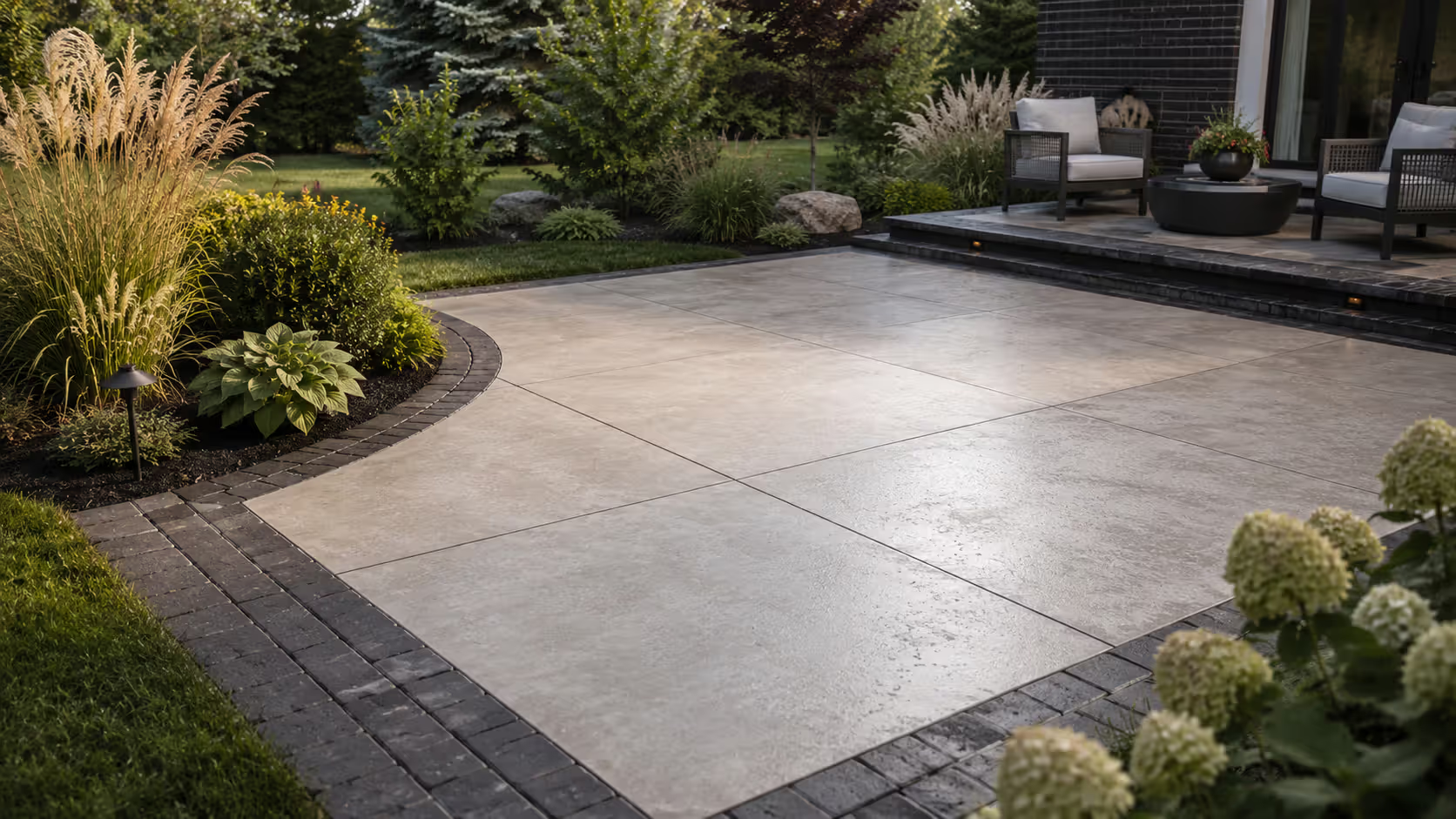
Incorporating borders completely changes spatial perception. Saw-cut a border around the perimeter and fill with pavers, decorative stone, or contrasting concrete color. This strategy breaks up monotonous expanses and generates visual interest.
Before attempting any transformation, address structural issues first. Fill cracks with appropriate concrete repair compounds, grind down elevated areas, and thoroughly clean all surfaces. Overlays and stains won't correct underlying problems—they'll simply emphasize them.
Here's a counterintuitive insight: restraint often produces superior results. A straightforward border combined with single-color staining frequently looks more sophisticated than multiple techniques layered together.
Author: Olivia Maren;
Source: cribbslandscaping.com
Combining Concrete with Pavers and Borders
A concrete patio with paver border generates visual contrast and defines distinct zones throughout your backyard. This combination delivers practical advantages beyond aesthetics.
The concrete forms your primary surface—the durable workhorse that manages heavy use and provides stable, level space. Pavers contribute decorative accents, establish borders, or define pathways. This strategy costs substantially less than paver-only installations while creating more visual interest than concrete alone.
Author: Olivia Maren;
Source: cribbslandscaping.com
Design layouts worth considering include:
Perimeter borders: twelve to twenty-four-inch paver frames surrounding the entire concrete slab
Inlay bands: paver strips cutting through concrete to generate geometric patterns
Transition zones: pavers marking boundaries between patio and lawn or garden beds
Accent corners: paver details at corners or edges
When developing concrete pavers backyard designs, scale matters significantly. Smaller pavers generate busy patterns suited to compact spaces. Large-format units complement bigger areas and convey contemporary aesthetics.
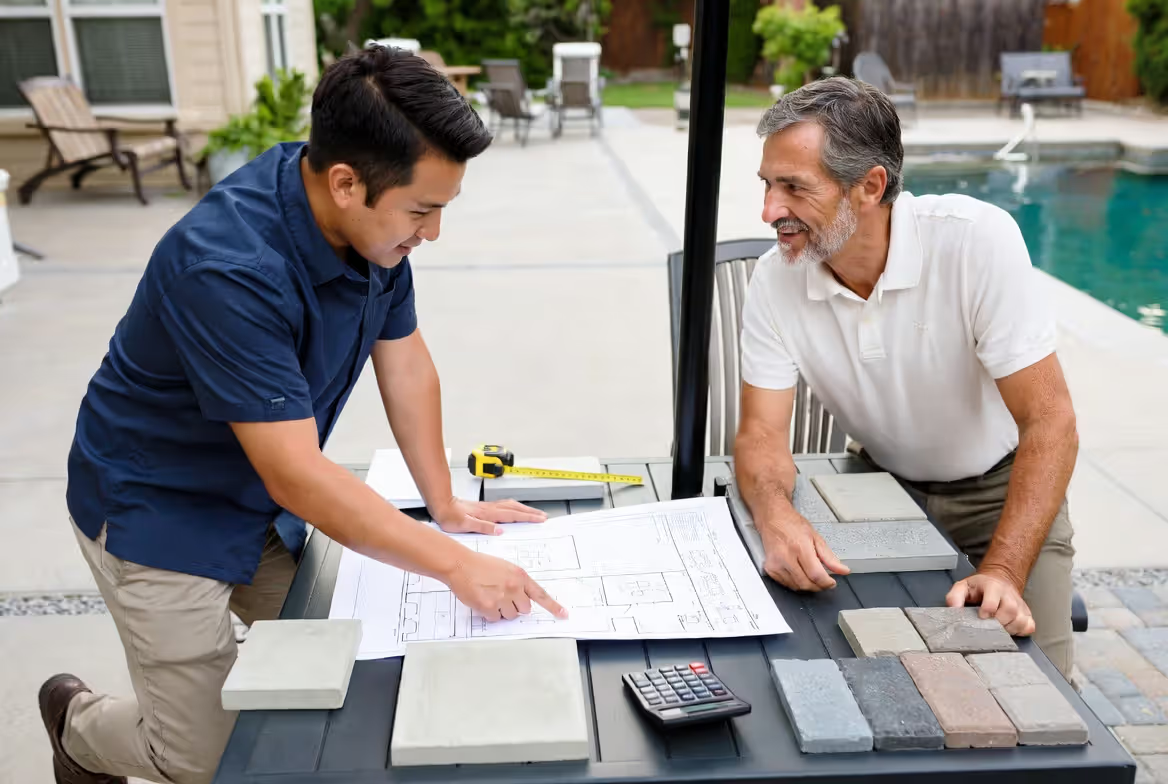
Installation demands careful planning. Concrete and pavers must reach identical finished heights to eliminate tripping hazards. Most contractors either pour concrete first while leaving recesses for pavers, or cut into cured concrete to create paver pockets.
Material combinations require thoughtful selection. Brick pavers complement traditional architecture. Bluestone or slate units suit modern designs. Tumbled pavers coordinate with rustic or Mediterranean styles.
The most successful outdoor concrete projects blend function with intentional design choices. A paver border isn't just decorative—it helps with drainage, defines the space, and provides a buffer zone that protects concrete edges from chipping. When clients understand that every design element serves multiple purposes, they make better decisions about where to invest their budget.
— Martinez Elena
Cost Factors for Concrete Backyard Projects
Understanding what influences concrete backyard ideas pricing helps establish realistic budgets and prevents unexpected expenses.
Base Installation Costs
Standard broom-finished concrete falls between $6 and $12 per square foot installed. This encompasses site preparation, base materials, concrete, labor, and finishing. A four-hundred-square-foot patio costs $2,400 to $4,800.
Decorative finishes increase base pricing:
Stamped concrete: additional $4 to $10 per square foot
Exposed aggregate: additional $3 to $8 per square foot
Stained concrete: additional $2 to $6 per square foot
Polished concrete: additional $4 to $12 per square foot
Site-Specific Factors
Location and site characteristics substantially affect project costs. Limited access preventing concrete trucks from approaching closely increases labor expenses. Sloped properties require additional excavation and base preparation. Problematic soil conditions may demand extra base material or stabilization measures.
Geographic pricing fluctuates considerably. Concrete costs more in remote locations with limited contractor availability. Metropolitan areas with elevated labor rates charge premium prices for installation. An identical four-hundred-square-foot stamped patio might cost $6,000 in rural Oklahoma yet reach $9,000 in suburban California.
Labor vs. DIY
Can homeowners tackle concrete themselves? Basic slabs are feasible for experienced DIYers, though decorative finishes demand specialized expertise and equipment. Stamping concrete proves particularly challenging—the working window is extremely narrow, and errors resist correction.
Most property owners hire professionals for anything beyond simple walkways. Labor typically represents forty to sixty percent of total project expenses.
Long-Term Value
Concrete delivers exceptional long-term value. A properly installed outdoor concrete patio increases home value by five to ten percent while providing decades of service with minimal upkeep. The annual cost per year of use typically falls below wood decking or alternative outdoor flooring options.
Here's how different concrete finishes compare:
Finish Type
Cost per Sq Ft
Durability Rating
Maintenance Level
Best Climate
Typical Lifespan
Standard (broom finish)
$6-$12
Excellent
Minimal
All US regions
30-40 years
Stamped
$12-$22
Very Good
Moderate
Temperate zones
25-35 years
Etched/Stained
$8-$15
Excellent
Minimal
All US regions
25-40 years
Polished
$10-$20
Good
Moderate
Arid climates
20-30 years
Author: Olivia Maren;
Source: cribbslandscaping.com
Maintenance Requirements for Outdoor Concrete
While concrete demands less attention than many alternatives, it isn't maintenance-free. Consistent care maximizes lifespan and preserves appearance.
Sealing Schedule
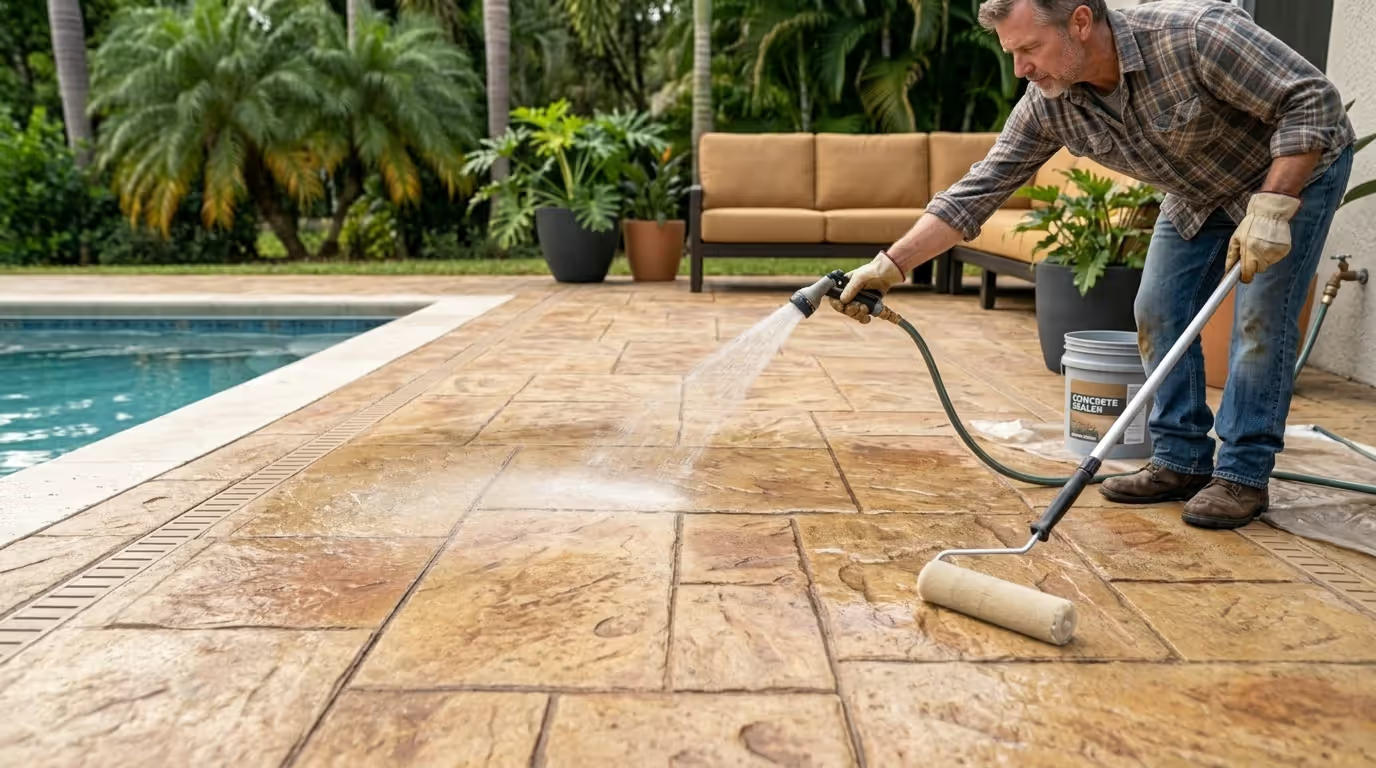
Apply sealer to your outdoor concrete patio every two to three years. Sealer creates barriers against moisture infiltration, staining, and UV deterioration. In challenging climates experiencing freeze-thaw cycles or intense sun exposure, annual sealing becomes necessary.
Apply sealer when ambient temperatures range between 50°F and 90°F with no precipitation forecast for twenty-four hours. Thoroughly clean concrete before sealing—any contaminants or debris become permanently locked beneath the sealer.
Cleaning Methods
Routine maintenance involves regular sweeping and monthly hosing. Deeper cleaning requires a pressure washer set to medium intensity (1,500 to 2,000 PSI). Excessive pressure damages surfaces, particularly stamped or decorative concrete.
Address stains immediately. Oil stains respond to commercial degreasers or cat litter that absorbs the oil. Rust stains require oxalic acid-based cleaning products. Organic stains from leaves or berries typically release with mild detergent solutions.
Crack Prevention
While some cracking proves inevitable, you can substantially reduce occurrence. Proper base preparation matters most—a four to six-inch compacted gravel base prevents settling. Control joints (intentional shallow cuts) direct crack formation, keeping them in straight lines rather than random patterns.
In freeze-thaw regions, ensure effective drainage. Water pooling on concrete that subsequently freezes causes surface scaling and cracking. Slope concrete at minimum one-quarter inch per foot away from structures.
Seasonal Care by Climate Zone
Hot, arid climates (Southwest): Increase sealing frequency to combat UV deterioration. Rinse frequently to eliminate dust and debris that scratches surfaces.
Cold climates experiencing freeze-thaw cycles (Northeast, Midwest): Never apply de-icing salts—they cause surface spalling. Substitute sand for traction. Seal before winter to block moisture penetration.
Humid climates (Southeast, Gulf Coast): Monitor for mold and mildew development. Clean annually with diluted bleach solution (one part bleach to three parts water).
Author: Olivia Maren;
Source: cribbslandscaping.com
Common Mistakes When Installing Concrete Outdoors
Even professional installations fail when fundamental principles get overlooked. Here's what creates problems most frequently.
Inadequate Drainage
Insufficient drainage represents the primary cause of concrete failure. Water unable to escape undermines the base, generates hydrostatic pressure, and produces cracking and settling.
Slope all concrete surfaces away from buildings at minimum one-quarter inch per foot. For expansive patios, consider incorporating drains or directing water toward landscape areas. Never allow concrete to trap water against your home's foundation.
Improper Base Preparation
Omitting or economizing on base preparation causes settling and cracking. The base requires excavation to appropriate depth, filling with compacted gravel, and leveling before concrete placement.
In regions with expansive clay soils, you may require six to eight inches of base material. Sandy soil conditions might need just four inches. Compact base material in two-inch layers—never all at once.
Skipping Sealant
Some contractors omit sealing to reduce time or cut expenses. This proves shortsighted. Unsealed concrete absorbs water, stains readily, and deteriorates prematurely. The few hundred dollars saved on sealing costs thousands in early repairs.
Always seal decorative concrete. The investment protects your larger investment in stamped, stained, or polished finishes.
Poor Joint Placement
Control joints require placement at consistent intervals—generally every eight to ten feet in both directions. Joints should also appear where concrete changes direction, at corners, and around obstacles like posts or drains.
Random cracking occurs when control joints space too far apart or get placed incorrectly. Concrete will crack regardless—joints simply control where those cracks appear.
Wrong Concrete Mix
Employing inappropriate concrete formulations for your climate generates problems. Cold regions require air-entrained concrete resisting freeze-thaw damage. Hot climates benefit from formulations with retarders that slow curing.
Specify at minimum 4,000 PSI concrete for outdoor applications. Lower-strength formulations can't withstand weather exposure and regular use.
FAQ: Concrete Backyard Questions Answered
How long does an outdoor concrete patio last?
A professionally installed and properly maintained concrete patio can last 30 to 40 years or more. Regular sealing, cleaning, and proper drainage help extend its lifespan and preserve its appearance.
Can an old concrete patio be resurfaced instead of replaced?
Yes, if the existing slab is structurally sound, concrete resurfacing is an excellent alternative to replacement. A decorative overlay can add new color, texture, and patterns while significantly reducing renovation costs.
How much does a backyard concrete patio cost?
A backyard concrete patio usually costs between $6 and $12 per square foot for standard finishes. Decorative options such as stamped, stained, or polished concrete can increase the total cost to $12–$25 per square foot depending on complexity and site conditions.
What is the best concrete finish for outdoor patios?
Stamped concrete is one of the best finishes for outdoor patios because it combines durability with decorative appeal. It can replicate the appearance of natural stone, brick, or wood while offering a lower installation cost and long-lasting performance.
How long does stamped concrete last in a backyard?
Stamped concrete surfaces generally provide twenty-five to thirty-five years of service when installed correctly and maintained consistently. The concrete itself retains structural integrity for many decades, though stamped patterns and coloration may fade gradually, particularly in high-UV environments. Resealing every two to three years preserves appearance substantially. Longevity depends heavily on climate conditions, installation quality, and maintenance diligence. Harsh freeze-thaw climates produce shorter lifespans. Moderate climates with regular sealing allow stamped concrete to maintain attractive appearance beyond thirty years.
Can you install concrete pavers yourself?
Concrete pavers rank among the most DIY-accessible hardscaping materials. The workflow involves excavating the designated area, installing compacted base layers, adding sand bedding, arranging pavers in your selected pattern, and filling joints with sand. You won't need specialized equipment beyond basic tools—a level, rubber mallet, plate compactor (available for rent), and wet saw for cuts. The project demands significant physical effort but follows straightforward principles. Most homeowners can finish a two-hundred-square-foot paver patio over a weekend. The critical factor is thorough base preparation—rushing this phase results in pavers that shift and settle as time passes.
What's the difference between stamped and etched concrete?
Stamped concrete involves impressing patterns into fresh concrete during installation, generating three-dimensional texture and depth. Etched concrete employs acid treatments or engraving equipment on hardened concrete to produce two-dimensional designs. Stamping must occur during the initial pour, while etching applies to existing concrete, making it ideal for updating older patios. Stamped concrete replicates natural materials like stone or brick with realistic texture you can feel. Etched concrete produces custom designs, borders, or artistic patterns while maintaining smooth surface characteristics. Cost-wise, both fall within similar ranges at $12 to $18 per square foot, though intricate etching can increase expenses.
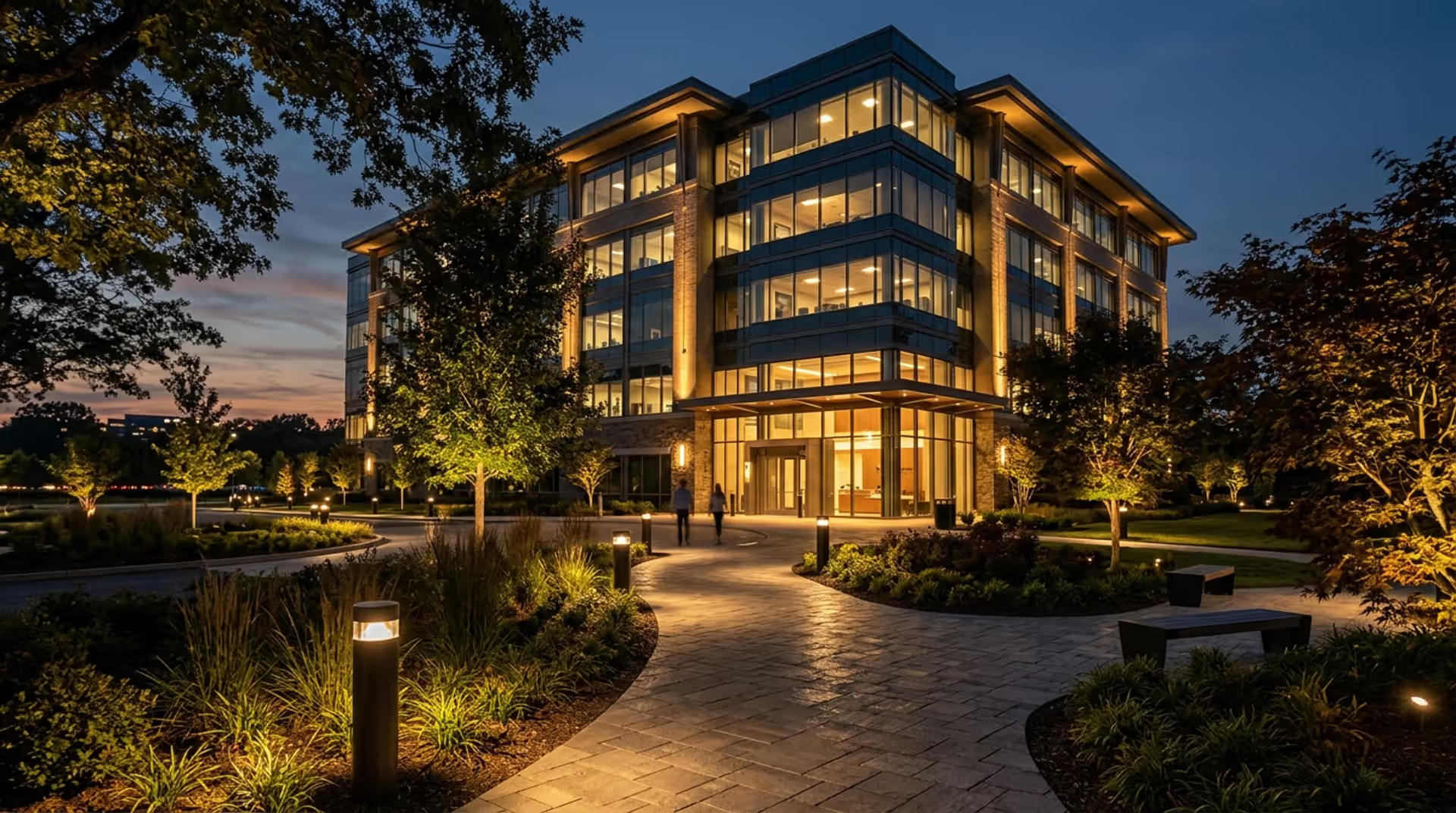
Learn professional commercial landscape lighting design principles that transform properties into 24-hour assets. Explore lighting techniques, fixture types, voltage systems, and the layered approach that creates safe, visually compelling outdoor spaces.
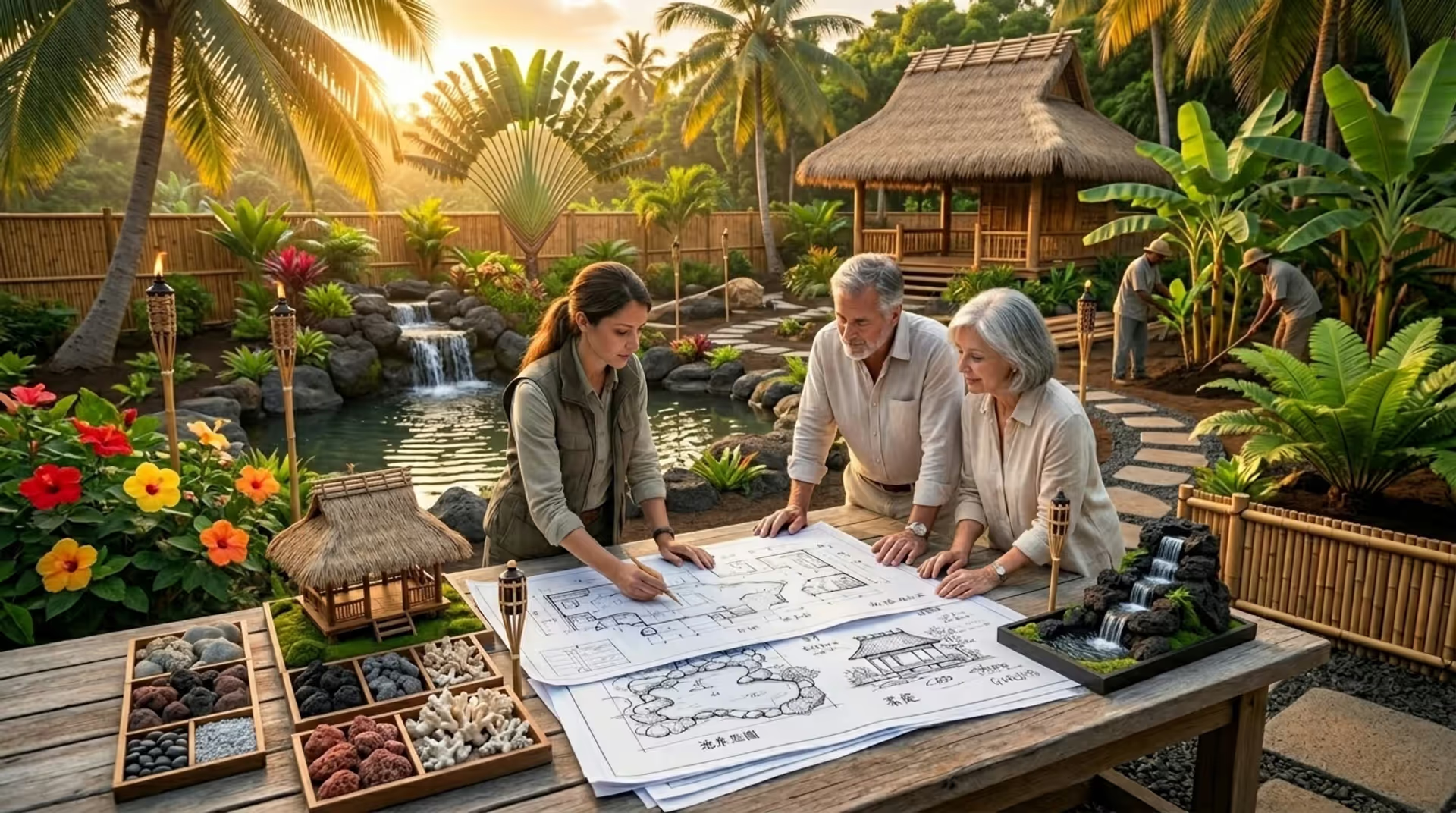
Transform your backyard into a lush island paradise with this complete guide to Polynesian garden design. Discover essential tropical plants, hardscape elements, water features, and climate adaptations that create an authentic Pacific island aesthetic right at home.
Japanese gardens aren't just pretty landscapes—they're philosophical statements in stone, water, and green. Each type serves a distinct purpose, from meditation to ceremony. Learn about karesansui zen gardens, stroll gardens, tea gardens, and specialized styles to find the right fit for your space.
Artificial turf transforms backyards with low-maintenance green space year-round. Discover design ideas combining turf with pavers and concrete, layout strategies for any yard size, putting green installation tips, and cost comparisons to create your ideal outdoor space.
The content on this website is provided for general informational and educational purposes only. It is intended to explain concepts related to landscape design, outdoor spaces, plants, irrigation, hardscape and softscape, and sustainable landscaping.
All information on this website, including articles, guides, and examples, is presented for general educational purposes. Outcomes may vary depending on local climate, soil, plant selection, and project implementation.
This website does not provide professional design, construction, or horticultural advice, and the information presented should not be used as a substitute for consultation with qualified landscape architects, contractors, or horticulturists.
The website and its authors are not responsible for any errors or omissions, or for any outcomes resulting from decisions made based on the information provided on this website.