Creating a tropical paradise in your own backyard isn't as far-fetched as it sounds. A polynesian garden brings the relaxed, lush atmosphere of the Pacific islands right to your doorstep. You don't need to live in Hawaii to pull it off, either. With the right plants, materials, and design approach, you can transform even a suburban yard into an island retreat that feels worlds away from everyday life.
What Defines a Polynesian Garden
Polynesian gardens draw from the traditional landscapes of Hawaii, Samoa, Tahiti, and other Pacific islands. These aren't just random collections of tropical plants. They reflect centuries of island living, where gardens served both practical and spiritual purposes.
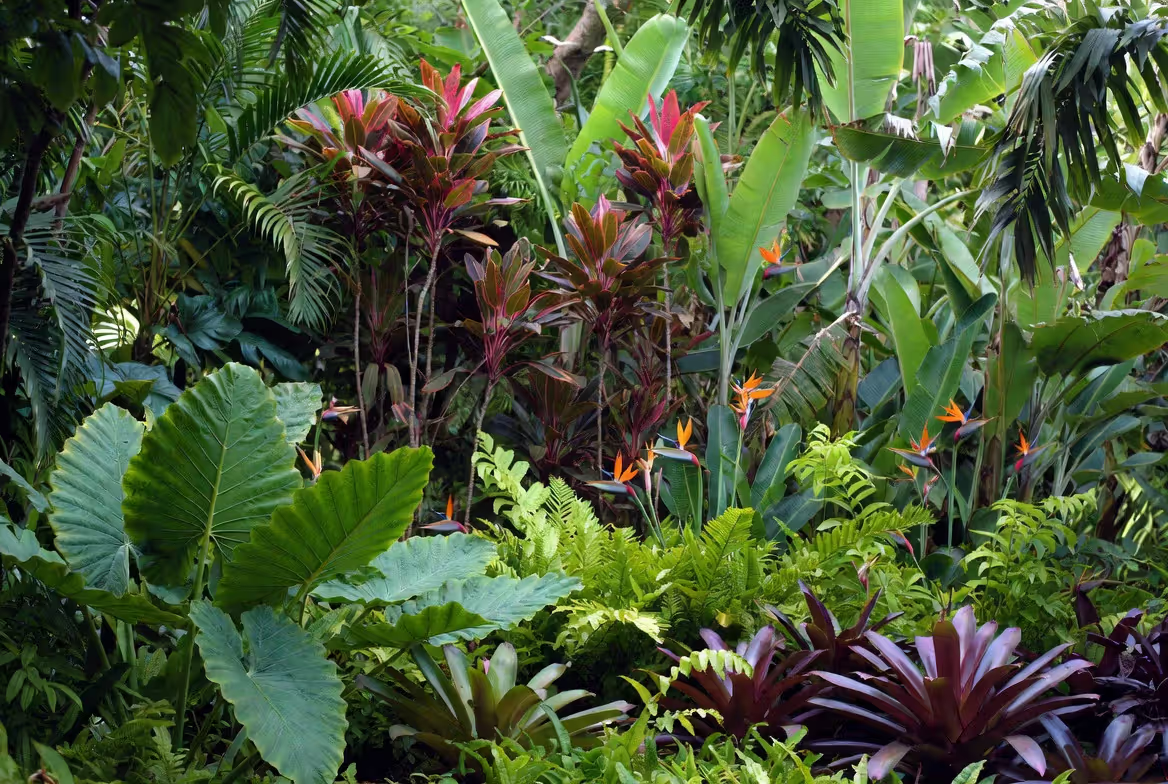
The core principle? Abundance through simplicity. Polynesian gardens embrace natural growth patterns rather than fighting them. You'll see layered vegetation that mimics how plants grow in the wild—tall palms overhead, mid-height shrubs and flowers at eye level, and ground covers carpeting the soil.
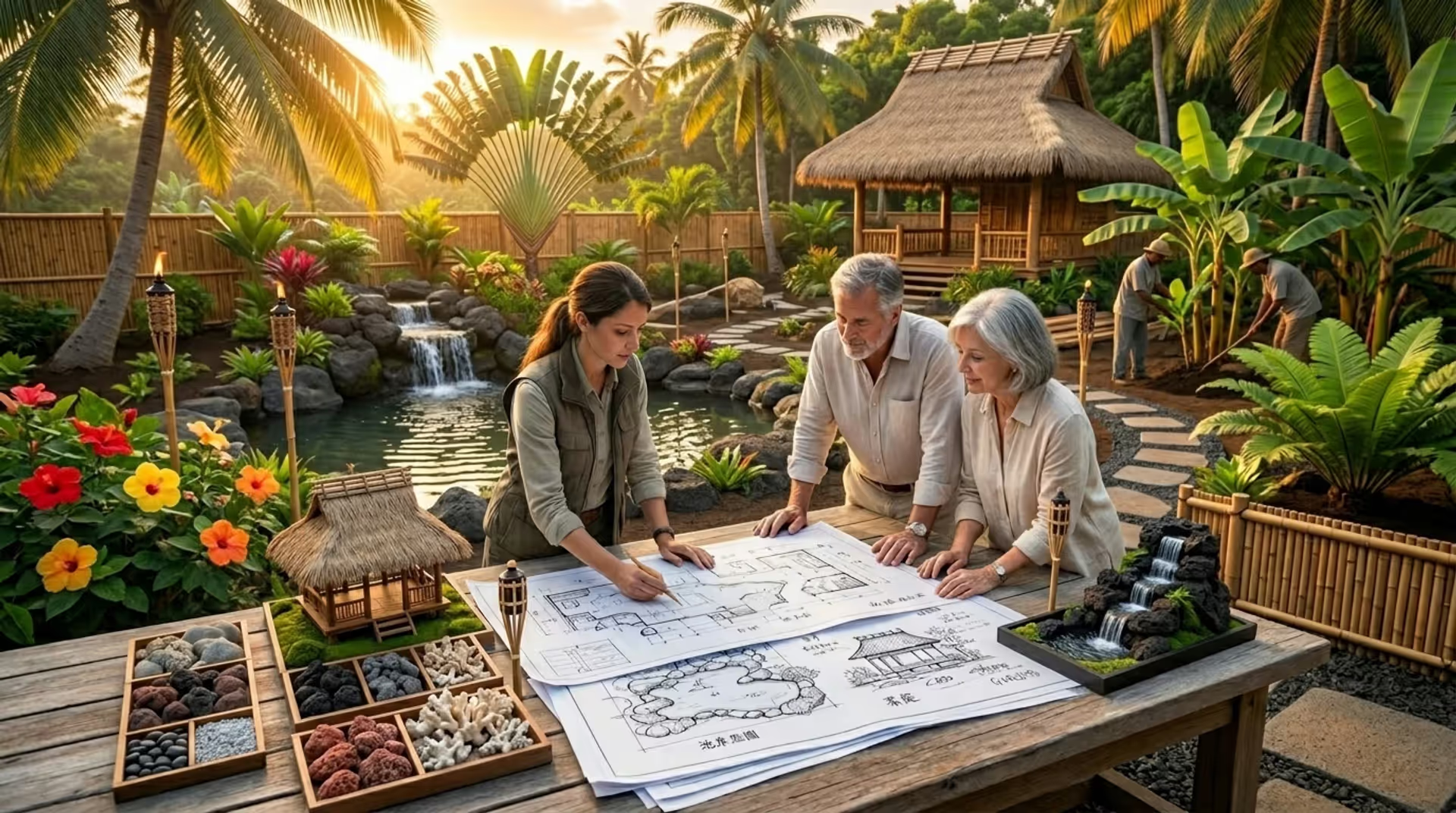
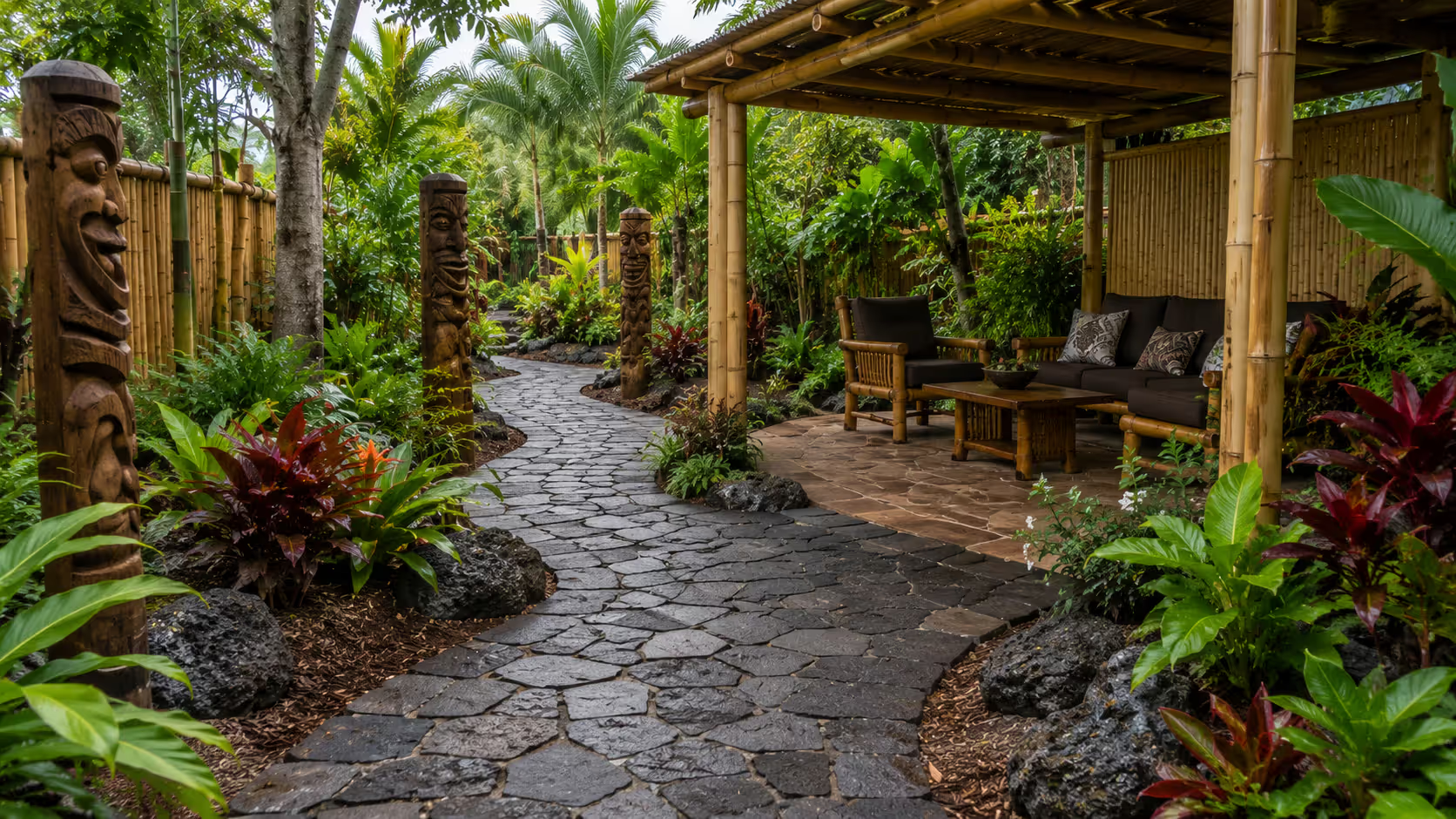
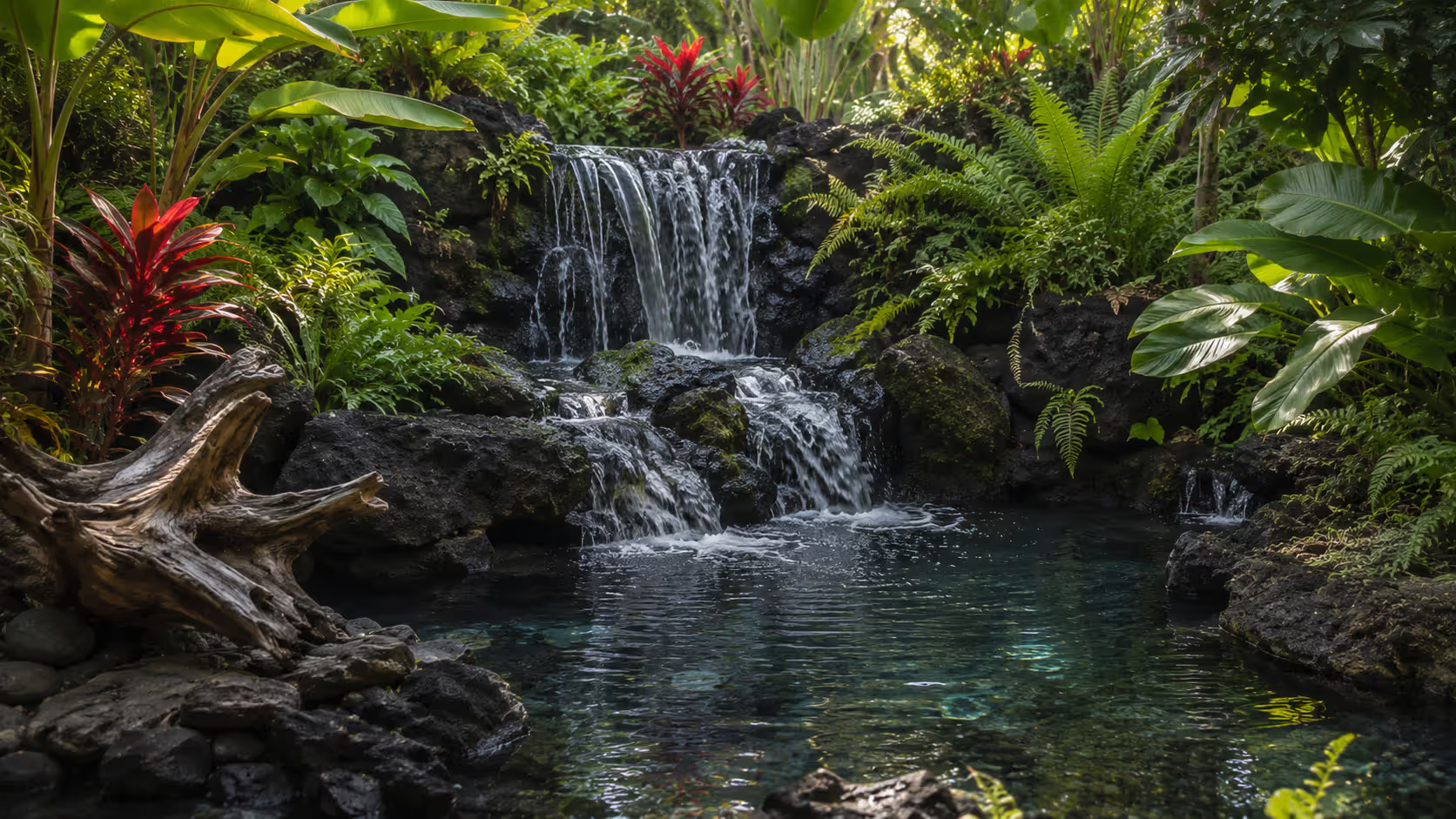
Natural materials dominate the hardscape. Lava rock, coral stone, weathered wood, and bamboo replace manufactured pavers and concrete. Pathways curve organically instead of cutting straight lines. Water features mimic natural streams and pools rather than formal fountains.
But here's what really sets these gardens apart: they feel lived-in, not manicured. A bit of wildness is intentional. Leaves overlap, vines climb freely, and plants spill beyond their borders. This controlled chaos creates that authentic island garden feel.
Cultural elements appear thoughtfully. Tiki torches, carved wooden posts, and traditional Polynesian motifs add character without turning your yard into a theme park. The key is restraint—a few well-placed cultural touches work better than overdoing it.
Hawaiian backyard landscaping specifically emphasizes the concept of "malama 'aina"—caring for the land. Traditional Hawaiian gardens included plants that served multiple purposes: food, medicine, fiber for clothing, and spiritual significance. Modern interpretations honor this by choosing plants with purpose, not just decoration.
Essential Plants for an Authentic Island Look
Plant selection makes or breaks your polynesian garden. You need species that create that signature lush tropical landscape, but they also need to work in your climate. Let's break this down by layer.
Author: Liam Ashcroft;
Source: cribbslandscaping.com
Foundational Foliage and Ground Covers
Start with the base layer. These plants create the dense, jungle-like foundation that everything else builds on.
Mondo grass and liriope work even in cooler zones. They're not technically tropical, but they nail that low, flowing ground cover look. In warmer areas, try Asiatic jasmine or wedelia. Both spread aggressively—which is exactly what you want for that overgrown island feel.
Ferns are non-negotiable. Sword ferns and autumn ferns handle cold better than you'd expect. Bird's nest ferns and staghorn ferns bring that exotic touch in zones 9 and up. Mount staghorns on wooden plaques attached to fences or trees for vertical interest.
Elephant ears (Colocasia) deliver massive tropical foliage. Their huge leaves create instant drama. Most varieties need to be dug up in cold climates, but it's worth the effort. Plant them in clusters for maximum impact.
Bromeliads add color and texture at ground level. They're surprisingly tough and need minimal care once established. Tuck them between rocks and at the base of trees.
Statement Plants and Palms
These are your showstoppers—the plants that immediately say "tropical."
Palms are the obvious choice, but pick the right ones. In warm zones, coconut palms are authentic but slow-growing. Areca palms, queen palms, and foxtail palms establish faster. For colder areas, windmill palms and needle palms survive winters that would kill most tropicals.
Bananas aren't just for eating. Their massive paddle-shaped leaves create that island vibe instantly. Most banana varieties die back in freezing weather but return from the roots. Abyssinian banana (Ensete) handles cold better than most.
Bird of paradise (Strelitzia) works in zones 9-11 and makes a bold statement with its architectural leaves. The orange flowers are a bonus. White bird of paradise grows larger and works better as a backdrop plant.
Ti plants (Cordyline) come in burgundy, pink, and green varieties. They're sacred in Hawaiian culture and add vertical accents throughout the garden. In cold zones, grow them in containers and bring them inside for winter.
Crotons deliver wild color combinations—yellow, orange, red, and green all on the same plant. They're picky about cold but spectacular in the right conditions.
Flowering Tropicals for Color
Tropical backyard plants need flowers to complete the picture. But island gardens don't rely on constant bloom—they use flowers as accents against all that green.
Hibiscus is the classic choice. Modern varieties bloom nearly year-round in warm climates. In colder zones, treat them as annuals or container plants. Go for the large-flowered tropical types, not the hardy perennial varieties.
Plumeria (frangipani) gives you those intoxicating flowers used in leis. They're deciduous, dropping leaves in winter even in warm climates. The bare branches look sculptural, not dead.
Ginger plants (Hedychium, Alpinia) thrive in shade and produce exotic flowers with incredible fragrance. Many varieties handle cold better than expected, dying back but returning each spring.
Heliconia offers those dramatic, lobster-claw flowers. They need warmth and moisture but create an unmistakably tropical look. Treat them like cannas in cold climates—dig and store the rhizomes.
Bougainvillea isn't Polynesian, but it's become associated with tropical landscapes. Use it sparingly on arbors or fences for bursts of color.
Designing Your Layout and Hardscape Elements
Tropical garden design for Polynesian spaces follows different rules than typical landscaping. Forget symmetry and formal beds. Think organic flow.
Start by identifying natural focal points. A large tree, a slope, or an existing structure can anchor your design. Build outward from there in curves, not straight lines.
Pathways should meander. Use crushed coral, decomposed granite, or stepping stones set irregularly. The goal is to slow people down, making them experience the garden rather than just walking through it.
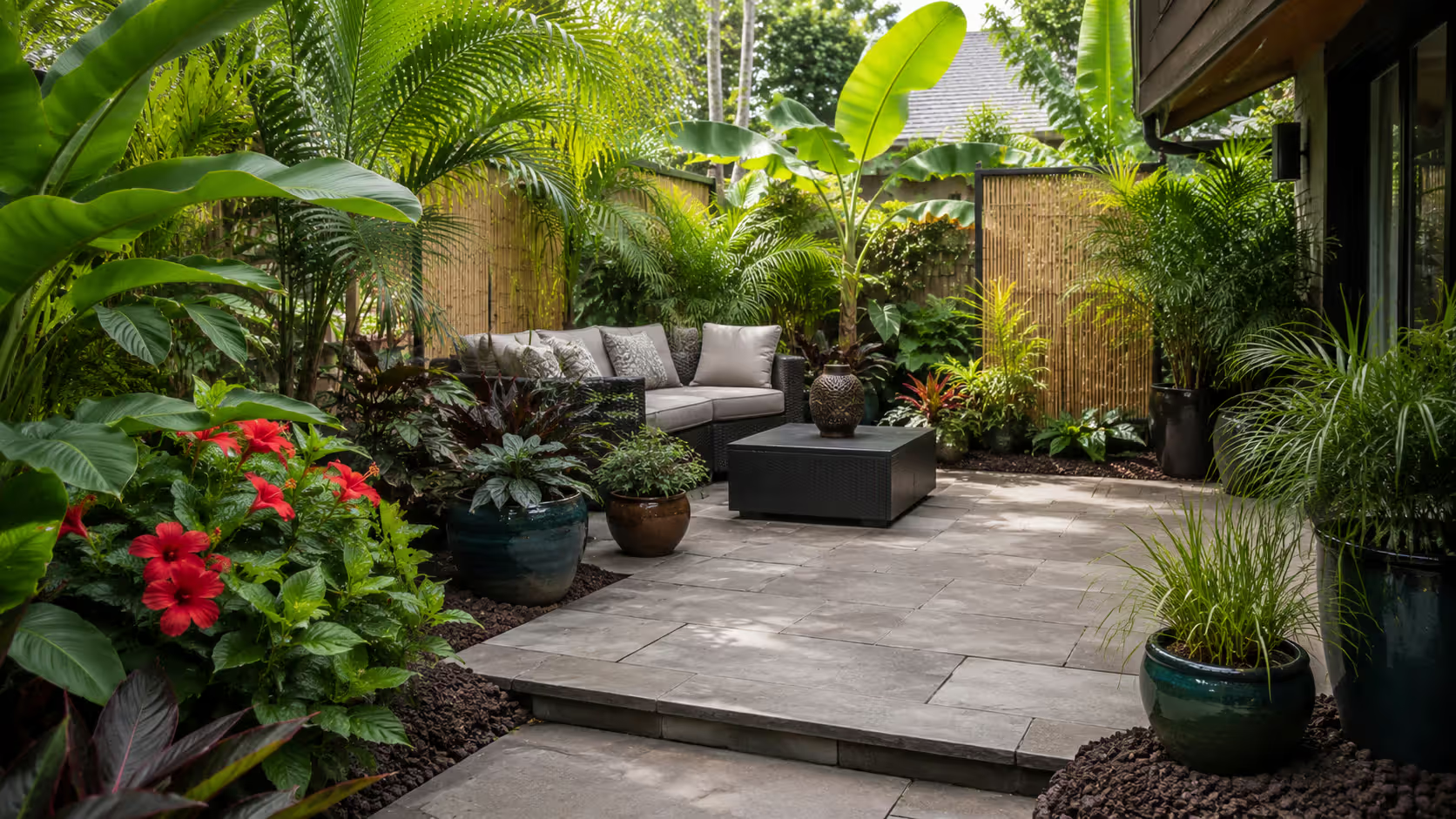
Create distinct zones without rigid borders. A seating area surrounded by dense plantings feels like a hidden retreat. A more open area with a fire pit becomes a gathering space. Let plants blur the boundaries between zones.
Lava rock is your friend. Use it for borders, as mulch, and to create raised planting areas. The dark color makes green foliage pop. Stack it loosely rather than mortaring it—you want that natural, volcanic island look.
Incorporate vertical elements strategically. A bamboo fence or screen adds height and privacy. Carved wooden posts or tiki torches mark entrances or transitions between areas. But don't overdo the tiki theme—one or two statement pieces work better than a dozen.
The tropical planting scheme should include "rooms" created by layering. Tall palms and trees form the ceiling. Mid-height plants like bananas and ti plants create walls. Ground covers and ferns form the floor. This layering makes even small spaces feel lush and private.
Seating areas need shade. A thatched-roof structure (or a modern interpretation using bamboo and weather-resistant materials) provides shelter while reinforcing the island aesthetic. Even a simple pergola covered with tropical vines works.
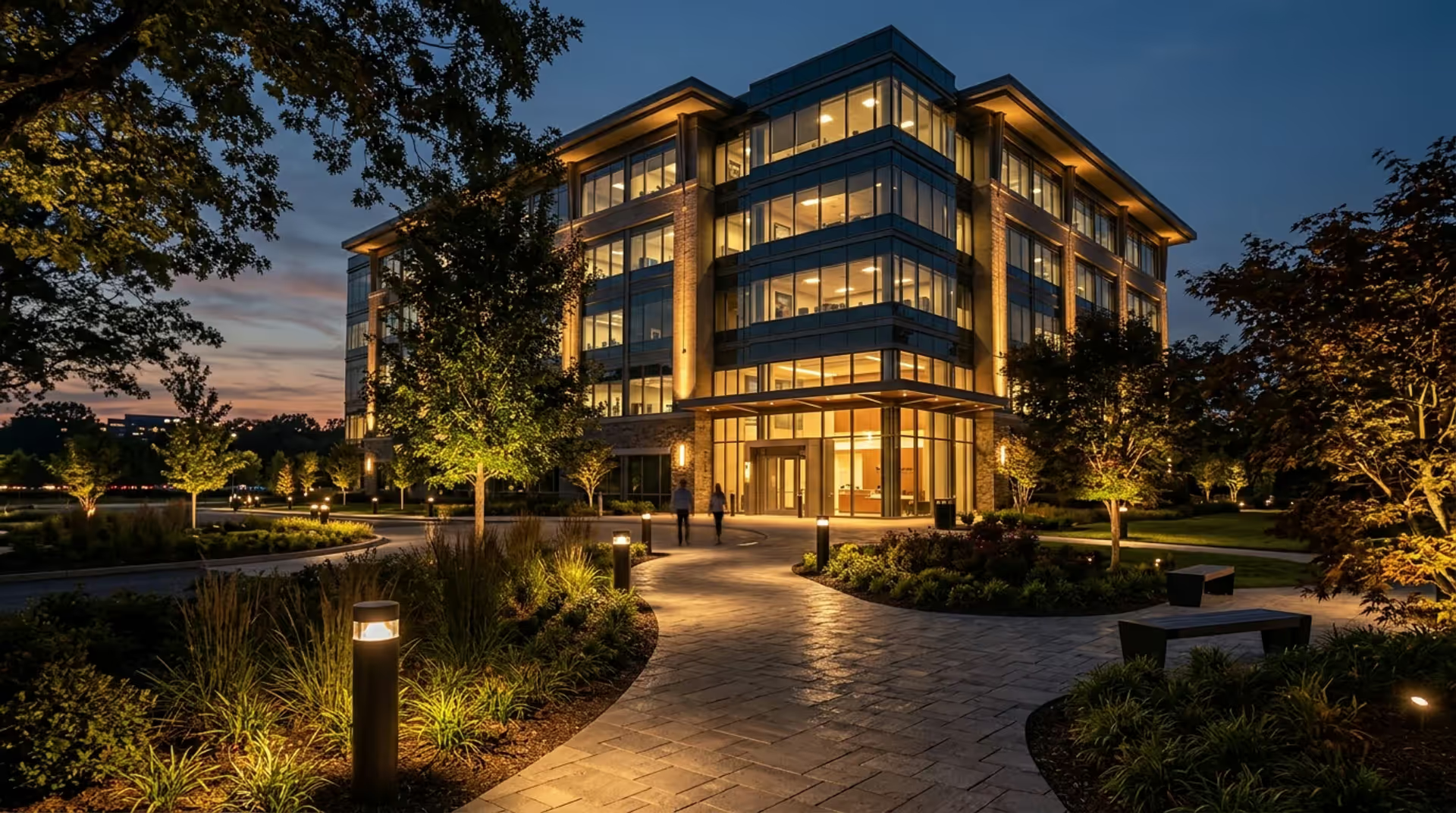
Lighting matters more than you might think. Low-voltage lights hidden among plants create dramatic shadows at night. Tiki torches work for ambiance but need supplementing with functional lighting for safety.
One mistake I see constantly: people cram too many different elements into a small space. Pick a few signature features and let them shine. An exotic garden design works better with restraint.
Author: Liam Ashcroft;
Source: cribbslandscaping.com
Incorporating Water Features and Natural Elements
Water transforms a good polynesian garden into a great one. The sound alone shifts the entire atmosphere.
A tropical garden water feature doesn't need to be elaborate. A simple basin with a small pump and some lava rocks creates a bubbling effect that sounds like a natural spring. Tuck it among plants so you hear it before you see it.
For larger spaces, consider a pond or stream. Keep the shape irregular—no perfect circles or rectangles. Line the edges with lava rock and river stones of varying sizes. Plant moisture-loving species like papyrus, taro, and cannas around the perimeter.
Waterfalls work if you have elevation changes. Even a modest two-foot drop creates soothing sound. Use flat stones to create multiple cascades rather than one big drop. This looks more natural and spreads the sound across a wider area.
Koi ponds fit the aesthetic if you're willing to maintain them. The fish add movement and color. Just know they require filtration, regular feeding, and winter care in cold climates.
Balinese garden design shares some similarities with Polynesian style—both use water extensively and emphasize natural materials. But Balinese gardens tend toward more formal symmetry and incorporate Hindu-Buddhist spiritual elements like statues and temple gates. Polynesian gardens stay looser and more organic.
Driftwood adds sculptural interest without water. Weathered pieces make natural benches or serve as focal points in planting beds. The bleached gray contrasts beautifully with green foliage.
Bamboo works for fencing, edging, and decorative accents. Use thick timber bamboo for structural elements and thinner varieties for screens. Be cautious with running bamboo varieties—they spread aggressively. Clumping types stay contained.
Coral and shells scattered among plants reinforce the coastal island connection. Use them sparingly as accents, not as primary mulch.
Large boulders create anchors in the design. Position them as if they've always been there, partially buried with plants growing around them. Odd numbers (one, three, five) look more natural than even groupings.
Author: Liam Ashcroft;
Source: cribbslandscaping.com
Climate Considerations and Regional Adaptations
Here's the reality: most of us don't live in the tropics. But that doesn't mean you can't create a convincing island paradise.
Warm climates (Zones 9-11) have it easiest. You can grow authentic tropical species year-round. Your main challenges are intense summer heat and occasional cold snaps. Provide afternoon shade for plants that prefer filtered light. Have frost cloth ready for the rare freeze.
Moderate climates (Zones 7-8) require more strategy. Focus on cold-hardy tropicals and tropical-looking plants that tolerate frost. Windmill palms, needle palms, and Musa basjoo bananas survive winters here. Use tender tropicals as annuals or container plants you can move indoors.
The pattern I see most often is people trying to grow plants that are just barely outside their zone. It works for a year or two, then a hard winter kills everything. Better to choose plants rated for one zone colder than yours. They'll thrive instead of just surviving.
Cold climates (Zones 6 and below) can still achieve the look. You'll rely heavily on containers and annual plantings. Elephant ears, cannas, and bananas grow fast enough to look established by midsummer. Bring containers inside before frost, or treat expensive plants as annuals.
Microclimates matter everywhere. A south-facing wall creates a warm pocket that extends your growing range. Courtyards and enclosed areas trap heat. Use these spots for your most tender plants.
Container gardening solves many climate challenges. Large pots with tropical specimens can move to a garage or basement for winter. This lets you grow plants that would never survive in your ground.
Seasonal rotation keeps the garden interesting. Swap out cold-damaged plants in spring. Replace tired summer annuals with fall color. In warm zones, rotate blooming plants to maintain color year-round.
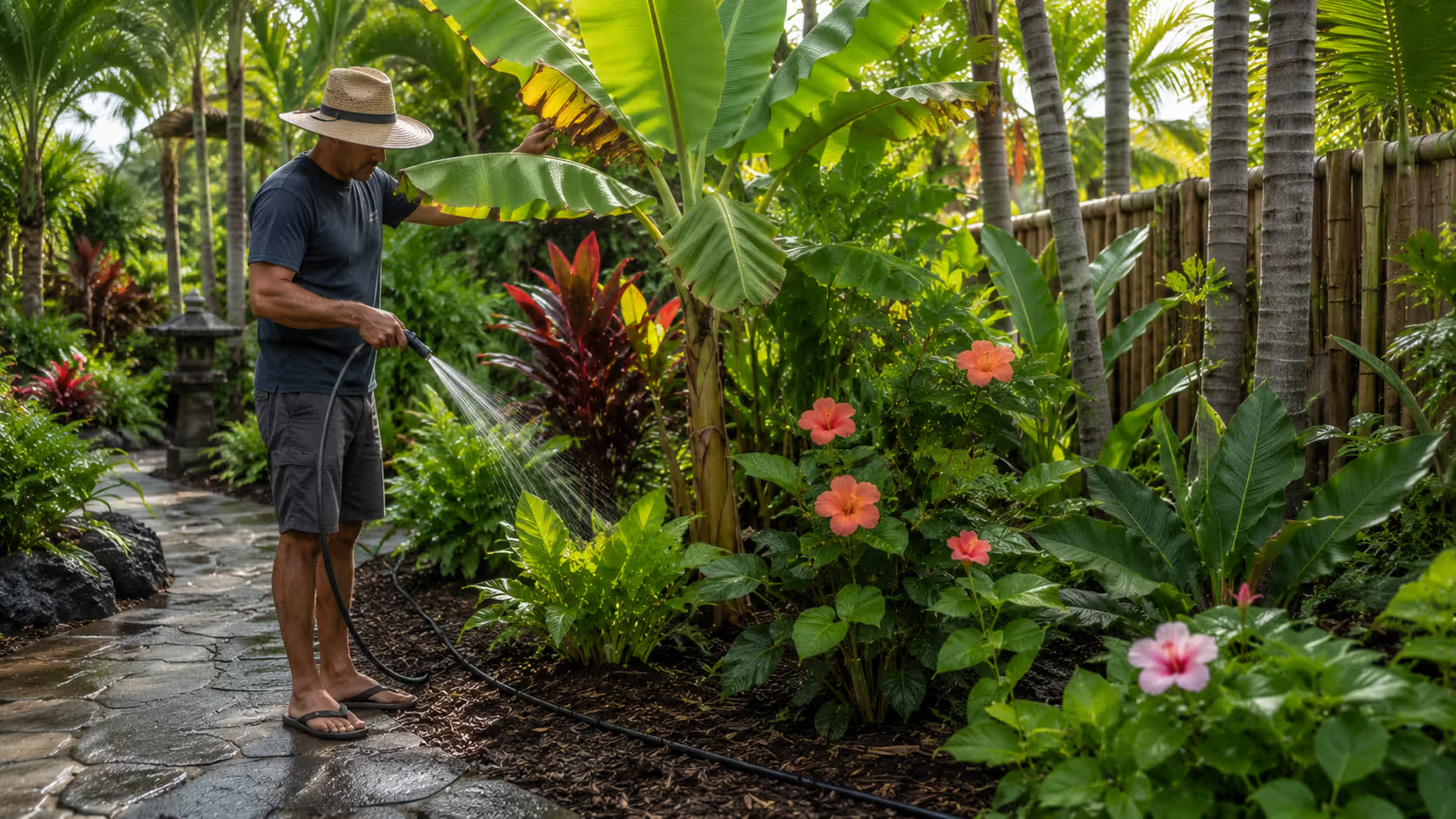
Mulch heavily in all climates. It regulates soil temperature, retains moisture, and suppresses weeds. Use organic mulch that breaks down and enriches the soil—shredded bark, wood chips, or leaf mold work well.
Author: Liam Ashcroft;
Source: cribbslandscaping.com
Maintenance Requirements and Care Tips
Polynesian gardens need regular attention, but they're more forgiving than formal landscapes. The slightly wild look means perfection isn't the goal.
Watering is your biggest ongoing task. Tropical plants need consistent moisture, especially during establishment. Drip irrigation or soaker hoses work better than overhead sprinklers—they deliver water to roots without wasting it on foliage.
Most tropical backyard plants prefer deep, infrequent watering over shallow daily sprinkling. Water until the soil is moist 6-8 inches down, then let it dry slightly before watering again. This encourages deep root growth.
Humidity matters as much as watering. In dry climates, mist plants occasionally or group them closely so they create their own humid microclimate. Mulch helps retain moisture and moderates soil temperature.
Fertilization keeps that lush tropical landscape looking full. Use a balanced, slow-release fertilizer in spring. Supplement with liquid fertilizer during the growing season for heavy feeders like bananas and hibiscus.
Organic options work well—compost, worm castings, and fish emulsion all feed plants while improving soil structure. Tropical plants generally prefer slightly acidic soil, so avoid lime unless a soil test indicates you need it.
Pruning maintains shape without sacrificing the natural look. Remove dead fronds from palms and trim damaged leaves from other plants. Most tropical foliage plants tolerate hard pruning if they get leggy.
Flowering plants need deadheading to encourage more blooms. Hibiscus, plumeria, and ginger benefit from removing spent flowers. But don't obsess over it—some seed heads and fading flowers add to the natural aesthetic.
Pest management in tropical gardens usually involves aphids, scale, and spider mites. Inspect plants regularly and treat problems early. Horticultural oil and insecticidal soap handle most issues without harsh chemicals.
Snails and slugs love the moist conditions. Hand-picking at night works, or use iron phosphate baits that won't harm pets or wildlife.
Winter protection depends on your climate. In borderline zones, protect tender plants with frost cloth when freezes threaten. Mulch heavily around roots of marginally hardy plants. Cut back herbaceous tropicals after frost kills the foliage—they'll return from the roots in spring.
Container plants need moving before temperatures drop below their tolerance. A garage or basement works if you can't bring them into heated space. They'll go dormant but survive until spring.
Author: Liam Ashcroft;
Source: cribbslandscaping.com
Common Mistakes to Avoid
Overcrowding is the number one error. Yes, you want a lush look, but plants need room to grow. Space them according to their mature size, not how they look at planting. Fill gaps with fast-growing annuals until perennials fill in.
Wrong plant choices waste time and money. That coconut palm looks amazing at the nursery, but it'll die in your Zone 7 winter. Research cold tolerance before buying. If a plant is borderline for your zone, assume it won't make it.
Poor drainage kills more tropical plants than cold. Most tropicals need consistent moisture but hate sitting in waterlogged soil. If your yard has clay soil or drainage issues, build raised beds or mounds before planting.
Ignoring scale creates awkward designs. A massive banana plant overwhelms a small courtyard. Tiny bromeliads get lost in a large landscape. Match plant size to your space.
Too many hardscape elements fight with the plants instead of complementing them. You don't need a rock waterfall, a tiki bar, bamboo fencing, and carved posts all in one small yard. Pick a few signature features.
Neglecting cultural context can cross the line from appreciation to appropriation. Polynesian gardens reflect real cultures with deep traditions. Use cultural elements respectfully and educate yourself about their significance. A few authentic touches beat a cartoonish tiki theme park.
Skipping soil preparation sets you up for failure. Tropical plants need rich, well-draining soil with plenty of organic matter. Amend your native soil before planting, or use quality potting mix for containers.
Forgetting about winter in cold climates leads to disappointment. Plan for seasonal changes. Know which plants need protection, which need digging, and which you'll treat as annuals.
Underestimating water needs is common in dry climates. If you're not prepared to irrigate regularly, choose a different garden style. Tropical plants and drought don't mix.
Comparison of Polynesian Garden Plants by Climate Zone
Plant
Zones 7-8
Zone 9
Zones 10-11
Container Option
Cold-Hardy Alternative
Coconut Palm
No
No
Yes
No
Windmill Palm
Banana (Musa)
Dies back, returns
Evergreen
Evergreen
Yes
Musa basjoo
Bird of Paradise
Container only
Yes
Yes
Yes
Canna lily
Hibiscus (tropical)
Annual/container
Evergreen
Evergreen
Yes
Hardy hibiscus
Elephant Ear
Dig tubers
Mulch heavily
Evergreen
Yes
Hosta (similar foliage)
Ti Plant
Container only
Borderline
Yes
Yes
Dracaena
Plumeria
Container only
Yes
Yes
Yes
None (unique)
Ginger
Some varieties
Most varieties
All varieties
Yes
Hardy ginger
Croton
No
Borderline
Yes
Yes
Coleus (similar color)
Bamboo Palm
No
Yes
Yes
Yes
Parlor palm (indoors)
The authenticity of a Polynesian garden doesn't come from using every tropical plant you can find. It comes from understanding how island cultures lived with their landscapes—plants chosen for purpose, natural materials used with respect, and a design that feels like it grew there rather than being imposed on the land.
— Nakamura James
FAQ: Polynesian Garden Questions Answered
Can I create a Polynesian garden in a cold climate?
Yes, but you'll need to adapt your approach. Focus on cold-hardy plants that give a tropical look—hardy bananas, windmill palms, elephant ears, and cannas all work in zones 7-8. Use containers for tender tropicals that you can move indoors for winter. Fast-growing annuals like coleus and caladiums fill in gaps during summer. The key is accepting seasonal changes rather than trying to maintain a year-round tropical look. Hardscape elements like bamboo, lava rock, and water features maintain the aesthetic even when plants go dormant.
How much does it cost to install a Polynesian garden?
Costs vary wildly based on size and scope. A basic transformation of a small backyard (500-800 square feet) runs $3,000-$8,000 including plants, hardscape materials, and a simple water feature. Larger projects with extensive hardscaping, mature specimen plants, and professional installation can exceed $20,000. You can reduce costs significantly by starting small, doing your own labor, and letting plants grow to mature size rather than buying large specimens. Containers and annual plantings cost less upfront but require ongoing replacement.
What is the difference between Polynesian and Balinese garden styles?
Both emphasize lush tropical plants and natural materials, but they diverge in philosophy and execution. Polynesian gardens favor organic, asymmetrical layouts that mimic natural island landscapes. They incorporate cultural elements like tiki carvings and use native Pacific plants. Balinese gardens show more Hindu-Buddhist influence with symmetrical layouts, stone statues, temple gates, and formal water features. Balinese design includes more structured hardscaping while Polynesian style lets plants dominate. Both are beautiful, but they reflect different cultural traditions and aesthetic priorities.
Do Polynesian gardens require a lot of water?
They need consistent moisture, especially during establishment and hot weather. Most tropical plants prefer evenly moist soil and suffer in drought conditions. However, you can manage water use with smart strategies. Drip irrigation delivers water efficiently. Thick mulch reduces evaporation. Grouping plants with similar water needs prevents waste. In dry climates, focus on more drought-tolerant tropical-looking plants like agave, yucca, and certain palms. The water feature itself uses less than you'd think—recirculating pumps reuse the same water with minimal evaporation loss.
What are the best low-maintenance plants for a tropical look?
Cast iron plant (Aspidistra) lives up to its name, tolerating neglect, shade, and cold. Sago palm isn't technically a palm but looks tropical and needs minimal care once established. Liriope and mondo grass provide evergreen ground cover with almost no maintenance. Hardy ginger varieties return year after year without fussing. Fatsia japonica gives you large tropical-looking leaves with minimal water needs. In warm zones, bromeliads and agaves deliver exotic looks without constant attention. The trick is choosing plants adapted to your specific climate—they'll thrive with minimal input.
How do I prevent my Polynesian garden from looking overgrown?
Set boundaries for spreading plants from the start. Use root barriers for aggressive species like bamboo. Prune regularly but selectively—remove dead growth and shape plants without destroying the natural form. Create clear pathways that define circulation even when plants spill over edges. Use hardscape elements like rocks and wood to anchor the design and provide structure. Accept that some wildness is part of the aesthetic, but distinguish between "lush" and "neglected" by maintaining clean edges where the garden meets lawn or hardscape. A slightly overgrown look is intentional; an actual overgrown mess is just poor maintenance.
A polynesian garden offers more than just exotic plants and decorative elements. It creates a space that shifts your mental state the moment you step into it. The sound of water, the shade of broad leaves, the scent of plumeria—these sensory experiences transport you somewhere else.
You don't need a massive yard or unlimited budget. Start with a single area and build from there. Maybe it's a corner with a few palms and a water feature. Or a container collection on a patio. The garden will evolve as you learn which plants thrive in your conditions and which design elements resonate with you.
The best part? Polynesian gardens improve with age. As plants mature and fill in, that cultivated-but-wild look becomes more convincing. Hardscape materials weather and develop patina. The garden starts to feel like it's always been there.
So pick up a shovel and some lava rock. Plant that banana you've been eyeing. Add a simple fountain. Your backyard island paradise is closer than you think.
Learn professional commercial landscape lighting design principles that transform properties into 24-hour assets. Explore lighting techniques, fixture types, voltage systems, and the layered approach that creates safe, visually compelling outdoor spaces.
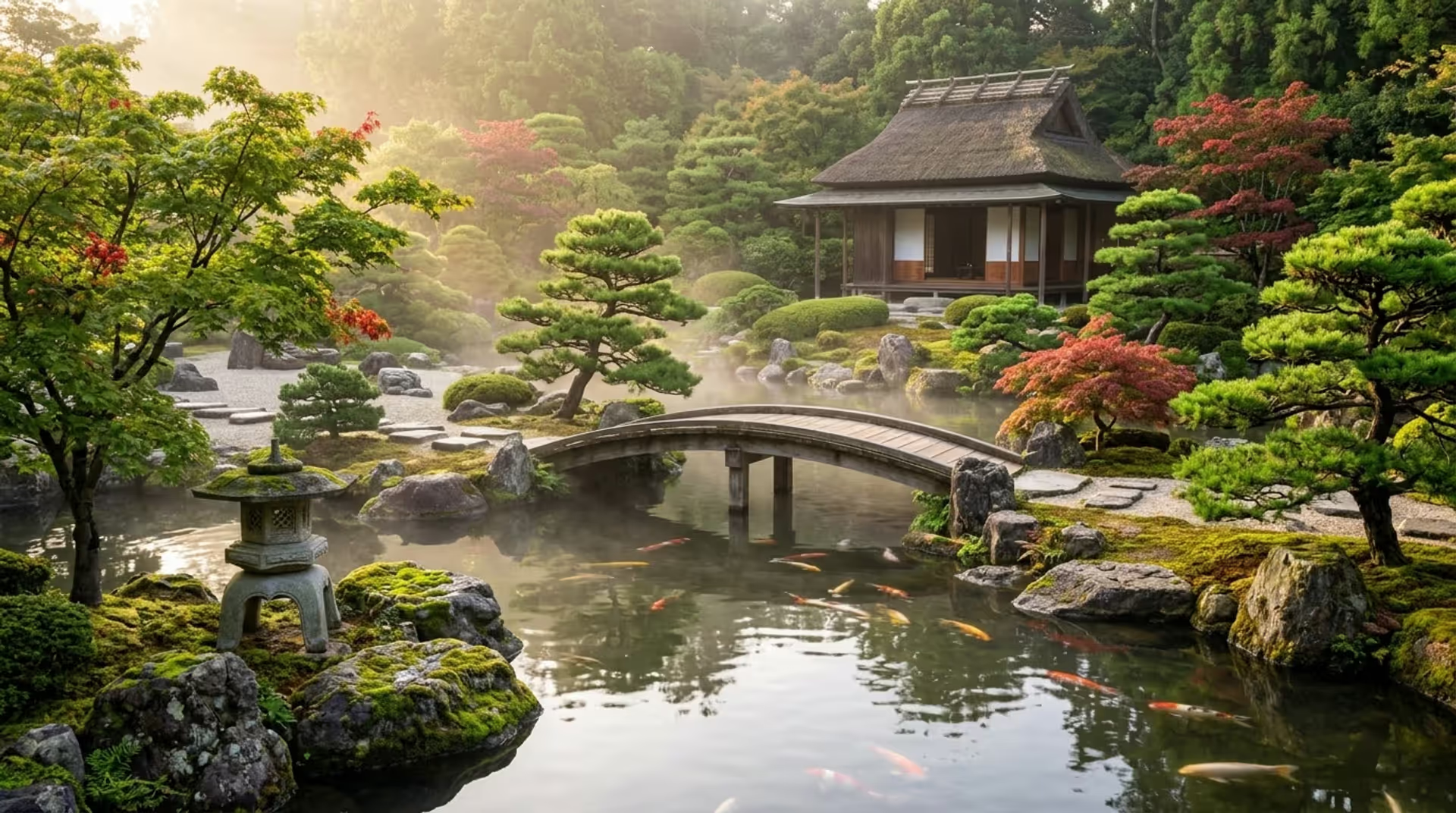
Japanese gardens aren't just pretty landscapes—they're philosophical statements in stone, water, and green. Each type serves a distinct purpose, from meditation to ceremony. Learn about karesansui zen gardens, stroll gardens, tea gardens, and specialized styles to find the right fit for your space.
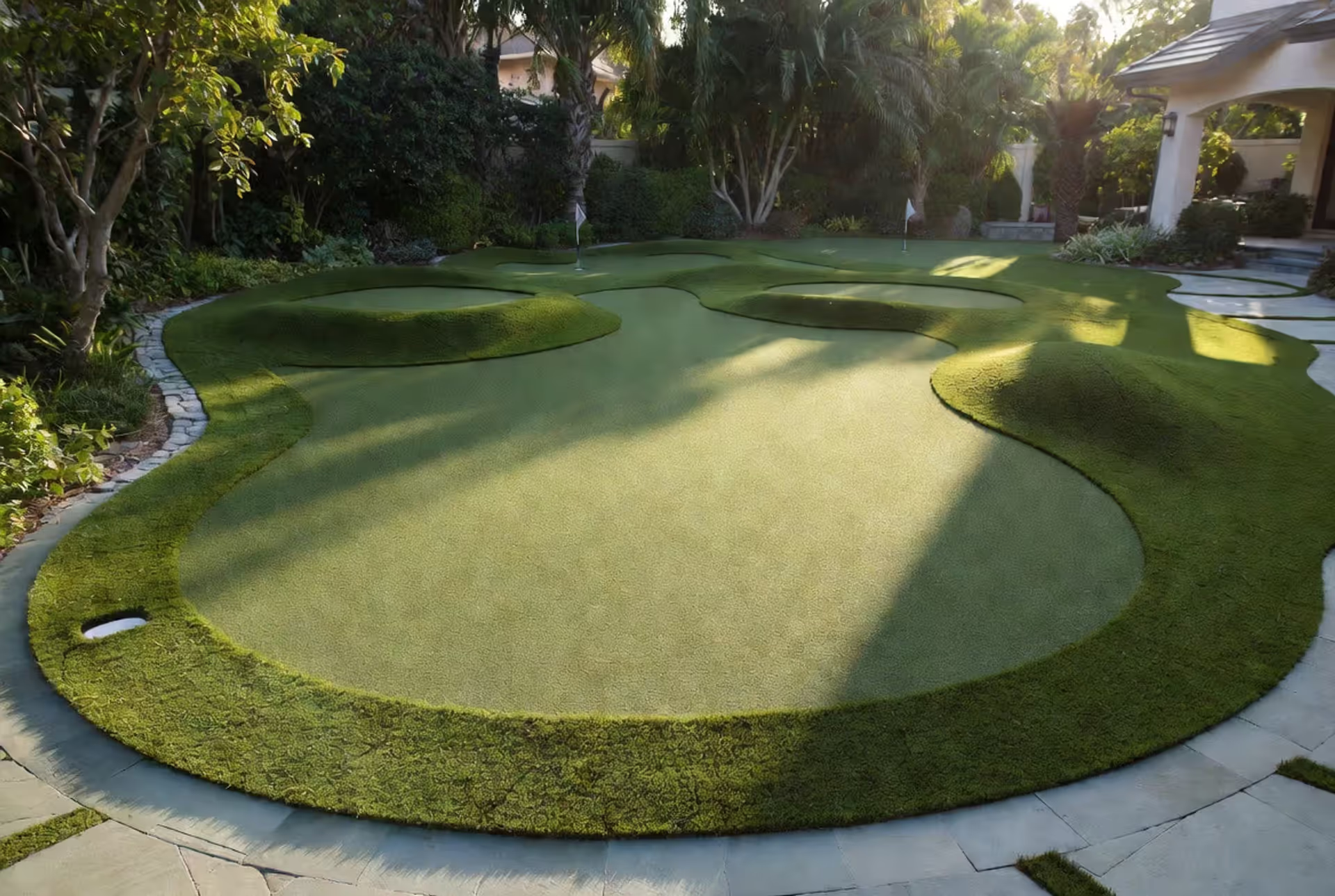
Artificial turf transforms backyards with low-maintenance green space year-round. Discover design ideas combining turf with pavers and concrete, layout strategies for any yard size, putting green installation tips, and cost comparisons to create your ideal outdoor space.
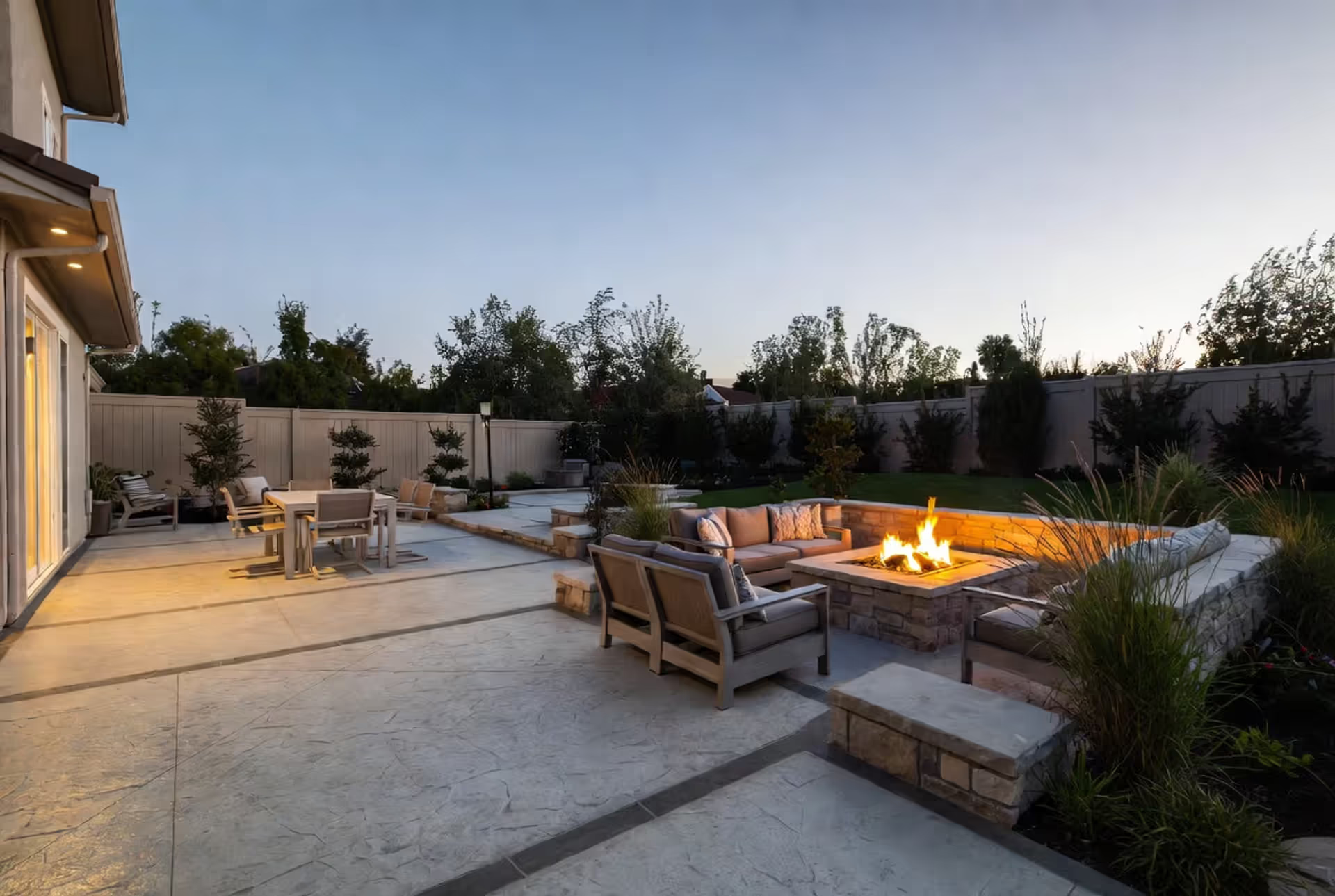
Transform your outdoor space with versatile concrete solutions. From stamped patterns to polished finishes, learn which concrete backyard design works best for your climate, budget, and style. Includes cost comparisons, maintenance schedules, and expert installation tips.
The content on this website is provided for general informational and educational purposes only. It is intended to explain concepts related to landscape design, outdoor spaces, plants, irrigation, hardscape and softscape, and sustainable landscaping.
All information on this website, including articles, guides, and examples, is presented for general educational purposes. Outcomes may vary depending on local climate, soil, plant selection, and project implementation.
This website does not provide professional design, construction, or horticultural advice, and the information presented should not be used as a substitute for consultation with qualified landscape architects, contractors, or horticulturists.
The website and its authors are not responsible for any errors or omissions, or for any outcomes resulting from decisions made based on the information provided on this website.