Want to add shade and beauty to your yard? A well-placed tree does wonders. Pick the wrong one, though, and you're looking at cracked foundations, backed-up sewer lines, and buckled driveways down the road. The repair bills can hit $10,000 or more.
Certain trees spread their roots aggressively, searching for moisture and space. They don't care that your foundation or underground pipes are in the way. The tricky part? Damage accumulates over years, staying invisible until suddenly it's not.
Understanding which species cause the most problems—and which ones won't wreck your property—protects your wallet and your sanity. Here's everything you need to know before planting that next tree.
Why Tree Roots Cause Property Damage
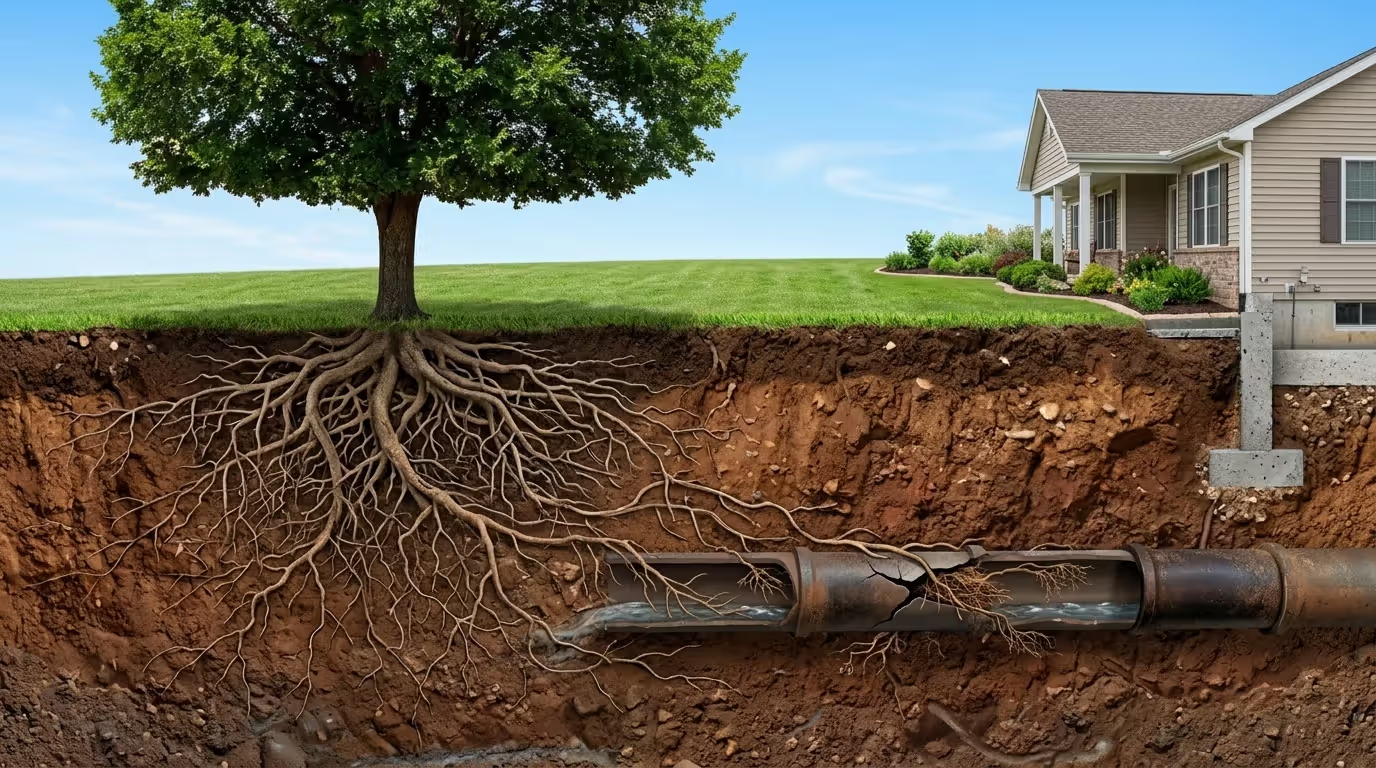
Roots aren't trying to destroy your house. They're hunting for what keeps them alive: water, oxygen, and nutrients. Unfortunately, that search often leads straight to your foundation, plumbing, and irrigation systems.
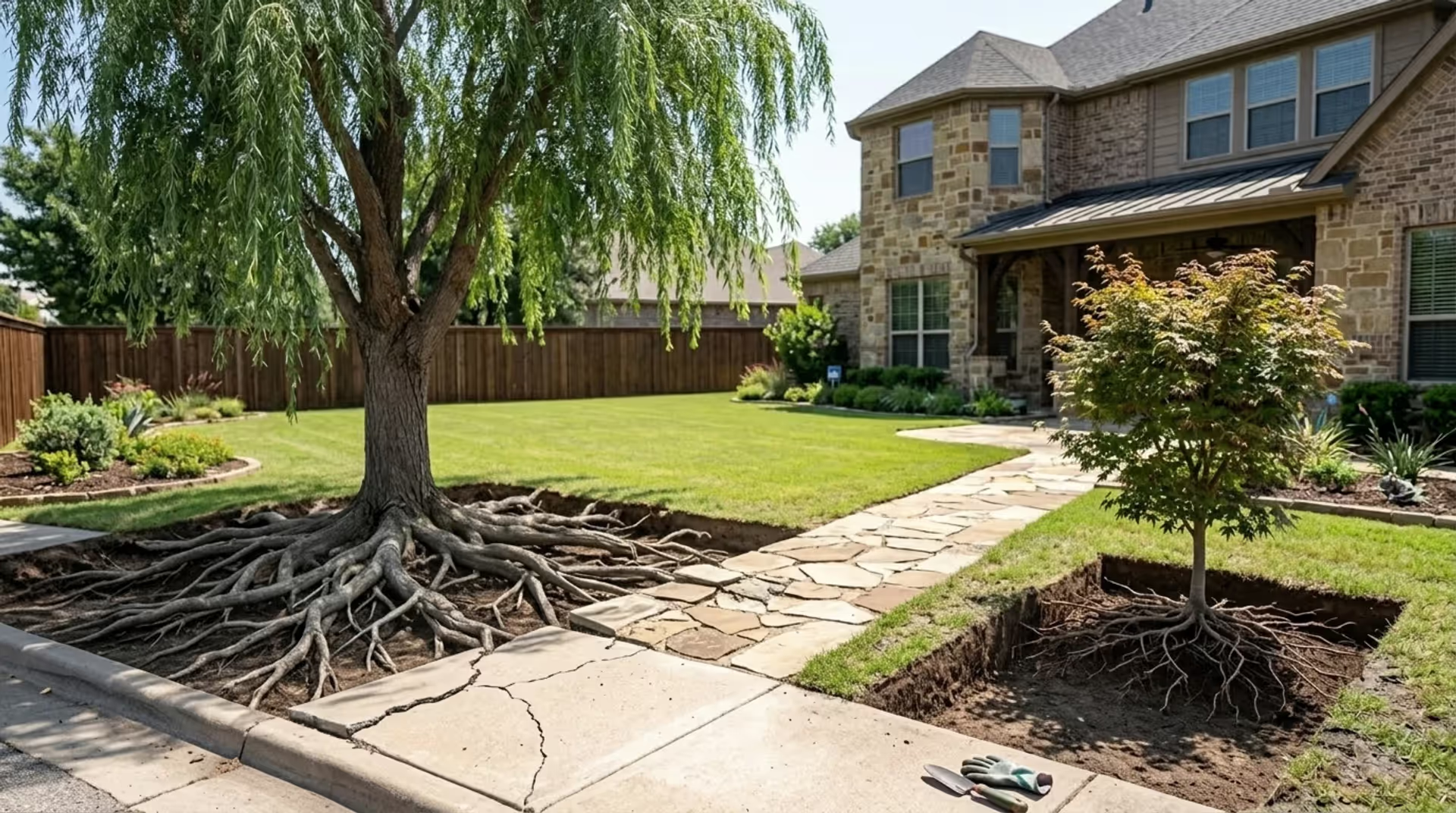
People assume roots mirror the tree's canopy shape. Wrong. Roots grow outward and stay relatively shallow. They typically spread two to three times wider than the branches above, and most stay within the top 18-24 inches of soil—that's where they find oxygen and moisture most easily.
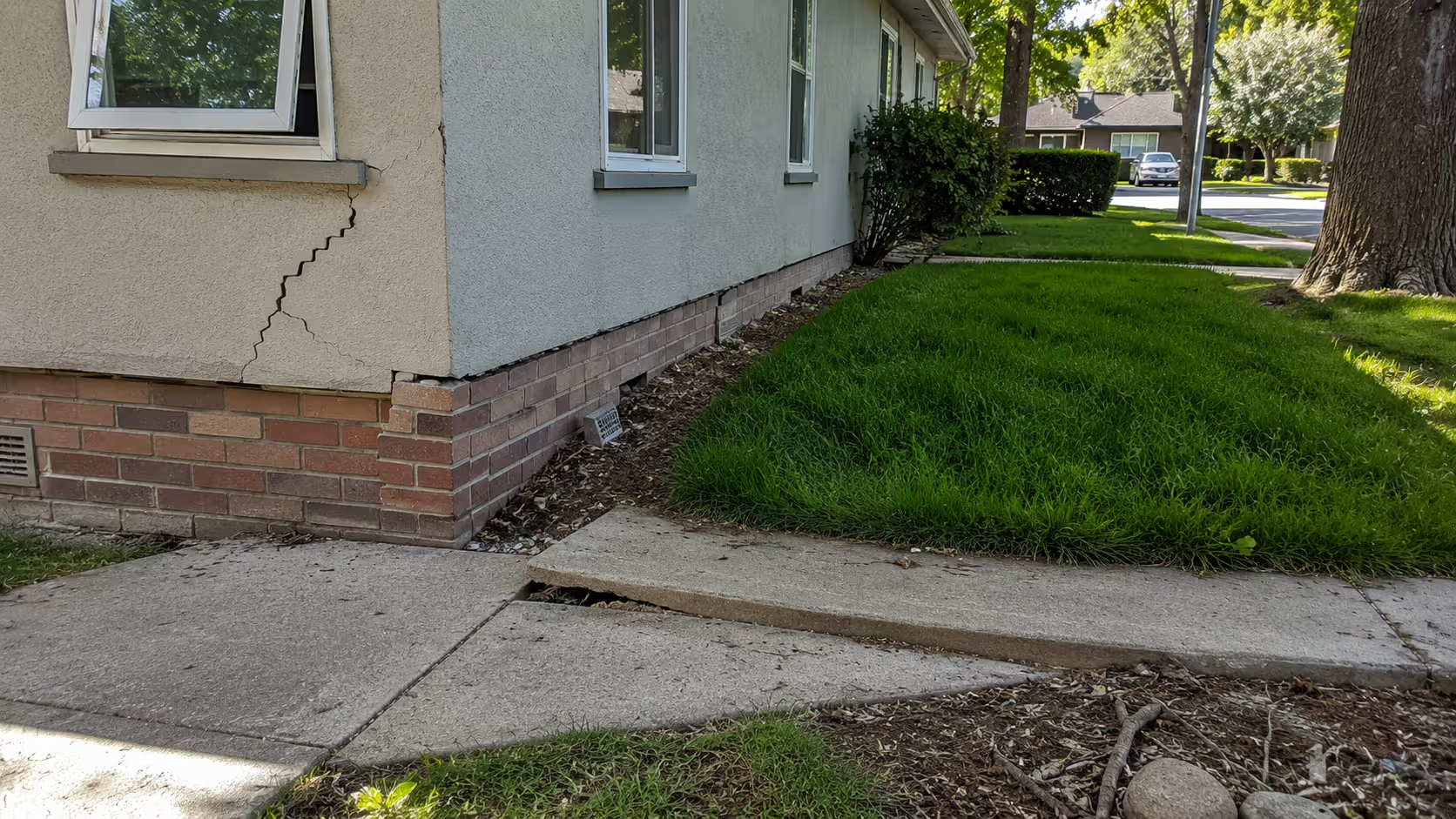
Tree roots damaging foundation problems show up two ways. Large roots expand over time, pressing against foundation walls with incredible force—we're talking thousands of pounds of pressure. But here's the sneakier issue: in clay-heavy soil, roots pull so much water from the ground that the earth actually shrinks. That shrinkage shifts your foundation, creating cracks and settlement. I've seen entire corners of houses drop two inches because of this.
Tree roots in pipes work differently. Roots can't bust through solid, intact pipes. What they do is find the weak spots—hairline cracks, loose joints where sections connect, tiny gaps in older systems. Once they're inside, they multiply like crazy, forming dense tangles that catch toilet paper, grease, and everything else flowing through. Clay pipes and old concrete lines from the 1960s and 70s? Those are root magnets.
The classic mistake goes like this: someone plants a cute three-foot sapling ten feet from their house. Fast forward twelve years, and that innocent-looking tree has roots under the foundation and through the sewer line. By then, you're choosing between a beloved tree and a $15,000 foundation repair.
Author: Olivia Maren;
Source: cribbslandscaping.com
Most Common Trees with Invasive Root Systems
Most trees behave themselves. But some species have earned their troublemaker reputation through decades of property damage across America.
Fast-Growing Trees That Spread Aggressively
Fast growing invasive trees all share one trait: they establish massive root networks quickly to fuel their rapid vertical growth. That speed creates problems for anything nearby.
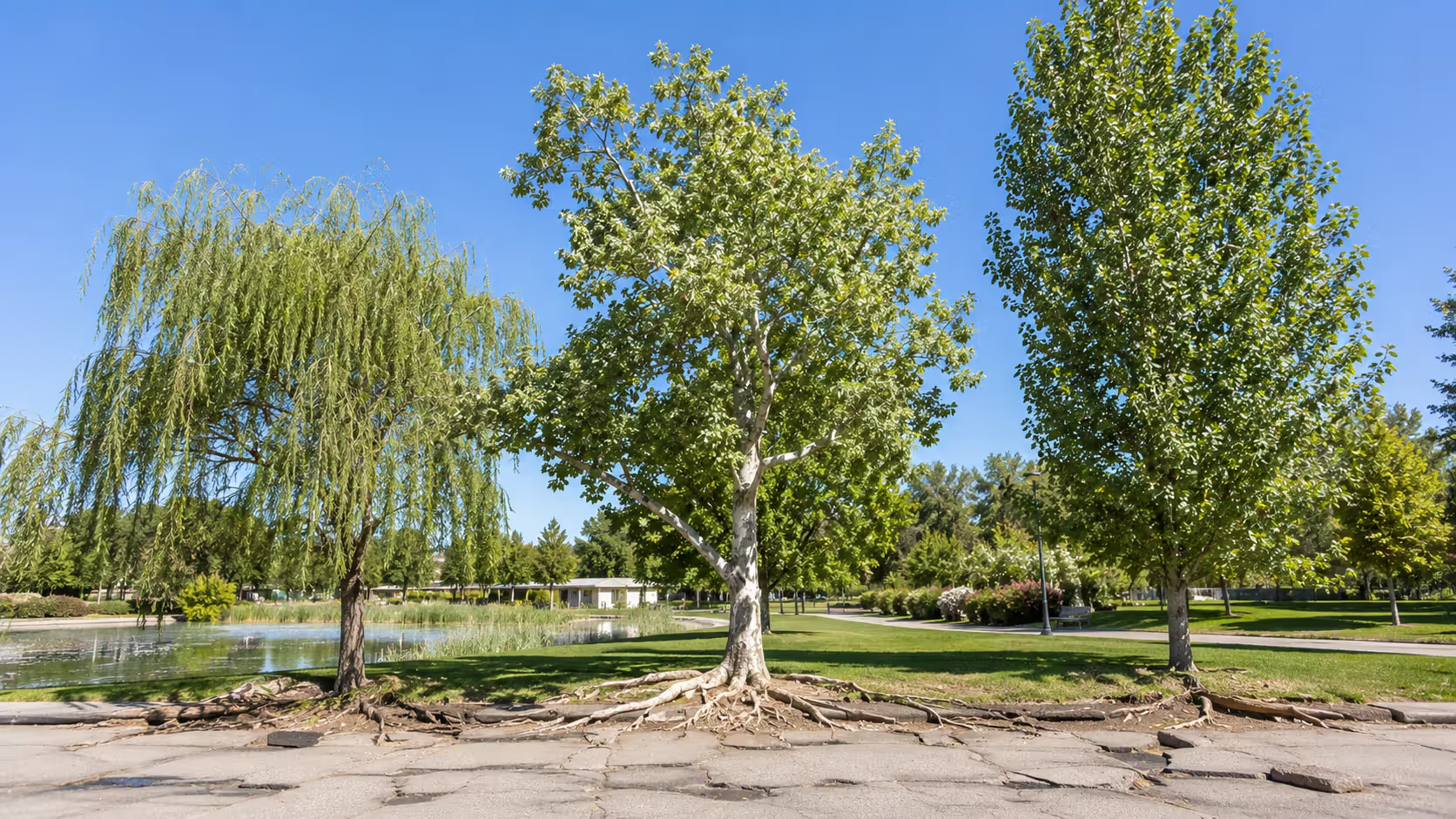
Weeping Willow deserves its spot at the top of any invasive tree roots list. These moisture-loving giants can send roots 50 to 100 feet from the trunk. They'll find your sewer line from across the yard and work their way inside. Gorgeous by a pond? Absolutely. Anywhere near a house? Recipe for disaster.
Silver Maple grows fast and costs little at the nursery, which explains why housing developers plant them everywhere. Homeowners spend the next twenty years regretting it. The roots heave sidewalks, crack driveways, pop up through lawns, and infiltrate water lines. As a bonus, the brittle wood drops branches during every windstorm.
Poplar and Cottonwood varieties spread through aggressive suckering—plant one tree, end up with twenty. Their roots travel horizontally for 100 feet or more, sending up new shoots and damaging foundations, pipes, and pavement along the way. They're also messy, dropping cotton-like seeds that blanket everything in spring.
Eucalyptus (common in California and the Southwest) combines explosive growth with water-seeking roots. During droughts, they'll extract every drop of moisture from the soil around your foundation, causing serious settlement and cracking issues.
Author: Olivia Maren;
Source: cribbslandscaping.com
Shallow-Rooted Species That Threaten Foundations
Shallow rooted trees pack most of their root mass into the top foot of soil. That makes them particularly dangerous for foundations, sidewalks, patios, and driveways.
Oak trees seem like safe, traditional choices. Some varieties are fine. But many oak species develop extensive surface root systems that lift concrete and push against foundations. Here's the kicker: oak roots keep growing even after you cut the tree down unless you treat the stump.
Ash trees create surface root networks that buckle asphalt and concrete with ease. The emerald ash borer beetle has killed tens of millions of ash trees across the eastern US since 2002, but plenty of mature specimens remain—still causing root problems.
Elm trees used to line American streets until Dutch elm disease wiped out most of them in the mid-1900s. The survivors often have aggressive roots concentrated in the top twelve inches of soil, making them sidewalk destroyers.
Fig trees (popular in zones 7-10) develop shallow, spreading root systems that crack foundations and damage underground utilities. In Mediterranean climates, they're infamous for breaking through concrete and asphalt.
Sycamore and Sweetgum both spread aggressive surface roots that dominate shallow soil. Sweetgums add the extra annoyance of dropping spiky seed balls that make barefoot lawn walking impossible.
How to Identify Root Damage Before It's Too Late
Spotting root damage early means fixing a $500 problem instead of a $15,000 catastrophe. Here's what to look for around your property.
Foundation warning signs include:
Vertical cracks exceeding 1/4 inch width, especially near corners or windows
Doors that suddenly stick or won't latch properly
Windows that won't open smoothly or close completely
Gaps appearing between walls and ceilings or floors
Interior drywall cracks that grow over time
Floors that slope or feel uneven when walking
These symptoms develop gradually. Most people write them off as normal house settling. But when you've got mature trees within 20 feet of your foundation, roots are probably the culprit—especially in clay soil regions like Texas, Oklahoma, and the Southeast.
Sewer line symptoms are usually more obvious:
Multiple drains running slow throughout the house simultaneously
Gurgling noises from toilets when you run water elsewhere
Sewage backing up into tubs or floor drains
Foul sewage odors near drains or in the yard
Unusually lush, dark green grass patches above the sewer line (leaked nutrients feeding the grass)
Sinkholes or depressions forming in the yard
A professional camera inspection of your sewer line runs $200-400 and shows exactly what's happening inside those pipes. Money well spent if you suspect root intrusion.
Hardscape damage is impossible to miss. Lifted sidewalk sections, cracked driveway pavement, and buckled patio stones don't lie. When you see these problems near large trees, roots are the cause—not freeze-thaw cycles or poor installation.
Don't wait for complete failure. Annual inspections of vulnerable areas catch problems while they're still manageable and relatively cheap to fix.
Author: Olivia Maren;
Source: cribbslandscaping.com
Safe Planting Distances and Root Barriers
The easiest solution? Plant trees far enough away that roots can't reach vulnerable structures. But smaller yards don't always make that possible.
Minimum safe distances depend on how big the tree gets:
Small trees (mature height under 30 feet): keep 8-10 feet from your foundation
Medium trees (30-50 feet tall at maturity): maintain 15-20 feet from your foundation
Large trees (over 50 feet mature height): plant 20-30+ feet from your foundation
Those are minimums for well-behaved species. If you're planting willows, poplars, or other aggressive varieties, double those distances. For sewer lines and septic systems, keep small trees at least 10 feet away and large species 20+ feet away.
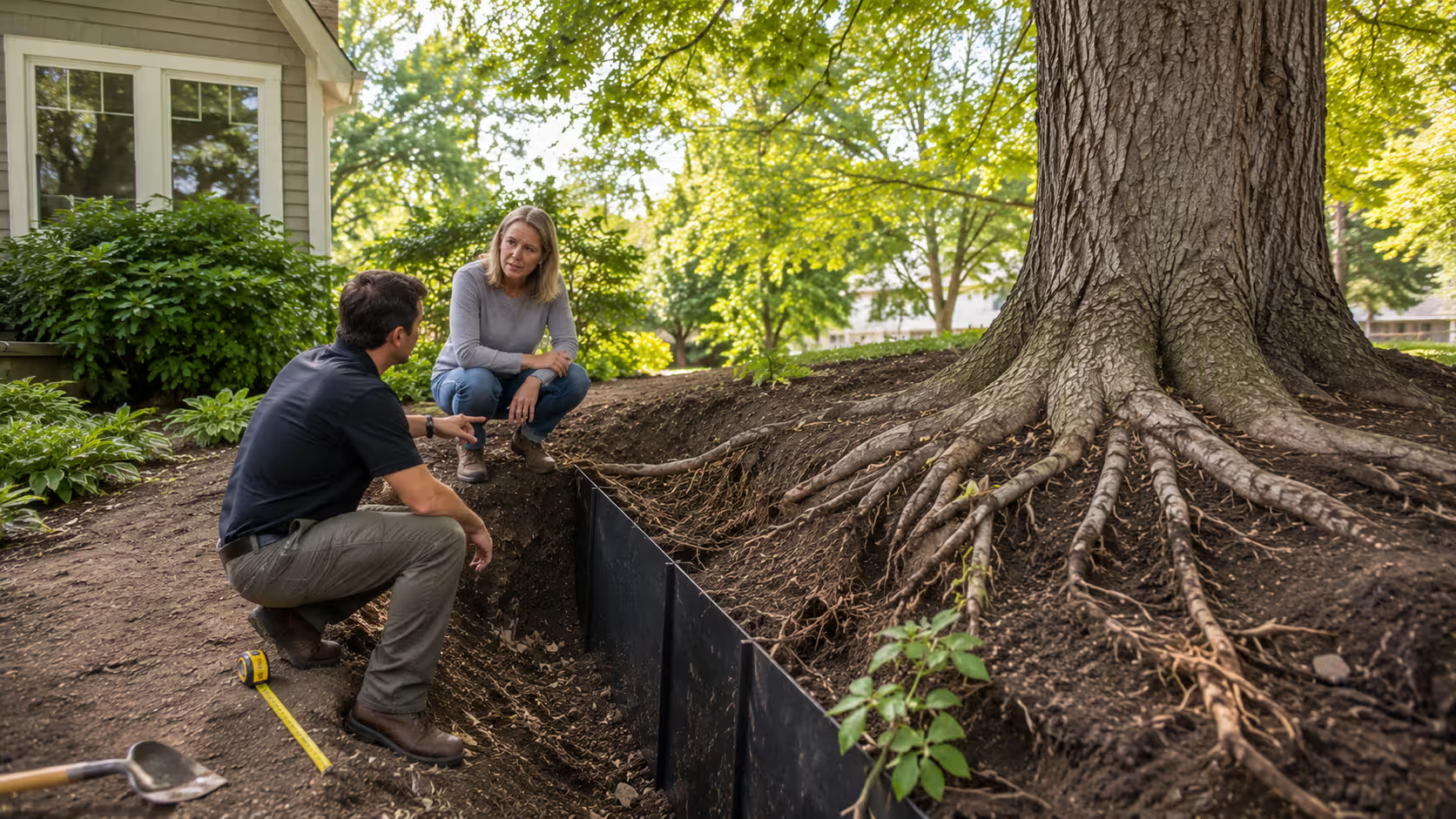
Root barrier for trees installations can protect specific areas without requiring excessive planting distances. These barriers are vertical panels—typically 24-36 inches deep—made from high-density polyethylene or similar rigid materials.
Barriers redirect roots downward and away from structures. They don't stop growth; they channel it. For best results:
Install barriers when planting, not years later
Extend them at least 1.5 times the tree's expected mature canopy radius
Leave the far side open so roots can spread away from structures
Buy commercial-grade products, not cheap landscape fabric or thin plastic sheeting
Overlap panel edges by 6-12 inches to prevent root penetration
Root barriers aren't foolproof. Determined roots sometimes dive under them or find gaps. But properly installed barriers reduce risk dramatically.
Here's my take: if you're debating between a tree that needs barriers and one that doesn't, just pick the safer species. Simpler usually wins.
Trees Safe to Plant Near Your Foundation
You don't need to avoid trees completely. Plenty of species deliver beauty, shade, and fall color without threatening your property.
Deep rooted trees send their main roots downward instead of spreading shallow networks. These are your friends:
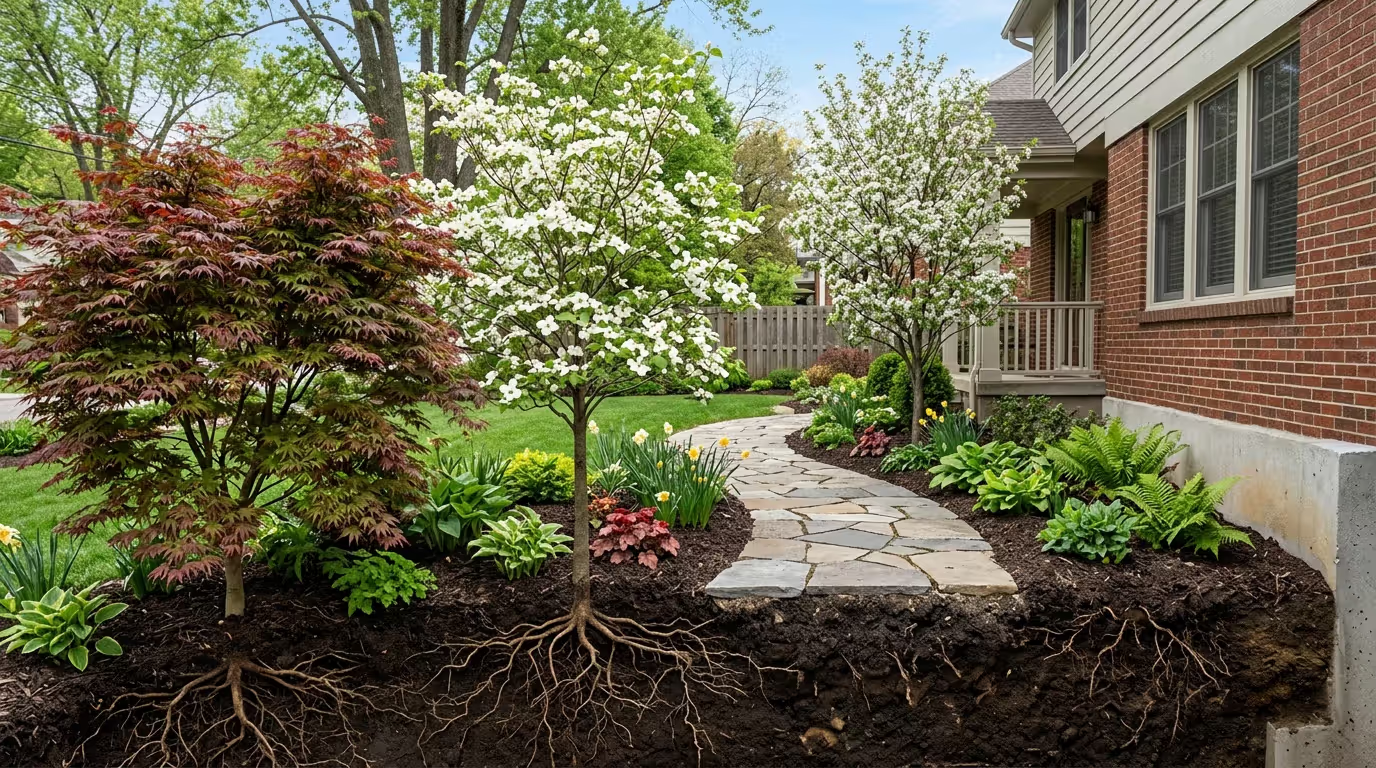
Japanese Maple stays compact at 15-25 feet tall with well-mannered roots. Dozens of cultivars offer different leaf colors (red, purple, green) and forms (upright, weeping, spreading). Perfect for small properties.
Dogwood varieties (both native flowering dogwood and Asian kousa dogwood) mature at 20-30 feet with non-aggressive roots. You get spring flowers, attractive bark, and fall color without any foundation risk.
Crabapple trees offer stunning spring blooms and stay compact at 15-25 feet. Modern disease-resistant varieties like 'Prairifire' and 'Royal Raindrops' require minimal maintenance. Roots stay put.
American Holly works well as a screening tree or specimen. It's evergreen, grows slowly to 15-30 feet, and has a controlled, deep root system. Birds love the berries too.
Serviceberry (Amelanchier) combines spring flowers, edible summer berries, and brilliant fall color in a tidy 15-25 foot package. Roots cause zero problems, and it's native to most of North America.
For best trees for small yards, consider these options:
Paperbark Maple maxes out around 20-30 feet with stunning cinnamon-colored exfoliating bark. Roots stay deep and contained. It's drought-tolerant once established and handles urban conditions well.
Crape Myrtle (zones 7-10) offers summer flowers in pink, red, white, or purple, plus attractive peeling bark. Varieties range from three-foot shrubs to 30-foot trees. Roots are well-behaved across all sizes.
Eastern Redbud grows 20-30 feet tall with heart-shaped leaves and pink spring flowers before the leaves emerge. Roots stay deep and won't threaten nearby structures.
Magnolia (smaller varieties like 'Little Gem' or 'Teddy Bear') provide evergreen foliage and fragrant white blooms without aggressive roots. They tolerate partial shade and work well as foundation plantings.
Author: Olivia Maren;
Source: cribbslandscaping.com
Here's how common trees compare in terms of root behavior and planting requirements:
Tree Species
Root System Type
Height at Maturity
Minimum Foundation Distance
Works in Small Yards
Weeping Willow
Invasive/Shallow
40-50 ft
50+ ft
No
Silver Maple
Invasive/Shallow
50-80 ft
30+ ft
No
Poplar
Invasive
40-80 ft
40+ ft
No
Red Oak
Shallow
60-75 ft
25+ ft
No
Ash
Shallow
50-80 ft
25+ ft
No
Japanese Maple
Deep/Contained
15-25 ft
8-10 ft
Yes
Dogwood
Deep/Contained
20-30 ft
10-15 ft
Yes
Crabapple
Deep/Contained
15-25 ft
8-10 ft
Yes
Serviceberry
Deep/Contained
15-25 ft
8-10 ft
Yes
Crape Myrtle
Deep/Contained
10-30 ft
10-15 ft
Yes
Eastern Redbud
Deep/Contained
20-30 ft
10-15 ft
Yes
American Holly
Deep/Contained
15-30 ft
10-15 ft
Yes
What to Do If You Already Have Problem Trees
Let's say you've got a mature silver maple planted ten feet from your foundation. What are your options now?
Removal is the permanent fix. Expect to pay $500-2,000 for a medium-sized tree, significantly more for large specimens or difficult access situations. But removal eliminates future damage and may be required if roots have already compromised your foundation or sewer line.
Get at least three quotes from different companies. Verify each carries proper liability insurance and workers' compensation coverage. Ask whether stump grinding is included in the price (it should be, or those roots will keep growing and sprouting).
Root pruning can buy you time but isn't a permanent solution. An arborist can cut roots threatening specific structures, but this stresses the tree significantly and may make it unstable in windstorms. Never remove more than 20-25% of a tree's root system in a single year. And remember: roots grow back.
Author: Olivia Maren;
Source: cribbslandscaping.com
Management strategies for trees you want to keep:
Install root barriers between the tree and threatened structures (better late than never)
Maintain consistent soil moisture with irrigation to prevent foundation settlement
Schedule regular sewer line inspections and cleanings (annually for high-risk trees)
Reduce the tree's canopy size to decrease water demands on the root system
Monitor for signs of instability if roots have been pruned
Professional assessment matters more than anything else here. A certified arborist can evaluate whether your tree poses genuine risk or if you're worrying unnecessarily. They'll consider species, age, soil type, distance from structures, and any existing damage before recommending action.
Don't hire a tree removal company for assessment advice—they profit from removal recommendations. Find an ISA-certified arborist who charges for consultation separately from any removal or maintenance work.
The biggest mistake homeowners make is planting based on what looks good at the nursery, not what that tree will become in twenty years. A five-foot sapling doesn't look threatening next to your house, but when it's forty feet tall with roots spreading sixty feet in every direction, the damage is already done. Choose the right tree for the location from day one, and you'll never face that choice between a beloved tree and a cracked foundation.
— Thompson Michael
Frequently Asked Questions About Tree Roots and Property Damage
How close to a house can you safely plant a tree?
Minimum safe distance depends on the tree's mature size. Small trees (under 30 feet) need 8-10 feet clearance. Medium trees (30-50 feet) require 15-20 feet. Large trees (over 50 feet) should be planted 20-30+ feet away. For aggressive species like willows or poplars, double these distances. Consider the tree's root characteristics as much as its height—shallow-rooted species need more space than deep-rooted varieties.
Can tree roots really crack a foundation?
Yes, but probably not how you think. Roots rarely crack solid, intact foundations through direct pressure alone. The more common scenario involves roots extracting moisture from clay soil, causing the ground to shrink and shift. That soil movement cracks foundations. In some cases, large roots do exert enough pressure over years to damage foundation walls, particularly older foundations with existing weaknesses. The risk increases significantly with aggressive species planted too close.
How do I know if tree roots are in my sewer line?
Watch for these telltale signs: multiple slow drains throughout the house, gurgling sounds from toilets when using other fixtures, sewage backups, foul odors near drains, and unusually lush grass patches above the sewer line. The only way to know for certain is a professional camera inspection, which costs $200-400. If you have large trees near your sewer line and the line is older than 30 years, inspection is worth the investment.
What is the most invasive tree root system?
Weeping willow takes the crown for most invasive roots in residential settings. Their roots can travel 50-100 feet from the trunk, actively seeking water sources. Silver maple and poplar species tie for second place, with aggressive surface roots that damage foundations, sidewalks, and underground utilities. In warmer climates, eucalyptus and fig trees cause extensive damage. The common thread? Fast growth rates and shallow, spreading root systems.
Do root barriers actually work?
Yes, when installed correctly. Root barriers redirect roots downward and away from structures rather than stopping growth entirely. They work best when installed at planting time, extended to 1.5 times the mature canopy radius, and made from commercial-grade materials. Cheap barriers or improper installation reduces effectiveness. Barriers aren't foolproof—some determined roots grow under or around them—but they significantly reduce risk for moderately aggressive species. For truly invasive trees, barriers provide only partial protection.
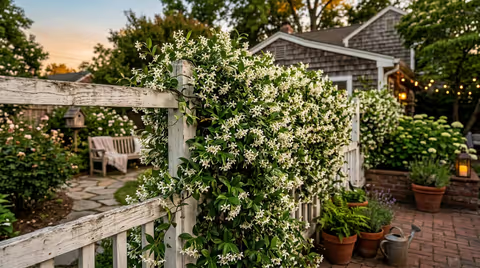
Star jasmine creates fragrant, evergreen coverage but grows vigorously. This guide explains whether it's truly invasive, how fast it spreads, control strategies, and complete care instructions for US gardeners in zones 8-11.
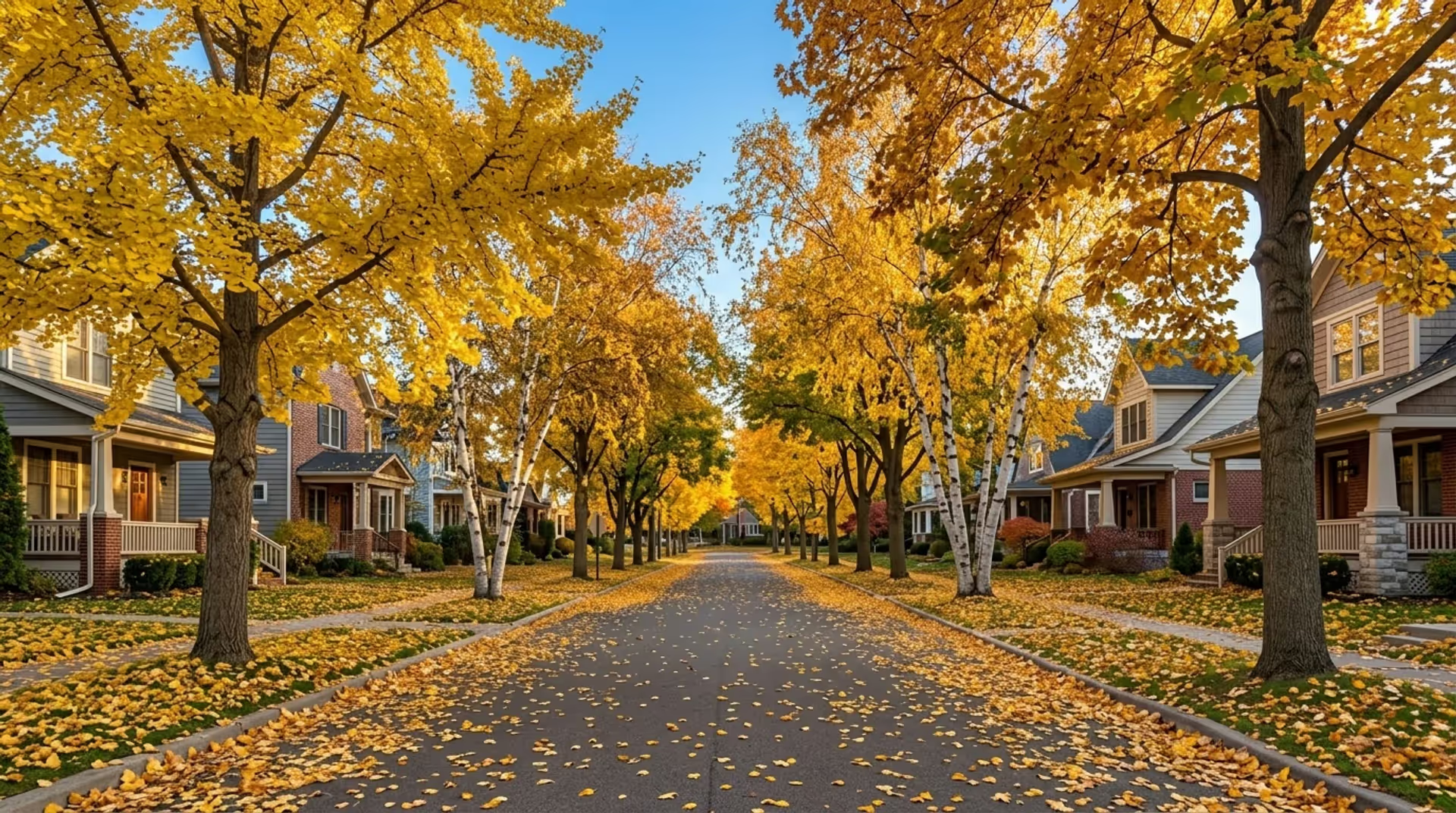
You've probably noticed entire hillsides glowing gold during autumn walks. Yellow fall foliage creates stunning displays, but not every tree joins the show. Learn which species reliably turn brilliant yellow year after year, the science behind the color change, and how to choose the perfect yellow fall tree for your landscape.
Learn which plants thrive in bioswales and drainage areas. This comprehensive guide covers native species by region, moisture-tolerant options, planting zones, design principles, and common mistakes to avoid when creating functional rain gardens and bioswales.
Lonicera plants offer more than sweet-smelling vines. This guide covers climbing, shrub, and ground cover varieties, plus care tips for hedges, wildlife gardens, and responsible planting. Learn which honeysuckles attract hummingbirds and which to avoid for ecological reasons.
The content on this website is provided for general informational and educational purposes only. It is intended to explain concepts related to landscape design, outdoor spaces, plants, irrigation, hardscape and softscape, and sustainable landscaping.
All information on this website, including articles, guides, and examples, is presented for general educational purposes. Outcomes may vary depending on local climate, soil, plant selection, and project implementation.
This website does not provide professional design, construction, or horticultural advice, and the information presented should not be used as a substitute for consultation with qualified landscape architects, contractors, or horticulturists.
The website and its authors are not responsible for any errors or omissions, or for any outcomes resulting from decisions made based on the information provided on this website.