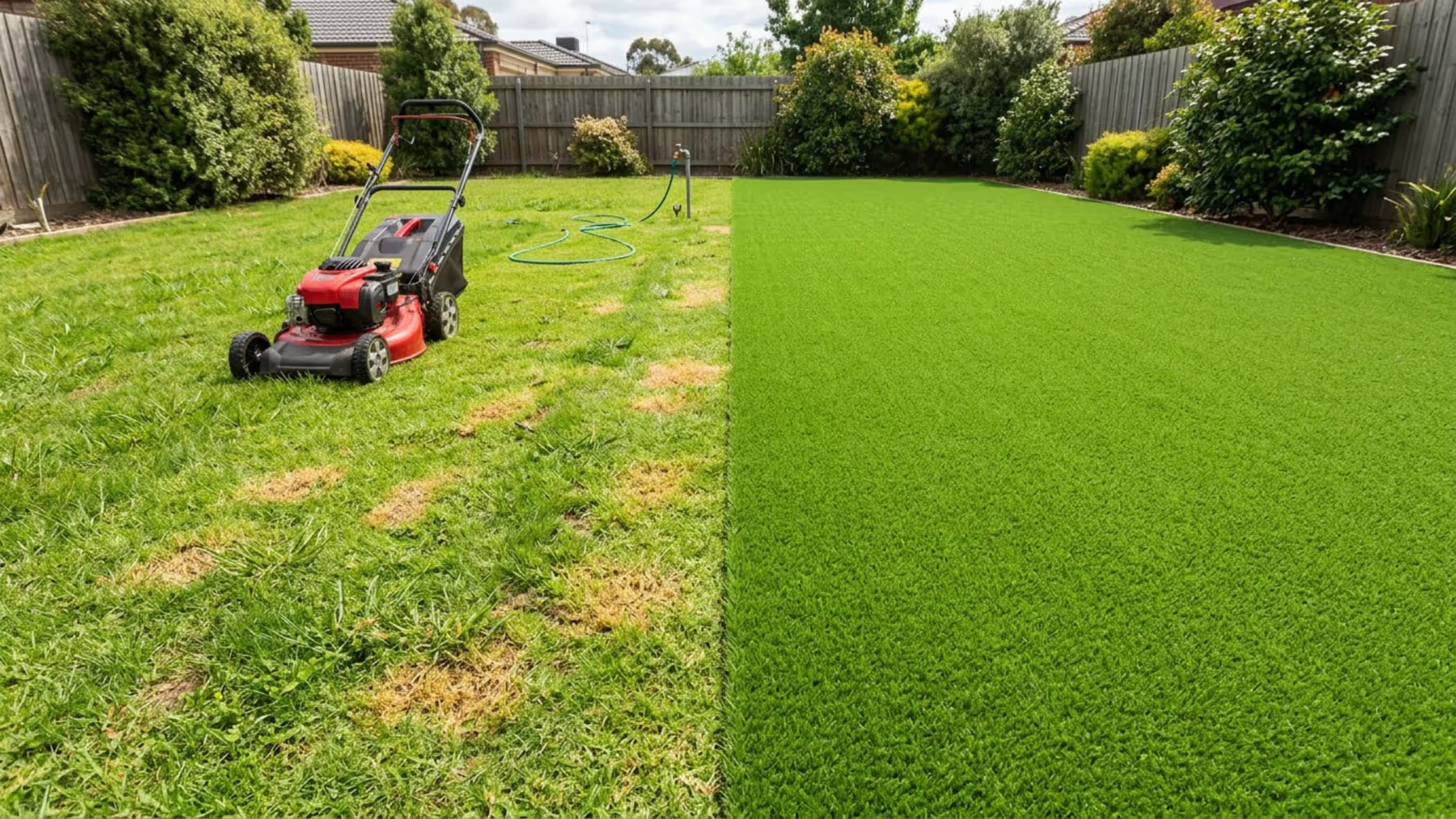
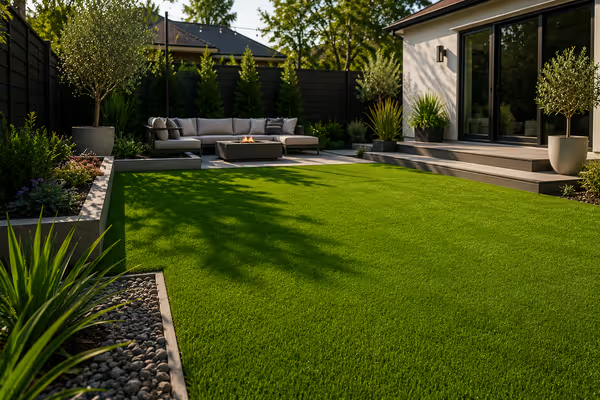
Picking what goes underfoot in your yard used to be straightforward. Now? You've got choices that didn't exist a decade ago. Natural grass means weekends spent mowing, watering bills that spike every summer, and brown patches that mock your efforts. The synthetic alternative cuts out most of that hassle — but trades it for different considerations you'll want to understand before writing a check.
Here's what you need to know about artificial grass: what makes it work, where it excels, and which problems it actually solves versus which ones it creates.
What Is Synthetic Turf and How Does It Work
Think of synthetic turf as engineered grass built from plastic polymers instead of living plants. Manufacturers create it using polyethylene (soft, natural-looking), polypropylene (tough, heat-resistant), or nylon (extremely durable) — often combining two or three in a single product.
The manufacturing process resembles carpet production. Plastic fibers get tufted through a backing material in rows, creating the "grass" you'll walk on. That backing layer — usually latex or polyurethane — holds everything together while allowing water to drain through perforations.
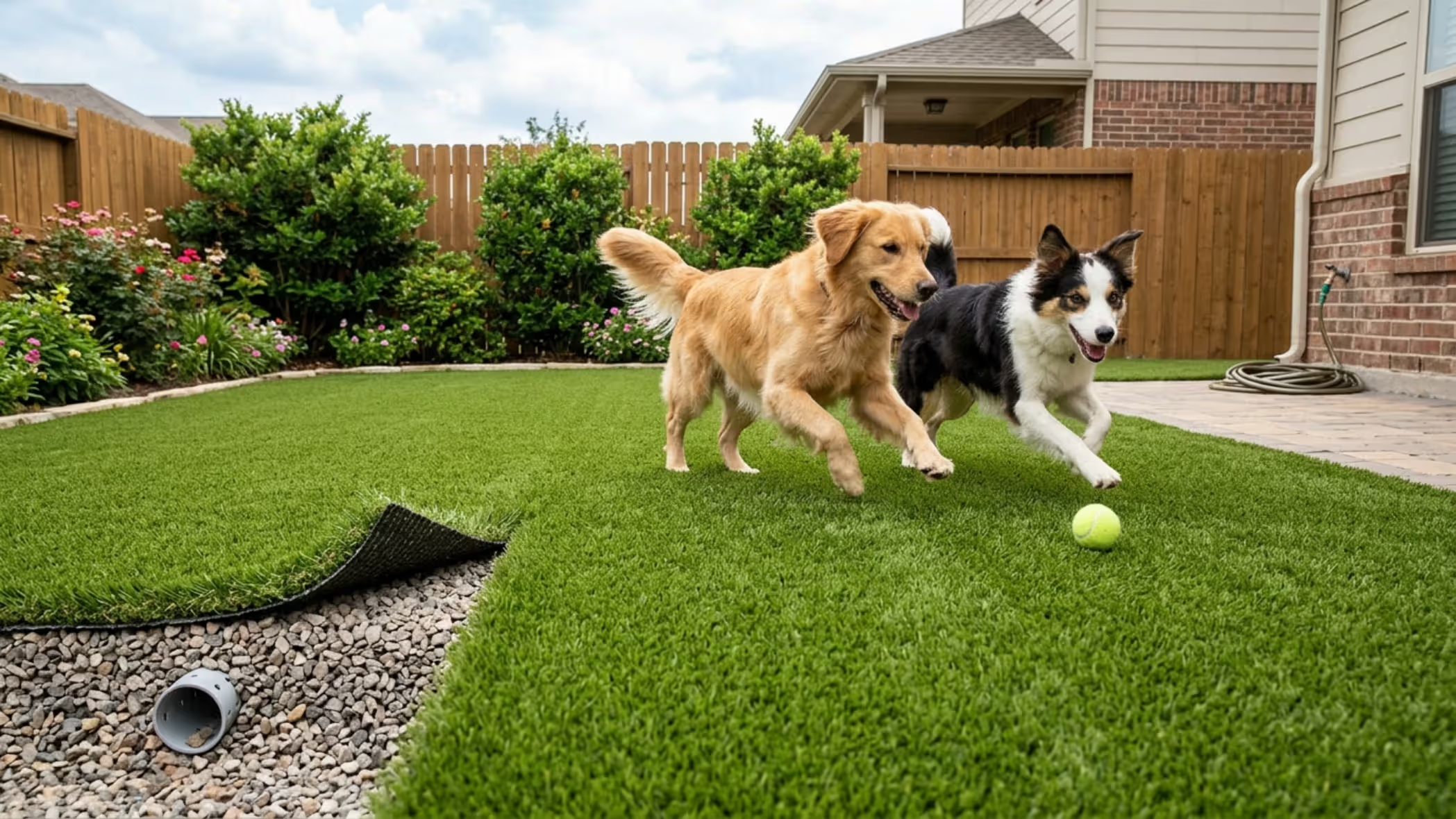
Below the visible grass blades, you'll encounter a multi-layer system. The backing attaches to a secondary drainage layer full of holes. During installation, this entire assembly sits atop a prepared base of compacted crushed stone, which channels water away from the surface.
Between the blades, installers spread infill — the material that gives turf its structure. Sand infill (silica or rounded) provides weight and helps fibers stand vertical. Rubber granules add cushioning. Newer options include coconut husks, cork, or antimicrobial-treated materials for pet areas. Skip the infill and you'd have carpet that lies flat and feels like walking on concrete.
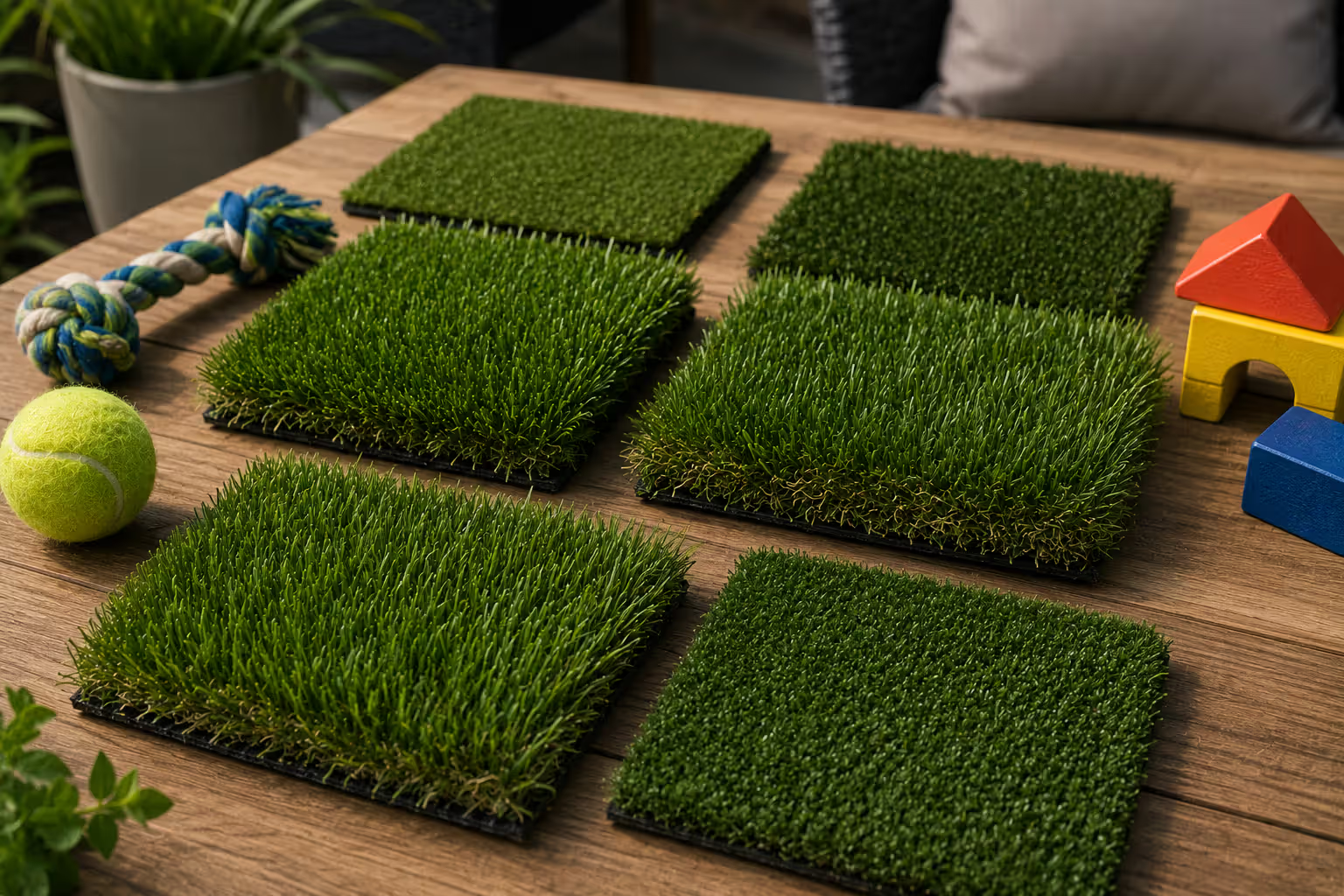
Blade design varies widely. Some products use flat ribbons. Others feature W-shaped profiles or diamond cross-sections. The shape affects resilience (how quickly blades bounce back after being stepped on) and appearance (how closely it mimics Kentucky bluegrass versus fescue).
Installation quality matters more than most people realize. The ground gets excavated 3-4 inches deep, graded for drainage slope, then filled with compacted base rock. Turf rolls out on top, gets trimmed to fit borders and obstacles, and seams get joined with adhesive or specialized tape. Finally, infill gets spread and power-brushed into the grass to lock everything in place.
The result mimics grass through visual texture and vertical orientation, but operates on completely different principles. No photosynthesis. No root system. No growth. It's outdoor carpeting engineered to withstand UV radiation, temperature swings, and foot traffic for 15-20 years.
Author: Sienna Calder;
Source: cribbslandscaping.com
Synthetic Turf vs Real Grass
Your decision between artificial and natural grass hinges on which tradeoffs you're willing to accept. Neither option wins across every category.
Here's the direct comparison:
Criteria
Synthetic Turf
Real Grass
Initial Investment
$5–$20 per square foot with installation
$0.15–$0.90 per square foot for sod installation
Yearly Maintenance Spending
$50–$200 (occasional cleaning supplies)
$700–$1,800 (water, fertilizer, equipment, possible service)
Water Consumption
Zero except occasional rinsing
15,000–50,000 gallons annually for typical residential lawn
Typically 20–40°F cooler than ambient air temperature
Performance with Pets
Excellent when using pet-specific products with antimicrobial backing
Adequate but creates mud, urine spots, and worn paths
Environmental Considerations
Eliminates pesticides and water waste; creates plastic waste and doesn't support ecosystems
Sequesters carbon and supports insects; requires substantial water and chemical inputs
That upfront cost difference hits hard. Installing artificial grass on a 500-square-foot area runs $2,500–$10,000. Laying sod on the same space costs $75–$450. But natural grass demands continuous spending. Between water bills (especially in summer), equipment or lawn service, fertilizer, weed control, and occasional reseeding, you're looking at $700-$1,800 yearly.
Run the numbers over 15 years and synthetic often costs less in regions with expensive water or where professional maintenance is standard. I've talked to dozens of homeowners who initially resisted the installation price but later couldn't imagine going back to Saturday morning mowing sessions.
Appearance remains subjective. Premium synthetic turf looks convincing from 10 feet away and feels comfortable underfoot. Get closer and you'll notice the uniformity — identical blade shapes, consistent color, no seasonal variation. Natural grass has organic irregularity: color gradients, texture changes, seasonal dormancy cycles that synthetic can't replicate.
The environmental calculation cuts both directions. Artificial turf eliminates thousands of gallons of water consumption and prevents fertilizer runoff into waterways. But it's manufactured from petroleum products, doesn't support soil microbiomes or beneficial insects, and eventually becomes landfill waste. Living grass sequesters atmospheric carbon and provides habitat, but demands significant resource inputs in most residential settings.
Synthetic turf makes the most sense for homeowners in drought-prone regions who face water restrictions, or for those with challenging growing conditions like heavy shade or high-traffic areas where natural grass simply won't thrive. It's not about replacing grass everywhere — it's about solving specific problems where grass fails repeatedly.
— Chen Michael
Types of Synthetic Turf for Different Uses
Synthetic turf isn't one-size-fits-all. What works for a backyard patio fails on a sports field, and what's perfect for pets creates problems in other applications.
Landscape/Residential Turf prioritizes natural appearance for yards and gardens. Expect blade heights around 1.5–2 inches, multiple shades of green mixed together, and soft polyethylene construction. The backing emphasizes drainage since it'll face rain and sprinkler overspray. This category covers most residential installations.
Sports Turf trades aesthetics for durability. Manufacturers use tougher nylon or polypropylene fibers, shorter pile heights, and denser infill for stability during athletic use. You'll see this on football fields and soccer pitches. It's excessive for residential applications unless you're building a backyard putting green or practice area.
Playground Turf maximizes safety through extra cushioning. The backing runs thicker, infill often uses rubber or foam padding, and the complete system meets fall-height safety certifications. It costs more but makes sense for families with young children who want to reduce injury risk from falls.
Pet Turf incorporates antimicrobial backing that prevents odor and bacterial growth from animal urine. Drainage rates exceed standard turf — some products drain 30+ inches per hour compared to 12–20 for landscape varieties. The fibers resist damage from claws better than standard options. If you have dogs, this specialized version prevents the primary complaint about synthetic grass: persistent smell.
Author: Sienna Calder;
Source: cribbslandscaping.com
Synthetic Grass Blade Length and What It Means
Blade height influences both visual appeal and practical performance. Short blades under 1 inch create a manicured, golf-green appearance. They resist flattening from foot traffic and maintain their upright position well. However, they can look noticeably artificial and provide minimal cushioning underfoot.
Medium blades between 1–2 inches hit the sweet spot for most applications. They achieve natural appearance without excessive length, handle regular foot traffic adequately, and offer reasonable cushioning. Most landscape turf falls in this range.
Long blades measuring 2–3+ inches deliver a lush, plush aesthetic that feels luxurious. They work beautifully in low-traffic decorative areas but flatten quickly in high-use zones. Maintaining their appearance requires regular brushing to restore vertical orientation.
Function matters beyond aesthetics. Shorter blades work better for pet areas — less surface area to trap debris and odor. Longer blades suit purely visual applications like front yards with minimal foot traffic. For most homeowners, medium height eliminates second-guessing unless your situation clearly demands something different.
Pros and Cons of Installing Synthetic Grass
Let's address both the benefits and the drawbacks honestly.
What You Gain:
Mowing becomes a memory. That's 100+ hours returned to your calendar annually. Water bills plummet — some homeowners report saving $50–$150 monthly during summer. The lawn maintains consistent green appearance through droughts, freezes, and heat waves. Fertilizer, pesticides, and reseeding bare patches all disappear from your to-do list.
It succeeds where natural grass fails. Shaded areas beneath trees, high-traffic side yards, rooftop terraces — synthetic turf performs in conditions that kill natural grass. You gain usable green space in previously dead zones.
Pet owners value the mud elimination and simplified cleanup. Rain doesn't create muddy paw prints tracked throughout the house. Solid waste gets picked up cleanly and liquids drain through without creating brown dead spots.
Allergy sufferers often experience relief. No grass pollen production, no need for chemical treatments that trigger respiratory sensitivities.
What You Sacrifice:
Heat retention presents real problems. On 90°F days, synthetic turf can reach 150°F or hotter in direct sunlight. Barefoot walking becomes uncomfortable, and it radiates heat into adjacent living spaces. Cooling strategies help but don't eliminate the issue.
The initial investment shocks most people. Even DIY installation runs $3–$8 per square foot for materials alone. Professional installation doubles or triples that figure. The investment takes years to recoup through eliminated maintenance costs.
Drainage failures occur when installation quality suffers. If the base layer isn't properly graded or compacted, you'll face pooling water. Once installed, correcting drainage problems requires tearing up and reinstalling entire sections.
It has a finite lifespan. Even premium turf shows wear after 15–20 years. Blades flatten permanently, backing deteriorates, and eventually you're facing complete replacement. Natural grass, when properly maintained, lasts indefinitely.
The tactile experience differs from natural grass. It's close, but you'll know you're on synthetic material. Some people don't mind. Others find it bothers them more than anticipated.
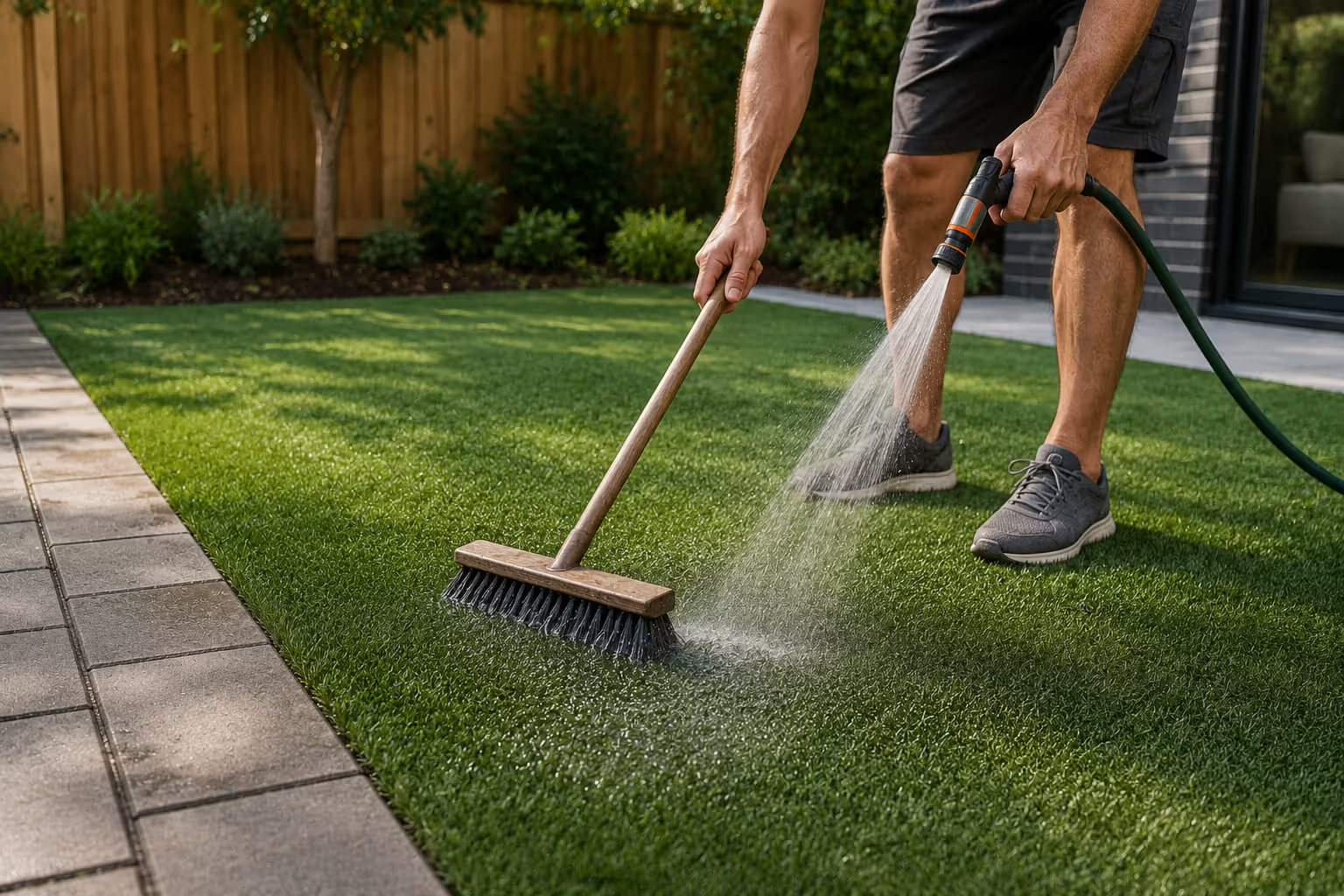
Rinse the turf monthly with your garden hose to wash away accumulated dust and pollen. In dry climates or high-traffic areas, increase frequency to weekly. The water also cools the surface temporarily and prevents debris buildup.
Clear leaves and organic debris using a leaf blower or plastic rake. Don't allow wet leaves to sit — they'll stain and potentially create mold. Spending a few minutes after storms keeps the turf looking fresh.
Brushing:
Use a stiff push broom or power broom to brush against the grain every 4–6 weeks. This action lifts compressed blades and redistributes settled infill. High-traffic zones need more frequent attention.
Addressing Stains:
Tree sap, bird droppings, and spills cause most staining. Address them immediately using mild dish soap and water. For stubborn marks, try a 50/50 mixture of white vinegar and water. Stay away from harsh chemicals that damage synthetic fibers or backing materials.
Seasonal Maintenance:
Inspect seams and edges twice yearly. Re-glue any sections that have lifted before damage worsens. Check drainage performance after heavy rainfall — if you notice pooling, you might need to add supplementary drainage channels.
During winter, avoid aggressive snow shoveling. Use plastic shovels or allow natural melting. Ice can be treated with calcium chloride (avoid rock salt, which harms synthetic fibers).
Author: Sienna Calder;
Source: cribbslandscaping.com
What Not to Do:
Never use metal rakes or sharp implements that can tear fibers. Don't park vehicles or position extremely heavy objects on turf for extended periods — they'll create permanent compression marks. Keep away from open flames and hot coals, which instantly melt synthetic fibers. Don't apply bleach or strong solvents.
Common Issues with Synthetic Turf and How to Address Them
Problems develop. Most can be corrected if you address them promptly.
Managing Heat:
Synthetic turf gets hot. That's unavoidable. But you can mitigate it. Choose light-colored infill instead of dark rubber — it reflects more solar radiation. Select turf with heat-reflective coatings (some products stay 15–20°F cooler). Add shade structures like pergolas or shade sails over frequently used areas.
Spray the turf with water before use. It cools the surface for 30–60 minutes. Some homeowners install misting systems on timers for automatic cooling during peak afternoon heat.
Plant trees or add shade on the south and west exposures where afternoon sun hits hardest. The investment in shade infrastructure pays dividends in usability.
Fixing Drainage Problems:
When water pools, the issue typically lies in the base layer, not the turf itself. Small areas can be addressed by drilling additional drainage holes through the backing. Larger problems require lifting the turf, regrading the base, and reinstalling.
Prevention beats repair every time. Verify your installer uses proper slope (minimum 1% grade) and a permeable base layer of crushed rock, not compacted soil.
Controlling Pet Odors:
Urine smell develops from bacterial growth in infill and backing materials. Rinse pet areas weekly with water. Monthly, apply an enzymatic cleaner formulated for synthetic turf — it breaks down urine compounds rather than masking odor.
Pet-specific turf with antimicrobial backing prevents most smell problems. If you installed standard turf initially and odor develops, you can apply antimicrobial treatments, but they require reapplication every few months.
Maximizing Longevity:
UV exposure degrades synthetic fibers over time. Quality turf includes UV inhibitors in the plastic, but cheaper products degrade faster. Expect 8–12 years from budget turf, 15–20 from premium products, and 20–25 from top-tier installations.
Traffic patterns create visible wear. Rotate furniture and play equipment periodically to avoid permanent traffic lanes. Regular brushing prevents matting.
Infill gradually migrates and compacts. You'll need to add fresh infill every 3–5 years to maintain blade support and cushioning.
Is Synthetic Turf Safe and Durable for Pets
Dogs and synthetic turf can work beautifully together — or become a disaster. Success depends on product selection and maintenance habits.
How Urine Drains:
Quality pet turf allows urine to drain quickly through the backing into the soil or base layer below. The liquid doesn't pool on the surface or soak into the turf itself. This prevents the dead spots and odor you experience with natural grass.
But drainage only functions if the base layer is permeable. Clay soil or improperly compacted bases trap urine and generate smell. Verify your installer uses a crushed stone base with excellent drainage.
Antimicrobial Features:
Pet-specific turf incorporates antimicrobial compounds in the backing that inhibit bacterial growth. This prevents the ammonia smell that develops when bacteria break down urine.
Standard turf lacking this feature will eventually smell with dogs. The antimicrobial treatment isn't optional — it's the difference between satisfaction and regret.
Resistance to Claws:
Dog claws don't typically damage quality turf. The fibers are more resilient than they appear. But dogs that dig will eventually damage any surface, synthetic or natural.
Large dogs running and making sharp turns create more wear than small dogs. High-traffic paths to favorite spots show wear first. Rotate toys and resting areas to distribute the impact.
Cleaning After Pets:
Solid waste picks up cleanly leaving no residue. Hose the spot afterward. For urine, rinse high-traffic areas weekly. Apply an enzymatic cleaner monthly to prevent odor accumulation.
Some owners designate a specific potty area with enhanced drainage and convenient hose access. This concentrates the wear and simplifies maintenance.
Author: Sienna Calder;
Source: cribbslandscaping.com
FAQ: Synthetic Turf Questions Answered
What's the actual lifespan of artificial grass?
Quality synthetic turf lasts 15–25 years depending on product grade, UV exposure, and traffic levels. Budget products might show significant wear after 8–12 years. Premium turf with UV inhibitors and dense fiber construction can exceed 20 years. Areas with heavy foot traffic wear faster than decorative sections. Consistent brushing and proper maintenance extend lifespan significantly.
Will the surface get too hot during summer?
Yes, synthetic turf gets significantly hotter than natural grass — often 40–60°F above ambient temperature in direct sun. On a 90°F day, the surface can reach 140–160°F, too hot for bare feet or pets. You can reduce heat by choosing light-colored infill, installing turf with cooling technology, adding shade structures, or spraying the surface with water before use. Morning and evening use is more comfortable than midday.
Is synthetic turf actually cheaper than maintaining real grass?
The upfront cost difference is dramatic — installing artificial grass on 500 square feet runs $2,500-$10,000, while sodding the same area costs just $75-$450. But that's not the full picture. Natural grass demands continuous spending of $700-$1,800 yearly between water bills, equipment or lawn service, fertilizer, weed control, and reseeding. Synthetic turf typically only needs $50-$200 annually for cleaning supplies. Run the numbers over 15 years and synthetic often costs less overall in regions with expensive water or where professional maintenance is standard. The payback timeline varies, but homeowners in drought-prone areas with water restrictions or those currently paying for lawn services often recover the investment within 5-8 years.
Will dogs damage synthetic turf, and how do I handle the smell?
Pet-specific turf works beautifully with dogs — but standard landscape turf will eventually smell when used by pets. The difference comes down to antimicrobial backing, which inhibits the bacterial growth that creates ammonia odor when bacteria break down urine. Pet turf also drains 30+ inches per hour compared to 12-20 inches for landscape varieties, so urine flows through quickly rather than pooling. Dog claws typically don't damage quality turf since the fibers are more resilient than they appear, though dogs that dig will damage any surface. For maintenance, rinse pet areas weekly with water and apply an enzymatic cleaner formulated for synthetic turf monthly — it breaks down urine compounds rather than just masking the smell. Solid waste picks up cleanly with no residue, and just hose the spot afterward.
What blade length should I choose for my yard?
Blade height affects both appearance and function. Short blades under 1 inch create a manicured, golf-green look that resists flattening from foot traffic and maintains upright position well, but they can look obviously artificial and offer minimal cushioning. Long blades measuring 2-3+ inches deliver a lush, plush aesthetic that feels luxurious but flatten quickly in high-use zones and need regular brushing to stay vertical. Medium blades between 1-2 inches hit the sweet spot for most applications — natural appearance without excessive length, adequate handling of regular foot traffic, and reasonable cushioning. Shorter blades work better for pet areas since there's less surface area to trap debris and odor, while longer blades suit purely decorative front yards with minimal foot traffic. For most homeowners, medium height eliminates second-guessing.
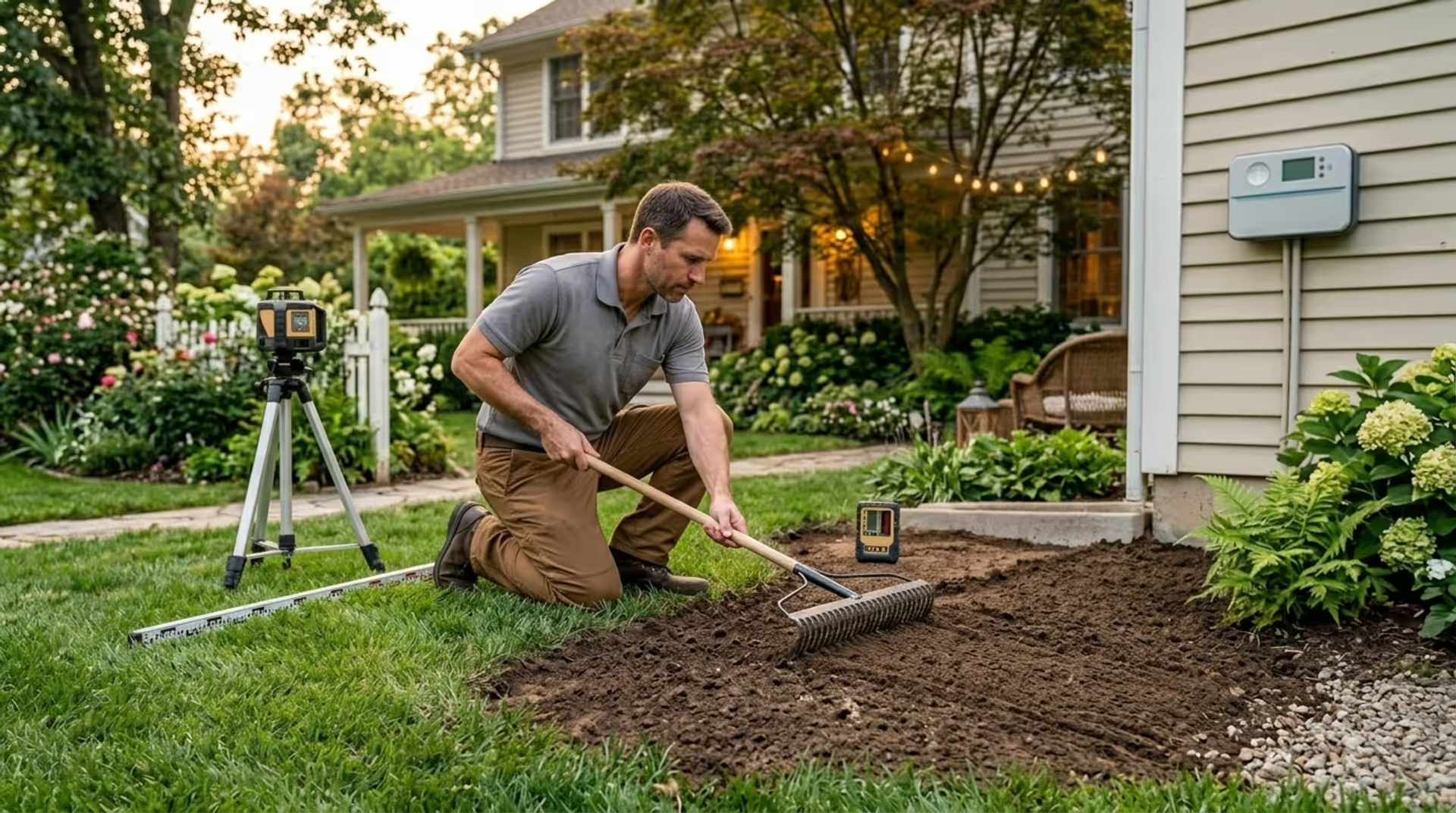
Proper drainage starts with the ground itself. When water pools around your foundation or turns your backyard into a swamp after every rain, you're looking at a grading problem. Learn how to shape your landscape to move water away from structures and create a yard that actually works.
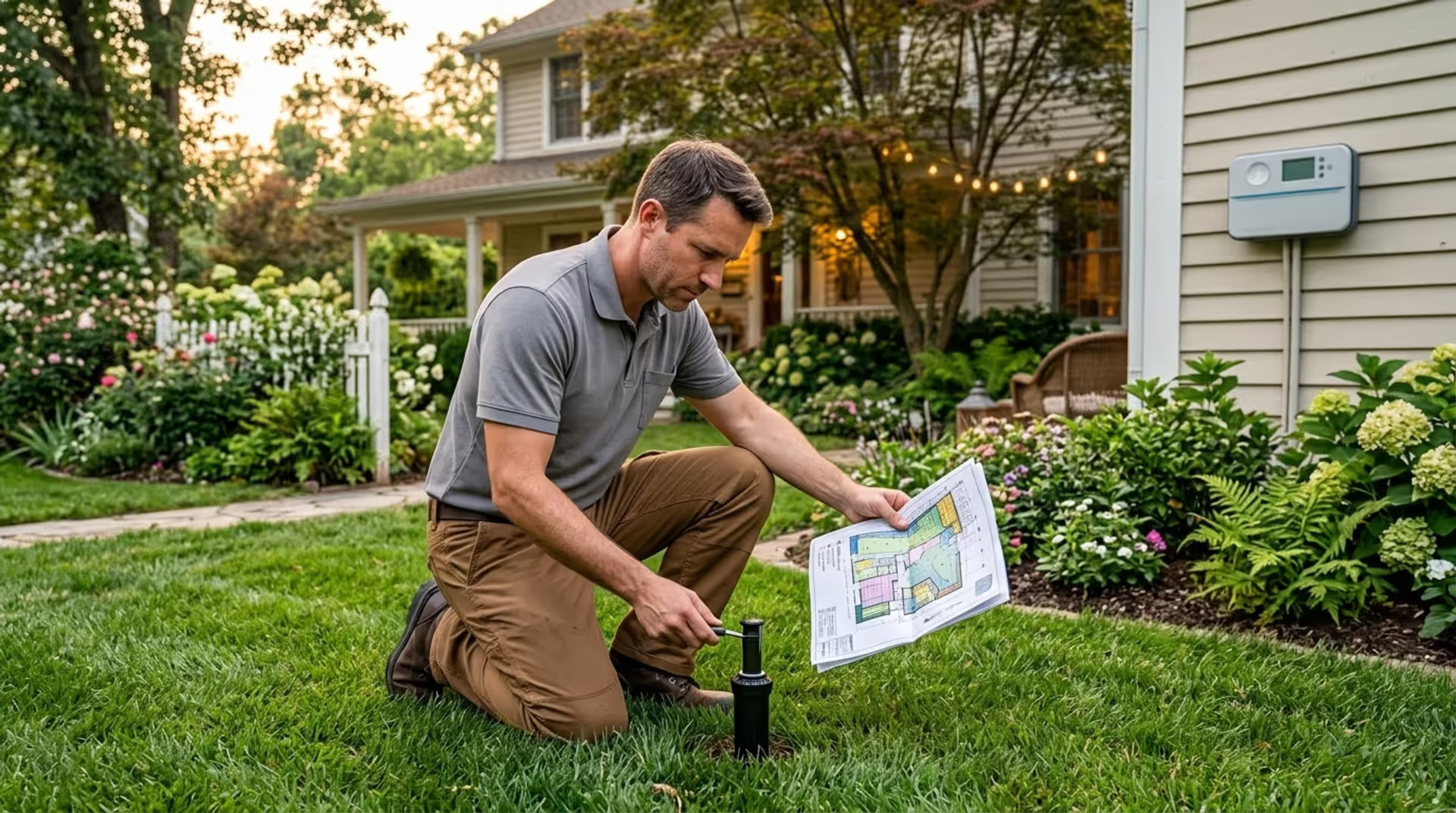
Discover how irrigation specialists design efficient watering systems, when professional help makes sense, and what to expect from installation. Includes system comparison, cost factors, and expert hiring tips for homeowners.
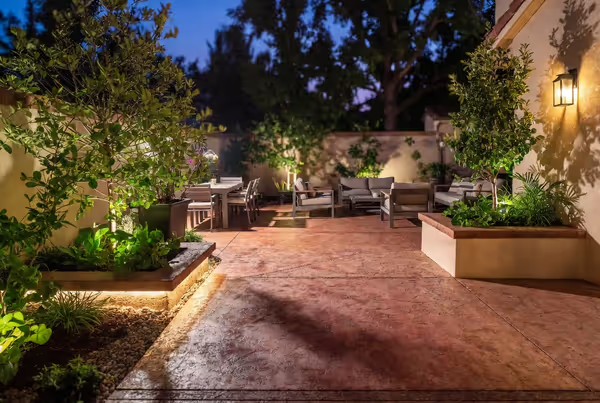
Discover creative concrete patio designs from stamped and textured finishes to polished surfaces and geometric layouts. Learn which concrete finish works best for your climate, budget, and style with detailed comparisons of durability, maintenance, and costs.
Discover how to select the best artificial grass for backyard spaces with our comprehensive guide. Learn what makes turf high-quality, compare leading products, and find the perfect match for your climate, pets, and usage. Expert insights on durability, drainage, realistic appearance, and common mistakes to avoid.
The content on this website is provided for general informational and educational purposes only. It is intended to explain concepts related to landscape design, outdoor spaces, plants, irrigation, hardscape and softscape, and sustainable landscaping.
All information on this website, including articles, guides, and examples, is presented for general educational purposes. Outcomes may vary depending on local climate, soil, plant selection, and project implementation.
This website does not provide professional design, construction, or horticultural advice, and the information presented should not be used as a substitute for consultation with qualified landscape architects, contractors, or horticulturists.
The website and its authors are not responsible for any errors or omissions, or for any outcomes resulting from decisions made based on the information provided on this website.