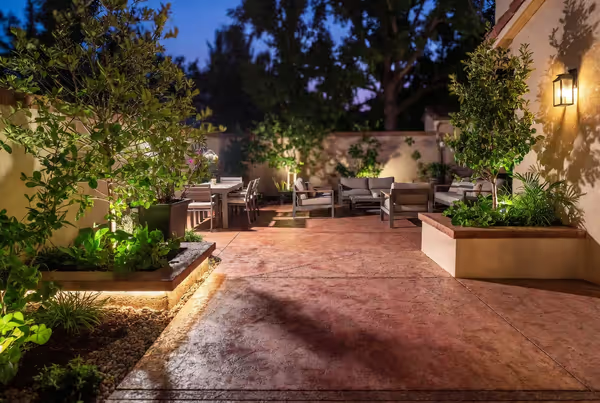
Concrete has quietly become the star of outdoor design. What was once a drab, gray necessity is now a canvas for color, texture, and pattern. Homeowners across the US are discovering that concrete patios offer something rare: the look of high-end materials without the price tag or upkeep. You'll find stamped surfaces that mimic slate, polished finishes that rival indoor floors, and geometric layouts that turn backyards into modern retreats. The best part? Concrete adapts to nearly any climate and design vision you throw at it.
Why Concrete Patios Are Popular for Outdoor Living
Concrete dominates outdoor spaces for good reason. It lasts decades with minimal care. A properly installed concrete patio can handle 30+ years of foot traffic, furniture, and weather without cracking or fading.
Cost matters too. You're looking at $6–$15 per square foot for basic concrete, compared to $15–$30 for natural stone pavers. Even decorative concrete rarely exceeds $20 per square foot.
But durability and savings aren't the whole story. Design flexibility sets concrete apart. You can pour it into any shape, stamp it to look like brick or stone, stain it in dozens of colors, or polish it to a glass-like shine. No other material gives you that range.
The material also handles temperature swings better than most alternatives. In freeze-thaw climates, properly sealed concrete expands and contracts without the shifting problems that plague pavers. In hot regions, light-colored finishes reflect heat instead of absorbing it.
Stamped and Textured Concrete Patio Options
Stamped Concrete Patterns That Mimic Natural Materials
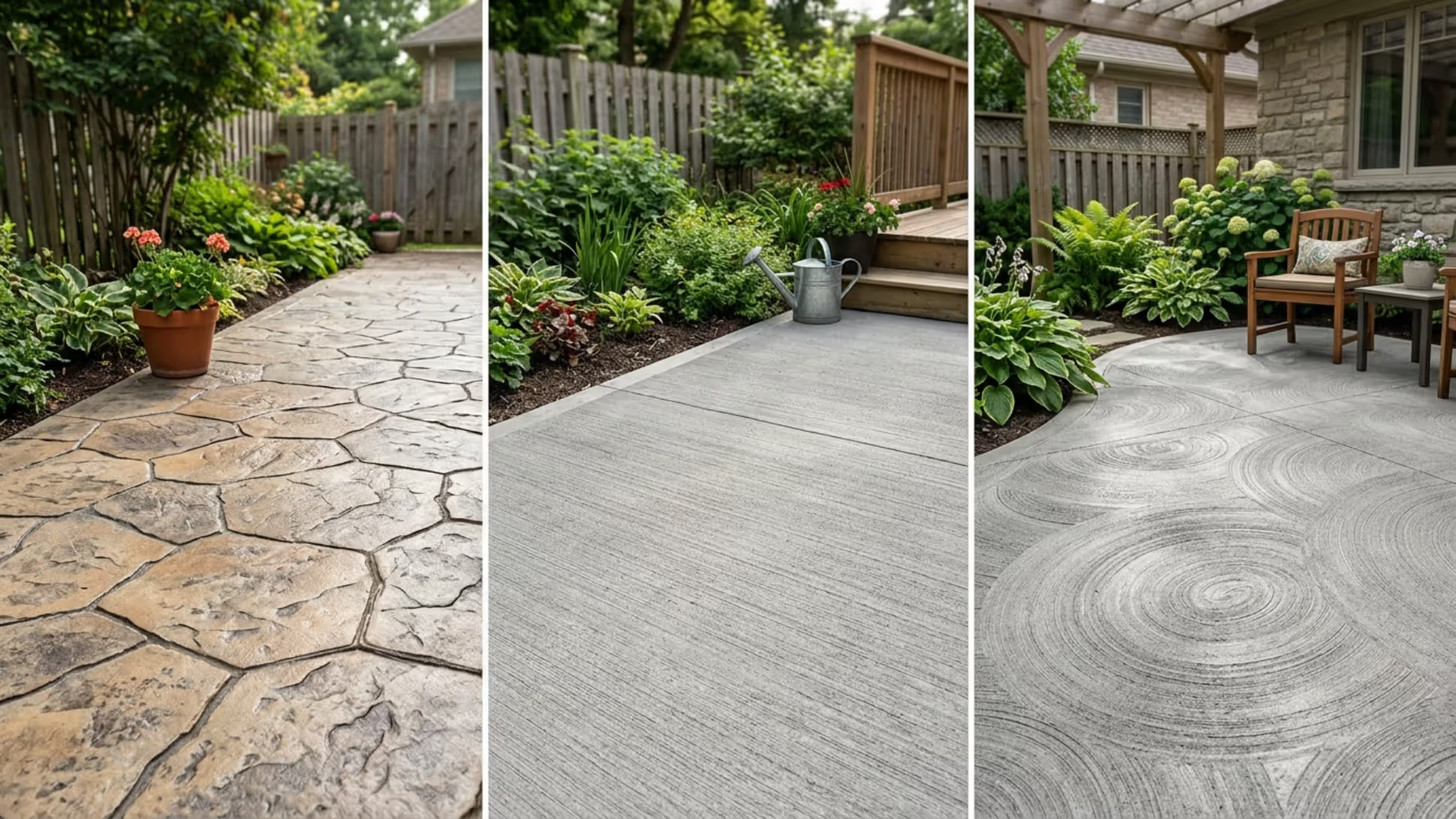
Stamped concrete lets you fake expensive materials convincingly. Contractors press large rubber mats into wet concrete, creating impressions that replicate flagstone, slate, brick, wood planks, or cobblestone. The pattern I see most often is ashlar slate—those irregular rectangular shapes that look like quarried stone.
Concrete has evolved from a purely utilitarian material to a design canvas that rivals natural stone in beauty while offering superior longevity and lower maintenance.
— Peterson James
The process happens fast. After pouring and smoothing the slab, crews apply a color hardener, press the stamps, and add release powder to prevent sticking. Within hours, you've got a surface that most visitors assume is real stone.
Popular stamped concrete patio ideas include:
European fan pattern: Cobblestone arranged in semicircles, great for Mediterranean or cottage styles
Random stone: Irregular flagstone shapes that look hand-laid
Wood plank: Mimics weathered deck boards without the splinters or rot
Seamless texture: No pattern, just texture for a natural quarried look
One mistake people make: choosing overly complex patterns for small patios. Busy designs in tight spaces look chaotic. Simpler patterns read better on areas under 300 square feet.
Stamped concrete costs $12–$18 per square foot installed. That's half the price of real flagstone and a third the cost of quality pavers.
Author: Olivia Maren;
Source: cribbslandscaping.com
Textured Finishes for Slip Resistance and Visual Appeal
Texture serves two purposes: safety and style. Smooth concrete becomes dangerously slick when wet. Adding texture creates grip underfoot while breaking up the flat appearance.
Broom finish is the simplest texture. Contractors drag a stiff broom across the surface before it fully hardens, creating fine parallel grooves. It's cheap, effective, and slightly industrial-looking. Works well for modern designs.
Rock salt finish creates shallow pockmarks. Crews scatter rock salt crystals on wet concrete, then wash them out after curing. The result is a subtly pitted surface with decent traction. It looks organic and slightly weathered.
Swirl finish uses a trowel or special tool to create circular patterns. Think of it as decorative concrete patterns without stamps. The swooping lines catch light differently throughout the day, adding visual interest to plain concrete.
Exposed aggregate (covered in detail later) is technically a texture too, but it deserves its own category.
The right concrete patio texture ideas balance safety with aesthetics. Pool decks need aggressive texture. Covered patios can go smoother since they stay dry.
Color and Stencil Techniques for Custom Looks
Integral vs. Surface-Applied Color Methods
Colored concrete patio surfaces come from two approaches. Each has trade-offs.
Integral color mixes pigment throughout the concrete before pouring. The entire slab becomes that color—top to bottom. If the surface chips or wears, the color underneath matches. This method produces consistent, permanent color that won't peel or fade significantly.
Integral color works best for earth tones: tans, browns, terracotta, charcoal. You're limited to about 20 standard colors. The final shade depends on cement type, curing conditions, and weather during installation. Expect slight variations between pours.
Surface-applied color includes acid stains, water-based stains, and concrete dyes applied after curing. These penetrate the surface or sit on top, creating richer, more varied colors.
Acid stains react chemically with concrete, producing translucent, mottled colors. Think aged copper, sage green, or tobacco brown. No two acid-stained patios look identical—the mottling creates organic variation. This finish looks sophisticated but requires resealing every 2–3 years.
Water-based stains offer brighter, more uniform colors: blues, reds, yellows. They don't react chemically, so results are more predictable. They also fade faster than acid stains or integral color.
The simpler option usually wins here. For most homeowners, integral color plus a clear sealer delivers the best balance of durability and appearance.
Stenciled Designs for Borders and Accents
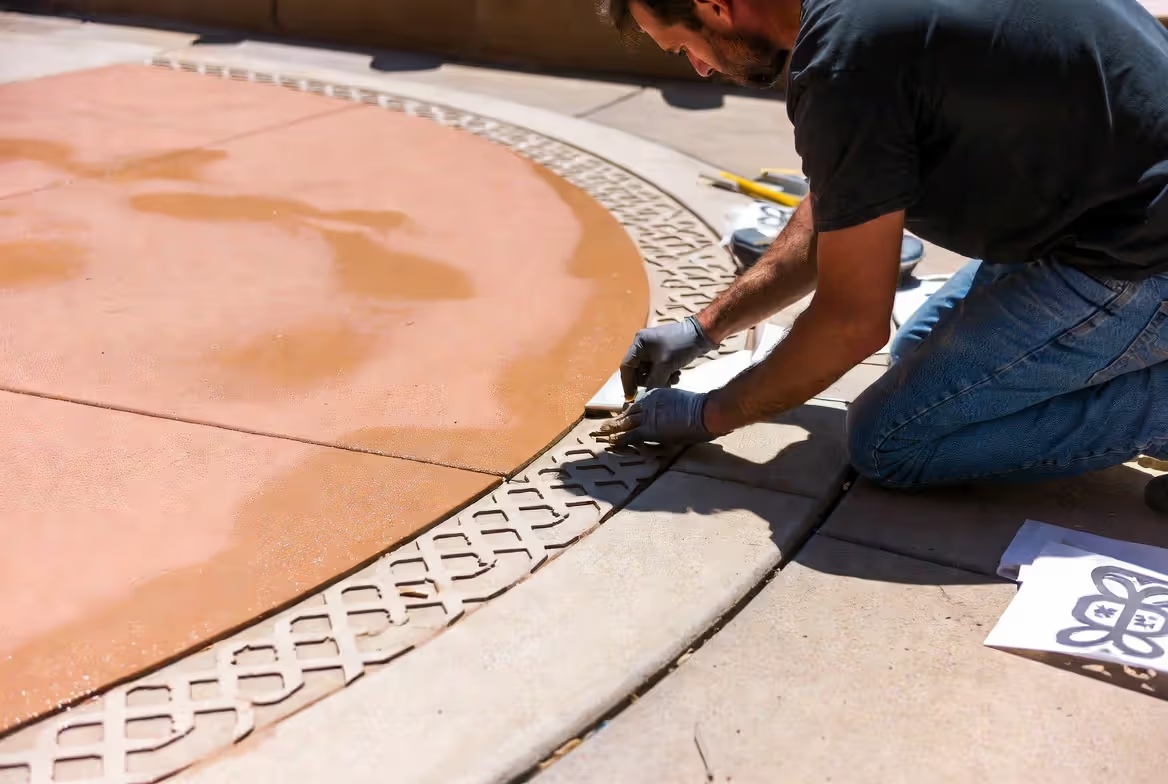
Stenciled concrete designs add pattern without the cost of full stamping. Contractors tape down adhesive stencils, apply contrasting color or texture inside the cutouts, then remove the stencil. You're left with crisp borders, geometric shapes, or decorative motifs.
Common applications:
Border bands: A contrasting color strip around the patio perimeter
Compass roses: Circular medallions at patio centers
Geometric tiles: Repeating squares or hexagons that mimic encaustic cement tiles
Custom logos or house numbers: Personalized details
Stenciling costs $3–$8 per square foot on top of base concrete work. It's a budget-friendly way to add visual interest to otherwise plain slabs.
One counterintuitive point: stencils work better on smooth concrete than textured. Stamps create too much relief for stencils to adhere properly. If you want both stamping and stenciling, apply stencils to border areas left unstamped.
Author: Olivia Maren;
Source: cribbslandscaping.com
Exposed Aggregate and Polished Concrete Styles
Exposed Aggregate for a Natural, Textured Surface
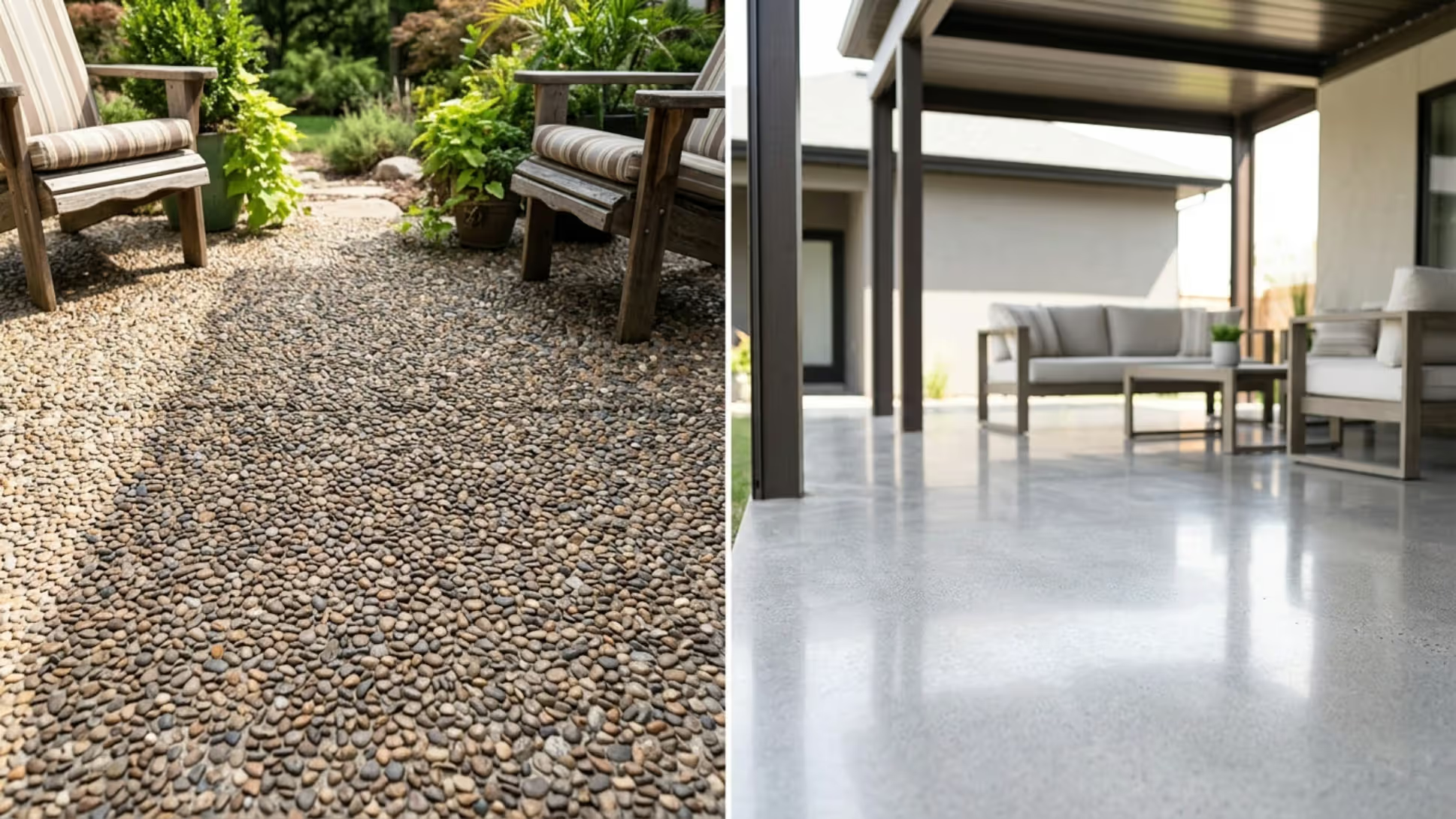
Exposed aggregate patio surfaces reveal the stones embedded in concrete. After pouring, contractors wash away the top layer of cement paste, exposing the aggregate (gravel) underneath. The result is a pebbly, textured surface with natural color variation.
This finish has serious grip. It's the go-to choice for pool decks, sloped patios, and areas that see rain. The exposed stones create traction that stays effective when wet.
Appearance depends entirely on aggregate choice. You can use:
River rock: Smooth, rounded stones in earth tones
Crushed granite: Angular pieces with sparkle
Recycled glass: Colorful, reflective chunks for modern looks
Seashells: Coastal-themed patios with embedded shells
Exposed aggregate costs $10–$16 per square foot. It's durable, low-maintenance, and ages gracefully. The stones don't show wear patterns like smooth concrete does.
One common mistake: choosing aggregate that's too large. Stones over ¾ inch diameter become uncomfortable to walk on barefoot. Stick with ⅜ to ½ inch for patios where people sit and walk.
Polished Concrete for a Sleek, Modern Finish
Polished concrete outdoor area installations bring indoor sophistication outside. Contractors grind the surface with progressively finer diamond abrasives, then seal it to a glossy sheen. The result looks like polished stone—smooth, reflective, and contemporary.
This modern concrete outdoor floor option works best under covered patios or in dry climates. Polished surfaces can get slippery when wet, and freeze-thaw cycles can damage the finish. But in protected areas, polished concrete delivers unmatched elegance.
Benefits include:
Easy cleaning: Spills wipe up instantly; no grout lines to scrub
Light reflection: Brightens covered outdoor rooms
Design continuity: Matches polished concrete indoors for seamless transitions
Durability: Grinding densifies the surface, making it harder than regular concrete
Polished concrete costs $8–$15 per square foot for outdoor installations. It requires resealing every 1–2 years to maintain the shine and protect against moisture.
Color options are limited compared to stained concrete. You're working with the natural gray cement color, though integral pigments can shift it toward warmer or cooler tones. Some contractors add metallic epoxies or dyes before polishing for unique effects.
Author: Olivia Maren;
Source: cribbslandscaping.com
Modern and Geometric Concrete Patio Layouts
Contemporary design favors clean lines and intentional geometry. Modern concrete outdoor floor installations often feature:
Large-format slabs with minimal joints. Instead of traditional 4x4 foot squares, modern patios use 6x12 or 8x16 foot panels. Fewer seams create a sleeker look.
Geometric concrete patio patterns built from contrasting shapes. Think alternating squares and rectangles, hexagonal tiles, or diagonal grid layouts. These designs work especially well with colored concrete—use two or three tones to emphasize the geometry.
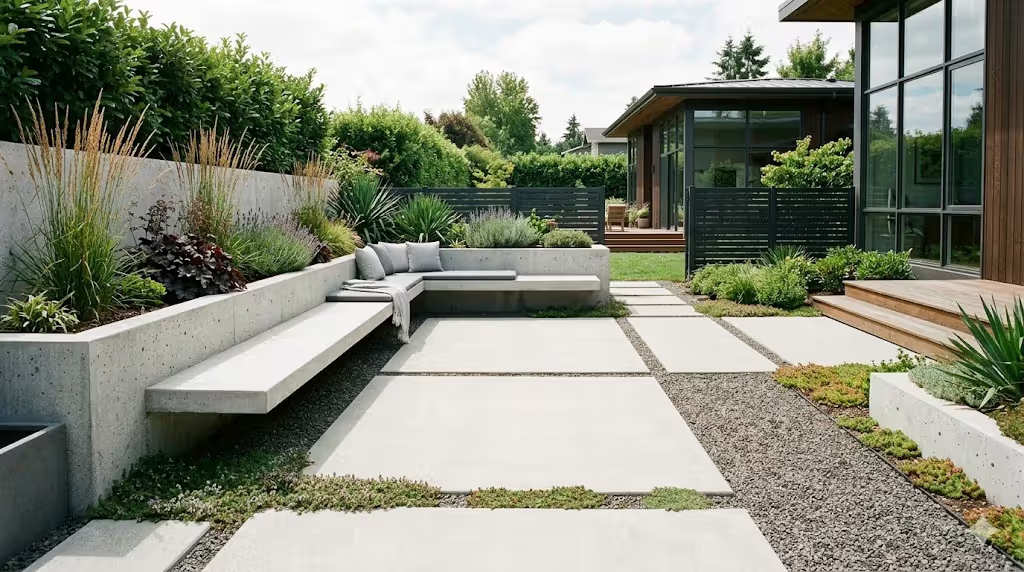
Floating pads separated by gravel or groundcover. Rather than one continuous slab, pour individual concrete squares spaced 2–6 inches apart. Plant low-growing thyme or fill gaps with pea gravel. This layout feels lighter and more integrated with landscaping.
Cantilevered edges that appear to float. By thickening the slab edge and hiding supports, you can create the illusion that the patio hovers above grade. This trick works best on sloped lots.
Integrated planters and seating. Pour raised beds or benches as part of the slab. Built-in elements look intentional and permanent compared to afterthought furniture.
Concrete slab finish options for modern designs lean toward smooth or lightly textured surfaces. Broom finishes work. Heavy stamping doesn't—it reads as traditional, not contemporary.
One design principle I've noticed: modern concrete patios succeed when they embrace concrete's nature rather than disguising it. Don't stamp it to look like wood. Let it be concrete—smooth, monolithic, and unapologetic.
Author: Olivia Maren;
Source: cribbslandscaping.com
Choosing the Right Concrete Finish for Your Climate and Use
Not every finish works everywhere. Climate and intended use should drive your decision.
Hot, sunny climates (Southwest, Southern California): Light-colored finishes reflect heat. Avoid dark stains that absorb solar radiation and become too hot to walk on. Exposed aggregate stays cooler than smooth concrete because the stones don't heat as uniformly. Polished concrete works well under shade structures.
Freeze-thaw regions (Midwest, Northeast, mountain states): Prioritize durability over delicate finishes. Stamped concrete holds up well if properly sealed. Avoid polished concrete in exposed areas—moisture infiltration and freezing can pop the surface. Textured finishes with good drainage prevent ice buildup.
Humid, rainy areas (Pacific Northwest, Southeast): Slip resistance matters most. Exposed aggregate and broom finishes provide necessary traction. Sealed smooth concrete becomes dangerously slick. Avoid polished finishes unless the patio stays covered and dry.
High-traffic zones: Choose finishes that hide wear. Exposed aggregate and stamped concrete don't show scuffs. Polished and smooth stained surfaces develop traffic patterns over time.
Here's how major finishes compare across key factors:
Finish Type
Durability
Maintenance
Slip Resistance
Best Climate
Cost Range
Stamped
High
Reseal every 2-3 years
Good (if textured)
All climates
$12-18/sq ft
Exposed Aggregate
Very High
Minimal; reseal every 3-5 years
Excellent
All climates
$10-16/sq ft
Polished
Medium (outdoors)
Reseal every 1-2 years
Poor when wet
Dry or covered areas
$8-15/sq ft
Stenciled
High
Reseal every 2-3 years
Depends on base
All climates
$3-8/sq ft (plus base)
Colored/Stained
Medium-High
Reseal every 2-3 years
Depends on texture
All climates
$8-14/sq ft
Maintenance reality check: All decorative concrete needs periodic resealing. That's a 2–4 hour DIY job every few years or $200–$400 if you hire it out. Skip it, and the finish degrades faster.
Cost vs. value: The cheapest option isn't always the best value. A $6/sq ft basic slab that cracks and stains within five years costs more long-term than a $14/sq ft stamped patio that looks great for 20 years.
Think about your lifestyle too. Do you host often? Smooth finishes clean easier. Have kids or pets? Textured surfaces hide dirt better. Want minimal upkeep? Exposed aggregate wins.
Frequently Asked Questions About Concrete Patio Designs
What is the most durable concrete patio finish?
Exposed aggregate ranks as the most durable outdoor concrete finish. The embedded stones protect the cement matrix from abrasion and UV damage. Properly installed exposed aggregate patios can last 30–40 years with minimal maintenance beyond occasional resealing. Stamped concrete comes in second, typically lasting 25–30 years if sealed regularly. Polished concrete, while extremely durable indoors, ranks lower for outdoor use in harsh climates due to moisture infiltration and freeze-thaw damage.
How much does a stamped concrete patio cost per square foot?
Stamped concrete typically costs $12–$18 per square foot installed in 2026. Basic patterns and single colors fall at the lower end. Complex multi-pattern designs with hand-applied color detailing reach the higher end. This price includes site prep, concrete, stamping, coloring, and sealing. For comparison, basic broom-finish concrete costs $6–$10 per square foot, while natural stone patios run $20–$35 per square foot. Geographic location affects pricing—expect 15–25% higher costs in major metro areas.
Can you add color to existing concrete patios?
Yes, you can color existing concrete using concrete stains or specialty coatings. Acid stains penetrate the surface and react chemically to create translucent, variegated colors that won't peel. Water-based stains offer more color options and easier application but sit closer to the surface. Both require thorough cleaning and possibly etching the concrete before application. Concrete dyes provide the most vibrant colors but fade faster outdoors. Expect to pay $3–$7 per square foot for professional staining of existing concrete. The original surface must be in good condition—staining won't hide major cracks or spalling.
Is exposed aggregate concrete slippery when wet?
No, exposed aggregate provides excellent slip resistance when wet. The protruding stones create a naturally textured surface with substantial grip. This makes exposed aggregate the preferred choice for pool decks, sloped patios, and areas that frequently get wet. The slip resistance actually improves slightly when wet because water fills the low spots between stones rather than creating a continuous slick film. However, algae or moss growth in shaded, damp areas can reduce traction on any concrete surface. Regular cleaning maintains optimal slip resistance.
How do you maintain a polished concrete patio?
Polished concrete patios require more maintenance than other finishes. Sweep or blow off debris regularly—sand and dirt act as abrasives that dull the polish. Mop with pH-neutral cleaners; avoid acidic or alkaline products that etch the surface. Reseal every 1–2 years with a concrete densifier or topical sealer to maintain the shine and protect against moisture. In freeze-thaw climates, cover or protect polished areas during winter. Address spills immediately—oils and acids can stain or etch polished concrete. Despite the upkeep, many homeowners find the sleek appearance worth the effort for covered outdoor living areas.
What's the difference between stamped and stenciled concrete?
Stamped concrete uses large rubber mats pressed into wet concrete to create three-dimensional texture and pattern throughout the surface. The stamps imprint depth, making the concrete look and feel like stone, brick, or wood. Stenciled concrete uses adhesive templates applied to cured concrete, creating two-dimensional patterns through contrasting colors or light texture. Stencils add decorative borders, geometric designs, or accents without the depth of stamping. Stamping costs more ($12–$18/sq ft vs. $3–$8/sq ft for stenciling) but provides more realistic texture. Many patios combine both: stamping for the main field and stenciling for borders or medallions.
Concrete patio designs have come a long way from gray slabs. You've got options that range from rustic exposed aggregate to sleek polished surfaces, from traditional stamped stone to contemporary geometric layouts. The right choice depends on your climate, budget, and design vision.
Start by considering practical factors. What's your weather like? How much maintenance can you handle? What's the patio's main purpose—entertaining, relaxing, poolside lounging? Those answers narrow your options quickly.
Then think about style. Do you want the patio to blend with your home's architecture or create contrast? Should it mimic natural materials or embrace concrete's modern aesthetic? Don't rush this part. Look at photos, visit showrooms, check out neighbors' patios.
Budget matters, but don't default to the cheapest option. A well-designed concrete patio adds real value to your home and outdoor living experience. Spending an extra $3–$5 per square foot often delivers significantly better results that last years longer.
Work with experienced contractors who can show you completed projects. Ask about their sealing process, curing methods, and warranty. Good installation matters as much as good design.
Your outdoor space deserves better than boring gray concrete. With the right finish and layout, your patio becomes an extension of your home—a place you'll actually want to spend time.
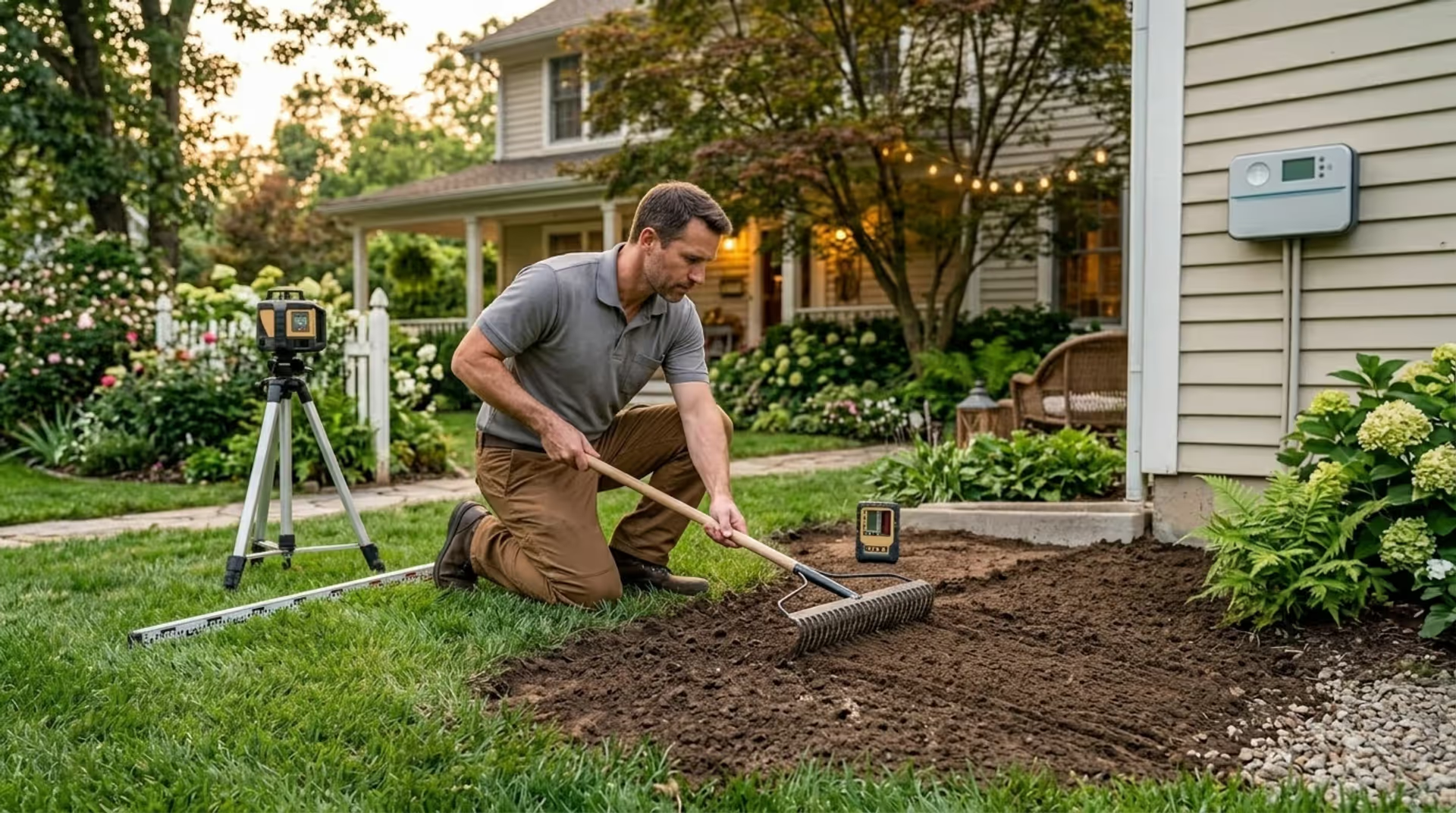
Proper drainage starts with the ground itself. When water pools around your foundation or turns your backyard into a swamp after every rain, you're looking at a grading problem. Learn how to shape your landscape to move water away from structures and create a yard that actually works.
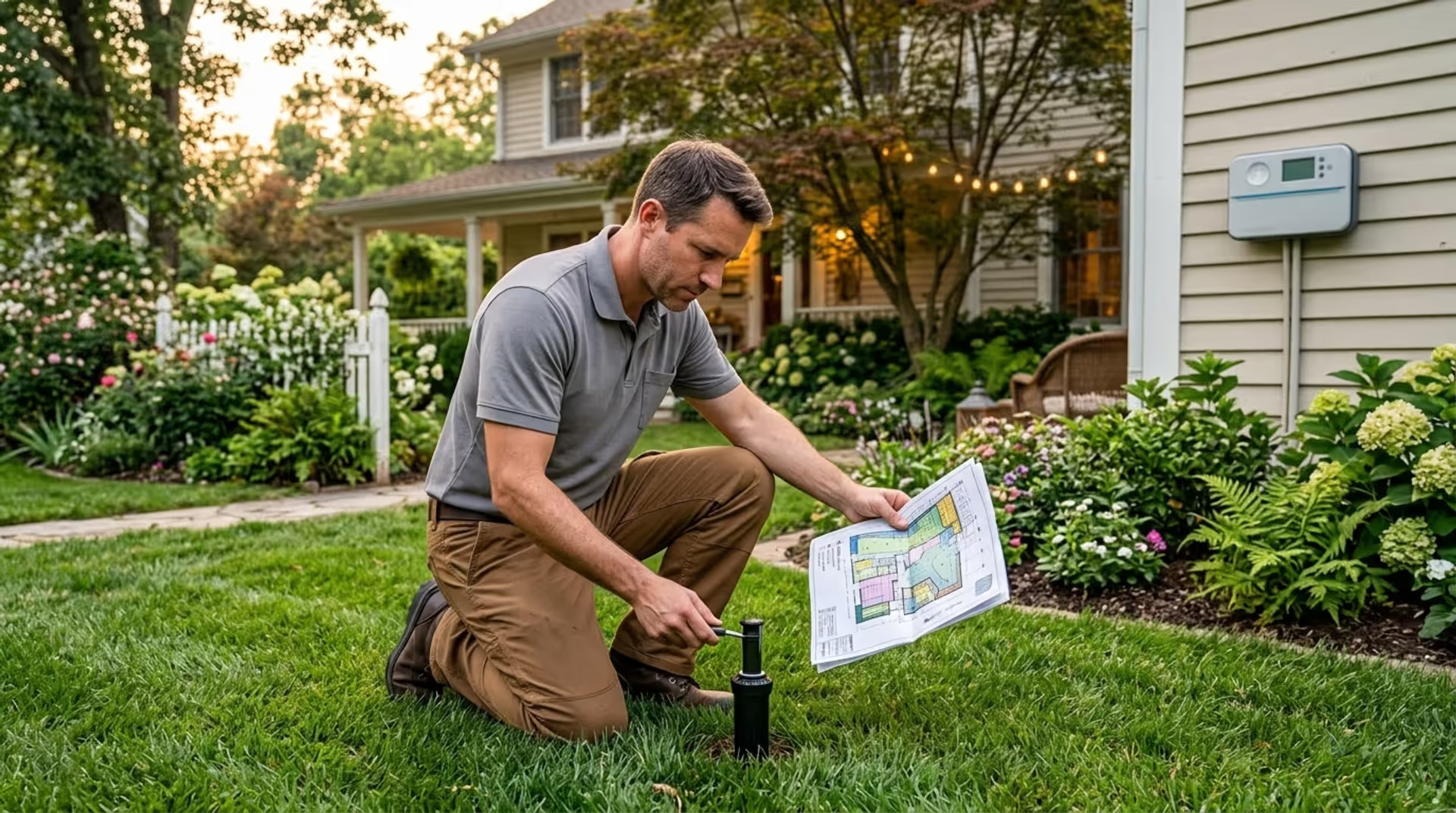
Discover how irrigation specialists design efficient watering systems, when professional help makes sense, and what to expect from installation. Includes system comparison, cost factors, and expert hiring tips for homeowners.
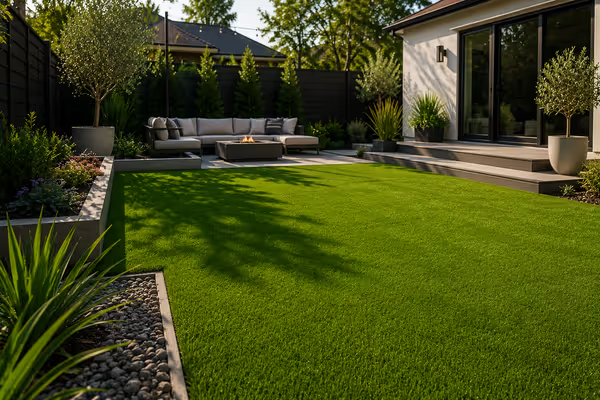
Discover how to select the best artificial grass for backyard spaces with our comprehensive guide. Learn what makes turf high-quality, compare leading products, and find the perfect match for your climate, pets, and usage. Expert insights on durability, drainage, realistic appearance, and common mistakes to avoid.
Learn how to select synthetic playground turf that meets safety standards and budget requirements. This guide covers fall height ratings, infill materials, shock pad systems, installation needs, maintenance schedules, and total cost analysis for schools and facilities.
The content on this website is provided for general informational and educational purposes only. It is intended to explain concepts related to landscape design, outdoor spaces, plants, irrigation, hardscape and softscape, and sustainable landscaping.
All information on this website, including articles, guides, and examples, is presented for general educational purposes. Outcomes may vary depending on local climate, soil, plant selection, and project implementation.
This website does not provide professional design, construction, or horticultural advice, and the information presented should not be used as a substitute for consultation with qualified landscape architects, contractors, or horticulturists.
The website and its authors are not responsible for any errors or omissions, or for any outcomes resulting from decisions made based on the information provided on this website.