Picking the right artificial grass for your backyard isn't as simple as ordering the cheapest roll online. You need turf that looks real, stands up to your climate, drains properly, and fits how you actually use your yard. Get it wrong and you'll be staring at a melted, matted mess in two years. Get it right and you'll have a lush, green space that requires almost zero upkeep for the next fifteen years.
The artificial grass market has exploded since 2022. Manufacturers now offer hundreds of products with wildly different quality levels, materials, and price points. Some are designed for Arizona heat. Others excel in rainy Pacific Northwest conditions. A few handle dog traffic like champions while looking photo-realistic from three feet away.
This guide breaks down exactly what separates premium turf from bargain-bin disappointments. You'll learn which features matter, which are marketing fluff, and how to match products to your specific backyard conditions.
What Makes Artificial Grass High Quality
Quality artificial grass comes down to five core components working together. Skip one and the whole system underperforms.
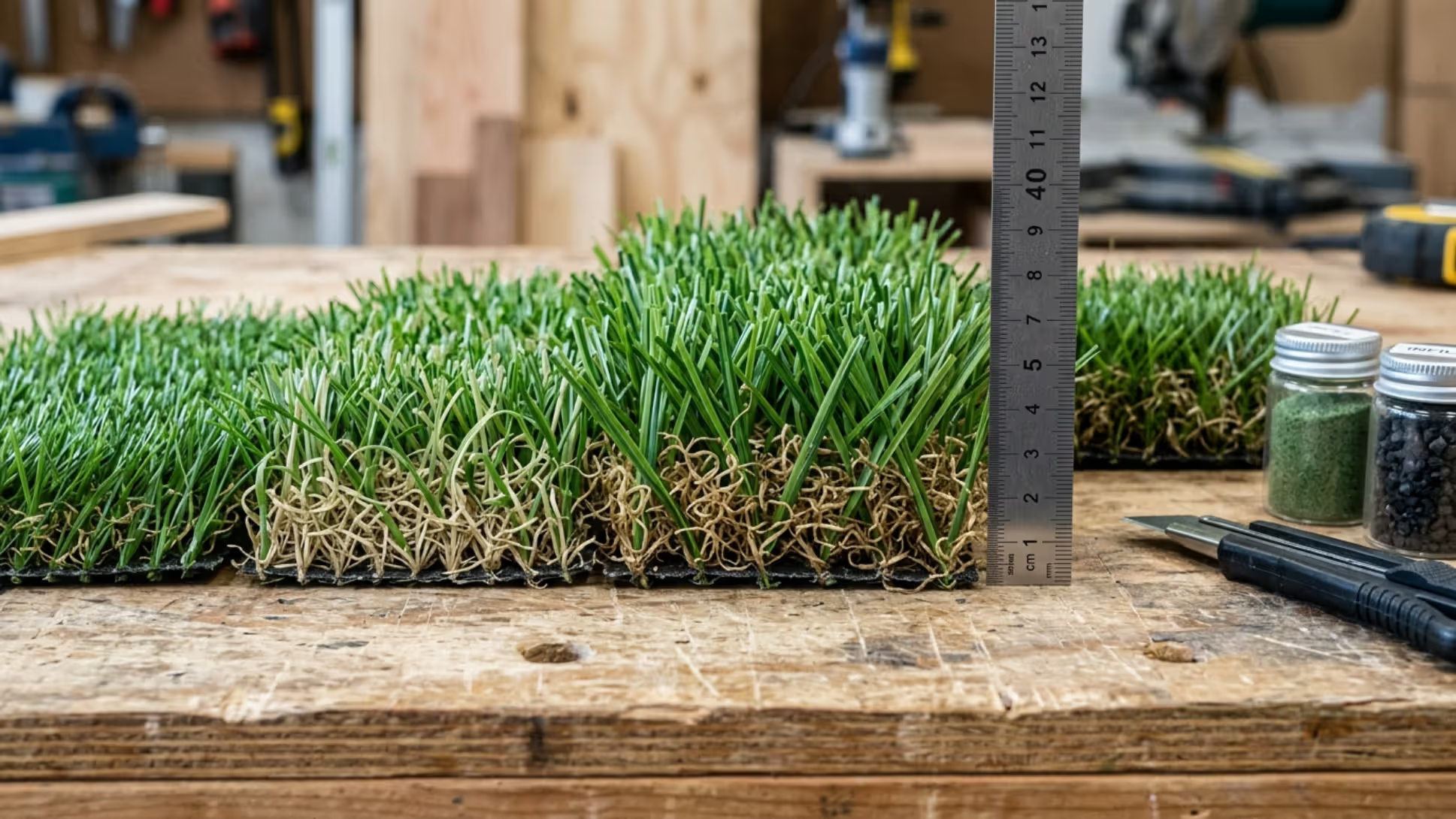
Blade material determines longevity and appearance. Modern premium turf uses polyethylene for soft, realistic blades combined with nylon or polypropylene for resilience. Cheap turf relies entirely on polypropylene, which looks plastic and flattens quickly. The best products blend multiple polymers in different blade shapes—some flat, some curved, some ribbed—to mimic natural grass variation.
Backing durability matters more than most people realize. The backing holds everything together. Dual-layer polyurethane backing with reinforced stitching resists tears and maintains dimensional stability through temperature swings. Single-layer latex backing deteriorates faster, especially in hot climates where it can become brittle and crack.
Infill type affects feel, drainage, and temperature. Silica sand provides ballast. Rubber crumb (from recycled tires) adds cushioning but retains heat. Newer options like coated sand, zeolite, or antimicrobial infill control odor and stay cooler. The pattern I see most often is homeowners regretting rubber infill in sunny yards—it can reach 150°F on summer afternoons.
Drainage capacity separates functional turf from swampy disasters. Quality backing includes perforations allowing 30+ inches of drainage per hour. That's enough to handle the heaviest rainstorms without pooling. Cheap turf often has inadequate perforation spacing, creating standing water and odor problems.
UV resistance determines whether your grass stays green or fades to beige. Premium artificial grass features UV stabilizers mixed into the polymer during manufacturing, not just sprayed on the surface. Look for products rated for 10,000+ hours of UV exposure without significant color shift. Manufacturers serious about quality provide fade warranties of 8-15 years.
Pile height ranges from 1 inch to 2.5 inches for residential applications. Shorter pile (1-1.5 inches) resists matting and works well for high-traffic areas and pet zones. Taller pile (1.75-2.5 inches) looks more luxurious but requires more infill and brushing maintenance. Face weight (the ounces of fiber per square yard) matters too—aim for 60-80 oz for durability.
Author: Liam Ashcroft;
Source: cribbslandscaping.com
Key Features to Look for in Backyard Turf
Realistic Appearance and Texture
Realistic looking artificial grass combines multiple blade colors and shapes in a single product. Natural lawns contain dozens of grass species in varying shades. Quality synthetic turf mimics this with three or four color tones—typically emerald green, lime green, tan, and sometimes brown thatch.
The thatch layer makes the biggest visual difference. It's the brown or tan fibers at the base that simulate dead grass naturally present in real lawns. Without it, turf looks obviously fake from any angle. With it, you get depth and shadow variation that fools the eye.
Blade shape variation creates texture realism. Flat monofilament blades reflect light differently than curved or W-shaped blades. Premium products mix blade types within the same backing, creating the irregular texture you see in natural grass. Run your hand across it—it should feel varied, not uniform.
Yarn texture matters for close inspection. Ribbed or texturized yarn looks more organic than smooth, shiny yarn. Some manufacturers add a slight matte finish to reduce glare. If the grass sparkles in sunlight, it'll look plastic.
Durability and Warranty Coverage
Durable fake grass for yard applications needs a stitch rate of at least 60 stitches per 10 centimeters. Higher stitch rates mean more fibers per square inch, which translates to better coverage and resilience. Cheaper products use 40-50 stitches and develop visible wear patterns within three years.
Tuft bind strength measures how much force is required to pull a blade from the backing. Quality turf exceeds 8 pounds of force. Anything less and you'll see blades coming loose, especially around edges and seams.
Warranty coverage reveals manufacturer confidence. Premium brands offer 10-15 year warranties covering UV fade, blade deterioration, and backing integrity. Budget brands typically offer 5-8 years with more exclusions. Read the fine print—some warranties void if you use the "wrong" infill or don't hire certified installers.
Expect quality artificial grass to last 15-20 years with proper maintenance. That's significantly longer than the 8-12 year lifespan of budget options. Calculate cost per year, not just upfront price.
Drainage and Maintenance Needs
Drainage design varies dramatically between products. Perforated backing allows water to flow straight through into the base layer below. Non-perforated backing with drainage holes spaced every few inches works but drains slower. For pet owners, drainage capacity becomes critical—you need fast water flow to prevent urine pooling and odor buildup.
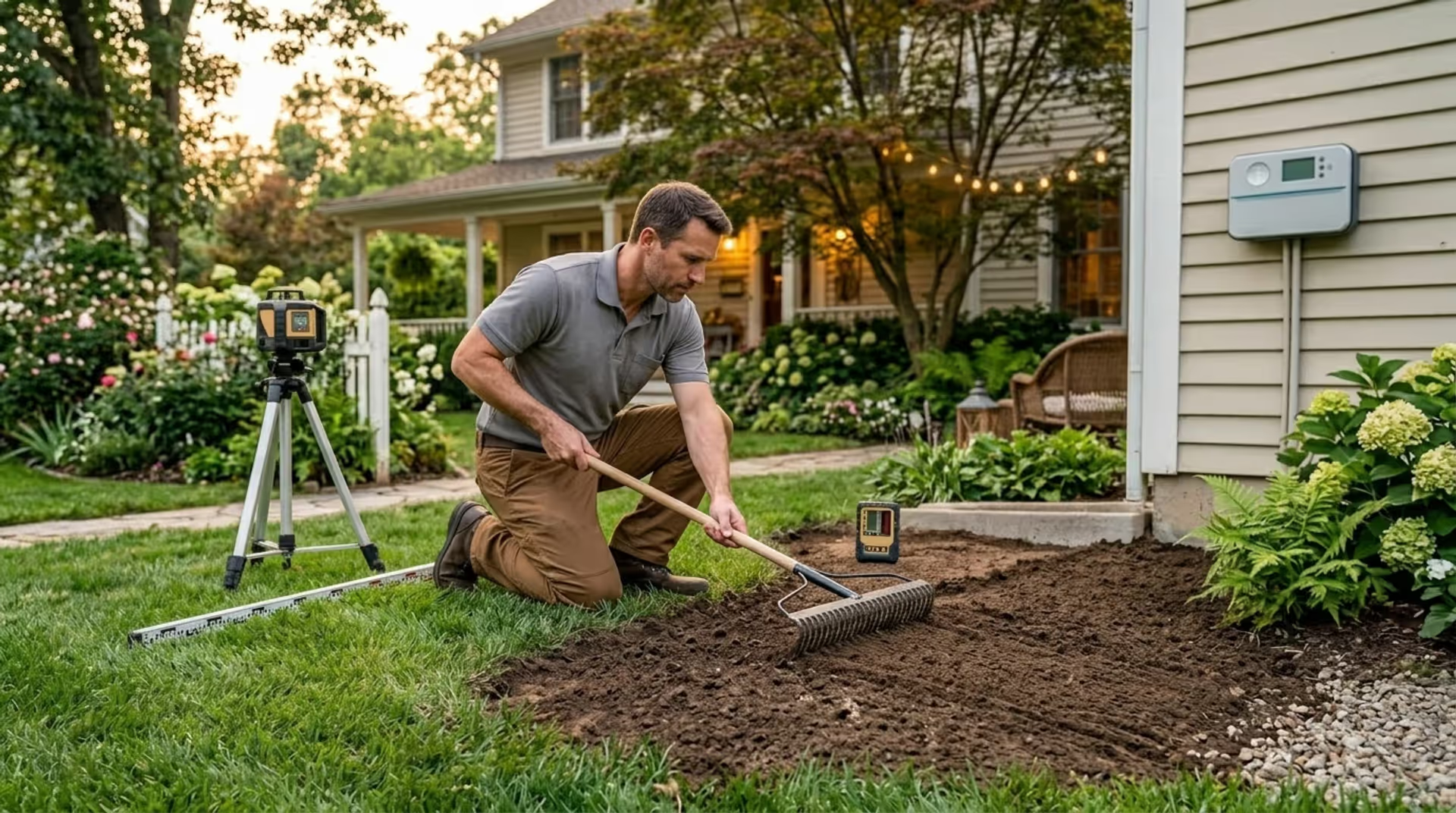
The base layer beneath your turf matters as much as the turf itself. Properly installed artificial grass sits on 3-4 inches of crushed rock with a compacted decomposed granite or sand layer on top. This creates a permeable foundation that channels water away efficiently.
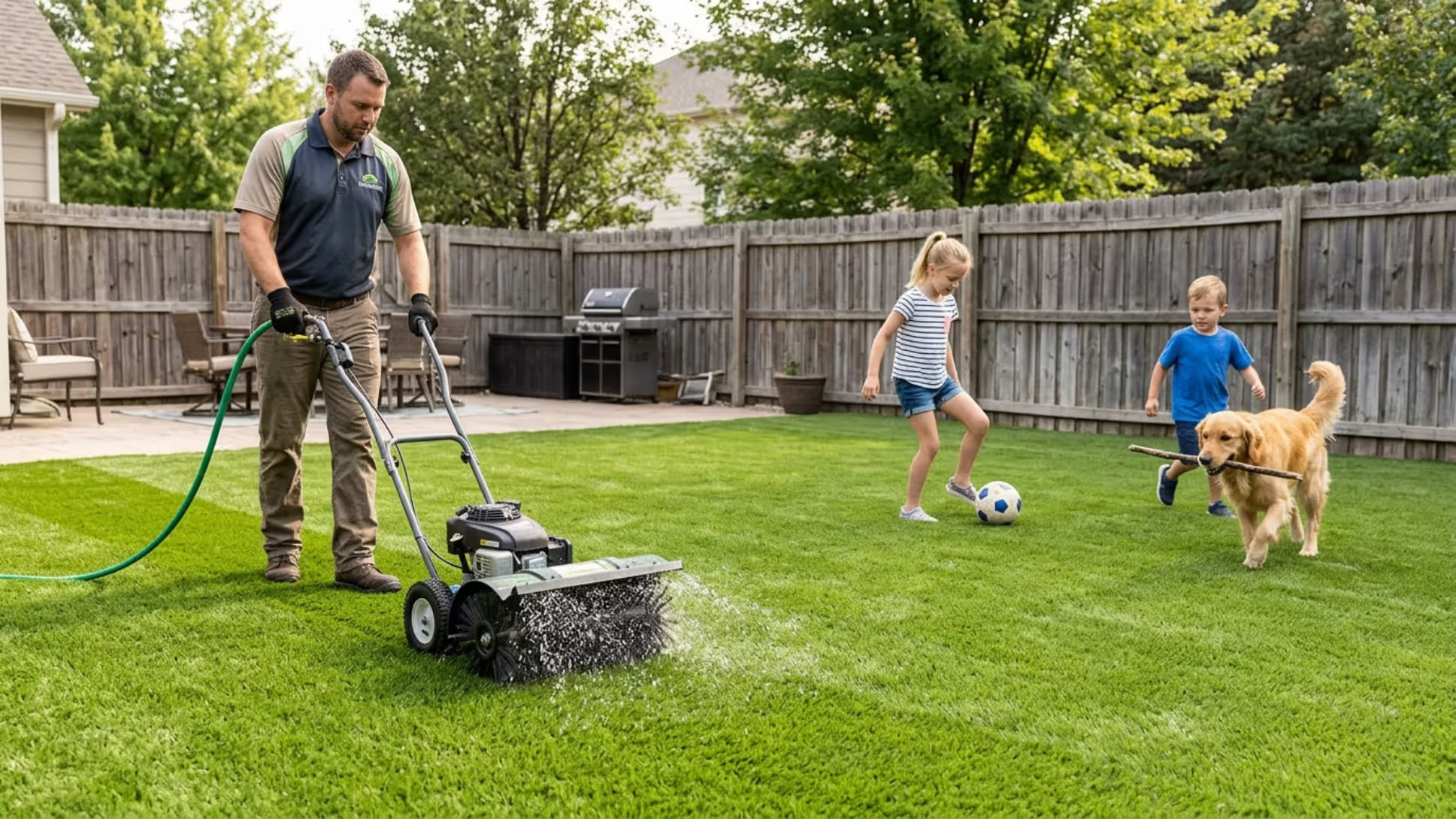
Maintenance requirements depend on use. Pet-free yards need monthly brushing to keep blades upright and quarterly rinsing to remove dust and pollen. Pet areas require weekly rinsing and monthly application of enzyme cleaners to control odor. High-traffic zones benefit from monthly infill top-ups to maintain cushioning and blade support.
Leaf blowers become your best friend. They clear debris without damaging fibers. Avoid metal rakes—they can pull out infill and damage backing.
Choosing Artificial Grass for Specific Backyard Conditions
Different backyard conditions demand different turf specifications. What works for a shaded Seattle yard fails miserably in a Phoenix dog run.
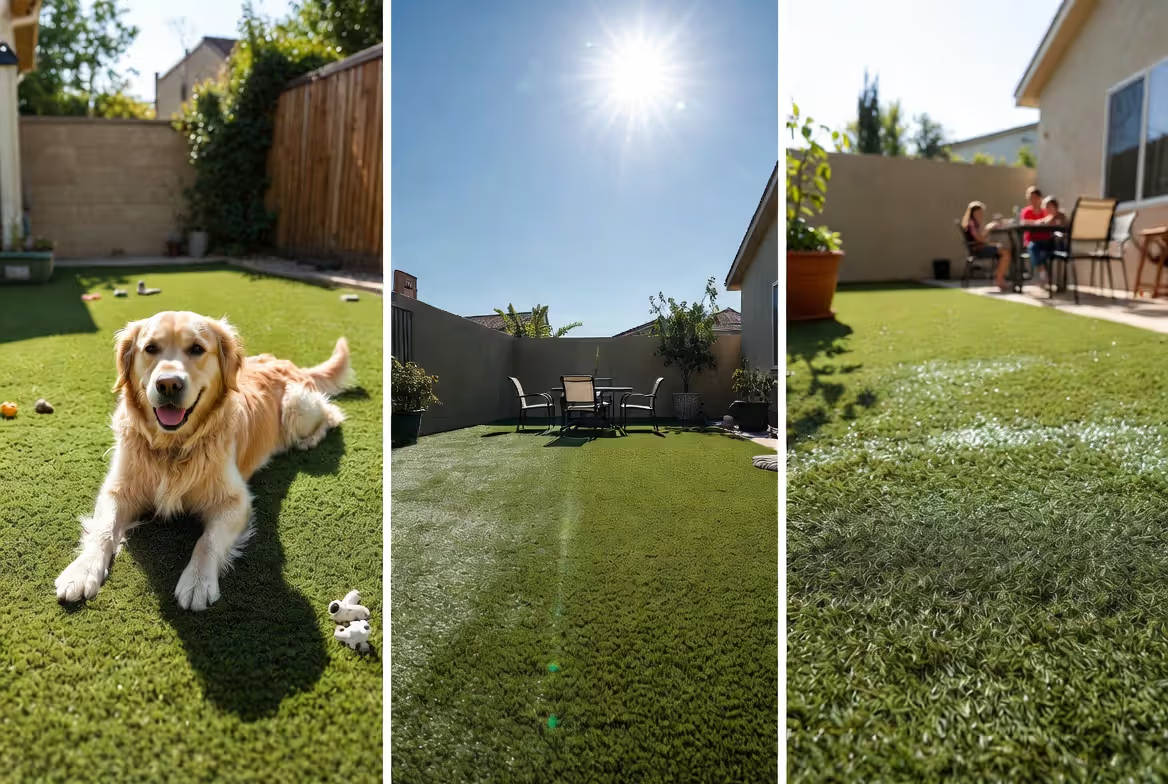
Best synthetic turf for dogs prioritizes drainage, durability, and antimicrobial properties. Look for shorter pile heights (1-1.5 inches) that resist matting from paw traffic. Backing should drain at least 40 inches per hour—dogs produce a lot of liquid waste. Polyethylene blades hold up better to digging and rough play than polypropylene.
Antimicrobial infill makes a huge difference for pet areas. Zeolite infill naturally absorbs ammonia from urine, reducing odor dramatically. Some products include built-in antimicrobial agents in the backing itself. Budget an extra $1-2 per square foot for pet-specific turf, but it's worth every penny if you have multiple dogs.
Perimeter drainage becomes critical in dog yards. Install a French drain or drainage channel around the turf perimeter to handle the volume of liquid. Without it, you'll get standing water and persistent odors no amount of rinsing can fix.
Author: Liam Ashcroft;
Source: cribbslandscaping.com
Best turf for hot climates focuses on heat management. Standard artificial grass can reach surface temperatures 40-60°F hotter than ambient air. In Phoenix or Las Vegas, that means 160°F+ on July afternoons—hot enough to burn paws and feet.
Heat-reflective technology helps but doesn't eliminate the problem. Some manufacturers coat fibers with reflective pigments that reduce heat absorption by 15-20°F. Others use lighter color blends that reflect more sunlight. The most effective solution combines reflective coating with cooling infill like HydroChill, which uses moisture-activated technology to lower surface temperatures.
Lighter colors stay cooler but may look less realistic. It's a trade-off. If you're in a hot climate, test samples on a sunny afternoon before committing to 1,000 square feet.
Shade structures matter too. Pergolas, shade sails, or strategic tree placement can reduce turf surface temperatures by 30-40°F. Consider your yard's sun exposure when planning installation.
High foot traffic areas need shorter, denser turf. Pile heights of 1-1.25 inches resist crushing better than taller options. Face weights of 70-80 oz per square yard provide enough fiber density to bounce back from constant use.
Edges and seams fail first in high-traffic zones. Quality installation includes securing edges with bender board or landscape edging and using seam tape plus adhesive for joins. Cheap installations skip these steps and develop visible wear lines within a year.
Shaded yards present unique challenges. Without direct sunlight, turf stays damp longer, increasing mold and mildew risk. Choose products with antimicrobial backing and ensure your base layer drains exceptionally well. Lighter colored turf brightens shaded areas better than dark green options.
The biggest mistake homeowners make is choosing turf based solely on how it looks in the showroom. You need to match the product to your specific conditions—your climate, your soil drainage, how you'll actually use the space. A product that's perfect for a San Diego decorative area will fail catastrophically in a Houston dog run.
— Rodriguez Michael
Top Artificial Grass Products Compared
Here's how leading artificial grass products stack up for backyard applications:
Product/Brand
Pile Height
Material Type
Price per Sq Ft
Warranty
Best For
SYNLawn EnviroLoc Plus
1.75"
PE/Nylon blend
$6.50-8.00
15 years
Hot climates, eco-conscious buyers
ForeverLawn Playground Grass
1.5"
PE with antimicrobial
$5.50-7.00
12 years
Pet owners, high traffic
TigerTurf Vision Plus
1.875"
PE/PP blend
$5.00-6.50
10 years
Realistic appearance, moderate use
Global Syn-Turf Artificial Grass
1.625"
PE
$4.50-6.00
15 years
Budget-conscious, general purpose
Bella Turf Premium 80
2.0"
PE with UV coating
$7.00-9.00
15 years
Luxury appearance, low traffic
K9Grass Classic
1.25"
PE with flow-through backing
$6.00-7.50
10 years
Dog owners, heavy pet use
Prices reflect 2026 market rates for materials only, not including installation. Professional installation typically adds $4-8 per square foot depending on site preparation requirements and regional labor costs.
The simpler option usually wins here—don't overpay for features you won't use. If you don't have pets, skip the antimicrobial backing. If your yard is shaded, you don't need maximum UV protection.
Author: Liam Ashcroft;
Source: cribbslandscaping.com
Common Mistakes When Selecting Fake Grass
Ignoring drainage causes more failures than any other factor. Homeowners see beautiful turf samples and forget to ask about water flow. Then the first heavy rain creates a swamp that takes days to dry. Always verify drainage specifications and ensure your base preparation includes proper grading and permeable materials.
Standing water isn't just inconvenient—it creates mold, mildew, and odor problems that make your yard unusable. If your soil has clay content or poor natural drainage, budget for additional base preparation work.
Choosing solely on price seems smart until your $3 per square foot turf looks worn out in three years. Quality turf costs $5-8 per square foot for materials but lasts 15-20 years. Cheap turf costs $3-4 but needs replacement in 8-10 years. Do the math—premium turf costs less long-term.
The visual difference between budget and premium turf becomes obvious within months. Cheap turf fades faster, mats more easily, and never quite looks real. If you're investing in artificial grass, invest enough to get a product you'll actually enjoy.
Overlooking installation quality wastes even premium materials. Poor base preparation leads to settling, uneven surfaces, and drainage issues. Inadequate edge securing causes lifting and separation. Sloppy seaming creates visible lines that ruin the illusion.
Professional installation costs more upfront but pays off in longevity and appearance. If you're DIYing, research proper techniques thoroughly. Watch multiple installation videos, rent the right equipment, and don't skip steps.
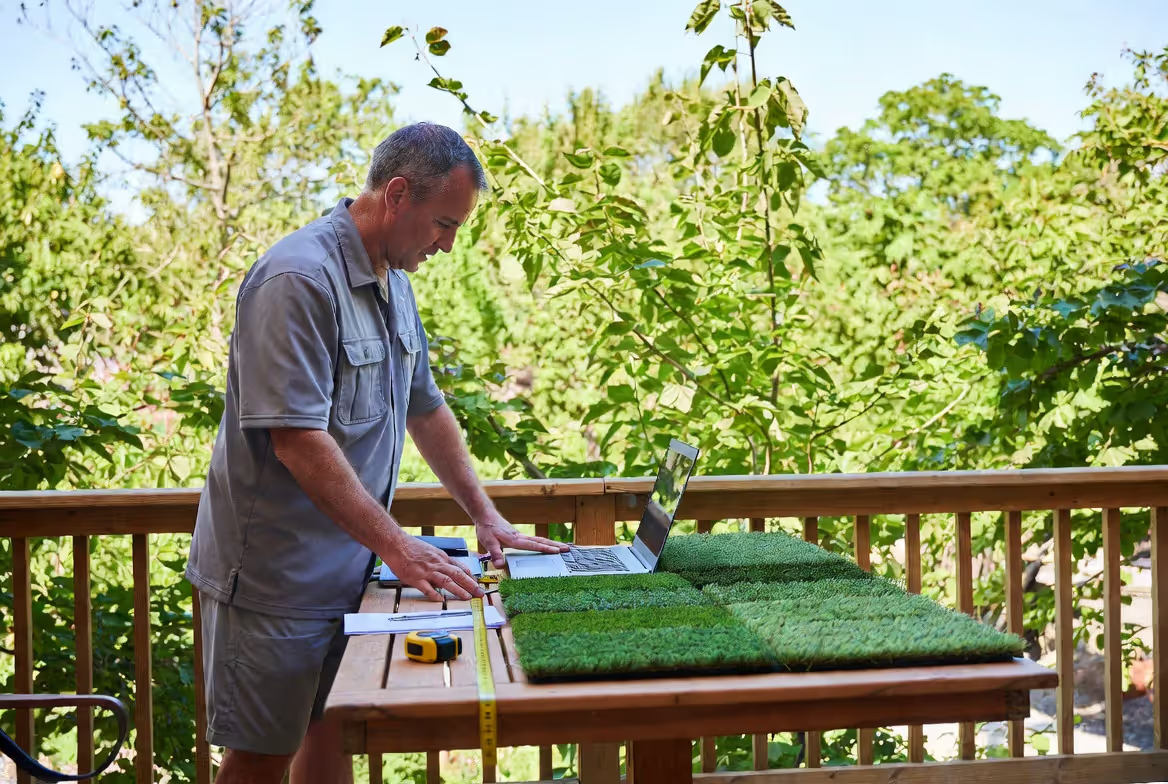
Not testing samples before ordering 1,000 square feet is gambling with thousands of dollars. Most suppliers provide 6"x6" or 12"x12" samples for $10-20. Order samples of your top three choices and live with them for a week.
Place samples in your actual yard conditions. Walk on them barefoot. Pour water on them to test drainage. Leave them in the sun to check heat retention. Check them at different times of day to see how they look in various lighting. This simple step prevents expensive regrets.
Ignoring infill options leads to performance problems. The infill you choose affects temperature, drainage, odor control, and feel. Rubber crumb is cheap but hot. Silica sand is neutral but provides no cooling. Zeolite costs more but controls odor naturally.
Match infill to your priorities. Pet owners benefit from antimicrobial infill. Hot climate homeowners need cooling infill. High-traffic areas need resilient infill that won't compact excessively.
Author: Liam Ashcroft;
Source: cribbslandscaping.com
FAQ: Backyard Artificial Grass Questions Answered
How long does backyard artificial grass last?
Quality artificial grass typically lasts 15-20 years with proper maintenance. Premium products with UV-stabilized fibers, durable backing, and high stitch rates can exceed 20 years in moderate climates with average use. Budget products generally last 8-12 years before showing significant wear, fading, or backing deterioration. Lifespan depends heavily on climate conditions, foot traffic levels, installation quality, and maintenance practices. Pet areas may see slightly shorter lifespans due to increased wear and exposure to urine, but products designed specifically for pets often match standard turf longevity.
Is artificial turf safe for dogs and children?
Modern artificial turf designed for residential use is safe for both dogs and children. Quality products use non-toxic materials and avoid heavy metals in dyes and coatings. Look for turf certified by independent testing organizations for lead content and other harmful substances. The main safety considerations are heat—turf can get very hot in direct sun—and proper drainage to prevent bacteria growth. Pet-specific turf includes antimicrobial properties that inhibit bacterial growth and control odor. For children's play areas, choose products with adequate cushioning infill and softer polyethylene blades rather than stiffer polypropylene options.
Does fake grass get too hot in summer?
Standard artificial grass can get significantly hotter than natural grass, reaching surface temperatures 40-60°F above ambient air temperature in direct sunlight. On a 90°F day, turf surfaces can exceed 150°F, which is uncomfortable and potentially dangerous for bare feet and pet paws. Heat-reflective turf products reduce this by 15-20°F through special coatings and lighter color blends. Cooling infill products like HydroChill can lower temperatures an additional 30-40°F when moistened. Shade structures, strategic tree placement, and choosing lighter-colored turf all help manage heat. If you're in a hot climate, test samples on sunny afternoons before purchasing.
Can I install artificial grass myself?
DIY artificial grass installation is possible for homeowners with moderate construction skills and the right tools. The process involves excavating existing grass, creating a properly graded and compacted base layer, laying weed barrier, installing the turf, securing edges, seaming sections, adding infill, and brushing fibers upright. Most homeowners can handle small areas (under 500 square feet) successfully. Larger areas, complex shapes, or sites with drainage issues benefit from professional installation. The most common DIY mistakes are inadequate base preparation, poor drainage grading, and improper seaming. Professional installation typically costs $4-8 per square foot on top of material costs but ensures proper performance and longevity.
How much does quality artificial turf cost per square foot?
Quality artificial turf materials range from $5-9 per square foot in 2026, depending on pile height, face weight, backing type, and special features like cooling technology or antimicrobial properties. Budget options start around $3-4 per square foot but compromise on durability and appearance. Professional installation adds $4-8 per square foot, bringing total installed costs to $9-17 per square foot for quality products. Additional costs include base preparation ($1-3 per square foot), infill ($0.50-2 per square foot depending on type), and edge materials ($3-8 per linear foot). A typical 500 square foot backyard installation costs $6,000-10,000 including materials and professional installation.
What maintenance does artificial grass require?
Artificial grass requires significantly less maintenance than natural lawns but isn't completely maintenance-free. Monthly tasks include brushing or raking to keep blades upright and evenly distribute infill. Quarterly rinsing removes dust, pollen, and debris. Pet areas need weekly rinsing and monthly enzyme cleaner applications to control odor. Remove leaves and debris regularly with a leaf blower or plastic rake—avoid metal rakes that can damage backing. Top up infill annually in high-traffic areas. Inspect seams and edges twice yearly and re-secure if needed. Most homeowners spend 1-2 hours per month on maintenance compared to 4-8 hours monthly for natural lawn care.
Choosing the best artificial grass for backyard spaces comes down to matching product specifications to your specific conditions and priorities. Start by evaluating your climate, drainage situation, and primary use case. Then filter products based on those requirements.
Don't rush the decision. Order samples, talk to multiple suppliers, and get at least three installation quotes if you're hiring professionals. Check references and look at completed projects in person when possible.
Calculate total cost of ownership over 15 years, not just upfront expenses. A $7 per square foot product that lasts 18 years costs less annually than a $4 product that needs replacement in 10 years. Factor in the time and hassle savings compared to maintaining natural grass.
The right artificial grass transforms your backyard into a consistently green, low-maintenance space that looks great year-round. Take the time to choose wisely and you'll enjoy the benefits for the next two decades.
Proper drainage starts with the ground itself. When water pools around your foundation or turns your backyard into a swamp after every rain, you're looking at a grading problem. Learn how to shape your landscape to move water away from structures and create a yard that actually works.
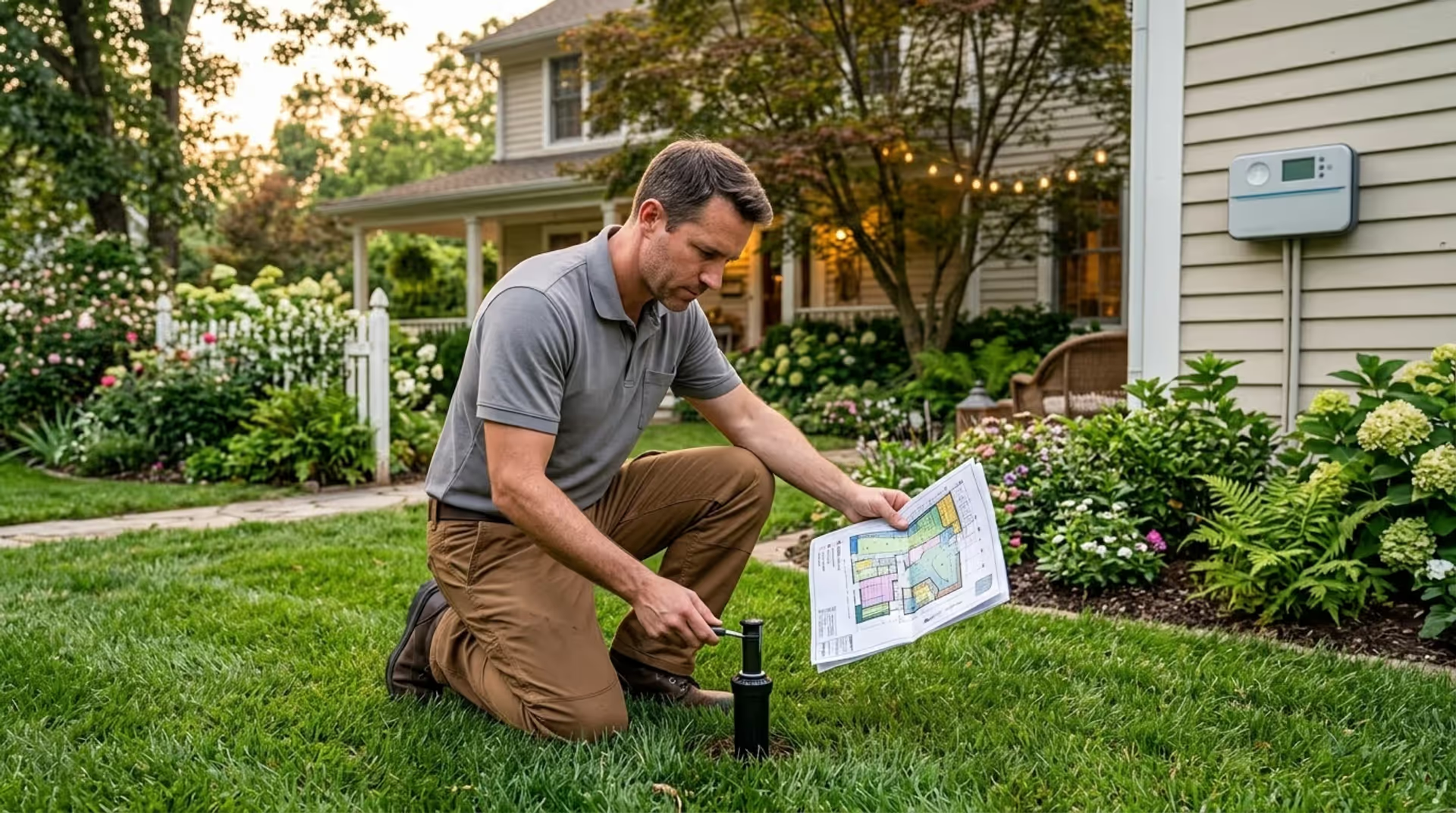
Discover how irrigation specialists design efficient watering systems, when professional help makes sense, and what to expect from installation. Includes system comparison, cost factors, and expert hiring tips for homeowners.
Discover creative concrete patio designs from stamped and textured finishes to polished surfaces and geometric layouts. Learn which concrete finish works best for your climate, budget, and style with detailed comparisons of durability, maintenance, and costs.
Learn how to select synthetic playground turf that meets safety standards and budget requirements. This guide covers fall height ratings, infill materials, shock pad systems, installation needs, maintenance schedules, and total cost analysis for schools and facilities.
The content on this website is provided for general informational and educational purposes only. It is intended to explain concepts related to landscape design, outdoor spaces, plants, irrigation, hardscape and softscape, and sustainable landscaping.
All information on this website, including articles, guides, and examples, is presented for general educational purposes. Outcomes may vary depending on local climate, soil, plant selection, and project implementation.
This website does not provide professional design, construction, or horticultural advice, and the information presented should not be used as a substitute for consultation with qualified landscape architects, contractors, or horticulturists.
The website and its authors are not responsible for any errors or omissions, or for any outcomes resulting from decisions made based on the information provided on this website.