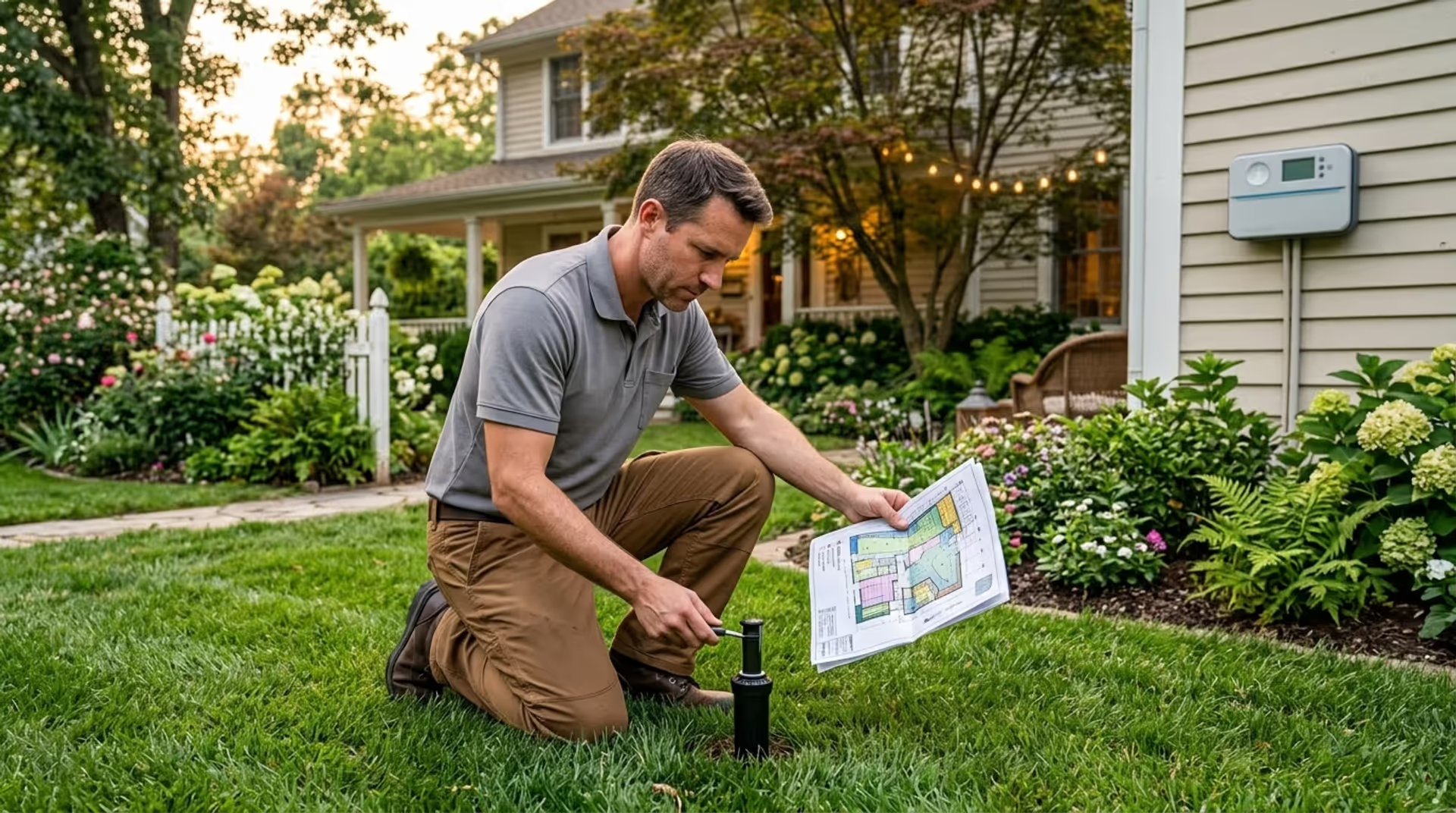
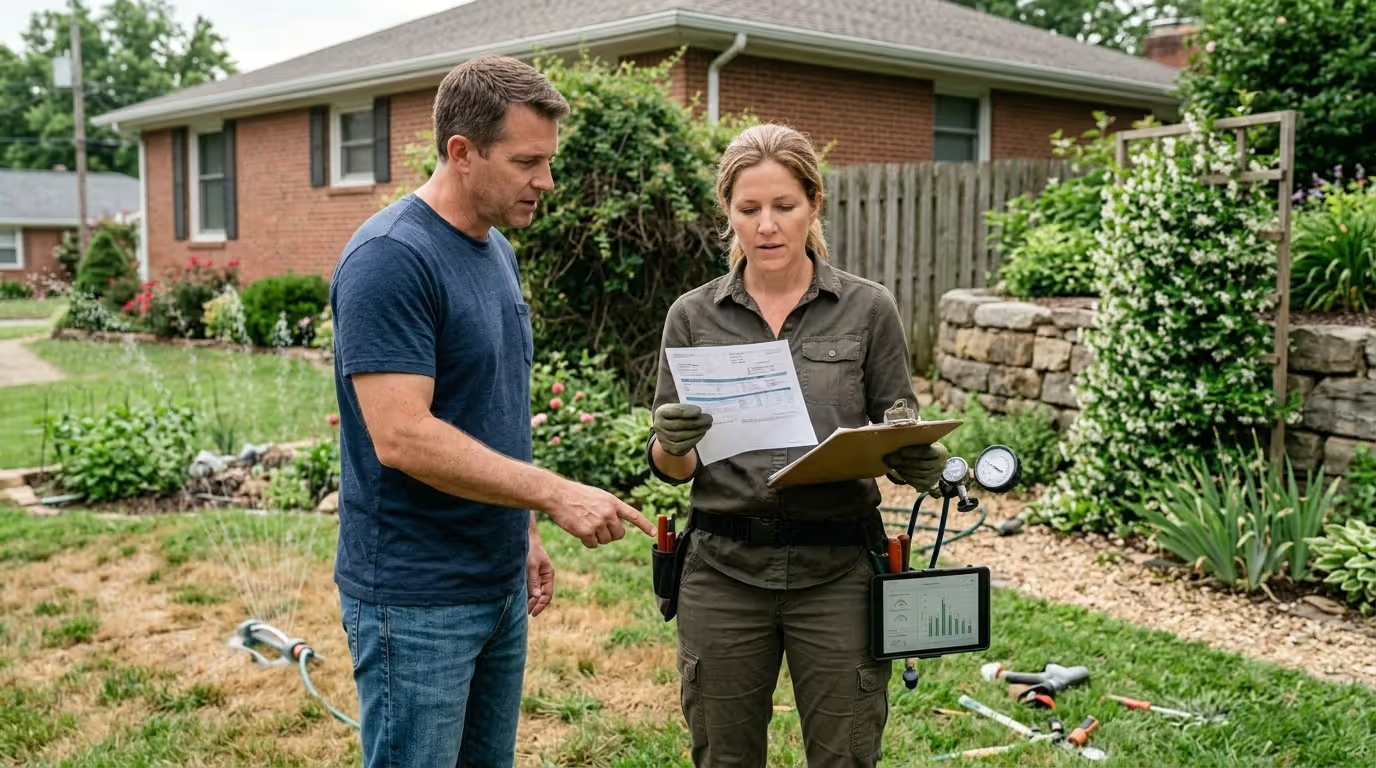
When your lawn has brown patches despite regular watering, or your water bill climbs every summer, you're probably wasting money on an inefficient system. Most homeowners don't realize how much water—and cash—slips away through poorly designed irrigation. That's where irrigation specialists come in. They're not just installers. They're engineers who understand soil, plant needs, and hydraulics.
What Do Irrigation Specialists Do?
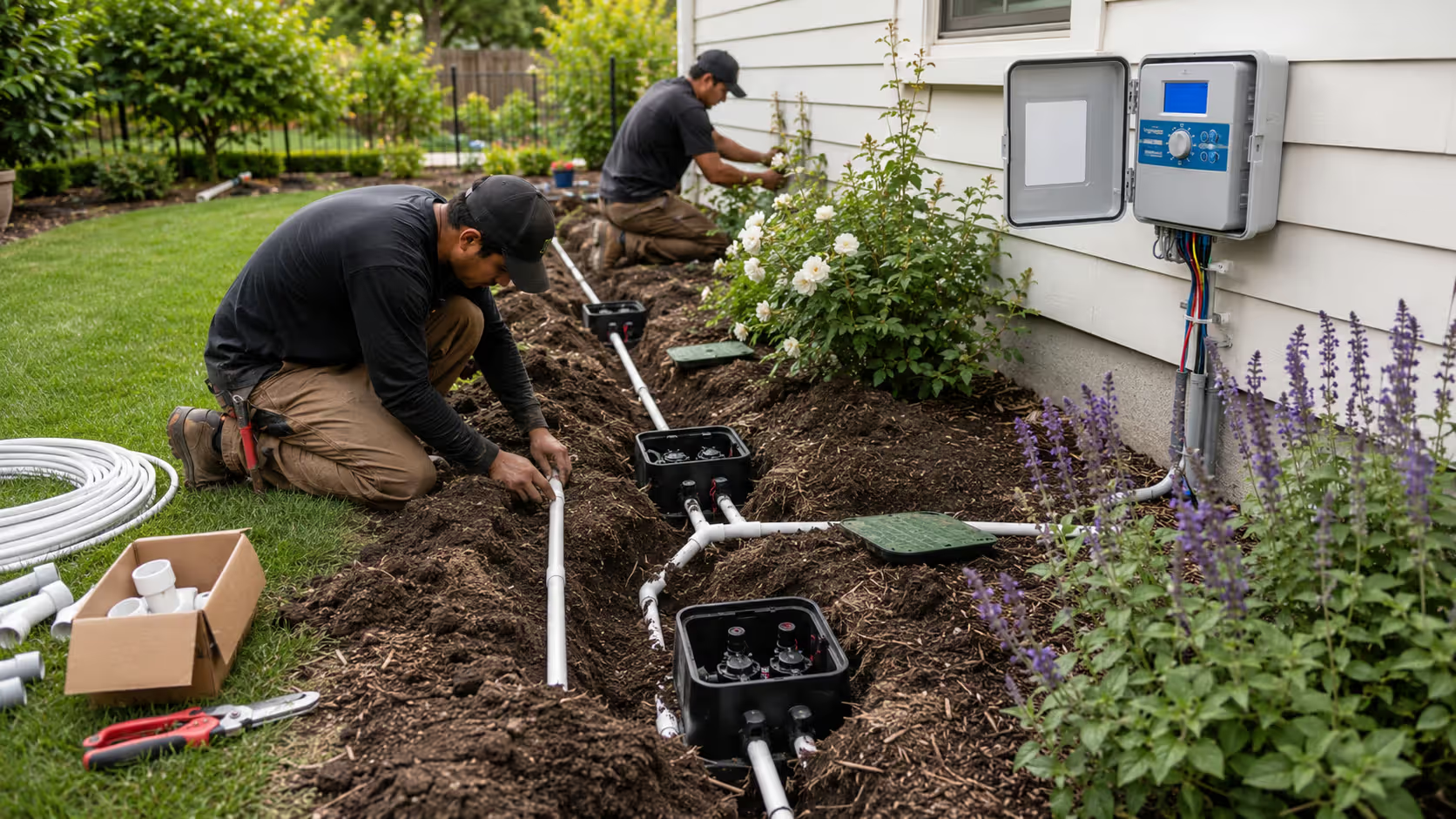
Irrigation specialists design, install, and maintain watering systems tailored to your property's unique conditions. They analyze soil composition, measure water pressure, calculate precipitation rates, and map out zones that deliver the right amount of water to each plant type.
Their services go beyond digging trenches and connecting pipes. A qualified specialist conducts water audits to identify waste, programs smart controllers based on local weather patterns, and troubleshoots system failures that would baffle most homeowners. They understand backflow prevention requirements, local codes, and how to integrate rain sensors with existing landscapes.
The difference between an irrigation specialist and a general landscaper? Depth of knowledge. Landscapers might install a basic sprinkler system as part of a larger project. Specialists focus exclusively on water delivery. They know the hydraulic calculations needed to ensure uniform coverage across sloped terrain. They can tell you why your rotor heads aren't rotating properly or why your drip lines clog every season.
Many specialists also offer seasonal maintenance contracts. They'll winterize systems in cold climates, adjust spray patterns as plants mature, and replace worn components before they fail completely. The pattern I see most often is homeowners calling after something breaks—but preventive service costs far less than emergency repairs.
When Should You Hire an Irrigation Specialist?
You don't need a professional for every watering task. A few soaker hoses work fine for small garden beds. But certain situations demand expertise.
Large properties over half an acre rarely get adequate coverage from DIY systems. You'll need pressure regulation, multiple zones, and careful head spacing to avoid dry spots. Specialists calculate gallons per minute and match it to your water supply capacity—something most homeowners skip.
Complex terrain creates headaches. Slopes cause runoff before water penetrates the soil. Low spots collect water and drown plants. Irrigation specialists design systems that compensate for elevation changes, using pressure-compensating emitters and adjusting run times by zone.
If your water bill spikes every summer despite conservative watering, your system probably wastes water through overspray, misting, or poor scheduling. A professional audit identifies exactly where the waste occurs. Most specialists find 30-50% efficiency improvements just by adjusting existing equipment.
New construction offers the perfect time to install irrigation. Running lines before hardscaping goes in saves money and prevents damage to patios or driveways. Specialists coordinate with builders to place sleeves under concrete and position valve boxes where they won't interfere with future features.
System failures beyond simple fixes—low pressure throughout the yard, zones that won't shut off, controllers that constantly reset—usually indicate design problems or damaged main lines. Specialists have the diagnostic tools and experience to locate breaks without excavating your entire lawn.
Author: Liam Ashcroft;
Source: cribbslandscaping.com
How Irrigation Specialists Design Your System
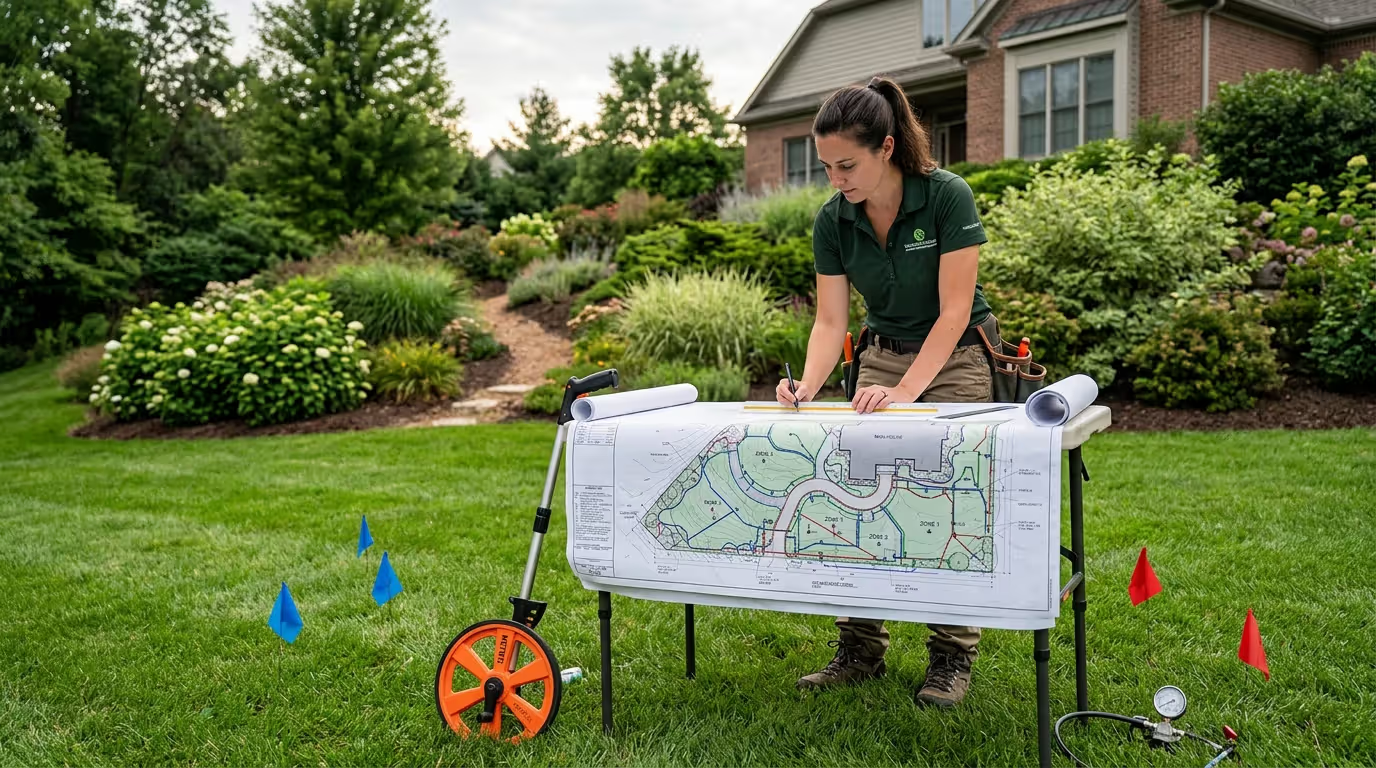
Professional design follows a methodical process. It starts with a site assessment where the specialist walks your property with a measuring wheel and notepad. They document sun exposure, soil type, existing plants, and slope gradients. They'll dig test holes to check drainage and note any areas with standing water after rain.
Water source evaluation comes next. The specialist measures static pressure at your main line and dynamic pressure with multiple outlets running. This determines how many zones you can operate simultaneously. They'll also check flow rate—usually by timing how long it takes to fill a 5-gallon bucket. If your supply can't support the planned system, they'll design in phases or recommend a booster pump.
Zone mapping divides your property by water needs. Turf grass goes in separate zones from shrub beds. Full-sun areas get different coverage than shade. Drip zones for vegetable gardens run independently from spray zones for lawns. Good specialists create 6-8 zones for an average quarter-acre lot, though this varies widely.
Head selection matches equipment to each zone's requirements. Pop-up spray heads work for small turf areas under 15 feet. Rotors cover larger expanses. Drip emitters serve planting beds and trees. The specialist calculates spacing based on head radius and adjusts for wind exposure and plant maturity.
Controller programming ties everything together. Modern controllers adjust watering based on local weather data, soil moisture sensors, and seasonal plant needs. Specialists program different schedules for each zone, accounting for sun exposure, soil type, and plant establishment periods.
Author: Liam Ashcroft;
Source: cribbslandscaping.com
Understanding Irrigation Zones in Your Yard
Zones aren't arbitrary divisions. They're hydraulic necessities. Your water supply delivers a fixed flow rate—say, 12 gallons per minute. If you try running 20 spray heads that each need 1 GPM, you'll get weak pressure and poor coverage everywhere.
Specialists calculate precipitation rates for each zone to ensure uniform watering. A zone with 8 spray heads covering 800 square feet delivers water at a different rate than a zone with 4 rotors covering the same area. The controller adjusts run times so each zone receives the same total water depth.
Hydrozoning groups plants with similar water needs. Your lawn might need an inch of water weekly, while established shrubs need half that. Native plants might thrive on rainfall alone after the first year. Mixing these in one zone wastes water on some plants and stresses others.
Separate zones also prevent hydraulic conflicts. Drip systems operate at 25-30 PSI. Spray heads need 30-40 PSI. Rotors want 40-50 PSI. Running these together causes performance problems. Specialists isolate each type on dedicated zones with appropriate pressure regulation.
Choosing the Right Irrigation Head Types
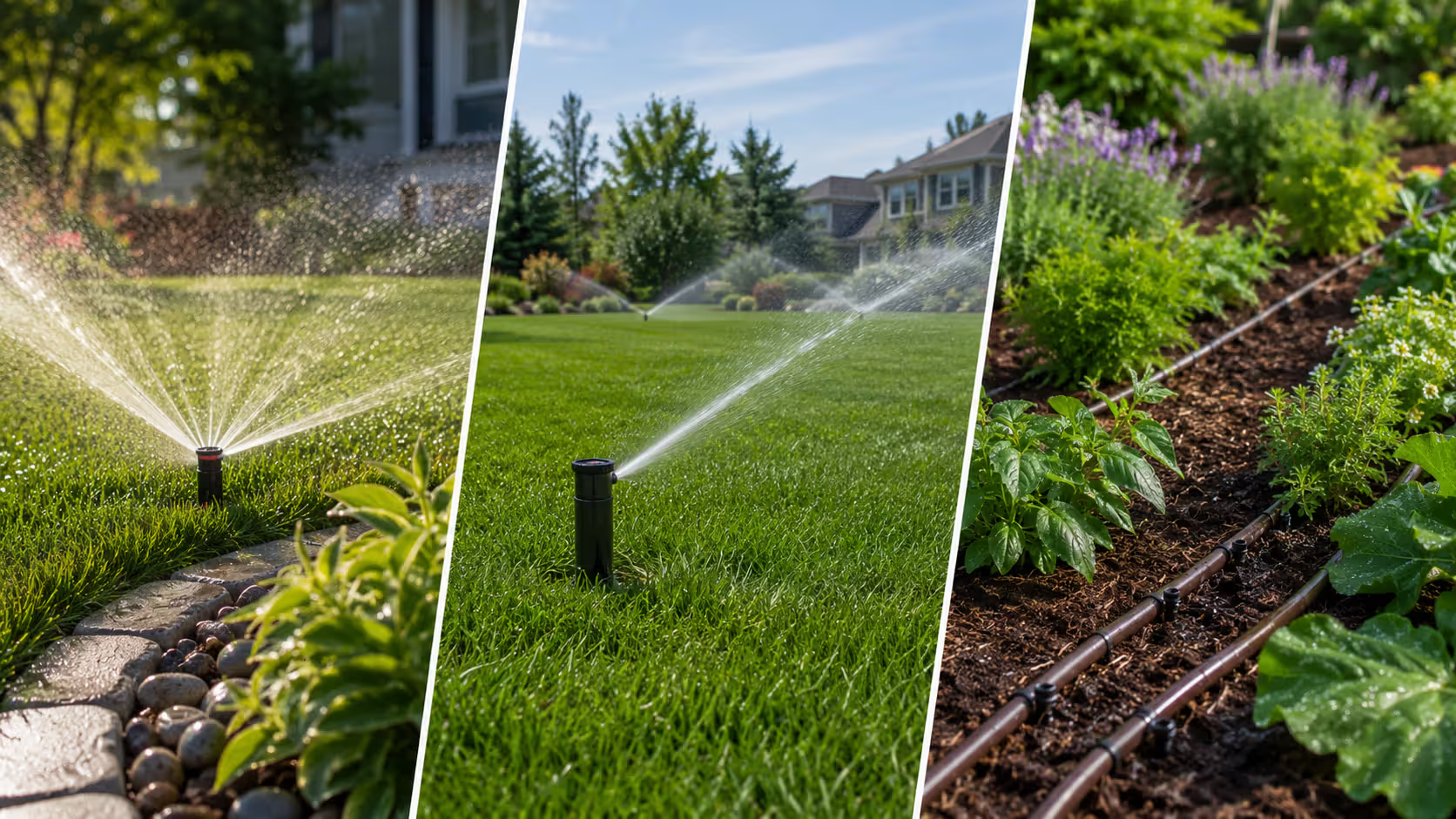
Spray heads work best for small to medium turf areas and tight planting beds. They distribute water in fixed patterns—quarter circle, half circle, full circle—with radiuses from 4 to 15 feet. They're affordable and easy to adjust but less water-efficient than other options due to misting and wind drift.
Rotor heads cover large turf areas with rotating streams. They throw water 15 to 50 feet depending on the model and pressure. Rotors apply water more slowly than sprays, which reduces runoff on slopes and clay soils. They cost more upfront but cover more area per head.
Drip emitters deliver water directly to root zones at low pressure. They're the most efficient option for shrubs, trees, and vegetable gardens. Emitters come in fixed flow rates (0.5, 1, 2 gallons per hour) or adjustable models. Specialists often combine inline drip tubing with individual emitters for flexible layouts.
Bubbler heads flood water around trees and large shrubs. They're simple, durable, and good for plants that need deep watering. But they're inefficient on slopes and don't work well in windy areas.
MP rotators split the difference between sprays and rotors. They use rotating streams like rotors but fit on spray head bodies. They're ideal for medium-sized turf areas and mixed plantings where you need better efficiency than sprays but can't justify full rotors.
The simpler option usually wins here. Specialists avoid over-engineering. If spray heads cover your lawn adequately and you're willing to accept slightly higher water use, there's no need for expensive rotors.
Author: Liam Ashcroft;
Source: cribbslandscaping.com
Common Irrigation System Types Specialists Install
Different properties need different approaches. Here's how specialists match systems to sites:
System Type
Best Use Case
Water Efficiency
Typical Cost Per Zone
Maintenance Needs
Ideal Property Type
Drip irrigation
Garden beds, shrubs, trees, vegetable gardens
90-95%
$250-$400
Moderate (filter cleaning, emitter clogs)
Properties with diverse plantings
Spray heads
Small to medium lawns, tight areas
65-75%
$300-$500
Low (occasional head adjustment)
Suburban yards under 5,000 sq ft
Rotor sprinklers
Large turf areas, athletic fields
75-85%
$400-$700
Low (seasonal checks)
Properties over 5,000 sq ft turf
Subsurface drip
Turf irrigation, water conservation priority
85-90%
$800-$1,200
High (root intrusion, emitter depth)
High-value landscapes, drought areas
Micro irrigation
Container gardens, raised beds, precise plantings
90-95%
$200-$350
Moderate (filter maintenance)
Urban gardens, patios, greenhouses
Drip irrigation design focuses on delivering water at the root zone with minimal evaporation. Specialists lay polyethylene tubing along planting beds with emitters spaced based on soil type and plant size. Sandy soils need closer emitter spacing (12 inches) than clay soils (18-24 inches). The system operates at low pressure, which saves energy and reduces pipe stress.
Subsurface irrigation buries drip lines 4-8 inches below the surface. It's nearly invisible and eliminates surface evaporation entirely. But installation costs run high, and roots can invade emitters over time. Specialists recommend it for high-end residential lawns and commercial properties where water conservation justifies the investment.
Micro irrigation for garden beds uses smaller tubing and lower flow emitters than standard drip systems. Quarter-inch distribution tubing snakes between plants with individual emitters or micro-sprayers. It's perfect for container gardens, greenhouse benches, and densely planted perennial beds where you need pinpoint water delivery.
Garden watering system design often combines multiple types. A typical residential system might use rotors for the front lawn, spray heads for side yard turf, drip lines for foundation plantings, and micro irrigation for vegetable beds. Specialists integrate these into a unified controller with separate programs for each zone type.
Professionally designed irrigation systems typically reduce residential water consumption by 30-40% compared to manual watering or poorly planned DIY installations. The savings come from precise application rates, weather-based scheduling, and elimination of overspray onto hardscapes. Over a system's 15-20 year lifespan, the water savings alone usually exceed the installation cost.
— Martinez Elena
What to Ask Before Hiring an Irrigation Specialist
Licensing requirements vary by state. Many states require irrigation contractors to hold specific licenses separate from general contractor licenses. Ask for license numbers and verify them with your state's contractor licensing board. Some specialists also carry certifications from the Irrigation Association—look for Certified Irrigation Contractor (CIC) or Certified Irrigation Designer (CID) credentials.
Experience matters more than advertising. Ask how long they've operated in your area and request examples of similar properties they've designed. A specialist who's installed 200 systems in your climate understands local soil conditions, water restrictions, and plant needs better than someone new to the region.
Warranty coverage should include both parts and labor. Standard warranties cover installation defects for one year, but some specialists offer extended coverage. Ask what happens if a zone fails six months after installation—will they diagnose and repair it at no cost, or charge service rates?
References provide reality checks. Ask for three recent clients with similar property sizes and system types. Call them. Ask if the installation stayed on budget, if the crew cleaned up thoroughly, and whether the system performs as promised. One common mistake is skipping reference checks because the bid seems reasonable.
Design approach reveals philosophy. Some specialists push expensive smart controllers and high-tech sensors for every job. Others recommend simpler systems that meet your needs without unnecessary features. Ask them to explain their design choices for your property. If they can't justify why you need a specific component, you probably don't.
Maintenance plans vary widely. Some specialists offer annual service contracts covering spring startup, mid-season adjustments, and fall winterization. Others charge per visit. Get pricing for both options and compare. Regular maintenance extends system life and catches small problems before they become expensive failures.
Cost Factors for Professional Irrigation Services
Design fees run $200-$500 for residential properties, though some specialists waive the fee if you hire them for installation. Complex sites with multiple elevations, existing landscaping constraints, or unusual water sources cost more to design. You're paying for the specialist's time measuring, calculating, and drawing plans.
Installation costs depend on system type, property size, and site conditions. Expect $2,500-$5,000 for a basic system covering a quarter-acre lot with turf and simple planting beds. Larger properties or complex designs with multiple system types can run $8,000-$15,000.
Property size impacts costs non-linearly. Doubling your lot size doesn't double the price because fixed costs (controller, backflow preventer, main line connection) stay constant. But you'll need more zones, more pipe, and more heads. A half-acre lot typically costs 60-70% more than a quarter-acre, not 100% more.
Author: Liam Ashcroft;
Source: cribbslandscaping.com
System type drives material costs. Drip systems use less expensive components than spray systems but require more labor to install properly. Subsurface systems cost the most due to specialized equipment and precise installation requirements. Rotor systems fall in the middle.
Soil conditions affect installation difficulty. Rocky soil requires trenching equipment and extra labor. Heavy clay needs soil amendments for proper drainage. Sandy soil drains fast but requires more emitters to establish adequate coverage.
Ongoing maintenance costs $150-$300 annually for most residential systems. This covers seasonal startups and shutdowns, controller adjustments, and minor repairs. Neglecting maintenance leads to bigger problems—I've seen $50 valve repairs turn into $800 zone replacements because homeowners ignored small leaks.
Efficient irrigation methods reduce operating costs over time. A well-designed drip system might cost 20% more to install than spray heads but saves 30-40% on water bills annually. In areas with high water rates, the payback period runs 2-3 years.
FAQ: Irrigation Specialist Questions Answered
Do irrigation specialists need to be licensed?
Licensing requirements depend on your state. Most states require irrigation contractors to hold specific licenses that demonstrate knowledge of hydraulics, backflow prevention, and local codes. Some states require passing a written exam and proving field experience. A few states have no licensing requirements at all, which makes checking credentials and references even more important. Always verify license status with your state contractor board before hiring anyone.
How much can a professional irrigation system save on water bills?
Most homeowners see 25-40% reductions in outdoor water use after installing professionally designed systems. The savings come from eliminating overspray onto driveways and sidewalks, matching water delivery to plant needs, and using weather-based controllers that skip watering after rain. In areas with tiered water rates, staying in lower usage tiers can save $50-$150 monthly during peak season. Systems typically pay for themselves in water savings within 5-8 years, though this varies based on local water costs and property size.
Can an irrigation specialist retrofit my existing system?
Yes, and retrofitting often costs less than complete replacement. Specialists can add drip zones to existing spray systems, upgrade old controllers to smart models, install pressure regulators on high-pressure zones, or replace inefficient spray heads with MP rotators. A thorough audit identifies which components need replacement and which can stay. Many systems installed 10-15 years ago have perfectly good pipes and valves but outdated heads and controllers. Retrofitting those components improves efficiency without the expense of new trenching.
What's the difference between an irrigation specialist and a landscaper?
Irrigation specialists focus exclusively on water delivery systems. They understand hydraulic calculations, pressure loss through pipes, precipitation rates, and soil infiltration. Landscapers design and install complete outdoor spaces—plants, hardscaping, lighting, and sometimes basic irrigation. Some landscapers employ irrigation specialists or partner with them for complex systems. For simple spray systems on flat lots, many landscapers handle installation competently. For large properties, challenging terrain, or water-efficient designs, dedicated specialists bring deeper expertise.
How often should I have my system inspected?
Annual inspections catch most problems before they cause damage. Spring startups should include checking each zone for broken heads, leaks, and coverage gaps. Mid-season checks verify controller programming matches current weather patterns and plant growth. Fall winterization in cold climates prevents freeze damage. Properties with well water or high mineral content need more frequent filter checks and emitter cleaning. If you notice wet spots, high water bills, or uneven plant growth between inspections, call for service immediately rather than waiting for the scheduled visit.
Is drip irrigation better than sprinklers for my garden beds?
Drip irrigation works better for most garden beds because it delivers water directly to root zones, reduces disease from wet foliage, and wastes almost nothing to evaporation. It's particularly good for vegetable gardens, rose beds, and drought-sensitive perennials. Sprinklers make more sense for densely planted beds with shallow-rooted annuals where drip lines would be difficult to place, or for gardeners who frequently rearrange plantings. The best approach often combines both—drip for permanent shrubs and perennials, micro-sprayers for annual beds that change seasonally.
Hiring an irrigation specialist isn't about luxury. It's about matching water delivery to plant needs while avoiding waste. The difference between a thoughtfully designed system and a haphazard one shows up in your water bill, plant health, and time spent troubleshooting failures.
Start by evaluating your property honestly. Small, flat lots with simple plantings might not need professional design. But if you're managing multiple plant types, dealing with slopes, or tired of brown patches despite constant watering, expertise pays off.
Get multiple bids, but don't choose based solely on price. The lowest bidder often cuts corners on design time, uses cheaper components, or rushes installation. Mid-range bids from licensed specialists with solid references usually deliver the best value.
Ask questions throughout the process. A good specialist explains their choices and welcomes your input. They'll adjust designs based on your priorities—whether that's water conservation, low maintenance, or specific aesthetic concerns.
Remember that installation is just the beginning. Systems need seasonal adjustments as plants mature and weather patterns shift. Budget for annual maintenance or learn to handle basic tasks yourself. Either way, professional design gives you a foundation that performs reliably for 15-20 years with proper care.
Your lawn and garden deserve water delivered efficiently, at the right times, in the right amounts. That's exactly what irrigation specialists provide.
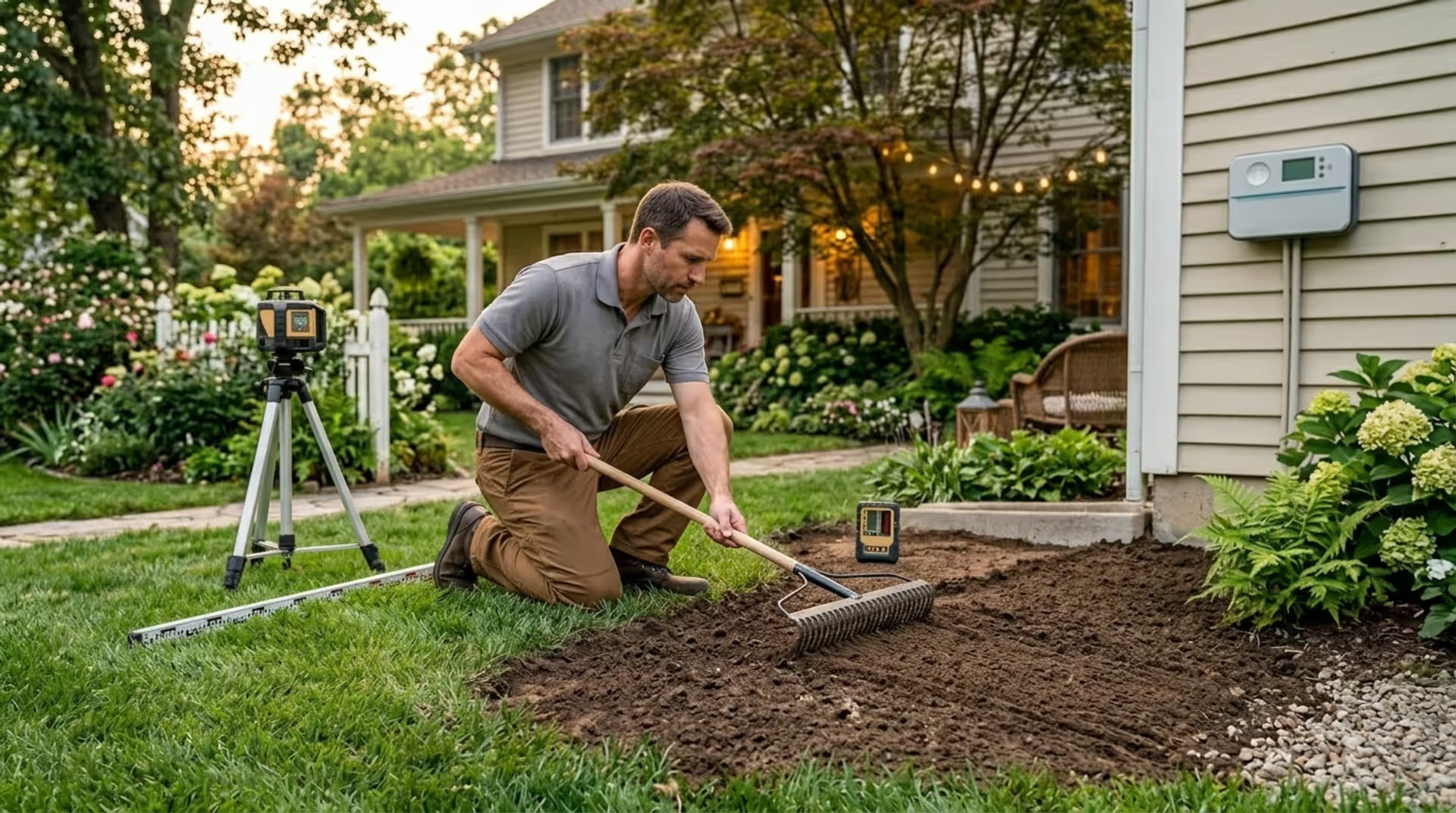
Proper drainage starts with the ground itself. When water pools around your foundation or turns your backyard into a swamp after every rain, you're looking at a grading problem. Learn how to shape your landscape to move water away from structures and create a yard that actually works.
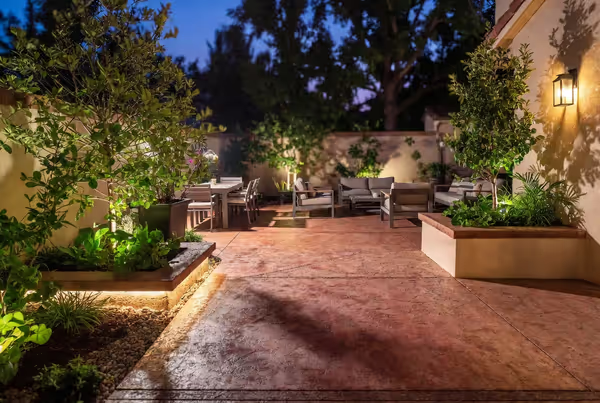
Discover creative concrete patio designs from stamped and textured finishes to polished surfaces and geometric layouts. Learn which concrete finish works best for your climate, budget, and style with detailed comparisons of durability, maintenance, and costs.
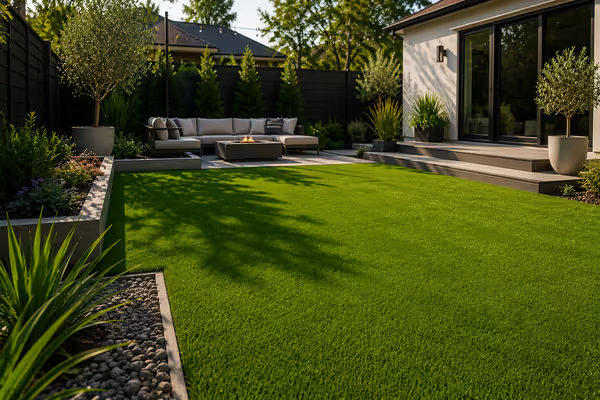
Discover how to select the best artificial grass for backyard spaces with our comprehensive guide. Learn what makes turf high-quality, compare leading products, and find the perfect match for your climate, pets, and usage. Expert insights on durability, drainage, realistic appearance, and common mistakes to avoid.
Learn how to select synthetic playground turf that meets safety standards and budget requirements. This guide covers fall height ratings, infill materials, shock pad systems, installation needs, maintenance schedules, and total cost analysis for schools and facilities.
The content on this website is provided for general informational and educational purposes only. It is intended to explain concepts related to landscape design, outdoor spaces, plants, irrigation, hardscape and softscape, and sustainable landscaping.
All information on this website, including articles, guides, and examples, is presented for general educational purposes. Outcomes may vary depending on local climate, soil, plant selection, and project implementation.
This website does not provide professional design, construction, or horticultural advice, and the information presented should not be used as a substitute for consultation with qualified landscape architects, contractors, or horticulturists.
The website and its authors are not responsible for any errors or omissions, or for any outcomes resulting from decisions made based on the information provided on this website.