Choosing the right surface for a children's play area isn't just about looks. It's about safety, durability, and keeping maintenance crews from losing their minds. Synthetic playground turf has become the go-to solution for schools, parks, and daycare centers across the country, but not all products deliver the same protection or performance. Understanding what separates a truly safe installation from a surface that just looks good takes some digging into the technical details that manufacturers don't always advertise up front.
What Is Synthetic Playground Turf and How Does It Work
Synthetic playground turf is a multi-layer system designed specifically for children's play areas. Unlike the artificial turf for playgrounds you might see on sports fields, playground-grade products prioritize impact absorption over ball bounce or cleat traction.
The construction starts with a permeable backing material, typically made from polyurethane or latex. This base holds the synthetic grass blades in place while allowing water to drain through. The blades themselves are usually polyethylene or polypropylene fibers, chosen for their soft texture and UV resistance.
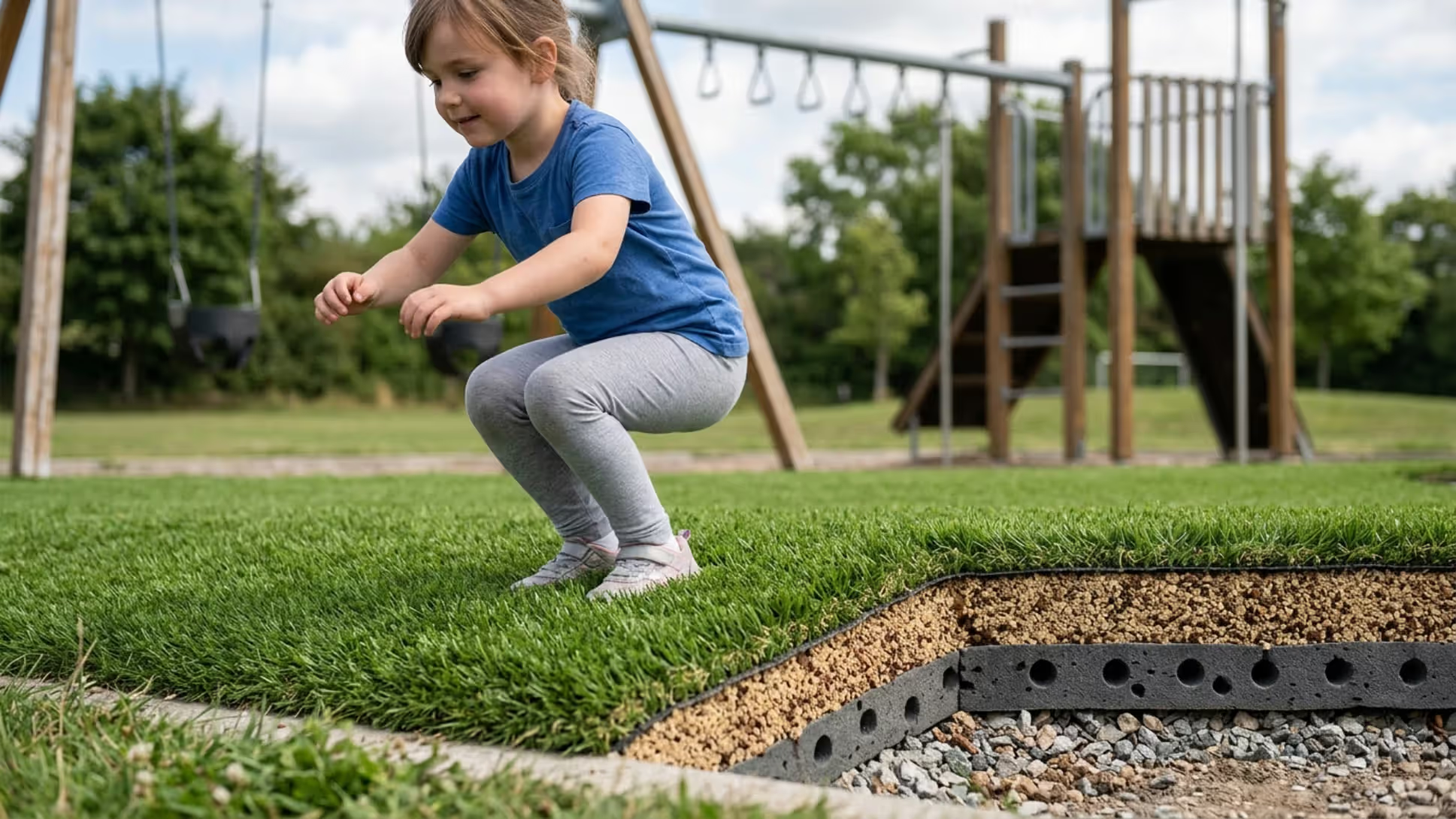
But here's what matters most: the cushioning system beneath and between those blades. Playground fake grass relies on infill materials and underlayment to meet safety standards. The infill fills the spaces between grass blades, adding weight and cushioning. Below that, many installations include a shock-absorbing pad that does the heavy lifting when a child falls.
Think of it as a sandwich. The grass is the top layer you see. The infill provides the first level of protection. The shock pad underneath catches the serious impacts. All three layers work together to reduce the force when a child hits the ground.
Most systems allow water to pass through at rates exceeding 30 inches per hour, which means puddles don't stick around after rain. The drainage happens through the backing, the base materials, and the shock pad perforations.
Safety Features That Matter in Playground Turf
Safe playground turf isn't just softer than concrete. It's engineered to meet specific impact standards that determine whether a child suffers a minor bump or a trip to the emergency room.
The most important metric is ASTM F1292 fall height rating. This standard measures how well a surface absorbs impact from different drop heights. If your playground has equipment where a child could fall from six feet up, your turf system needs to be rated for at least that height. Many facilities aim for ratings one or two feet higher than their tallest equipment to build in a safety margin.
ASTM F1951 measures accessibility for wheelchairs and mobility devices. ADA compliance requires surfaces that don't impede movement, which means the turf can't be too soft or unstable.
Playground turf safety ratings also include flammability testing (ASTM E108), which matters for facilities near wildfire-prone areas. Lead-free certification has become standard since concerns about recycled tire rubber emerged years ago. Reputable manufacturers now provide third-party testing documentation proving their products contain no detectable lead or other heavy metals.
Author: Sienna Calder;
Source: cribbslandscaping.com
Antimicrobial treatments help, but they're not magic. These additives reduce bacterial growth on the surface, which matters in high-use areas where spills and accidents happen. The treatments do wear down over time, though most last several years before needing reapplication.
One thing I've noticed: facilities often focus entirely on fall height ratings and ignore temperature. Soft fall turf for playgrounds can still reach surface temperatures above 160°F in direct summer sun, hot enough to burn skin in seconds. Light-colored infill and reflective blade technology help, but no synthetic surface stays as cool as natural grass on a 95-degree day.
Infill Options and Cushioning Systems
The infill you choose changes everything about how the turf performs. It's not just filler material. It affects safety, temperature, maintenance needs, and long-term costs.
Rubber Infill vs. Alternative Materials
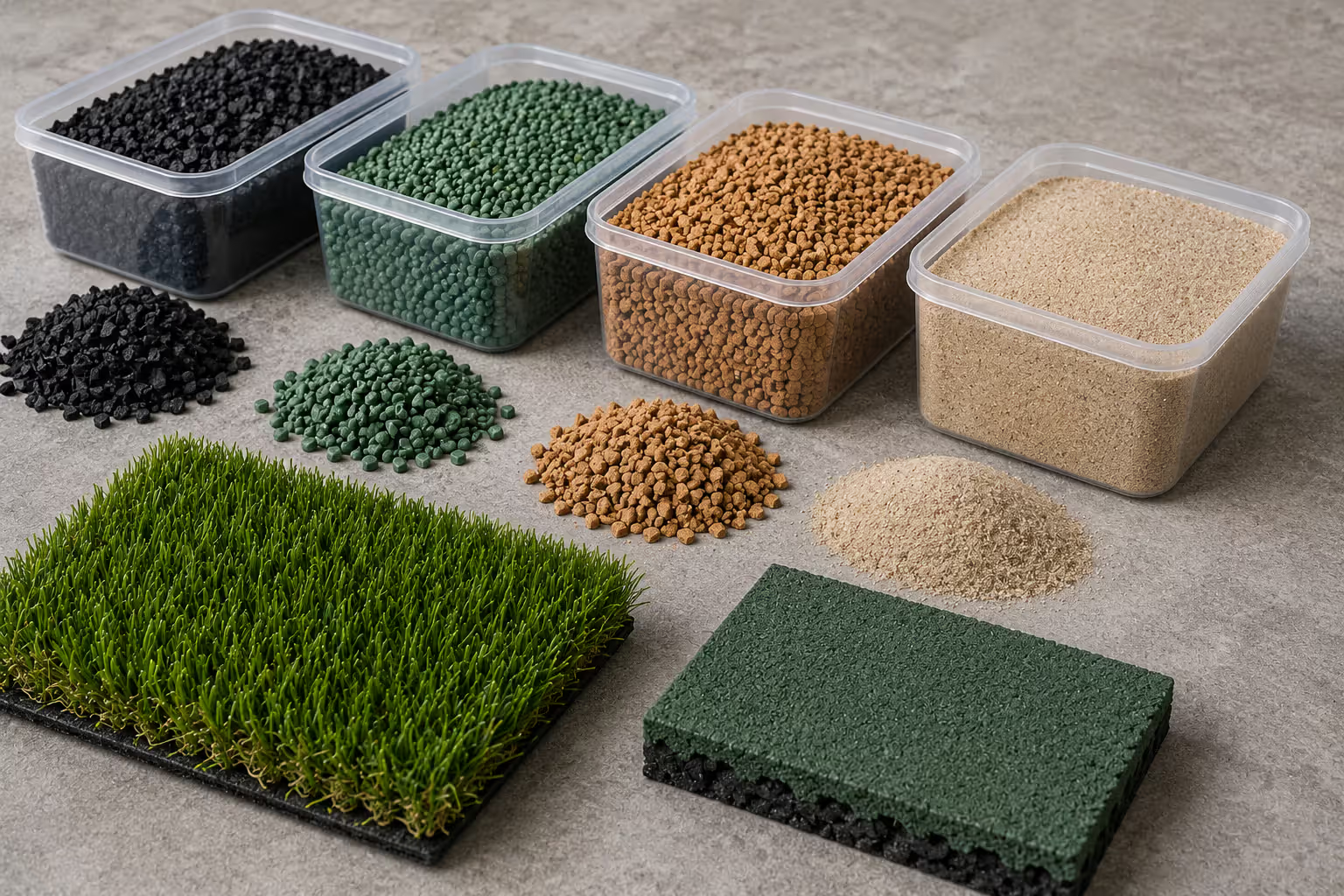
Rubber infill playground turf traditionally used crumb rubber made from recycled tires. It's affordable, provides excellent shock absorption, and stays in place well. But concerns about chemical exposure and temperature retention have pushed many facilities toward alternatives.
TPE (thermoplastic elastomer) is manufactured rubber designed specifically for playgrounds. It costs more than crumb rubber but doesn't contain the zinc, sulfur, and other compounds found in tire rubber. TPE also runs about 15-20 degrees cooler on hot days.
Cork infill appeals to facilities wanting natural materials. It's lightweight, doesn't retain heat, and provides decent cushioning. The downside? It breaks down faster than rubber, requiring more frequent top-ups. Budget for replacement every 3-5 years instead of 8-10.
Coated sand works in some climates but doesn't provide the shock absorption that rubber-based materials deliver. It's mainly used as a base layer under other infill types or in low-height play areas for toddlers.
Organic options like coconut fiber or wood fiber sound appealing but decompose quickly in wet climates. They're not practical for most installations.
Author: Sienna Calder;
Source: cribbslandscaping.com
Shock Pad and Underlayment Choices
The underlayment does more safety work than the infill in most systems. Foam shock pads typically range from 1 to 3 inches thick, with thicker pads supporting higher fall ratings.
Closed-cell foam resists water absorption and maintains consistent performance in wet conditions. Open-cell foam is lighter and cheaper but can hold moisture, which reduces its shock-absorbing properties over time.
Rubber mat underlayments made from recycled rubber provide excellent impact protection and last longer than foam in high-traffic areas. They're heavier and more expensive to install, but the durability often justifies the cost for commercial playgrounds.
Some systems skip the separate shock pad entirely, using extra-thick infill (3-4 inches) to meet fall height requirements. This approach works but makes maintenance harder since you can't easily access the base layer if drainage problems develop.
The installation quality matters far more than the product specifications in most playground turf failures I investigate. A premium system installed incorrectly will fail safety testing within two years, while a mid-grade product installed properly can exceed its rated lifespan. The base preparation and shock pad placement are where most shortcuts happen, and those are the areas you can't inspect once the turf goes down.
— Mitchell Sarah
How to Choose Playground Turf for Your Facility
Start with the age groups using the space. Toddler areas need different specifications than elementary school playgrounds. Kids under five typically play on equipment with maximum fall heights of 4-5 feet. Older children might have climbing structures reaching 8-10 feet.
Calculate your required fall height rating by measuring the highest designated play surface on every piece of equipment. Add two feet as a safety buffer. That's your minimum rating.
Budget reality check: quality playground turf cushioning systems start around $8-12 per square foot installed for basic setups. High-performance systems with premium infill and thick shock pads run $15-20 per square foot. A 5,000-square-foot playground can easily hit $75,000-100,000.
Climate matters more than most people expect. Desert facilities need heat-resistant infill and light-colored fibers. Rainy regions require aggressive drainage design and closed-cell shock pads. Freezing temperatures make some foam pads brittle, while others stay flexible down to -40°F.
Maintenance capacity is often overlooked. Do you have staff who can brush the turf monthly, rake infill, and remove debris? Or do you need a low-maintenance system that tolerates some neglect? Be honest here. A high-maintenance system that doesn't get maintained fails faster than a simpler setup.
Kids play area fake grass works best when matched to actual use patterns. A daycare with 20 children needs different durability than a public park serving 200 kids daily. Traffic density affects how quickly infill compacts, how often you'll need repairs, and realistic lifespan expectations.
The simpler option usually wins for smaller facilities with limited budgets. A good rubber infill system with standard polyethylene blades and a 2-inch foam pad handles most playground needs without the premium price tag.
Installation Requirements and Ground Preparation
You can't just roll out play area ground cover over existing dirt and call it done. Proper installation starts below the surface.
Site assessment comes first. Test the soil drainage by digging a 12-inch hole, filling it with water, and seeing how long it takes to drain. If water sits for more than an hour, you'll need to improve drainage before installing turf.
The base typically consists of 3-4 inches of crushed stone (Class II road base is common), compacted to 95% density. This layer provides stable support and facilitates drainage. In areas with clay soil or poor drainage, you might need 6-8 inches of base material plus perimeter drains.
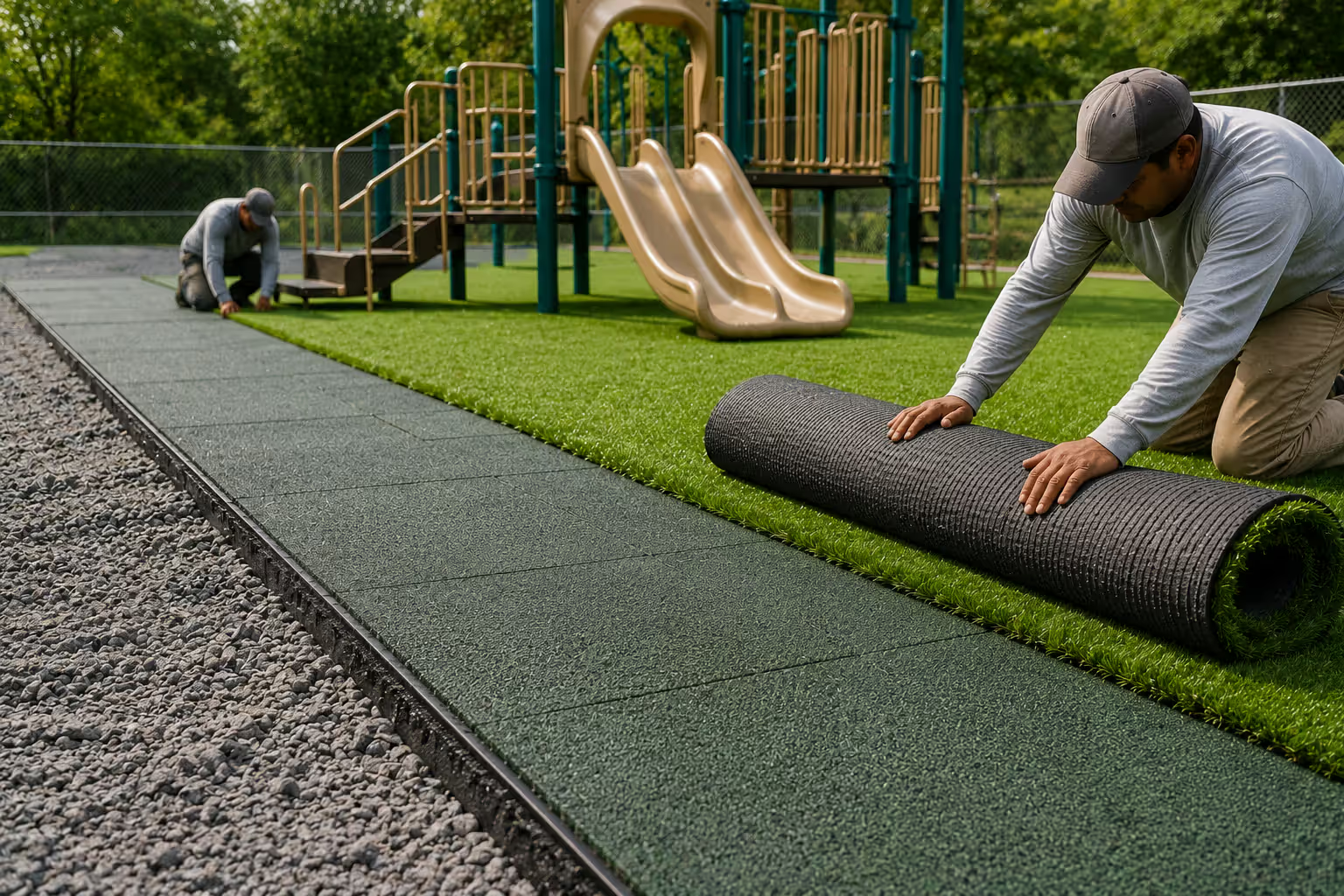
Edges need containment. Treated lumber, concrete curbing, or flexible plastic edging keeps the turf from spreading and provides a clean border. The edging also helps maintain infill levels by preventing material from migrating off the play surface.
Professional installation isn't cheap, but it's usually worth it for commercial playgrounds. Installers know how to properly seam sections, secure edges, and ensure the shock pad doesn't shift. They also have equipment for compacting base materials correctly.
Author: Sienna Calder;
Source: cribbslandscaping.com
DIY installation works for small residential play areas under 500 square feet. Anything larger or any commercial application should involve professionals. I've seen too many failed installations where well-meaning maintenance crews skipped critical steps like proper base compaction or seam adhesive curing time.
Expect installation to take 3-5 days for a typical 2,000-square-foot playground. That includes excavation, base preparation, shock pad installation, turf placement, infill distribution, and final grooming.
Maintenance and Lifespan Expectations
Synthetic grass play area surfaces aren't maintenance-free. They're lower maintenance than natural grass, but they still need regular attention.
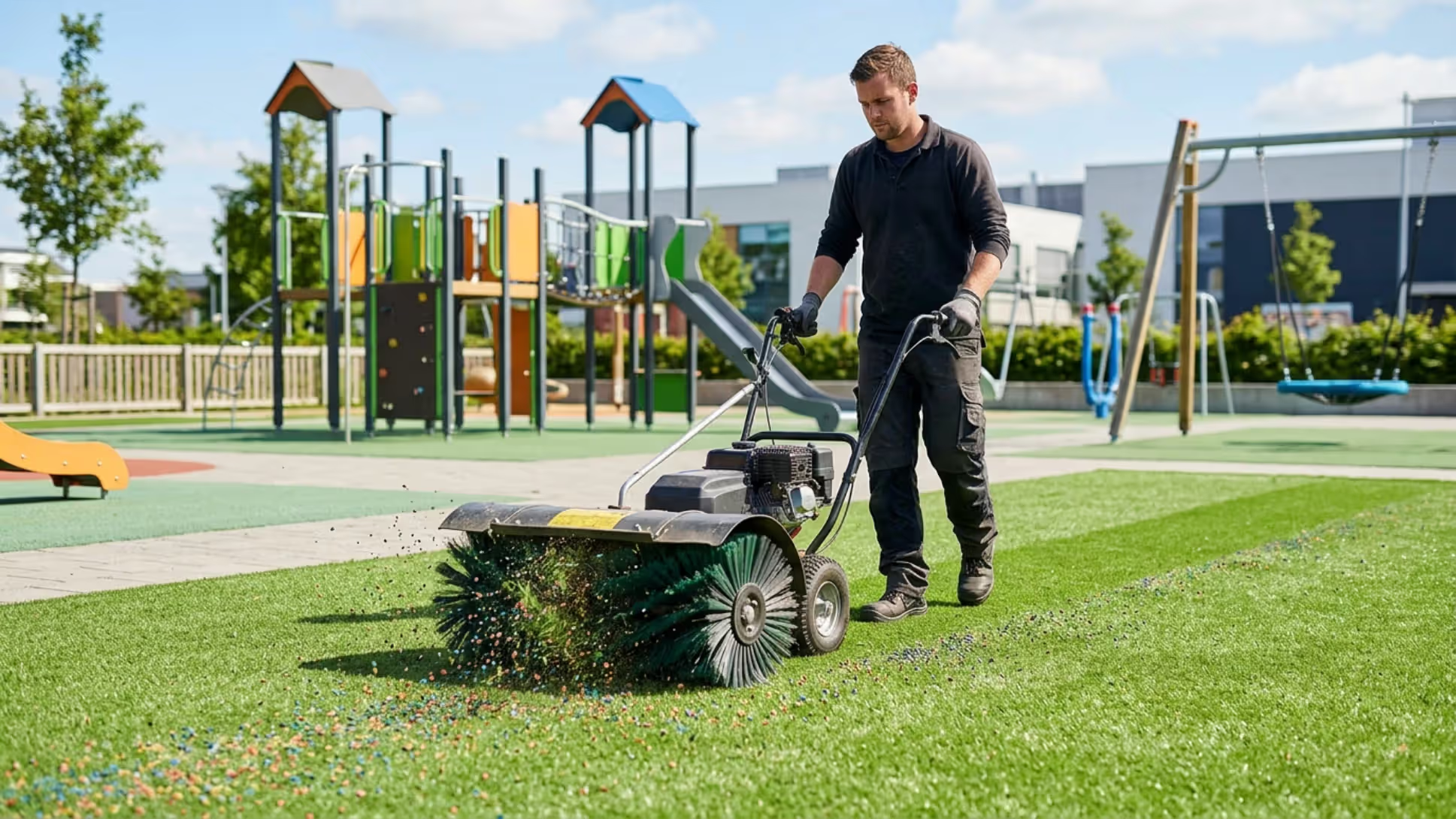
Monthly brushing prevents matting and keeps infill distributed evenly. Use a power broom or stiff push broom, working against the grain to lift flattened fibers. High-traffic zones near slides and swings need weekly attention.
Debris removal should happen weekly. Leaves, trash, and organic matter break down and create a layer that blocks drainage and harbors bacteria. A leaf blower handles most of this quickly.
Infill replenishment typically happens every 2-3 years in high-use areas. You'll notice when levels drop because the turf feels harder underfoot and fibers start laying flat. Adding infill costs $0.50-1.50 per square foot depending on material type.
Deep cleaning once or twice a year keeps the surface sanitary. Specialized equipment extracts dirt and debris from deep in the infill layer. Some facilities do this in-house with rented equipment; others hire services that charge $0.25-0.50 per square foot.
Inspection schedules matter for safety certification. Monthly visual checks catch obvious damage. Quarterly inspections should include fall height testing with a drop tester in multiple locations, especially under swings and at slide exits. Annual professional inspections document compliance and identify developing problems.
Warranty periods range from 8-15 years for the turf itself. Shock pads typically carry 5-10 year warranties. But here's the catch: warranties usually require documented maintenance. Skip those monthly brushings and annual cleanings, and you might void coverage.
Realistic lifespan for quality playground turf is 10-15 years with proper maintenance. The infill and shock pad often need replacement before the grass wears out. Budget for shock pad replacement around year 8-10, even if the surface still looks good.
Author: Sienna Calder;
Source: cribbslandscaping.com
Common mistake: facilities wait until the turf looks terrible before addressing problems. By then, compacted infill has reduced fall height protection, creating liability issues even though the grass still looks mostly intact.
Cost Factors for Playground Turf Projects
Breaking down the numbers helps explain why quotes vary so dramatically between suppliers.
Material costs per square foot typically break down like this:
Turf fibers and backing: $2-5
Shock pad: $2-6
Infill: $1-4
Base materials: $1-2
Installation labor adds another $3-6 per square foot depending on site conditions, accessibility, and regional labor rates. Difficult sites with poor drainage, limited equipment access, or extensive excavation needs can double labor costs.
A 3,000-square-foot playground might cost:
Low-end system: $24,000-30,000
Mid-range system: $36,000-45,000
Premium system: $48,000-60,000
Compare that to wood chips at $2-3 per square foot installed but requiring complete replacement every 2-3 years. Over a 15-year period, wood chips cost more and provide less consistent safety performance.
Poured-in-place rubber surfacing costs $12-18 per square foot installed and lasts 10-12 years. It offers excellent safety but can't be repaired as easily as turf when damaged.
Long-term savings come from reduced maintenance labor. Natural grass playgrounds need mowing, watering, fertilizing, and constant repair of worn areas. Those costs add up to thousands annually for larger facilities.
Water savings matter in drought-prone regions. A 5,000-square-foot natural grass area might use 50,000-75,000 gallons annually. That's $200-400 per year in many municipalities, plus the labor to manage irrigation systems.
Financing options through specialized lenders can spread costs over 5-7 years, making larger projects feasible for budget-constrained facilities. Some manufacturers offer lease programs for schools and municipal parks.
Grant funding exists for playground safety improvements. The National Recreation and Park Association maintains a database of opportunities. Many states offer matching funds for ADA-compliant playground upgrades.
FAQ: Playground Turf Questions Answered
Is synthetic playground turf safer than mulch or wood chips?
Properly installed synthetic turf with appropriate shock padding provides more consistent impact protection than loose-fill materials like mulch. Wood chips and engineered wood fiber can shift, compact, or scatter, creating areas with inadequate depth that don't meet fall height requirements. Turf maintains uniform cushioning across the entire surface. However, loose-fill materials stay cooler in hot weather and cost less initially. The safety advantage of turf depends on choosing a system rated for your equipment's fall heights and maintaining it according to manufacturer specifications.
How long does playground turf typically last?
Quality playground turf systems last 10-15 years with proper maintenance. The synthetic grass fibers usually outlast the infill and shock pad, which may need replacement around year 8-10. Heavy-use areas under swings and at slide exits wear faster and might need patching or replacement after 7-8 years. Lifespan depends heavily on traffic volume, climate exposure, and maintenance consistency. Facilities that skip regular brushing, infill replenishment, and deep cleaning often see failures by year 6-8.
What fall height rating do I need for my playground equipment?
Measure the highest designated play surface on each piece of equipment, then select a turf system rated for at least 2 feet higher than your maximum measurement. If your tallest platform is 6 feet, you need a system rated for 8-foot falls. Swings require special consideration since the use zone extends farther and children can fall from the height of the swing seat at its highest point. ASTM standards provide specific calculations for different equipment types. When in doubt, choose the higher rating since the cost difference is usually minimal compared to the liability risk.
Does playground turf get too hot in summer?
Yes, synthetic turf can reach surface temperatures of 150-170°F in direct summer sun when air temperatures hit 90-95°F. This is hot enough to burn skin in seconds. Light-colored infill reduces heat absorption by 15-20 degrees compared to dark rubber. Some manufacturers offer heat-reflective fiber technology that helps, but no synthetic surface stays as cool as natural grass. Shade structures, strategic tree placement, or scheduling playground use for morning and evening hours address the heat issue more effectively than product selection alone.
Can synthetic turf be installed over concrete or asphalt?
Yes, but it requires a thicker shock pad system to achieve adequate fall height ratings. Concrete and asphalt don't provide any cushioning, so the shock pad must do all the impact absorption work. Expect to use 2-4 inch thick pads instead of the 1-2 inch pads typical for installations over compacted stone base. The hard surface underneath actually improves drainage in some cases since water can't pool below the turf. Installation over existing hardscape saves excavation costs but increases shock pad expenses, often making the total cost similar to a traditional installation.
How often does infill need to be replaced?
Complete infill replacement typically happens every 8-12 years, though high-traffic areas need top-up applications every 2-3 years. Rubber-based infills last longer than organic materials like cork, which may need replacement every 4-6 years. You'll know it's time when the turf feels harder underfoot, fibers stay matted after brushing, or fall height testing shows reduced impact protection. Regular grooming and adding small amounts of fresh infill annually extends the life of the original material and maintains consistent safety performance.
Selecting synthetic playground turf means balancing safety requirements, budget constraints, and long-term maintenance realities. The surface you choose will affect children's safety and your facility's operating costs for the next decade or more.
Start with clear priorities. Safety comes first, which means understanding fall height requirements and choosing systems that exceed minimum standards. Don't cut corners on shock pad thickness or infill quality to save a few dollars per square foot. Those savings disappear quickly if a serious injury occurs or if premature wear forces early replacement.
Work with suppliers who provide third-party testing documentation, not just marketing claims. ASTM certification, lead-free testing results, and fall height ratings from accredited labs give you confidence the system will perform as promised.
Plan for maintenance from day one. The best turf system fails if nobody brushes it, replenishes infill, or removes debris. Build these tasks into regular facility maintenance schedules and budget for annual deep cleaning and periodic infill additions.
Consider the total cost of ownership, not just installation price. A system that costs $5 more per square foot but lasts three years longer and requires less maintenance often delivers better value than the cheapest option.
Your playground surface affects how children play, how often equipment gets used, and whether parents feel confident about their kids' safety. Getting it right matters. Take the time to understand the technical details, visit installed examples, and ask tough questions before making a decision. The investment you make today shapes your facility's reputation and children's experiences for years to come.
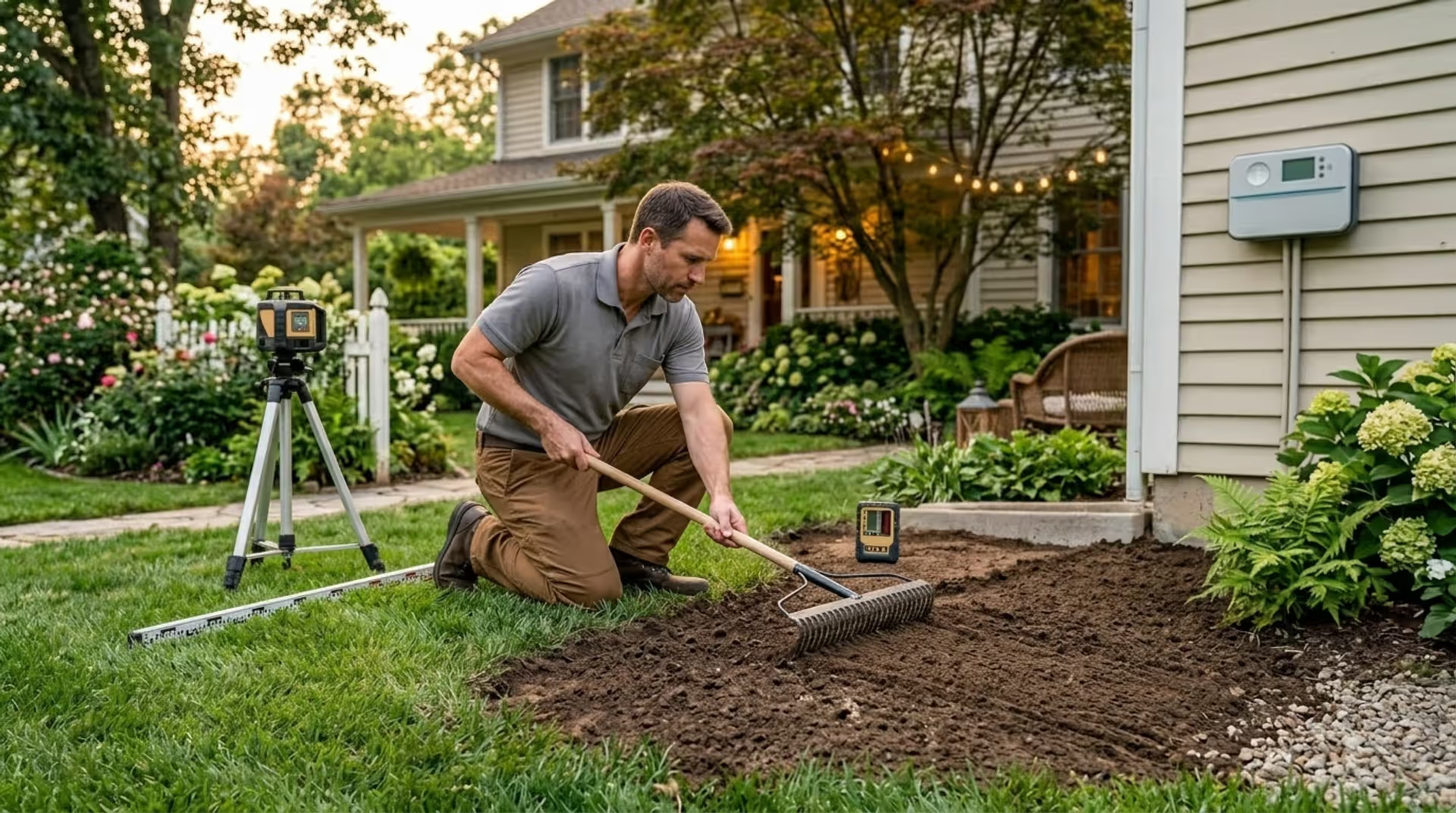
Proper drainage starts with the ground itself. When water pools around your foundation or turns your backyard into a swamp after every rain, you're looking at a grading problem. Learn how to shape your landscape to move water away from structures and create a yard that actually works.
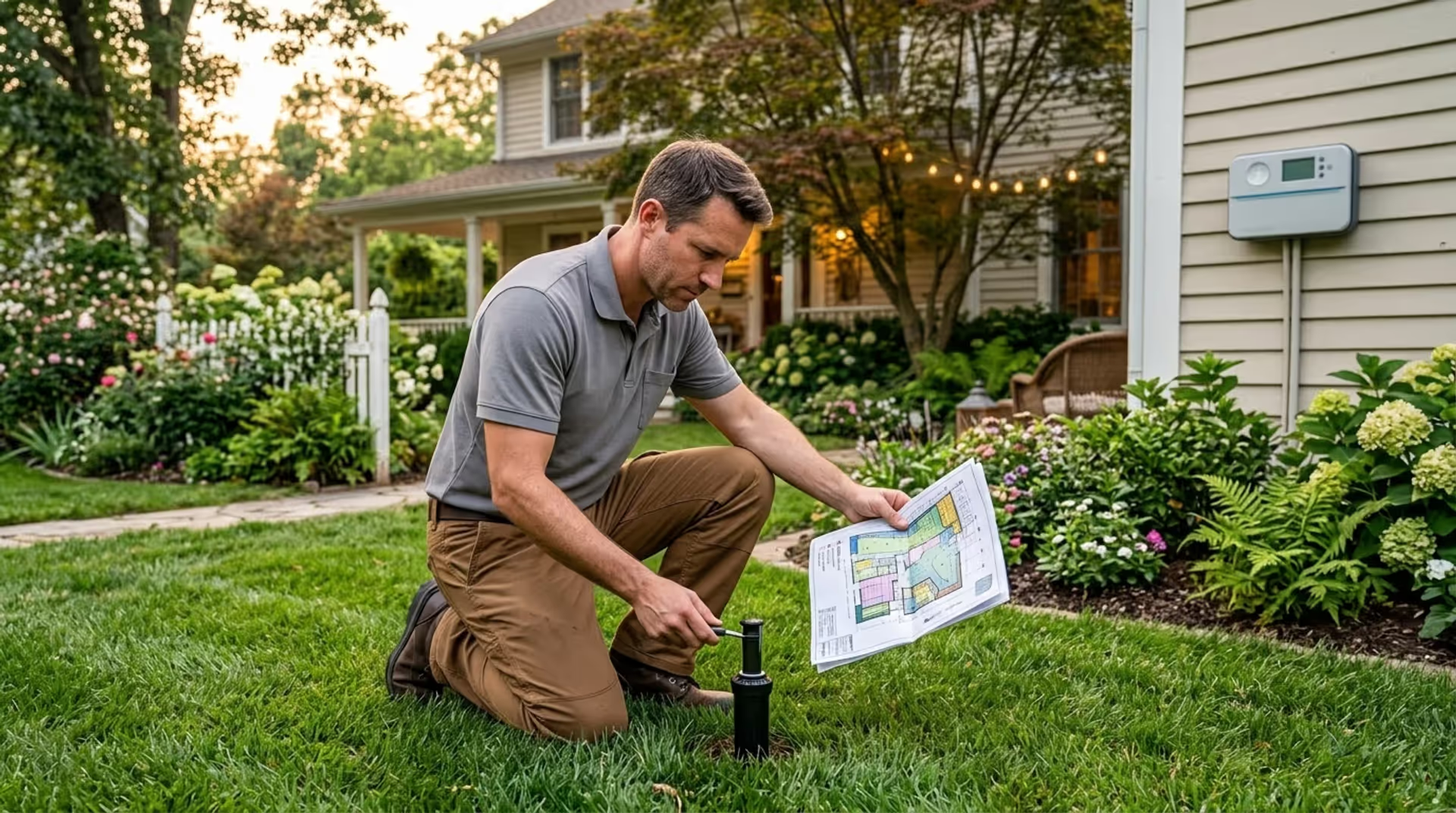
Discover how irrigation specialists design efficient watering systems, when professional help makes sense, and what to expect from installation. Includes system comparison, cost factors, and expert hiring tips for homeowners.
Discover creative concrete patio designs from stamped and textured finishes to polished surfaces and geometric layouts. Learn which concrete finish works best for your climate, budget, and style with detailed comparisons of durability, maintenance, and costs.
Discover how to select the best artificial grass for backyard spaces with our comprehensive guide. Learn what makes turf high-quality, compare leading products, and find the perfect match for your climate, pets, and usage. Expert insights on durability, drainage, realistic appearance, and common mistakes to avoid.
The content on this website is provided for general informational and educational purposes only. It is intended to explain concepts related to landscape design, outdoor spaces, plants, irrigation, hardscape and softscape, and sustainable landscaping.
All information on this website, including articles, guides, and examples, is presented for general educational purposes. Outcomes may vary depending on local climate, soil, plant selection, and project implementation.
This website does not provide professional design, construction, or horticultural advice, and the information presented should not be used as a substitute for consultation with qualified landscape architects, contractors, or horticulturists.
The website and its authors are not responsible for any errors or omissions, or for any outcomes resulting from decisions made based on the information provided on this website.