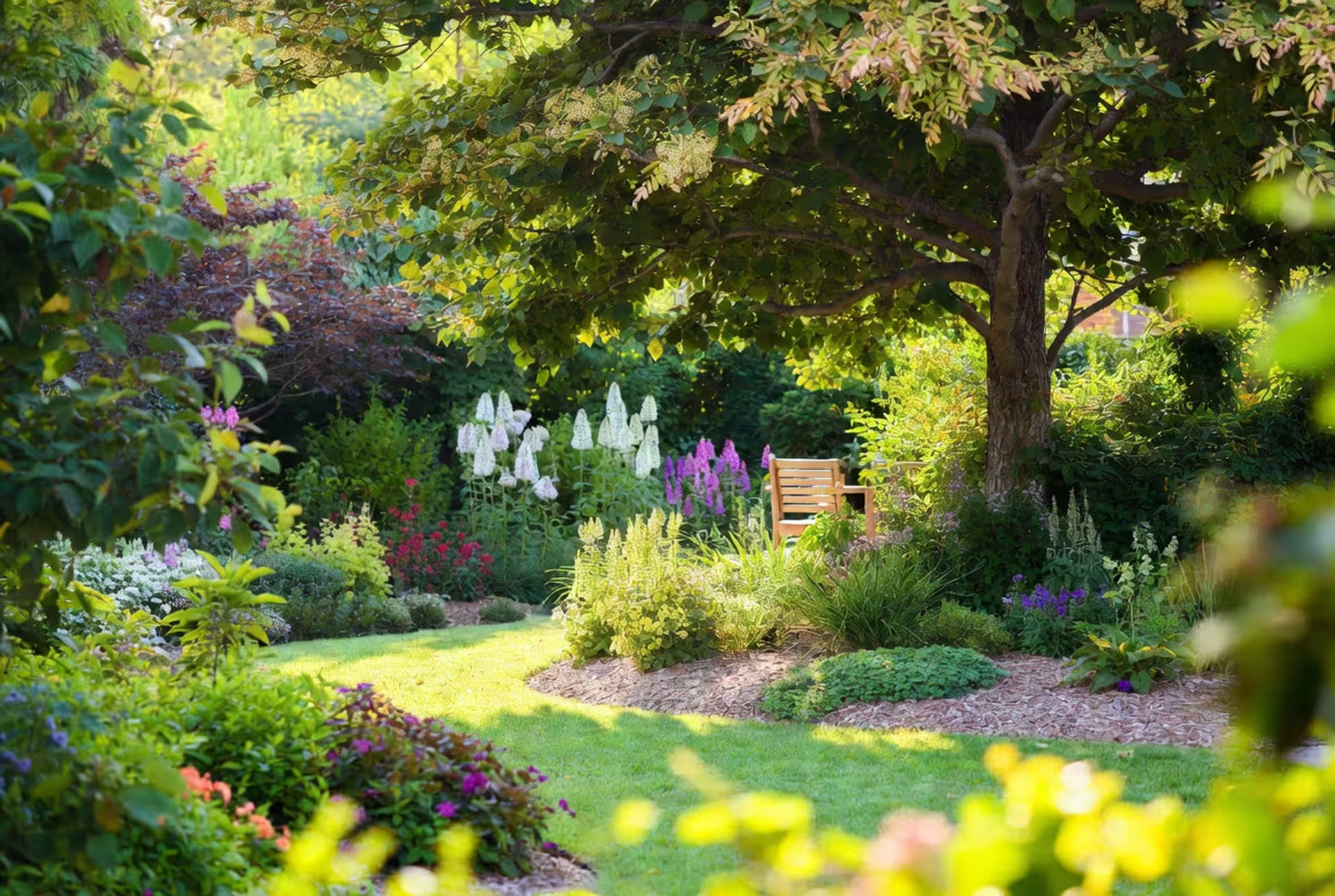
Creating a beautiful outdoor space isn't just about patios and walkways. The living, breathing parts of your landscape—the plants, flowers, and greenery—make up what designers call softscape landscaping. It's the counterpart to all those hard surfaces, and honestly, it's where most of the magic happens.
Think about the gardens that stop you in your tracks. They're not just well-paved. They're lush, colorful, and alive. That's softscape at work. And while it might seem like you just plant things and hope for the best, there's actually a method to creating softscape that looks great year-round without eating up every weekend.
What Is Softscape Landscaping?
Softscape landscaping refers to all the living, horticultural elements in your outdoor space. We're talking trees, shrubs, perennials, annuals, groundcovers, ornamental grasses, vines—basically anything that grows.
The term exists to distinguish these elements from hardscape, which covers the non-living structural components. But softscape does more than just fill in the gaps between your patio and fence.
It provides ecological benefits that hardscape can't match. Plants filter air, reduce soil erosion, manage stormwater runoff, and create habitat for pollinators and wildlife. They also moderate temperature around your home—a well-placed tree can cut cooling costs by 15-20% in summer months.
From a design perspective, softscape brings texture, color, movement, and seasonal change to your yard. It softens hard edges (hence the name), creates privacy screens, defines outdoor rooms, and guides movement through your landscape.
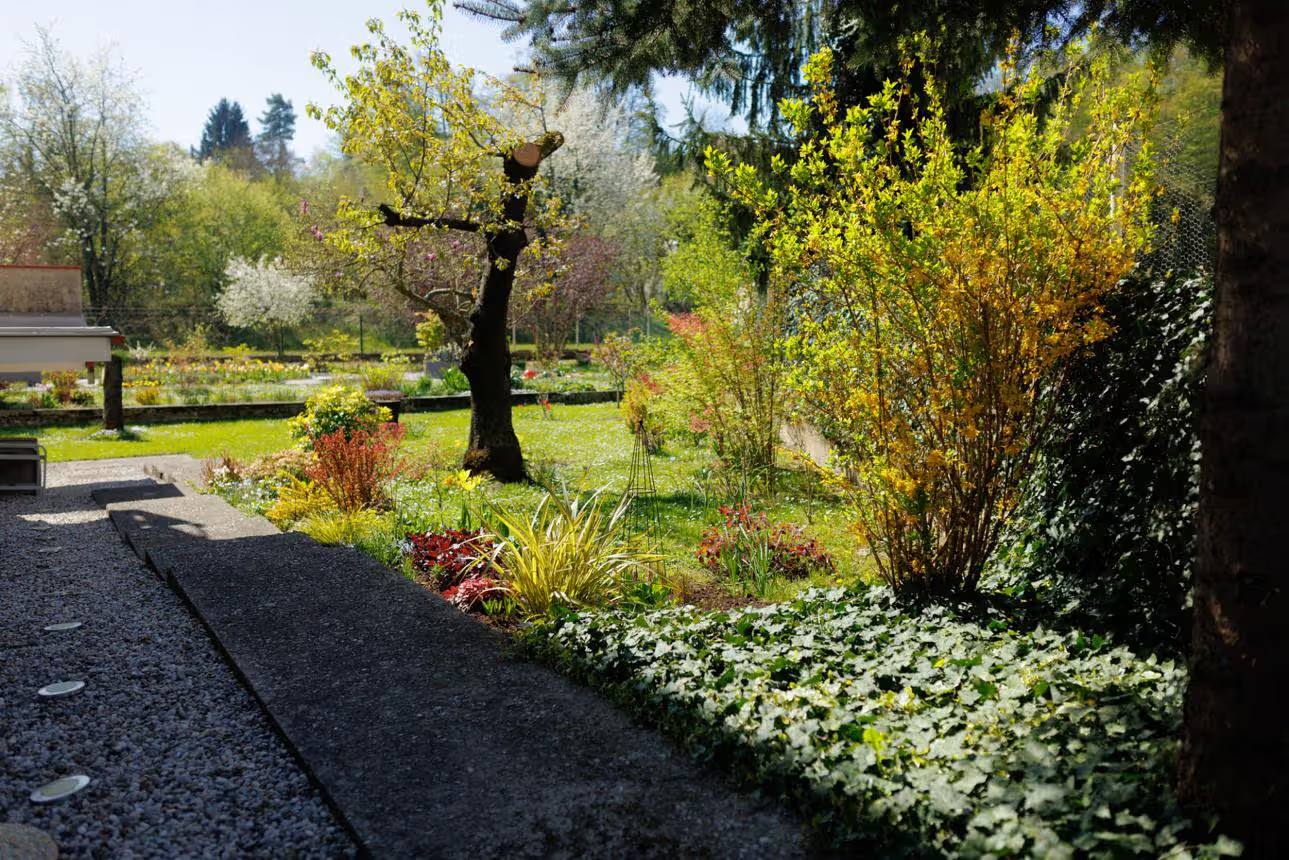
The living nature of softscape means it changes constantly. A newly installed patio looks the same in year one as year five. But a garden bed matures, spreads, blooms at different times, and evolves with the seasons. That dynamic quality is what makes softscape so engaging.
Softscape vs Hardscape: Understanding the Difference
These two categories work together to create complete landscapes. Neither is better—they serve different purposes and need each other to function well.
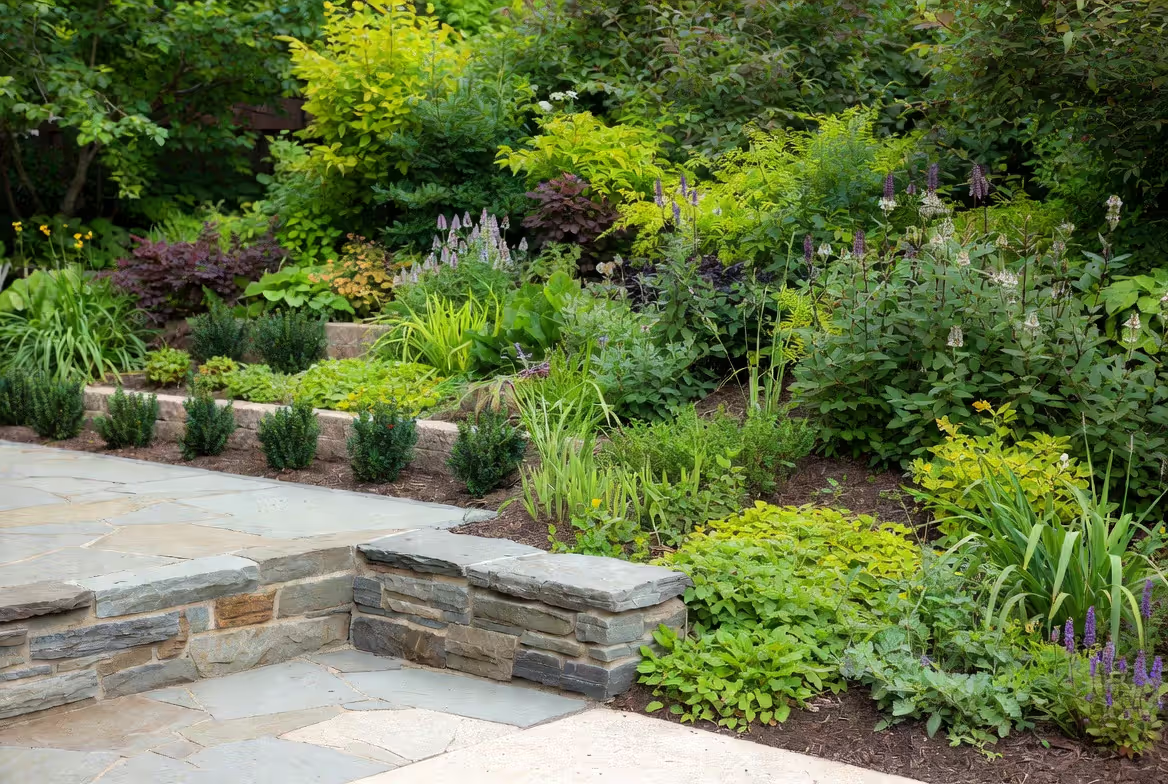
Hardscape includes patios, decks, walkways, retaining walls, driveways, fences, pergolas, fire pits, and water features. Basically, the built environment of your yard. These elements provide structure, define spaces, and create usable surfaces for outdoor living.
Softscape encompasses all plant material and organic elements like mulch. It brings life, color, and ecological function to the framework that hardscape creates.
The best landscapes balance both. A yard that's all hardscape feels sterile and hot. One that's all plants can lack definition and usable space. The pattern I see most often in successful designs is roughly 60-70% softscape to 30-40% hardscape, though this varies widely based on climate, lot size, and how you use your outdoor space.
Permeable options can manage runoff; generally neutral or negative environmental impact
The key is making them work together. Use hardscape to create the bones of your design—the paths, gathering areas, and boundaries. Then let softscape fill in with color, texture, and life.
Author: Olivia Maren;
Source: cribbslandscaping.com
Key Softscape Elements in Garden Design
Understanding the different plant categories helps you build a complete, layered landscape. Each type serves specific functional and aesthetic roles.
Trees form the canopy layer and create the biggest visual impact. They provide shade, frame views, screen unwanted sights, and serve as focal points. Deciduous trees offer seasonal interest with spring blooms, summer shade, fall color, and winter branch structure. Evergreens maintain year-round presence and privacy.
Shrubs occupy the middle layer between trees and groundcovers. They're workhorses in softscape design—creating hedges, foundation plantings, borders, and mass plantings. Shrubs range from compact varieties under two feet to large specimens reaching 15-20 feet. Many offer flowers, berries, or colorful foliage.
Perennial flowers return year after year from the same root system. They're the backbone of most garden beds, offering blooms from early spring through fall depending on variety. Perennials typically die back in winter and reemerge in spring. They require less work than annuals since you don't replant each year.
Annual flowers complete their lifecycle in one growing season. They offer intense, continuous color from spring until frost. Many gardeners use annuals to fill gaps, add seasonal pops of color, or experiment with new palettes without long-term commitment.
Groundcovers spread horizontally to cover soil, suppress weeds, and reduce erosion. They range from low-growing plants just inches tall to sprawling varieties reaching 12-18 inches. Many tolerate foot traffic better than grass and work well in areas too shady or steep for lawn.
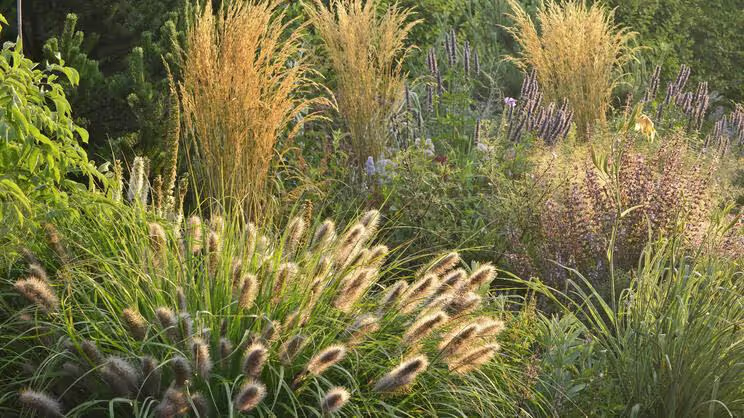
Ornamental grasses add movement, texture, and vertical interest. They've become increasingly popular for their low water needs and four-season appeal. Most look best in mass plantings and provide airy contrast to broader-leaved plants.
Vines grow vertically or horizontally, covering structures, softening walls, or creating living screens. Some climb by twining, others by tendrils or aerial rootlets. They maximize planting space in small yards by going up instead of out.
The trick is combining these elements in layers that mimic natural plant communities. That creates visual depth and ecological resilience.
A landscape without thoughtful softscape is like a house without furniture—structurally sound but missing the warmth and character that make it truly livable.
— Marcus Chen
How to Create a Softscape Planting Plan
A solid plan saves money, prevents mistakes, and gets you better results faster. Here's the process that actually works.
Start with site assessment. Walk your property at different times of day and note sun patterns. Full sun means 6+ hours of direct sunlight. Partial sun or partial shade is 3-6 hours. Full shade is under 3 hours. Most plant failures come from sun/shade mismatches, so get this right.
Check your soil type by doing a simple squeeze test. Grab a handful of moist soil and squeeze it. Sandy soil falls apart immediately. Clay soil forms a tight ball. Loam (the ideal) holds together but crumbles when poked. You can modify soil, but it's easier to choose plants suited to what you have.
Note existing features you're keeping—mature trees, slopes, views to preserve or block, utility locations, irrigation access.
Determine your USDA hardiness zone. This tells you which plants survive winter in your area. The US is divided into zones 1-13 based on average annual minimum temperatures. Most of the country falls in zones 3-10. Don't plant anything rated below your zone number unless you're treating it as an annual.
Layer your plantings from back to front and tall to short. Place trees and large shrubs first—these are your anchor plants and take longest to mature. Then add medium shrubs and large perennials. Fill in with smaller perennials, groundcovers, and annuals.
This creates depth and ensures shorter plants don't get shaded out by taller ones. The exception is shade gardens, where you're deliberately using trees to create the conditions understory plants need.
Plan for mature size, not current size. This is where most people mess up. That cute little shrub in a one-gallon pot might reach 8 feet wide in five years. Check plant tags or reliable sources for mature dimensions, then space accordingly.
Yes, your new garden will look sparse. That's normal. Use annuals or inexpensive perennials as temporary fillers if the gaps bother you, but don't crowd permanent plantings.
Create a planting schedule. Some plants establish better in spring, others in fall. Cool-season plants go in early spring or fall. Warm-season plants wait until soil warms in late spring. Trees and shrubs typically do best planted in fall when they can establish roots before summer stress.
Stagger bloom times so something's always happening. Early bulbs, spring-flowering shrubs, summer perennials, fall asters and grasses, winter berries and evergreen structure—plan for all four seasons.
Author: Olivia Maren;
Source: cribbslandscaping.com
Softscape Design Ideas and Layout Strategies
Good design isn't about following rigid rules. But certain principles make gardens more visually pleasing and easier to maintain.
Use repetition for cohesion. Repeat key plants throughout your landscape to create rhythm and unity. This doesn't mean planting the same thing everywhere—boring. Instead, use the same plant in groups of three or five in different areas, or repeat similar colors and textures with different species.
Create focal points. Every outdoor space needs something that draws the eye—a specimen tree, a colorful border, an ornamental grass mass, a grouping of containers. Without focal points, gardens feel aimless.
Think in odd numbers. Groups of 3, 5, or 7 plants look more natural than even numbers. This applies to most plantings except formal hedges or symmetrical designs.
Vary height, texture, and form. A border of all round shrubs at the same height is monotonous. Mix upright forms with mounding ones, fine textures with bold, spiky leaves with soft ones. Contrast creates interest.
Consider sight lines from inside your home. You'll view your garden from windows and doors more often than from the yard itself. Design beds that look good from these viewpoints.
Author: Olivia Maren;
Source: cribbslandscaping.com
Designing Softscape Borders That Frame Your Yard
Border design is where softscape really shines. These planted edges define your property, create privacy, and provide the most concentrated color and interest.
The classic approach uses a "thriller, filler, spiller" formula borrowed from container design. Place a tall focal plant (thriller) toward the back or center. Surround it with medium-height plants that fill space (fillers). Add low, spreading plants at the front that soften edges (spillers).
For perennial borders, arrange plants in drifts rather than single specimens. A drift is an irregular, elongated grouping—think 5-7 plants of one variety in a kidney-bean shape. Drifts create visual impact and look more natural than dotting individual plants around.
Layer bloom times within each border. If everything peaks in June, you'll have a spectacular few weeks followed by months of green. Mix early, mid, and late-season bloomers so the display evolves.
Don't forget foliage. Flowers come and go, but leaves are there all season. Plants with colorful, variegated, or textured foliage earn their space even when not blooming.
Choosing a Softscape Color Scheme
Color planning prevents the "jelly bean" effect where too many random colors create visual chaos.
Monochromatic schemes use variations of one color—different shades of purple, for instance. These are sophisticated and easy to pull off. They work especially well in small spaces.
Analogous schemes combine colors next to each other on the color wheel—blue, purple, and pink, or yellow, orange, and red. These create harmony with a bit more variety than monochromatic.
Complementary schemes pair opposites on the color wheel—purple and yellow, blue and orange. These are vibrant and energetic but can feel busy if overused.
White and green is always safe and creates a calming, elegant effect. White flowers glow at dusk and brighten shady areas.
The simpler option usually wins here. Pick 2-3 main colors and stick with them throughout your landscape. You can have different color schemes in different areas—a hot-colored front yard and cool-toned backyard, for example—but keep each area cohesive.
Foliage colors matter as much as flowers. Silver, chartreuse, burgundy, and variegated leaves add season-long color and often have more impact than fleeting blooms.
Best Softscape Plants for Year-Round Interest
Plant selection makes or breaks your softscape. Choose well-adapted plants and you'll spend less time fighting nature. Here are reliable categories for different purposes.
Perennial Softscape Plants for Low Maintenance
Perennials return year after year with minimal fuss once established. These are particularly dependable across most US regions:
Daylilies (Hemerocallis) tolerate almost any condition, bloom for weeks, and come in every color except true blue. They're nearly indestructible and multiply over time.
Coneflowers (Echinacea) offer bold blooms from midsummer through fall, attract pollinators, and tolerate heat and drought. Newer varieties come in orange, white, yellow, and pink beyond the classic purple.
Black-eyed Susans (Rudbeckia) provide cheerful yellow daisies from summer into fall. They self-sow moderately and naturalize well in informal settings.
Hostas dominate shade gardens with their varied foliage—from blue-green to chartreuse, solid to variegated, small to giant. They're slug magnets in some regions but otherwise bulletproof.
Ornamental grasses like Karl Foerster feather reed grass, little bluestem, and switchgrass offer four-season interest with minimal care. Most need just one annual cutback in late winter.
Sedums (Sedum spectabile types) are succulent perennials with late-summer blooms that dry into winter interest. They thrive in poor soil and full sun where other plants struggle.
Russian sage (Perovskia) produces airy purple-blue flowers all summer on silvery foliage. It's drought-tolerant once established and deer-resistant.
Coral bells (Heuchera) are grown primarily for colorful foliage in purple, orange, lime, or silver. They work in sun or shade depending on variety and provide delicate flower spikes in late spring.
These perennials share common traits: they're adaptable, long-lived, pest-resistant, and don't require deadheading or frequent division to perform well.
Author: Olivia Maren;
Source: cribbslandscaping.com
Seasonal Softscape Plants for Changing Displays
Seasonal plantings keep your landscape fresh and allow you to experiment with color.
Spring bulbs—tulips, daffodils, crocuses, hyacinths—are planted in fall for early spring color. Daffodils naturalize and return for decades. Most tulips decline after a few years but are worth replanting for their impact.
Cool-season annuals like pansies, violas, snapdragons, and ornamental kale thrive in spring and fall when temperatures are moderate. In mild climates, they bloom through winter.
Summer annuals—petunias, zinnias, marigolds, impatiens, begonias—provide continuous color from late spring until frost. They need regular deadheading and water but deliver reliable performance.
Fall perennials like asters, mums, and ornamental kale peak when summer flowers fade. Planted in spring, they establish better than fall-planted specimens.
Evergreen shrubs provide winter structure when everything else is dormant. Boxwood, holly, yew, and arborvitae maintain green presence year-round. In warmer zones, broadleaf evergreens like azaleas and rhododendrons add winter interest.
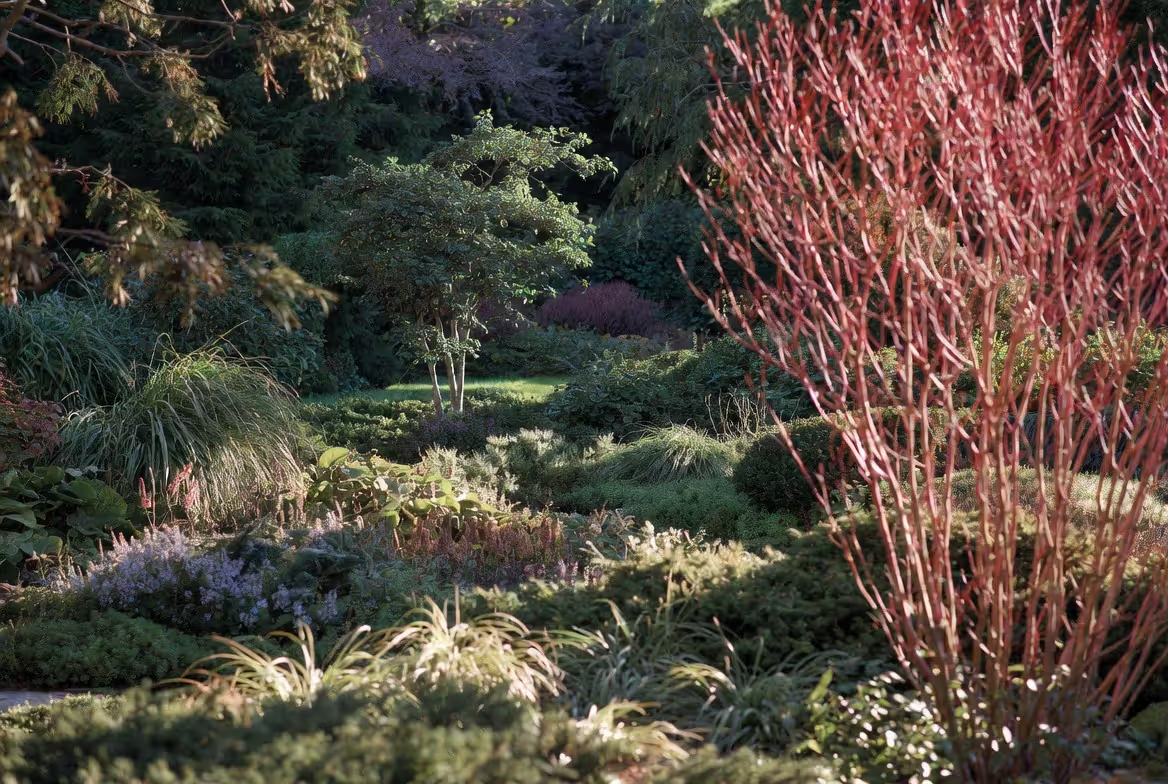
Plants with winter interest extend your garden's appeal into the coldest months. Ornamental grasses hold their form under snow. Shrubs with colorful stems like red-twig dogwood provide winter color. Trees with interesting bark—river birch, paperbark maple, crape myrtle—become focal points when leaves drop.
Regional considerations matter significantly. What thrives in Georgia struggles in Minnesota. Consult your local extension service or quality nurseries for plants proven in your specific climate and conditions.
Author: Olivia Maren;
Source: cribbslandscaping.com
Common Softscape Landscaping Mistakes to Avoid
Even experienced gardeners make these errors. Recognizing them saves time and money.
Overcrowding plants is the number one mistake. You want that full, lush look immediately, so you plant too close. Within two years, plants are competing for light, air circulation drops, disease increases, and you're ripping things out. Space plants for their mature size and practice patience.
Ignoring mature size goes hand-in-hand with overcrowding. That foundation shrub planted two feet from your house might reach eight feet wide, eventually covering windows and pushing into the structure. Always check mature dimensions before planting.
Poor soil preparation undermines everything else you do right. Digging a hole and dropping in a plant rarely works long-term. Amend soil with compost, ensure proper drainage, and loosen compacted areas before planting. The old saying holds true: don't put a $50 plant in a $5 hole.
Mismatching sunlight requirements kills more plants than pests and disease combined. A sun-loving rose in shade will be leggy and won't bloom. A shade plant in full sun will scorch. Observe your site's actual conditions and choose accordingly.
Neglecting watering needs during establishment is another common failure point. Even drought-tolerant plants need regular water their first year while roots establish. The rule of thumb is one inch of water weekly for the first growing season, then you can back off.
Planting too late or too early stresses plants. Spring-planted trees and shrubs face immediate summer heat before roots establish. Fall planting (6-8 weeks before ground freezes) gives roots time to grow before top growth begins in spring.
Choosing plants based solely on flowers leads to boring gardens 90% of the time. Flowers are fleeting. Select plants with good foliage, form, and structure that look good even when not blooming.
Ignoring maintenance requirements causes frustration. If you hate pruning, don't plant shrubs that need shearing three times a year. If you travel frequently, skip plants that need deadheading. Match plants to the time and effort you're actually willing to invest.
FAQ: Softscape Landscaping Questions Answered
How much does softscape landscaping cost?
Softscape costs vary widely based on plant size, type, and quantity. Basic perennial installations run $3-8 per square foot including plants and labor. Mature trees cost $100-1,000+ each depending on size and species. A typical residential softscape project for a quarter-acre lot ranges from $3,000-15,000. DIY installation cuts costs by 40-60% if you're willing to do the labor. Ongoing maintenance costs about $100-300 per month for professional service or can be done yourself for the cost of mulch, fertilizer, and tools.
What's the difference between softscape and hardscape?
Softscape refers to all living plant elements in your landscape—trees, shrubs, flowers, grasses, and groundcovers. Hardscape includes non-living structural features like patios, walkways, walls, and fences. Softscape provides color, texture, and ecological benefits while changing with seasons. Hardscape creates structure, defines spaces, and provides usable surfaces. Both work together to create functional, attractive outdoor spaces.
Can I install softscape landscaping myself?
Yes, most homeowners can successfully install softscape with basic research and effort. Planting perennials, shrubs, and small trees is straightforward if you prepare soil properly and choose plants suited to your conditions. Large tree planting, extensive grading, or irrigation installation might warrant professional help. Start small with a single bed to build skills and confidence. The physical labor is significant—digging, amending soil, moving plants—so assess your ability honestly before tackling large projects.
How do I maintain softscape elements?
Maintenance requirements depend on plant choices and design complexity. Basic tasks include watering during establishment and dry periods, applying 2-3 inches of mulch annually, pruning shrubs and perennials as needed, dividing overcrowded perennials every 3-5 years, and managing weeds. Low-maintenance designs using native plants, perennials, and mulch need just a few hours monthly. High-maintenance gardens with annuals, formal hedges, and demanding plants require weekly attention during growing season.
What are the best perennial plants for softscape?
The best perennials are those adapted to your specific region and conditions, but some perform well across most of the US. Daylilies, coneflowers, black-eyed Susans, sedums, and ornamental grasses are reliable in zones 4-9. For shade, hostas, coral bells, and ferns excel. In hot, dry climates, Russian sage, lavender, and yarrow thrive. Native perennials adapted to your region typically require less maintenance and support local ecosystems better than exotic species.
How long does it take for a softscape garden to mature?
Perennial gardens typically look established in 2-3 years and reach full maturity in 4-5 years. Shrubs fill in over 3-5 years depending on species and starting size. Trees take longer—small ornamental trees reach attractive size in 5-7 years, while shade trees need 10-15 years to provide substantial canopy. You can speed the process by planting larger specimens, but they cost more and sometimes establish slower than smaller plants. The gap between installation and maturity is why proper spacing matters—resist the urge to overplant.
Softscape landscaping transforms outdoor spaces from static environments into living, evolving gardens. It's not just about making your yard pretty—though that's a nice benefit. The plants you choose affect your home's energy efficiency, your local ecosystem, and how you actually use your outdoor space.
Start with a solid plan based on your site's real conditions. Choose plants suited to your climate, sun exposure, and soil rather than fighting nature. Layer different plant types for depth and seasonal interest. And give plants room to grow into their mature size even though it feels wrong at first.
The beauty of softscape is that it's never truly finished. Gardens evolve, plants mature, and your skills improve. You can always adjust, add, or remove plants as you learn what works in your specific conditions. That's not a bug—it's a feature. Your landscape becomes an ongoing project that changes with the seasons and years, keeping your outdoor space interesting and dynamic.
Don't overthink it to the point of paralysis. Pick a small area, choose a few reliable plants, and get started. You'll learn more from one season of hands-on experience than from months of research. And you'll have living beauty to show for it.
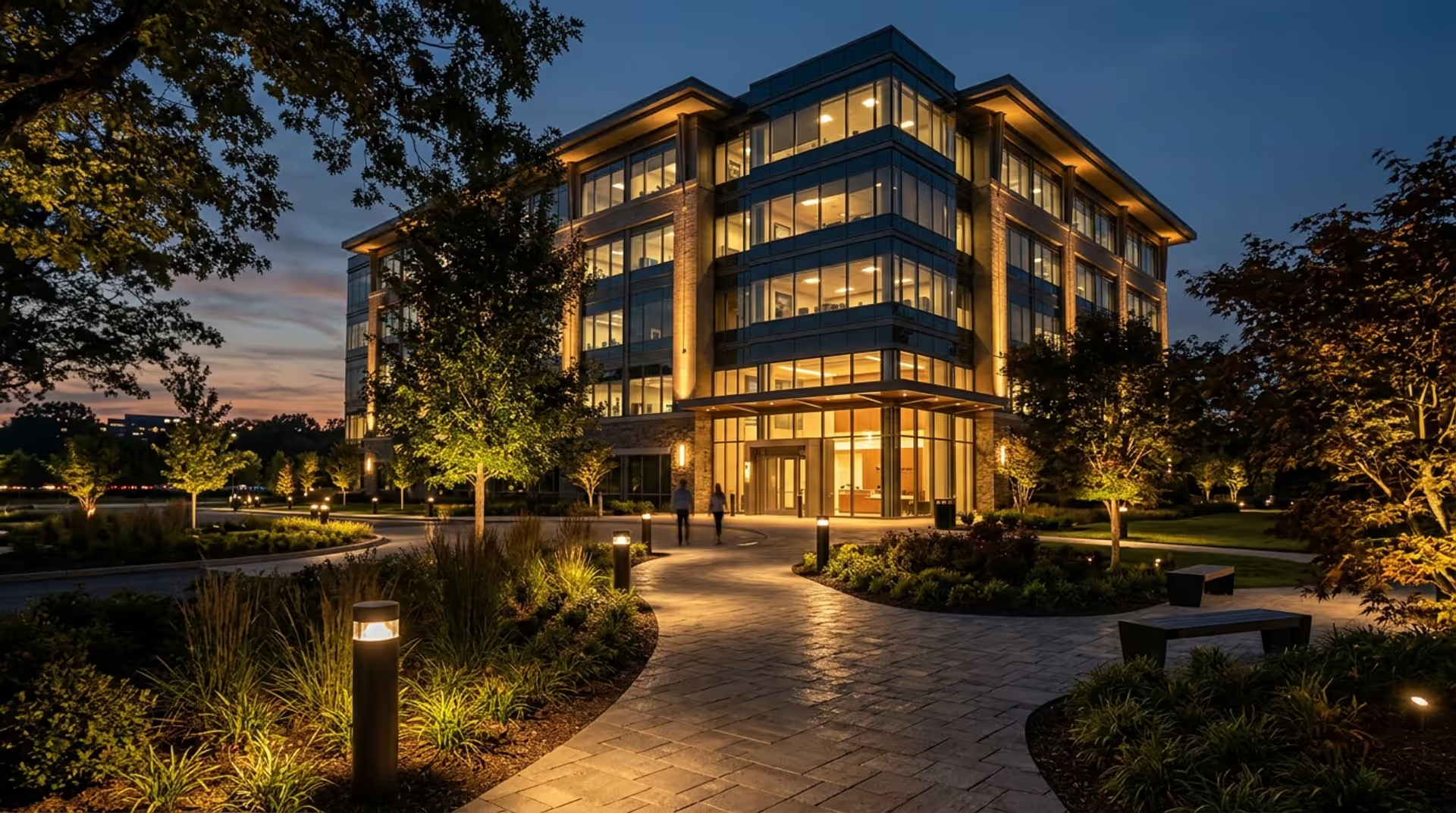
Learn professional commercial landscape lighting design principles that transform properties into 24-hour assets. Explore lighting techniques, fixture types, voltage systems, and the layered approach that creates safe, visually compelling outdoor spaces.
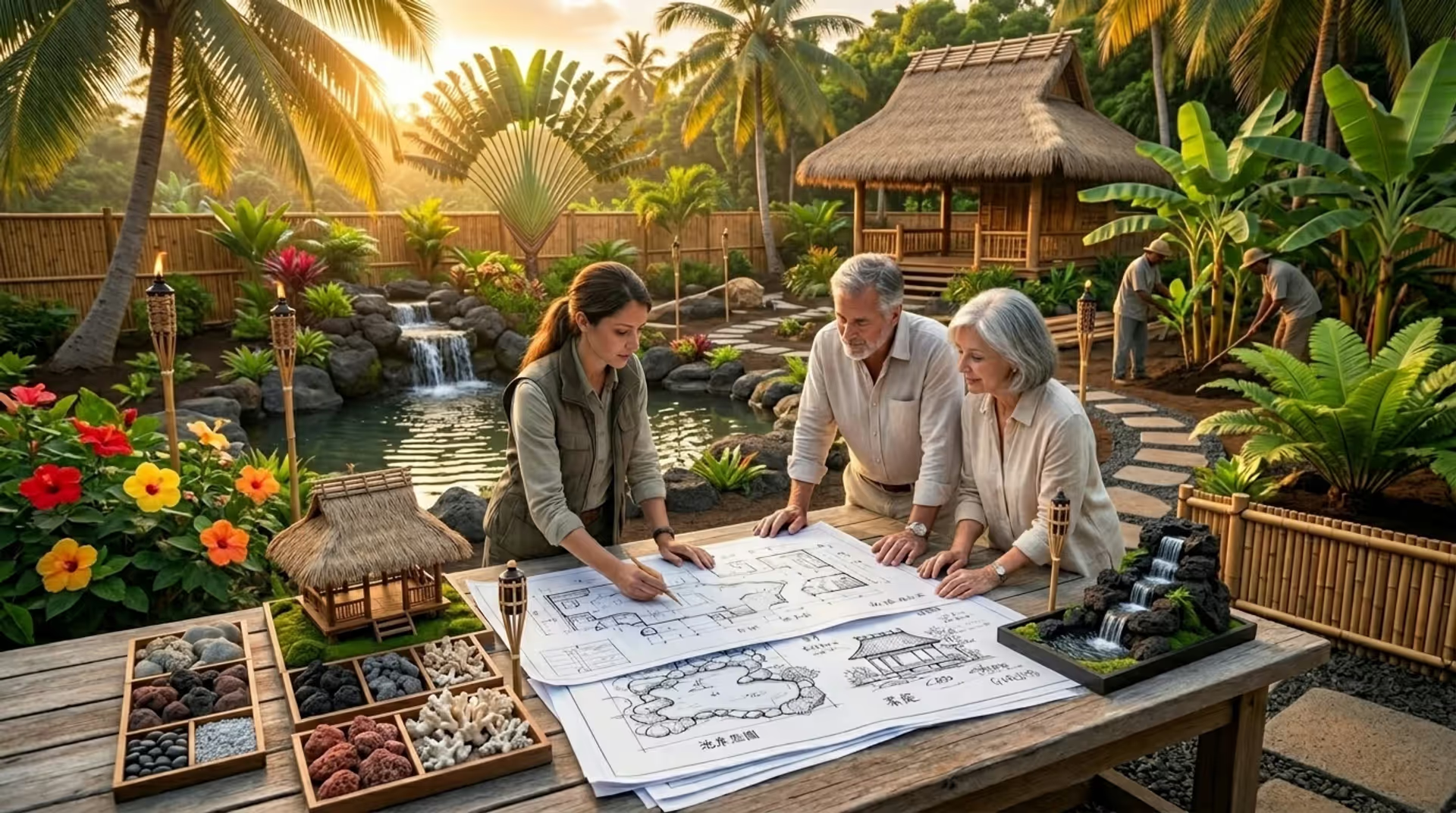
Transform your backyard into a lush island paradise with this complete guide to Polynesian garden design. Discover essential tropical plants, hardscape elements, water features, and climate adaptations that create an authentic Pacific island aesthetic right at home.
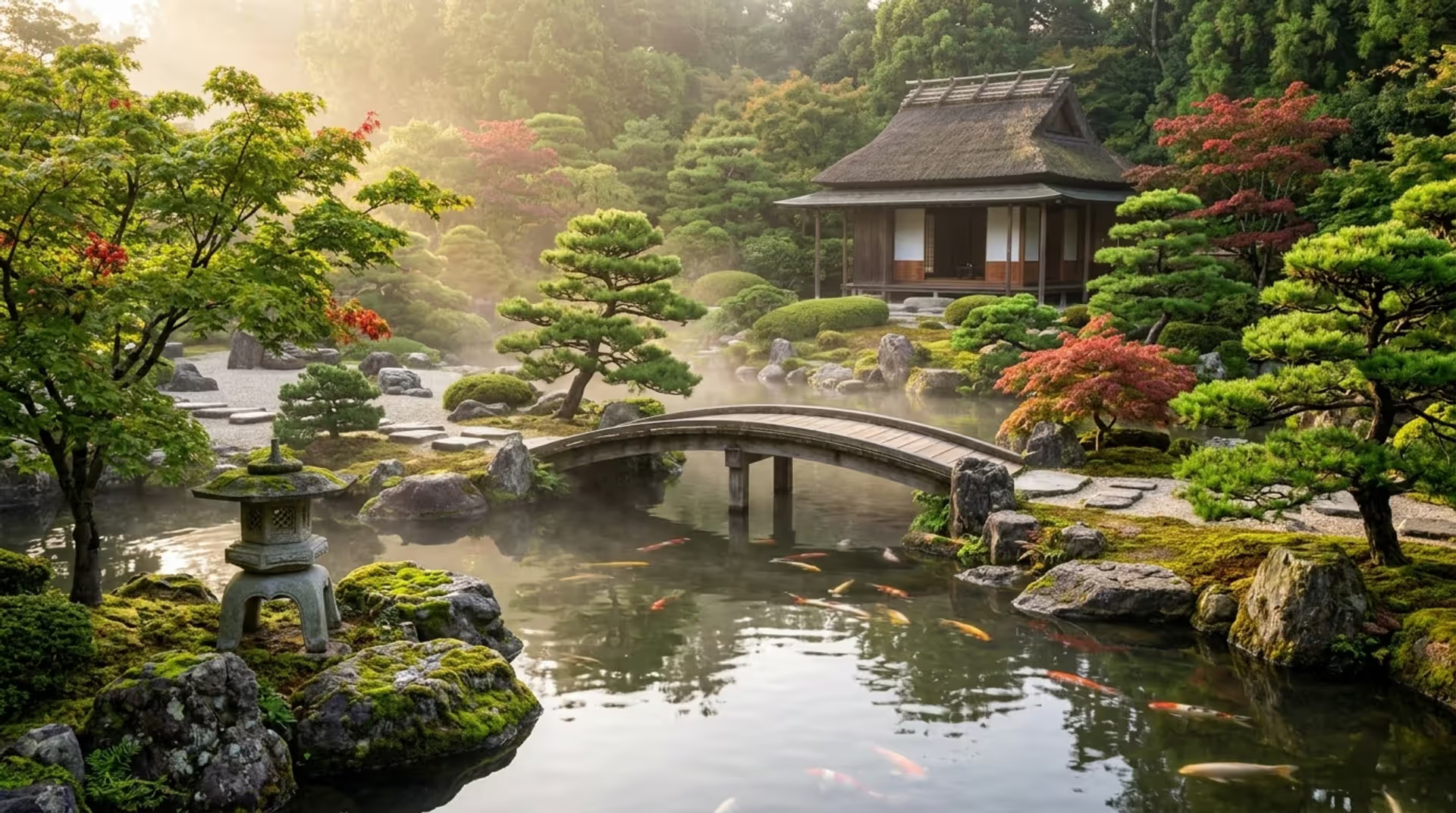
Japanese gardens aren't just pretty landscapes—they're philosophical statements in stone, water, and green. Each type serves a distinct purpose, from meditation to ceremony. Learn about karesansui zen gardens, stroll gardens, tea gardens, and specialized styles to find the right fit for your space.
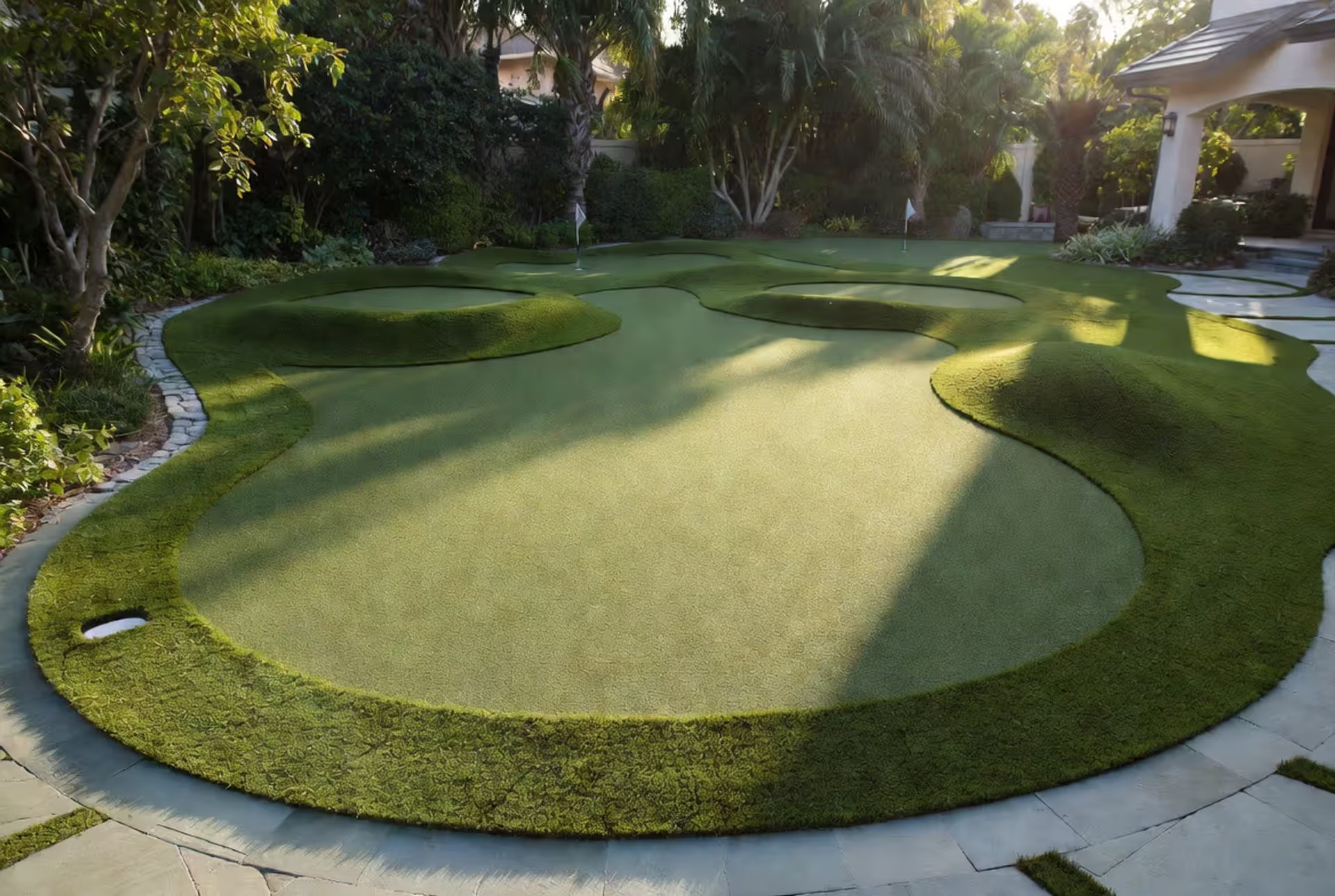
Artificial turf transforms backyards with low-maintenance green space year-round. Discover design ideas combining turf with pavers and concrete, layout strategies for any yard size, putting green installation tips, and cost comparisons to create your ideal outdoor space.
The content on this website is provided for general informational and educational purposes only. It is intended to explain concepts related to landscape design, outdoor spaces, plants, irrigation, hardscape and softscape, and sustainable landscaping.
All information on this website, including articles, guides, and examples, is presented for general educational purposes. Outcomes may vary depending on local climate, soil, plant selection, and project implementation.
This website does not provide professional design, construction, or horticultural advice, and the information presented should not be used as a substitute for consultation with qualified landscape architects, contractors, or horticulturists.
The website and its authors are not responsible for any errors or omissions, or for any outcomes resulting from decisions made based on the information provided on this website.