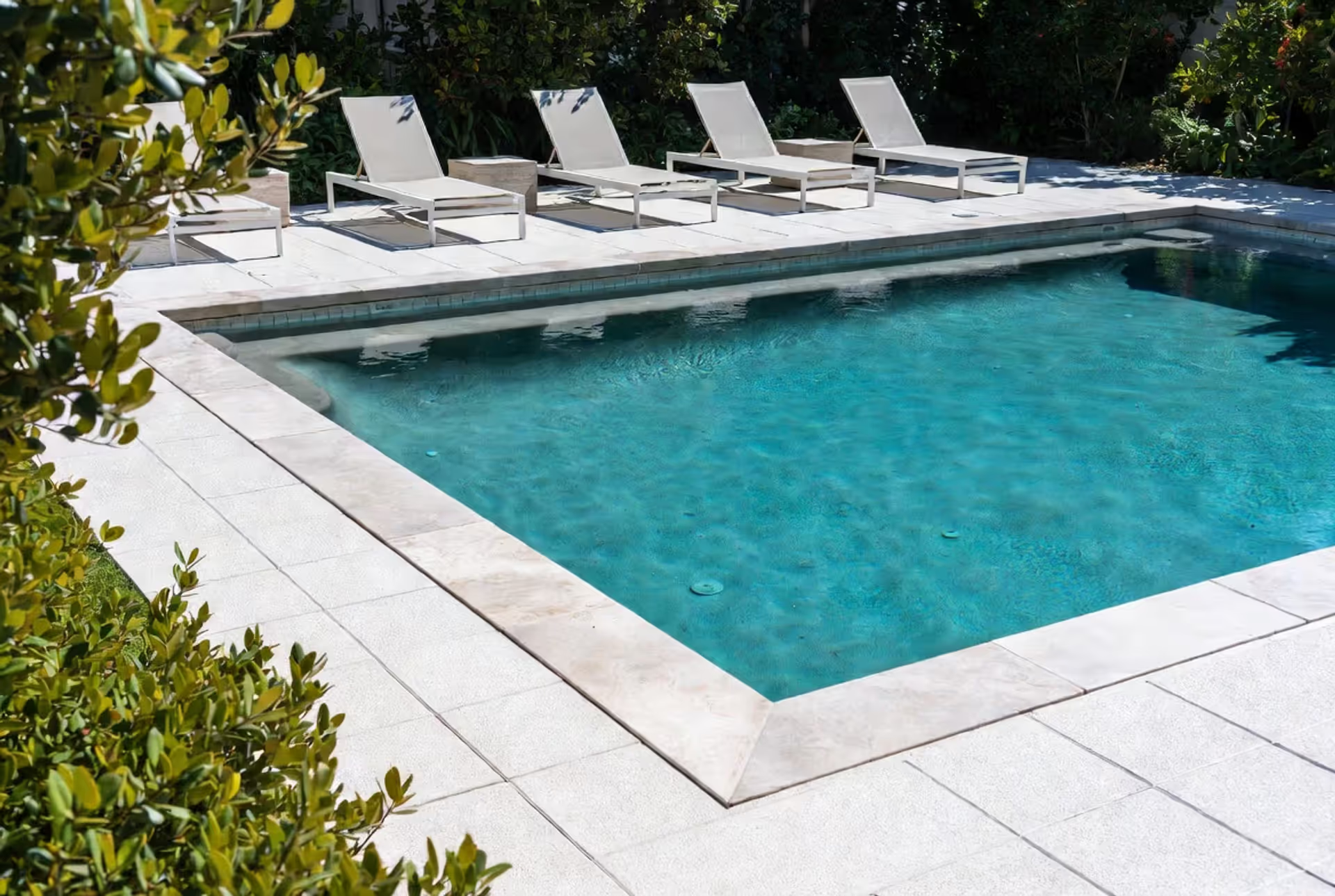
Choosing the right surface around your pool isn't just about looks. It's about safety, comfort, and making sure you don't end up with a scalding-hot deck that nobody wants to walk on barefoot. Pool pavers come in dozens of materials, finishes, and sizes—and the wrong choice can mean slippery surfaces, cracked decks, or a patio that radiates heat like a griddle. The right pavers, though? They'll give you a beautiful, safe space that lasts for decades with minimal fuss.
What Are Pool Pavers and Why They Matter
Pool pavers are individual units—stone, concrete, porcelain, or other materials—installed around your pool to create a functional, attractive deck or surround. Unlike poured concrete, which forms one continuous slab, pavers are modular. That means they can shift slightly with ground movement without cracking, making them ideal for areas where soil expands and contracts.
Safety is the biggest reason pavers matter. A wet pool deck needs excellent slip resistance, or someone's going to take a hard fall. Most pavers offer textured surfaces that provide better traction than smooth concrete, but not all materials perform equally when wet.
Heat reflection is the other major factor. Dark, dense materials can become painfully hot under direct sun—hot enough to burn bare feet. Lighter colors and certain stone types stay cooler, which makes a huge difference on summer afternoons.
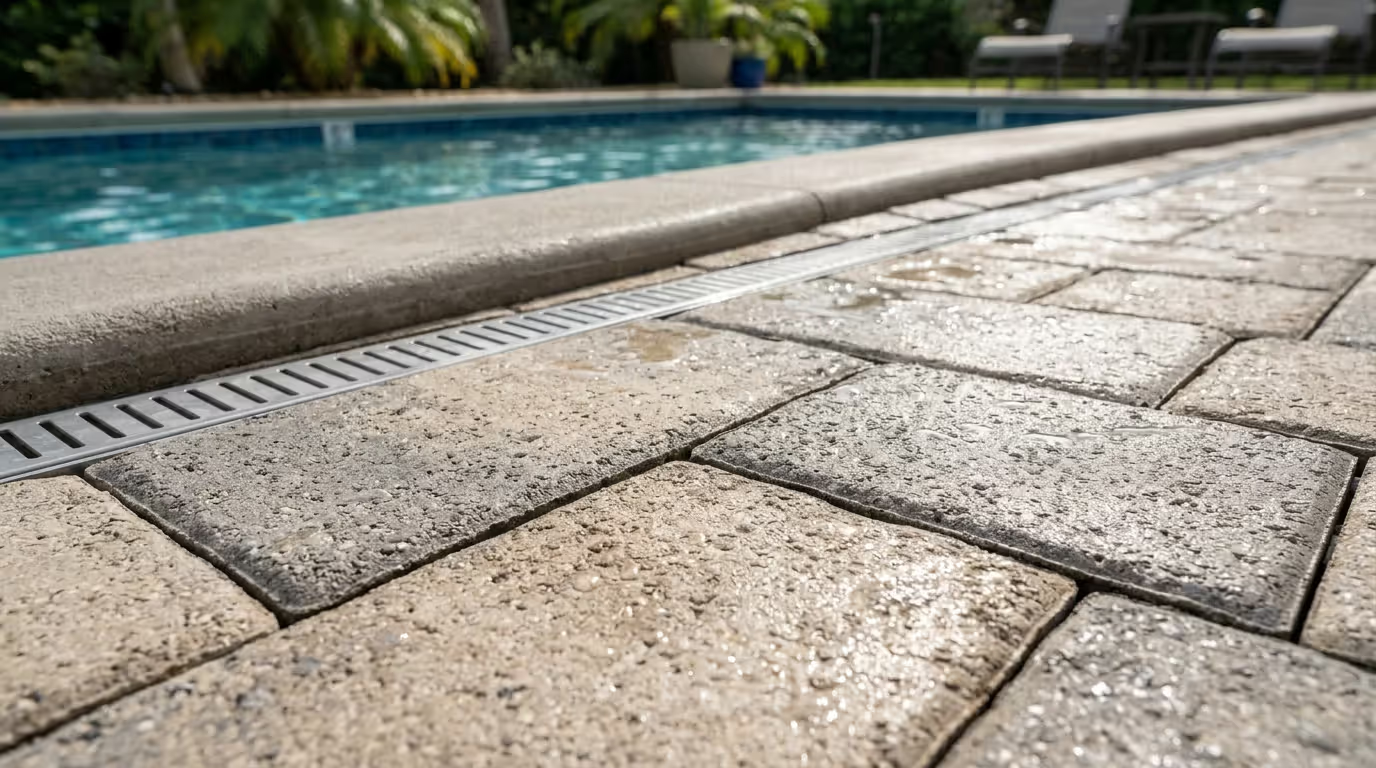
Drainage matters too. Pavers installed with proper gaps allow water to drain between units instead of pooling on the surface. That keeps the deck safer and helps prevent algae growth in shaded corners.
And there's aesthetics. Pavers give you design flexibility that poured concrete can't match. You can mix colors, create patterns, and match your deck to your home's architecture or landscape style.
Author: Liam Ashcroft;
Source: cribbslandscaping.com
Types of Pool Pavers by Material
The material you choose determines how your deck performs, how much it costs, and how it looks five or fifteen years down the road. Here's what you're working with.
Travertine Pool Pavers
Travertine is a natural limestone formed around mineral springs. It's become one of the most popular choices for pool decks, and for good reason.
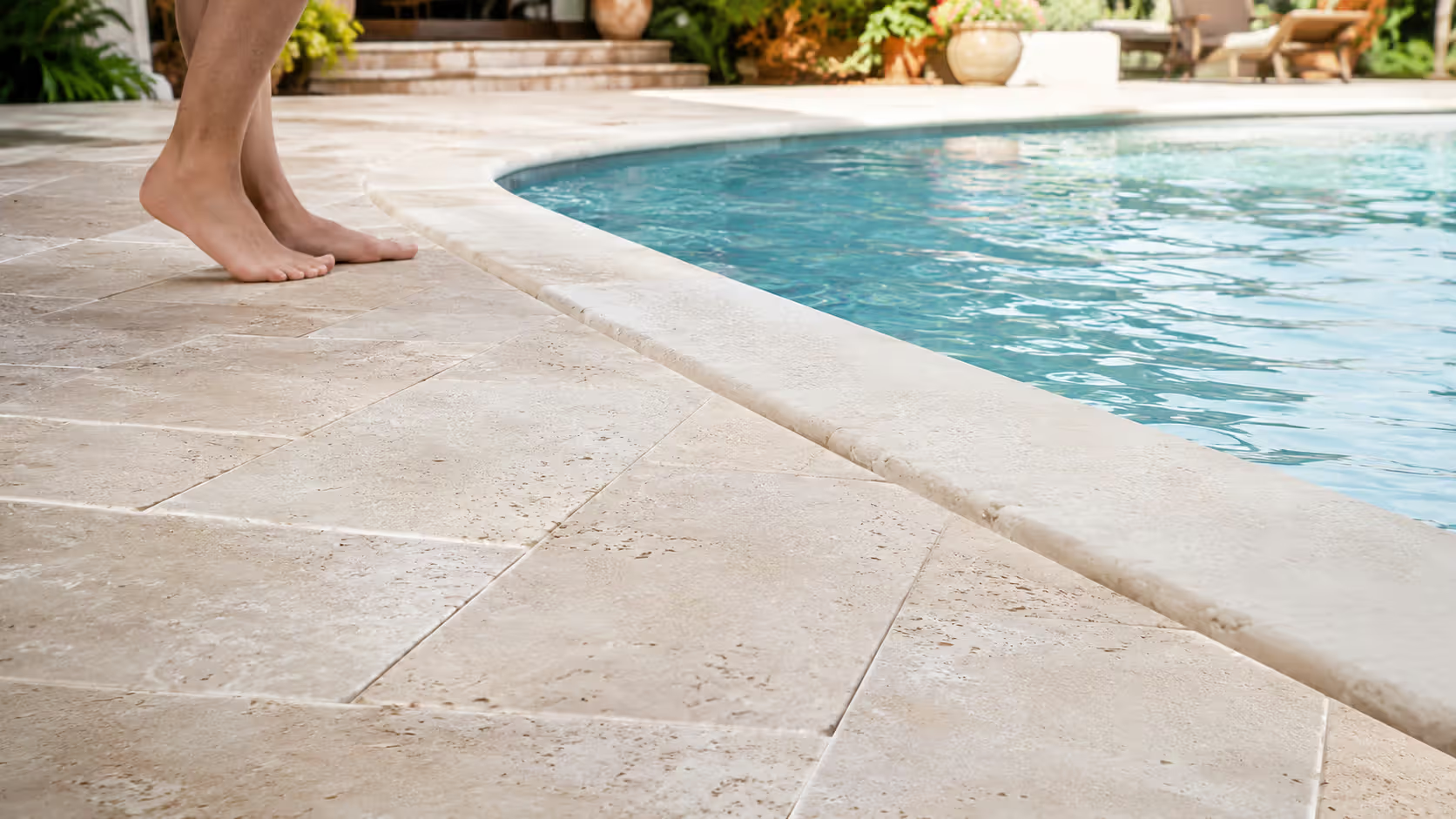
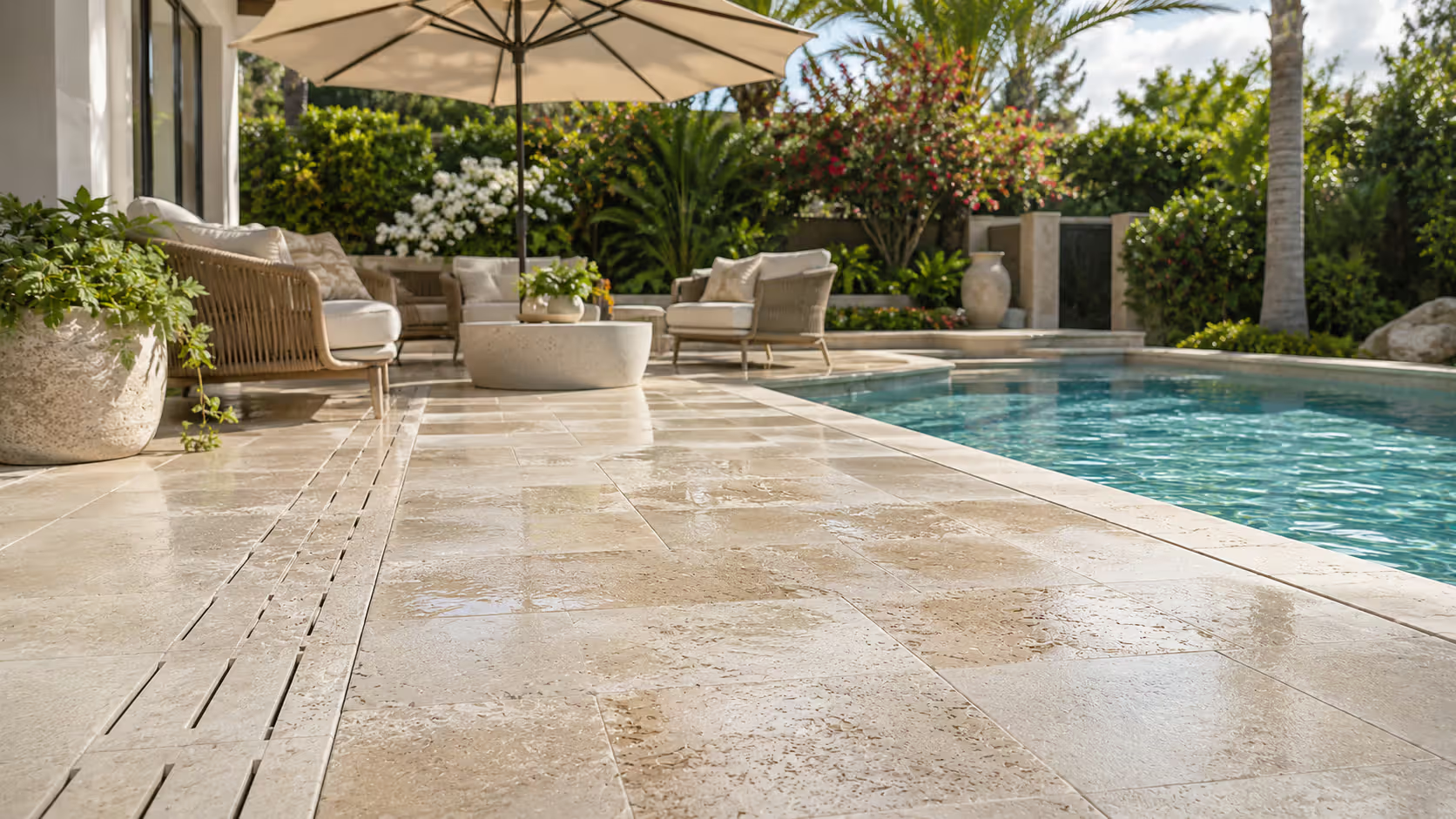
The stone stays cool underfoot even in direct sun. That's because of its light color and porous structure, which doesn't absorb and hold heat the way dense materials do. If you live in Arizona or Florida, this matters a lot.
Travertine has a naturally textured surface with small pits and voids. That texture provides excellent slip resistance when wet. The tumbled finish—where edges are slightly rounded and the surface is lightly weathered—gives even better traction and a softer, aged look.
Cost runs from $6 to $15 per square foot for the pavers themselves, depending on grade and finish. Installation adds another $10 to $20 per square foot if you're hiring professionals.
The downside? Travertine is porous, so it can stain if you spill acidic drinks or let organic debris sit on it. You'll want to seal it every few years to keep it looking good and protect against discoloration.
Author: Liam Ashcroft;
Source: cribbslandscaping.com
Concrete Pavers
Concrete pavers are manufactured units made from cement, sand, and aggregates. They're molded into consistent shapes and sizes, then cured.
They're the most affordable option, typically running $3 to $8 per square foot. That makes them popular for larger pool decks where natural stone would blow the budget.
Modern concrete pavers come in a huge range of colors, textures, and sizes. Some mimic natural stone surprisingly well. You can get them with textured surfaces for slip resistance, and manufacturers often treat them with sealers or additives to improve durability.
But concrete pavers do retain more heat than natural stone. Darker colors can get uncomfortably hot. They're also more prone to fading over time, especially in intense sun. Quality varies widely between manufacturers, so you'll want to stick with reputable brands.
Lifespan is solid—20 to 30 years with proper installation and occasional maintenance. They can crack under freeze-thaw cycles if you're in a cold climate, though permeable versions help with that.
Natural Stone Options
Beyond travertine, you've got several natural stone choices.
Flagstone offers an irregular, organic look. It's usually laid with wider joints filled with gravel or ground cover. Slip resistance is excellent, and it stays relatively cool. Cost runs $15 to $30 per square foot installed.
Bluestone is a dense sandstone with a fine grain. It's durable and slip-resistant but can get hot in direct sun. Thermal bluestone (a heat-treated version) stays cooler. Expect $20 to $35 per square foot installed.
Granite is extremely hard and durable, but smooth finishes can be slippery when wet. You'll want a flamed or brushed finish for pool areas. It's pricey—$25 to $50 per square foot installed—but it'll outlast almost everything else.
Limestone is similar to travertine but usually denser. It stays fairly cool and offers good slip resistance with the right finish. Cost is comparable to travertine.
Porcelain and Large Format Pavers
Porcelain pavers are a newer option. They're fired at extremely high temperatures, making them incredibly dense and non-porous.
They don't absorb water, so they won't stain or harbor mold. They're also fade-resistant and can mimic natural stone, wood, or concrete with photorealistic printing.
Large format pavers—typically 24×24 inches or bigger—create a sleek, modern look with fewer grout lines. Porcelain is the most common material for these sizes because it's engineered to stay flat and resist warping.
Heat retention is moderate. Porcelain isn't as cool as travertine, but lighter colors perform reasonably well. Slip resistance depends on the surface texture—look for products rated for wet areas.
Cost runs $8 to $20 per square foot for the pavers, with installation adding another $12 to $25 per square foot. They're harder to cut than concrete, which can drive up labor costs.
Lifespan is excellent—30+ years with minimal maintenance. The pattern I see most often is homeowners choosing porcelain for modern designs and travertine for traditional or Mediterranean styles.
Here's how the main materials compare:
Material Type
Cost per Sq Ft
Heat Retention
Slip Resistance
Maintenance Level
Lifespan
Travertine
$6–$15
Low
Excellent
Medium (seal every 2–3 years)
25–50 years
Concrete Pavers
$3–$8
High
Good to Excellent
Low to Medium
20–30 years
Flagstone
$15–$30
Low to Medium
Excellent
Medium
30–50 years
Bluestone
$20–$35
Medium to High
Excellent
Low
40–60 years
Porcelain
$8–$20
Medium
Good to Excellent
Very Low
30+ years
Granite
$25–$50
High (unless treated)
Good (with textured finish)
Very Low
50+ years
Pool Coping and Pavers Explained
Coping and deck pavers serve different functions, and understanding the difference helps you plan a better installation.
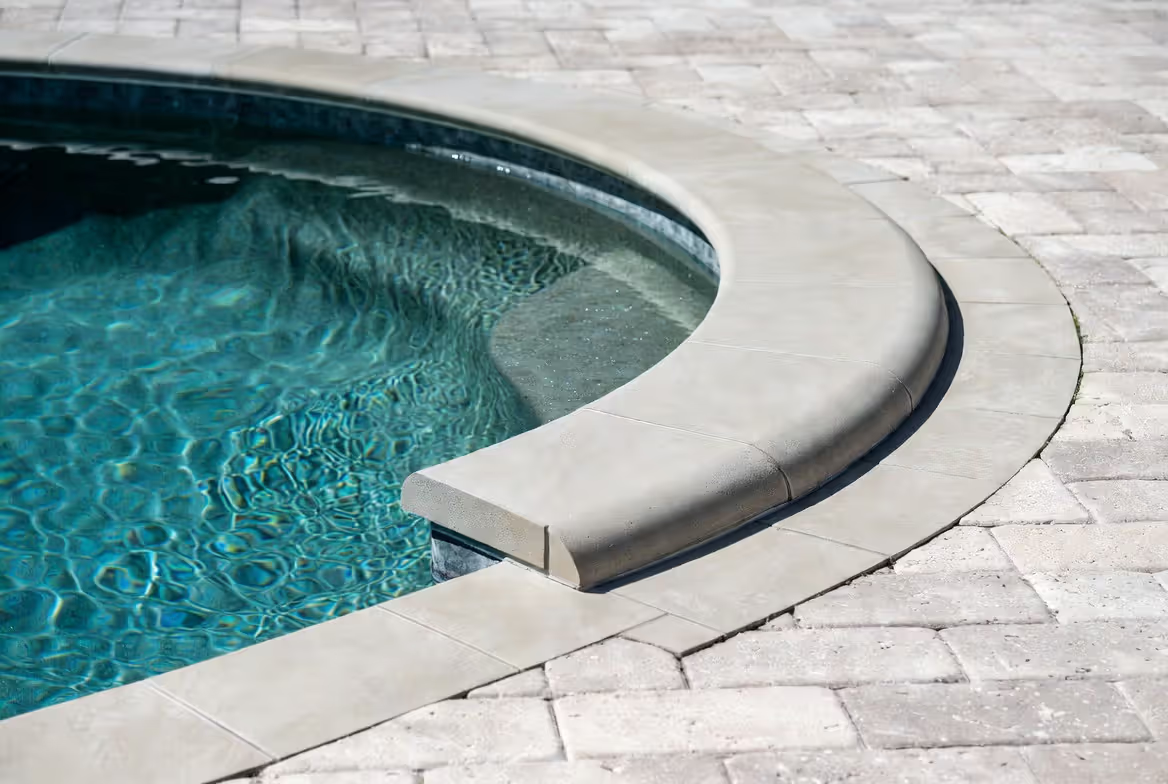
Pool coping is the cap or edging that sits directly on top of your pool's shell. It forms the transition between the pool wall and the deck. Coping overhangs the pool slightly to create a drip edge, so water drains back into the pool instead of running down the exterior wall.
Coping also provides a finished edge where swimmers can grip when they're in the water. It needs to be smooth enough not to scrape hands but textured enough not to be slippery.
Deck pavers are the units that cover the rest of the pool surround—the area where you walk, set chairs, and lounge.
You can use the same material for both coping and deck pavers, which creates a seamless look. Travertine coping with travertine deck pavers is a classic combination. So is bluestone coping with bluestone or concrete deck pavers.
Or you can mix materials. Bullnose coping (rounded edge) in one material with a different deck paver can create visual interest and define the pool edge clearly.
Installation is different for each. Coping is typically set in mortar directly on the pool beam. Deck pavers are usually installed over a compacted base with sand or polymeric sand in the joints. That base allows for drainage and slight movement.
Coordinating materials matters for both aesthetics and function. If your coping is 2 inches thick and your deck pavers are 1.5 inches, you'll need to adjust the base height so everything sits flush. A good installer will plan this out before breaking ground.
One common mistake is choosing smooth coping for aesthetic reasons and ending up with a slippery edge. Always prioritize safety at the pool edge—textured or tumbled finishes work best.
Author: Liam Ashcroft;
Source: cribbslandscaping.com
Design Ideas for Pool Surrounds
This is where you get to have some fun. The right pattern, color, and finish can turn a basic pool deck into something that looks custom and intentional.
Popular Paver Patterns for Pool Patios
Running bond is the simplest pattern—rectangular pavers laid in staggered rows, like bricks. It's clean, timeless, and works with any style. It's also the easiest to install, which can save on labor.
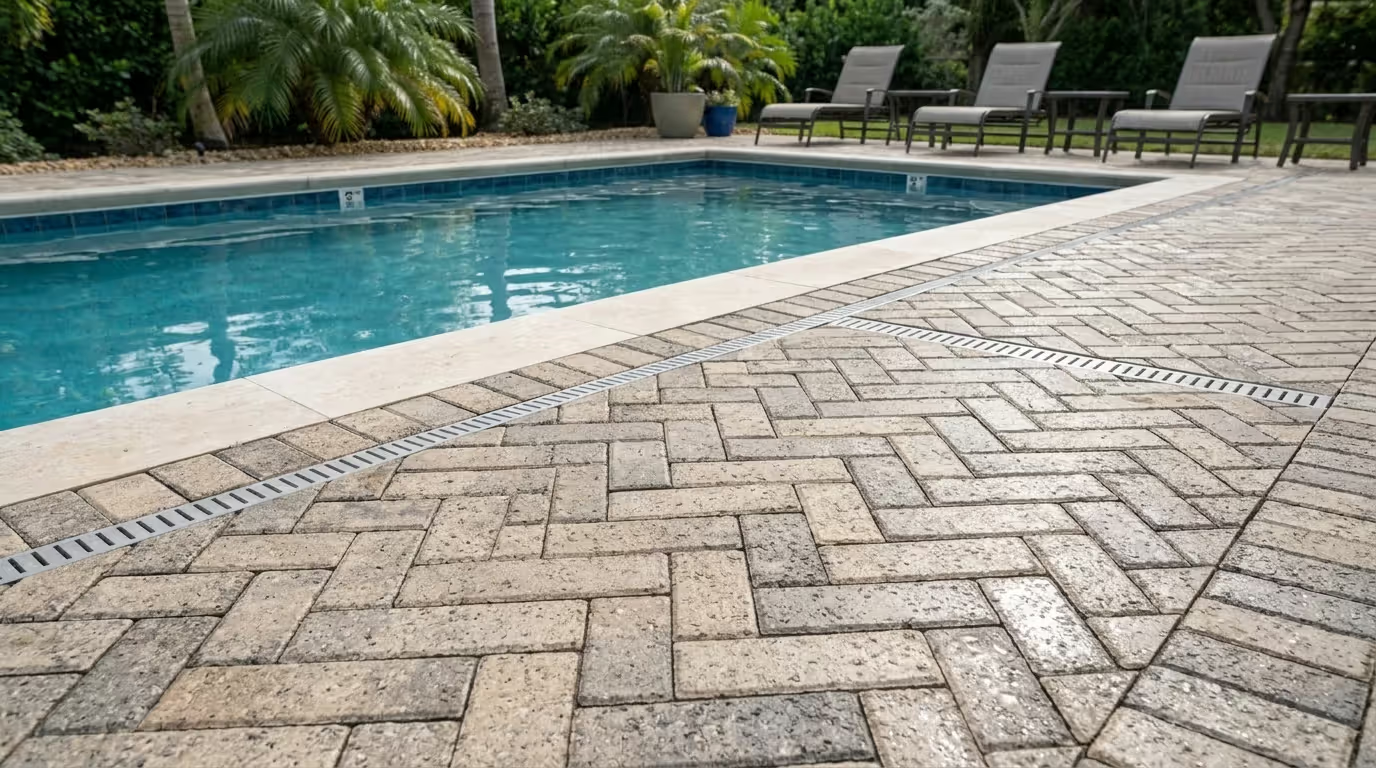
Herringbone creates a zigzag pattern with rectangular pavers set at 45- or 90-degree angles. It's visually dynamic and actually adds structural strength because pavers interlock. Great for high-traffic areas.
Basketweave alternates pairs of pavers laid horizontally and vertically, creating a woven look. It works best with square or nearly square pavers and suits traditional or cottage styles.
Random or French pattern uses multiple paver sizes mixed together without a repeating pattern. It looks organic and works beautifully with natural stone like travertine or flagstone. This is the pattern I see most often in high-end Mediterranean or resort-style pools.
Circular or radial patterns use specially cut pavers to create curves or circles. They're more complex and expensive but can define seating areas or create focal points.
The simpler option usually wins here if you're working with a tight budget or a DIY install. You can always add interest with color or finish instead of a complex pattern.
Author: Liam Ashcroft;
Source: cribbslandscaping.com
Color Palettes and Finishes
Light colors are your friend around pools. Ivory, beige, light gray, and soft tan all stay cooler and reflect more light, making the pool area feel brighter and more open.
Darker pavers—charcoal, dark brown, slate gray—can look stunning, especially in modern designs. But they will get hot. If you're set on dark pavers, consider using them only in shaded areas or around fire features, and stick with lighter colors in full sun.
Mixing colors adds depth. A border in a contrasting color can frame the pool and define the deck edge. Accents in a darker or lighter shade can break up large expanses and add visual interest.
Finishes matter as much as color. Tumbled pavers have rounded edges and a slightly worn surface. They look aged and feel softer underfoot. Honed finishes are smooth but not polished—they offer a matte look with good slip resistance. Brushed or flamed finishes add texture for better traction.
Avoid polished or glazed finishes around pools. They look great in showrooms but turn into slip hazards when wet.
Tumbled vs. Honed Surface Treatments
Tumbled pavers go through a process that rounds edges and creates a lightly weathered surface. The result is a softer, more casual look that fits Mediterranean, rustic, or cottage styles.
The texture is excellent for slip resistance. The rounded edges are also gentler on bare feet and less likely to chip.
Honed pavers are cut flat and smooth but not polished. They have a matte finish that's clean and modern. Slip resistance is good as long as the stone itself has some natural texture.
Honed works well for contemporary designs and large format pavers. It's also easier to clean because the surface is flatter and doesn't trap dirt in pits and voids the way tumbled stone can.
If you've got kids running around the pool, tumbled is usually the safer, more forgiving choice. For a sleek, modern aesthetic, honed delivers that crisp look.
Safety and Performance Features
Author: Liam Ashcroft;
Source: cribbslandscaping.com
A beautiful pool deck that's unsafe is a liability. Non-slip surfaces are non-negotiable.
Slip resistance is measured by the coefficient of friction (COF). For wet areas, you want a COF of at least 0.60. Most textured pavers and natural stones meet or exceed this. Smooth concrete, polished stone, and some porcelain tiles don't.
Always ask for slip ratings before you buy. Reputable manufacturers provide this data. If they don't, move on.
Heat resistance is the other big safety factor. Dark, dense materials can reach 120°F or higher in direct sun. That's hot enough to cause burns.
Travertine, light-colored concrete, and certain porcelains stay much cooler—often 20 to 30 degrees cooler than dark granite or slate. If your pool deck gets full sun most of the day, this isn't optional.
You can also use shade structures, umbrellas, or strategic landscaping to reduce heat buildup. But starting with a cooler material makes a bigger difference.
Drainage prevents standing water, which is both a slip hazard and a breeding ground for algae and mosquitoes. Pavers installed with proper joint spacing and a sloped base will drain naturally. The deck should slope away from the pool at about 1/4 inch per foot.
Permeable pavers—units with wider joints or built-in drainage channels—are worth considering in areas with heavy rain. They allow water to pass through the surface and into the ground, reducing runoff and keeping the deck drier.
ADA compliance matters for commercial pools or public spaces. The Americans with Disabilities Act requires accessible routes with firm, stable, slip-resistant surfaces. Pavers can meet these standards, but you'll need to ensure proper installation and joint width.
The biggest mistake I see is homeowners choosing pavers based solely on appearance and ignoring performance. A pool deck has to function first—it needs to be safe when wet, comfortable to walk on barefoot, and durable enough to handle constant moisture and UV exposure. Aesthetics matter, but they should never come at the expense of safety or longevity.
— Thompson Rachel
How to Choose the Right Pool Pavers
You've got options. Too many, maybe. Here's how to narrow them down.
Climate is your first filter. If you're in a freeze-thaw zone, you need pavers that can handle moisture expansion without cracking. Dense, non-porous materials like porcelain or sealed natural stone work best. Concrete pavers can crack in severe cold unless they're rated for freeze-thaw.
In hot, sunny climates, heat retention is the priority. Stick with light-colored travertine, limestone, or light concrete. Avoid dark granite or slate unless you're willing to wear shoes.
Budget comes next. If you're working with $10,000 for a 500-square-foot deck, you're looking at $20 per square foot all-in. That puts you in the concrete paver or mid-grade travertine range. If you've got $25,000 for the same space, you can consider bluestone, high-end porcelain, or flagstone.
Don't forget to budget for base prep, installation, and sealing. Materials are only part of the cost.
Style preferences should align with your home's architecture. A modern home with clean lines looks great with large format porcelain or honed bluestone. A Spanish or Mediterranean home pairs beautifully with tumbled travertine or warm-toned flagstone. A cottage or farmhouse style works well with irregular flagstone or basketweave concrete pavers.
Maintenance requirements vary. Porcelain and granite need almost no upkeep—just occasional cleaning. Travertine and limestone need sealing every few years and more frequent cleaning to prevent staining. Concrete pavers fall somewhere in the middle.
If you're not willing to reseal every couple of years, skip the porous natural stones and go with porcelain or granite.
Professional vs. DIY installation depends on your skill level and the complexity of the project. A simple rectangular deck with running bond concrete pavers is doable for a confident DIYer. Irregular flagstone, complex patterns, or large format porcelain? Hire a pro.
Poor installation causes more problems than poor material choices. If the base isn't properly compacted, pavers will shift and settle. If drainage isn't planned correctly, you'll have standing water. If joints aren't filled properly, weeds and ants move in.
Get multiple quotes, check references, and make sure your installer has experience with pool decks specifically. It's a different animal than a driveway or patio.
FAQ: Pool Paver Questions Answered
What is the most slip-resistant material for pool pavers?
Tumbled travertine and textured flagstone offer the best slip resistance when wet. Both have naturally rough surfaces with excellent traction. Textured concrete pavers and porcelain rated for wet areas also perform well. Avoid smooth, polished, or glazed finishes—they become dangerously slippery around pools.
Do travertine pavers get too hot in the sun?
No, travertine stays significantly cooler than most other paver materials. Its light color reflects heat, and its porous structure doesn't absorb and hold warmth the way dense stone does. Even in direct sun, travertine typically stays comfortable enough to walk on barefoot, which is why it's so popular in hot climates like Florida and Arizona.
How much does it cost to install pool pavers?
Total installed cost ranges from $15 to $50 per square foot, depending on material and complexity. Concrete pavers run $13 to $20 per square foot installed. Travertine costs $16 to $35 per square foot. High-end materials like bluestone or granite can reach $45 to $70 per square foot. Base prep, labor, and sealing are included in these ranges.
What's the difference between pool coping and pool deck pavers?
Pool coping is the cap or edge that sits directly on top of the pool shell, forming the transition between the pool and the deck. It overhangs slightly to create a drip edge. Deck pavers are the units that cover the surrounding area where you walk and lounge. Coping is set in mortar on the pool beam, while deck pavers are installed over a compacted base with sand joints.
Can I install pool pavers myself or should I hire a professional?
You can install simple patterns like running bond with rectangular concrete pavers if you're experienced with outdoor projects and comfortable with heavy lifting. You'll need to excavate, compact the base, level sand, and set pavers precisely. Complex patterns, irregular stone, or large format pavers require professional skills and tools. Poor installation leads to shifting, settling, and drainage problems that cost more to fix than hiring a pro upfront.
How do I maintain and clean pool pavers?
Sweep or blow off debris regularly to prevent staining and buildup. Rinse with a hose or pressure washer on a low setting. For stains, use a pH-neutral cleaner made for your paver material—acidic cleaners can damage natural stone. Reseal porous materials like travertine and concrete every 2 to 3 years to protect against stains and fading. Fill any settled joints with fresh sand to prevent weed growth.
The right pool pavers do more than just look good. They keep your deck safe, comfortable, and functional for decades. Travertine delivers unbeatable heat resistance and slip protection. Concrete pavers offer budget-friendly versatility. Porcelain brings modern aesthetics and low maintenance. Natural stone adds timeless beauty and durability.
Start with your climate and budget, then factor in style and maintenance. Don't skip the safety features—slip resistance and heat control aren't optional. And unless you're confident in your skills, hire a professional installer. A well-built pool deck is an investment that pays off every time you step outside.
Choose wisely, and you'll have a pool surround that's as practical as it is beautiful.
Learn professional commercial landscape lighting design principles that transform properties into 24-hour assets. Explore lighting techniques, fixture types, voltage systems, and the layered approach that creates safe, visually compelling outdoor spaces.
Transform your backyard into a lush island paradise with this complete guide to Polynesian garden design. Discover essential tropical plants, hardscape elements, water features, and climate adaptations that create an authentic Pacific island aesthetic right at home.
Japanese gardens aren't just pretty landscapes—they're philosophical statements in stone, water, and green. Each type serves a distinct purpose, from meditation to ceremony. Learn about karesansui zen gardens, stroll gardens, tea gardens, and specialized styles to find the right fit for your space.
Artificial turf transforms backyards with low-maintenance green space year-round. Discover design ideas combining turf with pavers and concrete, layout strategies for any yard size, putting green installation tips, and cost comparisons to create your ideal outdoor space.
The content on this website is provided for general informational and educational purposes only. It is intended to explain concepts related to landscape design, outdoor spaces, plants, irrigation, hardscape and softscape, and sustainable landscaping.
All information on this website, including articles, guides, and examples, is presented for general educational purposes. Outcomes may vary depending on local climate, soil, plant selection, and project implementation.
This website does not provide professional design, construction, or horticultural advice, and the information presented should not be used as a substitute for consultation with qualified landscape architects, contractors, or horticulturists.
The website and its authors are not responsible for any errors or omissions, or for any outcomes resulting from decisions made based on the information provided on this website.