Urban green spaces don't always need acres of land to make an impact. Some of the most beloved public spaces in American cities occupy areas smaller than a tennis court. These tiny oases—squeezed between buildings, carved from vacant lots, or tucked into forgotten corners—prove that thoughtful design matters more than square footage. If you're looking to create a welcoming outdoor retreat in a compact urban setting, you'll find that the principles behind successful pocket parks apply whether you're working with a neighborhood group or reimagining your own property.
What Is a Pocket Park?
A pocket park is a small-scale outdoor public space, typically ranging from 2,000 to 10,000 square feet, designed to provide greenery, seating, and respite in dense urban environments. Unlike traditional parks that span multiple acres, these miniature landscapes fit into single lots or narrow strips of land that might otherwise sit unused.
The concept gained traction in the United States during the 1960s, when landscape architects and urban planners began converting vacant lots and underutilized spaces into accessible green areas. Paley Park in Manhattan, created in 1967, became the prototype—a 4,200-square-foot space that demonstrated how a tiny plot could deliver outsized benefits to pedestrians seeking a moment of calm.
What distinguishes a pocket park from a simple landscaped area? Intentional design for public use. These spaces include seating, pathways, and plantings arranged to encourage people to stop and stay, not just pass through. They're designed as destinations, however brief the visit.
The benefits ripple outward from these small footprints. Property values within a block or two typically increase by 5-15%. Crime rates often drop when well-maintained pocket parks replace abandoned lots. Air quality improves, even from a handful of trees. And perhaps most significantly, they create social infrastructure—neutral ground where neighbors actually meet.
Size matters less than you'd think. I've seen quarter-acre pocket parks feel cramped and poorly used, while 1,500-square-foot spaces buzz with activity from morning coffee breaks to evening dog walks. The difference comes down to design choices.
Essential Elements of Pocket Park Design
Successful pocket parks share core features that make them functional despite their compact dimensions. You don't need every element, but the best designs incorporate most of these components.
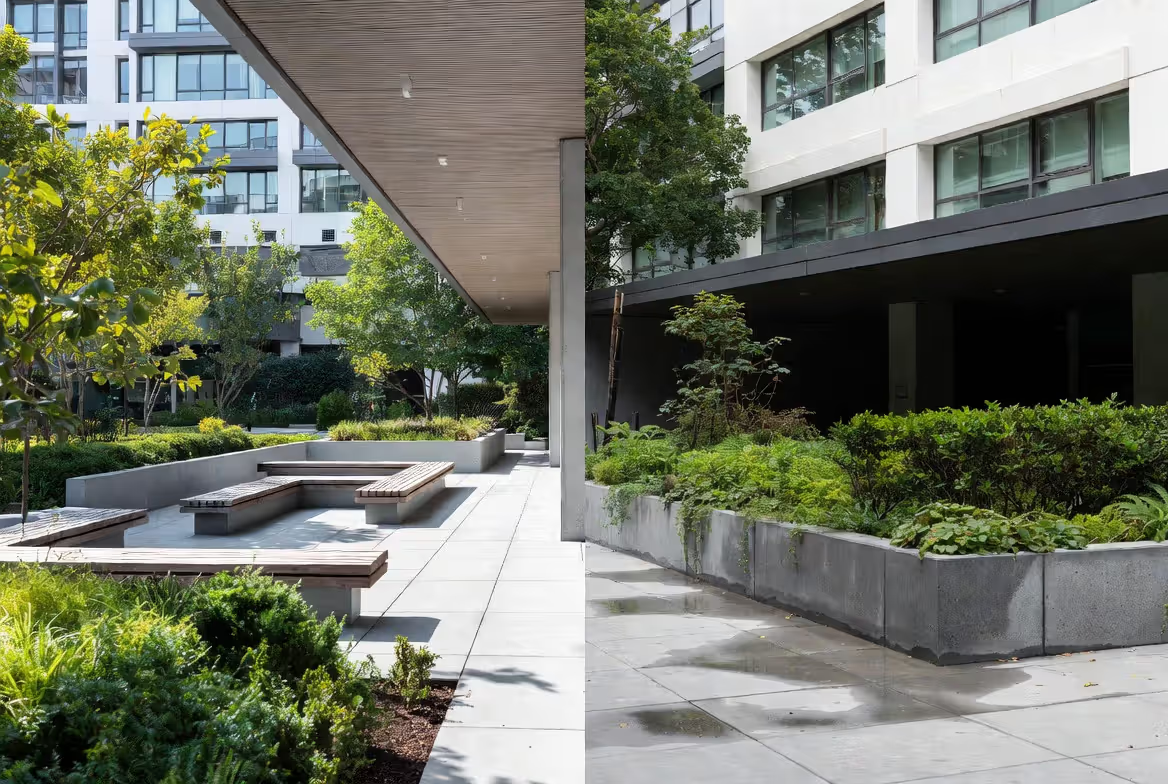
Seating ranks as the single most critical feature. Without places to sit, people won't linger. Plan for at least one seat per 200-300 square feet of usable space. Mix fixed benches with movable chairs when possible—people appreciate the control of choosing their exact spot and orientation. Seat backs matter more than most designers realize; backless benches get used far less frequently.
Author: Sienna Calder;
Source: cribbslandscaping.com
Pathways define circulation and create structure within small spaces. A 4-foot-wide main path accommodates two people walking side-by-side, while 3-foot secondary paths work for single-file traffic. Hard surfaces—pavers, decomposed granite, or concrete—wear better than mulch in high-traffic pocket parks. The pattern I see most often is designers making paths too narrow, forcing people to walk single-file when they'd rather stroll together.
Plantings soften hard urban edges and provide seasonal interest. But they need to work hard in limited space. Choose plants that deliver multiple benefits: shade, visual screening, fragrance, or year-round structure. Avoid anything requiring weekly deadheading or frequent replacement.
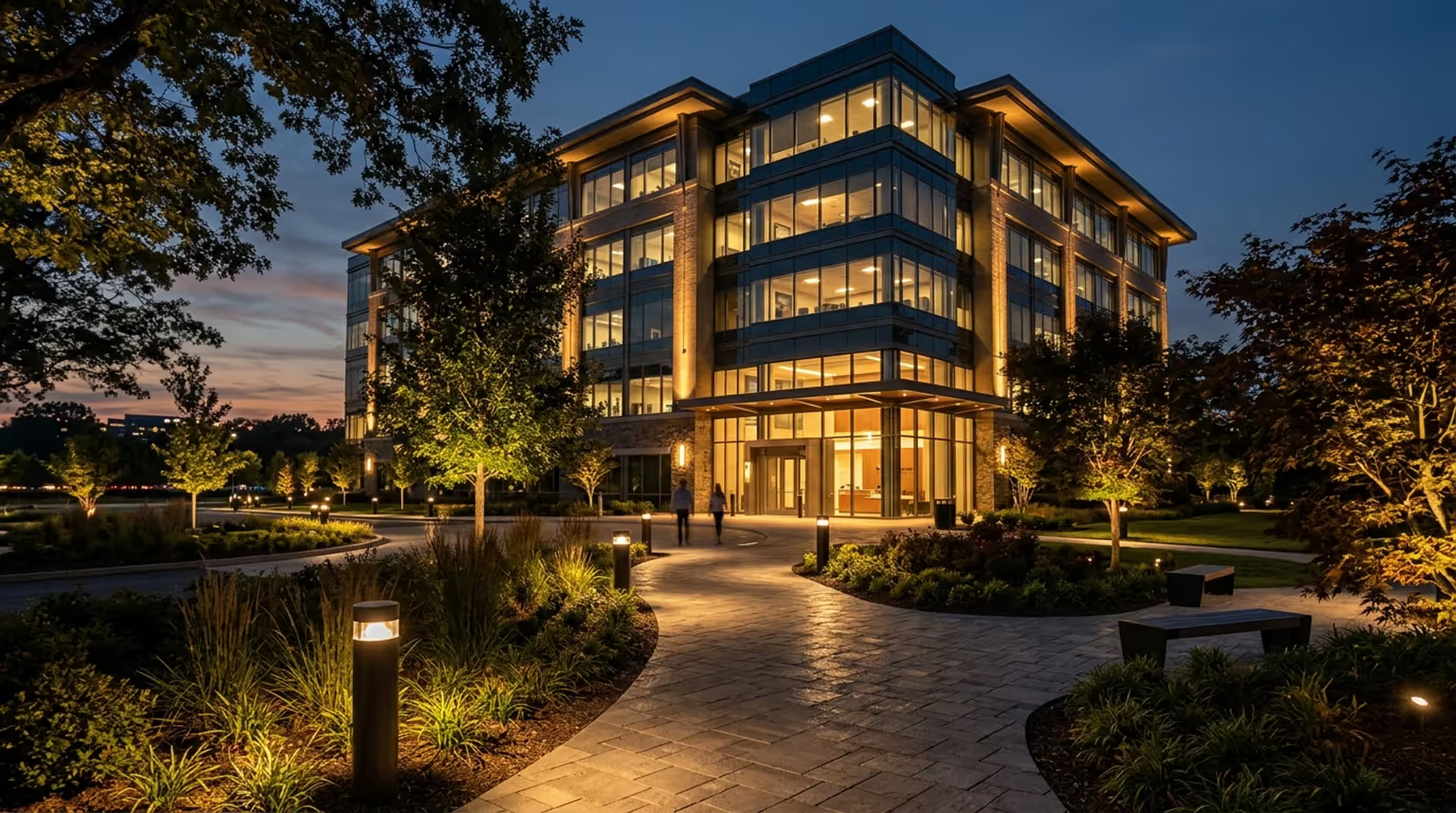
Lighting extends usability into evening hours and dramatically improves safety perceptions. Low-level path lights (18-24 inches high) illuminate walkways without creating glare. Uplighting on specimen trees adds drama and helps with ambient visibility. Solar options have improved enough by 2026 that they're viable for supplemental lighting, though grid-connected fixtures still provide more reliable illumination.
Water features create soothing sound that masks traffic noise—a real asset in urban settings. Simple recirculating fountains or wall-mounted spouts require less maintenance than ponds. Just ensure you can easily access pumps and filters for routine service.
Art installations give pocket parks identity and serve as meeting landmarks ("I'll meet you at the blue sculpture"). Murals on adjacent walls, decorative paving patterns, or sculptural seating all count. Local artists often welcome these opportunities.
ADA accessibility isn't optional. At minimum, you need one accessible route from the sidewalk to seating areas, with firm, stable surfaces and maximum 1:12 slopes. Provide at least one companion seating area where wheelchair users can sit alongside friends on benches.
The most successful pocket parks function as outdoor living rooms for neighborhoods that lack private yards. They're not about grand gestures—they're about getting the human-scale details right: comfortable seating height, dappled shade, something pleasant to look at, and a sense of safety through good sightlines.
— Chen Sarah
Planning Your Pocket Park Layout
Before selecting a single plant or bench, you need to understand your site and how people will move through it. This groundwork determines whether your pocket park becomes a neighborhood favorite or an underused afterthought.
Choosing the Right Location
Not every small space makes a good pocket park. The best sites share certain characteristics that boost their chances of success.
Visibility matters enormously. Corner lots outperform mid-block locations because they're seen from multiple directions. Spaces visible from residential windows benefit from natural surveillance—neighbors notice when something's amiss. Avoid locations hidden behind buildings or down alleys unless you're specifically creating a "secret garden" for residents who already know it's there.
Pedestrian traffic patterns tell you where people already walk. A pocket park along a route between transit stops and residential areas will see steady use. One that requires a deliberate detour won't, no matter how beautiful.
Sun exposure shapes your planting options and comfort levels. South-facing spaces in hot climates need substantial shade structures or tree canopy. North-facing sites in cooler regions might struggle with damp, dim conditions. East-facing orientations often work well—morning sun, afternoon shade.
Access to water and electricity simplifies maintenance and expands design possibilities. Running new utilities to a site can consume 20-30% of a modest budget. Sometimes the practical choice is designing around the absence of water hookups rather than paying to install them.
Author: Sienna Calder;
Source: cribbslandscaping.com
Measuring and Mapping Your Space
Accurate measurements prevent expensive mistakes. You need more than just the property dimensions.
Map existing features: trees you want to keep, utility boxes, drainage patterns, changes in grade. Note which direction is north—this affects sun angles and shadow patterns throughout the day. Photograph the site from multiple angles and at different times of day.
Identify underground utilities before any digging. Call 811 for free utility marking anywhere in the US. Assume there are more pipes and cables than the marking service finds—old cities often have unmapped infrastructure.
Grade and drainage require careful attention in small spaces. Water needs somewhere to go. A 6-inch rain event shouldn't create a pond where your seating area sits. Slope surfaces at minimum 2% away from buildings and toward planted areas or drains.
Create zones even in tiny spaces. A 3,000-square-foot pocket park might have a seating/gathering zone (40%), a planted/buffer zone (35%), and a circulation zone (25%). These zones can overlap—a planted area with a bench serves double duty.
Sightlines affect both safety and aesthetics. Stand where someone entering the space would stand. Can you see the entire park? Blind corners make people uneasy. Plantings and structures should define space without creating hidden areas.
Plant Selection and Landscaping Strategies
The right plants make pocket parks feel lush and established quickly, while poor choices lead to constant replanting and maintenance headaches. In small spaces, every plant needs to earn its place.
Native plants adapted to your region require less water, fertilizer, and pest management once established. They support local pollinators and birds, adding life to your space. But "native" covers a lot of ground—choose species suited to your specific conditions, not just your general region.
Tree canopy provides the highest-value real estate in a pocket park. A single well-placed tree can shade 300-400 square feet. For small spaces, consider trees with upright or columnar forms that won't overwhelm: hornbeam, serviceberry, or ornamental cherries. Avoid species with aggressive roots that will buckle paving or messy fruit that creates slip hazards.
Plan for year-round interest since pocket parks get used in all seasons. Evergreen shrubs provide winter structure. Early bulbs signal spring. Summer perennials add color. Fall foliage and ornamental grasses extend the show. Aim for something visually interesting in every season.
Ground covers beat mulch in high-traffic edges. Low-growing sedums, creeping thyme, or native grasses can handle occasional foot traffic and don't need annual replenishment. They also prevent the mulch-volcano effect around trees.
Container gardens offer flexibility in spaces with poor soil or extensive underground utilities. Large planters (24+ inches diameter) retain moisture better than small pots. Group containers in odd numbers for visual appeal. Just remember that containers require more frequent watering than in-ground plantings.
Vertical greening maximizes limited ground space. Climbing vines on trellises, green walls, or espaliered trees against fences add greenery without consuming square footage. Boston ivy, climbing hydrangea, and Virginia creeper work well in many US climate zones.
Climate zone factors shape every plant decision. USDA hardiness zones (now updated with 2026 data reflecting warming trends) tell you what survives winter, but heat zones, rainfall patterns, and humidity matter too. A plant thriving in Seattle's Zone 9a won't necessarily work in Houston's Zone 9a.
The simpler option usually wins here. Three species repeated in sweeps create more impact than a dozen different plants spotted around. Mass plantings also simplify maintenance—you're not trying to remember the specific needs of twenty different varieties.
Author: Sienna Calder;
Source: cribbslandscaping.com
Community Pocket Park Development Process
Creating a public pocket park involves more steps than a private garden project, but the process is manageable if you understand the sequence.
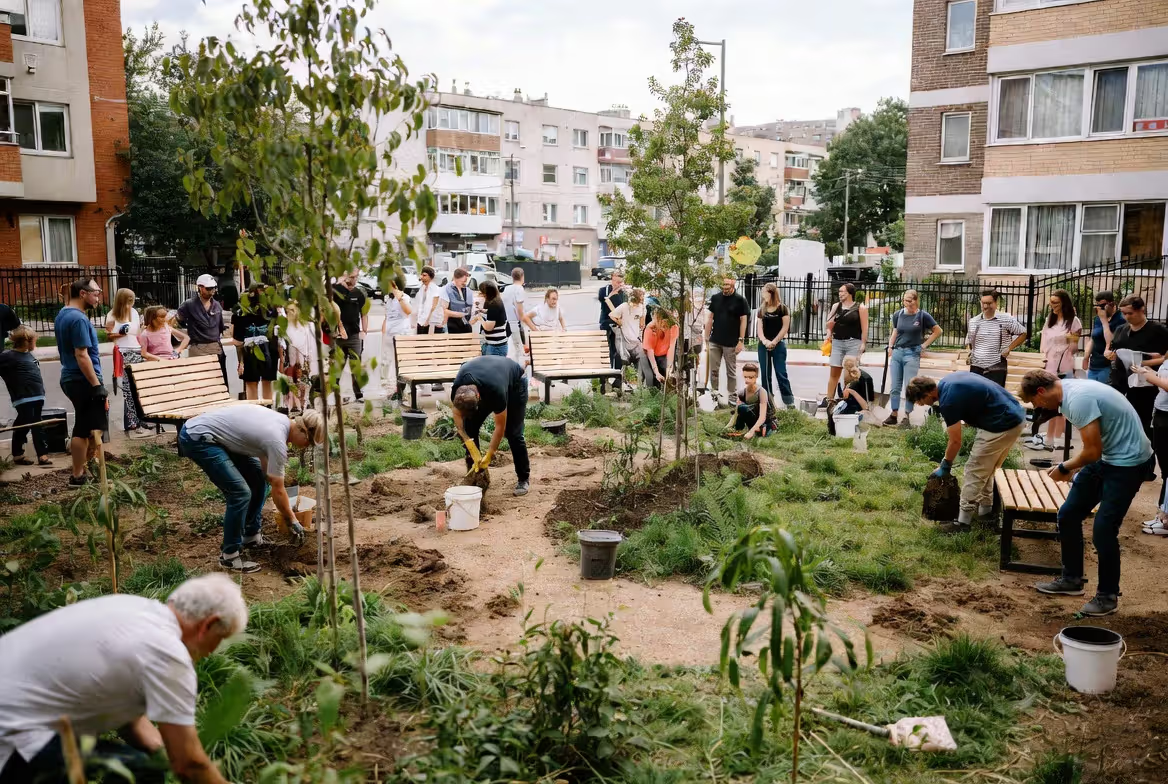
Stakeholder engagement should start before you finalize any designs. Who lives or works near the proposed site? What do they want from the space? Hold informal meetings at nearby community centers or even on the site itself. Bring simple sketch options to gather feedback. You'll discover priorities you hadn't considered—maybe parents need a spot to watch kids after school, or local seniors want chess tables.
Expect some resistance. Someone will worry about noise, loitering, or parking impacts. Address concerns directly rather than dismissing them. Design choices can mitigate most issues—good lighting reduces loitering concerns, thorny shrubs along property lines create buffers.
Funding sources for community pocket parks vary widely. Many cities offer small grants ($5,000-$50,000) through parks departments or community development programs. The National Recreation and Park Association tracks available funding. Corporate sponsorships work for parks near business districts—companies will pay for naming rights or sponsor specific features like benches or plantings.
Crowdfunding through platforms like Neighborly or Patronicity has funded dozens of pocket parks since 2024. These campaigns work best when you can show strong community support and match funds from other sources.
In-kind donations stretch budgets significantly. Nurseries may donate plants. Landscape companies might provide discounted labor. Local artists could create installations for materials cost only. Don't be shy about asking—many businesses want to support visible community projects.
Permits and approvals can take longer than construction. You'll likely need building permits for structures, grading permits for drainage work, and possibly zoning variances depending on your location and planned features. Start this process early—assume 3-6 months for approvals in most municipalities.
Partnership with local government smooths many obstacles. Even if the city isn't funding your project, their support helps with permits, liability insurance, and long-term maintenance agreements. Some cities have "adopt-a-lot" programs that formalize these relationships.
Volunteer coordination works for initial planting and periodic events, but don't rely on volunteers for ongoing maintenance. That model fails within two years in most cases. Build a sustainable maintenance plan with paid help or formal commitments from nearby property owners.
Author: Sienna Calder;
Source: cribbslandscaping.com
Pocket Park Design Mistakes to Avoid
Learning from others' errors saves time and money. These mistakes appear repeatedly in underperforming pocket parks across the country.
Poor drainage ruins more pocket parks than any other single issue. That beautiful sunken seating area becomes a mosquito-breeding pond after rain. Grade everything properly from the start. Install French drains if needed. Test your drainage plan by simulating heavy rain with a hose before you install permanent features.
Inadequate seating means people won't stay. And seating in full sun without shade gets used maybe 20 minutes per day in summer. Provide options: sun and shade, backed and backless, individual and group seating. One bench in the corner doesn't cut it.
Unsafe sightlines make people uncomfortable at a subconscious level. Dense shrub plantings or solid walls that create hidden alcoves trigger unease. Keep vegetation below 30 inches or above 8 feet in most areas. Allow clear views through the space from entry points.
High-maintenance plantings doom volunteer-maintained parks. Hybrid tea roses, annual bedding displays, or plants requiring specific soil amendments won't get the care they need. Choose tough, adaptable species that look good even with minimal intervention.
Ignoring neighborhood input creates spaces that don't match actual needs. Designers sometimes impose their vision without asking what neighbors actually want. Maybe they need dog-friendly features, not a formal rose garden. Maybe they want movable chairs, not fixed benches. Ask first, design second.
Author: Sienna Calder;
Source: cribbslandscaping.com
Accessibility oversights exclude people unnecessarily. Steps without ramp alternatives, narrow gates that block wheelchairs, or seating areas reachable only via gravel paths all violate ADA requirements and, more importantly, prevent neighbors from using the space.
Insufficient lighting limits evening use and creates safety concerns. Dark parks feel threatening. Budget for good lighting from the start rather than adding it later when incidents occur.
Furniture that isn't secured gets stolen or vandalized. Benches, tables, and planters need proper anchoring. This seems obvious, but I've seen multiple parks lose furnishings within weeks of installation.
FAQ: Pocket Park Questions Answered
How much does it cost to build a pocket park?
Costs vary dramatically based on size, features, and site conditions, but expect $15-$75 per square foot for most projects. A basic 2,500-square-foot pocket park with simple plantings, gravel paths, and basic seating might cost $40,000-$60,000. More elaborate designs with custom paving, water features, or significant grading work can easily reach $150,000-$200,000. The biggest variables are site preparation (especially if you're dealing with contaminated soil from previous industrial use), utilities installation, and custom versus standard furnishings. Many successful pocket parks start with Phase 1 basics and add features over time as additional funding becomes available.
What is the ideal size for a pocket park?
There's no single ideal size, but 2,500-5,000 square feet hits a sweet spot for most urban neighborhoods. That's roughly the size of a small residential lot—enough room for meaningful plantings, multiple seating options, and defined pathways without requiring extensive maintenance resources. Smaller spaces (1,000-2,000 square feet) can work as "parklets" focused on a single function like seating or a small playground. Larger pocket parks approaching 10,000 square feet start blurring the line into small neighborhood parks. The real question isn't ideal size but whether the space feels comfortable and serves its intended users well.
Do I need permits to create a pocket park?
Yes, almost certainly, though requirements vary by municipality. For public pocket parks on city-owned land, you'll need building permits for any structures (pergolas, walls, etc.), grading permits if you're changing drainage patterns, and possibly electrical permits for lighting. Some cities require landscape plans approved by the planning department. Private property conversions face similar requirements plus potential zoning issues—residential lots may not allow public gathering spaces without variances. Start by contacting your city's planning department and parks division to understand specific requirements. Factor 3-6 months into your timeline for the permitting process in most locations.
How do you maintain a pocket park?
Successful maintenance combines scheduled tasks with responsive care. Weekly tasks include litter removal, trash emptying, and quick visual inspections for damage or safety issues. Monthly maintenance covers pruning, weeding, and mulch replenishment in planted areas. Seasonal work includes spring cleanup, summer irrigation management, fall leaf removal, and winter damage repair. The key is having a clear maintenance agreement before the park opens—who's responsible for what tasks, and where does funding come from? Many pocket parks fail within 3-5 years because maintenance responsibilities weren't clearly established. Paid maintenance (either city staff or contracted services) proves more reliable than volunteer-only models for year-round upkeep.
Can I create a pocket park on private property?
Absolutely, though you'll want to clarify whether you're creating a private garden space or a publicly accessible park. Private pocket parks on residential property face fewer regulatory hurdles—you're essentially creating an elaborate garden using pocket park design principles. Publicly accessible pocket parks on private property (common in front yards or corner lots where owners want to share space with neighbors) may trigger zoning questions about public assembly, parking, or liability. Check local regulations before investing heavily. Liability insurance becomes important if you're inviting public use. Some property owners create "semi-public" spaces that feel welcoming but remain technically private to avoid regulatory complexity.
What's the difference between a pocket park and a community garden?
Pocket parks focus on passive recreation—sitting, walking, socializing—with ornamental plantings maintained by designated caretakers. Community gardens emphasize active participation, with individual or shared plots where members grow vegetables, herbs, or flowers. Community gardens require more infrastructure (water access, tool storage, plot divisions) and ongoing governance to manage plot assignments and shared responsibilities. Pocket parks welcome anyone to visit without obligation. Community gardens typically require membership or plot rental. That said, some pocket parks incorporate small edible gardens or demonstration plots, blurring the distinction. The primary difference comes down to purpose: relaxation and socialization versus active food production and horticultural engagement.
Pocket parks prove that urban green space doesn't require vast acreage or massive budgets. A few thousand square feet, thoughtfully designed and carefully maintained, can transform a neighborhood's character and quality of life.
The best pocket parks balance beauty with durability, welcoming design with realistic maintenance, and community vision with professional expertise. They succeed because someone took time to understand the neighborhood's needs, chose appropriate features for the space and climate, and established sustainable care practices.
Whether you're working with a community group to convert a vacant lot or reimagining a corner of your own property as a park-like retreat, the principles remain consistent. Start with good bones—proper grading, durable pathways, and structural plantings. Add comfort through varied seating and shade. Create interest with seasonal plantings and thoughtful details. And plan for the long term with maintenance strategies that will actually happen.
The pocket park movement continues growing as cities recognize these spaces deliver outsized returns on modest investments. Yours could be the next small space that makes a big difference.
Learn professional commercial landscape lighting design principles that transform properties into 24-hour assets. Explore lighting techniques, fixture types, voltage systems, and the layered approach that creates safe, visually compelling outdoor spaces.
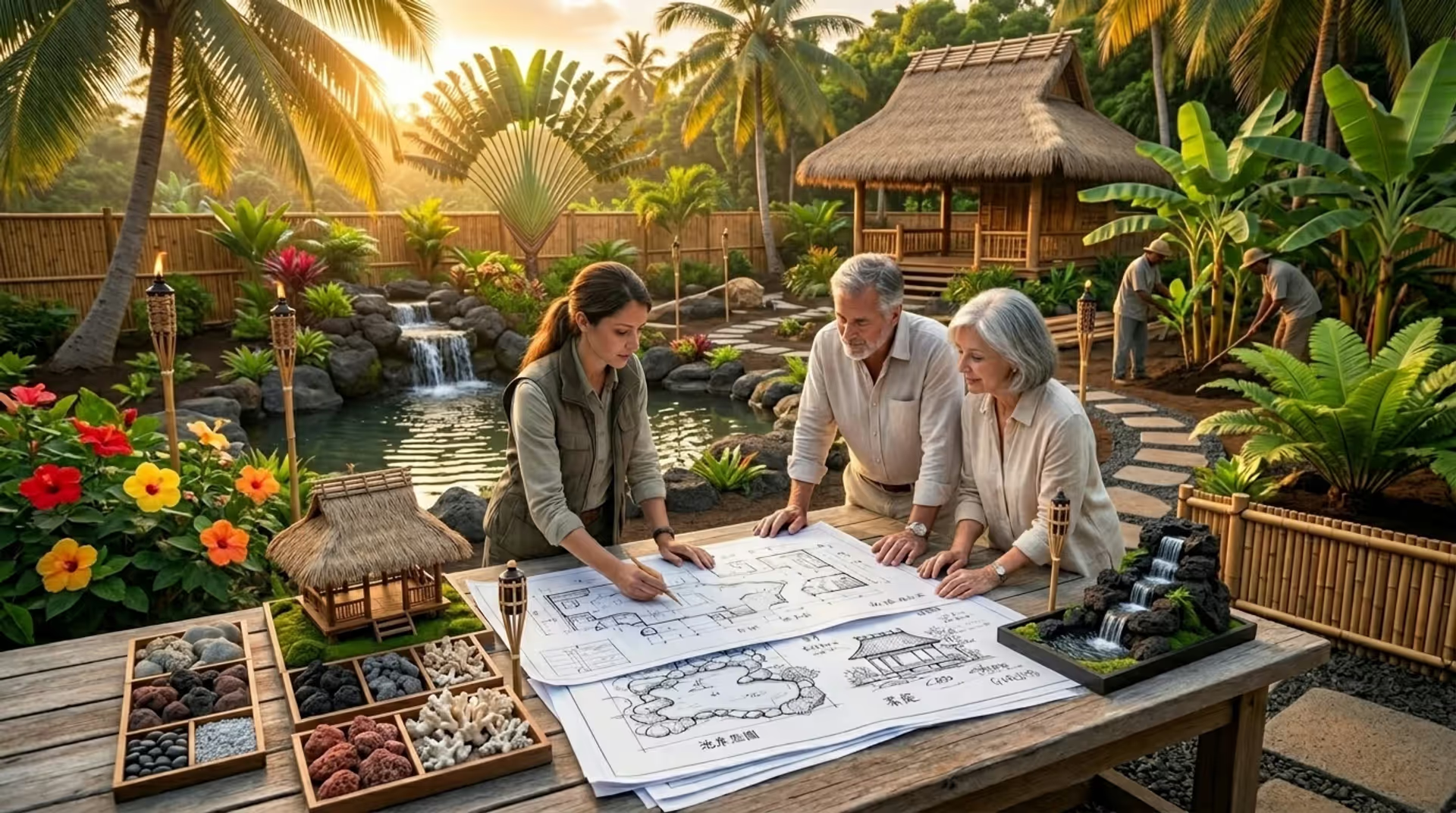
Transform your backyard into a lush island paradise with this complete guide to Polynesian garden design. Discover essential tropical plants, hardscape elements, water features, and climate adaptations that create an authentic Pacific island aesthetic right at home.
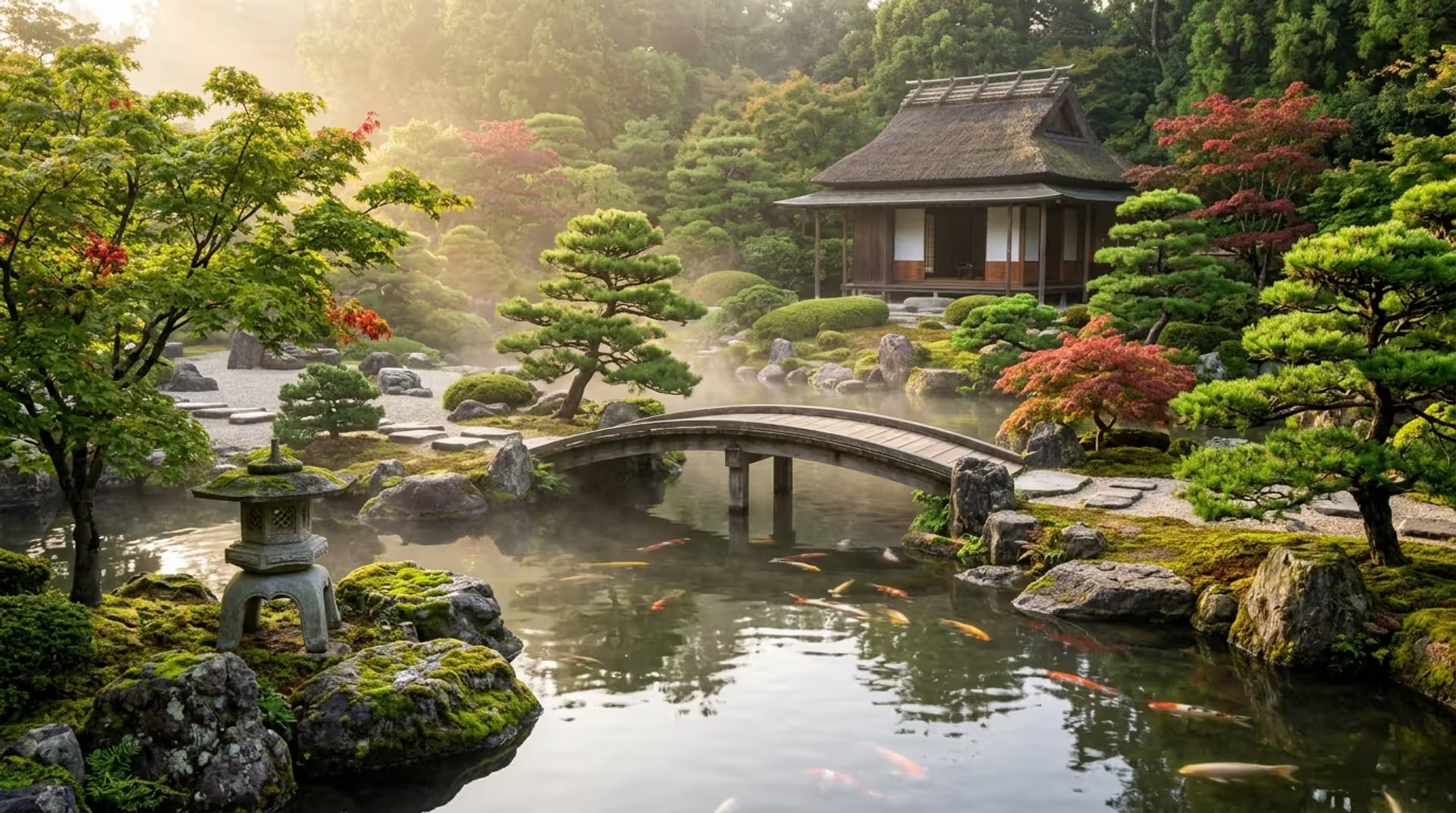
Japanese gardens aren't just pretty landscapes—they're philosophical statements in stone, water, and green. Each type serves a distinct purpose, from meditation to ceremony. Learn about karesansui zen gardens, stroll gardens, tea gardens, and specialized styles to find the right fit for your space.
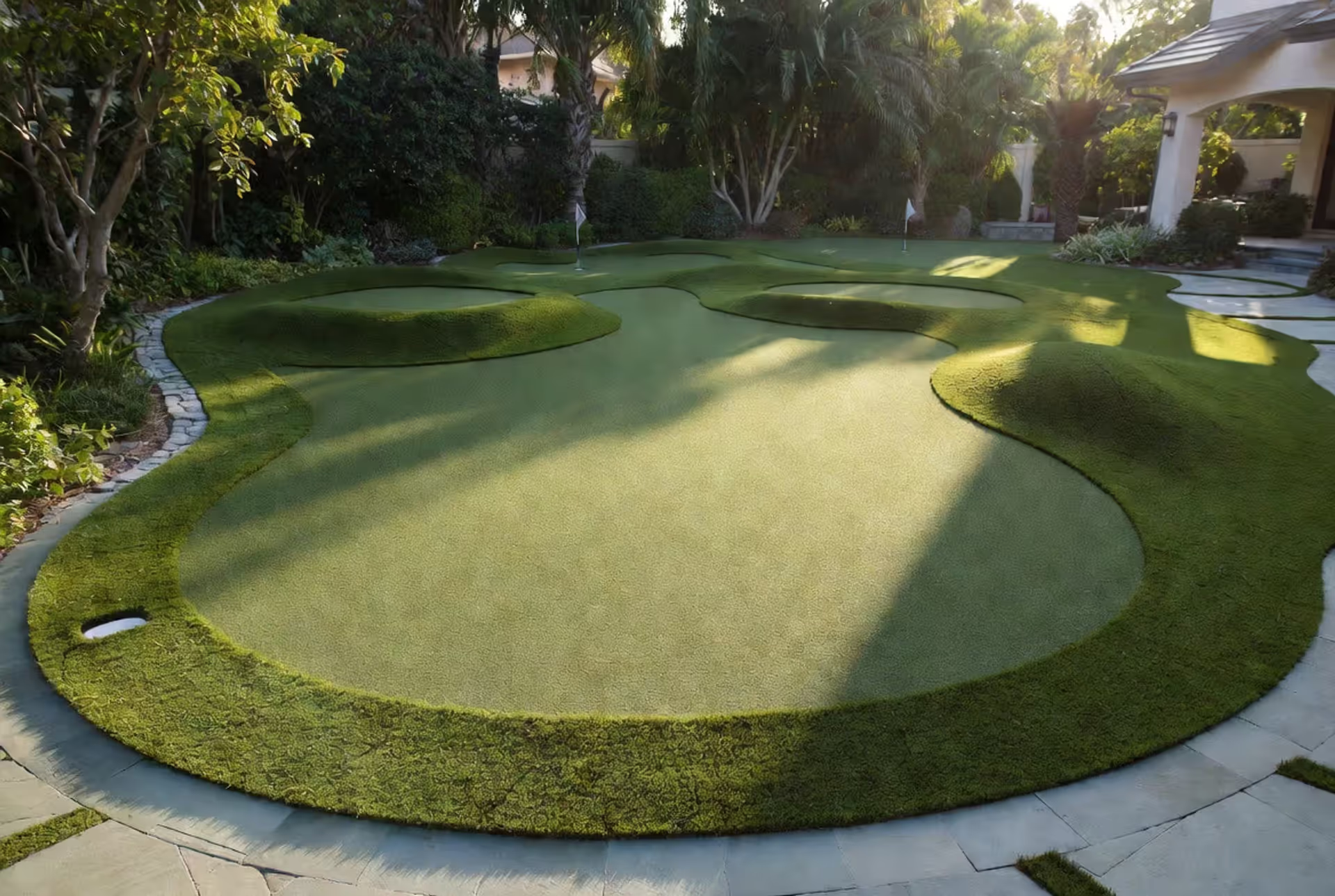
Artificial turf transforms backyards with low-maintenance green space year-round. Discover design ideas combining turf with pavers and concrete, layout strategies for any yard size, putting green installation tips, and cost comparisons to create your ideal outdoor space.
The content on this website is provided for general informational and educational purposes only. It is intended to explain concepts related to landscape design, outdoor spaces, plants, irrigation, hardscape and softscape, and sustainable landscaping.
All information on this website, including articles, guides, and examples, is presented for general educational purposes. Outcomes may vary depending on local climate, soil, plant selection, and project implementation.
This website does not provide professional design, construction, or horticultural advice, and the information presented should not be used as a substitute for consultation with qualified landscape architects, contractors, or horticulturists.
The website and its authors are not responsible for any errors or omissions, or for any outcomes resulting from decisions made based on the information provided on this website.