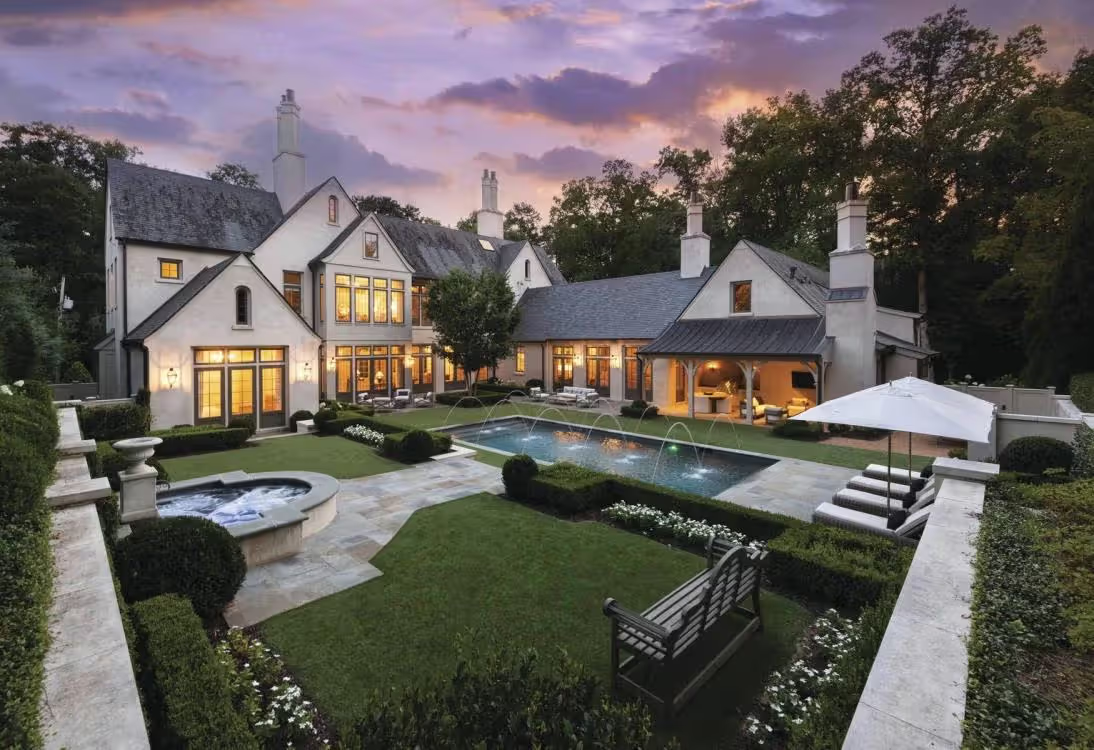
Designing a landscape for a mansion isn't just about planting bigger flower beds or adding more trees. It's a completely different discipline. You're working with multiple acres, complex architectural styles, and budgets that allow for features most homeowners never consider. The scale alone changes everything—from how you plan sightlines to the equipment needed for maintenance.
Most estate properties require a cohesive vision that ties together formal gardens, recreational areas, service zones, and natural landscapes. You can't wing it. The investment is too large, and the visual impact too important.
What Makes Mansion Landscaping Different from Standard Residential Design
Scale transforms every decision.
A typical suburban yard might span a quarter-acre. Estate properties often start at five acres and can exceed fifty. That's not just "more of the same"—it's an entirely different planning challenge. You're creating distinct outdoor rooms, managing long vistas, and considering how the property looks from multiple approach angles.
Estate garden design demands professional expertise from day one. The common DIY approach that works for smaller properties simply doesn't translate. You'll need surveyors, landscape architects, irrigation specialists, and likely a dedicated maintenance crew. The pattern I see most often is homeowners underestimating the ongoing care required for high-end outdoor design.
Budget considerations shift dramatically. Where a residential landscape might cost $15,000 to $50,000, mansion projects typically start at $200,000 and frequently exceed $1 million for comprehensive designs. That's not extravagance—it's the reality of grading large areas, installing commercial-grade irrigation systems, and sourcing mature specimen trees.
Maintenance becomes a permanent line item. You're not mowing the lawn on Saturday mornings anymore. Most estates require either full-time groundskeepers or weekly professional service contracts. Formal hedges need trimming four to six times yearly. Irrigation systems span multiple zones with hundreds of heads. Seasonal color rotations involve thousands of plants.
The professional versus DIY question answers itself quickly. You might personally oversee the project and make design decisions, but you won't be doing the work. The equipment alone—excavators, tree spades, commercial mowers—puts execution beyond homeowner scale.
Planning Your Estate Landscape Layout
Start with a comprehensive site analysis.
Before you dream about fountains and rose gardens, you need to understand what you're working with. Professional surveys should document topography, soil conditions, drainage patterns, existing vegetation, utility locations, and sun exposure throughout the day. This isn't optional. Skipping this step costs more money later when you discover problems mid-construction.
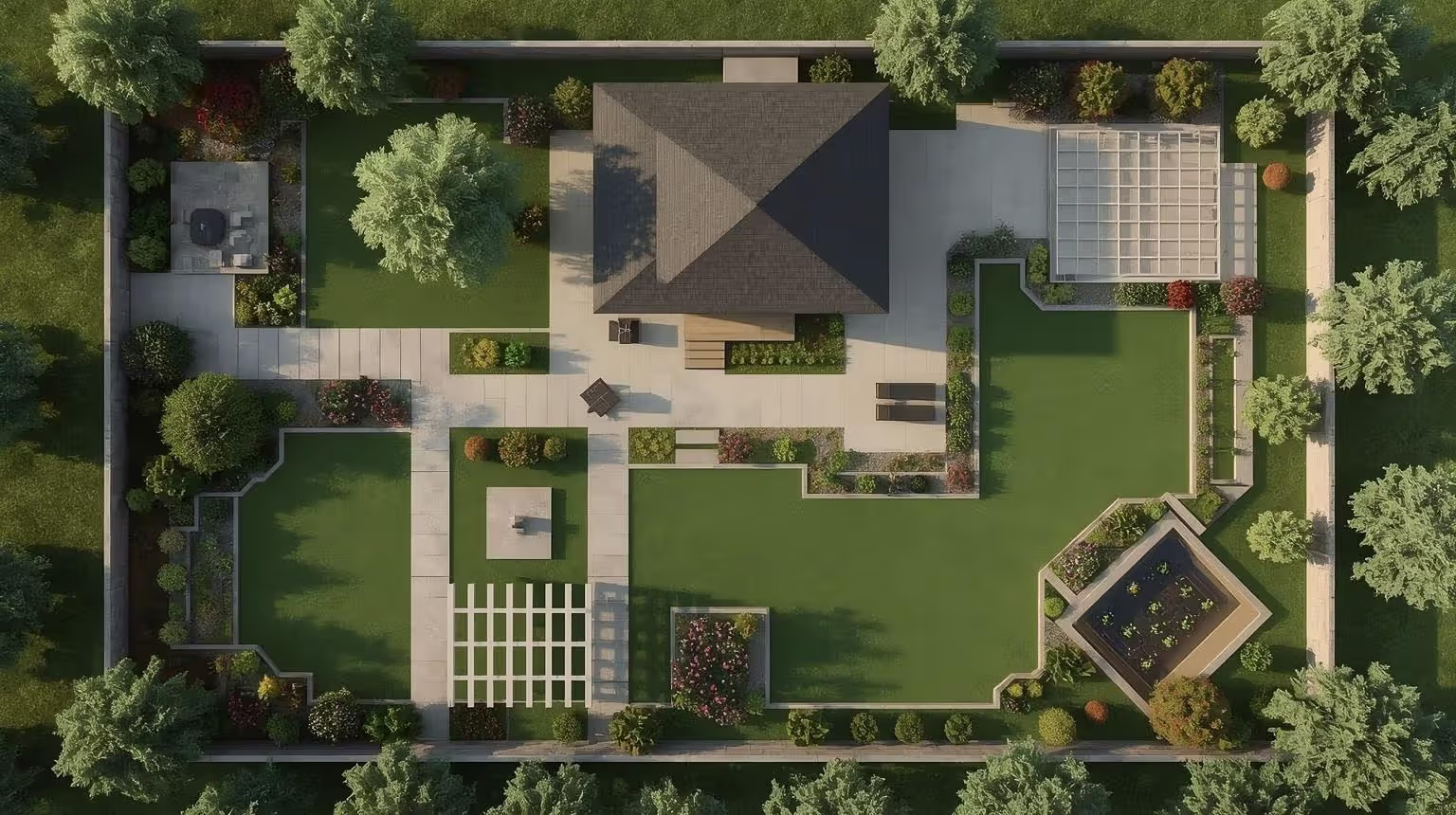
Formal garden layout begins with zoning your outdoor spaces. Estates typically divide into public areas (visible from the street), semi-private zones (entertainment and recreation), private gardens (family use), and service areas (equipment storage, composting, staff access). Each zone serves different functions and receives different design treatment.
Circulation patterns matter more than you'd think. How do guests arrive? Where do service vehicles need access? Can you walk from the pool to the outdoor kitchen without crossing the formal lawn? Map these movement patterns early. They determine where you place walkways, driveways, and gates.
Focal points create structure in large spaces. Without them, even beautiful plantings feel aimless. You might use a specimen tree, a fountain, a pavilion, or a distant view as your focal point. Then you build sightlines and pathways that lead the eye naturally.
Author: Liam Ashcroft;
Source: cribbslandscaping.com
The symmetry question divides designers. Formal estates often embrace classical symmetry—matching plantings flanking a central axis, geometrically balanced beds, aligned pathways. But many modern mansion landscapes favor asymmetrical layouts that feel more natural and work better with irregular terrain. Neither approach is wrong. It depends on your architecture and personal taste.
Front Entrance vs. Backyard Priorities
Your front entrance makes the first impression. Always.
Grand entrance landscaping typically receives disproportionate attention and budget. This is where you establish the property's character. Mature trees lining the driveway, formal hedges framing the approach, lighting that showcases architecture at night—these elements announce that this isn't an ordinary home.
Most designers recommend allocating 30-40% of your landscape budget to entrance and front-yard areas, even though they represent less square footage than the backyard. The return on investment shows every time someone visits.
Backyards serve different purposes. Here you're designing for actual use—entertaining, recreation, relaxation. Functionality balances aesthetics. You need level areas for furniture, shade for hot afternoons, privacy screening, and practical access to the house.
Don't make the common mistake of treating front and back yards as separate projects. They should feel related, using complementary materials and plantings even if the style shifts from formal to relaxed.
Author: Liam Ashcroft;
Source: cribbslandscaping.com
Working with Existing Architecture and Terrain
Your mansion's architectural style should guide landscape decisions.
A French château looks wrong with a naturalistic cottage garden. A modern glass-and-steel home clashes with fussy Victorian parterres. The best estate lawn design acknowledges and enhances the building's character rather than fighting it.
Classical architecture—Georgian, Colonial, Mediterranean—pairs naturally with formal landscapes. Think symmetrical layouts, clipped hedges, geometric beds, and traditional materials like brick and natural stone.
Contemporary homes allow more freedom. You can go formal or naturalistic, but the design should be clean and intentional. Ornate Victorian elements feel out of place.
Terrain presents both challenges and opportunities. Steep slopes are expensive to grade but create possibilities for terracing, retaining walls, and dramatic elevation changes. Flat properties are easier to work with but require more creativity to add visual interest.
Water issues need solving before aesthetic work begins. Poor drainage destroys landscapes. If your property collects water, you'll need French drains, swales, or retention areas. These can be designed as landscape features—a rain garden or decorative dry creek bed—rather than purely functional elements.
Key Features in Luxury Estate Gardens
Water features anchor many mansion garden features.
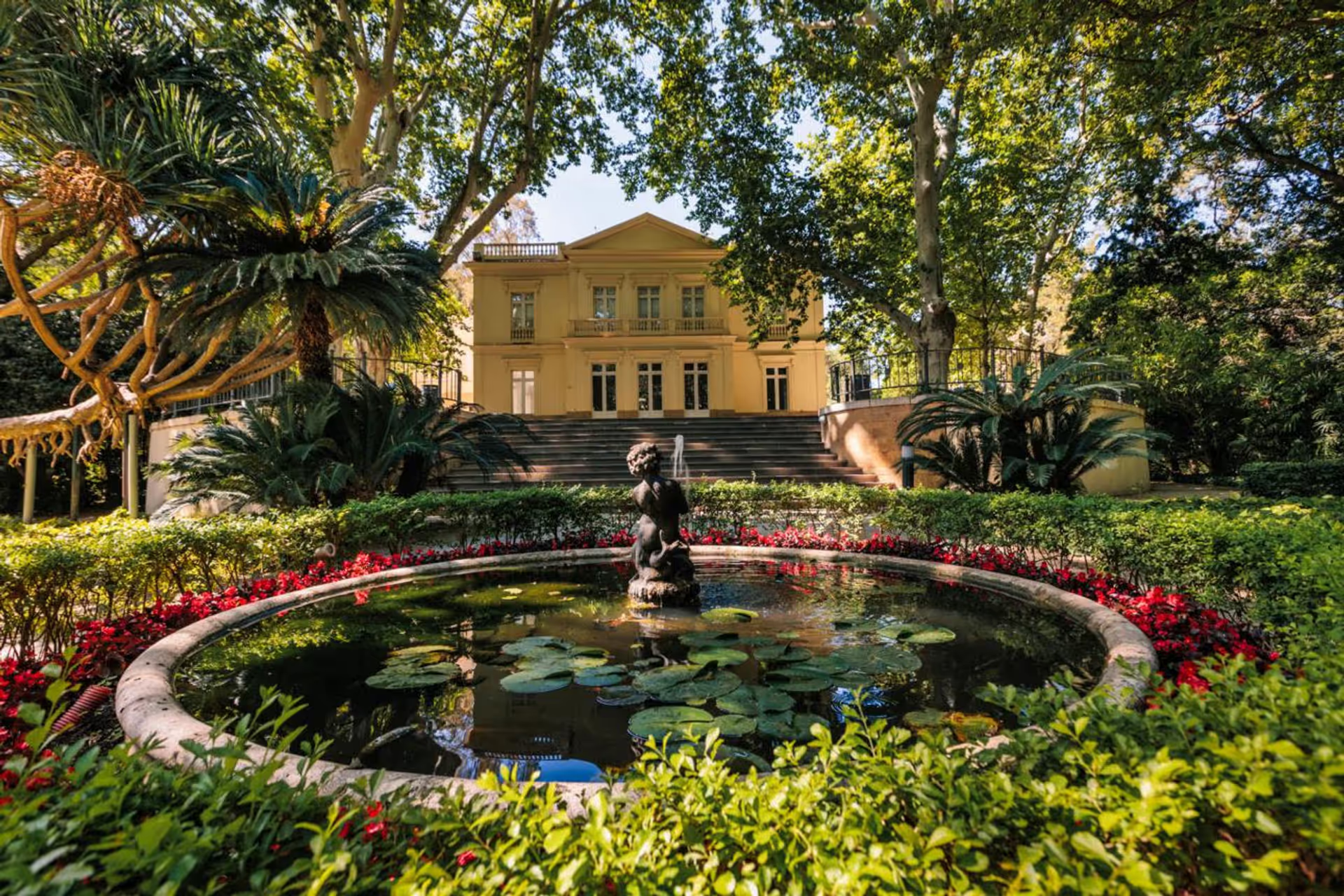
Fountains range from simple bubbling urns to elaborate multi-tiered centerpieces. Placement matters more than size. A modest fountain in the right location—where you see it from the main rooms, where it terminates a pathway—makes more impact than a large one tucked in a corner.
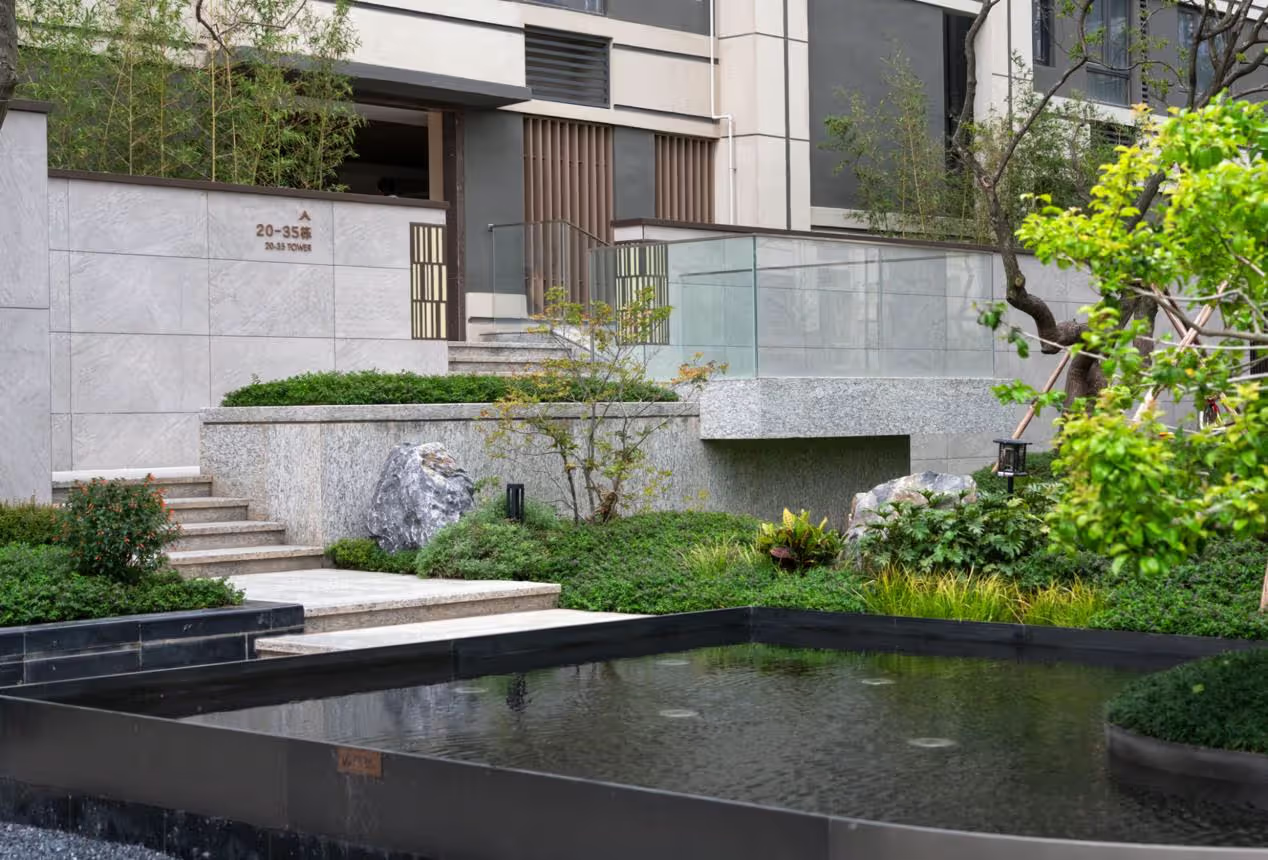
Reflecting pools add serenity and visual depth. They work particularly well in formal settings, often rectangular and positioned to mirror architecture or sky. Maintenance is simpler than you'd expect—most use the same technology as swimming pools.
Naturalistic ponds suit less formal areas. If you have acreage, a pond becomes a destination—a place to walk to, sit beside, and enjoy wildlife. Budget $50 to $150 per square foot for professionally constructed ponds with proper liners, filtration, and edging.
Swimming pools on estates often occupy their own garden room, separated from other areas by hedges or walls. This creates a resort-like atmosphere and prevents pool equipment from dominating the landscape. Infinity edges, beach entries, and integrated spas are common in luxury landscape ideas.
Outdoor kitchens have evolved beyond simple grills. Full estates often include covered cooking areas with pizza ovens, refrigeration, bars, and adjacent dining pavilions. These become the hub of warm-weather entertaining. Plan for utilities early—gas lines, electrical service, water, and drainage all need professional installation.
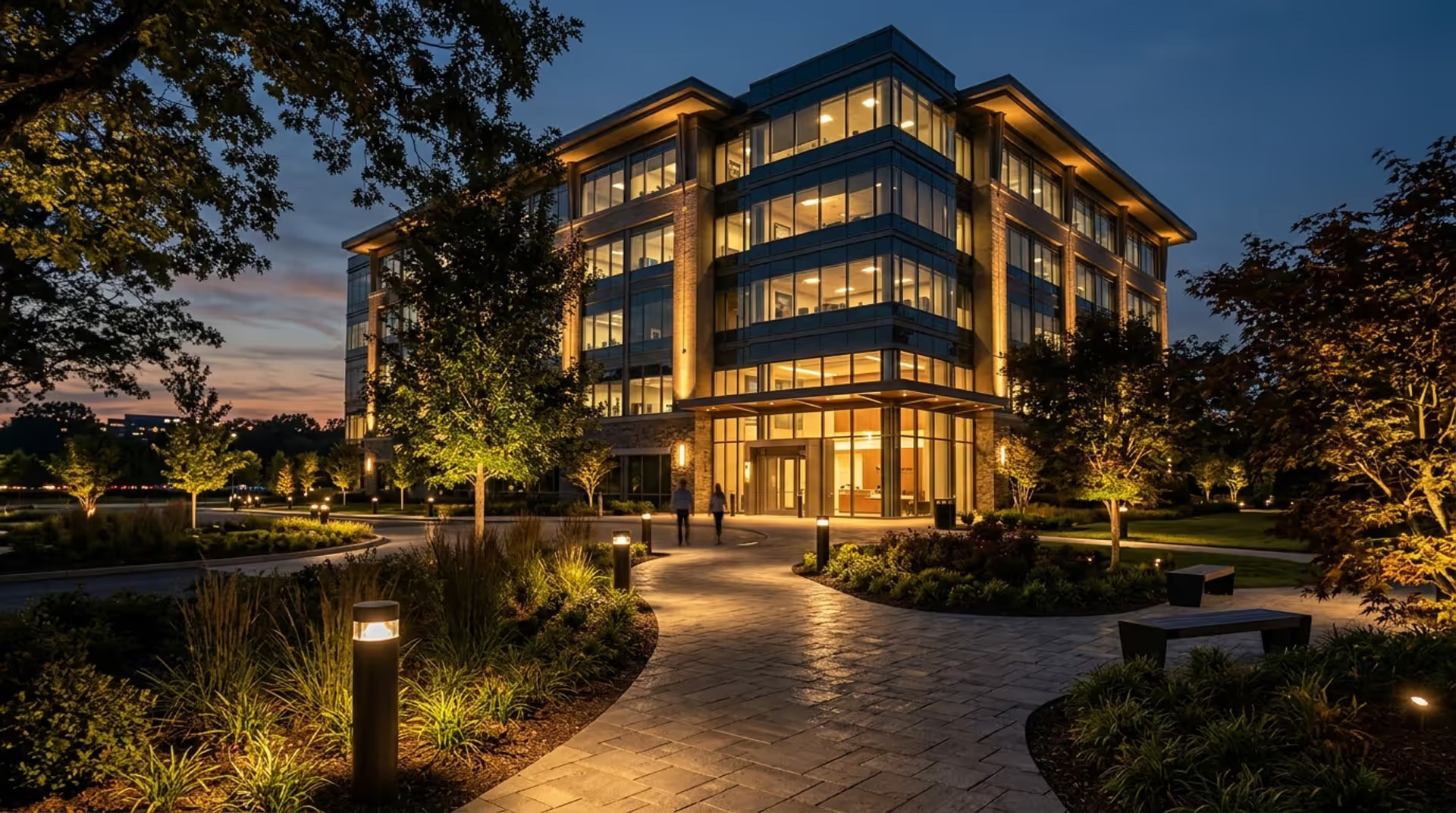
Lighting systems transform properties after dark. This isn't about security floodlights. Landscape lighting uses low-voltage LED fixtures to uplight trees, graze walls, illuminate pathways, and create nighttime drama. A well-lit property extends usable hours and showcases your investment.
Specimen trees make immediate impact. Mature trees cost anywhere from $2,000 to $20,000 depending on species and size, but they deliver instant presence that young plantings need decades to achieve. Common choices include Japanese maples, flowering cherries, magnolias, and ornamental conifers.
Author: Liam Ashcroft;
Source: cribbslandscaping.com
Formal Garden Design Elements
Hedgerows define spaces without solid walls.
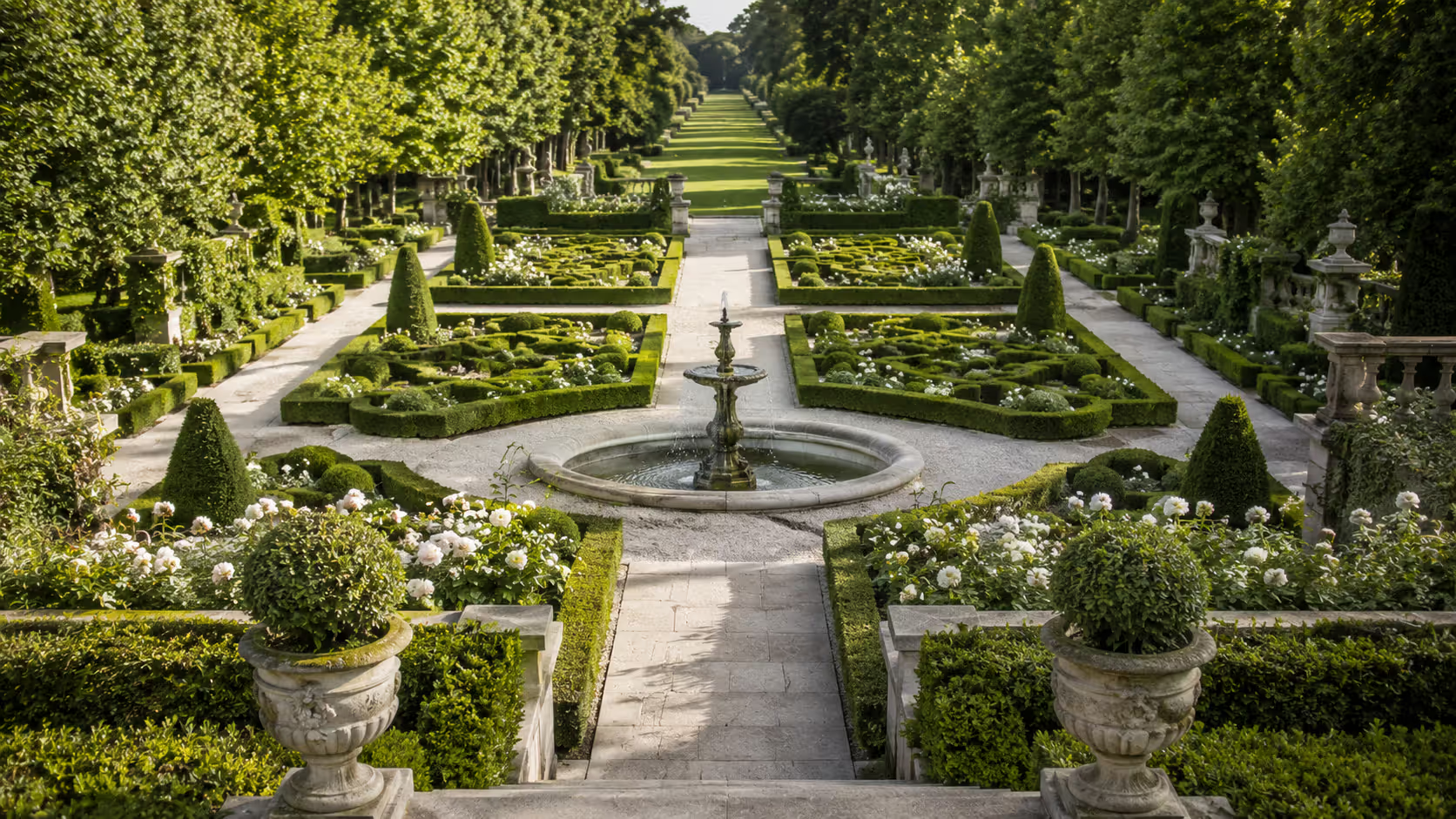
Formal hedge design uses plants like boxwood, yew, or hornbeam trimmed into precise geometric shapes. These living walls create garden rooms, line pathways, and add year-round structure. They require commitment—formal hedges need regular shearing to maintain crisp lines.
Boxwood remains the classic choice for low hedges (12 to 36 inches). It's evergreen, dense, and tolerates heavy pruning. But watch for boxwood blight in humid regions. Alternatives include Japanese holly and germander.
Taller hedges (6 to 12 feet) often use yew, privet, or hornbeam. These create privacy and windbreaks while maintaining a formal appearance. Installation costs run $30 to $100 per linear foot for established plants.
Parterres bring Old World elegance to estate gardens. These ornamental beds use low hedges (usually boxwood) to create intricate geometric patterns, often filled with gravel, colored stone, or seasonal flowers. They're high-maintenance but stunning when viewed from upper-floor windows.
Topiary adds sculptural elements. Simple shapes—spheres, cones, spirals—are easier to maintain than complex figures. Boxwood, yew, and privet all work well. You can buy pre-formed topiary or train your own over several years.
Geometric beds impose order on plantings. Rather than flowing borders, formal gardens use squares, rectangles, circles, and diamonds. This structured approach suits symmetrical layouts and classical architecture.
Allées create dramatic approaches. These tree-lined walkways or driveways use matching trees planted in parallel rows. Oak, linden, plane trees, and Italian cypress are traditional choices. The effect is formal and impressive, but you need space—allées work best when at least 100 feet long.
Fountain placement follows classical rules in formal gardens. Typically, they occupy the center of a circular or square space, serving as the focal point where pathways intersect. Surrounding beds often mirror each other, reinforcing symmetry.
Author: Liam Ashcroft;
Source: cribbslandscaping.com
Hardscape Materials and Structures for High-End Properties
Material choices separate luxury properties from standard landscapes.
Luxury hardscape ideas start with natural stone. It's more expensive than concrete pavers, but the look is unmistakably upscale. Each piece has unique color variation and texture that manufactured products can't replicate.
Driveways make a statement. Asphalt is durable and affordable but doesn't convey luxury. Most estates use pavers, natural stone, or exposed aggregate concrete. Brick driveways offer traditional charm but can be slippery when wet and require more maintenance.
For a grand entrance, consider Belgian block edging with a paver or stone field. This creates definition and prevents edge deterioration. Budget $25 to $60 per square foot for high-end driveway materials and installation.
Walkways should use materials that complement your home's architecture. Bluestone, limestone, and granite work well with traditional homes. Smooth concrete, large-format pavers, or decomposed granite suit modern properties.
Width matters. Main walkways should be at least 4 feet wide—wide enough for two people to walk comfortably side by side. Secondary paths can be narrower, but avoid the "tightrope walk" effect of paths under 2 feet.
Retaining walls serve both function and aesthetics. They manage grade changes, create level planting areas, and add architectural interest. Natural stone walls (dry-stacked or mortared) are the luxury standard. Concrete block walls faced with stone veneer cost less but don't achieve the same quality appearance.
Terraces extend living space outdoors. These level areas adjacent to the home need proper base preparation, drainage, and durable paving. Stone, brick, or high-end concrete pavers all work. The simpler option usually wins here—busy patterns compete with furniture and plantings.
Courtyards create intimate outdoor rooms. Enclosed by walls, hedges, or the house itself, they offer privacy and shelter. Mediterranean and Spanish-style homes particularly suit courtyard designs with fountains, potted plants, and decorative paving.
Hardscape Material Comparison
Material
Cost per Sq Ft
Durability Rating
Maintenance Needs
Best Use Cases
Natural Bluestone
$25–$45
Excellent (50+ years)
Low; occasional sealing
Patios, walkways, pool decks
Travertine
$20–$40
Very Good (30–40 years)
Medium; needs sealing in freeze climates
Formal terraces, pool surrounds
Granite Pavers
$30–$60
Excellent (50+ years)
Very Low; minimal maintenance
Driveways, high-traffic areas
Brick (clay)
$15–$30
Good (25–35 years)
Medium; periodic re-sanding joints
Traditional walkways, courtyards
Limestone
$20–$35
Good (20–30 years)
Medium to High; sensitive to acids
Formal gardens, covered areas
Lawn Design and Maintenance at Estate Scale
Author: Liam Ashcroft;
Source: cribbslandscaping.com
Turf selection changes when you're managing acres instead of square feet.
Estate lawn design requires choosing grass varieties that balance appearance with durability and maintenance requirements. Cool-season lawns (Kentucky bluegrass, perennial ryegrass, fine fescue) work in northern regions. Warm-season grasses (Bermuda, zoysia, St. Augustine) suit southern climates.
Many estates use different turf in different areas. High-visibility zones near the house might get premium Kentucky bluegrass blends that create that perfect putting-green look. Outlying areas can use lower-maintenance fescue mixes that tolerate shade and require less water.
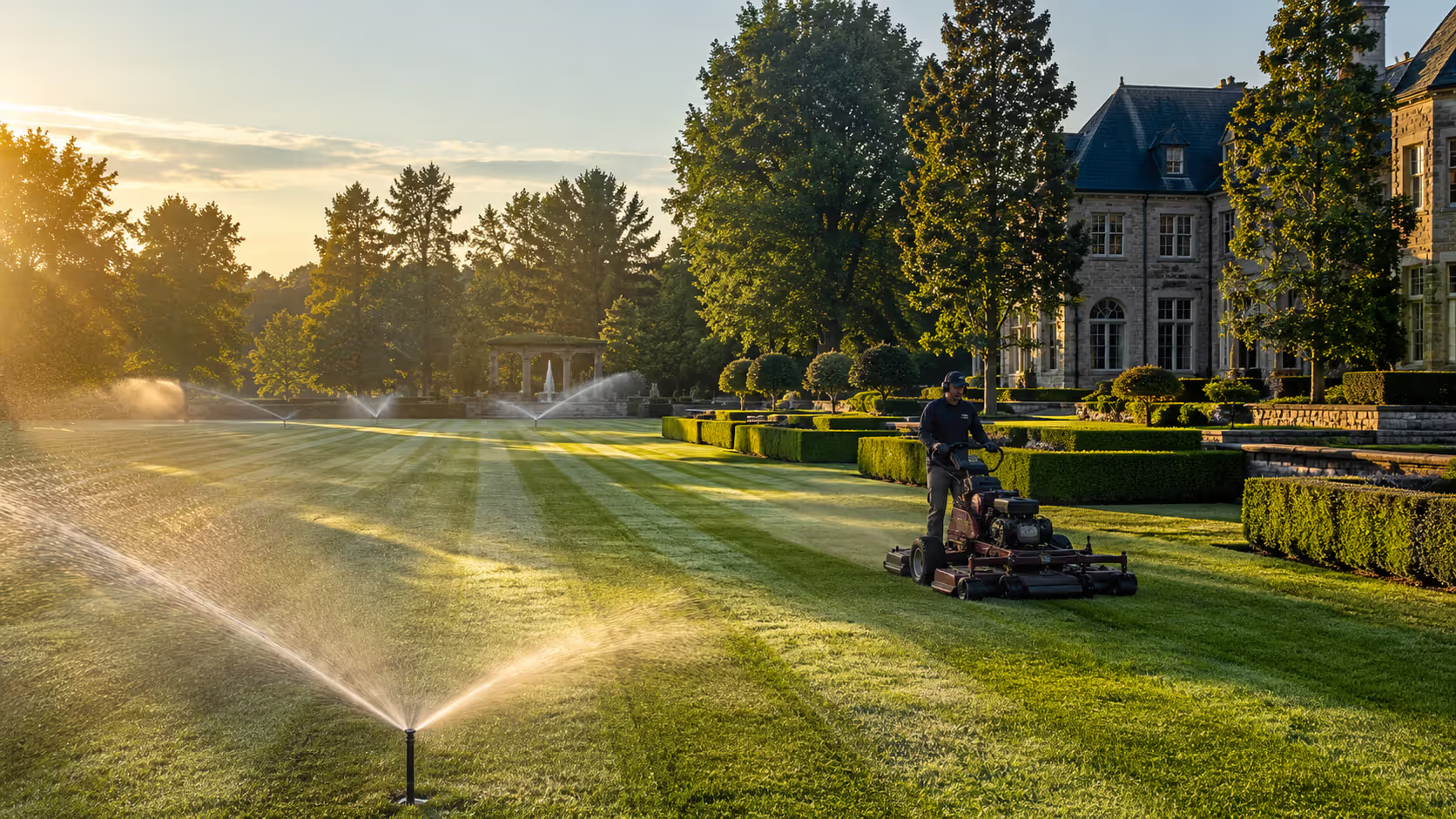
Irrigation zones need professional design. You can't water five acres with a couple of sprinklers. Commercial-grade systems divide the property into zones based on sun exposure, slope, and plant water needs. Each zone operates independently, allowing precise control.
Expect to install 20 to 50+ irrigation zones on a large estate. Controllers manage scheduling, and rain sensors prevent watering during storms. Smart systems now adjust watering based on weather data and soil moisture sensors.
Mowing patterns affect appearance more than most people realize. Professional groundskeepers alternate mowing direction to prevent wear patterns and create those striped effects you see at golf courses and estates. On large properties, you'll need commercial zero-turn mowers or even tractor-mounted units.
Frequency depends on season and grass type. During peak growth, lawns may need cutting twice weekly. That's not a weekend hobby—it's a job.
Seasonal care includes aeration (spring and fall), overseeding (fall), fertilization (3-5 times yearly), and pre-emergent weed control. Pest and disease management becomes more complex at scale. A fungus outbreak can affect thousands of square feet before you notice it.
The professional versus in-house staff decision depends on property size and your involvement level. Properties under 10 acres often use weekly or bi-weekly landscape services. Larger estates may employ full-time groundskeepers who handle daily maintenance, with specialists brought in for major projects.
The biggest mistake I see in mansion landscape design is treating it like a scaled-up suburban yard. True estate landscapes require understanding proportion—how the human eye perceives space at different scales, how architectural elements relate across distances, and how to create intimacy within vastness. Timeless design respects these principles rather than chasing trends. A well-proportioned allée or properly scaled terrace will look right a century from now, while trendy features date quickly.
— Harrison Edmund
Hiring Landscape Architects and Contractors for Mansion Projects
Credentials matter when you're investing hundreds of thousands.
Look for landscape architects with ASLA (American Society of Landscape Architects) membership and state licensure. This ensures they have formal education, passed rigorous exams, and maintain professional standards. Check their portfolio for projects similar in scale and style to yours.
Not every designer handles mansion-scale projects well. Someone who excels at charming cottage gardens may struggle with the formal geometry and long sightlines of estate work. Ask to visit completed projects and speak with previous clients.
Contractors need different qualifications than designers. Look for licensed, bonded, and insured companies with experience in high-end residential work. Check references thoroughly. A contractor who does excellent work on half-acre properties may not have the equipment, crew size, or project management skills for estate-scale installation.
Project timelines vary widely. Comprehensive grand front yard design and estate landscaping often phases over 2 to 5 years. This isn't due to slow work—it's intentional. Phasing allows you to see how early elements mature before committing to later phases. It also spreads costs over multiple years.
A typical timeline might look like:
Year 1: Site preparation, grading, drainage, irrigation, hardscaping, major tree installation
Year 2: Lawn establishment, hedge planting, garden bed development
Year 3: Refinements, additional features, mature plantings
Contracts should be detailed and clear. Specify materials by name and grade, not just "natural stone" but "Pennsylvania bluestone, thermal finish, 1.5-inch thickness." Include payment schedules tied to completion milestones, not just dates. Build in provisions for change orders—they're inevitable on complex projects.
Budgeting requires realism. Many homeowners dramatically underestimate costs. As a rough guide, expect to spend 10-20% of your home's value on comprehensive landscaping for a true estate property. A $3 million mansion might require $300,000 to $600,000 in landscape investment to match the home's quality level.
Don't make the mistake of cutting the design budget to maximize installation dollars. Good design saves money by preventing expensive mistakes and creating a cohesive plan that can be implemented efficiently. Skimping on design typically costs more in the long run through rework and missed opportunities.
Phased implementation helps manage costs without compromising quality. Start with the most visible areas and the infrastructure (grading, drainage, irrigation) that everything else depends on. You can add garden features and plantings over time, but you can't easily redo grading after lawns and gardens are established.
Communication expectations should be clear from the start. Who's your main contact? How often will you receive updates? What decisions need your approval versus contractor judgment calls? Establishing this upfront prevents frustration later.
FAQ: Mansion Landscape Design Questions Answered
How much does mansion landscape design typically cost?
Comprehensive estate landscaping typically ranges from $200,000 to over $1 million depending on property size, design complexity, and feature selection. As a general guideline, expect to invest 10-20% of your home's value to achieve landscaping that matches the quality of a luxury residence. This includes design fees (usually 10-15% of installation costs), site preparation, hardscaping, irrigation systems, plantings, and initial establishment care. Smaller projects focusing only on entrance areas or specific garden rooms can start around $75,000 to $150,000.
How long does it take to complete estate landscaping?
Most mansion landscape projects phase over 2 to 5 years for complete implementation. The first year typically focuses on infrastructure—grading, drainage, irrigation, major hardscaping, and significant tree installation. Subsequent years add garden development, hedges, and refinements as earlier plantings mature. Some homeowners prefer this phased approach because it spreads costs and allows adjustments based on how spaces actually get used. Rushed installation often leads to mistakes and missed opportunities for thoughtful refinement.
Do I need a landscape architect or can a contractor handle mansion designs?
You need both, but they serve different roles. A licensed landscape architect creates the design, handles site analysis, develops detailed plans, and often manages the project. Contractors execute the physical installation based on those plans. For estate-scale properties, hiring an experienced landscape architect is strongly recommended—the complexity of managing multiple outdoor zones, long sightlines, and proportion at scale requires professional design expertise. Contractors, even excellent ones, typically lack the design training for comprehensive estate planning.
What are the most important features in a grand entrance landscape?
The driveway and its approach create the first impression and deserve priority attention. Mature trees lining the drive, well-maintained edges, and quality paving materials establish luxury immediately. Lighting that showcases architecture and plantings after dark extends the impact. Formal hedges or walls that frame the approach add structure and privacy. The area immediately surrounding the front door—steps, walkway, foundation plantings—should receive high-quality materials and design attention. Many designers recommend allocating 30-40% of your total landscape budget to entrance and front areas despite their smaller square footage.
How do I maintain formal hedges and gardens year-round?
Formal hedges require shearing 3 to 6 times per growing season to maintain crisp lines, typically starting in late spring and continuing through summer. Most estate properties hire professional crews for this work—the volume and precision required exceed typical homeowner capabilities. Year-round care includes spring fertilization, pest and disease monitoring, irrigation during dry periods, and occasional rejuvenation pruning. Formal gardens with geometric beds need regular edging, mulch replenishment, seasonal color rotations, and deadheading. Budget for either full-time groundskeeping staff or weekly professional maintenance contracts.
What hardscape materials last longest in luxury landscapes?
Natural stone materials—particularly granite, bluestone, and quality sandstone—offer the longest lifespan, often exceeding 50 years with minimal maintenance. Granite is especially durable for high-traffic areas like driveways. Properly installed brick lasts 25-35 years but requires periodic joint maintenance. Travertine and limestone are beautiful but more sensitive to freeze-thaw cycles and acidic conditions, making them better choices for covered areas or mild climates. While concrete pavers cost less initially, natural stone typically provides better long-term value through durability, timeless appearance, and higher property value contribution.
Mansion landscape design demands a different approach than typical residential projects. The scale, complexity, and investment level require professional expertise from planning through maintenance. You're not just adding curb appeal—you're creating outdoor environments that match your home's architectural quality and serve diverse functions across multiple acres.
Success starts with thorough planning. Site analysis, professional design, and realistic budgeting prevent expensive mistakes. The best estate landscapes develop over time through phased implementation, allowing adjustments as you see how spaces actually get used.
Material quality matters. Natural stone, mature plantings, and proper infrastructure cost more initially but deliver lasting value and reduced long-term maintenance. Cutting corners on design or materials typically costs more through rework and disappointing results.
Whether you're developing a grand entrance, formal gardens, or comprehensive estate grounds, the investment in professional landscape architecture pays dividends in property value, daily enjoyment, and timeless beauty that improves with age.
Learn professional commercial landscape lighting design principles that transform properties into 24-hour assets. Explore lighting techniques, fixture types, voltage systems, and the layered approach that creates safe, visually compelling outdoor spaces.
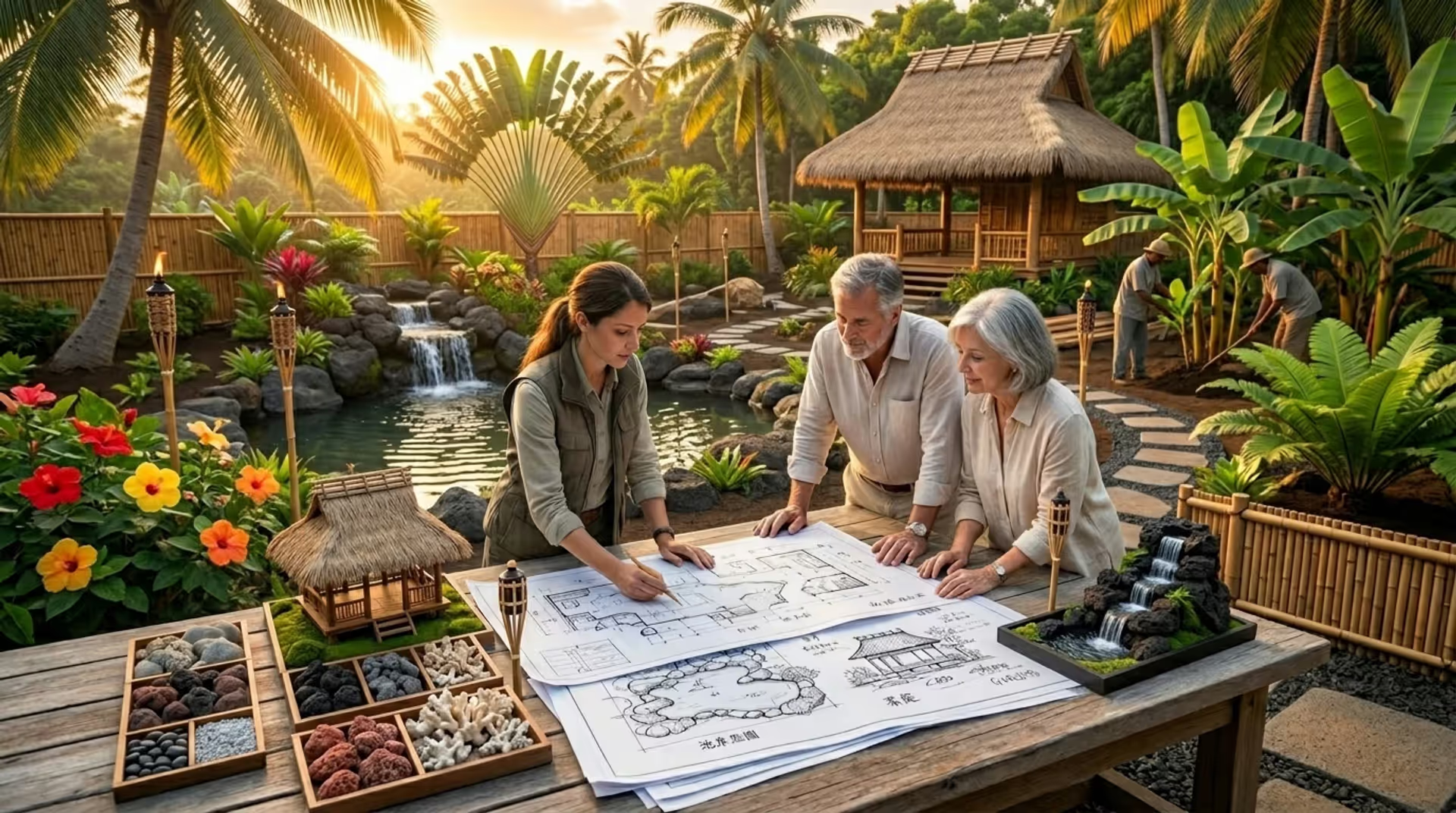
Transform your backyard into a lush island paradise with this complete guide to Polynesian garden design. Discover essential tropical plants, hardscape elements, water features, and climate adaptations that create an authentic Pacific island aesthetic right at home.
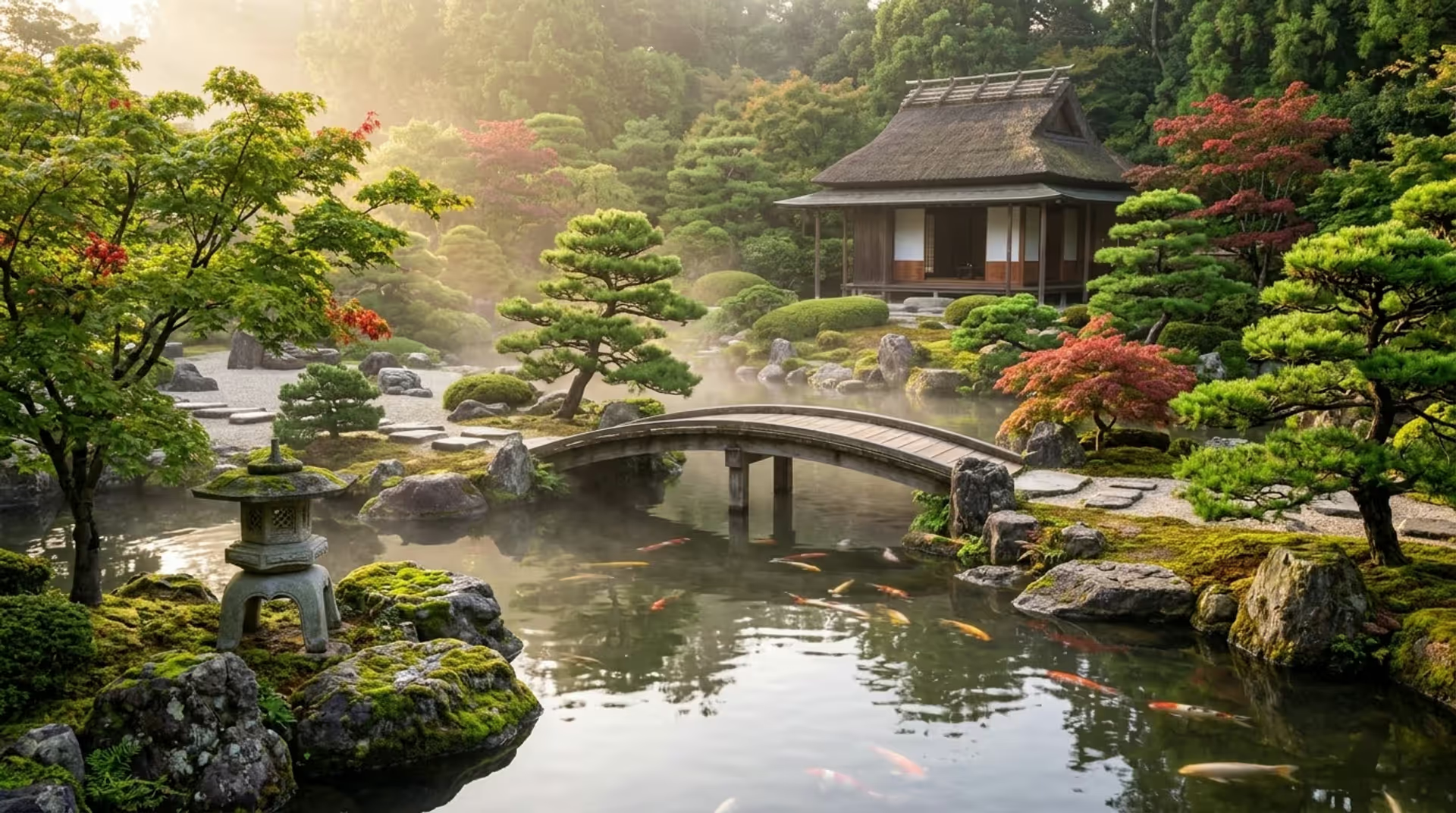
Japanese gardens aren't just pretty landscapes—they're philosophical statements in stone, water, and green. Each type serves a distinct purpose, from meditation to ceremony. Learn about karesansui zen gardens, stroll gardens, tea gardens, and specialized styles to find the right fit for your space.
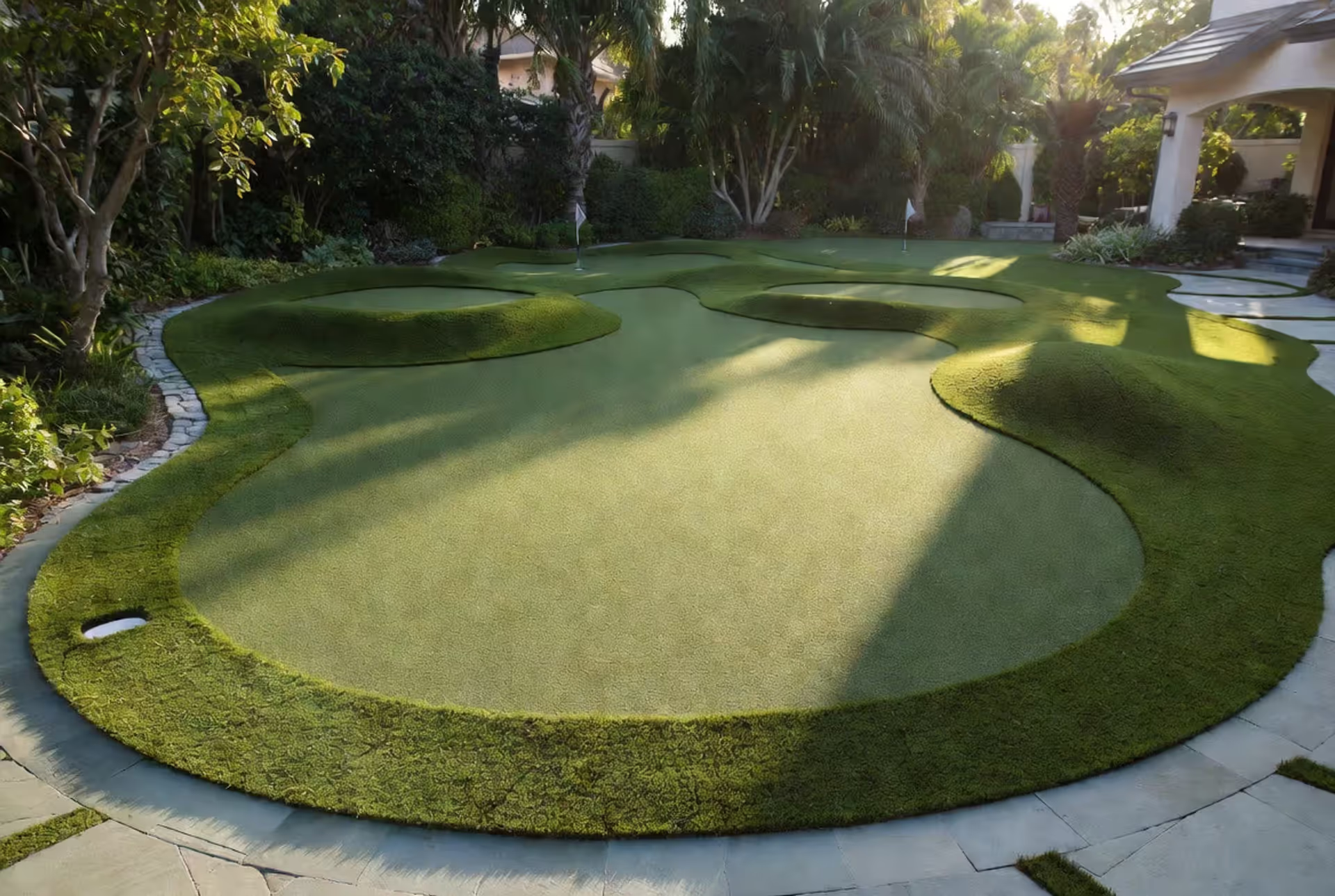
Artificial turf transforms backyards with low-maintenance green space year-round. Discover design ideas combining turf with pavers and concrete, layout strategies for any yard size, putting green installation tips, and cost comparisons to create your ideal outdoor space.
The content on this website is provided for general informational and educational purposes only. It is intended to explain concepts related to landscape design, outdoor spaces, plants, irrigation, hardscape and softscape, and sustainable landscaping.
All information on this website, including articles, guides, and examples, is presented for general educational purposes. Outcomes may vary depending on local climate, soil, plant selection, and project implementation.
This website does not provide professional design, construction, or horticultural advice, and the information presented should not be used as a substitute for consultation with qualified landscape architects, contractors, or horticulturists.
The website and its authors are not responsible for any errors or omissions, or for any outcomes resulting from decisions made based on the information provided on this website.