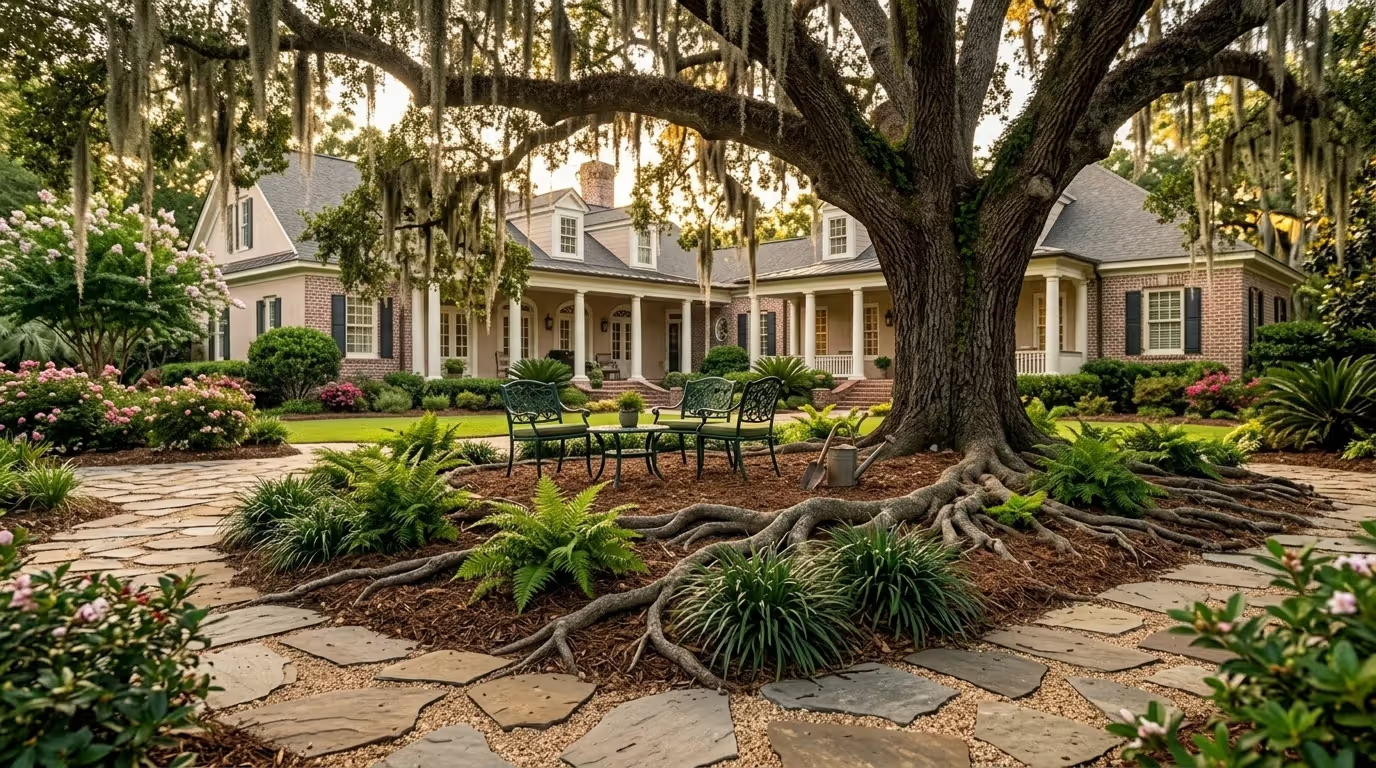
Live oak trees command respect in southern landscapes. Their massive canopies create natural gathering spaces, and their twisted branches tell stories of decades—sometimes centuries—of growth. But beneath that iconic silhouette lies a root system just as impressive and far more complex than most homeowners realize. Understanding how these roots behave isn't just botanical trivia. It's practical knowledge that can save you from cracked foundations, buckled driveways, and costly landscaping mistakes.
How Live Oak Roots Grow and Spread
Live oak roots don't follow the simple "mirror the canopy" rule that applies to many trees. They're far more aggressive.
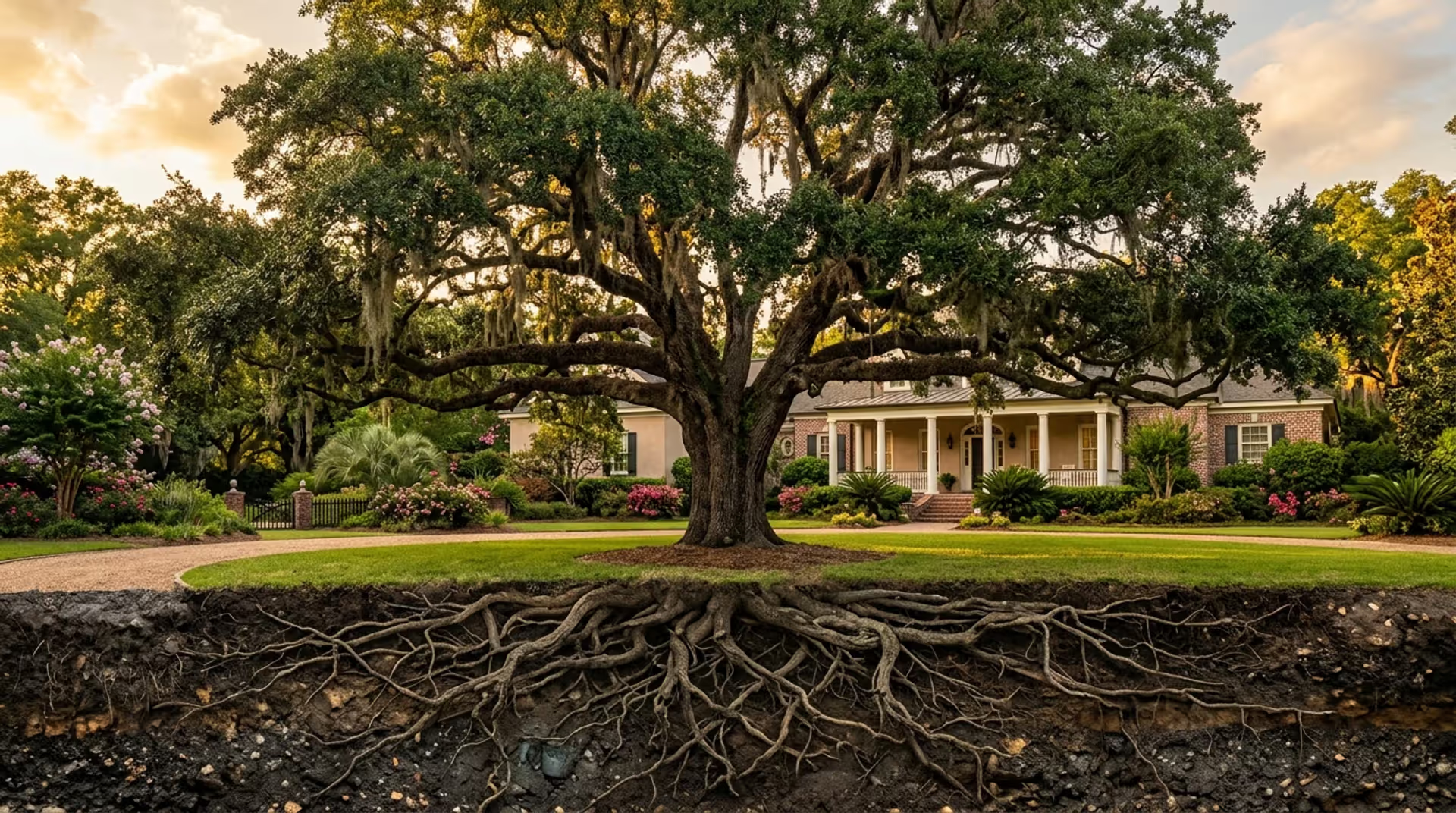
The root system of a mature live oak typically extends two to three times beyond the canopy's drip line. If your tree has a 60-foot canopy spread, expect roots reaching 120 to 180 feet from the trunk in ideal conditions. That's not a typo.
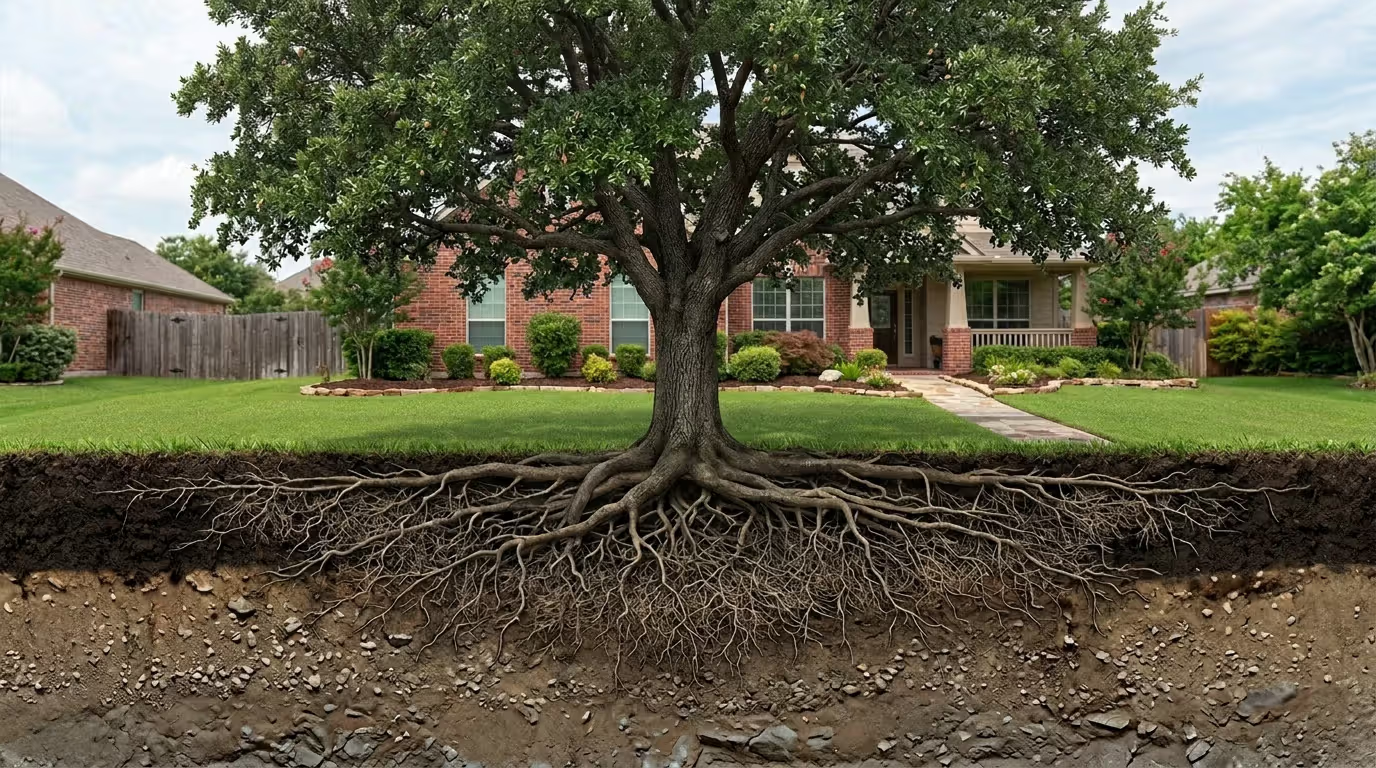
Young live oaks develop a taproot that can reach 5 to 10 feet deep in the first few years. But here's what catches people off guard: that taproot doesn't remain the dominant feature. As the tree matures, lateral roots take over, spreading horizontally in the top 18 to 36 inches of soil. These lateral roots can extend 50 to 100 feet or more from the trunk, creating a shallow but incredibly wide network.
The structure shifts from vertical to horizontal because live oaks evolved in coastal areas with high water tables and occasional flooding. Deep roots would drown. Shallow, spreading roots win.
Most of the active feeder roots—the ones actually absorbing water and nutrients—concentrate in the top 12 inches of soil. These fine roots are fragile. Compacting soil over them with heavy equipment or even repeated foot traffic can kill significant portions of the root system.
The canopy spread gives you a starting point for estimating root reach, but it's just that—a starting point. Roots will travel wherever they find moisture, oxygen, and nutrients. I've seen live oak roots following irrigation lines 80 feet from the trunk, completely ignoring the "rules" about proportional spread.
Author: Liam Ashcroft;
Source: cribbslandscaping.com
Live Oak Tree Characteristics That Affect Root Development
To predict root behavior, you need to understand the tree itself.
Growth Rate and Canopy Size
Live oaks grow moderately fast in their youth—12 to 24 inches per year under good conditions—then slow considerably as they mature. A 10-year-old tree might reach 20 to 30 feet tall with a 25-foot canopy spread. By age 50, that same tree could span 80 feet.
This growth pattern matters for root planning. The tree you plant 20 feet from your house looks harmless for the first decade. Then the acceleration happens.
Mature specimens regularly achieve 60 to 100-foot canopy spreads. The largest recorded live oaks exceed 150 feet in spread. The canopy grows wider than it grows tall—most mature trees top out at 40 to 80 feet in height but continue spreading horizontally throughout their lives.
That evergreen nature plays a role too. Unlike deciduous trees that go dormant, live oaks keep photosynthesizing year-round in mild climates. They drop leaves in spring as new growth emerges, but they're never bare. This means continuous water and nutrient demand, which drives continuous root growth and exploration.
Drought Tolerance and Water-Seeking Behavior
Live oaks handle drought remarkably well once established. Their extensive root systems tap moisture reserves that shallow-rooted plants can't reach.
But don't confuse drought tolerance with low water needs. Given a choice, live oaks are water hogs. They'll aggressively pursue moisture sources, which creates problems near irrigation systems, septic fields, and poorly sealed water lines.
The tree's drought tolerance comes from root adaptability. In dry periods, live oak roots can extend even farther than normal, searching for groundwater. In consistently moist soil, they develop denser networks of feeder roots in smaller areas. The system responds to conditions.
This water-seeking behavior intensifies during establishment. Young live oaks (under 10 years) need consistent moisture and will send roots toward any reliable source. That's when foundation and plumbing problems typically start, even though damage won't become obvious for years.
The lifespan of these trees—200 to 300 years for healthy specimens, with some exceeding 500 years—means you're not just planning for your tenure in a home. You're making decisions that will affect the property for generations.
Common Live Oak Foundation Problems and How to Prevent Them
Let's address the question everyone asks: will a live oak destroy my foundation?
The honest answer: it depends.
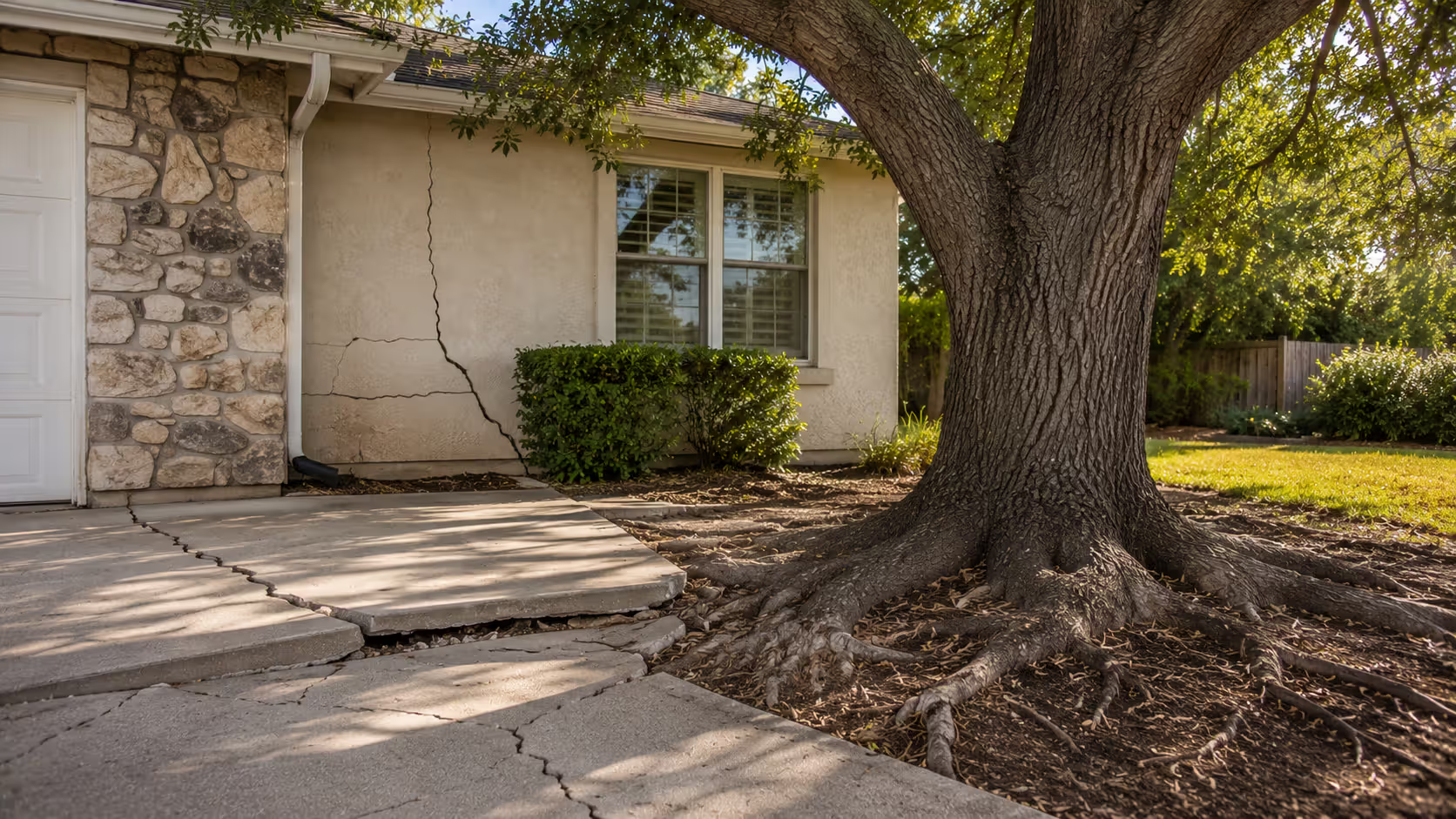
Live oak roots don't typically break through intact concrete foundations. They can't. But they excel at exploiting existing weaknesses. A hairline crack becomes a highway. Roots follow moisture gradients, and foundations often leak or sweat, creating perfect conditions for root infiltration.
The real damage mechanism is indirect. As roots grow beneath foundations, they can shift soil, creating voids or uneven settling. In clay soils common throughout the South, this problem intensifies. Roots extract moisture from clay, causing it to shrink. The foundation settles unevenly. Cracks appear. Then roots enter those cracks, worsening the cycle.
Pier-and-beam foundations face higher risk than slab foundations. The open space beneath the structure attracts roots seeking shelter and moisture. I've seen roots the diameter of my forearm weaving through crawl spaces, displacing piers and cracking beams.
Safe planting distances matter more than any other prevention strategy. Here's the practical guideline:
Minimum distance from foundation: 20 feet for young trees, assuming you'll manage root growth
Safer distance: 30 to 40 feet
Ideal distance for zero-worry planting: 50+ feet
Those numbers assume average soil conditions and typical foundation construction. Adjust for your situation. Expansive clay soils? Add 10 feet. Older home with questionable foundation integrity? Add more.
Root barriers can help but aren't foolproof. Commercial barriers installed vertically to a depth of 24 to 36 inches can redirect roots away from structures. But roots often grow beneath barriers or find gaps at seams. Barriers work best as part of a multi-strategy approach, not as a standalone solution.
Driveways and sidewalks face different challenges. Surface roots will absolutely buckle concrete walkways. The pattern I see most often is roots growing just beneath paved surfaces, then expanding in diameter as the tree matures. The pavement lifts and cracks.
Prevention here means either increasing the distance between hardscapes and trees (15+ feet minimum) or using permeable paving materials that can flex and be easily reset. Gravel paths and decomposed granite work beautifully near live oaks.
Author: Liam Ashcroft;
Source: cribbslandscaping.com
Soil and Site Requirements for Healthy Root Systems
Live oaks adapt to various soil types, but they have preferences that directly affect root behavior.
The ideal soil is deep, well-drained, and slightly acidic to neutral (pH 6.0 to 7.0). Sandy loam provides the best balance of drainage and nutrient retention. In these conditions, roots spread more evenly and don't need to travel as far to meet the tree's needs.
Clay soils create complications. Poor drainage encourages shallow root development, which increases surface root problems. Clay also shrinks and swells with moisture changes, stressing roots and creating the foundation issues discussed earlier.
But live oaks tolerate clay if you manage it correctly. The key is avoiding soil compaction and maintaining consistent moisture levels. Mulching helps enormously.
Sandy soils drain too quickly, forcing roots to spread wider in search of moisture and nutrients. Trees in sandy soil often develop the most extensive root systems—great for the tree, problematic for surrounding structures and landscapes.
Proper site preparation before planting sets the stage for healthy root development:
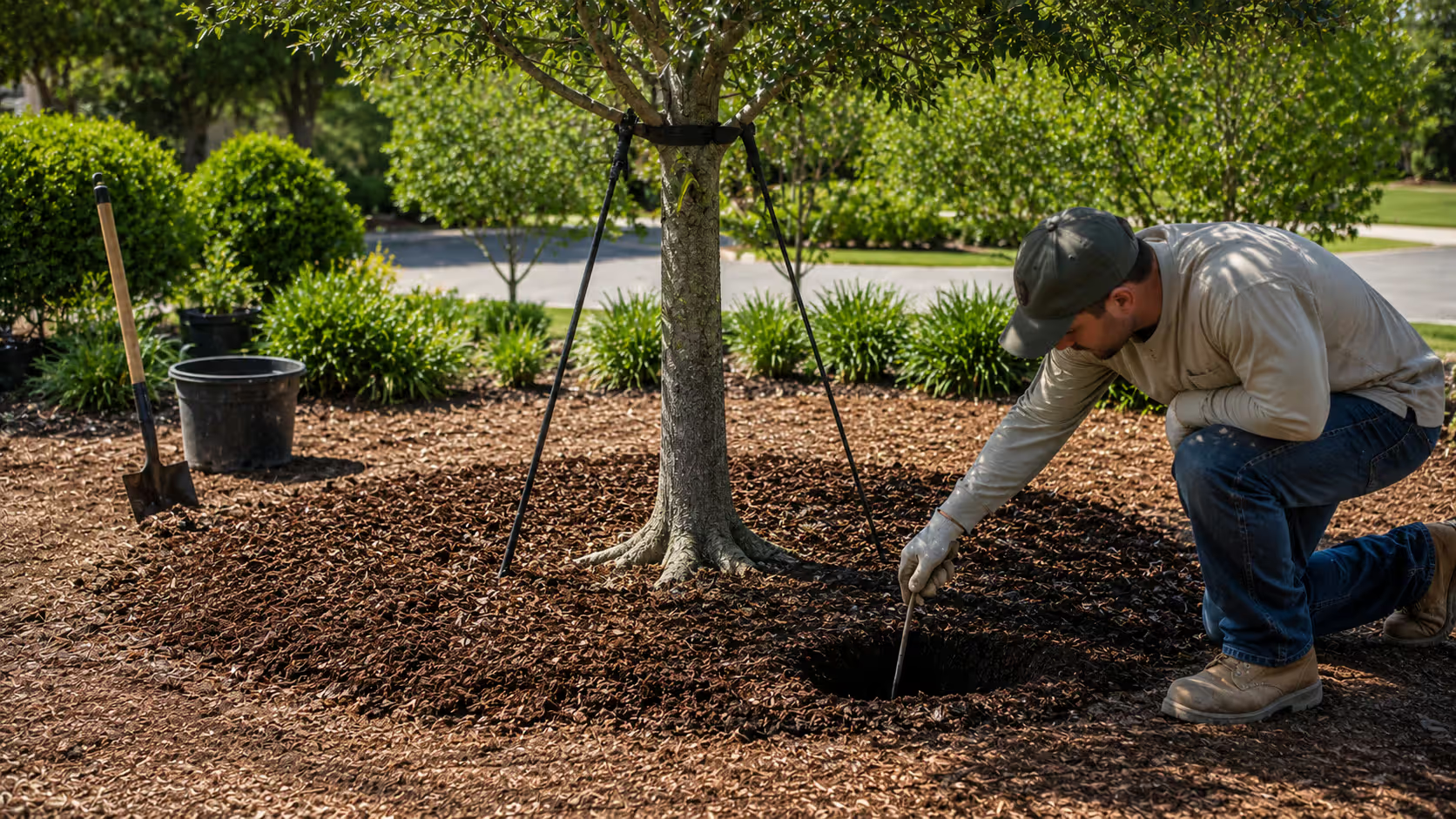
Test soil drainage by digging a 12-inch-deep hole and filling it with water. If water remains after 12 hours, drainage is inadequate.
Amend only the backfill soil minimally. Creating a "bathtub" of amended soil surrounded by native soil encourages roots to circle rather than spread.
Dig the planting hole two to three times wider than the root ball but no deeper. The root flare should sit at or slightly above grade.
Avoid adding soil over existing roots of established trees. Even 2 to 3 inches of fill can suffocate roots and kill portions of the tree.
Southern live oak care includes understanding water needs during establishment versus maturity. For the first two to three years, water deeply once or twice weekly during dry periods. This encourages deep rooting—or as deep as live oaks get. After establishment, reduce supplemental watering. Overwatering mature live oaks can actually increase aggressive root spread and create fungal problems.
Mulch in a 3- to 4-inch layer extending to the drip line (but not touching the trunk) protects roots, moderates soil temperature, retains moisture, and improves soil structure as it decomposes. It's the single best thing you can do for root health.
Author: Liam Ashcroft;
Source: cribbslandscaping.com
Landscape Planning Around Live Oak Trees
Smart landscape design accommodates live oak root systems rather than fighting them.
Start with the tree as the focal point, not an afterthought. If you're building new construction, position the house to preserve existing live oaks rather than squeezing trees into leftover spaces. The tree will outlive the house.
For established landscapes, create root protection zones. Ideally, this zone extends to the drip line at minimum, but farther is better. Within this zone:
No digging deeper than 6 inches
No soil compaction from vehicles or heavy equipment
No grade changes (adding or removing soil)
Minimal foot traffic
Companion planting works if you choose wisely. Shallow-rooted groundcovers and perennials coexist well with live oak roots. Good options include:
Asiatic jasmine (tolerates shade and root competition)
Liriope and mondo grass (adapt to dry shade)
Ferns (thrive in the dappled shade)
Native woodland wildflowers
Author: Liam Ashcroft;
Source: cribbslandscaping.com
Avoid plants requiring frequent cultivation or deep watering. You'll damage tree roots while maintaining the understory plants.
Hardscape placement requires strategic thinking. Patios and outdoor living spaces actually work well under live oak canopies if you plan for root growth. Use permeable materials like flagstone set in sand, or build elevated decks that allow roots to grow beneath.
Retaining walls near live oaks need special consideration. Roots will grow behind walls, potentially destabilizing them. If you must build a retaining wall within the root zone, consult a structural engineer and an arborist together.
Irrigation systems and live oaks have a complicated relationship. Roots will invade sprinkler lines, clogging or breaking them. Use high-quality, root-resistant pipes and fittings. Better yet, design irrigation zones that exclude the area directly beneath the canopy once the tree is established.
One common mistake: creating flower beds by adding soil around the base of established live oaks. Those surface roots you're trying to cover need gas exchange. Burying them kills them. If surface roots are unsightly, use mulch to soften their appearance, or embrace them as part of the tree's character.
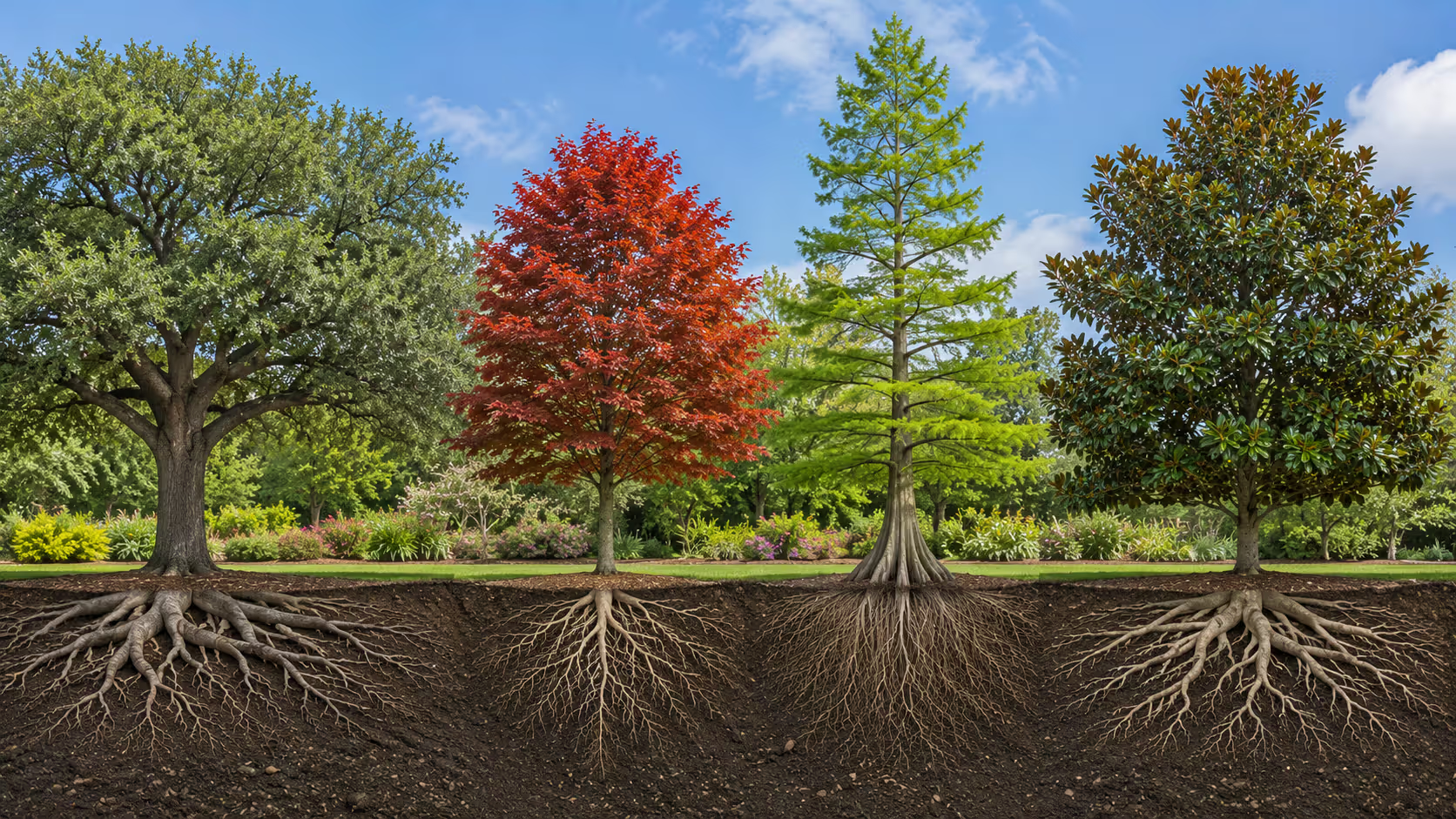
Live Oak Root System vs. Other Common Landscape Trees
Author: Liam Ashcroft;
Source: cribbslandscaping.com
Understanding how live oaks compare to other species helps set realistic expectations.
Tree Species
Typical Root Depth
Lateral Spread
Invasiveness Rating
Safe Planting Distance from Foundation
Live Oak
18–36 inches (majority)
2–3× canopy width
High
30–50 feet
Red Maple
12–24 inches
1.5–2× canopy width
Moderate
20–30 feet
Bald Cypress
24–48 inches
1–1.5× canopy width
Low
15–20 feet
Willow Oak
18–30 inches
2–2.5× canopy width
Moderate to High
25–40 feet
Southern Magnolia
24–36 inches
1.5–2× canopy width
Moderate
20–30 feet
Live oaks rank among the most aggressive root systems for common landscape trees. Only willows and some poplars exceed them in invasiveness, but those species aren't typically chosen for permanent landscaping in the South.
The comparison shows why live oaks demand more planning space than many other popular shade trees. A red maple might work 25 feet from your foundation. A live oak won't.
The biggest mistake I see homeowners make is underestimating the mature size of live oaks—both above and below ground. They plant a 15-gallon specimen eight feet from their foundation because it looks small and manageable. Twenty years later, they're dealing with cracked slabs and roots invading their plumbing. These trees need room, period. If you don't have at least a 50-foot radius of open space, consider a smaller species.
— Thompson James
FAQ: Live Oak Root System Questions Answered
How deep do live oak roots go?
Live oak roots typically concentrate in the top 18 to 36 inches of soil, with the majority of active feeder roots in the top 12 inches. Young trees develop a taproot that can reach 5 to 10 feet deep initially, but this taproot becomes less dominant as the tree matures and lateral roots take over. The shallow root system is an adaptation to the high water tables and occasionally flooded conditions where live oaks naturally thrive. Deep roots would suffocate in these environments, so the tree evolved to spread horizontally instead.
Can live oak roots damage my foundation or driveway?
Yes, live oak roots can damage both foundations and driveways, though the mechanisms differ. Roots don't typically break through intact concrete, but they exploit existing cracks and weaknesses. The primary foundation damage comes from soil movement as roots extract moisture from clay soils, causing shrinkage and uneven settling. Driveways and sidewalks face more direct damage as expanding roots grow beneath paved surfaces and lift or crack them. The risk increases significantly if trees are planted closer than 20 to 30 feet from structures.
How far from my house should I plant a live oak?
The minimum safe distance is 30 to 40 feet from your foundation, with 50 feet or more being ideal for worry-free planting. This spacing accounts for both the extensive lateral root spread (typically two to three times the canopy width) and the tree's mature canopy size. If you're working with limited space, consider smaller tree species instead. Planting a live oak too close to structures creates problems that only worsen over decades, and mature tree removal is expensive and traumatic to the landscape.
Do live oak roots grow above ground?
Yes, surface roots are extremely common with live oaks, especially in compacted soils, shallow soils, or areas with high water tables. These exposed roots can extend several inches above ground level and spread across large areas. While they're a natural part of the tree's growth pattern, surface roots create tripping hazards and complicate lawn maintenance. Never bury surface roots under additional soil—this suffocates them and can damage the tree. Instead, apply mulch around them or design landscapes that work with the roots rather than against them.
Are live oak roots invasive to sewer lines?
Live oak roots will absolutely invade sewer lines if given the opportunity. They're attracted to the consistent moisture and nutrients in sewer systems and can enter through joints, cracks, or poorly sealed connections. Clay sewer pipes are particularly vulnerable. Once inside, roots proliferate, eventually clogging the line completely. Prevention includes maintaining adequate distance between trees and sewer lines (20+ feet minimum), using root-resistant pipe materials for new installations, and regularly inspecting older systems for intrusion. Root barriers can provide additional protection for existing lines.
What is the root spread compared to canopy width?
Live oak roots typically spread two to three times wider than the canopy. A tree with a 60-foot canopy spread can have roots extending 120 to 180 feet from the trunk in ideal conditions. This ratio exceeds most other landscape trees, which generally have root spreads of 1.5 to 2 times canopy width. The extensive spread reflects the tree's shallow root system and aggressive water-seeking behavior. When planning landscapes, always base your calculations on the mature canopy size, not the current size of a young tree.
Live oaks aren't quick fixes or temporary landscape elements. They're long-term commitments that reshape properties over decades.
The root system challenges they present—foundation risks, hardscape damage, plumbing intrusion—are real and can't be wished away. But these same aggressive roots create stability that allows 300-year-old trees to weather hurricanes that flatten newer construction. They're built to last.
Smart planning solves most problems before they start. Give these trees the space they need. Respect the root zone. Design landscapes that accommodate rather than fight natural growth patterns.
When you get it right, a live oak becomes the defining feature of a property. The shade, the character, the sense of permanence—they're worth the extra planning. Just don't plant one 15 feet from your foundation and hope for the best. That never ends well.
Star jasmine creates fragrant, evergreen coverage but grows vigorously. This guide explains whether it's truly invasive, how fast it spreads, control strategies, and complete care instructions for US gardeners in zones 8-11.
You've probably noticed entire hillsides glowing gold during autumn walks. Yellow fall foliage creates stunning displays, but not every tree joins the show. Learn which species reliably turn brilliant yellow year after year, the science behind the color change, and how to choose the perfect yellow fall tree for your landscape.
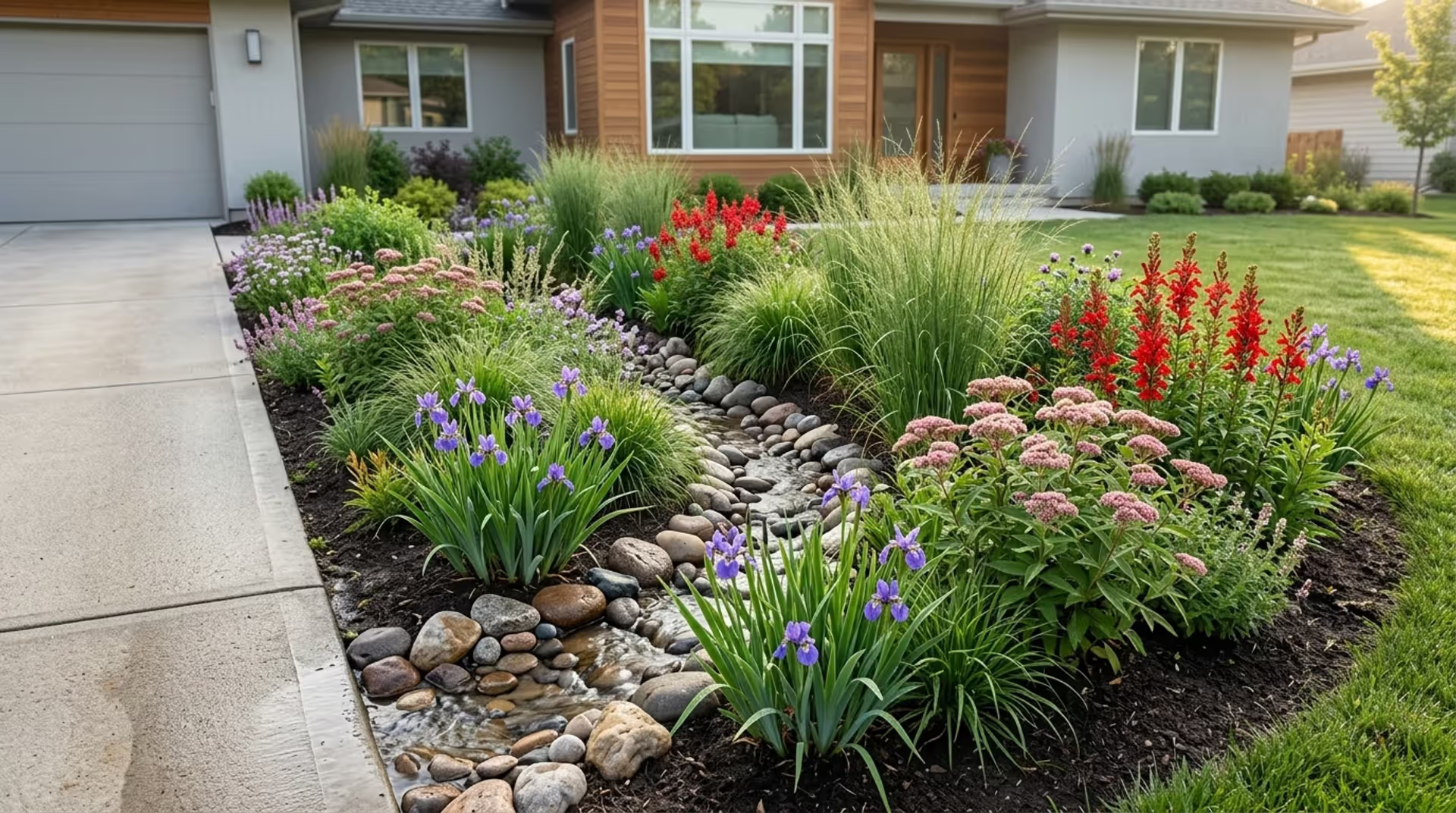
Learn which plants thrive in bioswales and drainage areas. This comprehensive guide covers native species by region, moisture-tolerant options, planting zones, design principles, and common mistakes to avoid when creating functional rain gardens and bioswales.
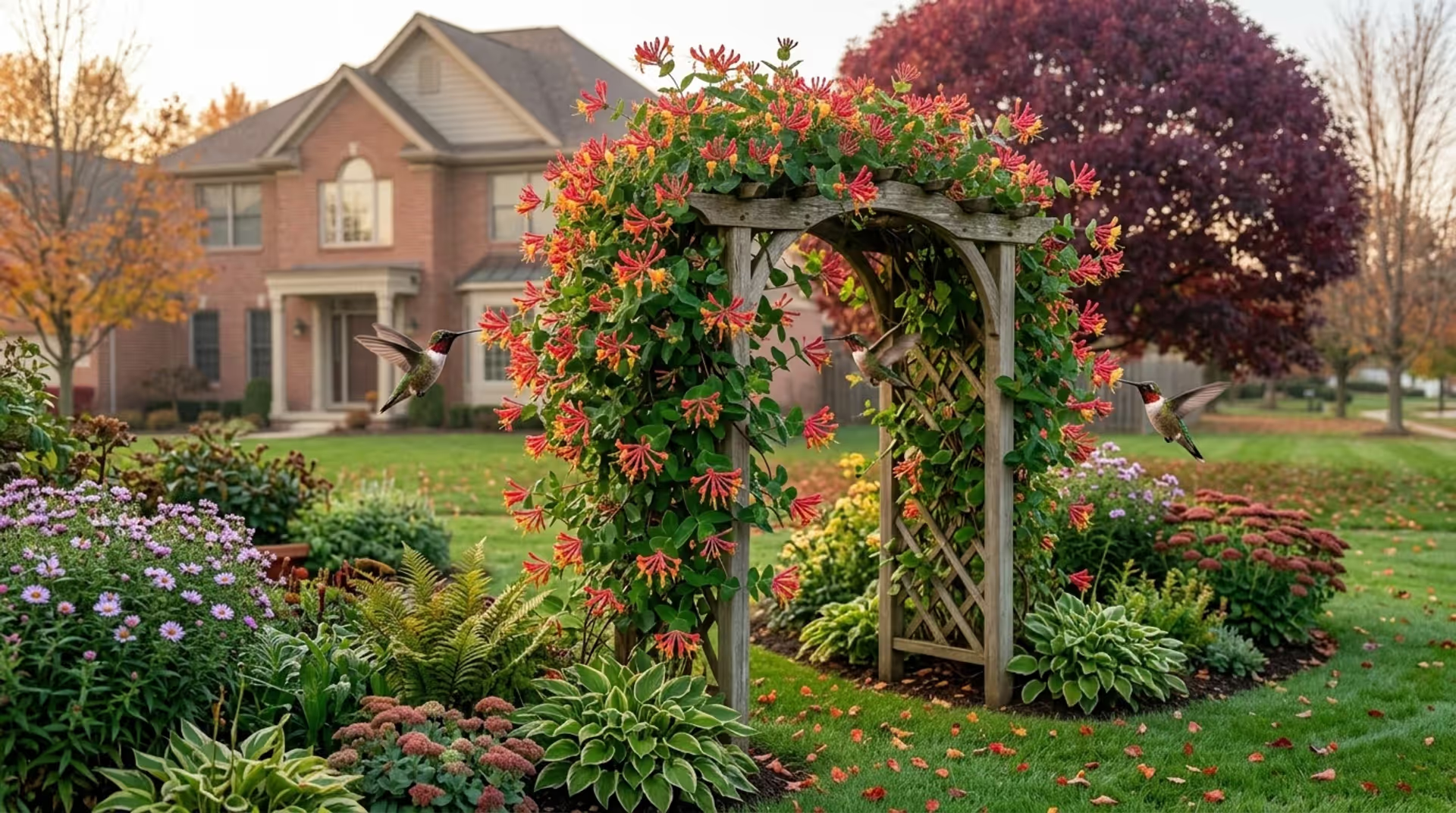
Lonicera plants offer more than sweet-smelling vines. This guide covers climbing, shrub, and ground cover varieties, plus care tips for hedges, wildlife gardens, and responsible planting. Learn which honeysuckles attract hummingbirds and which to avoid for ecological reasons.
The content on this website is provided for general informational and educational purposes only. It is intended to explain concepts related to landscape design, outdoor spaces, plants, irrigation, hardscape and softscape, and sustainable landscaping.
All information on this website, including articles, guides, and examples, is presented for general educational purposes. Outcomes may vary depending on local climate, soil, plant selection, and project implementation.
This website does not provide professional design, construction, or horticultural advice, and the information presented should not be used as a substitute for consultation with qualified landscape architects, contractors, or horticulturists.
The website and its authors are not responsible for any errors or omissions, or for any outcomes resulting from decisions made based on the information provided on this website.