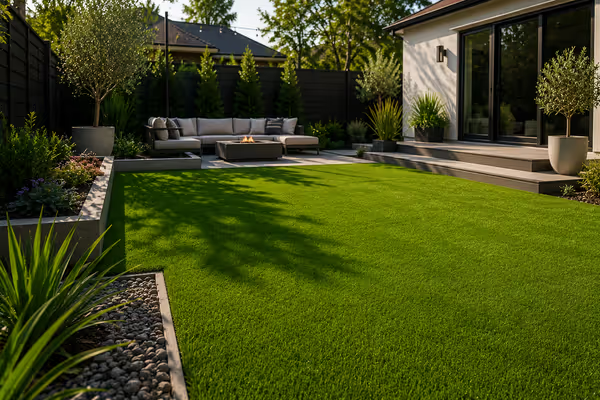
You've got that one section of your yard that just won't cooperate. Maybe it's the muddy pathway your kids have worn down to dirt. Or that shaded strip along the fence where you've tried reseeding four times. Could be the corner where your German Shepherd has turned your lawn into a moonscape.
Whatever the reason, you're considering artificial turf for part of your yard while keeping real grass everywhere else.
Here's what nobody tells you upfront: the actual installation isn't the hard part. Creating a transition that doesn't look like you gave up halfway through? That's where most DIY projects go sideways.
Walk past a poorly done hybrid lawn and you'll spot it immediately—there's a harsh line that screams "I quit here." But get it right, and your neighbors won't notice the switch until they're standing on top of it.
This guide covers everything from initial planning through year-five maintenance. No fluff, just the practical details you actually need.
Why Homeowners Mix Real and Fake Grass
Let's be clear—choosing a hybrid lawn design isn't about cutting corners. It's about accepting reality and working with it instead of against it.
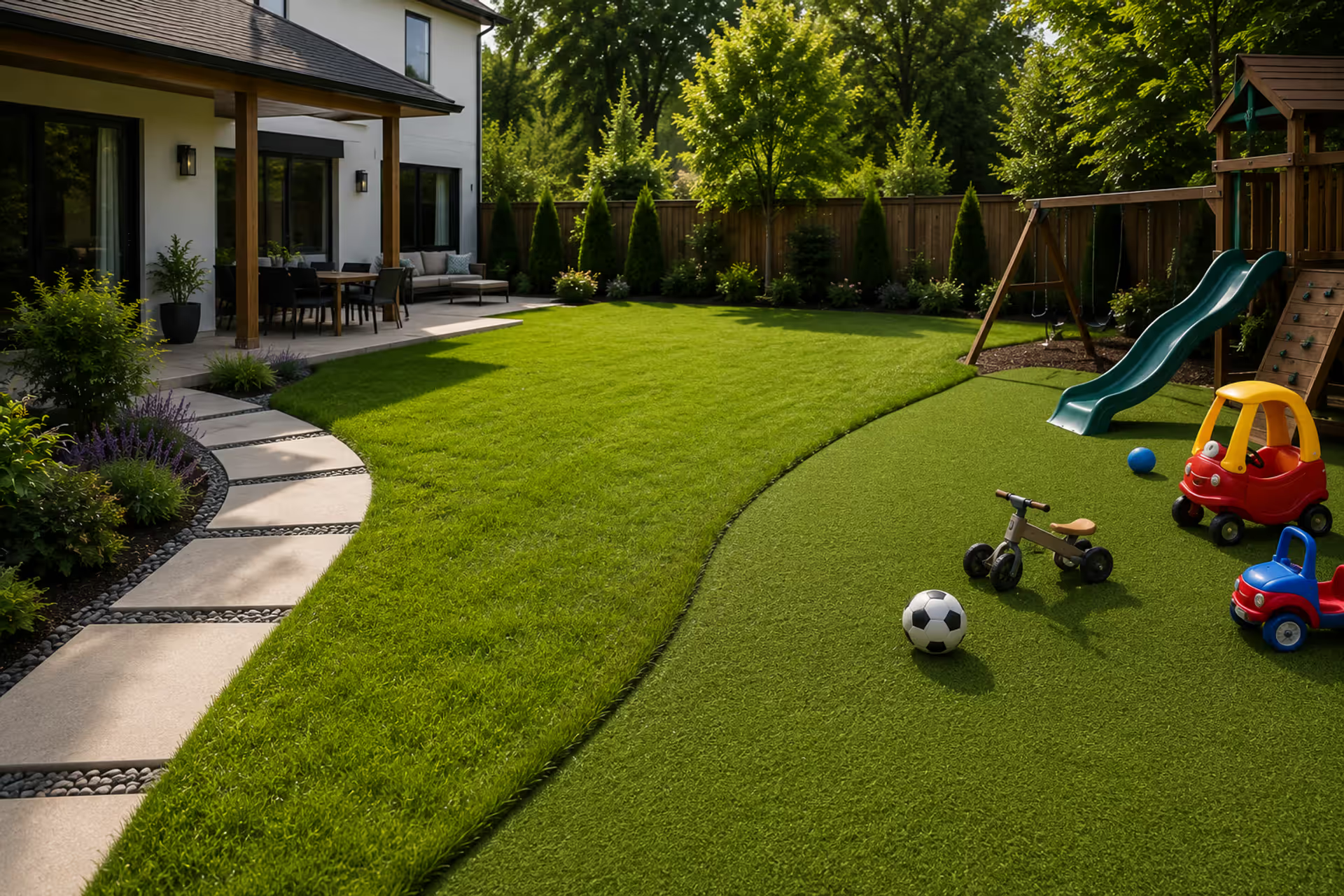
Heavy foot traffic destroys natural grass faster than you can repair it. That shortcut between your back door and the garage? It's dirt six months out of the year. The area around your trampoline looks like a crop circle of dead grass. These zones get pounded daily, and Kentucky bluegrass simply can't regenerate that quickly. Drop in a fake grass patch where traffic concentrates, and you've solved the problem permanently.
Shade is grass's natural enemy. I've watched homeowners dump hundreds of dollars into shade-tolerant seed mixes, only to have the same bare patches return every year. Under mature oaks, along north-facing walls, beneath deck overhangs—these spots receive maybe three hours of dappled sunlight. You're not going to win that fight. Natural grass alternatives like synthetic turf actually make sense here because you're not fighting biology anymore.
The water conservation angle drives a lot of decisions, particularly across the Southwest. When you're facing mandatory watering restrictions and brown-lawn fines simultaneously, something's gotta give. I've seen water bills drop $60-80 monthly after homeowners converted 40% of their lawn to turf while keeping the visible front yard natural.
Your dog doesn't care about your landscaping goals. Three dogs in a quarter-acre yard means urine burns, worn pathways, and excavation projects. You can keep battling this with constant reseeding and repair, or you can designate a synthetic pet zone and let the rest of your lawn recover. Mixing real and fake grass this way actually saves the natural sections you care about.
Author: Sienna Calder;
Source: cribbslandscaping.com
Then there's the maintenance calculation. Every square foot of artificial turf means less mowing, zero fertilizing, and no watering. You keep the natural grass sections you genuinely enjoy—maybe that front lawn you actually care about—while eliminating grunt work in utility areas that nobody looks at anyway.
Some folks install synthetic sections for specific activities. Backyard putting greens that drain in 20 minutes instead of staying soggy for two days. Play areas where toddlers won't track mud inside. Basketball court perimeters that stay level and clean.
Planning Your Artificial Grass Border Ideas
Your design choices matter more than your installation skills. A thoughtfully planned layout looks intentional. A random one looks like you ran out of money halfway through the project.
Think in complete zones, not partial coverage. If you're addressing that problematic side yard, commit to the entire space from fence to fence. Stopping three-quarters of the way through makes it look unfinished, like you're planning to come back and complete it someday. When combining turf and natural grass, each section should have obvious purpose and clear boundaries.
Color matching separates amateur jobs from professional-looking installations. Synthetic grass manufacturers offer 40+ shades ranging from spring-green to olive-brown. You need to visit suppliers with an actual handful of your real grass. Compare samples outside in natural sunlight, not under fluorescent warehouse lights. I've seen homeowners order "natural green" that looked perfect indoors but clashed like neon against their actual lawn.
Here's the complication: your natural grass changes color constantly. It's deep emerald in April, faded lime by August, and straw-colored during winter dormancy. You're picking one static color that needs to work year-round. Aim for your lawn's mid-season appearance, not its absolute peak greenness in spring.
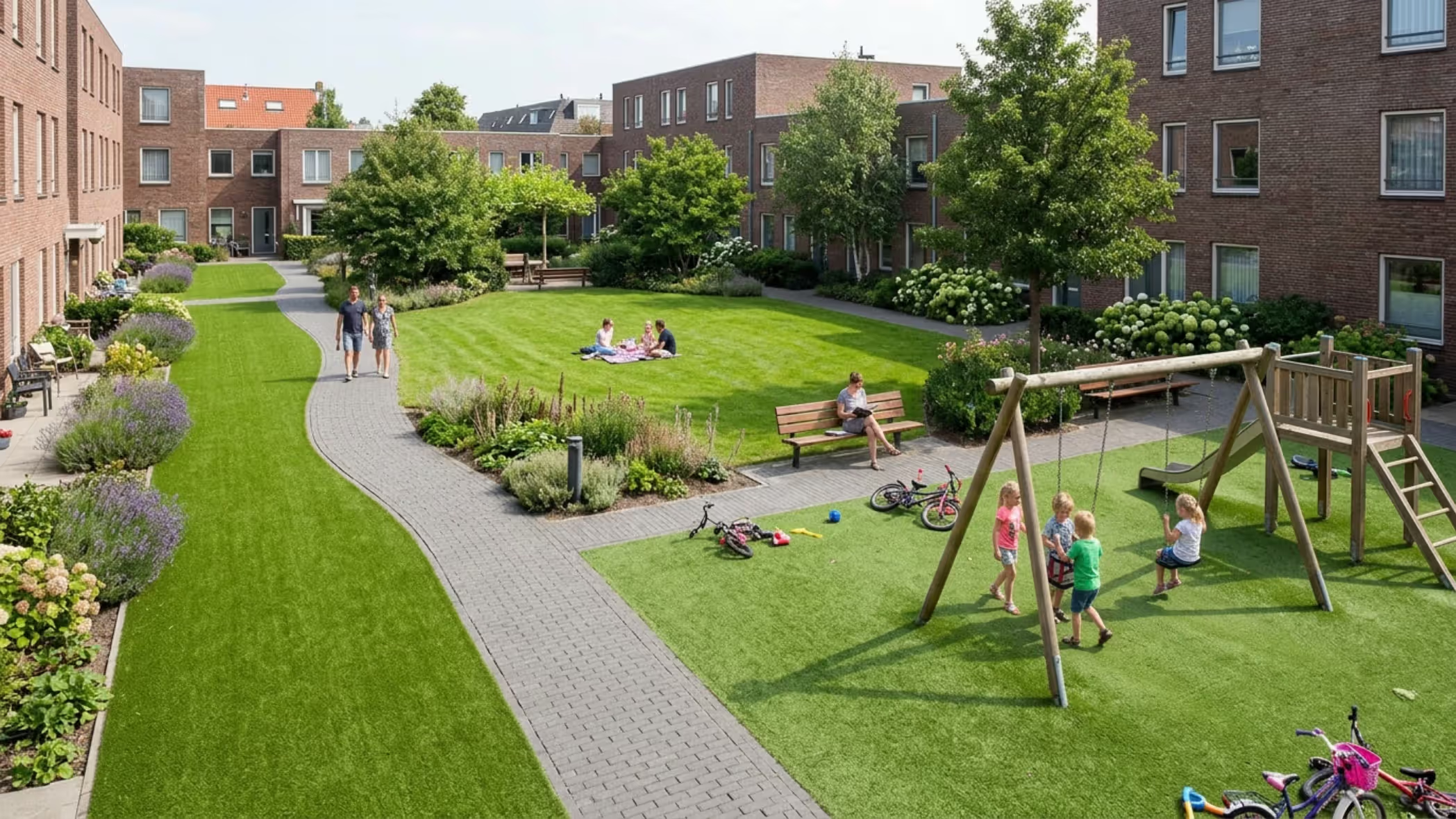
Strategic placement beats random distribution every time. Artificial grass lawn blend projects work best when synthetic sections follow existing landscape features—fence lines, patio edges, walkway borders, tree rings. Curved transitions generally read as more organic than rigid straight lines, but this depends entirely on your overall landscape style. A modern minimalist yard with geometric pavers? Straight edges might actually work better.
Consider your primary viewpoints. Where do you actually see your yard from? Kitchen window? Living room? Deck? Plan your transitions to be least visible from these sightlines. If you're looking straight down at the border from your second-floor office, that's different than viewing it at an angle from ground level.
Popular Layout Patterns for Hybrid Lawns
After looking at hundreds of installations, certain patterns consistently deliver better results:
Perimeter strategy — Synthetic grass runs along all fence lines while natural grass fills the center. This approach hides the wear-prone edges where mowers scalp and foot traffic concentrates. Your focal point stays natural, and the borders you barely notice become maintenance-free.
Purpose-driven zones — Dedicate synthetic surfaces to specific functions: dog runs, play equipment areas, side yards, utility spaces. Keep natural grass for your primary lawn. Each section has obvious justification.
Traffic route solution — Install artificial grass along the pathways people actually walk, not where you wish they'd walk. That diagonal shortcut across your lawn? Embrace it with a synthetic path. Natural grass fills everywhere else. This prevents those worn dirt tracks while maintaining mostly natural coverage.
Sun-versus-shade division — Accept that turf belongs under trees and along structures where grass struggles. Natural grass gets the sunny sections where it thrives. This pattern works with reality instead of fighting it.
Simpler usually wins. I've rarely seen complex patterns with multiple transitions that looked better than straightforward layouts. Every additional seam is another potential failure point.
Measuring and Marking Your Installation Area
Measure twice, order once—because returning 200 square feet of artificial turf isn't like returning a sweater.
Grab your garden hose or a long rope to outline curved borders. Lay it out, then live with it for three or four days. Look at it from every window. Walk around it. Adjust until it feels right from all angles. Once you're certain, mark the final line with landscape spray paint.
Straight edges need stakes and mason's line. If you're creating rectangular or geometric shapes, check your corners with a framing square. Nothing looks worse than a "rectangle" with one wonky corner.
When ordering materials, add six inches to every measurement. You can trim excess with a utility knife. You cannot stretch a piece that's three inches too short.
Take photos of your marked area from multiple spots—standing at ground level, from your deck, from upstairs windows. These images help when you're explaining the project to suppliers, or when you're second-guessing your layout at 11 PM.
Creating a Clean Transition Between Turf and Lawn
The seam between surfaces makes or breaks everything. A visible gap looks awful. A clean edge looks professional enough that people assume you hired it out.
Author: Sienna Calder;
Source: cribbslandscaping.com
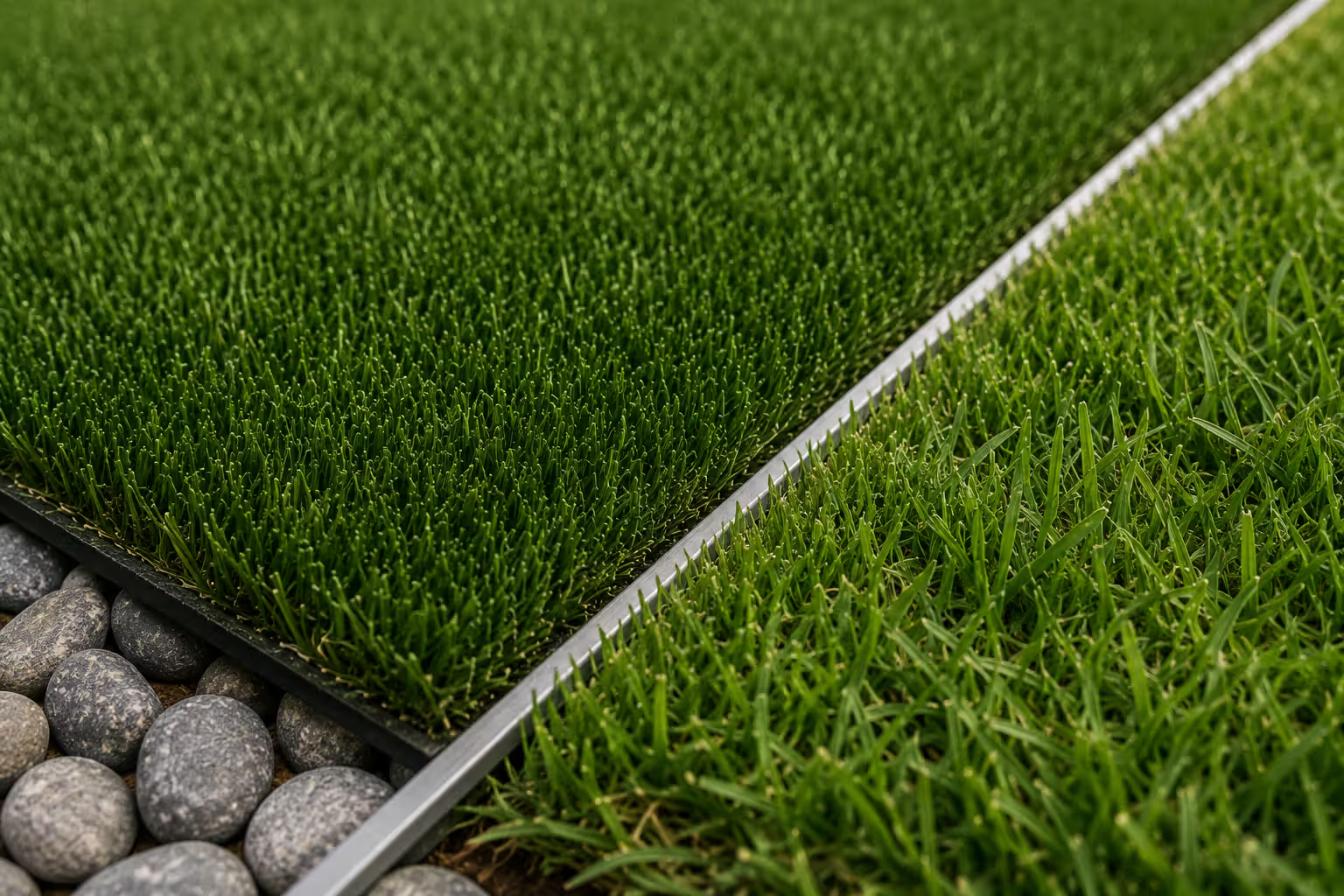
You absolutely need physical edging material. This isn't optional. Without a solid barrier, grass sends runners under your turf within six months. Edges lift. Gaps appear. The whole thing starts looking shabby before you've finished paying for it.
Proper edging solves three problems simultaneously: it blocks grass encroachment, prevents turf edges from lifting and curling, and eliminates visual gaps. It also creates a mowing strip so you're not running mower wheels onto the turf border and compressing it.
Drainage deserves more attention than most people give it. Sure, artificial grass has perforated backing that drains water through. But that water needs somewhere to go once it's underneath. If your synthetic section sits even slightly lower than surrounding grass, you've created a collection basin.
The turf edging against grass should sit exactly level with your natural lawn, or maybe 1/8-inch higher. Never lower. This prevents pooling and creates that seamless visual flow you're after.
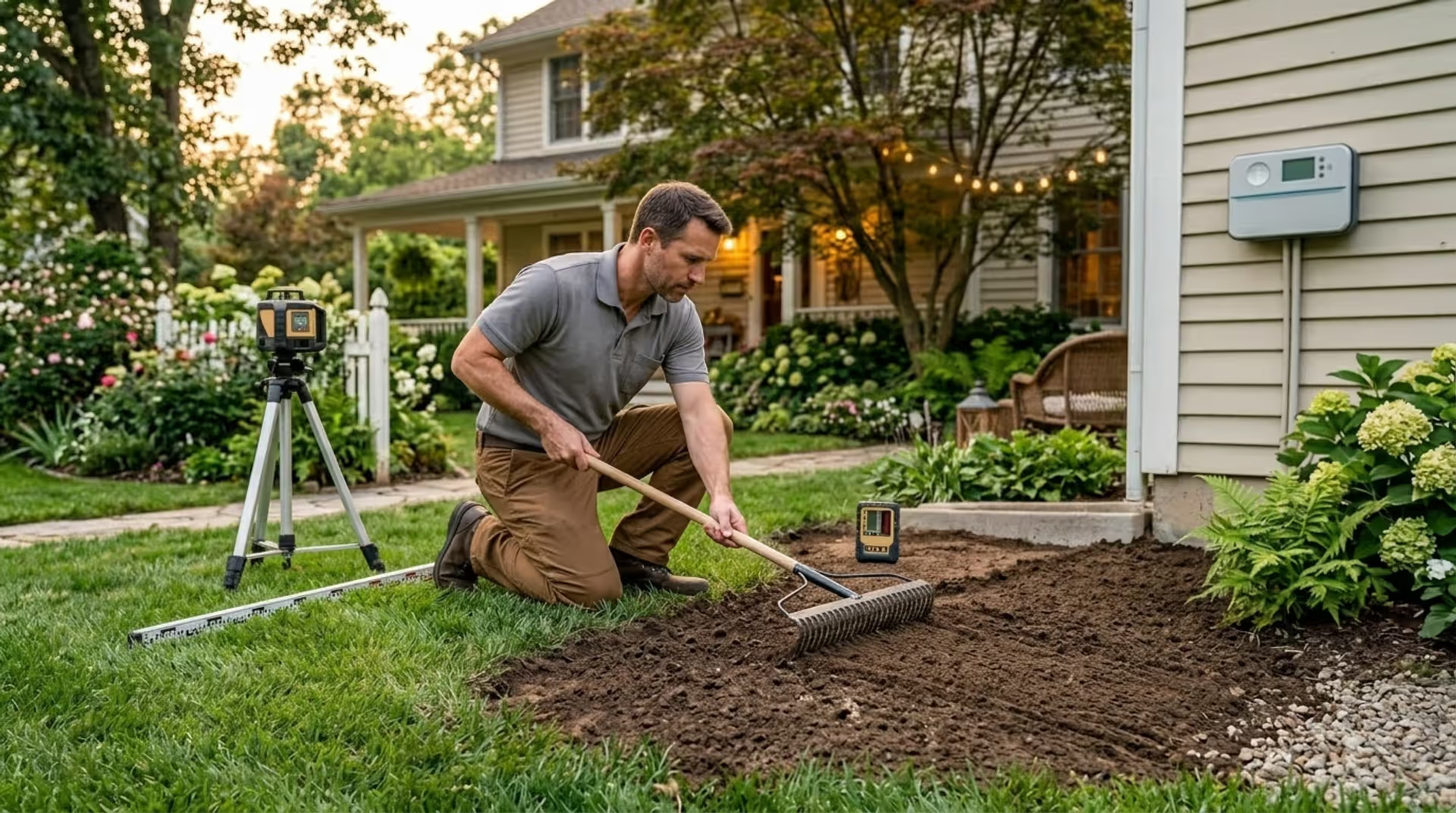
Leveling tolerances are stricter than you think. A 1/8-inch height difference catches your eye. A 1/4-inch difference looks sloppy from 20 feet away. Use a straight 2x4 that's at least six feet long with a level on top to check grade across your transition zone.
Your edging material choice affects how long this installation lasts. Here's how common options compare:
Material Type
Durability
Cost Range
Installation Difficulty
Best Use Case
Aluminum edging
15-20 years
$3-5/ft
Moderate
Curved and straight borders, clean professional appearance
Aluminum and steel deliver the best combination of durability and clean lines. Plastic works fine for budget-conscious projects, but UV exposure degrades it faster—expect replacement in 8-10 years rather than 15-20.
Homeowners consistently underestimate the transition zone. They treat it like a simple cut line between two surfaces. In reality, a proper turf-to-grass border requires the same foundation as the turf itself—correct base material, secure edging, and careful attention to drainage. Skip any of these, and you'll see separation, lifting, and weed growth before the first year ends.
— Richardson Michael
Step-by-Step Turf Installation Beside Grass
Installing turf installation beside grass follows standard synthetic grass procedures, with extra attention paid to border details.
Ground prep comes first, and it's more work than you expect. Strip out all existing grass in your marked area. Excavate down 3-4 inches below your surrounding lawn level. You're going to build back up with base materials, so you need room.
Dig carefully near the transition zone. You want a clean vertical edge where turf will meet grass, not a gradual slope. Think of it like cutting a layer cake—straight down, not angled.
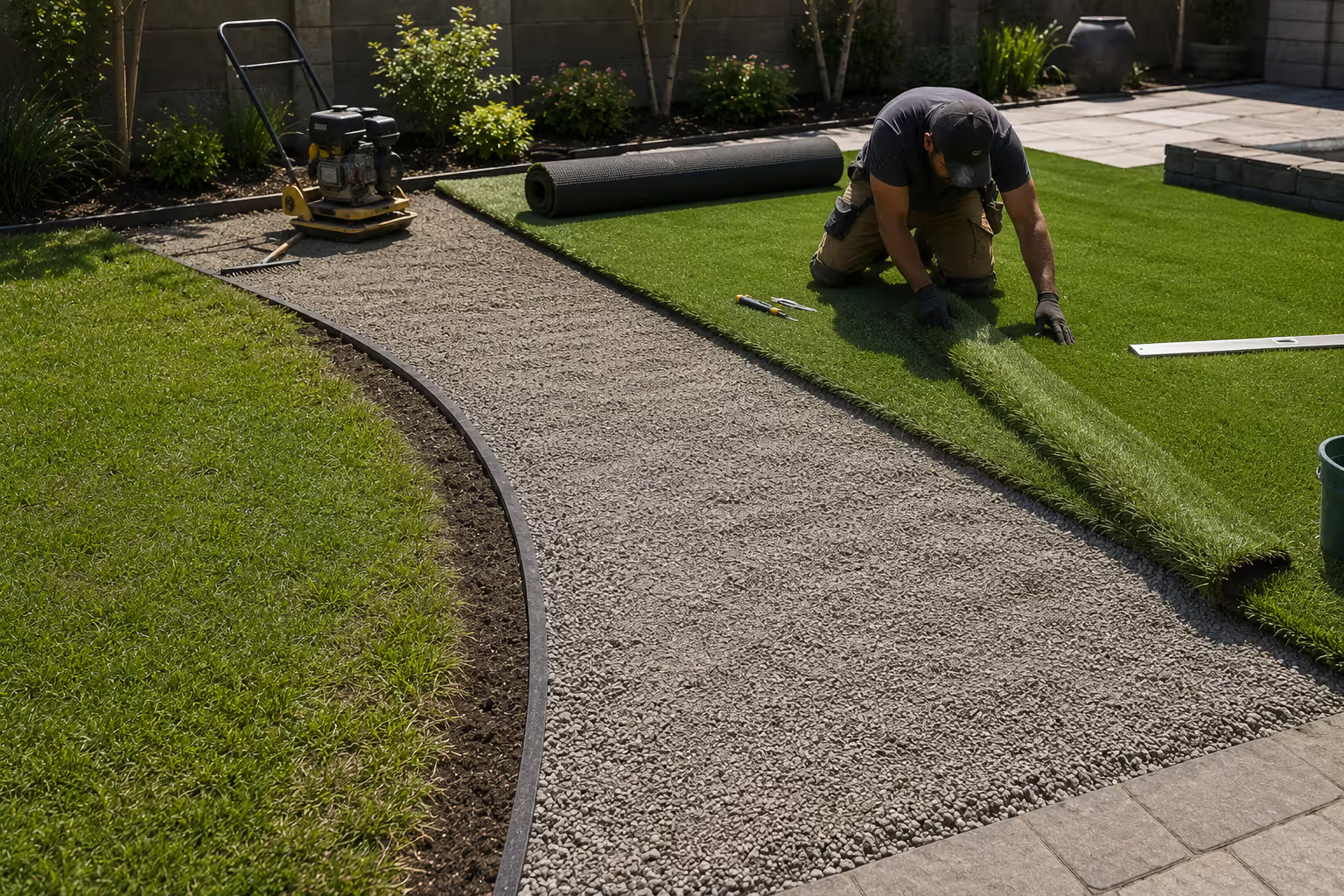
Your base material creates long-term stability. Spread 2-3 inches of crushed rock or decomposed granite. Compact it thoroughly with a plate compactor (rent one for $60-80/day—hand tamping doesn't cut it for areas over 10 square feet). This layer handles drainage and prevents settling.
Add a second layer of finer material—crushed granite or rock dust works well. Spread another 1-2 inches and compact again. This creates a smooth, firm surface for the turf backing to rest on.
After compacting both layers, your base should sit roughly 1/2 inch below your lawn level. The turf thickness brings it flush with surrounding grass.
Install your edging before you lay turf, not after. Secure aluminum or plastic edging along the border now. Stake it every 12-18 inches. The top edge should align perfectly with your lawn surface.
Some installers wait and set edging after placing turf. Don't. Pre-installed edging gives you a guide to work against and prevents base material from spilling into your lawn during installation.
Author: Sienna Calder;
Source: cribbslandscaping.com
Position and secure your turf carefully. Roll out the artificial grass, making sure blade direction matches if you're using multiple pieces. Blades should lean toward your main viewing areas—usually toward the house.
Use a sharp blade to trim edges—a fresh utility knife blade, not one you've been using for six months. Work from the backing side by folding the turf over; this gives you cleaner cuts than trying to slice from the top. Leave a 1/4-inch gap between turf and edging to allow for slight thermal expansion.
Secure the perimeter with 6-inch galvanized nails or heavy-duty staples every 6 inches. Double up on fasteners along the grass border—this edge takes the most stress from mowing and foot traffic.
Infill application finishes the job. Spread silica sand or specialized turf infill across the entire surface. You'll need 1-2 pounds per square foot. Use a push broom to brush against the grain, working infill down to the backing level.
Infill serves three purposes: it weighs down the turf, helps blades stand upright, and improves drainage. Skipping infill means your turf will look flat and artificial.
Tool list for this project: Fresh utility knife blades (buy a 10-pack), a 6-foot straight edge, 100-foot tape measure, wheelbarrow, plate compactor (rental), landscape rake, stiff push broom, hammer or pneumatic staple gun, work gloves, knee pads, and safety glasses.
Common Mistakes When Combining Turf and Natural Grass
Inadequate drainage planning causes the most problems. When you install artificial grass next to real grass, you're creating a drainage boundary. Water flows through turf backing at 30+ inches per hour, but it can pool underneath if your base isn't graded correctly.
Always slope your base away from structures—even a 2% grade (1/4 inch per foot) prevents standing water. On flat sites, consider running perforated drain pipe beneath the turf edge to carry water away.
Height mismatches scream "amateur installation." If your turf sits 1/2 inch higher than your lawn, the edge shadow is visible from your neighbor's yard. If it sits lower, you've created a tripping hazard and a water collection point.
Spend the time during base prep to nail the height. Check repeatedly with a level across the transition. Adjust base depth before laying turf—fixing it afterward means tearing everything out and starting over.
Cheap or poorly installed edging fails within two years. Flimsy plastic edging bends under mower wheels. Inadequate staking lets edging shift. Gaps between edging and turf become highways for grass runners to invade your synthetic section.
Use commercial-grade edging materials. Stake every 12 inches minimum. Inspect edges twice yearly and re-stake anything that's loosened.
Color mismatches are permanent and expensive. That vibrant lime-green turf looked amazing in the showroom. Next to your actual Kentucky bluegrass, it looks like the AstroTurf from your high school football field circa 1978.
Always—always—compare samples outdoors in your actual yard under different lighting. Morning light, noon sun, and evening shade all change color perception dramatically.
Base preparation shortcuts cause long-term settling. Skipping compaction or using sand instead of crushed rock leads to low spots, wrinkles, and drainage failures within months.
Compact in layers, not all at once. Mist the base material lightly before compacting—it compacts better with 5-10% moisture content. Don't rely on hand tamping for anything larger than a small patch.
Maintenance mistakes damage both surfaces. Running a dethatcher across your lawn tears up adjacent turf edges. Herbicide overspray near the transition kills grass but permanently stains synthetic fibers. Aggressive edging with a string trimmer shreds turf borders.
Establish clear maintenance boundaries and respect them. Mark them with stakes if needed. Treat the transition zone as requiring separate, careful attention.
Maintaining Your Artificial Grass Lawn Blend
Your hybrid lawn needs two completely different care routines.
Author: Sienna Calder;
Source: cribbslandscaping.com
For synthetic sections: Hose them down monthly to remove dust, pollen, and debris. Every three months, brush against the grain with a stiff broom to restore blade position. Remove leaves and organic matter promptly—decomposing material stains turf and creates odors.
Pet owners should rinse high-use areas weekly. Enzyme-based cleaners eliminate odors without damaging fibers. Solid waste removal is obvious but worth stating—pick it up immediately, don't let it sit.
For natural sections: Keep up your normal routine—mowing, watering, fertilizing. But adjust your approach near transitions.
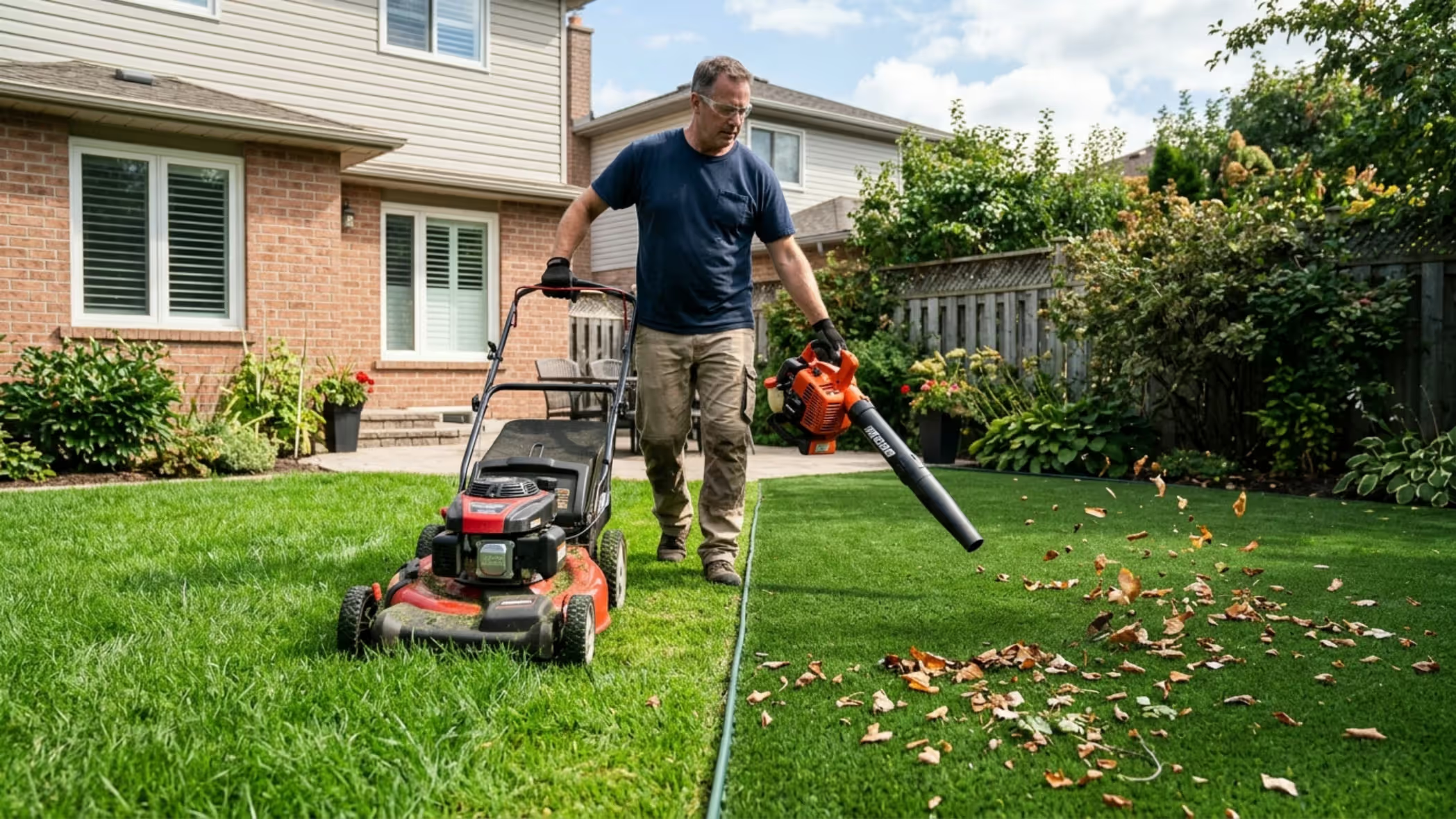
When mowing, approach turf borders carefully. Set your mower wheels to avoid rolling onto artificial grass—repeated weight compresses edges and creates visible depressions over time.
Edge your lawn away from turf borders, never into them. String trimmer line shreds synthetic fibers. Use manual shears for the final few inches near transitions.
Cross-contamination causes preventable problems. Grass clippings scattered across artificial turf look messy and provide growing medium for weed seeds. Blow or rake them off immediately after mowing.
Fertilizer overspray stains synthetic grass permanently. Apply granular fertilizer carefully near borders—consider hand-spreading the final few feet. Liquid applications need even more caution since drift is invisible until brown stains appear days later.
Seasonal changes affect appearance differently. In regions with winter dormancy, the contrast between brown natural grass and green turf becomes stark. Some homeowners like this—it demonstrates the turf's advantage. Others find it jarring.
You can't change it, so plan for winter color from the start. Choosing a slightly muted, olive-toned turf instead of bright summer green usually blends more naturally year-round.
FAQ
Can you put artificial grass directly next to real grass?
Yes, but you need proper edging and a stable base between the two surfaces. Without a physical barrier, natural grass spreads underneath the turf edges and eventually lifts or separates the transition line.
Does artificial grass drain better than natural grass?
In most cases, yes. Quality synthetic turf systems can drain water very quickly through perforated backing and compacted base layers. However, poor grading underneath the turf can still create standing water problems.
Will artificial grass damage nearby real grass?
No, not when installed correctly. Problems usually happen when turf edges block drainage or when homeowners allow weed barriers or base material to overlap into the natural lawn root zone.
How do you mow around artificial turf?
Keep mower wheels off the turf whenever possible to avoid compressing edges. For the final few inches near the border, many homeowners switch to manual edging tools instead of aggressive string trimmers that can damage synthetic fibers.
Does artificial turf get hotter than natural grass?
Yes. Synthetic turf absorbs and retains more heat than living grass, especially during direct summer sun. Lighter-colored turf products and occasional rinsing with water help reduce surface temperatures.
Proper drainage starts with the ground itself. When water pools around your foundation or turns your backyard into a swamp after every rain, you're looking at a grading problem. Learn how to shape your landscape to move water away from structures and create a yard that actually works.
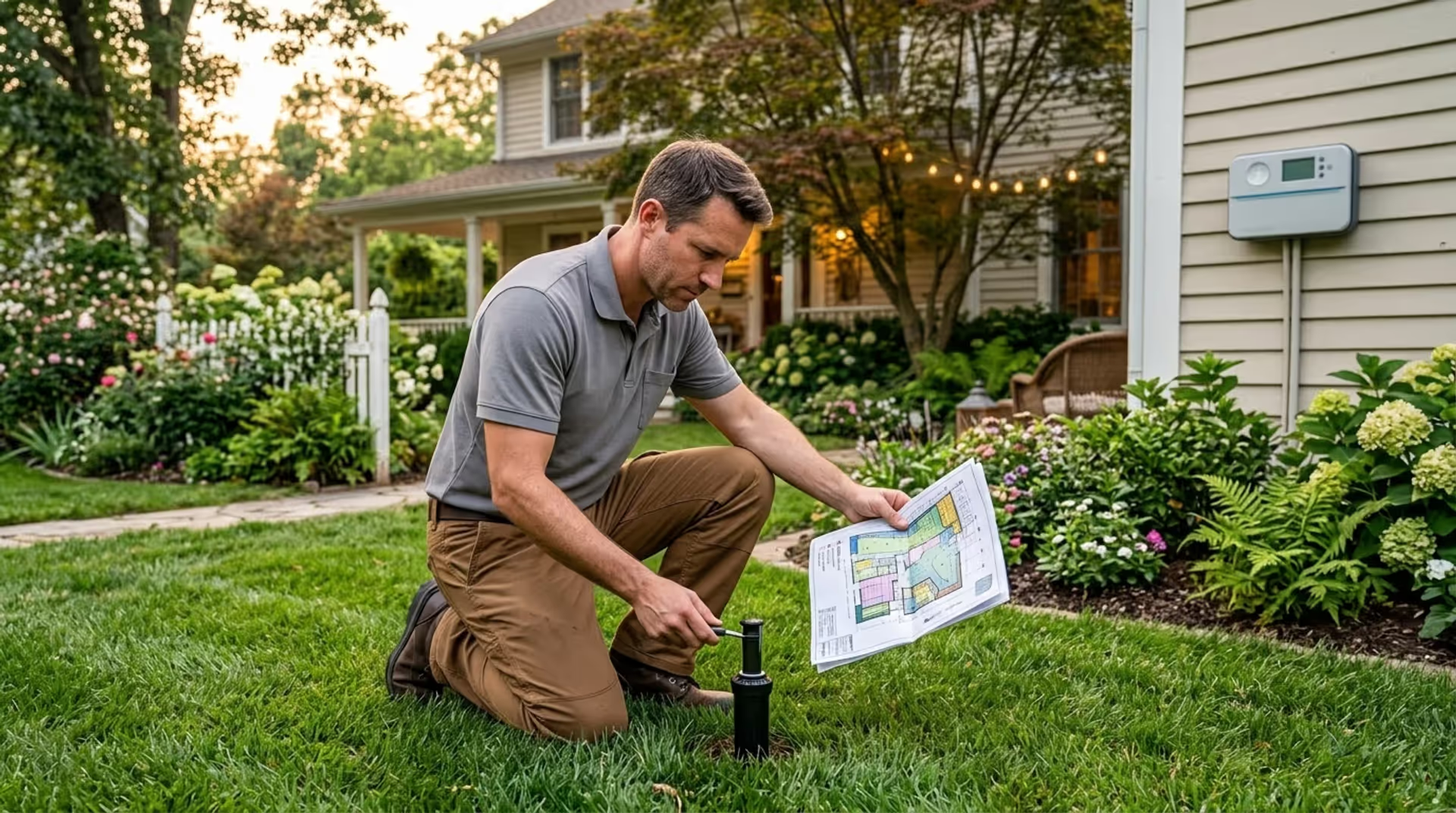
Discover how irrigation specialists design efficient watering systems, when professional help makes sense, and what to expect from installation. Includes system comparison, cost factors, and expert hiring tips for homeowners.
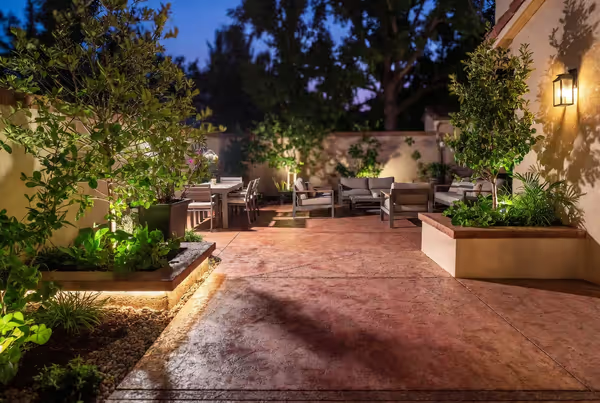
Discover creative concrete patio designs from stamped and textured finishes to polished surfaces and geometric layouts. Learn which concrete finish works best for your climate, budget, and style with detailed comparisons of durability, maintenance, and costs.
Discover how to select the best artificial grass for backyard spaces with our comprehensive guide. Learn what makes turf high-quality, compare leading products, and find the perfect match for your climate, pets, and usage. Expert insights on durability, drainage, realistic appearance, and common mistakes to avoid.
The content on this website is provided for general informational and educational purposes only. It is intended to explain concepts related to landscape design, outdoor spaces, plants, irrigation, hardscape and softscape, and sustainable landscaping.
All information on this website, including articles, guides, and examples, is presented for general educational purposes. Outcomes may vary depending on local climate, soil, plant selection, and project implementation.
This website does not provide professional design, construction, or horticultural advice, and the information presented should not be used as a substitute for consultation with qualified landscape architects, contractors, or horticulturists.
The website and its authors are not responsible for any errors or omissions, or for any outcomes resulting from decisions made based on the information provided on this website.