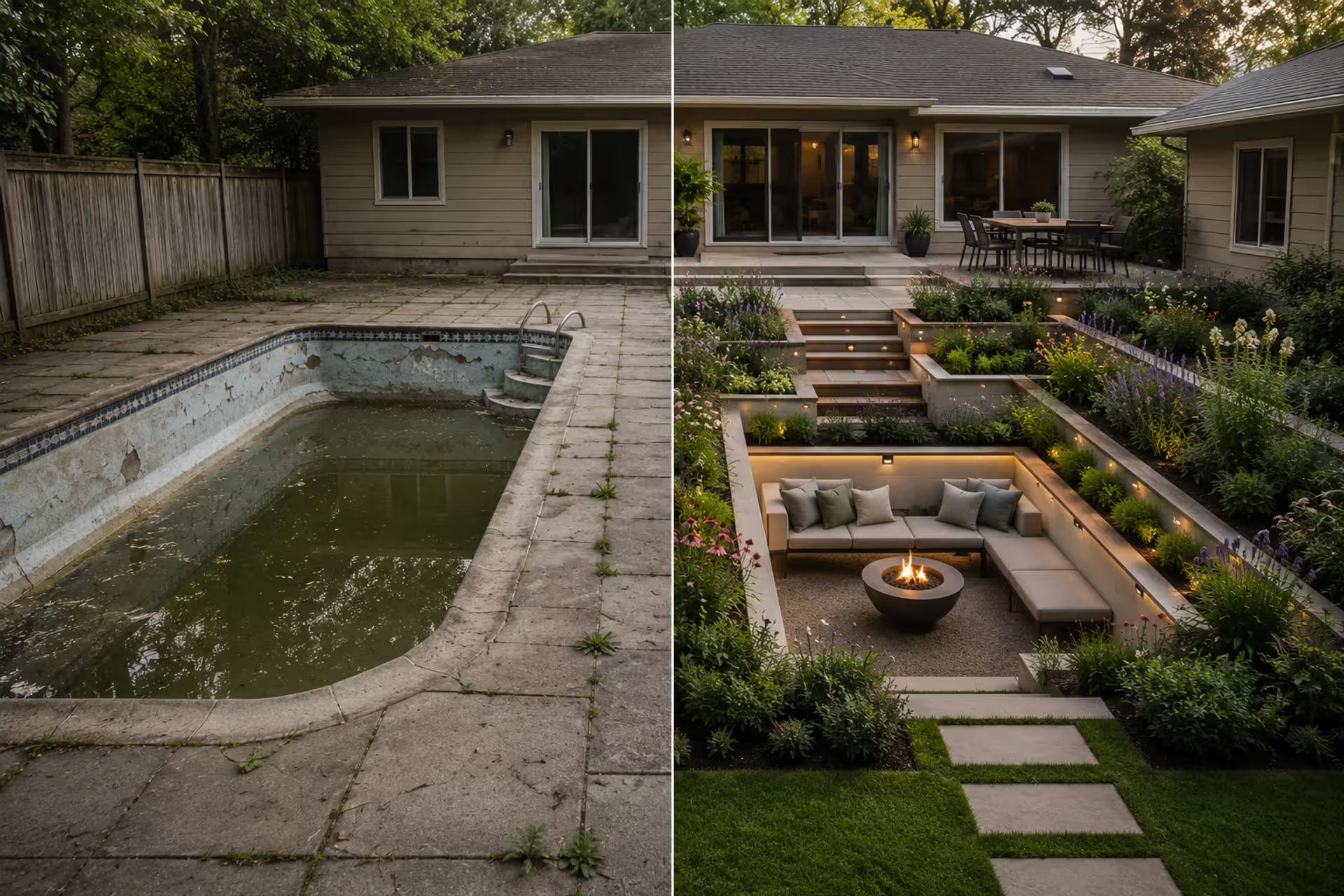
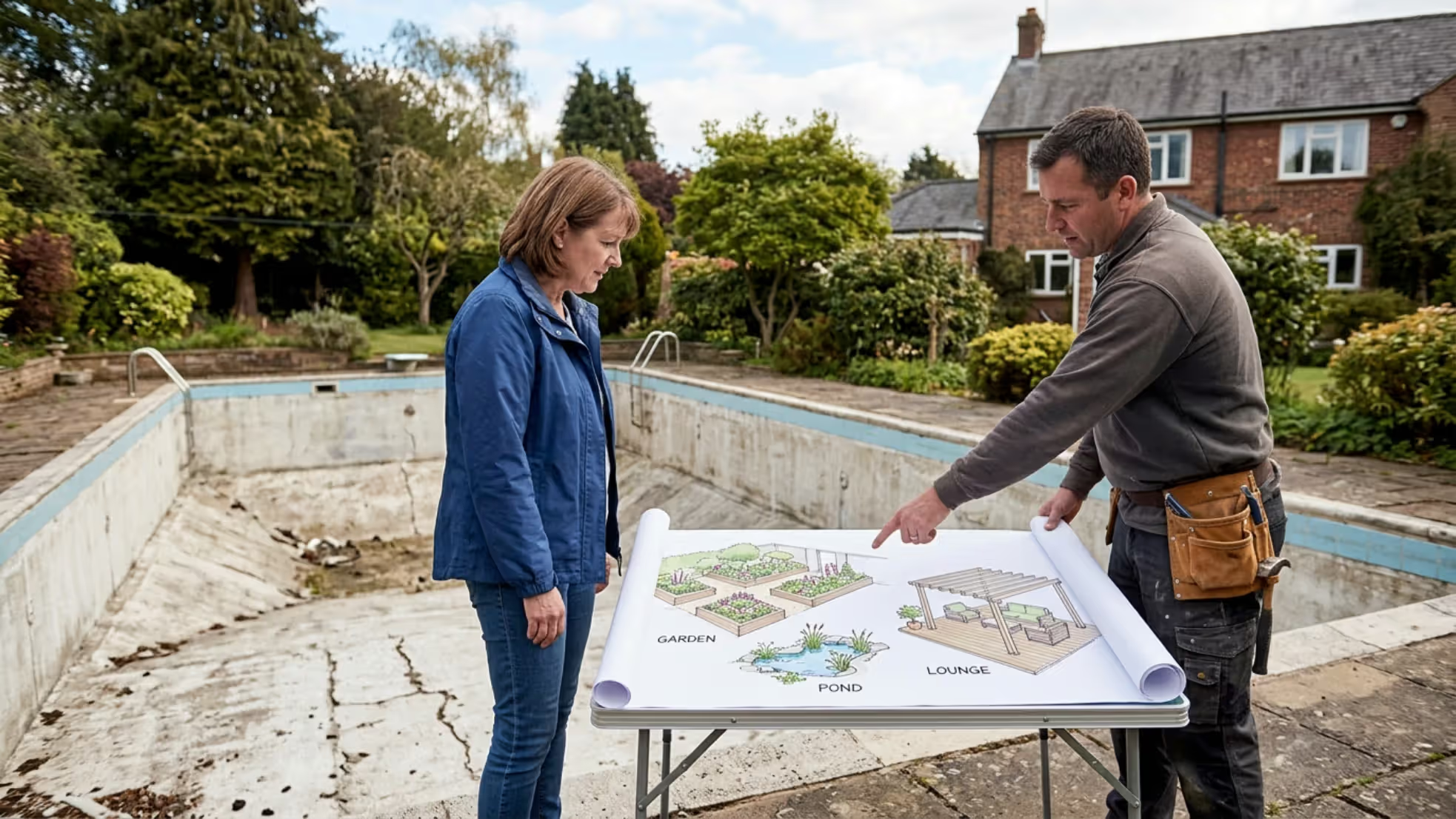
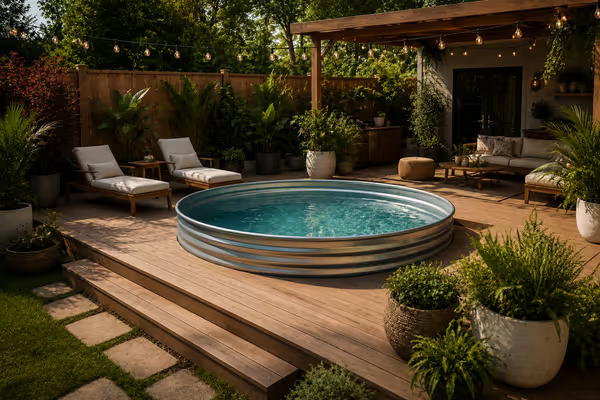
Tired of looking at that cracked, leaking inground pool taking up half your yard? You're not alone. Thousands of homeowners across the US are rethinking their relationship with aging pools that cost a fortune to maintain and rarely get used. But here's the thing: full removal isn't your only option. Converting that concrete crater into something functional—a garden, a pond, even a cozy sunken lounge—can save you money and transform your backyard into a space you'll actually use. And in many cases, a pool deck makeover can complement your conversion project, creating a cohesive outdoor living area that feels intentional and fresh.
Why Homeowners Choose Pool Conversion Over Removal
Full pool removal sounds straightforward until you see the estimate. Breaking up concrete, hauling debris, backfilling, compacting, grading—it adds up fast. Most complete removals run $8,000 to $20,000 depending on size and access. That's before you restore landscaping.
Conversion typically costs 30-60% less. You're working with the existing structure instead of fighting it. The pool shell becomes your foundation, not your enemy.
There's also the excavation factor. Full removal means heavy machinery tearing through your yard for days or weeks. Fences come down. Sprinkler lines get severed. That mature tree near the shallow end? It might not survive the process. Conversions preserve your yard's bones.
Sustainability matters to more homeowners now. Crushing and removing tons of concrete creates waste and burns fuel. Repurposing the structure in place? That's the greener choice. Some municipalities even offer incentives for water-conserving landscape conversions.
And here's something most contractors won't mention upfront: you can always change your mind later. Convert to a garden now, and if the next owner wants a pool, the shell's still there. Remove it completely, and that option's gone forever.
The pattern I see most often is homeowners who thought they wanted full removal but chose conversion after seeing the cost and disruption comparison. The alternatives to filling in an inground pool are more practical than most people realize.
Author: Sienna Calder;
Source: cribbslandscaping.com
Convert Your Pool Into a Garden or Raised Bed
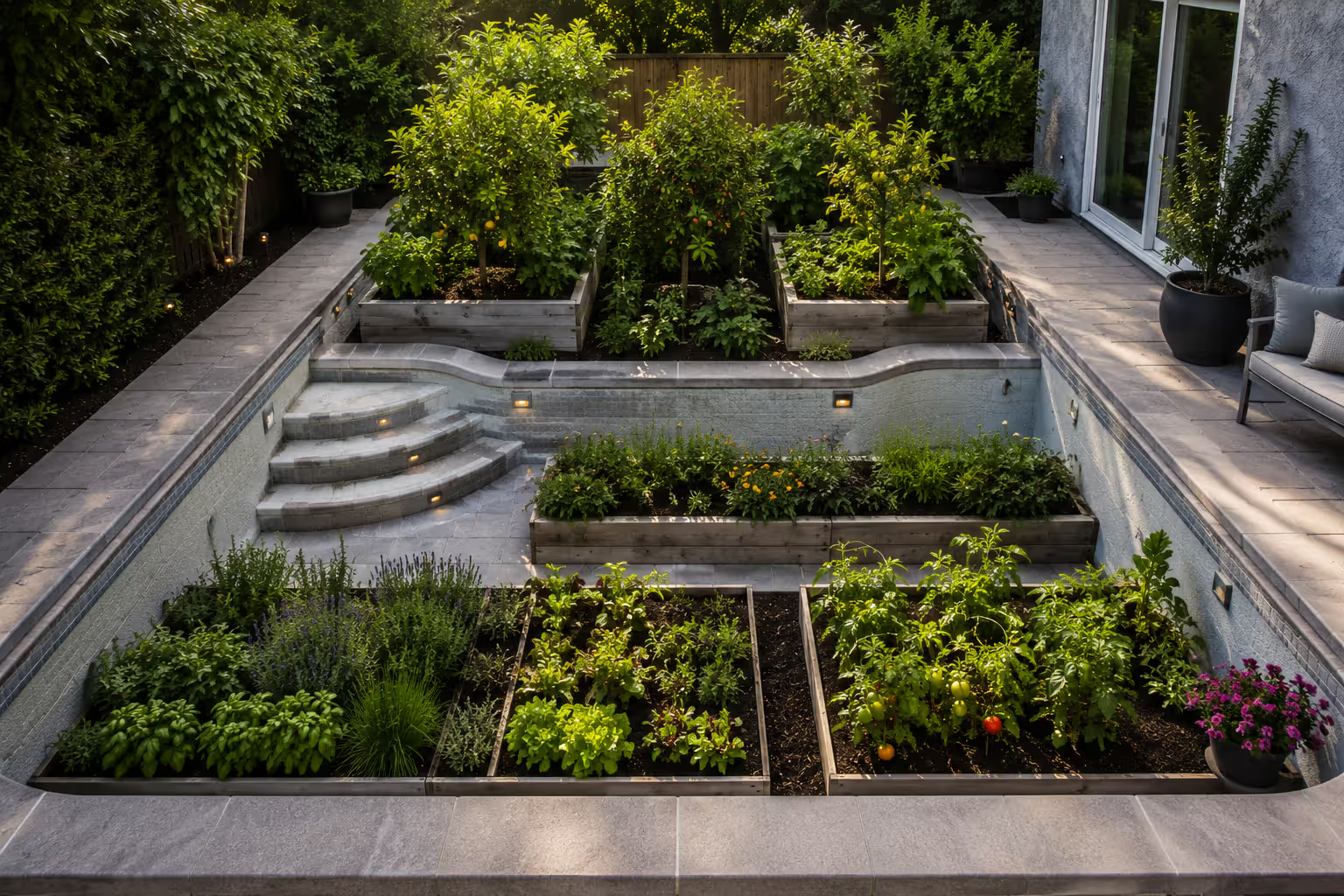
This is the most popular conversion by far. Your pool becomes a protected growing environment—wind-sheltered, with excellent drainage potential if you set it up right.
The basic process: clean the pool thoroughly, drill drainage holes in the bottom (every 3-4 feet), add a layer of gravel (6-12 inches), then fill with quality soil. The depth you need depends on what you're growing. Shallow-rooted plants like lettuce and herbs? Eighteen inches of soil works fine. Tomatoes and peppers want 24-30 inches. Deep-rooted crops or small trees need 36 inches minimum.
Don't fill the entire pool unless you're growing trees. Most people create raised beds at different levels using the pool's existing steps and benches. The shallow end gets 12-18 inches of soil for herbs and flowers. The deep end becomes a sunken patio or gets partially filled for larger plants.
Cost runs $2,000-$6,000 for a typical residential pool, mostly in soil and gravel. That's a fraction of removal costs.
One common mistake: using cheap fill dirt. It compacts and drains poorly. You want a blend of topsoil, compost, and sand or perlite. The extra cost pays off in year one.
Best Plants for a Converted Pool Garden
The microclimate matters here. Pools create a warm, sheltered environment. You can often grow things one zone warmer than your official USDA rating.
Excellent choices for pool gardens:
Dwarf fruit trees (citrus in mild climates, apples or peaches elsewhere)
Raised bed vegetables—tomatoes, peppers, squash, beans
Culinary herbs (basil, rosemary, thyme, oregano)
Ornamental grasses for texture and movement
Succulents and drought-tolerant plants if you want low maintenance
Berry bushes (blueberries love the depth and drainage)
Avoid plants with aggressive root systems near any remaining pool equipment or plumbing. Bamboo, willows, and some maples can cause problems.
Author: Sienna Calder;
Source: cribbslandscaping.com
Drainage and Soil Preparation Tips
This is where most DIY conversions fail. Without proper drainage, your garden becomes a swamp after heavy rain.
Drill holes through the pool bottom using a rotary hammer with a masonry bit. Space them 3-4 feet apart. If you hit rebar, move over a few inches. You need at least 20-30 holes for an average pool.
Some contractors recommend breaking up sections of the pool floor instead of just drilling. This works but requires more labor and equipment. Drilling is usually enough if you add sufficient gravel.
Your gravel layer does the heavy lifting. Use ¾-inch clean gravel (no fines). This creates air pockets and prevents soil from clogging your drainage holes. Six inches minimum, twelve inches better.
Top the gravel with landscape fabric to separate it from soil. Then add your growing medium.
If your yard has poor drainage or sits in a low spot, you might need to add perimeter drains or a French drain system. This adds $1,000-$3,000 but prevents flooding issues.
Pool to Pond Conversion: Creating a Natural Water Feature
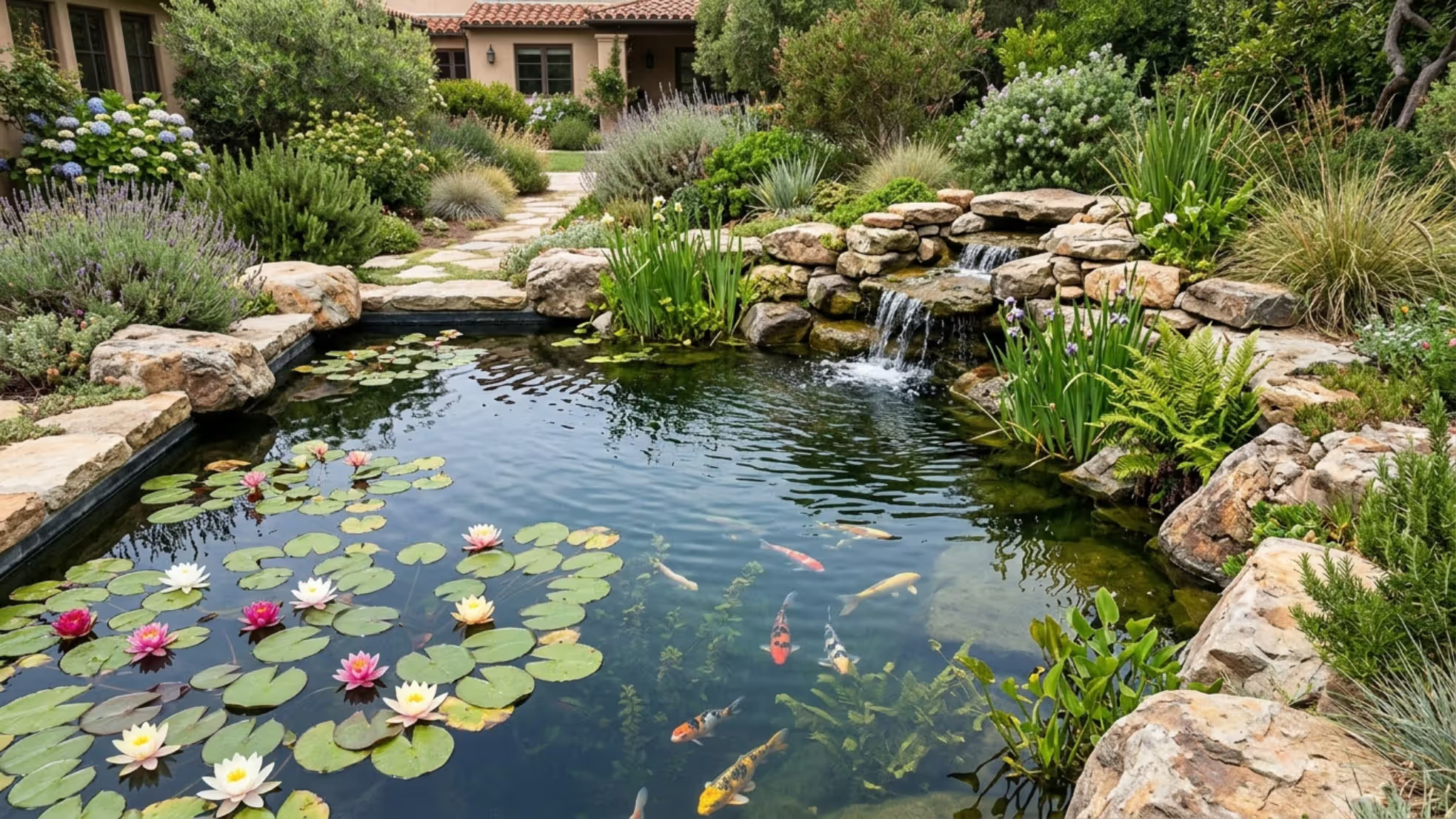
Want to keep water but ditch the chemicals and maintenance? A pond conversion gives you wildlife habitat, visual interest, and a fraction of the upkeep.
Start with a proper pond liner. Don't rely on the pool's waterproofing—it's designed for chlorinated water, not a natural ecosystem. EPDM rubber liners work best, typically running $0.50-$1.50 per square foot. For an average 15x30 pool, budget $1,500-$3,000 for liner and underlayment.
You'll need a filtration system, but nothing like pool equipment. A simple biological filter with a waterfall or fountain provides aeration and beneficial bacteria colonization. Budget $800-$2,500 depending on pond size.
Author: Sienna Calder;
Source: cribbslandscaping.com
Aquatic plants are non-negotiable. They oxygenate water, filter nutrients, and prevent algae blooms. Plan for:
Submerged oxygenators (anacharis, hornwort)
Floating plants (water lilies, lotus)
Marginal plants around edges (cattails, iris, pickerel weed)
Bog plants if you create shallow areas
Fish are optional but help control mosquitoes. Goldfish and koi are traditional choices. Stock conservatively—one fish per 100-200 gallons initially. They'll reproduce.
Total conversion cost: $5,000-$12,000 for a quality setup. Ongoing maintenance is minimal—mostly seasonal plant care and occasional filter cleaning.
One counterintuitive point: deeper pools actually work better as ponds. The depth provides thermal stability and better fish habitat. That 8-foot deep end everyone worried about? It's perfect for koi overwintering.
The most successful pool conversions I've designed share one trait: they embrace the pool's original architecture instead of fighting it. A sunken garden or pond feels intentional and luxurious because it uses depth as a design feature, not a problem to solve.
— Chen Michael
Downsizing to a Plunge Pool or Spa
Not ready to give up water entirely? Partial conversion creates a smaller, more manageable pool or spa.
The typical approach: fill the deep end with gravel and concrete, leaving the shallow end as a plunge pool. You end up with a 10x12 or 12x15 soaking pool instead of a 15x30 maintenance nightmare.
This costs $6,000-$15,000 depending on how much you're filling and what finishes you want. That's less than full removal but more than a garden conversion.
Benefits are real though. Plunge pools use 70-80% less water and chemicals. Heating costs drop proportionally. You can add jets for a spa experience. And you keep a water feature for property value.
Some homeowners create a hybrid: plunge pool in the shallow end, raised garden beds in the deep end. This gives you both water and growing space.
The simpler option usually wins here. If you're not sure you'll use even a small pool, skip the partial fill and go straight to a full conversion. Maintaining any pool requires commitment.
Other Creative Pool Transformation Ideas
Beyond gardens and ponds, creative homeowners have turned pools into:
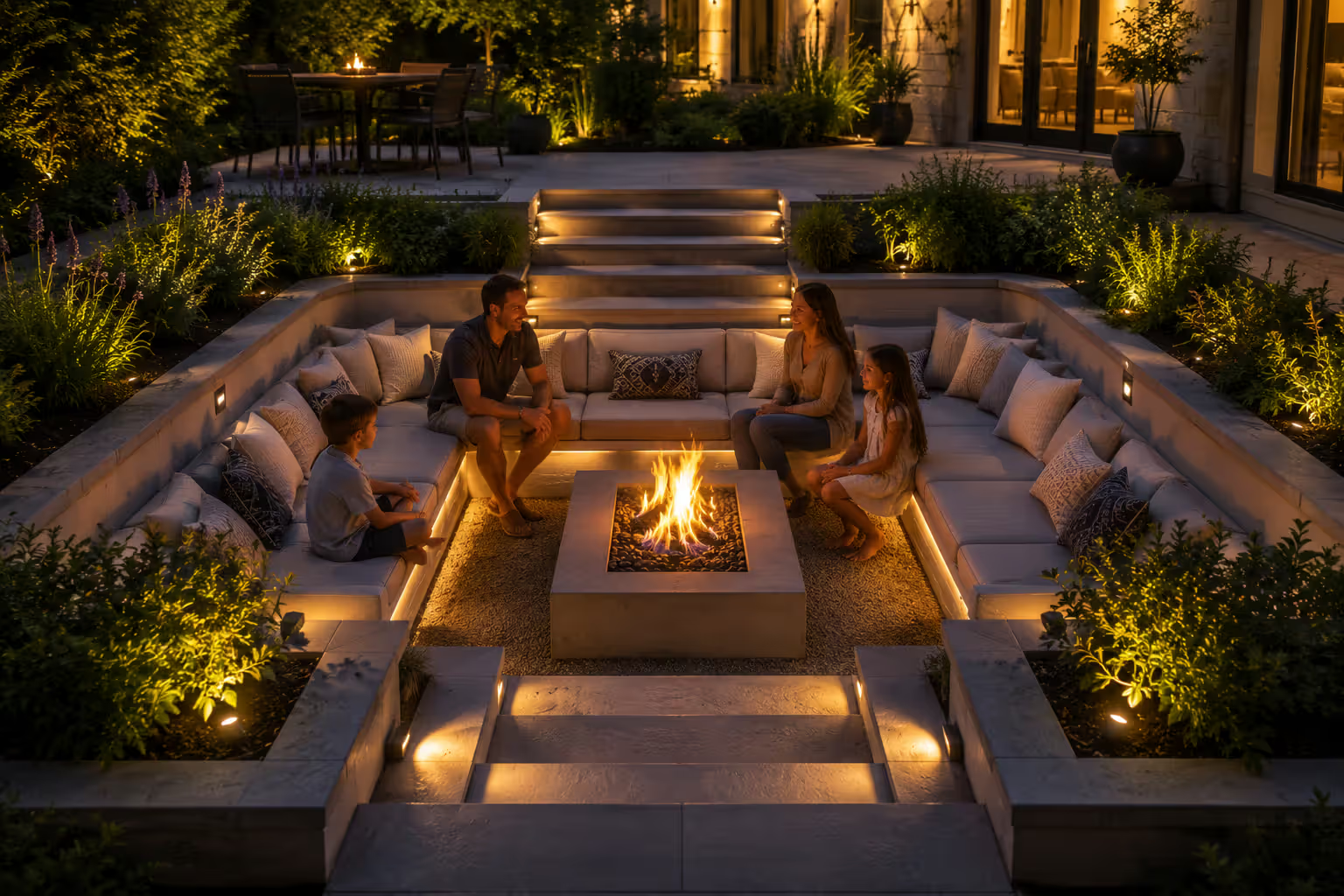
Sunken lounge or fire pit area: Keep the pool's shape but make it a conversation pit. Add built-in seating, weather-resistant cushions, and a central fire feature. Works beautifully for entertaining. Cost: $8,000-$20,000.
Covered greenhouse: Frame over the pool and add glazing. The depth provides excellent thermal mass for year-round growing. This is popular in colder climates. Cost: $15,000-$35,000.
Sport court: Fill and surface for basketball, pickleball, or tennis practice. The existing flat surface is ideal. Cost: $10,000-$25,000 depending on surfacing.
Skate bowl: For families with skaters, the pool's curves are already perfect. Add proper coping and a smooth surface. Cost: $5,000-$15,000. Check local liability rules first.
Storage or workshop: Build a deck over part or all of the pool, creating covered storage underneath. Unusual but practical for small lots. Cost: $8,000-$18,000.
Most of these niche conversions make sense only if they match your lifestyle. Don't build a skate bowl if nobody skates. But if the use case fits, you're repurposing existing structure instead of starting from scratch.
Author: Sienna Calder;
Source: cribbslandscaping.com
Cost Comparison: Conversion vs. Complete Pool Removal
Here's how different approaches stack up for a typical 15x30 inground pool:
Conversion Method
Estimated Cost
Time to Complete
Yard Disruption
Ongoing Maintenance
Resale Value Impact
Garden/Raised Beds
$2,000-$6,000
1-2 weeks
Low
Low (watering, weeding)
Neutral to positive
Pond Conversion
$5,000-$12,000
2-3 weeks
Low
Low (seasonal plant care)
Positive (unique feature)
Plunge Pool/Spa
$6,000-$15,000
2-4 weeks
Moderate
Moderate (reduced from full pool)
Positive
Full Removal (partial)
$5,000-$10,000
1-2 weeks
High
None
Neutral
Full Removal (complete)
$10,000-$20,000
2-4 weeks
Very high
None
Neutral to negative
Complete removal means breaking up all concrete and hauling it away. Partial removal leaves the bottom intact and fills over it—cheaper but potentially problematic for future construction.
The fill in inground pool options vary significantly by region. Labor costs in coastal California or the Northeast run 40-60% higher than Midwest or Southern markets.
One thing the table doesn't capture: opportunity cost. That $15,000 you don't spend on removal could fund a complete backyard renovation—new patio, landscaping, outdoor kitchen. The conversion itself becomes part of a larger transformation.
Permits, Drainage, and Safety Considerations
Most municipalities require permits for pool conversion or removal. Requirements vary wildly by location.
Typical permit needs:
Demolition permit (if breaking concrete)
Grading and drainage permit
Electrical permit (if removing pool equipment)
Building permit (for structures like greenhouses or decks)
Costs range from $200 to $2,000 depending on jurisdiction and project scope. Some areas don't require permits for simple garden conversions. Others treat any pool modification as major work.
Call your local building department before starting. Working without permits can create problems when you sell. Some title companies flag unpermitted pool work during closing.
Drainage is your biggest technical challenge. A filled pool that doesn't drain properly can:
Flood your yard and neighbors' properties
Undermine foundations
Create mosquito breeding habitat
Cause frost heaving in cold climates
Professional grading and drainage design costs $500-$2,000 but prevents expensive fixes later.
Safety considerations depend on your conversion type. A partially filled pool creates fall hazards until finished. Fence the area during construction. Some jurisdictions require you to maintain pool fencing until conversion is complete and inspected.
Liability shifts once you convert. Your homeowner's insurance needs to know about the change. A pond or sunken garden has different risk profiles than a pool. Update your policy to avoid coverage gaps.
If you're keeping any water feature, check local fence and barrier requirements. Many areas apply pool safety laws to any water deeper than 18-24 inches.
FAQ: Pool Conversion Questions Answered
Can I convert my inground pool without removing it completely?
Absolutely. Most conversions leave the pool shell intact and repurpose it. Garden conversions use the structure as a giant raised bed. Pond conversions line it for a water feature. Partial fills create plunge pools or sunken lounges. Complete removal is rarely necessary unless the shell is severely damaged or you need the space for construction. Working with the existing structure typically costs 30-60% less than full removal and causes far less disruption to your yard.
How much does it cost to convert a pool into a garden?
Expect to pay $2,000-$6,000 for a typical residential pool garden conversion. This covers drilling drainage holes, adding gravel base layers, landscape fabric, and quality soil. Costs vary based on pool size, soil depth needed, and whether you're doing the work yourself or hiring contractors. The deep end of your pool requires more fill material, which increases costs. Adding irrigation, raised bed frames, or extensive plantings pushes the budget higher. This is still significantly cheaper than the $10,000-$20,000 you'd spend on complete pool removal.
Do I need a permit to fill in or convert my pool?
In most US jurisdictions, yes. Requirements vary widely by location, but most building departments want to review drainage plans, ensure proper backfill methods, and verify electrical disconnection if you're removing pool equipment. Permit costs typically run $200-$2,000. Some areas treat simple garden conversions as minor work requiring only a basic permit, while others classify any pool modification as major construction. Always check with your local building department before starting. Unpermitted work can create title issues when you sell and may violate homeowner's insurance requirements.
What is the easiest inground pool conversion?
Garden conversion is typically the simplest and most affordable option. The basic process—drill drainage holes, add gravel, fill with soil, plant—doesn't require specialized equipment or expertise beyond the initial drilling. You can DIY much of the work if you're comfortable with physical labor. Pond conversions require more technical knowledge about filtration and ecosystem balance. Plunge pool conversions involve concrete work and plumbing modifications. Sunken lounges need construction skills. For most homeowners wanting a straightforward, budget-friendly transformation, converting the pool to raised garden beds wins on ease and cost.
Will converting my pool affect my home's resale value?
It depends on your market and the conversion quality. In areas where pools are desirable (warm climates, luxury markets), removing or converting a pool might slightly decrease value for buyers specifically seeking a pool. But in most US markets, aging pools are neutral or negative features—they signal expense and maintenance to buyers. A well-executed garden, pond, or outdoor living space often appeals to more buyers than a deteriorating pool. The key is quality execution. A professionally designed conversion that enhances your yard's functionality typically maintains or improves value. A poorly done fill job with drainage problems does the opposite.
How do I prevent drainage problems after filling in a pool?
Proper drainage requires three elements: exit points for water, a permeable base layer, and correct grading. Start by drilling numerous holes through the pool bottom (every 3-4 feet) so water can escape into the ground below. Add 6-12 inches of clean gravel as your base layer—this creates drainage channels and prevents soil from clogging your holes. If your yard has poor natural drainage, you may need to install perimeter drains or French drains around the former pool area. Finally, grade the finished surface so water flows away from structures. Many drainage failures happen because homeowners skip the gravel layer or don't drill enough holes. When in doubt, hire a drainage specialist to review your plan before you start filling.
Your unused pool doesn't have to be an expensive eyesore or a demolition project. The right conversion turns that liability into a backyard feature you'll actually enjoy—whether that's a productive garden, a tranquil pond, or a cozy gathering space.
Start by honestly assessing your needs. What's missing from your outdoor space? More growing area for vegetables? A low-maintenance landscape? A unique water feature? Let function drive your decision.
Get multiple quotes if you're hiring contractors. Prices vary significantly, and some contractors specialize in specific conversion types. A landscaper might excel at garden conversions but lack experience with pond ecosystems. Match the professional to your project.
Don't rush the planning phase. A few extra weeks researching drainage solutions, permit requirements, and design options prevents expensive mistakes. Talk to neighbors who've done similar projects. Check local Facebook groups or neighborhood forums for contractor recommendations and cautionary tales.
Budget for contingencies. Old pools hide surprises—cracked shells, buried equipment, unexpected plumbing. Add 15-20% to your estimated costs as a buffer.
The best part? You're not just solving a problem. You're creating something new that fits your life now, not the previous owner's vision from decades ago. That's worth more than any cost savings.
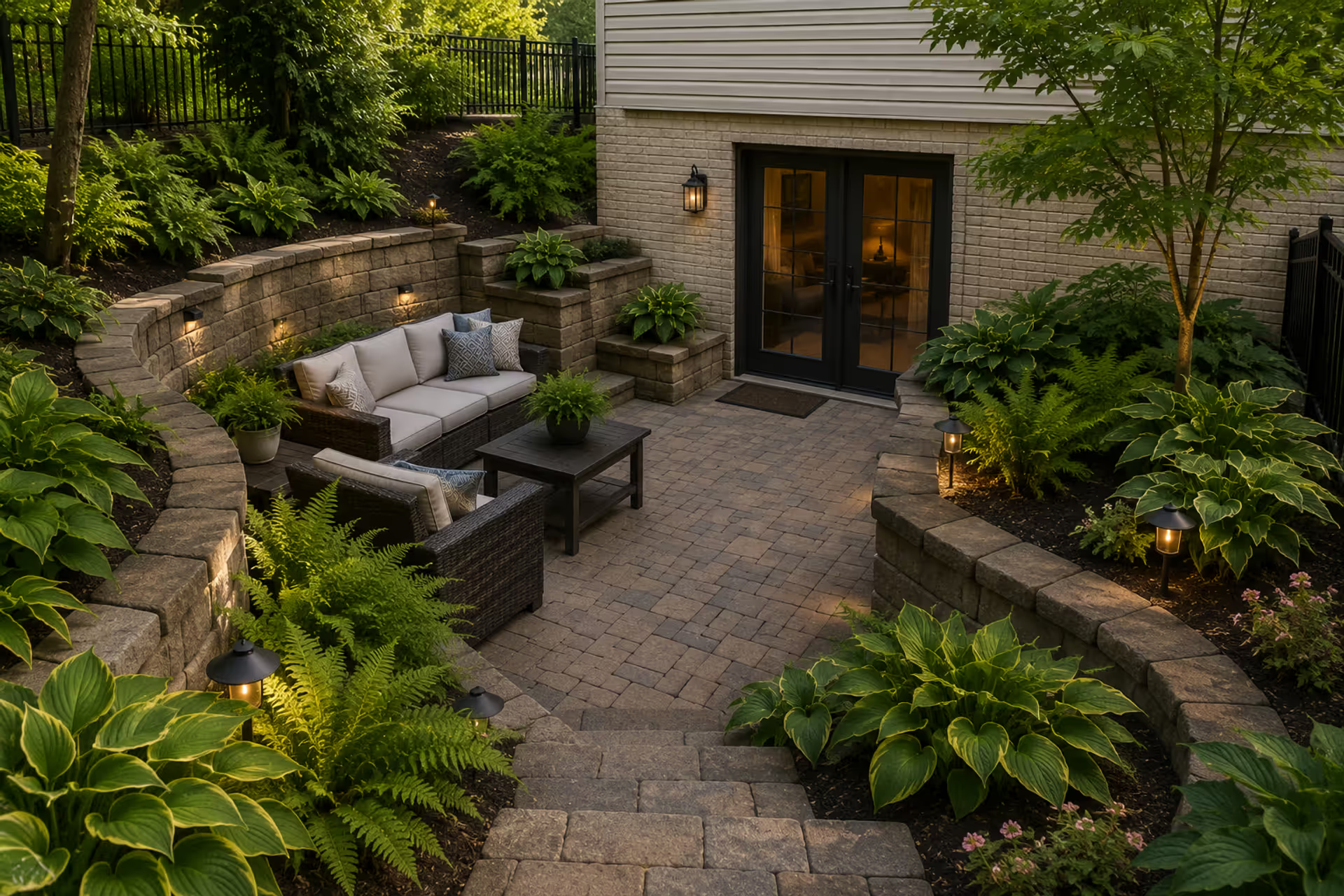
Discover practical exterior walkout basement ideas including patio layouts, landscaping solutions, and drainage strategies. Learn how to turn your below-grade outdoor space into a functional, attractive area with expert tips on materials, plantings, and design.
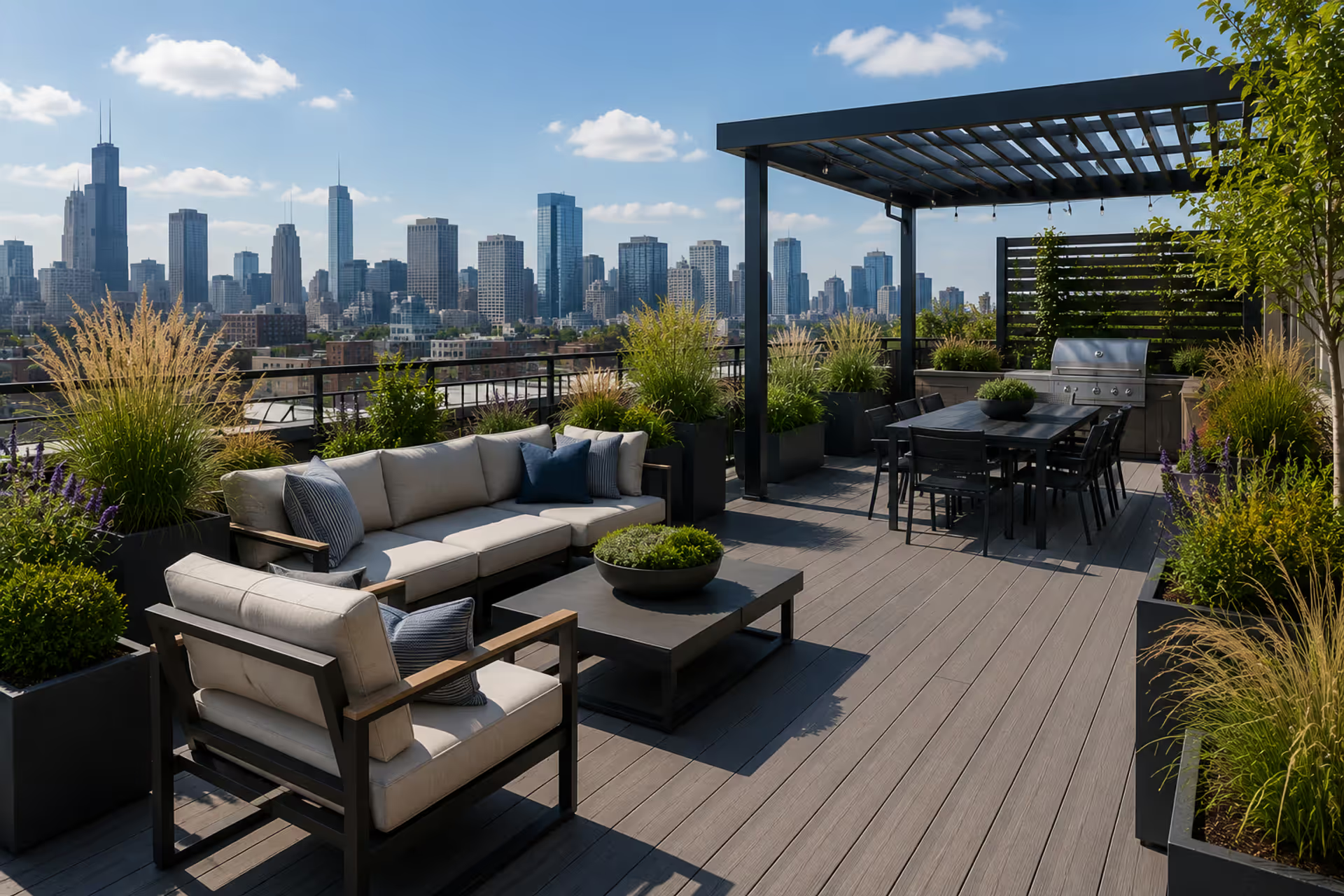
Transform your rooftop into a functional outdoor living space. Learn about structural requirements, weight limits, flooring options, wind-resistant furniture, container gardening, and design layouts for rooftops of all sizes.
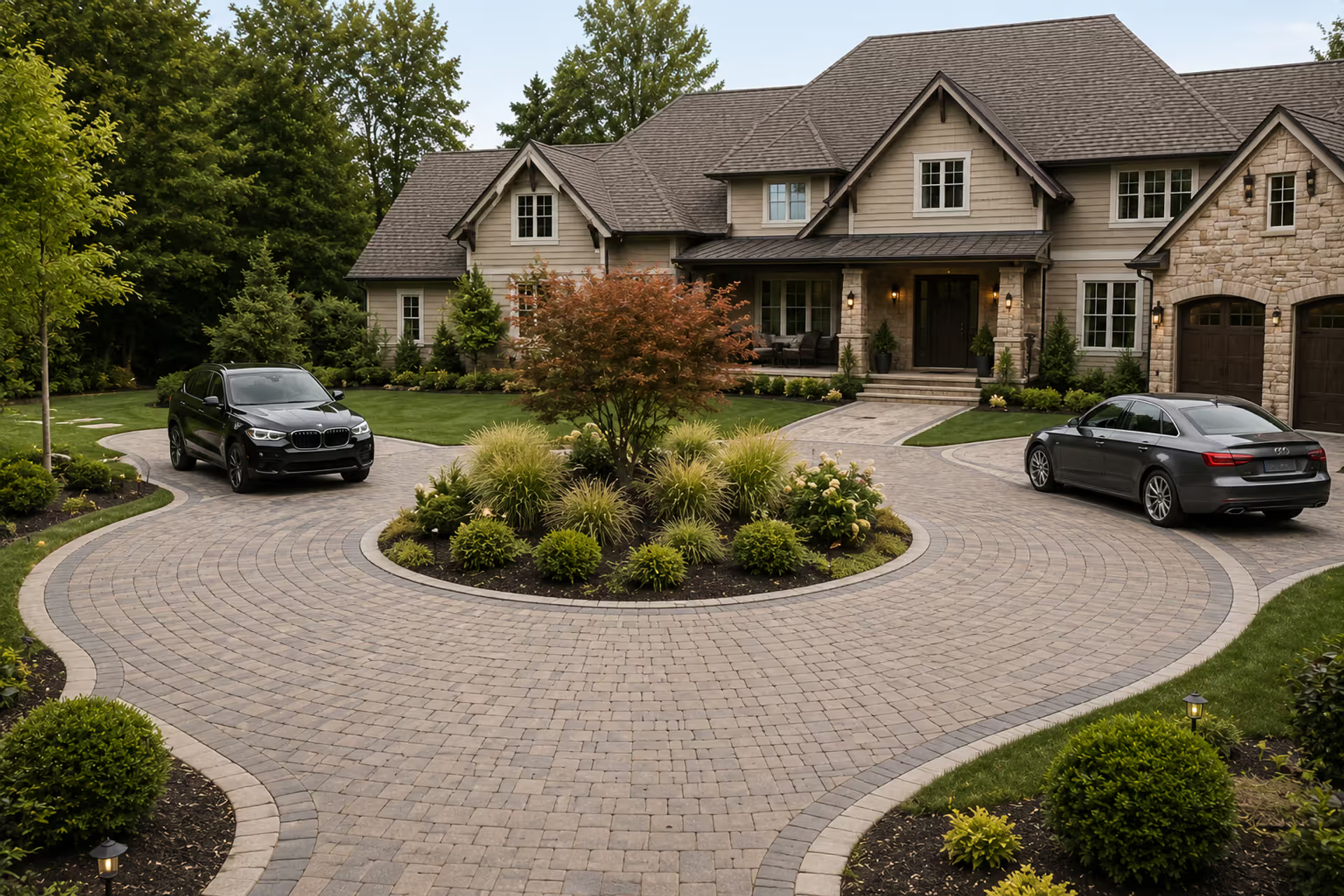
Discover how to fit a functional half circle driveway into a compact front yard. This guide covers layout planning, material selection, landscaping strategies, common mistakes to avoid, and realistic cost estimates for creating an attractive semicircular driveway that improves traffic flow and curb appeal.
Discover practical stock tank pool deck ideas for small backyards. Learn how to build DIY decking, choose materials, add landscaping, and create privacy screens around your galvanized tank pool with expert installation tips and budget-friendly designs.
The content on this website is provided for general informational and educational purposes only. It is intended to explain concepts related to landscape design, outdoor spaces, plants, irrigation, hardscape and softscape, and sustainable landscaping.
All information on this website, including articles, guides, and examples, is presented for general educational purposes. Outcomes may vary depending on local climate, soil, plant selection, and project implementation.
This website does not provide professional design, construction, or horticultural advice, and the information presented should not be used as a substitute for consultation with qualified landscape architects, contractors, or horticulturists.
The website and its authors are not responsible for any errors or omissions, or for any outcomes resulting from decisions made based on the information provided on this website.