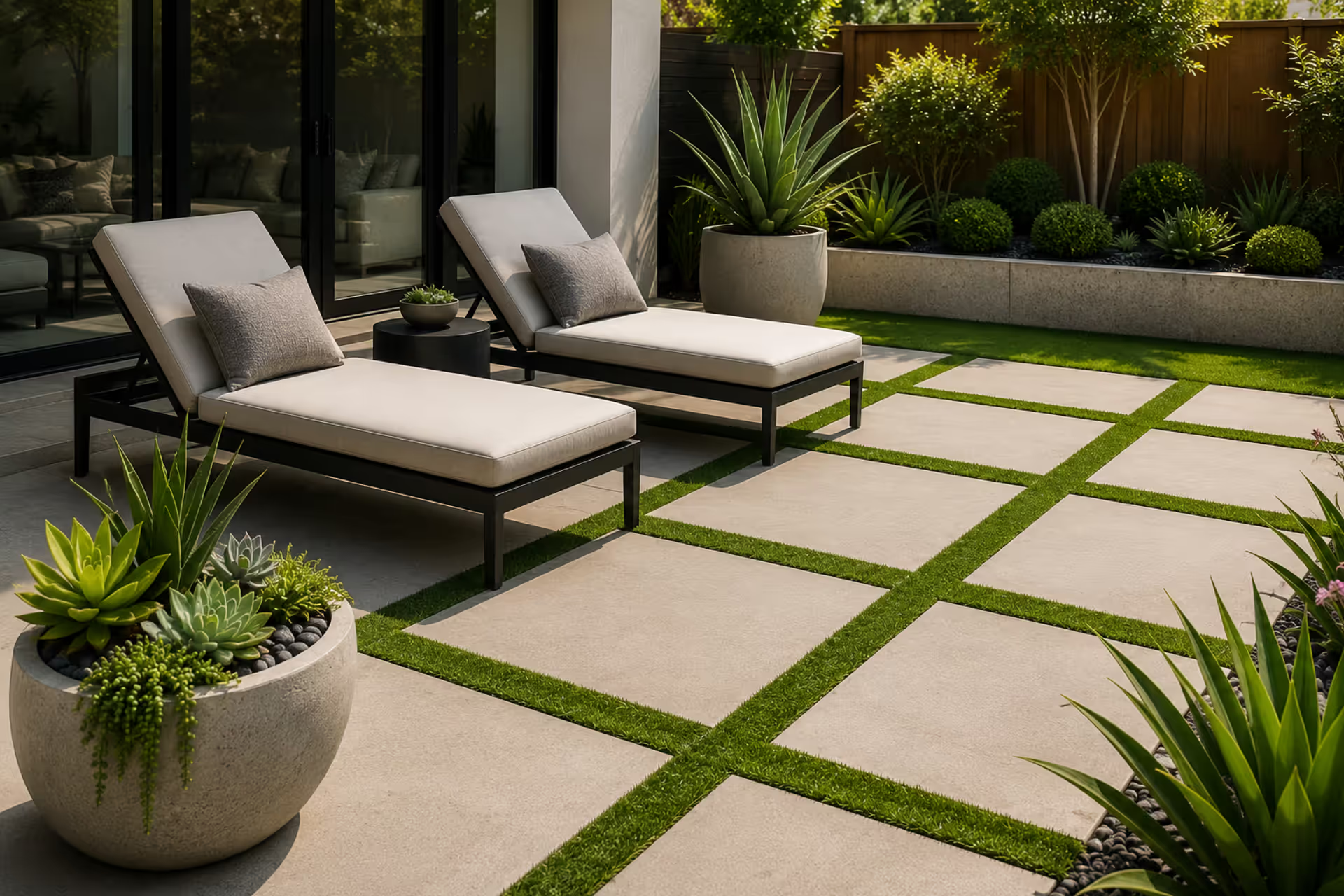
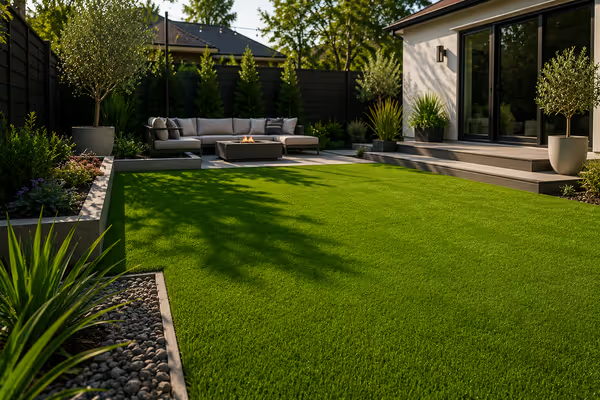
Creating a beautiful outdoor space doesn't mean you have to choose between the clean lines of pavers and the softness of greenery. Mixing turf and hardscape gives you both—structured pathways with natural texture woven right in. Whether you're refreshing a tired patio or designing a brand-new walkway, adding grass between pavers creates visual interest while solving practical problems like drainage and heat buildup. The technique works with real grass or artificial turf, and you'll find it's more achievable than most homeowners expect.
Why Use Grass Between Pavers Instead of Traditional Fillers
Traditional paver fillers—sand, polymeric sand, gravel—do their job. They lock pavers in place and fill gaps. But they don't do much else.
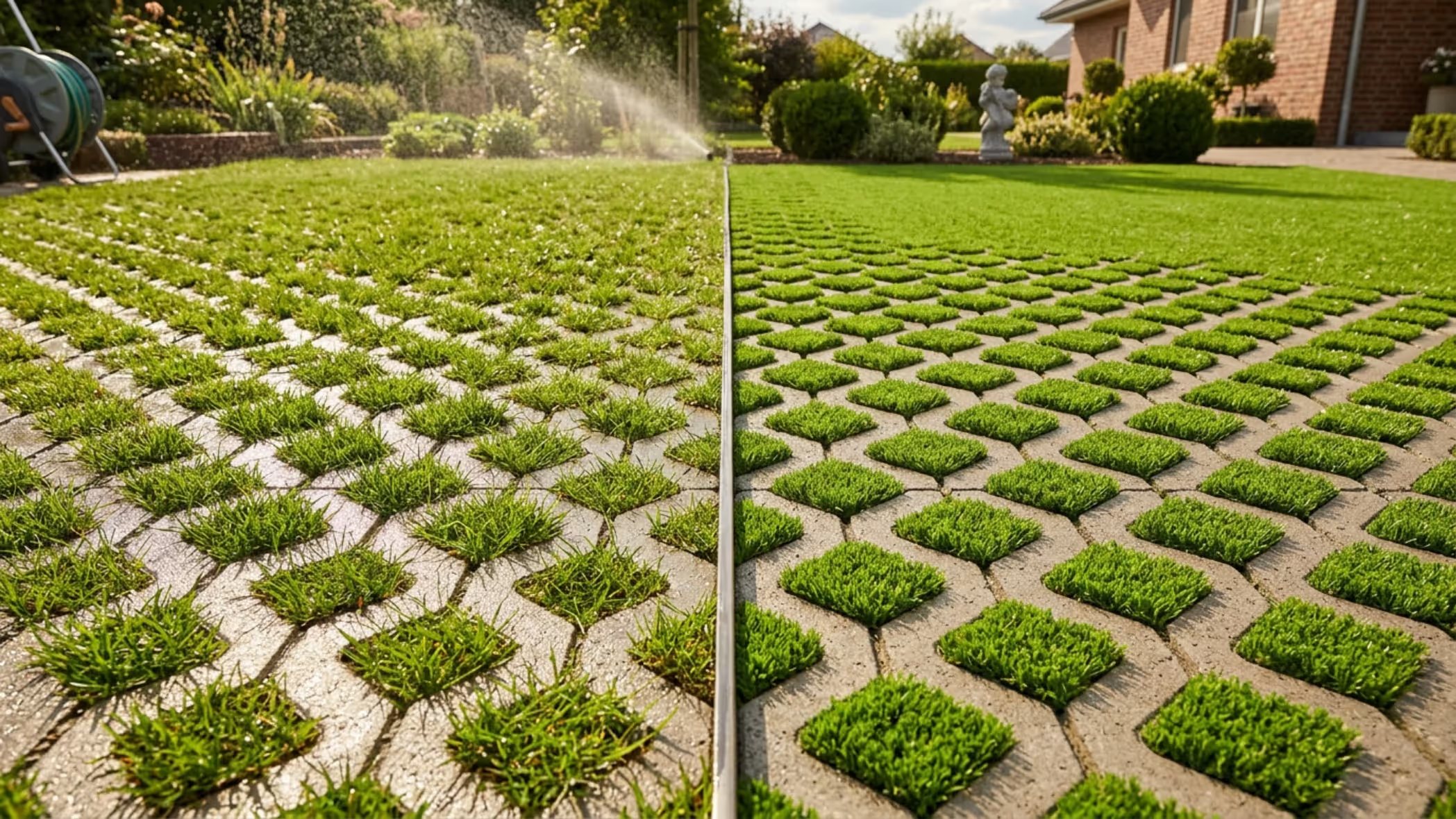
Ground cover between pavers changes the game entirely. The green softens hard surfaces and makes patios feel less industrial. You get better stormwater absorption compared to solid sand joints. On hot summer days, grass stays cooler than stone, reducing the heat island effect that makes some patios unbearable in July.
Pavers with grass filler also solve erosion issues. Sand washes out during heavy rain. Grass roots hold soil in place.
The environmental angle matters too. Permeable surfaces help recharge groundwater instead of sending every drop into storm drains. You're essentially creating mini rain gardens between each paver.
When should you skip grass fillers? High-traffic commercial areas need the durability of polymeric sand. Shaded spots under dense trees won't support most grass varieties—moss or shade-tolerant ground covers work better there. And if you're installing pavers over a concrete base, you won't have the soil depth needed for living plants.
But for residential patios, garden paths, and pool decks? The grass-and-paver combination usually wins on both looks and function.
Artificial Turf vs. Living Grass for Paver Gaps
The debate between fake grass between pavers and living options comes down to your priorities and patience.
Living grass needs water, occasional fertilizing, and mowing if it grows tall enough. In turf paver gaps, you're working with small areas that dry out faster than a lawn. Hot climates make this challenging. Cold-winter regions need grass varieties that survive freeze-thaw cycles.
Author: Sienna Calder;
Source: cribbslandscaping.com
Artificial turf eliminates the watering schedule. It looks green year-round, handles foot traffic without going dormant, and never needs mowing. Installation takes more upfront effort—you'll cut each piece to fit—but maintenance drops to almost nothing afterward.
Cost tells an interesting story. Living grass seeds or plugs cost pennies per square foot. Artificial turf runs $5 to $15 per square foot for quality products. Over ten years, though, water bills and maintenance time shift the calculation. The pattern I see most often is homeowners choosing artificial in drought-prone areas and living grass where rain is reliable.
Climate suitability matters more than most people realize. Artificial turf in Phoenix stays cooler than pavers but still gets hot—up to 120°F on extreme days. Living grass there requires constant irrigation. In Seattle, living ground covers thrive with minimal help while artificial turf feels unnecessary.
Feature
Artificial Turf
Living Grass
Initial cost
$5–15 per sq ft
$0.50–2 per sq ft
Maintenance needs
Occasional rinsing, brushing
Watering, occasional trimming
Water requirements
None
Regular (varies by climate)
Lifespan
10–15 years
Indefinite with care
Climate suitability
All climates (heat concerns)
Depends on variety chosen
Appearance
Consistent green year-round
Seasonal variation, natural texture
Installation difficulty
Moderate (precise cutting needed)
Easy (seeds/plugs) to moderate (sod)
Best Artificial Turf Products for Paver Installation
Not all artificial turf works between pavers. You need products designed for infill applications, not full lawn replacement.
Look for turf with a pile height between 1 and 1.5 inches. Taller grass looks odd in narrow gaps and makes pavers feel unstable underfoot. Shorter pile (0.5 to 1 inch) works for tight joints under half an inch wide.
Backing matters more than most realize. Polyurethane backing drains better than latex and won't crack in freeze-thaw cycles. Perforated backing is non-negotiable—without drainage holes, water pools between pavers.
Face weight around 50 to 60 ounces gives you durability without excessive stiffness. You're cutting this material to fit irregular gaps, so overly dense turf becomes difficult to work with.
Pet-friendly options use antimicrobial infill and extra drainage capacity. If dogs will be using the space, spend the extra $2 per square foot for turf rated for pet areas.
Living Ground Cover Options That Work Between Pavers
Real grass isn't your only living paver filler option. Several ground covers outperform traditional turf in paver gaps.
Creeping thyme handles foot traffic beautifully and releases fragrance when stepped on. It needs full sun and tolerates drought once established. Purple flowers appear in late spring.
Irish moss (Sagina subulata) creates a dense, bright green carpet in partial shade. It's not actually moss—it's a flowering plant that stays under two inches tall. Works in zones 4 through 8.
Blue star creeper spreads quickly and produces tiny blue flowers. Partial shade to full sun. Stays green in mild winters.
For actual grass, fine fescue varieties work best in narrow gaps. They tolerate shade better than Kentucky bluegrass and need less water. Seeding works fine, but sod cut into strips gives instant results.
Microclover is gaining popularity. It stays green without much water, fixes nitrogen in the soil, and handles moderate foot traffic. The small leaf size fits the scale of paver gaps better than standard clover.
Design Ideas for Grass and Paver Combinations
Grass and paver patio design offers more creative flexibility than you'd think. The spacing and pattern you choose completely changes the final look.
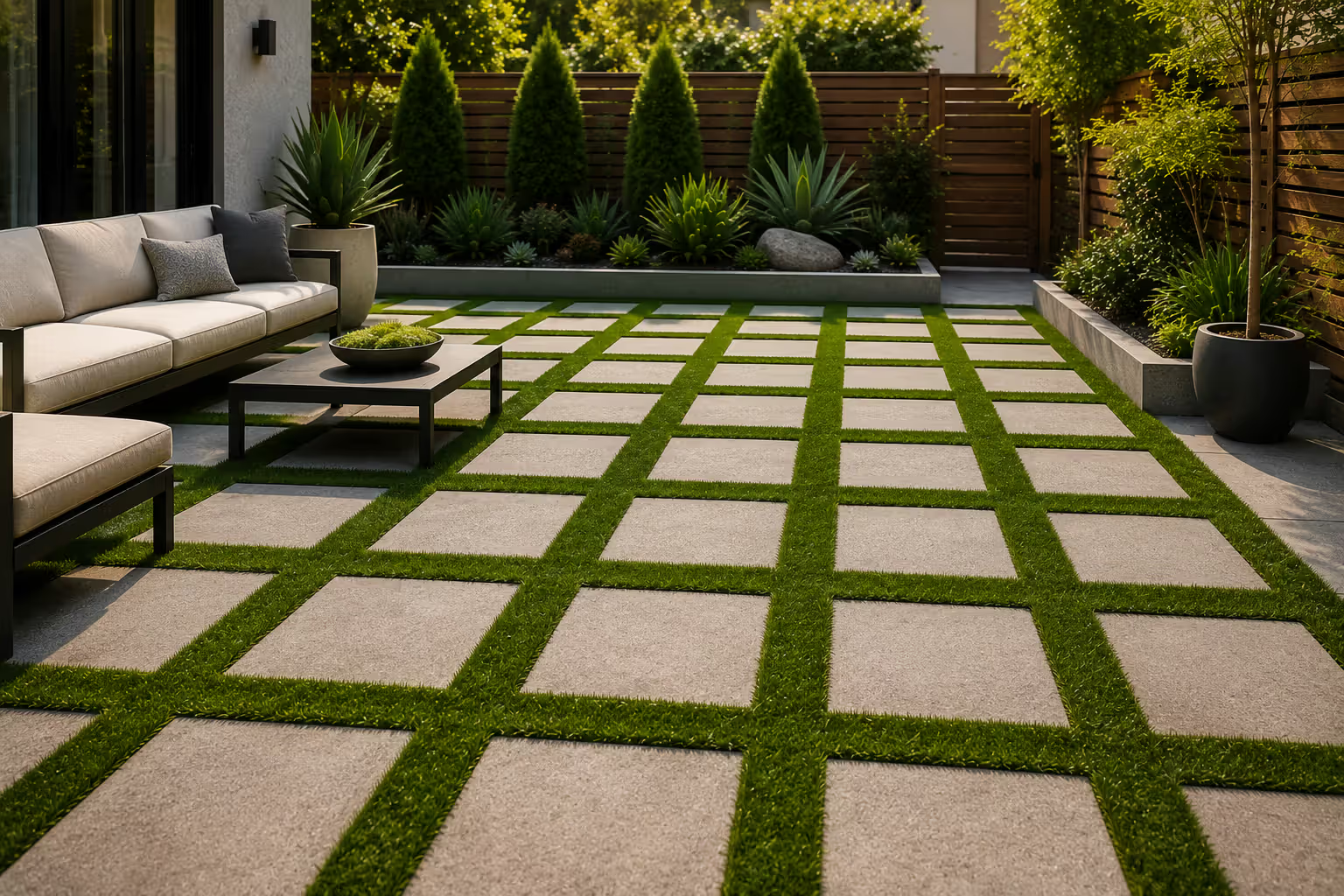
Checkerboard layouts alternate pavers and grass squares. This works best with 12-inch or larger pavers. Space them 2 to 4 inches apart and fill with turf. The result feels modern and geometric.
Grass strip between stepping stones creates a softer, more natural pathway. Set pavers 4 to 8 inches apart—close enough for comfortable walking but wide enough to showcase the greenery. This approach uses less hardscape material, cutting costs while increasing permeability.
The most successful turf-paver installations balance structure with softness. I recommend keeping paver coverage at 60 to 70 percent of the surface—enough to define the space without overwhelming the natural elements. The grass should feel intentional, not accidental.
— Mitchell Sarah
Geometric turf paver design takes inspiration from modern architecture. Think parallel lines of pavers running through turf fields, or radiating patterns that draw the eye to a focal point like a fire pit or fountain. These designs work best in larger spaces where the pattern has room to develop.
For a more organic feel, use irregularly shaped flagstones with grass filling the spaces between. This mimics natural stone outcroppings and suits cottage gardens or rustic landscapes.
Spacing recommendations depend on your goal. Gaps under 1 inch work for joint stabilization but won't showcase grass effectively. Gaps between 2 and 4 inches let you appreciate the turf texture while maintaining a paver-dominant look. Spacing over 6 inches shifts the balance—now you have a lawn with stepping stones rather than a patio with grass accents.
Consider the walking path. People naturally step in the center of pavers. If your spacing forces awkward strides, the design fails no matter how beautiful it looks in plan view.
Author: Sienna Calder;
Source: cribbslandscaping.com
How to Install Artificial Turf Between Pavers Step-by-Step
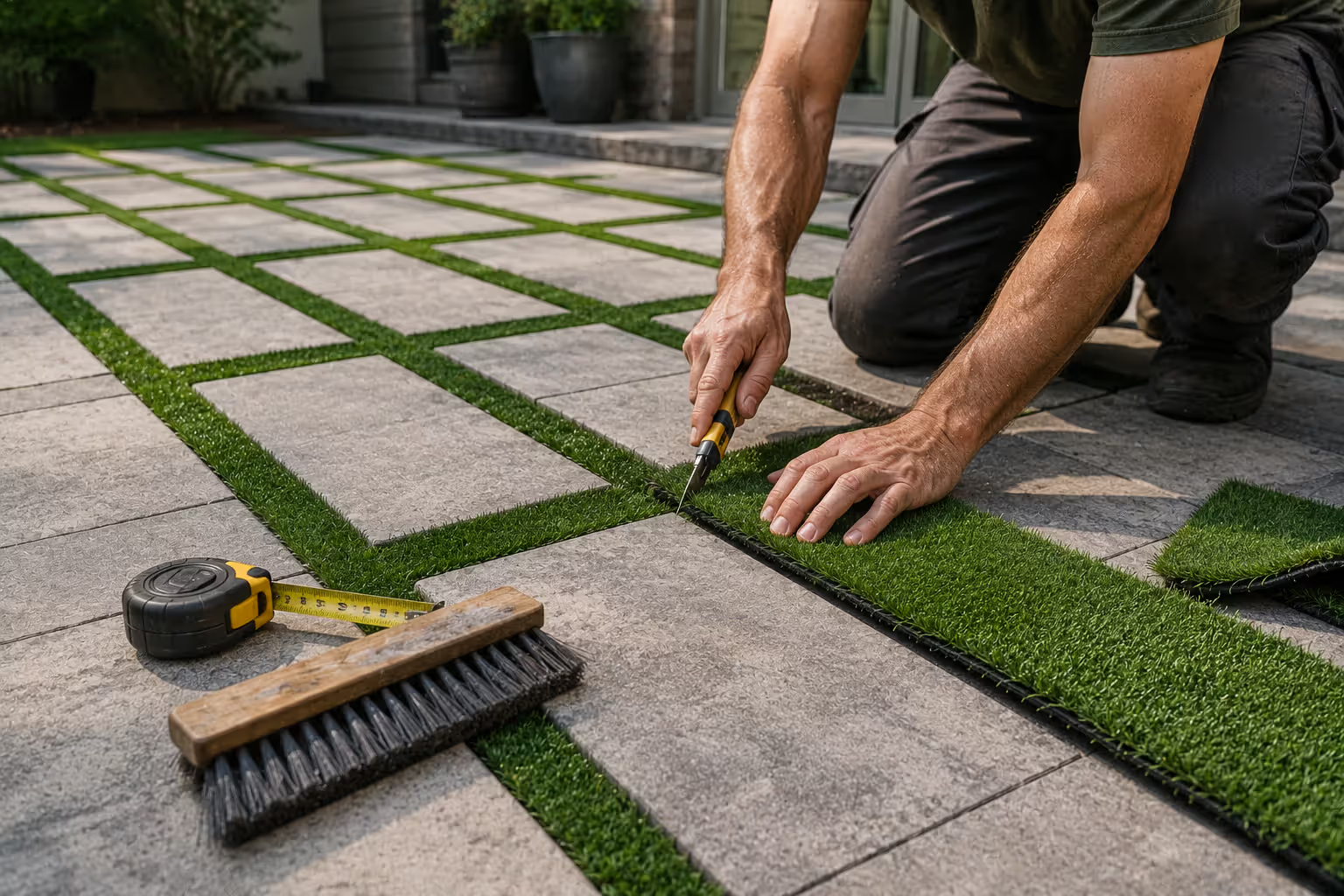
Artificial turf pavers installation requires precision but not expert-level skills. You'll need a few specialized tools and patience for the cutting process.
Step 1: Measure and plan your gaps. Walk the space and note which gaps will receive turf. Not every joint needs grass—sometimes a mix of turf and traditional filler creates better visual rhythm.
Step 2: Prepare the base. Remove existing filler material down to 2 to 3 inches below the paver surface. You need depth for base material and turf backing. Use a shop vacuum or pressure washer to clear debris.
Step 3: Add base material. Install a layer of decomposed granite or crushed rock. Compact it firmly. This layer provides drainage and prevents settling. Top with a thin layer of coarse sand for leveling.
Step 4: Cut turf to fit. Lay your artificial grass inset pavers face-up and trace the gap dimensions onto the backing. Cut with a sharp utility knife, working from the backing side. Cut conservatively—you can trim more but can't add material back.
Small gaps require cutting strips. For geometric patterns with larger openings, cut full pieces.
Step 5: Test fit before securing. Drop each piece into place. It should sit flush with or slightly below the paver surface. Turf that rises above pavers creates a tripping hazard and looks unfinished.
Step 6: Secure the turf. In most residential installations, the pavers hold the turf in place through friction and weight. For gaps wider than 4 inches, use landscape adhesive around the edges or install small galvanized nails through the turf backing into the base. Don't nail through the grass fibers—work from the backing side.
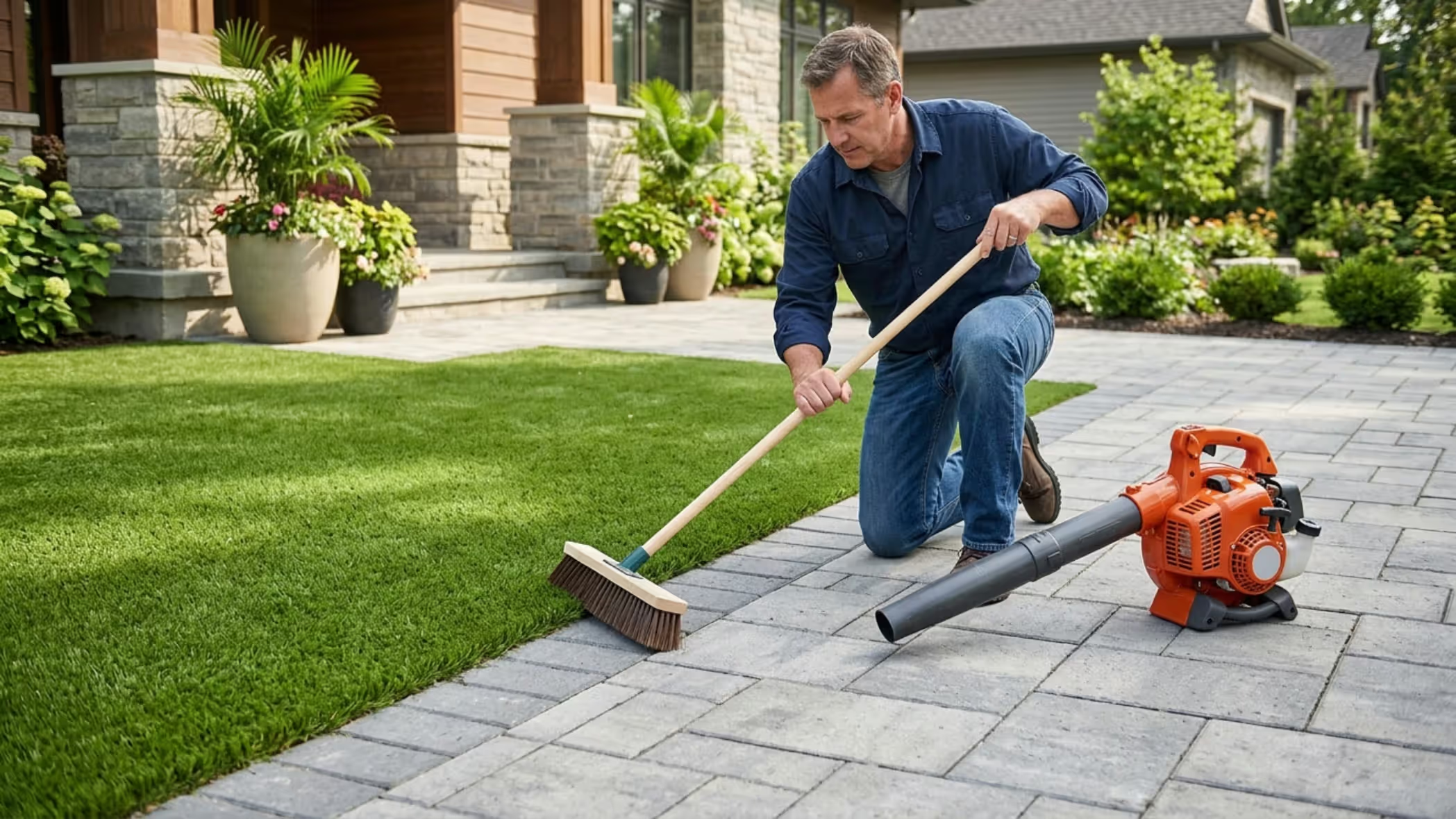
Step 7: Add infill if needed. Some installers skip infill in narrow gaps. For wider sections, a light layer of silica sand helps blades stand upright. Brush it in with a stiff broom, then spray lightly with water to settle.
Step 8: Trim and detail. After installation, check for stray fibers and trim with scissors. Brush the grass against the grain to lift the blades.
The whole process for a typical 200-square-foot patio takes a weekend if you're working alone. Professional installation cuts that to a day but adds $500 to $1,200 in labor costs.
Author: Sienna Calder;
Source: cribbslandscaping.com
Common Mistakes When Adding Turf to Paver Gaps
Even experienced DIYers make predictable errors with turf paver gaps. Knowing these ahead of time saves you from expensive do-overs.
Inadequate drainage planning. Artificial turf needs water to drain through, not around. If your base is compacted clay or you've installed pavers over concrete, water pools in the turf sections. Always install a permeable base layer and confirm drainage before final installation.
Wrong turf thickness. Turf that's too thick for your gap depth sticks up above the pavers. You can't compress quality turf—the backing is rigid. Measure your depth carefully and buy turf with appropriate pile height and backing thickness.
Ignoring the grain direction. Artificial grass has a grain like carpet. If you install adjacent pieces with different grain directions, they'll reflect light differently and look patched. Always orient the grain consistently, typically toward the main viewing angle.
Skipping edge preparation. Rough paver edges snag turf fibers during installation. Run your hand along each edge before installing turf. If you feel sharp spots, knock them down with a rubbing stone or file.
Spacing pavers too far apart. Gaps wider than 6 inches start to feel unstable underfoot, especially for elderly visitors or kids. The paver-to-grass ratio tips too far toward grass, and you lose the structured feel that makes the design work.
Using the wrong adhesive. If you're gluing turf, use products rated for outdoor use with UV resistance. Standard construction adhesive breaks down in sunlight and releases the turf within a year.
Maintenance Requirements for Turf-Filled Pavers
Fake grass between pavers needs less maintenance than living options, but it's not zero-maintenance.
For artificial turf: Rinse the grass monthly to remove dust and pollen. In high-traffic areas or homes with pets, increase this to weekly. Use a stiff broom to brush fibers upright every few months—foot traffic matts them down over time.
Check for weed growth around edges twice a year. Weeds occasionally sprout where turf meets pavers if organic debris accumulates. A quick hand-pull or spot treatment with vinegar-based herbicide handles this.
Inspect infill levels annually. If you used sand infill, it may wash out gradually. Top it off as needed to keep blades standing.
For living paver filler: Water requirements depend on your climate and plant choice. Most ground covers need deep watering once or twice weekly until established, then less frequently. Grass in narrow gaps dries faster than open lawn, so monitor soil moisture.
Trim growth as needed. Creeping thyme rarely needs cutting. Grass varieties may require edging where they spread onto paver surfaces. A string trimmer with a guide works well for this.
Fertilize sparingly. The small soil volume between pavers doesn't need much. One light application of slow-release fertilizer in spring typically suffices.
Author: Sienna Calder;
Source: cribbslandscaping.com
Weed control matters more with living fillers. Hand-pulling works for small areas. For larger installations, pre-emergent herbicides in early spring prevent most annual weeds without harming established ground covers.
Both options benefit from occasional paver cleaning. Sweep or blow debris off regularly so it doesn't accumulate in the grass. Power washing pavers once a year keeps everything looking fresh—just avoid directing high pressure at the turf itself.
Cost Factors for Turf and Paver Projects
Budget planning for artificial turf pavers installation or living grass projects involves several variables beyond material costs.
Material costs for a 200-square-foot patio with 30% turf coverage (60 square feet of grass):
Artificial turf: $300 to $900 for turf, plus $50 to $100 for base materials and adhesive
Living grass seed: $10 to $30 for seed, plus $50 to $100 for soil amendments and base prep
Living grass sod: $60 to $120 for sod, plus $50 to $100 for base prep
Ground cover plugs (thyme, clover, etc.): $100 to $200 for plugs, plus $50 to $100 for base prep
Labor costs vary widely by region. Professional installation of artificial turf between existing pavers runs $3 to $8 per square foot of turf area. For our 60-square-foot example, that's $180 to $480 in labor. Installing both pavers and turf together costs $15 to $30 per square foot for the entire project.
DIY installation eliminates labor costs but requires tool rental or purchase. A plate compactor rental costs $50 to $80 per day. You'll need a utility knife, straight edge, tape measure, and broom—tools most homeowners already own.
Long-term maintenance expenses shift the equation. Artificial turf costs almost nothing to maintain—maybe $20 annually for cleaning supplies. Living grass adds water costs (varies by region but typically $5 to $15 monthly during growing season) and occasional reseeding or plug replacement ($20 to $50 every few years).
ROI considerations: Neither option dramatically increases home value, but both improve curb appeal and usability. The simpler option usually wins here. If you're planning to sell within five years, living grass makes sense—lower upfront cost and buyers appreciate the natural approach. If you're staying long-term in a dry climate, artificial turf's water savings and reduced maintenance pay back the higher initial investment.
One cost people forget: mistakes. Buying the wrong turf thickness or inadequate base materials means doing it twice. Budget an extra 10% for contingencies if you're DIYing.
FAQ: Turf Between Pavers Questions Answered
How wide should gaps be between pavers for turf?
The ideal gap width ranges from 2 to 4 inches for showcasing turf while maintaining paver stability. Gaps under 1 inch work for thin artificial turf but don't provide enough visual impact. Spacing over 6 inches shifts the design balance too far toward grass and can feel unstable underfoot. For stepping stone paths, you can go wider—4 to 8 inches—since the pavers serve as individual stepping points rather than a continuous surface.
Can you install artificial turf between existing pavers?
Yes, and it's actually easier than installing pavers and turf together from scratch. Remove the existing filler material (sand, gravel, or polymeric sand) down to 2 to 3 inches below the paver surface. Clean out all debris, add a compacted base layer, then cut and fit your turf pieces. The existing pavers provide clean edges to work against, making the cutting process more straightforward. Most existing patio retrofits take a weekend for an average-sized space.
Does fake grass between pavers drain properly?
Quality artificial turf with perforated backing drains better than solid sand joints. Water passes through the turf backing into the base layer below, then percolates into the soil. The key is proper base preparation—you need a permeable layer of crushed rock or decomposed granite, not compacted clay or concrete. Drainage rates for good artificial turf exceed 30 inches per hour, which handles even heavy rainstorms without pooling.
What type of base do you need under turf-filled pavers?
A two-layer system works best. Start with 2 to 3 inches of crushed rock or decomposed granite as your drainage layer. Compact this firmly with a plate compactor. Top with a thin layer (half-inch to 1 inch) of coarse sand for leveling and final adjustments. This combination provides drainage, prevents settling, and gives you a stable surface for turf installation. Skip the landscape fabric—it interferes with drainage and isn't necessary when you're working in defined paver gaps.
How long does artificial turf last between pavers?
Quality artificial turf in paver gaps typically lasts 10 to 15 years with proper maintenance. This actually exceeds the lifespan of turf in full-lawn applications because the pavers protect edges from the heavy wear that causes most artificial grass failures. UV exposure remains the main degradation factor—sun gradually fades colors and weakens backing materials. Products with UV inhibitors built into the fibers last longer, especially in southern climates with intense sun exposure.
Will weeds grow through artificial turf in paver gaps?
Weeds occasionally appear around the edges where turf meets pavers, but they rarely grow through quality turf backing. The synthetic backing blocks light and creates an inhospitable environment for germination. Edge weeds usually sprout from seeds blown in and lodged in small gaps, not from roots pushing through. A quick hand-pull twice a year handles this. For prevention, install turf over a clean, weed-free base and keep organic debris from accumulating in the gaps.
Combining turf and pavers gives you the best of both worlds—the structure of hardscape with the softness of greenery woven through. The technique works in any climate if you choose appropriate materials and prepare the base correctly.
Start small if you're uncertain. A garden path or small patio section lets you test the concept without committing to your entire outdoor space. You'll quickly learn what gap widths feel right and whether artificial or living grass suits your maintenance style.
The installation process isn't complicated, but it rewards careful planning. Measure twice, cut once applies here more than most projects. And don't rush the base preparation—that layer determines whether your turf stays level and drains properly for years to come.
The result transforms ordinary hardscape into something more dynamic. Your patio becomes a conversation piece instead of just a place to set furniture. And every time you step outside, you'll appreciate the texture and visual interest that simple grass between pavers provides.
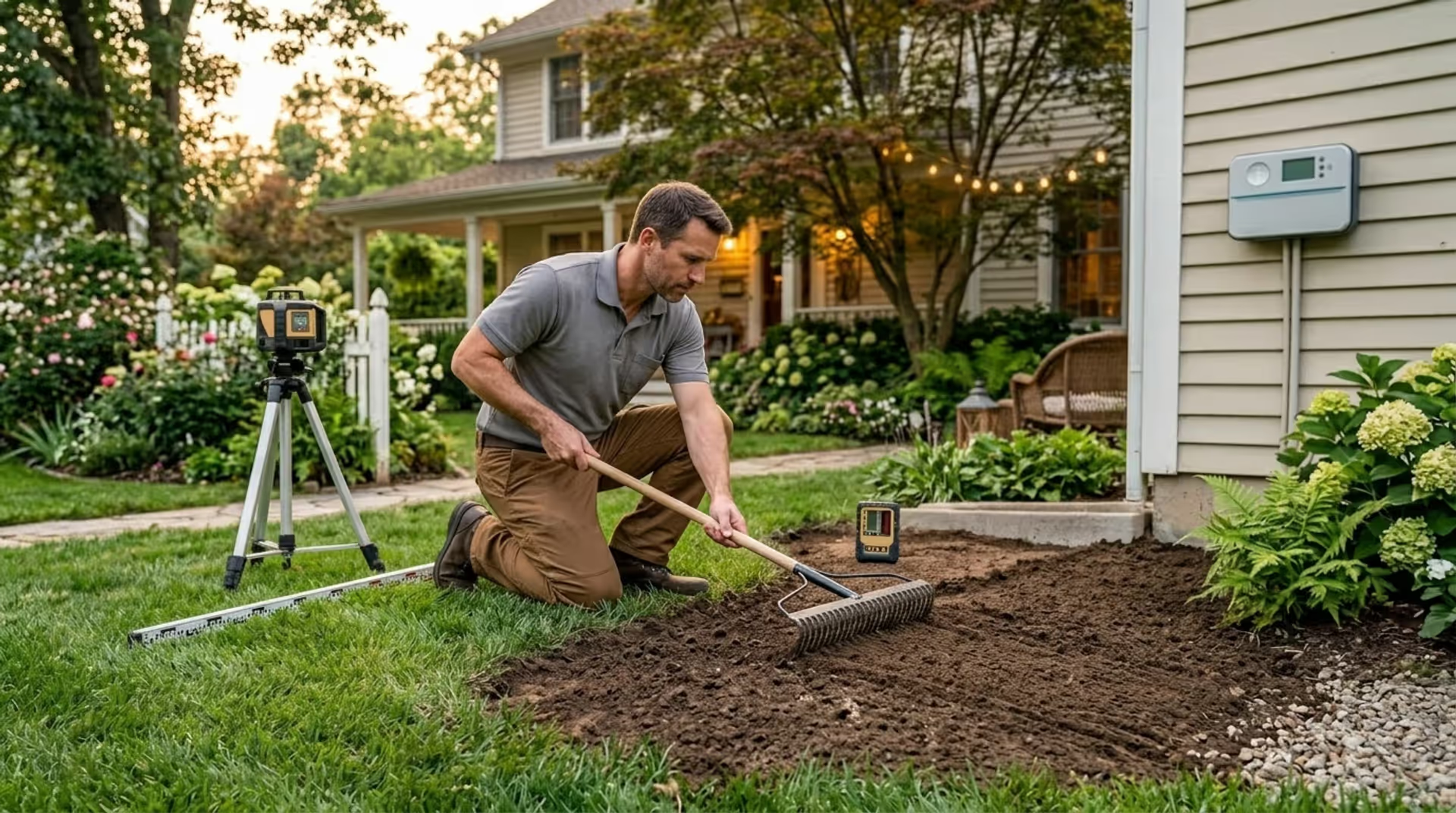
Proper drainage starts with the ground itself. When water pools around your foundation or turns your backyard into a swamp after every rain, you're looking at a grading problem. Learn how to shape your landscape to move water away from structures and create a yard that actually works.
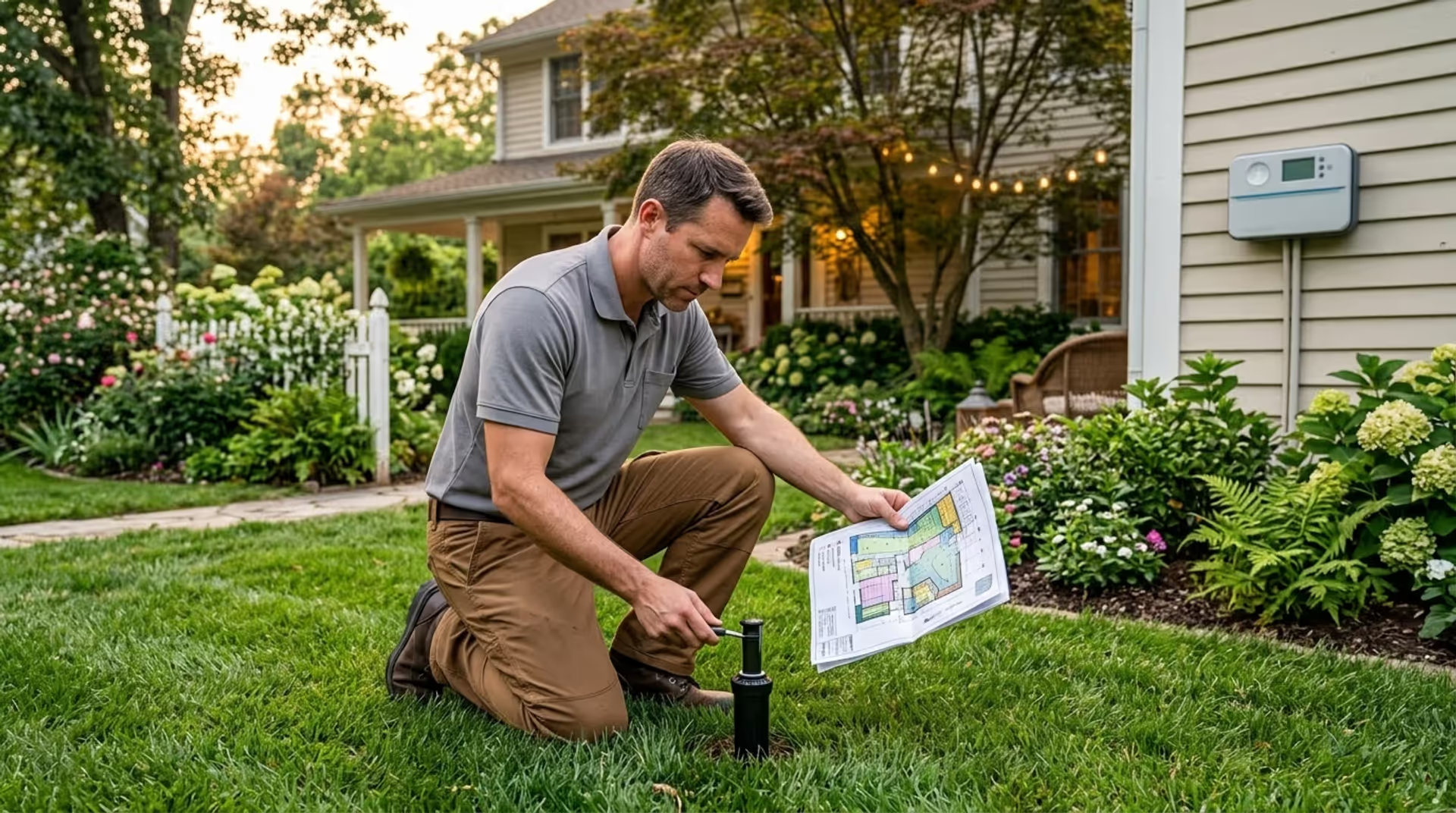
Discover how irrigation specialists design efficient watering systems, when professional help makes sense, and what to expect from installation. Includes system comparison, cost factors, and expert hiring tips for homeowners.
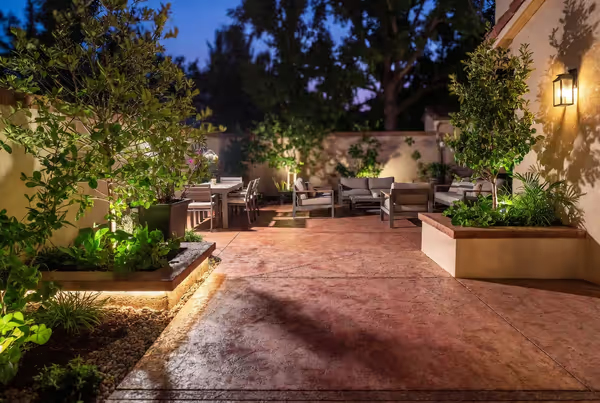
Discover creative concrete patio designs from stamped and textured finishes to polished surfaces and geometric layouts. Learn which concrete finish works best for your climate, budget, and style with detailed comparisons of durability, maintenance, and costs.
Discover how to select the best artificial grass for backyard spaces with our comprehensive guide. Learn what makes turf high-quality, compare leading products, and find the perfect match for your climate, pets, and usage. Expert insights on durability, drainage, realistic appearance, and common mistakes to avoid.
The content on this website is provided for general informational and educational purposes only. It is intended to explain concepts related to landscape design, outdoor spaces, plants, irrigation, hardscape and softscape, and sustainable landscaping.
All information on this website, including articles, guides, and examples, is presented for general educational purposes. Outcomes may vary depending on local climate, soil, plant selection, and project implementation.
This website does not provide professional design, construction, or horticultural advice, and the information presented should not be used as a substitute for consultation with qualified landscape architects, contractors, or horticulturists.
The website and its authors are not responsible for any errors or omissions, or for any outcomes resulting from decisions made based on the information provided on this website.