Choosing the right shade tree can make or break your landscape design. Cedar elm stands out as a tough, adaptable native that thrives where other trees struggle. But it's not perfect for every situation. You'll want to weigh its impressive drought tolerance and low-maintenance nature against potential root issues and seasonal mess. This guide breaks down what you really need to know before planting one in your yard.
What Makes Cedar Elm Trees Unique
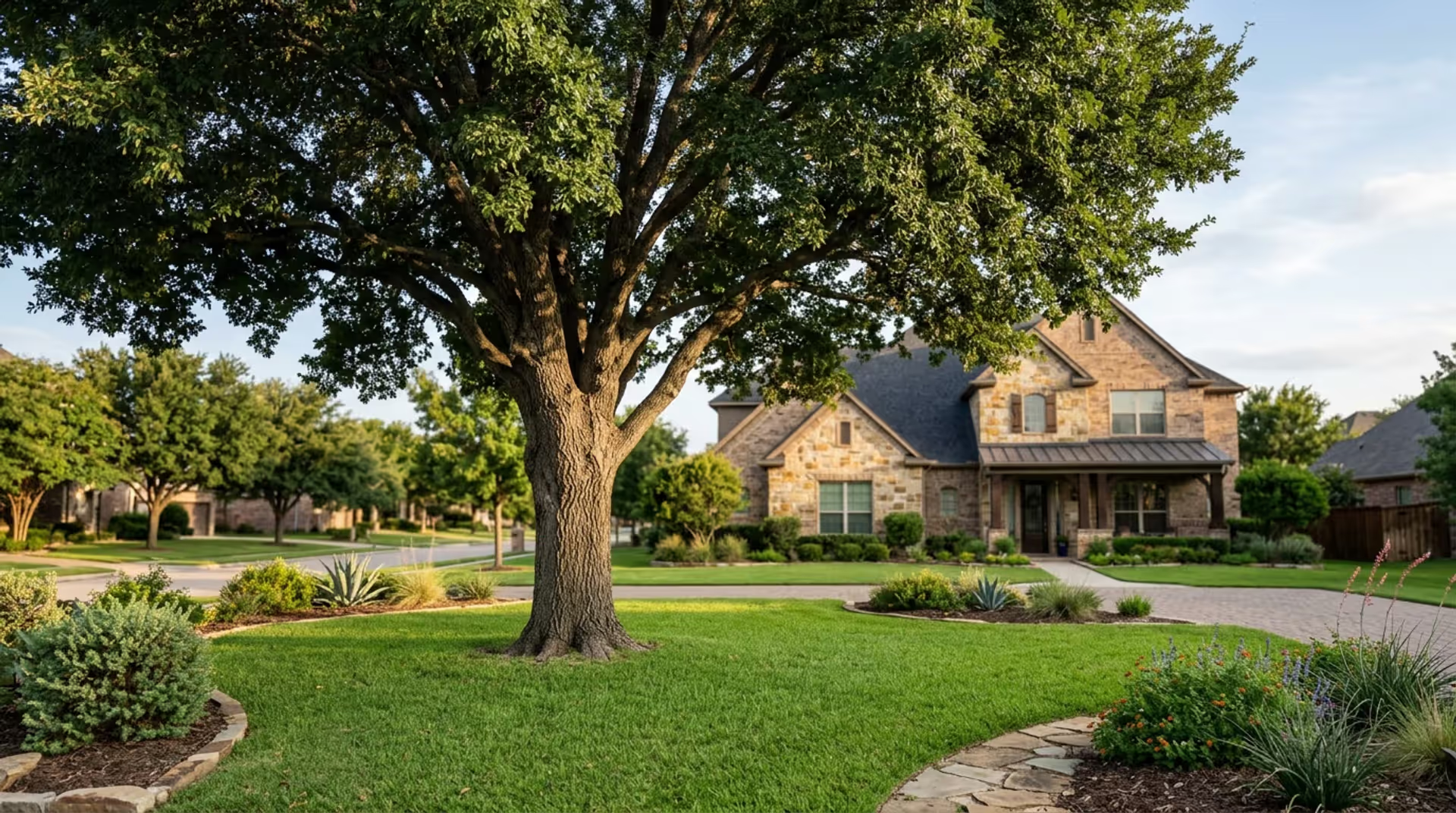
Cedar elm (Ulmus crassifolia) is a deciduous tree native to the south-central United States. You'll find it growing wild from southern Arkansas through Texas and into northeastern Mexico. Unlike its cousin the American elm, cedar elm has carved out a niche in hot, dry climates.
The tree earned its common name from the texture of its bark, which resembles cedar in appearance. Deep furrows and scaly ridges give mature specimens a rugged, weathered look. But the most distinctive cedar elm tree characteristics appear in late summer and fall.
Most elms bloom in spring. Not this one. Cedar elm produces tiny flowers in August and September, setting it apart from nearly every other native elm species. The small, oval leaves have a slightly rough texture and uneven base—a telltale elm trait. They're smaller than American elm leaves, typically 1 to 2 inches long.
Native elm trees like cedar elm evolved alongside the region's challenging conditions. Extended droughts, clay soils, temperature swings—this species handles them all. That adaptability makes it valuable for modern landscapes facing water restrictions and climate variability.
The tree's branching pattern creates a rounded to vase-shaped crown. It's not as dramatically upright as American elm, but it still provides excellent shade coverage. And here's something interesting: cedar elm is one of the few native elms with good resistance to Dutch elm disease, the fungal pathogen that devastated American elm populations across the country.
Advantages of Planting Cedar Elm Trees
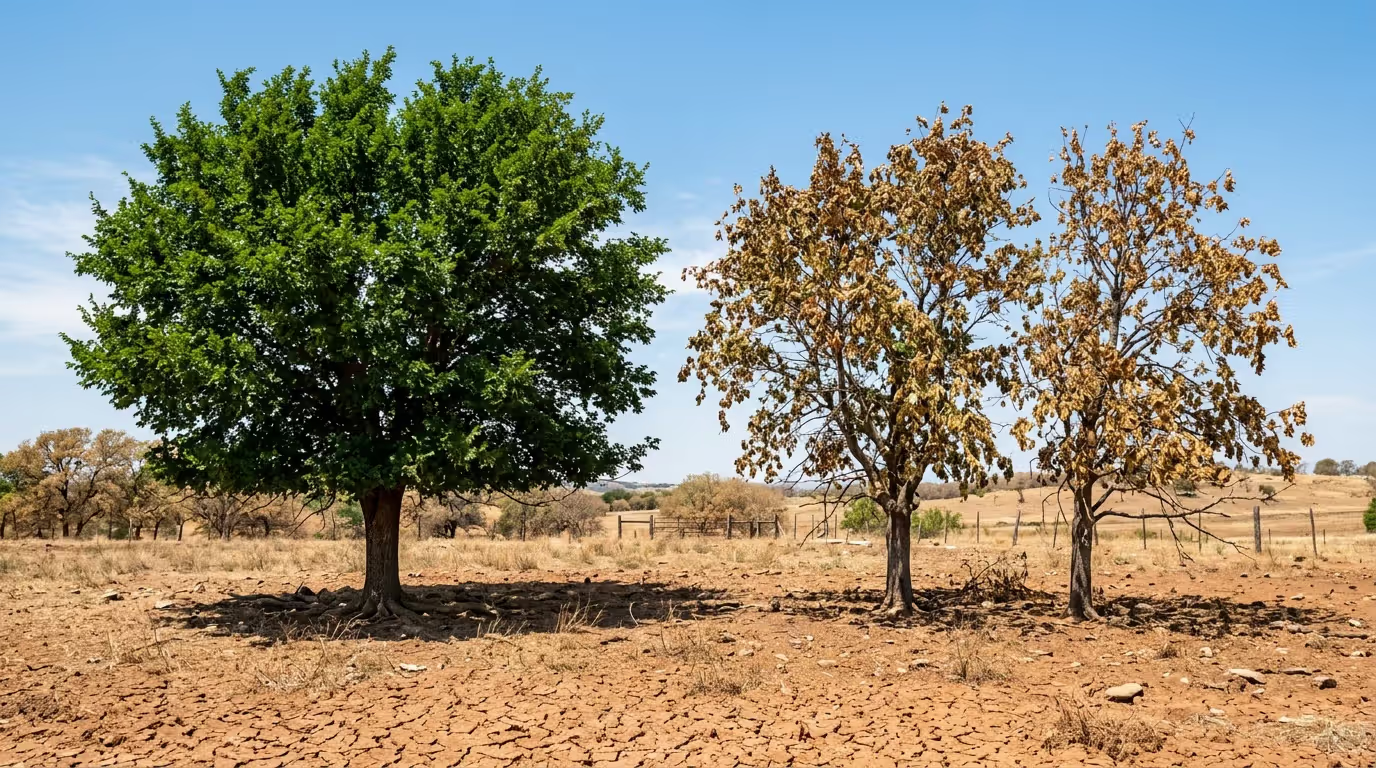
Let's start with the biggest selling point. Cedar elm drought tolerance is exceptional. Once established, these trees survive on rainfall alone in most of their native range. You won't be dragging hoses around during summer dry spells.
The root system runs deep, tapping into moisture reserves that shallow-rooted trees can't reach. I've seen mature cedar elms looking healthy and green while nearby maples showed serious drought stress. That deep rooting also means less competition with your lawn and garden plants near the surface.
Heat resistance goes hand-in-hand with drought tolerance. Cedar elm thrives in USDA zones 6 through 9, handling temperatures over 100°F without wilting or leaf scorch. If you live in the southern United States, that's a huge advantage.
Cedar elm fall color surprises many people. The leaves turn yellow to golden-bronze in October and November. It's not the fiery red of a sugar maple, but it's a pleasant seasonal display that many southern shade trees don't provide. Some years you'll get deeper gold tones depending on weather conditions.
Wildlife benefits stack up quickly. The late-summer flowers provide nectar when few other trees are blooming. Seeds feed songbirds and small mammals through fall and winter. The dense branching structure offers excellent nesting sites for birds.
Maintenance requirements stay minimal. You won't need to spray for pests constantly or fuss with special fertilizers. The tree adapts to various soil types, including heavy clay that causes problems for many species. It tolerates urban pollution and compacted soil better than most shade trees.
And the tree keeps growing when conditions turn tough. While growth slows during severe drought, cedar elm doesn't just shut down like some species. That resilience translates to consistent performance year after year.
Author: Marcus Eldridge;
Source: cribbslandscaping.com
Drawbacks and Challenges to Consider
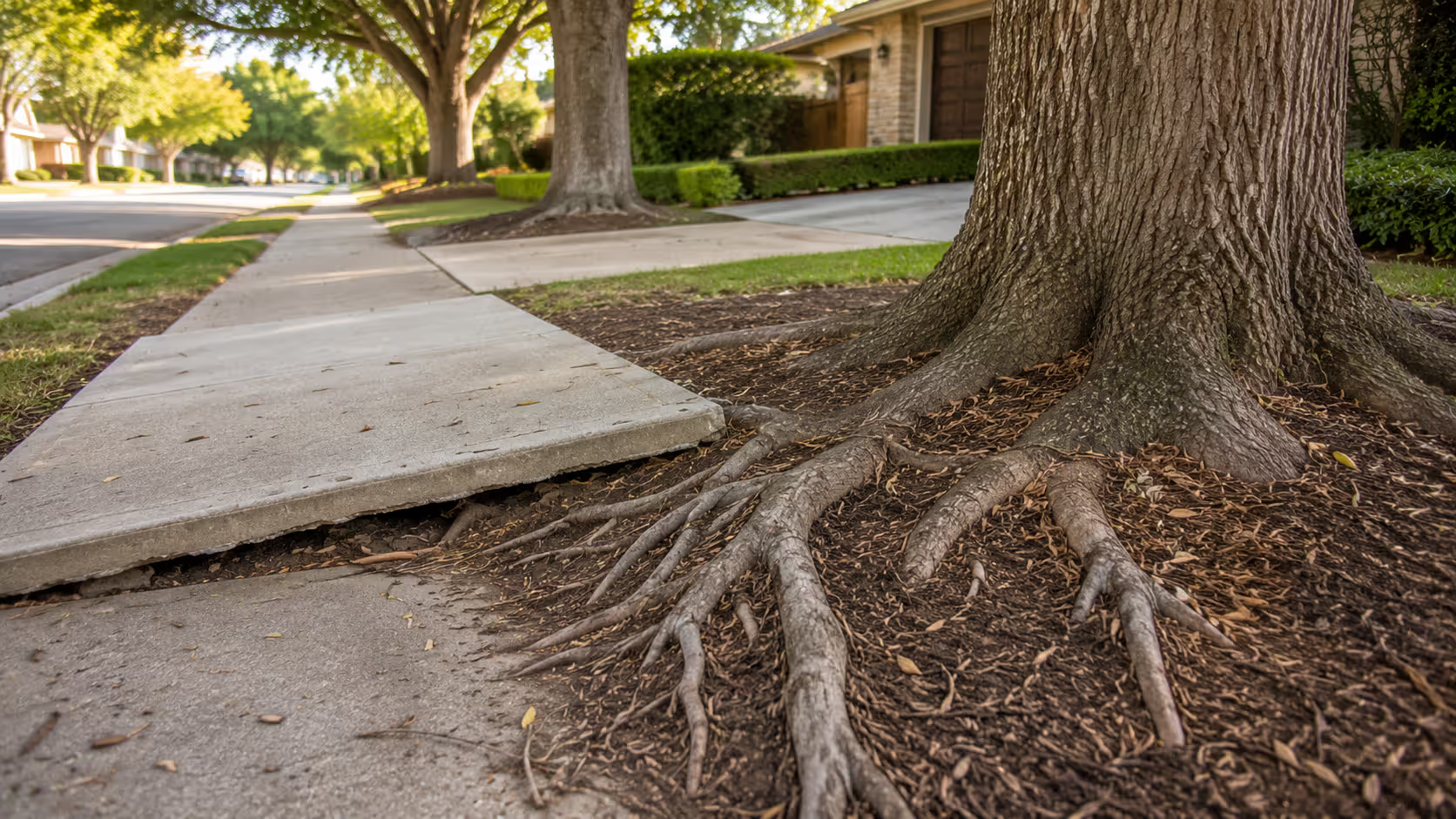
The cedar elm root system can cause headaches near structures. While the deep taproot is beneficial, lateral roots spread wide and occasionally lift sidewalks or crack driveways. Plant at least 15 feet from paved surfaces and 20 feet from foundations.
Surface roots become more prominent as the tree ages. They can make mowing difficult and create tripping hazards in high-traffic areas. You'll see this issue more often in compacted or shallow soils where roots can't penetrate deeply.
Branch structure presents another concern. Cedar elm develops numerous small branches that can become weak attachment points. Ice storms and heavy winds sometimes cause breakage, especially on trees that haven't been properly pruned when young. Regular structural pruning during the first 10 to 15 years helps minimize this risk.
The tree drops debris throughout the year. Flowers in late summer, seeds in fall, small twigs constantly. It's not catastrophic, but it's more than a live oak or bur oak. If you're meticulous about a spotless lawn, this'll drive you crazy.
Pest susceptibility varies by location. Elm leaf beetles occasionally attack cedar elm, causing unsightly leaf damage. The beetles rarely kill the tree, but heavy infestations weaken it and create a mess of damaged leaves. Scale insects also show up sometimes, though they're typically manageable.
Growth rate limitations matter if you want quick shade. Cedar elm grows moderately—not painfully slow, but not fast either. You'll wait longer for mature shade compared to a silver maple or sycamore.
The tree produces suckers from the base and roots, especially if the roots are damaged. You'll need to remove these periodically to maintain a clean trunk and prevent a shrubby appearance.
Author: Marcus Eldridge;
Source: cribbslandscaping.com
Cedar Elm Size, Growth Rate, and Lifespan
Cedar elm size and growth follow predictable patterns once you understand the variables. Mature trees typically reach 50 to 70 feet tall with a spread of 40 to 60 feet. In ideal conditions—deep soil, regular moisture—some specimens push past 80 feet. But that's the exception.
Most landscape trees stay in the 50 to 60-foot range. Width often equals or exceeds height, creating that desirable broad canopy for shade. Plan your spacing accordingly. Cramming a cedar elm into a small yard leads to constant pruning and frustration.
Growth rate averages 12 to 18 inches per year in the first 15 to 20 years. That's moderate by shade tree standards. A young cedar elm planted today won't provide significant shade for 7 to 10 years. Compare that to a red maple, which can grow 24 inches annually under good conditions.
The growth pace slows as the tree matures. After reaching about 40 feet, annual height increases drop to 6 to 10 inches. The tree focuses more energy on filling out its crown and building trunk diameter.
Elm tree lifespan for cedar elm ranges from 80 to 150 years. That's respectable but shorter than oaks, which can live 200 to 300 years. The difference matters if you're thinking generationally about your landscape.
Several factors influence longevity. Trees in native habitats with minimal stress live longest. Urban specimens face pollution, soil compaction, and mechanical damage that shorten lifespan. Proper planting depth, adequate space, and occasional deep watering during extreme drought all extend the tree's productive years.
Trunk diameter increases roughly 0.5 to 0.75 inches per year on young trees. A 20-year-old cedar elm might have a trunk diameter of 10 to 15 inches. That steady growth creates a sturdy structure that supports the expanding canopy.
How Cedar Elm Compares to Other Native Shade Trees
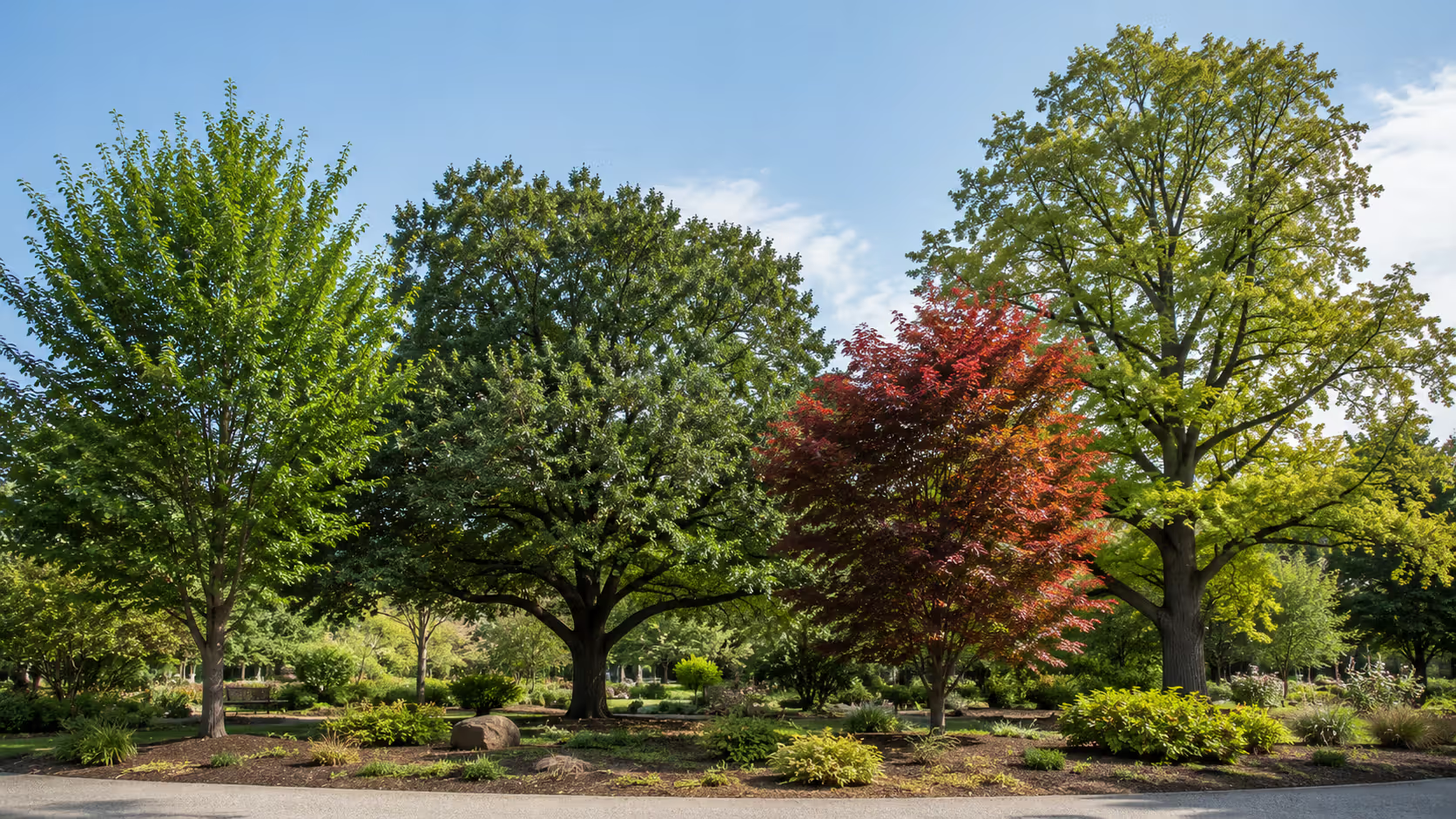
Different native shade trees excel in different situations. Here's how cedar elm stacks up against other popular options for shade tree types comparison:
Tree Species
Mature Height/Spread
Drought Tolerance
Fall Color
Lifespan
Maintenance Level
Native Region
Cedar Elm
50-70 ft / 40-60 ft
Excellent
Yellow-gold
80-150 years
Low
South-central US
Live Oak
40-80 ft / 60-100 ft
Excellent
Evergreen
200-300 years
Very low
Southern US
Red Maple
40-60 ft / 30-50 ft
Moderate
Red-orange
80-120 years
Moderate
Eastern US
Bur Oak
60-80 ft / 60-80 ft
Excellent
Yellow-brown
200-300 years
Low
Central/Eastern US
Sycamore
70-100 ft / 50-70 ft
Moderate
Yellow-brown
150-250 years
Moderate-high
Eastern US
Live oak wins for longevity and spread, but it's limited to zones 8 and warmer. Cedar elm handles colder winters that would damage live oak. The pattern I see most often is homeowners in zone 7 choosing cedar elm over live oak for exactly this reason.
Red maple grows faster initially but demands more water and offers less drought tolerance. If you're in a water-restricted area, cedar elm makes more sense. Red maple also struggles in alkaline soils common in Texas and Oklahoma, where cedar elm thrives.
Bur oak matches cedar elm's toughness and exceeds its lifespan. But bur oak grows even slower in youth—sometimes just 6 to 10 inches annually for the first decade. If you need shade sooner, cedar elm delivers faster results.
Sycamore grows quickly and reaches impressive size, but it's messy. The exfoliating bark, large leaves, and seed balls create constant cleanup. It also needs more water than cedar elm. Sycamore works best near streams or in irrigated landscapes.
For most homeowners in zones 6 through 9 dealing with clay soil and limited water, cedar elm hits the sweet spot. It's not the biggest or longest-lived, but it's reliably tough with minimal fuss.
Author: Marcus Eldridge;
Source: cribbslandscaping.com
Best Growing Conditions and Landscape Uses
Cedar elm adapts to various soils but performs best in deep, well-drained loam. That said, it tolerates heavy clay better than most shade trees. The key is avoiding prolonged waterlogging. If your site has standing water for days after rain, improve drainage before planting.
Soil pH flexibility is a major advantage. Cedar elm grows in acidic to alkaline conditions, handling pH from 5.5 to 8.0. That makes it suitable for diverse regions where soil chemistry varies. You won't need to amend soil pH for this tree.
Sun exposure should be full sun for best growth and form. Cedar elm tolerates light shade but develops a thinner canopy and weaker branch structure. Give it at least 6 to 8 hours of direct sunlight daily.
Spacing depends on your landscape goals. For a single specimen tree, plant at least 30 feet from other large trees and structures. The canopy needs room to develop naturally. For a grove or windbreak, space trees 25 to 30 feet apart.
The elm tree in landscape applications varies widely. Cedar elm works well as:
Street trees: The moderate size and drought tolerance suit urban conditions. Just ensure adequate soil volume—at least 800 cubic feet per tree.
Shade trees for large properties: Plant in open lawn areas where the spreading canopy can develop fully. Keep it away from vegetable gardens where dense shade would limit production.
Naturalized areas: Cedar elm fits beautifully in native plant landscapes. Pair it with understory trees like roughleaf dogwood or Mexican plum.
Parking lot islands: The heat and reflected light don't faze cedar elm. It's one of the better choices for these harsh environments.
Avoid planting near pools, patios, or entertainment areas where the constant twig and leaf drop becomes annoying. Also skip locations near septic systems or underground utilities where roots might cause problems.
Author: Marcus Eldridge;
Source: cribbslandscaping.com
Companion plantings should tolerate the dry shade beneath mature cedar elms. Native options include:
Inland sea oats (grass)
Turk's cap (flowering perennial)
Coralberry (shrub)
Virginia creeper (vine)
These plants evolved alongside cedar elm and handle the competition for water and nutrients.
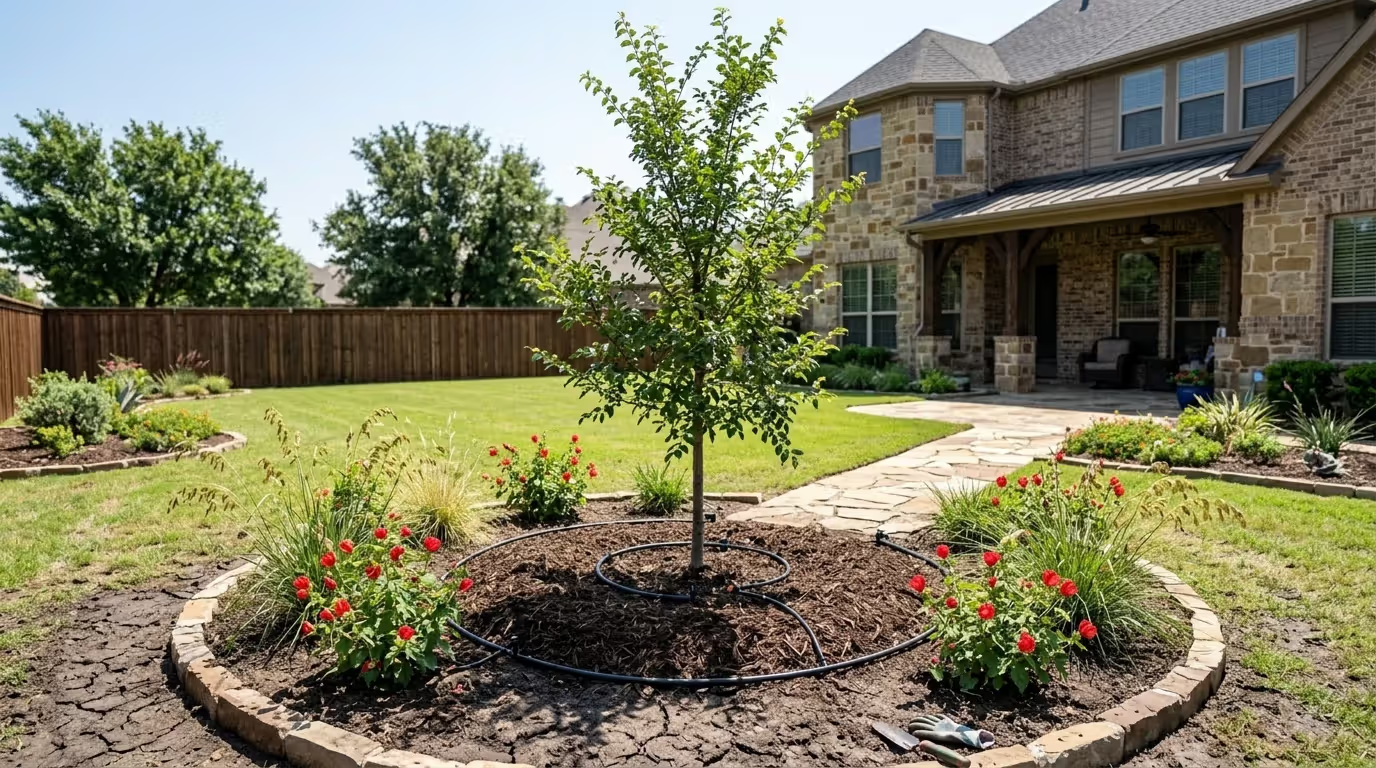
Planting technique matters more than you'd think. Dig a hole two to three times wider than the root ball but no deeper. The root flare should sit at or slightly above ground level. Mulch with 2 to 3 inches of organic material, keeping it away from the trunk.
Water deeply but infrequently during the first two years. Encourage deep rooting by watering every 7 to 10 days during dry periods rather than frequent shallow watering. After establishment, natural rainfall should suffice except during severe drought.
Cedar elm represents one of our most underutilized native shade trees. In 30 years of working with landscapes across Texas and Oklahoma, I've watched these trees outperform expensive exotics while requiring a fraction of the maintenance. They're particularly valuable now as water conservation becomes non-negotiable in landscape design.
— Thompson James
Pruning should focus on structural development when the tree is young. Remove competing leaders, crossing branches, and narrow crotch angles during the dormant season. Once the framework is established, pruning needs drop to occasional removal of dead or damaged wood.
FAQ: Cedar Elm Tree Questions Answered
Does cedar elm have invasive roots that damage foundations?
Cedar elm roots can spread widely but aren't typically considered invasive in the same way as willows or poplars. The roots do grow aggressively in search of water, and surface roots may lift sidewalks or pavement if the tree is planted too close. Keep cedar elm at least 20 feet from foundations and 15 feet from driveways or walkways. In well-drained soil with adequate moisture, the roots grow deeper and cause fewer surface problems. The risk increases in compacted urban soils where roots can't penetrate downward easily.
What USDA zones are best for cedar elm trees?
Cedar elm thrives in USDA hardiness zones 6 through 9. This range covers most of the southern and lower Midwest United States. The tree handles winter temperatures down to -10°F without significant damage. It performs best in zones 7 and 8, where it's native and adapted to local conditions. In zone 6, plant in protected locations and expect occasional winter dieback on branch tips during severe cold snaps. Zone 9 works well, though the tree may not develop as vibrant fall color in the warmest parts of this zone.
How long does it take for a cedar elm to reach full size?
Cedar elm reaches approximately 75% of its mature size in 25 to 35 years under good growing conditions. Full maturity takes 50 to 70 years. You'll see noticeable shade development within 10 to 15 years, which is when the tree becomes functionally useful for cooling your property. The first decade focuses on establishing the root system and basic framework. Growth accelerates in years 10 through 30, then slows as the tree approaches mature dimensions. Site conditions dramatically affect these timelines—trees in deep, fertile soil with adequate moisture grow much faster than those in poor, compacted soil.
Is cedar elm resistant to Dutch elm disease?
Cedar elm shows good resistance to Dutch elm disease compared to American elm, which is highly susceptible. The disease can still infect cedar elm, but infections are less common and often less severe. The tree's natural resistance comes from anatomical differences in its vascular system that slow the spread of the fungal pathogen. However, resistance doesn't mean immunity. Elm bark beetles, which spread the disease, still feed on cedar elm. In areas with heavy disease pressure, some cedar elm trees do become infected. The risk is significantly lower than with American or European elm species, making cedar elm a safer choice where Dutch elm disease is present.
Does cedar elm drop a lot of leaves or seeds?
Cedar elm drops moderate amounts of debris throughout the year. The small leaves fall in late autumn, typically November in most regions. The tree also produces seeds in fall, which create some mess as they drop. Small twigs and spent flowers add to the litter in late summer and early fall. It's not as messy as sycamore or sweetgum, but it's definitely not a clean tree. Expect to rake or blow leaves once or twice in fall and deal with minor twig cleanup periodically. The debris is relatively small and breaks down quickly, so it's not overwhelming for most homeowners.
Can cedar elm survive in clay soil?
Cedar elm tolerates clay soil better than most large shade trees. The species evolved in regions with heavy clay, particularly the blackland prairies of Texas and Oklahoma. The key is ensuring the clay doesn't stay waterlogged for extended periods. Cedar elm handles temporary wet conditions but suffers if roots sit in saturated soil for weeks. If your clay soil drains slowly, consider planting on a slight mound or berm to improve drainage around the root zone. Avoid amending the entire planting hole with organic matter, as this can create a "bathtub effect" where water collects. Instead, plant in native clay and mulch the surface to improve soil structure gradually over time.
Cedar elm delivers reliable performance in challenging conditions. The drought tolerance, heat resistance, and adaptability to various soils make it a practical choice for much of the southern United States. You won't spend weekends babying this tree or watching it struggle through summer.
But be realistic about the drawbacks. The root system needs space. The tree drops debris. Growth takes time. If you're planting near a patio where every twig matters, or you need shade in five years, look elsewhere.
The simpler option usually wins here. If your property sits in zones 6 through 9, you have room for a 50 to 60-foot tree, and you value low maintenance over rapid growth, cedar elm makes sense. It's not flashy. It won't become the neighborhood showpiece. But it'll still be standing healthy and strong decades from now while fussier trees come and go.
Think about your water situation too. If you're facing restrictions or just don't want to irrigate, cedar elm's deep roots and drought tolerance become major advantages. That alone tips the scale for many homeowners in drier regions.
Match the tree to your site conditions and expectations. Don't force it into spaces too small or situations where the mess will drive you crazy. Give it room, plant it properly, and step back. Cedar elm does the rest.
Star jasmine creates fragrant, evergreen coverage but grows vigorously. This guide explains whether it's truly invasive, how fast it spreads, control strategies, and complete care instructions for US gardeners in zones 8-11.
You've probably noticed entire hillsides glowing gold during autumn walks. Yellow fall foliage creates stunning displays, but not every tree joins the show. Learn which species reliably turn brilliant yellow year after year, the science behind the color change, and how to choose the perfect yellow fall tree for your landscape.
Learn which plants thrive in bioswales and drainage areas. This comprehensive guide covers native species by region, moisture-tolerant options, planting zones, design principles, and common mistakes to avoid when creating functional rain gardens and bioswales.
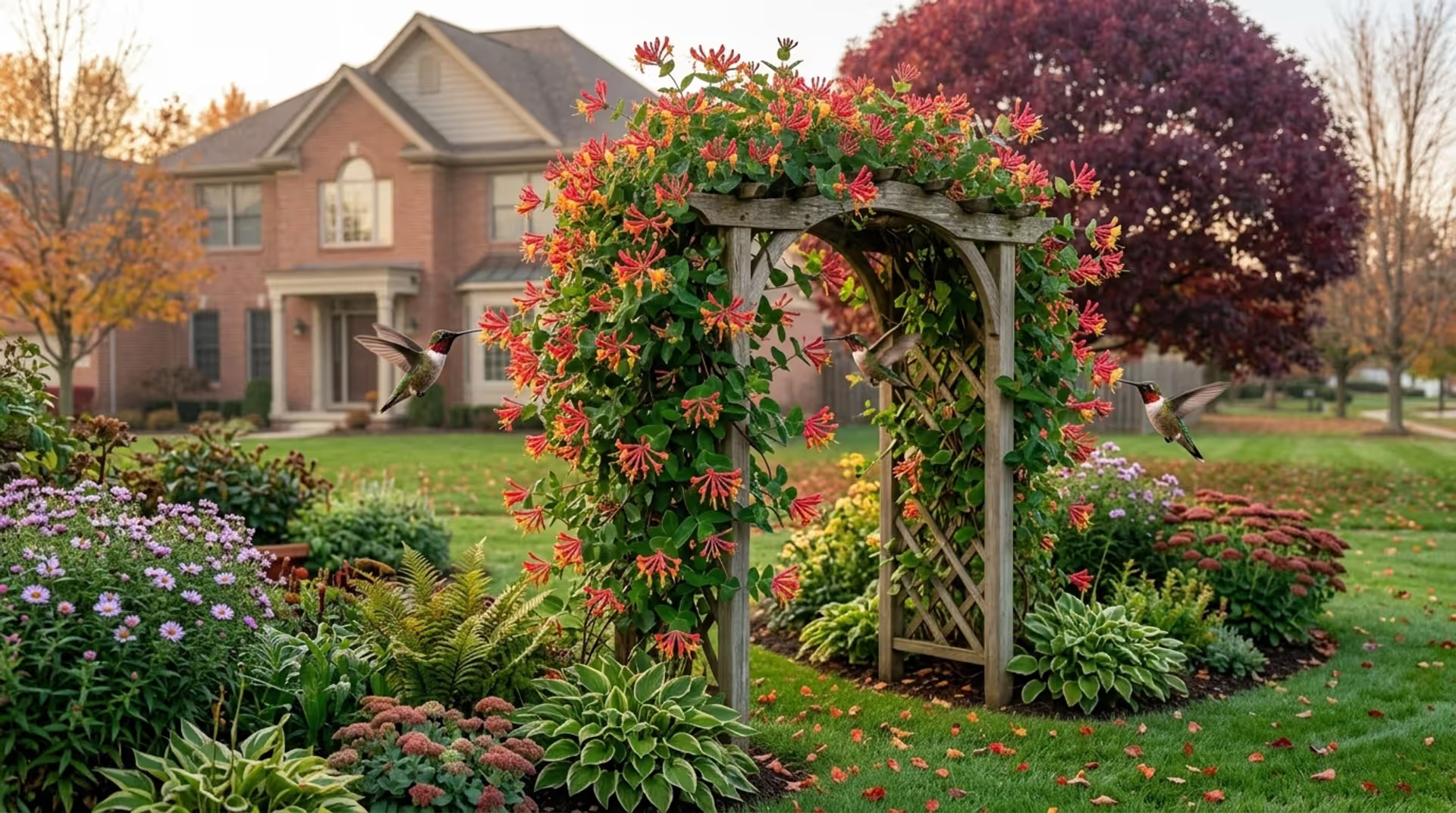
Lonicera plants offer more than sweet-smelling vines. This guide covers climbing, shrub, and ground cover varieties, plus care tips for hedges, wildlife gardens, and responsible planting. Learn which honeysuckles attract hummingbirds and which to avoid for ecological reasons.
The content on this website is provided for general informational and educational purposes only. It is intended to explain concepts related to landscape design, outdoor spaces, plants, irrigation, hardscape and softscape, and sustainable landscaping.
All information on this website, including articles, guides, and examples, is presented for general educational purposes. Outcomes may vary depending on local climate, soil, plant selection, and project implementation.
This website does not provide professional design, construction, or horticultural advice, and the information presented should not be used as a substitute for consultation with qualified landscape architects, contractors, or horticulturists.
The website and its authors are not responsible for any errors or omissions, or for any outcomes resulting from decisions made based on the information provided on this website.