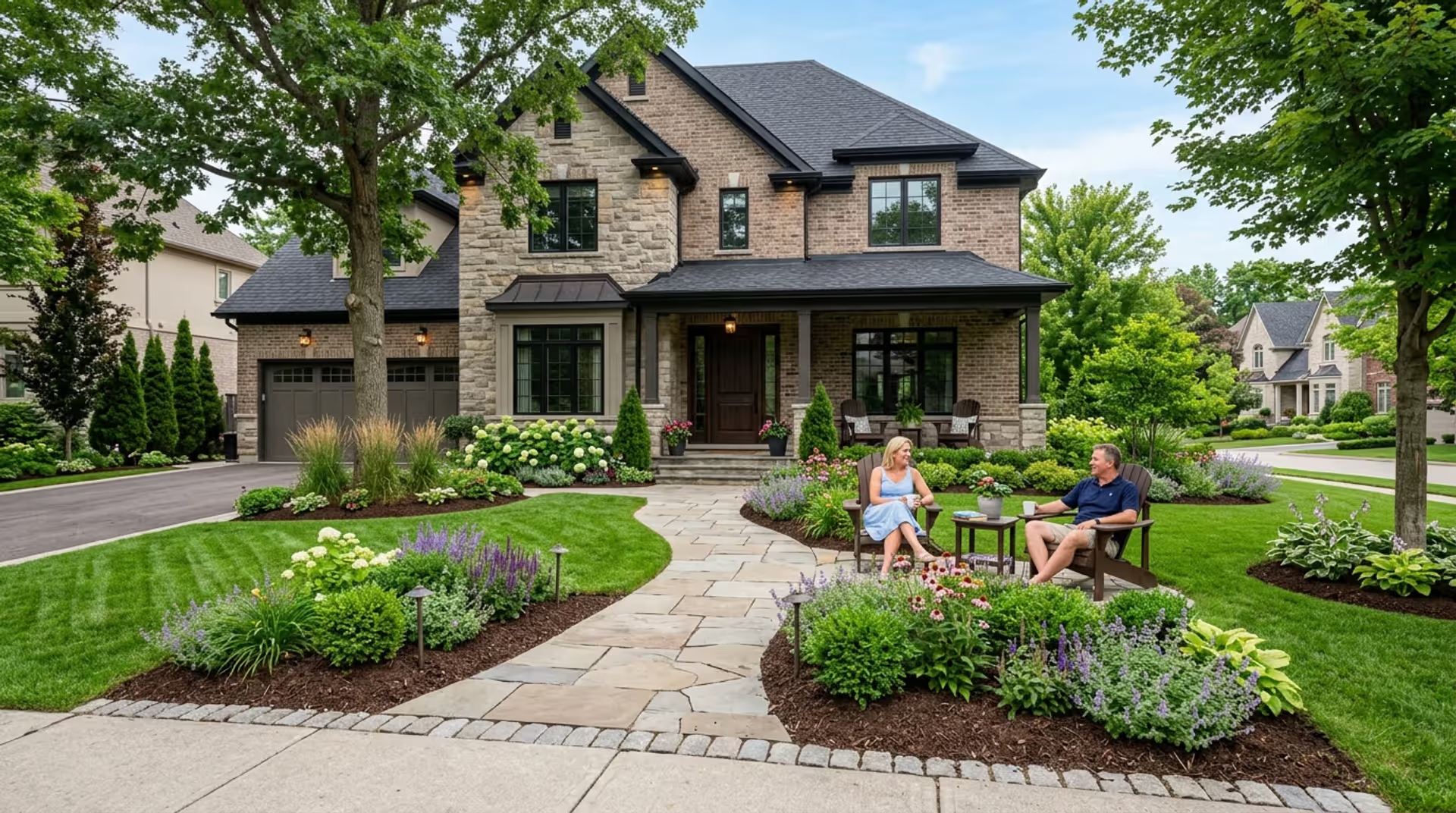
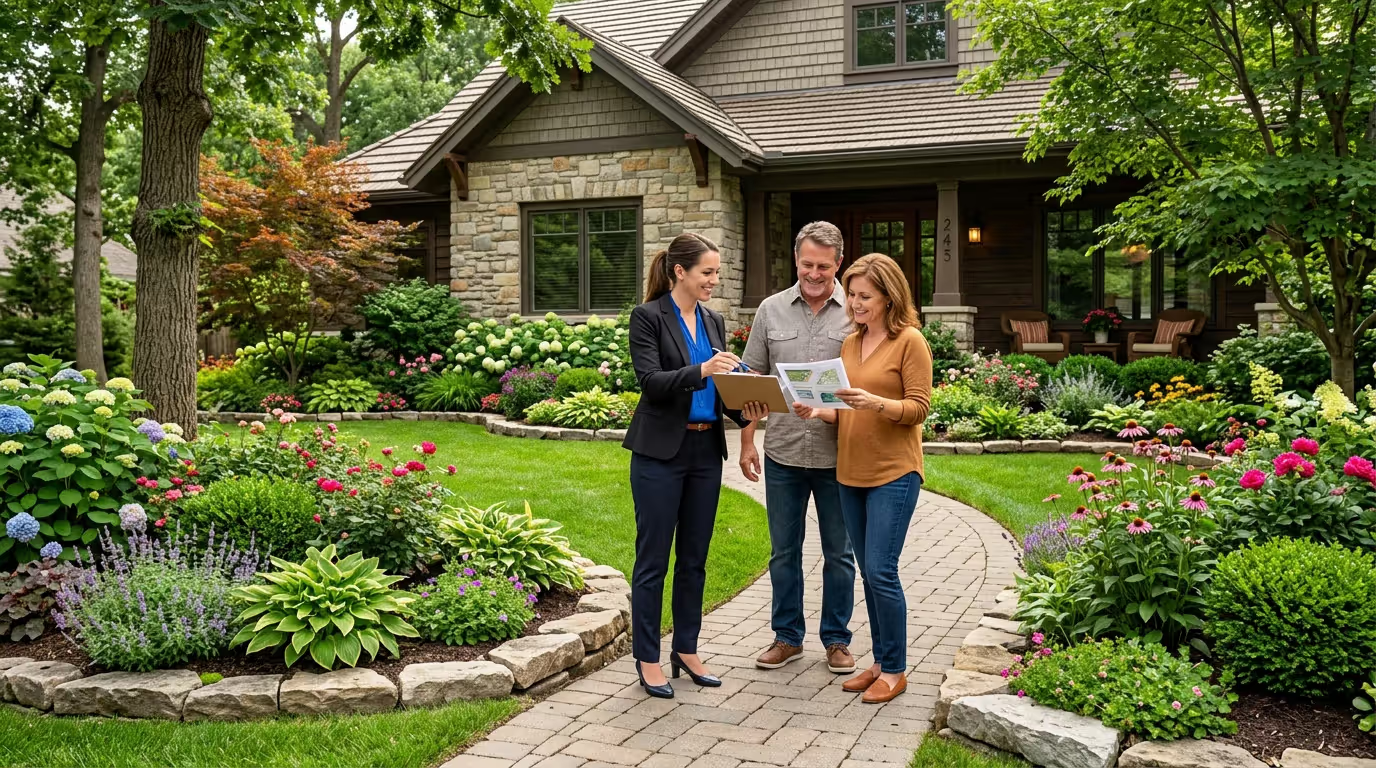
Homeowners spend thousands on kitchen remodels and bathroom upgrades. But the space outside? Often neglected. That's a mistake. Your yard isn't just grass and shrubs—it's one of the highest-return investments you can make. And the benefits go way beyond resale numbers. We're talking mental clarity, lower energy bills, and a home that actually stands out when neighbors list theirs. Let's break down exactly what landscaping delivers and why it deserves a spot in your budget.
What Landscaping Means and Why It Matters
Landscaping isn't just mowing the lawn or planting a few flowers. It's the intentional design and maintenance of outdoor spaces—combining plants, hardscaping, grading, irrigation, and lighting to create functional, beautiful environments. Think of it as architecture for your yard.
The meaning of landscaping extends to problem-solving. Poor drainage? Strategic grading and plantings fix that. Ugly fence line? A row of evergreens transforms it. No privacy? Layered shrubs and trees create natural walls.
Why does landscaping matter? Because your outdoor space is the first thing people see and the last thing they remember. It sets the tone before anyone steps inside. And for you, it's where quality of life either improves or stagnates. A well-designed yard invites you outside. A neglected one keeps you indoors scrolling your phone.
Most people underestimate how much their outdoor environment affects daily mood and home functionality. The pattern I see most often is homeowners treating landscaping as a "someday" project—then realizing they've lived in a house for five years without ever using the backyard.
How Landscaping Increases Property Value and ROI
Here's the number that matters: professional landscaping typically returns 100% to 200% of the investment at resale. Some projects do even better.
A 2025 study from the National Association of Realtors found that landscape upgrades recovered an average of 105% of costs when homes sold. Compare that to a midrange bathroom remodel at 67%. Your yard outperforms your vanity.
Buyers make emotional decisions in the first eight seconds of seeing a property. If the front yard looks tired, they've already discounted your asking price mentally—before they see your renovated kitchen.
Landscaping also triggers higher appraisals. Appraisers specifically note curb appeal, mature trees, and functional outdoor spaces. A home with established landscaping can appraise 5% to 12% higher than an identical home with bare-bones outdoor space.
Author: Marcus Eldridge;
Source: cribbslandscaping.com
Average Return on Investment by Project Type
Different landscaping projects deliver different returns. Here's what the data shows:
Project Type
Typical Cost Range
Average ROI
Resale Value Impact
Professional Landscape Design
$3,000–$8,000
100%–200%
+$6,000–$16,000
Basic Lawn Care & Maintenance
$1,200–$2,500/year
80%–100%
+$1,000–$2,500
Tree Planting (Mature)
$500–$3,000 per tree
100%–150%
+$500–$4,500
Hardscaping (Patio, Walkways)
$4,000–$12,000
70%–100%
+$2,800–$12,000
Water Features
$2,500–$10,000
50%–80%
+$1,250–$8,000
The simpler option usually wins here. You don't need a koi pond to see returns. A well-maintained lawn with layered plantings and clean edges beats elaborate features that require constant upkeep.
Trees deserve special mention. A single mature tree can add $1,000 to $3,000 in appraised value. Homes with tree-lined streets sell for 7% to 15% more on average than comparable homes without street trees, according to 2024 research from the Arbor Day Foundation.
Impact on Home Sale Speed and Competitive Advantage
Landscaping doesn't just increase price—it shortens time on market. Homes with professional landscaping sell 6 to 10 days faster than comparable properties with minimal outdoor improvements.
In competitive markets, that speed advantage compounds. Fewer days listed means fewer price reductions. And faster sales often mean multiple offers, which drives final sale price above asking.
Real estate agents know this. They'll tell you to paint and stage inside, but the best agents push landscaping first. It gets buyers in the door. Once they're inside, you've already won half the battle.
A common mistake? Focusing only on the backyard. Front yard landscaping drives 80% of the curb appeal impact. Buyers need to want to see the inside before your backyard matters.
Curb Appeal Improvements Through Strategic Landscaping
Curb appeal is shorthand for "does this house look cared for?" And landscaping answers that question immediately.
How landscaping improves curb appeal comes down to three elements: color, structure, and maintenance signals.
Color draws the eye and creates focal points. Seasonal flowers, ornamental grasses, and evergreens with contrasting foliage give depth. A yard that's all green reads as flat and boring.
Structure means defined edges, layered plantings (tall in back, medium in middle, low in front), and hardscaping that guides the eye. Walkways, borders, and mulched beds create intentional design instead of randomness.
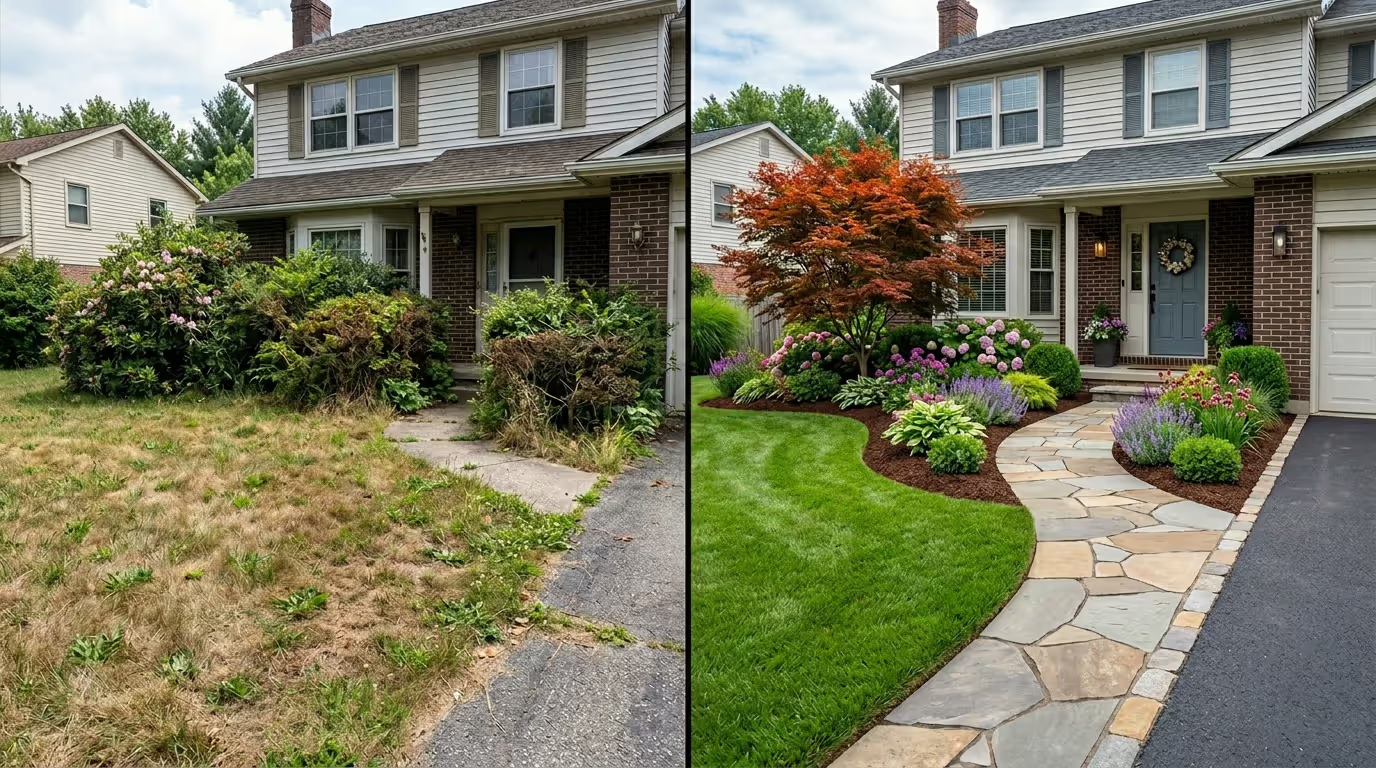
Maintenance signals tell buyers you care. Trimmed hedges, fresh mulch, and weed-free beds communicate attention to detail. Overgrown shrubs and patchy grass scream deferred maintenance—and buyers assume that extends to the roof, HVAC, and plumbing.
Before-and-after transformations prove the point. A typical suburban home with builder-grade landscaping—foundation shrubs, grass, maybe one tree—looks like every other house. Add a curved walkway, remove half the overgrown yews, plant a Japanese maple as a focal point, and layer perennials in mulched beds? Suddenly it's the house people remember.
You don't need a huge budget. Strategic pruning, fresh mulch, and three well-placed plantings can transform a front yard for under $800.
Lighting matters too. Uplighting on trees and path lights along walkways extend curb appeal into evening hours—exactly when many buyers drive by after work.
Author: Marcus Eldridge;
Source: cribbslandscaping.com
Mental Health and Wellbeing Benefits of Green Spaces
The mental health benefits of gardens and landscaped spaces aren't anecdotal anymore. They're measurable.
A 2024 study published in Environmental Health Perspectives found that people with access to quality green space reported 23% lower stress levels and 18% fewer symptoms of anxiety and depression compared to those without nearby greenery.
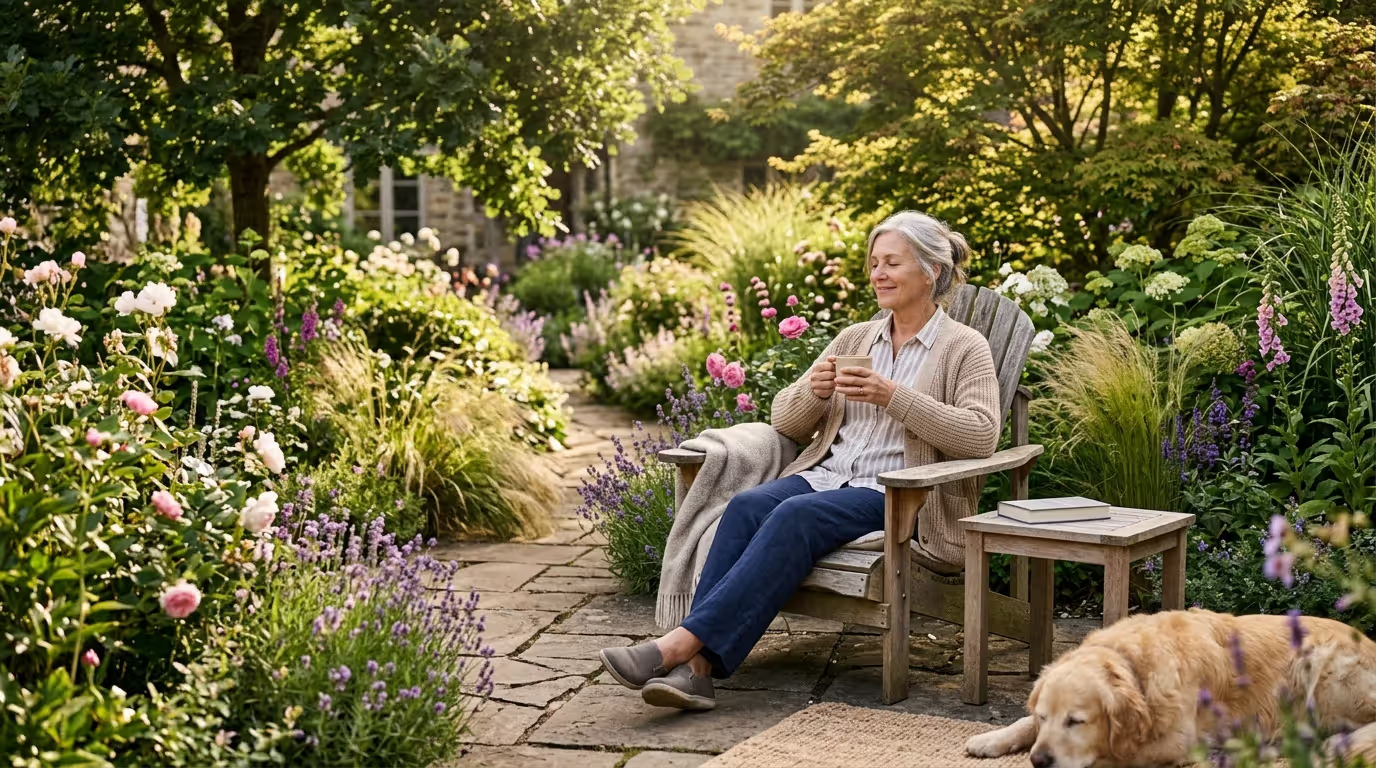
Your yard offers that access daily. Even passive exposure—seeing trees and plants through a window—lowers cortisol levels. Active engagement is better. Gardening, walking through landscaped areas, or simply sitting outside in a well-designed space triggers parasympathetic nervous system responses that calm the body.
Landscaping and wellbeing connect through several mechanisms:
Attention restoration. Natural environments require "soft fascination"—they engage your attention gently without demanding focus. This restores mental energy depleted by work, screens, and decision fatigue.
Biophilia. Humans are wired to seek connection with nature. Green spaces satisfy that need, reducing feelings of isolation and improving mood.
Sensory richness. Landscaping engages multiple senses—visual variety, textures, scents from flowers or herbs, sounds of rustling leaves or water features. This sensory engagement grounds you in the present moment, functioning similarly to mindfulness practices.
Access to nature, even in small doses like a well-landscaped yard, provides psychological restoration that no indoor environment can replicate. The mental health returns from investing in your outdoor space often exceed the financial returns.
— Kaplan Rachel
Therapeutic garden effects show up in clinical settings too. Hospitals with healing gardens report faster patient recovery times and reduced pain medication use. You can create a smaller version at home—a quiet corner with seating, fragrant plants, and visual interest.
The green space health benefits extend to cognitive function. Children who play in landscaped outdoor areas show improved attention spans and better academic performance. Adults who spend time in green environments demonstrate enhanced creativity and problem-solving abilities.
Even 15 minutes daily in your yard can shift baseline stress levels over time. That's a better ROI than most wellness subscriptions.
Physical Health Benefits of Landscaped Outdoor Areas
Mental health gets attention, but physical health benefits are just as real.
Air quality improvement starts with plants. Trees and shrubs filter particulate matter, absorb carbon dioxide, and release oxygen. A mature tree can absorb up to 48 pounds of CO2 annually and filter airborne pollutants like ozone, nitrogen dioxide, and sulfur dioxide. Your landscaping literally cleans the air you breathe.
Temperature regulation makes a measurable difference. Strategic tree placement can reduce home cooling costs by 15% to 35%. Trees on the west and south sides provide afternoon shade, lowering roof and wall temperatures. This isn't just about bills—it's about heat-related health risks, especially for older adults.
Landscaped areas run 10 to 25 degrees cooler than concrete or asphalt surfaces. This microclimate effect reduces urban heat island impact and makes outdoor spaces usable during summer months.
Encouraging outdoor activity might be the biggest physical benefit. A yard you actually want to use gets you moving. Gardening burns 200 to 400 calories per hour—comparable to moderate gym workouts. Walking through landscaped paths, playing with kids on a lawn, or doing yard maintenance all contribute to daily activity levels.
People with attractive outdoor spaces spend 30% more time outside than those without, according to 2025 data from the American Society of Landscape Architects. That translates to more vitamin D, more movement, and less sedentary screen time.
Allergen considerations cut both ways. Some people worry that more plants mean more allergies. But strategic landscaping can actually reduce allergen exposure. Female trees and low-pollen plants minimize airborne allergens. And ground covers reduce dust and soil particles that trigger respiratory issues.
Native plantings support local ecosystems without the aggressive pollen production of many ornamental species. You can design for beauty and breathability.
Author: Marcus Eldridge;
Source: cribbslandscaping.com
Economic and Environmental Value Beyond Your Property
Your landscaping doesn't just benefit you. It creates economic value for your community and environmental benefits that extend well beyond property lines.
Community impact shows up in property values. Well-landscaped neighborhoods see higher overall home values—not just for individual properties, but for entire blocks. A study from the University of Washington found that street tree canopy increased neighborhood property values by an average of $7,130 per home.
Landscaping also reduces crime. Areas with maintained green spaces report 7% to 15% lower property crime rates. The theory: visible care signals community investment and informal surveillance.
Stormwater management is where landscaping does serious environmental work. Impervious surfaces like driveways and roofs create runoff that overwhelms storm sewers and pollutes waterways. Landscaping absorbs and filters that water.
Rain gardens, permeable paving, and native plantings can capture 30% to 90% of stormwater runoff depending on design. This reduces flooding, prevents erosion, and filters pollutants before they reach streams and rivers.
Many municipalities now offer tax incentives or rebates for landscaping that manages stormwater. The economic value of landscaping includes these direct savings plus avoided infrastructure costs for the community.
Energy savings extend beyond your property too. Urban tree canopy reduces city-wide temperatures, lowering regional energy demand. A neighborhood with 30% tree cover uses 10% less energy for cooling than one with 10% cover.
Your trees contribute to that collective benefit while cutting your personal utility bills.
Ecosystem support matters more as habitat loss accelerates. Native landscaping provides food and shelter for pollinators, birds, and beneficial insects. A typical suburban yard can support 20 to 50 species of native bees if planted thoughtfully.
This isn't abstract environmentalism. Pollinator health directly affects food systems and ecosystem stability. Your yard is part of a larger ecological network.
Landscaping with native plants also reduces water use by 30% to 50% compared to traditional lawns and ornamentals. That conserves a critical resource and lowers your water bill.
FAQ: Landscaping Benefits Questions Answered
Does landscaping really increase home value?
Yes, and the data is consistent. Professional landscaping typically returns 100% to 200% of the investment at resale, with some projects exceeding that. Homes with quality landscaping appraise 5% to 12% higher than comparable properties without it. The National Association of Realtors found landscape upgrades recovered an average of 105% of costs in 2025. Front yard improvements deliver the strongest returns because they drive buyer interest and first impressions.
How much should I budget for landscaping to see a return?
For resale impact, budget 5% to 10% of your home's value for comprehensive landscaping. On a $400,000 home, that's $20,000 to $40,000. But you don't need to spend that much to see returns. Strategic improvements—$3,000 to $8,000 for professional design and installation of key plantings, mulching, and edging—deliver measurable value. Basic maintenance (lawn care, pruning, seasonal color) runs $1,200 to $2,500 annually and prevents value loss from neglect.
What landscaping projects offer the best ROI?
Tree planting delivers 100% to 150% ROI, especially mature trees that provide immediate impact. Professional landscape design and installation return 100% to 200%. Basic lawn care and maintenance return 80% to 100%. Hardscaping like patios and walkways return 70% to 100%. Water features typically return 50% to 80%—beautiful but not essential for value. Focus on foundation plantings, mature trees, clean edges, and seasonal color for the highest returns per dollar spent.
Can landscaping actually improve my mental health?
Absolutely. Research shows that access to green space reduces stress levels by up to 23% and decreases anxiety and depression symptoms by 18%. Even passive exposure—viewing plants through a window—lowers cortisol. Active engagement like gardening or spending time in landscaped areas triggers relaxation responses and restores mental energy. The sensory richness of outdoor spaces grounds you in the present moment, functioning similarly to mindfulness practices. Regular time in your yard, even 15 minutes daily, can shift baseline stress over time.
How does landscaping affect energy costs?
Strategic tree placement can reduce cooling costs by 15% to 35%. Trees on the west and south sides provide afternoon shade, lowering roof and wall temperatures significantly. Landscaped areas run 10 to 25 degrees cooler than concrete or asphalt, creating microclimates that reduce heat gain. Windbreaks of evergreens on north and west sides reduce winter heating costs by blocking cold winds. Over a year, thoughtful landscaping can cut total energy bills by 10% to 20%, with savings compounding as trees mature.
Does good landscaping help sell a home faster?
Yes. Homes with professional landscaping sell 6 to 10 days faster on average than comparable properties with minimal outdoor improvements. In competitive markets, that speed advantage often means fewer price reductions and higher final sale prices. Good landscaping gets buyers in the door—it creates the emotional first impression that drives showing requests. Real estate agents consistently rank curb appeal as one of the top three factors in generating buyer interest, and landscaping is the primary driver of curb appeal.
Your outdoor space is too valuable to ignore. The returns—financial, mental, physical, and environmental—compound over time. Start with a plan, even if you implement it in phases.
Focus on front yard impact first. That's where buyers and neighbors form impressions. Add trees for long-term value and immediate presence. Layer plantings for depth and seasonal interest. Maintain what you have before adding more.
And use your yard. The best landscaping isn't just for resale—it's for the years you live there. Design spaces you'll actually enjoy, not just spaces that photograph well.
Your home's value starts at the curb. So does your quality of life.
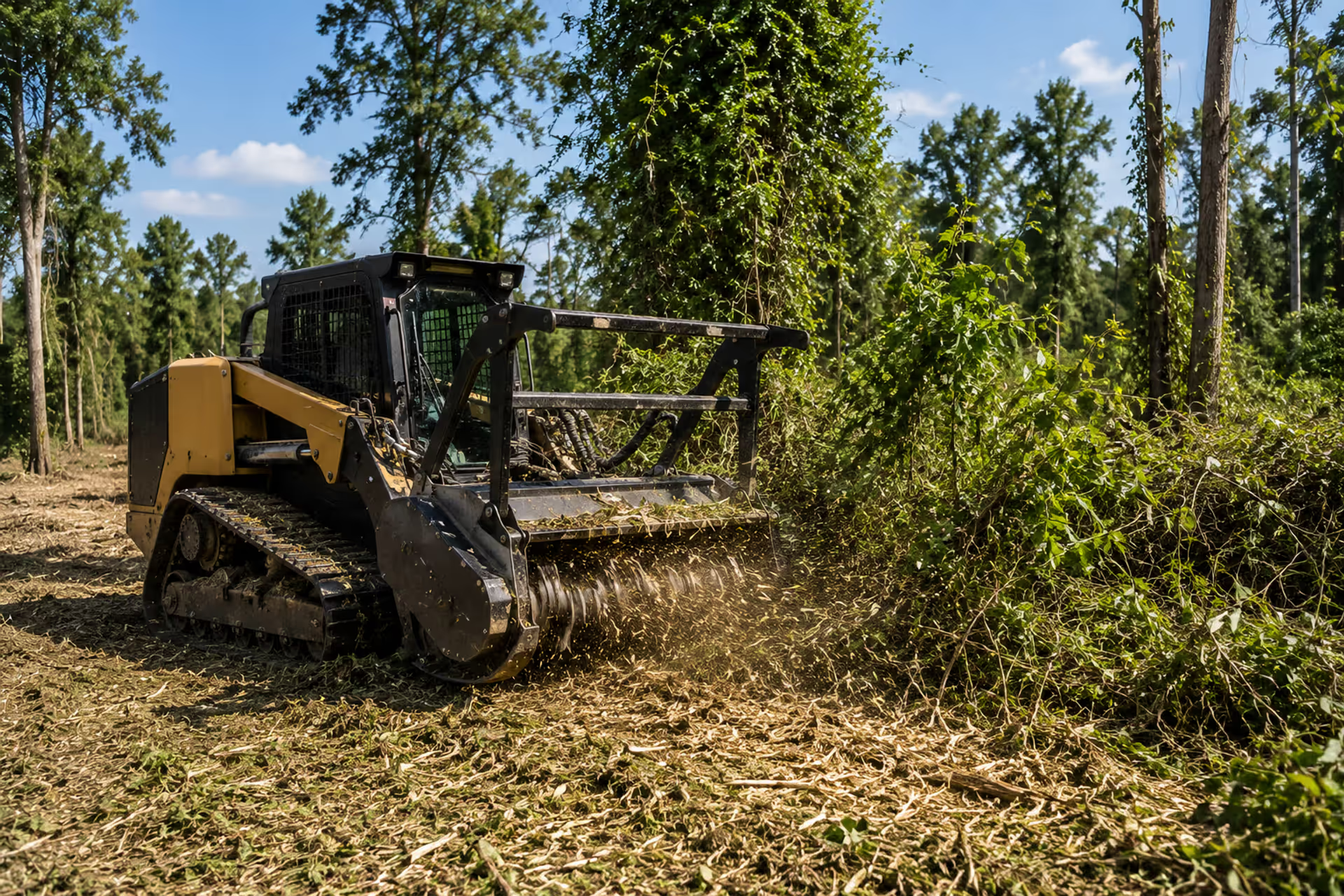
Forestry mulching grinds vegetation into nutrient-rich mulch on site, clearing land without debris removal or soil damage. Learn how the process works, compare costs to traditional clearing methods, and discover when mulching is the best choice for your property.
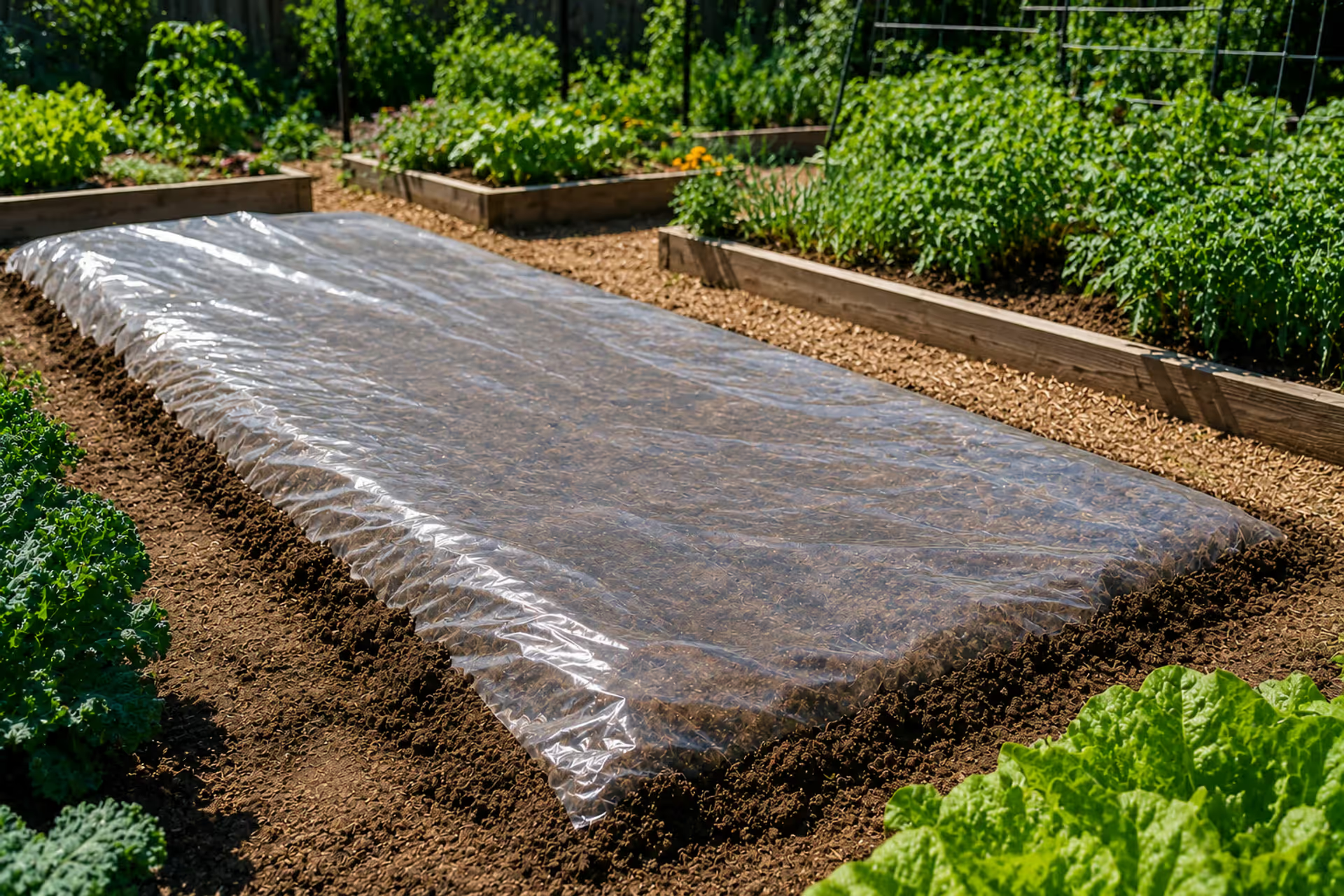
Soil solarization uses summer heat to sterilize garden beds naturally. This guide covers the complete process, from choosing materials and timing to avoiding common mistakes. Learn what pests it kills, how long it takes, and whether it works in your climate zone.
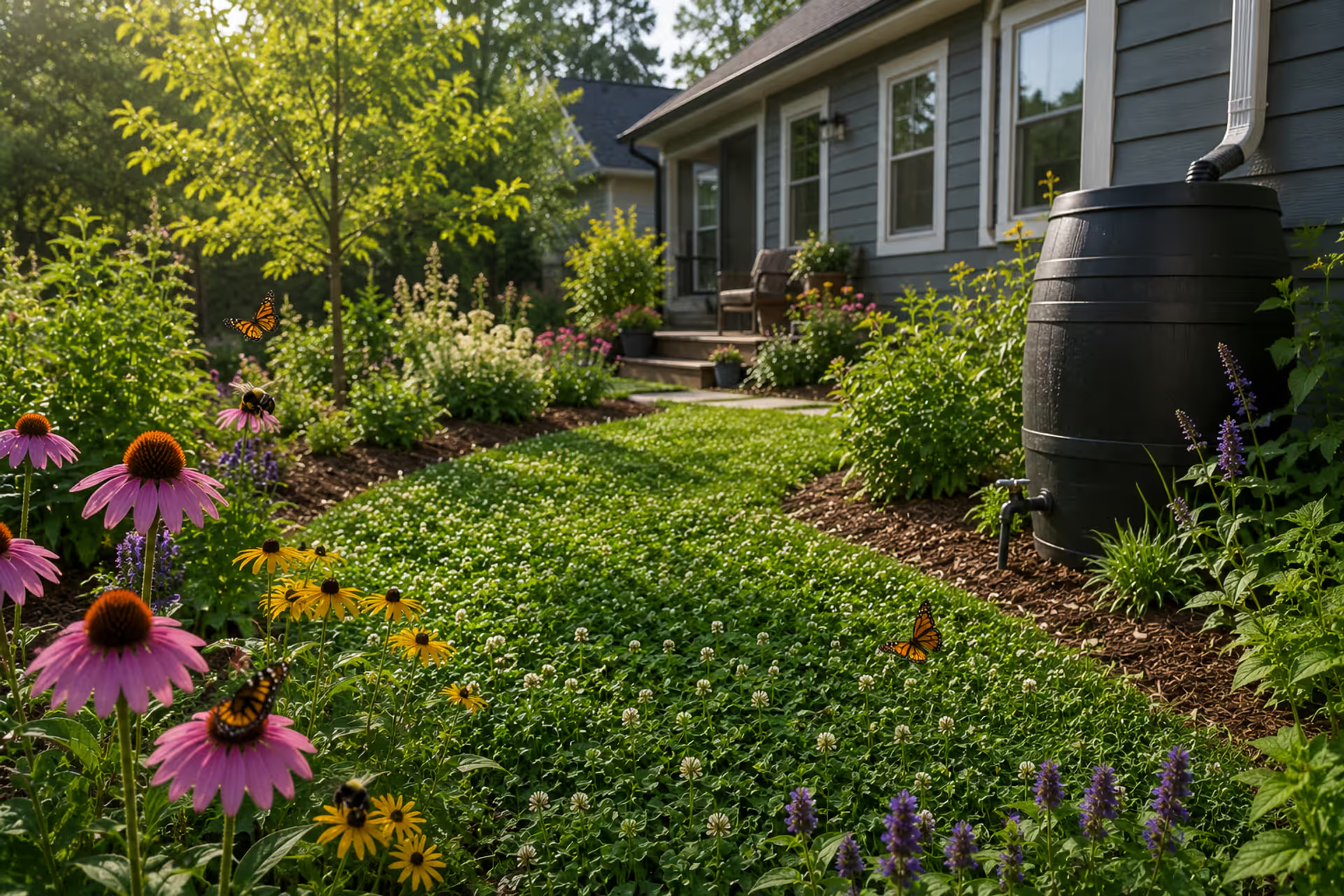
Transform your yard into an eco-friendly landscape that works with nature instead of against it. Discover native plants, water-saving techniques, organic care methods, and wildlife habitat features that reduce environmental impact while cutting maintenance costs by up to 60%.
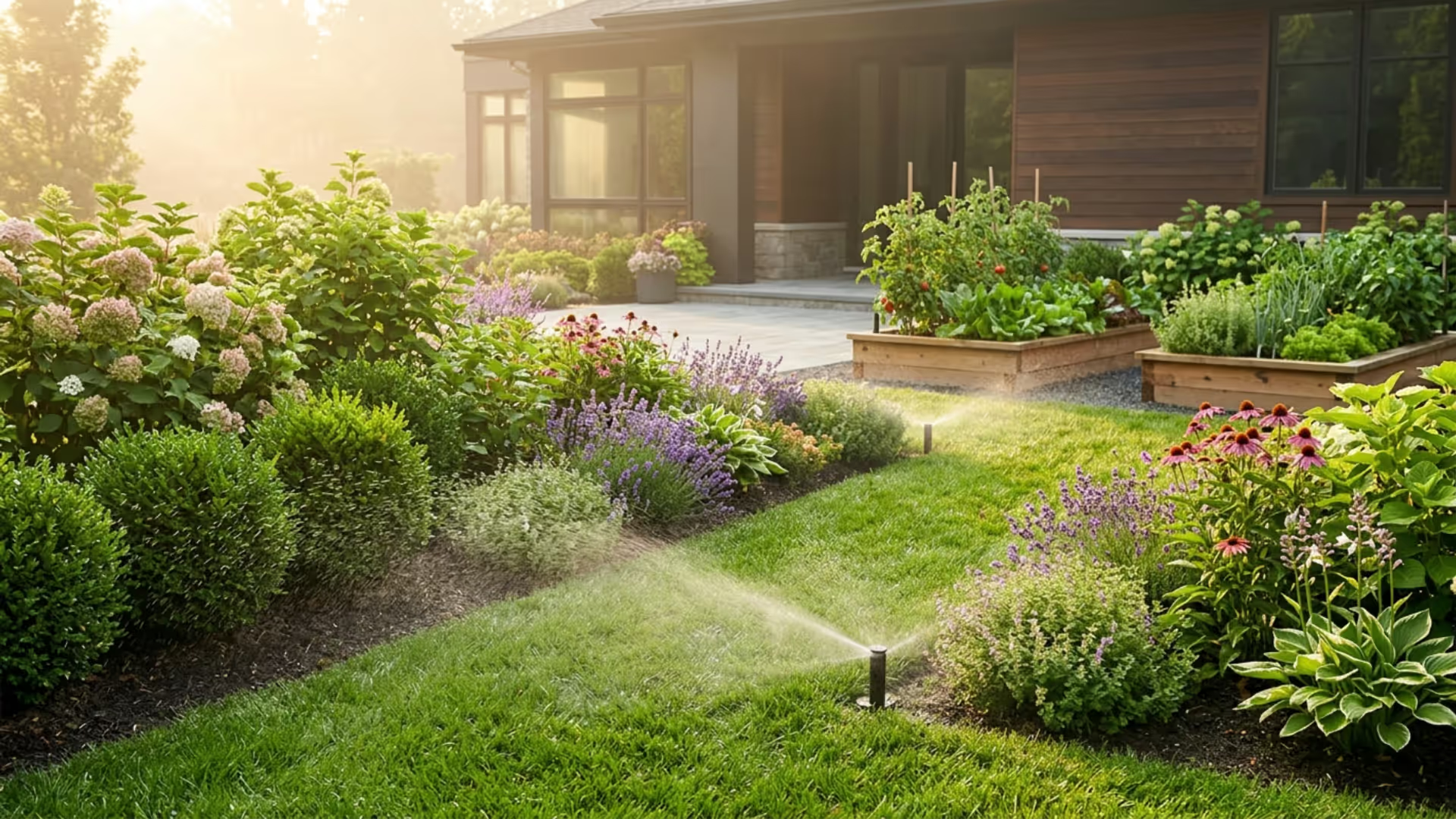
Every garden needs water, but delivery method matters. Compare drip irrigation, sprinklers, soaker hoses, and automated systems. Learn which watering system fits your garden, how to install it efficiently, and avoid common mistakes that waste water and harm plants.
The content on this website is provided for general informational and educational purposes only. It is intended to explain concepts related to landscape design, outdoor spaces, plants, irrigation, hardscape and softscape, and sustainable landscaping.
All information on this website, including articles, guides, and examples, is presented for general educational purposes. Outcomes may vary depending on local climate, soil, plant selection, and project implementation.
This website does not provide professional design, construction, or horticultural advice, and the information presented should not be used as a substitute for consultation with qualified landscape architects, contractors, or horticulturists.
The website and its authors are not responsible for any errors or omissions, or for any outcomes resulting from decisions made based on the information provided on this website.