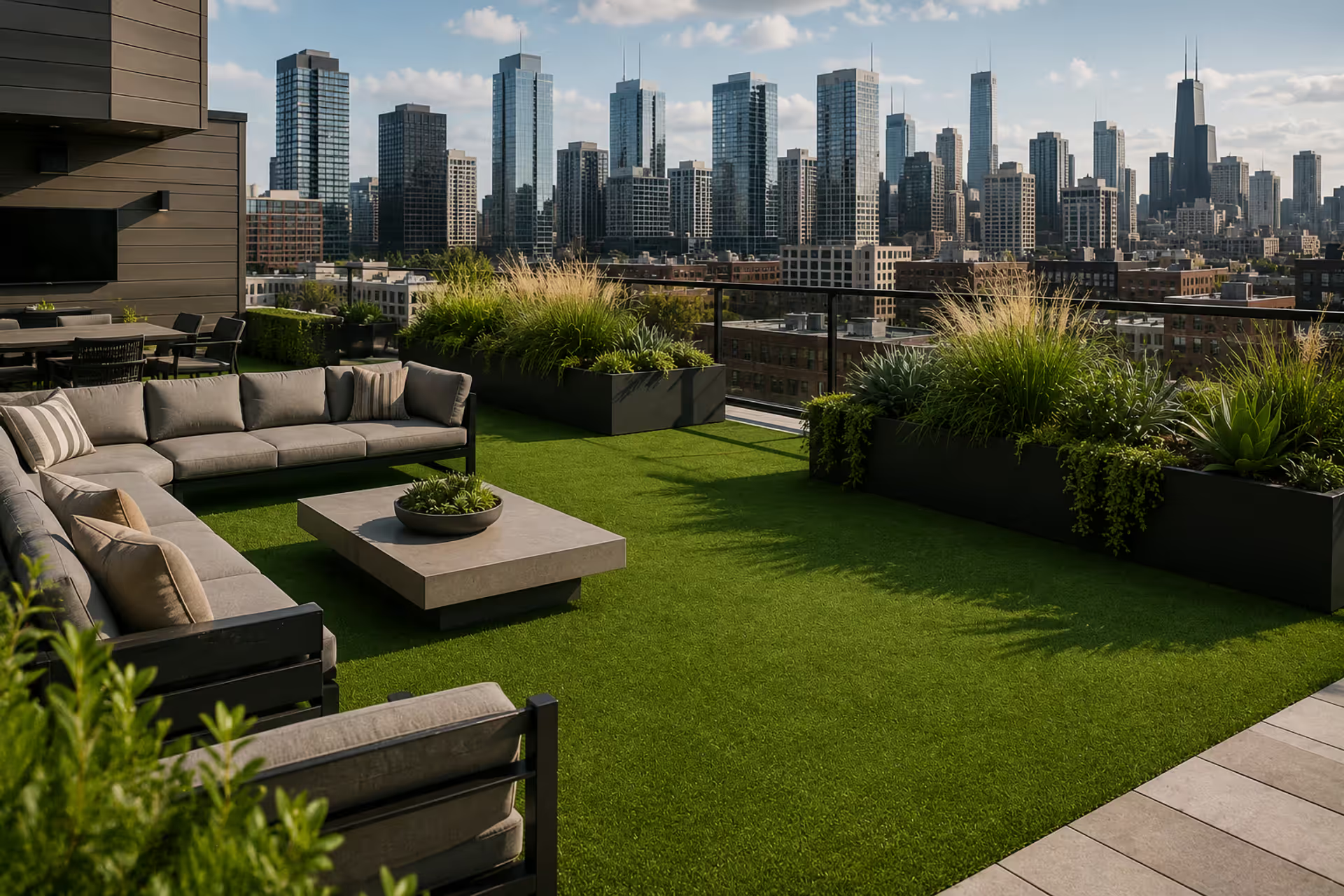
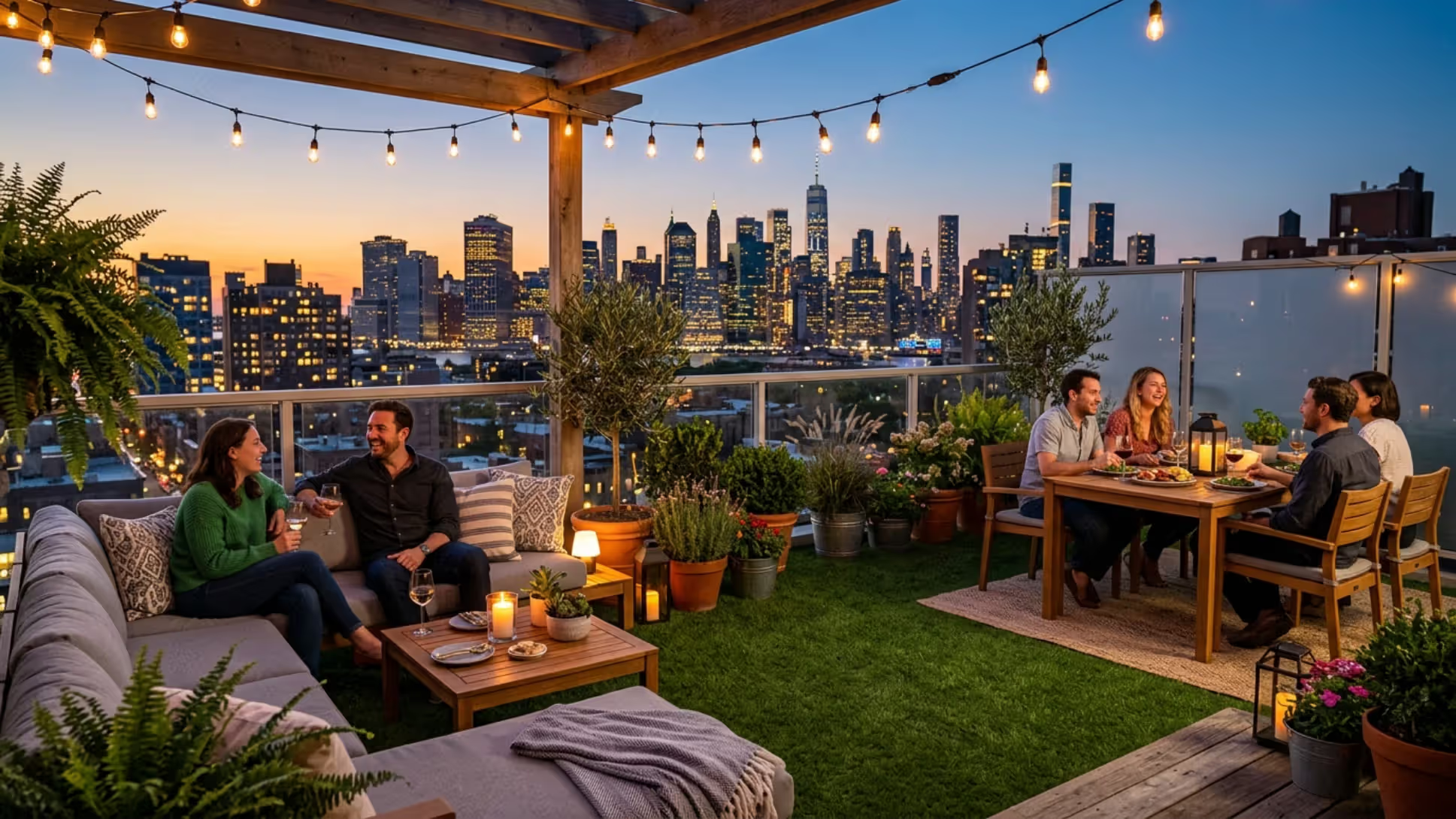
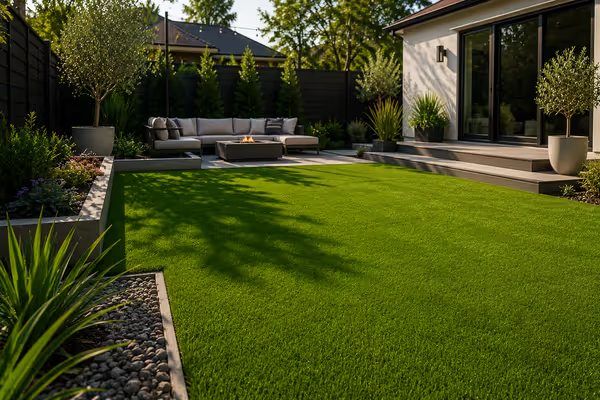
Turning a rooftop deck into a lush green retreat sounds amazing until you realize you're basically trying to grow a lawn on top of a building. That's where artificial turf comes in. But installing fake grass on an elevated surface isn't the same as rolling it out in your backyard. You're dealing with weight restrictions, wind that wants to turn your turf into a flying carpet, and drainage issues that could compromise your entire roof structure. Get it wrong, and you'll face expensive repairs or worse. Get it right, and you'll have a stunning outdoor space that looks great year-round without the maintenance headaches.
Why Rooftop Decks Need Specialized Artificial Turf
Not all artificial turf works for rooftops. The stuff designed for ground-level lawns won't cut it up high.
Weight matters more than you'd think. Every pound counts when you're working above structural limits. Rooftop installations need lighter-weight turf options that still look realistic and feel comfortable underfoot. You can't just pick the plushest, heaviest product and hope for the best.
UV exposure hits harder at elevation. Your roof deck gets more direct sunlight than ground-level spaces, especially if you're in a high-rise without surrounding shade. Standard turf will fade and degrade faster. You need products with UV stabilization ratings of 8,000+ hours minimum for rooftop applications.
Wind creates unique challenges. Ground-level turf stays put with minimal securing. On a rooftop or elevated terrace, wind uplift can peel back corners, create wrinkles, or even tear sections loose. Outdoor turf for terrace installations requires different fastening methods than traditional applications.
Temperature extremes amplify on rooftops. Dark surfaces absorb heat, and rooftop turf can get significantly hotter than ground installations. Some infill materials become uncomfortably hot, limiting your product choices. You'll want turf with heat-reflective backing or lighter blade colors that don't turn your deck into a griddle.
Drainage can't be an afterthought. Water needs somewhere to go, and unlike ground installations where moisture can percolate into soil, rooftop systems must integrate with existing roof drainage without creating pooling or overwhelming your building's water management system.
Weight Limits and Structural Considerations for Roof Decks
Here's what most people get wrong: they focus on the turf weight and forget about everything else. The turf itself is just one piece of the load equation.
Author: Sienna Calder;
Source: cribbslandscaping.com
How Much Does Rooftop Turf Weigh Per Square Foot
Basic artificial turf weighs between 1.5 to 3.5 pounds per square foot. That doesn't sound like much until you multiply it across a 400-square-foot roof deck. Now you're adding 600 to 1,400 pounds before accounting for anything else.
But wait, there's more. Underlayment pads add another 0.5 to 1 pound per square foot. Infill materials (if you use them) contribute 1 to 3 pounds per square foot depending on type and depth. Suddenly your "light" turf installation weighs 3 to 7.5 pounds per square foot total.
Then add furniture, planters, people, and snow load if you're in a climate that gets winter weather. A single person weighing 180 pounds concentrated in one spot creates significant point loads. Furniture spreads weight differently than evenly distributed materials.
The pattern I see most often is homeowners who calculate the turf weight alone and think they're fine, only to discover later they've exceeded their deck's capacity when everything's factored in.
Most residential roof decks support between 40 to 60 pounds per square foot live load (temporary weight like people and furniture) plus 10 to 20 pounds per square foot dead load (permanent fixtures). Commercial buildings typically handle 100+ pounds per square foot, but you can't assume anything without verification.
When You Need a Structural Engineer Assessment
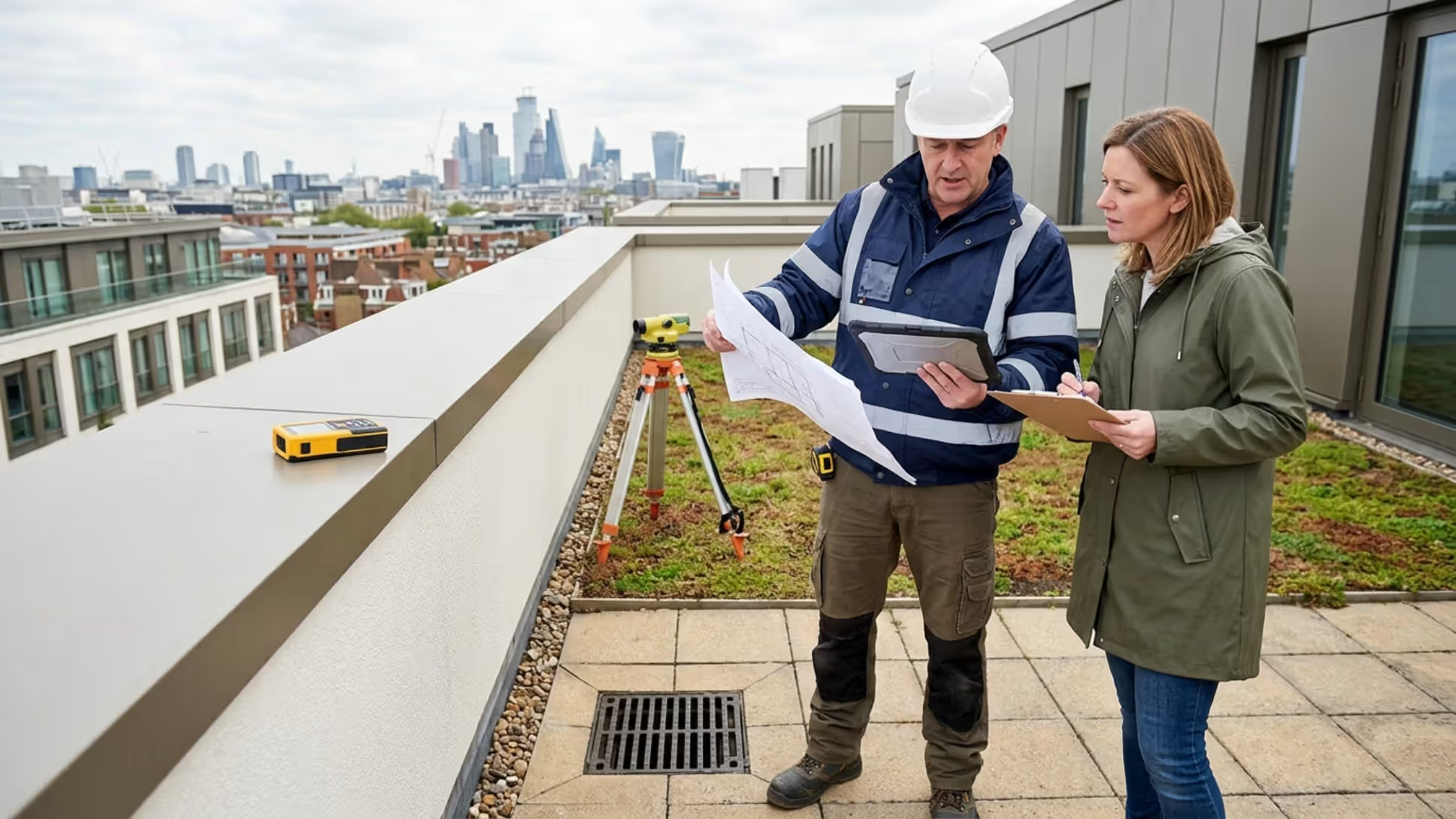
If your building was constructed before 1990, get an assessment. Building codes have changed, and older structures weren't always designed with rooftop amenities in mind.
You definitely need professional evaluation if you're planning to add more than 5 pounds per square foot of permanent materials. That includes most complete artificial grass installations with proper drainage layers and infill.
Condos and co-ops usually require engineering approval before any rooftop modifications. Your building's management will want documentation that your project won't compromise structural integrity or void insurance coverage.
Signs your deck needs evaluation even if it seems sturdy: visible sagging, cracks in the surface, water pooling in areas that used to drain properly, or creaking sounds when you walk across it. These indicate existing stress that additional weight will worsen.
Drainage Systems for Rooftop Artificial Grass
Poor drainage ruins rooftop turf installations faster than anything else. Water that can't escape creates mold, damages the roof membrane, and can void your building's waterproofing warranty.
All artificial turf has permeability ratings measured in inches per hour. For rooftop applications, you need minimum 30 inches per hour drainage capacity. Some products exceed 100 inches per hour, which sounds excessive until you experience a heavy downpour on an exposed rooftop.
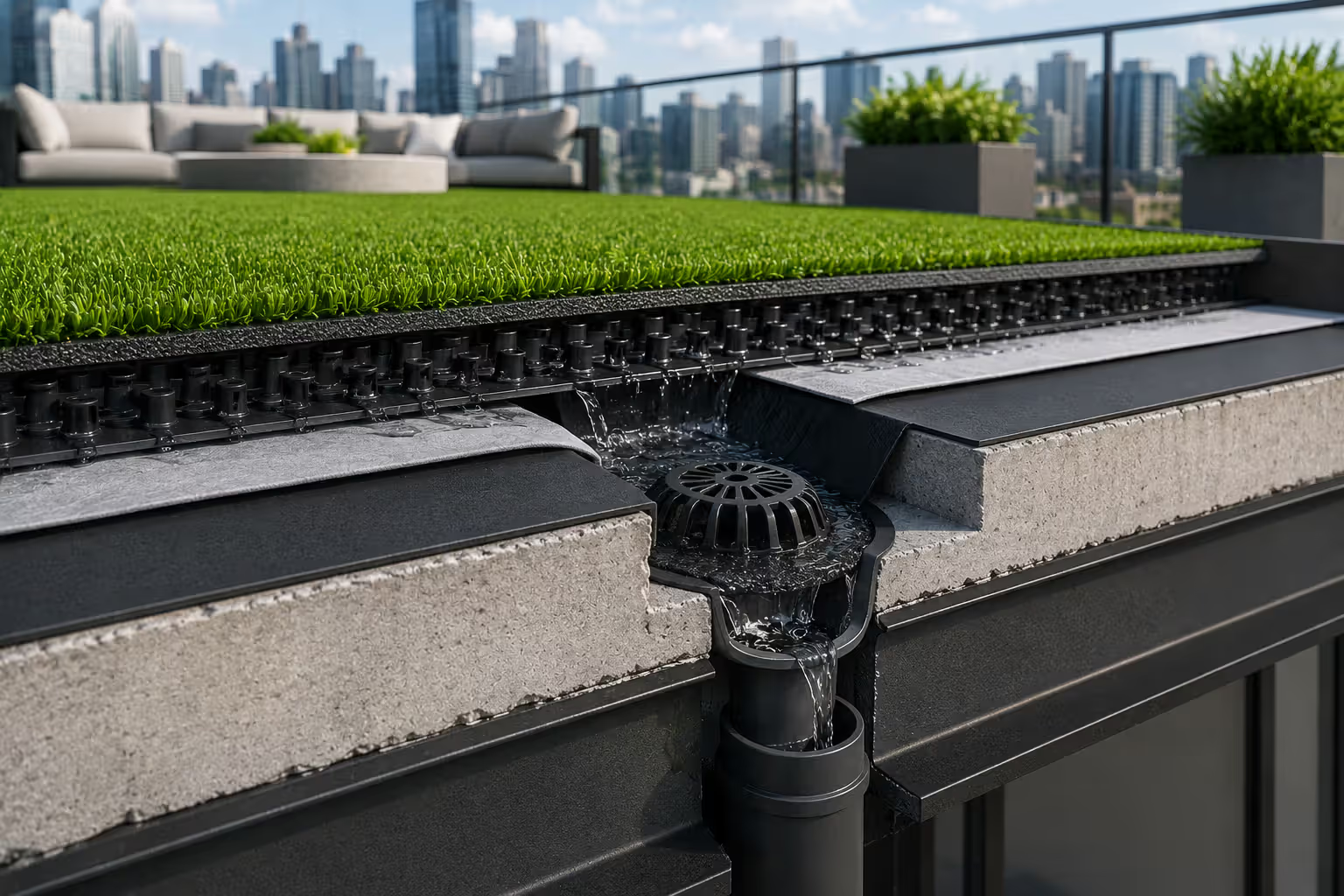
But the turf's drainage rate means nothing if water can't move off the roof itself. Your installation must work with the existing roof slope and drain locations. Most roofs slope at least 1/4 inch per foot toward drainage points. Your turf system needs to maintain these slopes, not block them.
Drainage layers matter. A quality underlayment with drainage channels helps water move laterally toward roof drains even if the turf temporarily holds some moisture. These underlayments typically have raised patterns that create air gaps between the turf backing and the roof surface.
Edge details often get overlooked. Water needs clear exit paths at the perimeter where turf meets walls, railings, or transitions to other surfaces. Leaving a small gap (about 1/2 inch) at these edges prevents water from getting trapped under the turf.
Author: Sienna Calder;
Source: cribbslandscaping.com
Some installers add perimeter drains or French drain systems around the turf area. This works well for larger installations but adds weight and complexity. For smaller balconies and terraces, proper sloping and permeable turf usually suffice.
Never install artificial turf directly over waterproofing membrane without a protective layer. The turf backing can abrade the membrane over time as it shifts slightly with temperature changes and foot traffic. A thin rubber pad or geotextile fabric protects the membrane while adding minimal weight.
Types of Artificial Grass Suitable for Terraces and Balconies
Choosing the right product makes the difference between a terrace that looks great for years and one that becomes a regret.
Comparison of Artificial Turf Types for Rooftop Use
Turf Type
Weight (lbs/sq ft)
Drainage Rate
UV Rating
Best Use Case
Price Range
Short-pile nylon (0.75-1.25")
1.5-2.0
100+ in/hr
10,000+ hrs
High-traffic balconies, pet areas
$4-$7/sq ft
Medium-pile polyethylene (1.5-2")
2.5-3.5
60-80 in/hr
8,000-10,000 hrs
General rooftop decks, entertaining spaces
$6-$10/sq ft
Hybrid blend (1.25-1.75")
2.0-2.8
80-100 in/hr
9,000+ hrs
All-purpose terraces, moderate traffic
$5-$9/sq ft
Putting green style (0.5-0.75")
1.2-1.8
120+ in/hr
8,000+ hrs
Minimalist designs, extreme weight limits
$7-$12/sq ft
Pile height affects both weight and functionality. Shorter piles (under 1.5 inches) weigh less, drain faster, and resist wind uplift better. They also stay cooler in direct sun. But they look less like natural grass and feel firmer underfoot.
Taller piles (2+ inches) look more realistic and feel softer. They're better for barefoot use and create that lush lawn appearance. The tradeoff is increased weight, slightly slower drainage, and higher cost.
Infill choices matter for rooftop applications. Traditional silica sand adds weight you might not have capacity for. Zeolite infill weighs about the same but controls odors better if you have pets. Rubber crumb infill gets extremely hot in direct sun—avoid it for rooftops unless you have significant shade.
Many rooftop installations skip infill entirely or use minimal amounts. Modern turf products with strong backing and realistic blade structure don't always need infill for appearance or performance. This saves considerable weight.
UV ratings aren't marketing fluff. They indicate how many hours of UV exposure the turf can withstand before noticeable fading or degradation. Rooftops in southern climates with intense sun need higher ratings than shaded northern terraces.
Backing material affects durability and drainage. Polyurethane backing typically drains faster and lasts longer than latex backing. It's also more flexible in temperature extremes, which matters on rooftops that experience wider temperature swings than ground-level surfaces.
Step-by-Step Rooftop Turf Installation Process
Rushing the installation process creates problems you'll deal with for years. Take your time with prep work.
Author: Sienna Calder;
Source: cribbslandscaping.com
Preparing Your Roof Deck Surface
Start with a thorough cleaning. Sweep away all debris, dirt, and loose materials. Use a pressure washer if needed, but let everything dry completely before proceeding. Any moisture trapped under the turf creates mold and odor issues.
Check the existing surface condition. Look for cracks, uneven areas, or damaged sections. Small imperfections won't matter much, but significant unevenness will show through the turf and create tripping hazards.
Measure carefully and account for obstacles. Note drain locations, vents, railings, and any fixed features. Your turf layout needs to work around these without blocking drainage paths.
Test your drainage. Pour water across different areas of the deck and watch how it flows. Identify low spots where water pools. You might need to address these with additional underlayment or by adjusting your turf layout.
Some surfaces need a protective layer before turf installation. Concrete decks usually don't, but if you have composite decking or a directly exposed roof membrane, add a geotextile fabric or rubber pad first.
Securing Turf Without Damaging Waterproofing
This is where most DIY installations go wrong. You can't just nail or screw artificial turf down on a rooftop like you would on a wooden fence or ground installation. Penetrating the roof surface risks leaks and voids warranties.
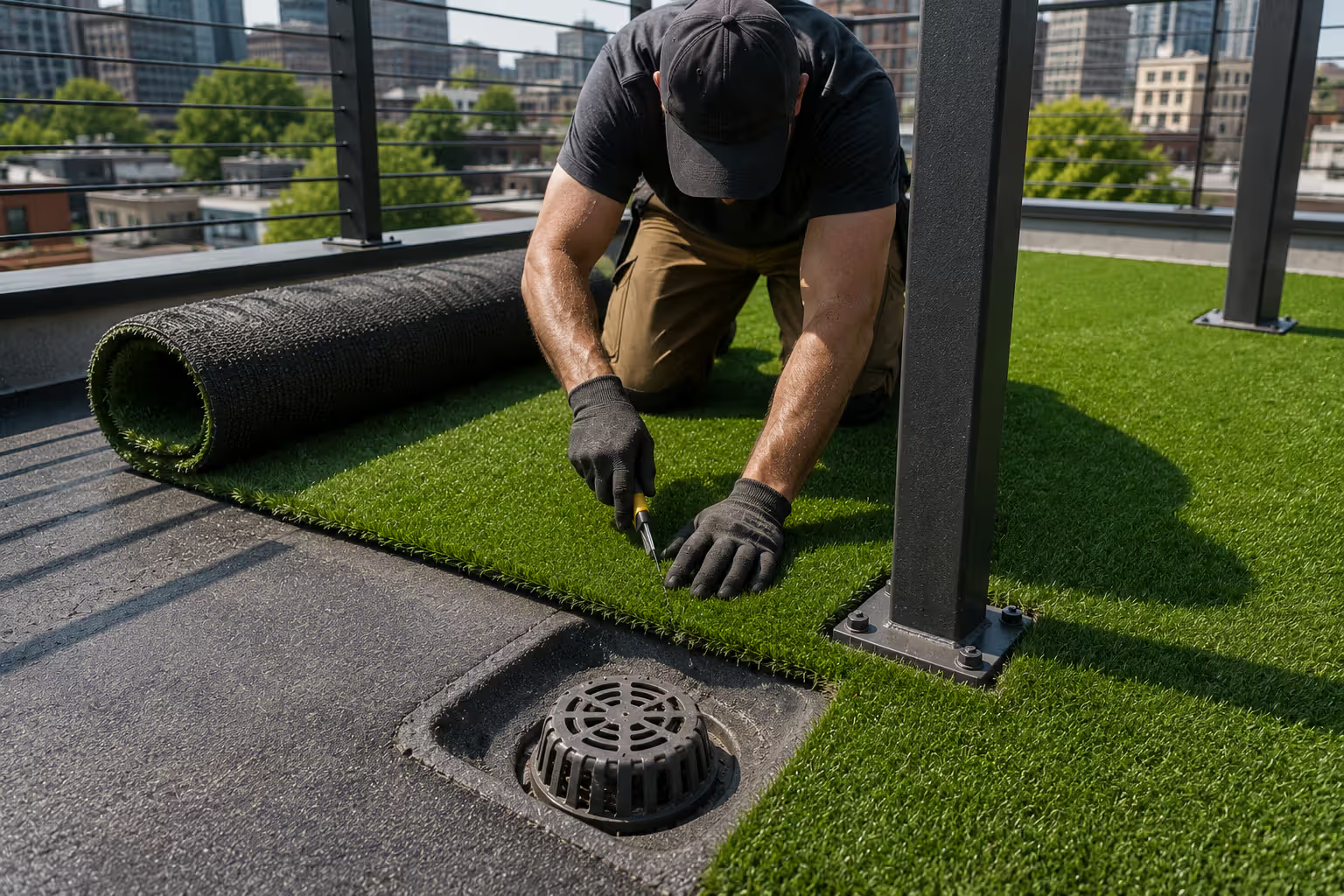
Perimeter securing works for most installations. Use heavy-duty double-sided tape or outdoor-rated adhesive along all edges where the turf meets walls, railings, or transitions to other surfaces. This prevents wind from getting under the edges and lifting the turf.
Weight-bearing seaming for larger areas. Where two pieces of turf meet, use seaming tape and adhesive on the underside. This creates strong bonds without penetrating the roof surface. Seams should run perpendicular to prevailing winds when possible.
Perimeter weights add security for high-wind locations. Decorative planters, furniture, or purpose-built weights placed around the edges keep everything in place. Just account for this weight in your structural calculations.
Some installers use a perimeter track system—aluminum or vinyl tracks that attach to walls or railings rather than the roof surface. The turf edges tuck into these tracks, creating a clean finish while securing against wind.
For very large installations or extreme wind exposure, consider a ballasted system. A grid of weights distributed across the turf keeps it flat without roof penetrations. Commercial rooftop installations often use this method.
Cut turf to fit around obstacles rather than trying to force it. Leave small gaps around drains, vents, and posts. These gaps won't be noticeable but ensure proper drainage and accommodate thermal expansion.
Design Ideas for Artificial Grass on Elevated Decks
Don't just cover your entire deck with turf and call it done. Strategic design makes the space more functional and visually interesting.
Mixing materials creates zones. Combine artificial grass with pavers, deck tiles, or composite decking to define different areas. A grass section for lounging, pavers for dining furniture, and a walkway in contrasting material guides traffic flow.
Furniture placement matters more on turf than hard surfaces. Heavy pieces compress artificial grass over time, creating visible indentations. Use furniture pads or periodically rearrange layouts to prevent permanent marks.
Create borders and edges for polish. Transition strips between turf and other materials look intentional rather than like you ran out of turf mid-project. Aluminum or composite edging comes in various colors and adds a finished appearance.
Artificial turf balcony ideas work at smaller scales. Even a 4x6 foot section of turf on a small balcony creates a softer, more inviting feel than bare concrete. You don't need to cover every inch—a turf "rug" in the seating area works beautifully.
Layer textures and heights. Combine low-pile turf in high-traffic areas with slightly taller pile in relaxation zones. Add container plants with real greenery for contrast and visual interest.
Lighting integration transforms evening use. LED strip lights along turf edges or under railings highlight the space after dark. Solar-powered stake lights can go directly into turf (if you use infill) for ambient lighting without electrical work.
Consider seasonal flexibility. Some homeowners install turf in sections that can be rolled up and stored during winter months in harsh climates. This extends turf life and allows alternative uses of the space.
Author: Sienna Calder;
Source: cribbslandscaping.com
Common Mistakes When Installing Fake Grass on Roof Terraces
Learning from others' errors saves you money and frustration.
Ignoring weight limits is the biggest mistake. People assume their deck can handle anything because it looks solid. Structural failure doesn't usually happen immediately—it's gradual sagging and damage that becomes expensive to repair.
Blocking drainage paths ruins installations. I've seen beautiful turf jobs that created water pooling because the installer didn't maintain the roof's drainage slope or accidentally covered a drain.
Using the wrong adhesive causes failures. Not all outdoor adhesives work on all surfaces or withstand rooftop temperature extremes. Use products specifically rated for your surface type and climate conditions.
Inadequate wind protection leads to turf lifting at corners and edges. This happens most often on high-rise balconies where wind speeds are significantly higher than ground level.
Skipping underlayment seems like a cost-saving measure but creates problems. Without proper cushioning and drainage layers, turf wears faster, feels uncomfortable, and doesn't drain efficiently.
Choosing turf based only on appearance backfires. That ultra-plush, realistic turf might look amazing in the showroom but weigh too much or retain too much heat for your rooftop application.
Poor seaming shows up immediately and looks unprofessional. Visible seams, misaligned blade directions, or gaps between turf sections ruin the aesthetic you're trying to create.
Not planning for expansion and contraction causes buckling. Artificial turf expands in heat and contracts in cold. Leaving small gaps at fixed edges accommodates this movement.
The most critical factor in rooftop artificial turf installations isn't the turf itself—it's understanding the building's structural capacity and drainage system. I've seen beautiful installations fail within months because the installer focused on aesthetics while ignoring the engineering fundamentals that make rooftop amenities possible.
— Martinez Jennifer
FAQ: Rooftop Artificial Turf Questions Answered
Can any rooftop support artificial turf installation?
No, not every rooftop can safely support artificial turf. Older buildings, structures not designed for rooftop use, and decks with existing damage may lack the load capacity for turf installation. Most modern residential roof decks handle 40-60 pounds per square foot, which accommodates lighter turf systems, but you need to account for the combined weight of turf, underlayment, infill, furniture, and occupants. If your building was constructed before 1990 or you're planning a complete turf installation with drainage systems, get a structural engineer's assessment before proceeding.
How do you prevent artificial grass from blowing away on a windy rooftop?
Wind protection requires a multi-point approach. Secure all perimeter edges with outdoor-rated adhesive or double-sided tape designed for your surface type. Use proper seaming techniques where turf pieces meet, and consider perimeter track systems that anchor to walls or railings rather than the roof surface. For high-wind locations, add strategic weights like planters or furniture around edges, or use a ballasted system with a distributed weight grid. Never rely on the turf's weight alone—even heavy products can lift in strong winds once air gets underneath an edge.
Does rooftop artificial turf void my roof warranty?
It can, depending on your installation method and warranty terms. Many roof warranties specifically prohibit penetrations or modifications to the waterproofing membrane. Installing turf using adhesives, weights, and perimeter securing typically doesn't void warranties because you're not penetrating the roof surface. However, you should review your specific warranty documentation and notify your building management or roofing company before installation. Get written confirmation that your planned installation method won't affect coverage. Some warranties require professional installation for this reason.
How long does artificial grass last on a roof deck?
Quality rooftop turf installations typically last 10-15 years with proper maintenance. Rooftop installations may experience slightly shorter lifespans than ground-level applications due to increased UV exposure, temperature extremes, and wind stress. Products with UV ratings of 10,000+ hours and high-quality backing materials last longer. Regular maintenance extends life—brush the turf monthly to keep blades upright, rinse away debris, and inspect edges for lifting or damage. Cheaper turf products or those not rated for rooftop use may show significant wear or fading within 5-7 years.
Can I install artificial turf on my apartment balcony myself?
Yes, small balcony installations are often manageable DIY projects if you're reasonably handy. Balconies under 100 square feet don't require specialized tools or extensive experience. You'll need to clean the surface thoroughly, measure and cut the turf to fit, and secure edges with outdoor adhesive. The key is proper surface preparation and ensuring you don't block drainage. However, check your lease or building rules first—many apartments require approval for balcony modifications. For larger terraces or complex layouts with multiple seams, professional installation ensures better results and may be required by your building.
What's the best infill for rooftop artificial grass?
For rooftop applications, less is often more with infill. Many modern turf products don't require infill at all, saving significant weight. If you do use infill, zeolite is the best option for most rooftops—it weighs similar to sand but controls odors better, stays cooler than rubber, and doesn't wash away as easily as organic materials. Use 1-1.5 pounds per square foot maximum. Avoid rubber crumb infill on rooftops because it becomes extremely hot in direct sun. Silica sand works but adds weight without additional benefits. For pet areas, antimicrobial infill products help with odor control but cost more.
Installing artificial turf on a rooftop deck transforms an underused space into a comfortable outdoor retreat. But success depends on respecting the unique challenges of elevated installations.
Start with structural assessment. Know your weight limits before you fall in love with a particular turf product. The simpler option usually wins here—lighter-weight turf with minimal infill works better than trying to push your deck's capacity limits.
Prioritize drainage from the planning stage. Water management isn't optional on rooftops. Choose highly permeable turf, maintain existing drainage slopes, and ensure water has clear paths to exit the space.
Select products designed for rooftop conditions. UV resistance, proper backing materials, and appropriate pile heights matter more than getting the most realistic-looking grass. You're creating a functional outdoor space, not trying to fool anyone into thinking natural grass grows on your roof.
Take installation seriously even if you're doing it yourself. Proper surface prep, correct adhesives, and attention to edge securing prevent the majority of problems that plague rooftop turf installations.
Your rooftop deck has potential that hard surfaces alone can't deliver. Artificial turf adds comfort, visual appeal, and versatility to elevated outdoor spaces when you install it correctly. The investment pays off in years of enjoyment and a unique outdoor environment that extends your living space upward.
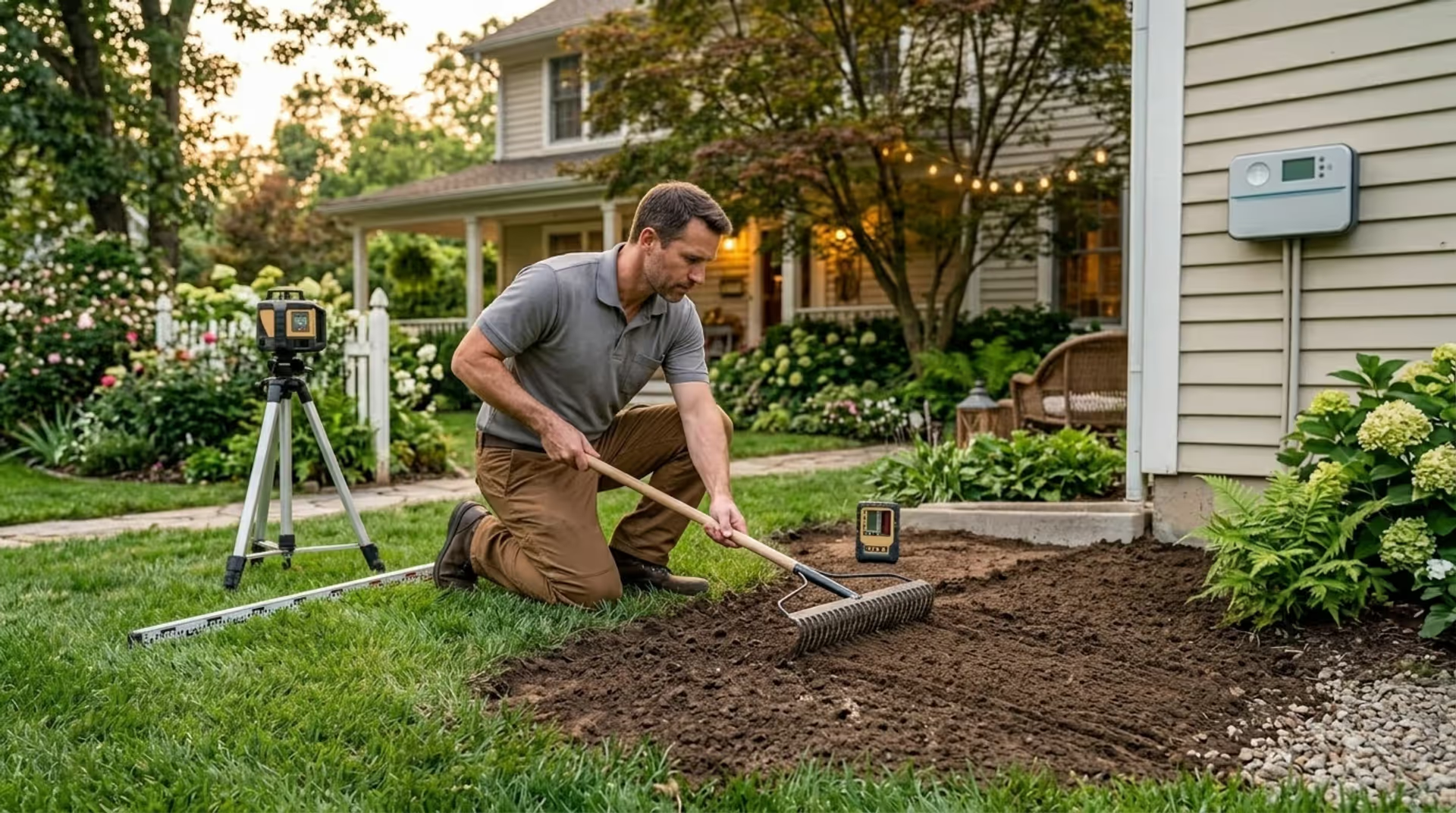
Proper drainage starts with the ground itself. When water pools around your foundation or turns your backyard into a swamp after every rain, you're looking at a grading problem. Learn how to shape your landscape to move water away from structures and create a yard that actually works.
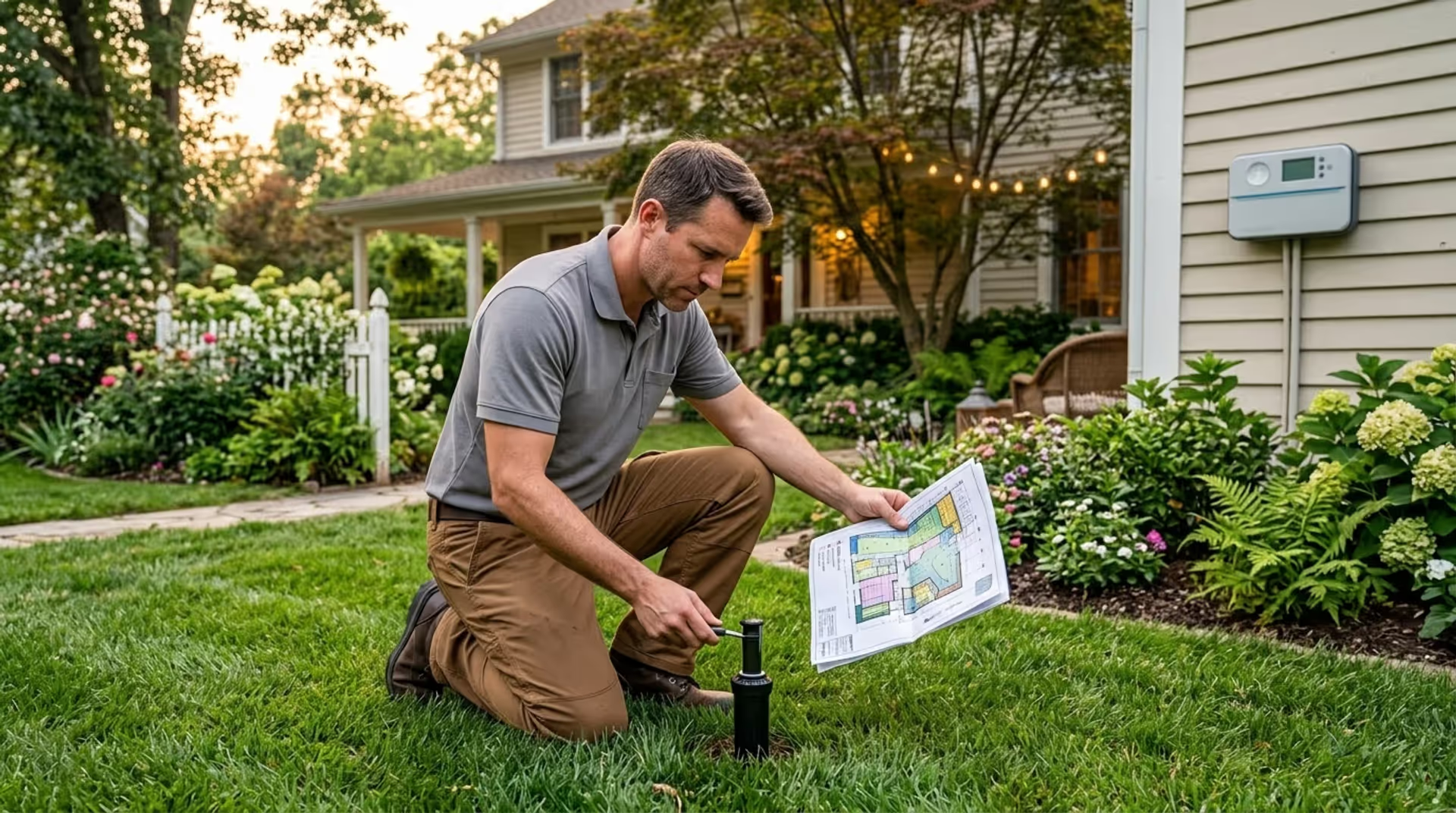
Discover how irrigation specialists design efficient watering systems, when professional help makes sense, and what to expect from installation. Includes system comparison, cost factors, and expert hiring tips for homeowners.
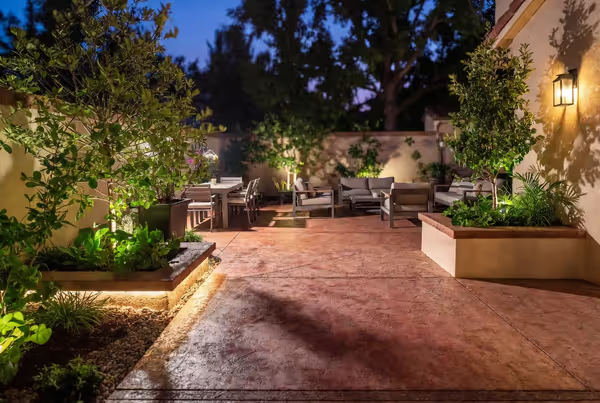
Discover creative concrete patio designs from stamped and textured finishes to polished surfaces and geometric layouts. Learn which concrete finish works best for your climate, budget, and style with detailed comparisons of durability, maintenance, and costs.
Discover how to select the best artificial grass for backyard spaces with our comprehensive guide. Learn what makes turf high-quality, compare leading products, and find the perfect match for your climate, pets, and usage. Expert insights on durability, drainage, realistic appearance, and common mistakes to avoid.
The content on this website is provided for general informational and educational purposes only. It is intended to explain concepts related to landscape design, outdoor spaces, plants, irrigation, hardscape and softscape, and sustainable landscaping.
All information on this website, including articles, guides, and examples, is presented for general educational purposes. Outcomes may vary depending on local climate, soil, plant selection, and project implementation.
This website does not provide professional design, construction, or horticultural advice, and the information presented should not be used as a substitute for consultation with qualified landscape architects, contractors, or horticulturists.
The website and its authors are not responsible for any errors or omissions, or for any outcomes resulting from decisions made based on the information provided on this website.