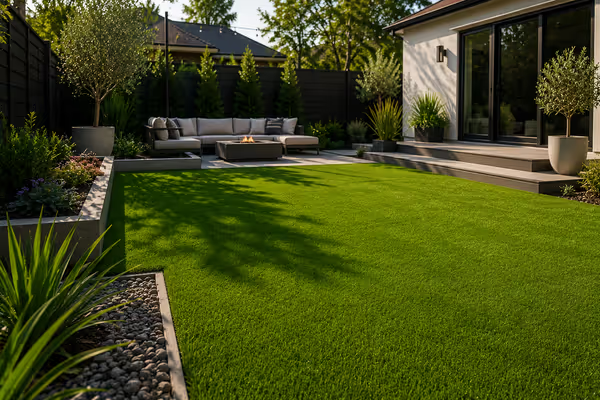
Looking for ways to ditch artificial turf without going back to traditional grass? You're not alone. More homeowners are realizing that plastic lawns come with their own set of problems—heat islands in summer, microplastic concerns, and that unmistakable fake look. The good news? There's a whole world of natural lawn substitutes and creative yard designs that deliver beauty, function, and way less hassle than mowing every weekend.
Why Consider Alternatives to Artificial Grass
Artificial turf seemed like the perfect solution a few years back. No watering, no mowing, always green. But reality doesn't quite match the brochure.
Heat retention tops the list of complaints. On a 90-degree day, artificial grass can hit 160 degrees or higher. That's hot enough to burn bare feet and paws. Your yard becomes unusable during the warmest months—exactly when you'd want to enjoy it most.
Then there's the environmental angle. Most synthetic turf is made from petroleum-based plastics. It sheds microplastics into soil and waterways. When it reaches the end of its 8-15 year lifespan, most of it ends up in landfills. The "eco-friendly" pitch falls apart pretty quickly.
Maintenance isn't zero either. You'll need to rinse it regularly, deal with drainage issues, brush the fibers to keep them upright, and manage odors if you have pets. Some homeowners spend nearly as much time maintaining fake grass as they would a clover lawn.
Cost is the final kicker. Quality artificial turf runs $5-20 per square foot installed. For a typical 1,000 square foot yard, you're looking at $8,000-15,000 upfront. That's a chunk of change for something that won't last more than a decade.
Living Ground Cover Options That Replace Grass
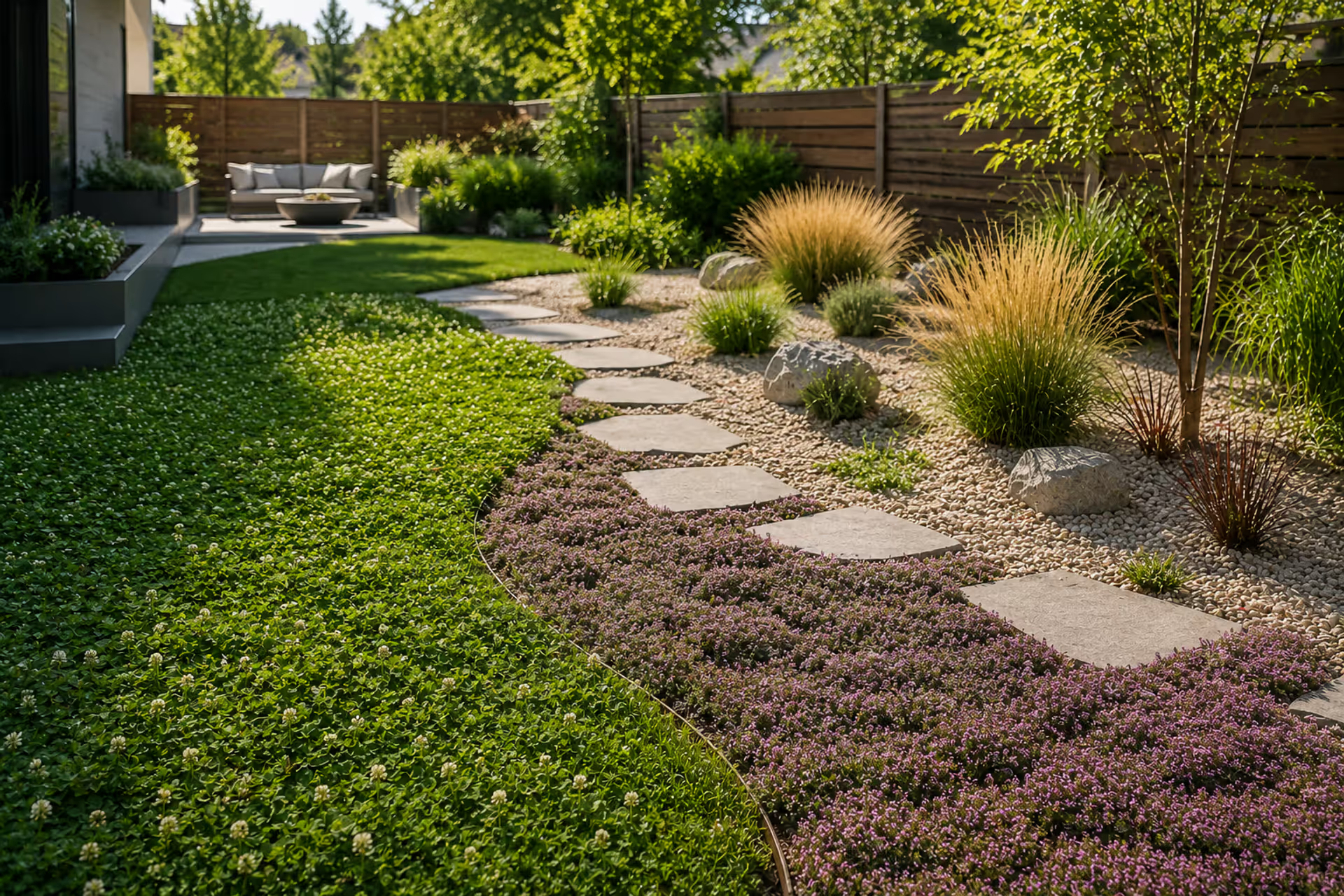
Nature offers plenty of low-growing plants that form dense carpets. They're alive, they're green, and they don't need weekly attention.
Author: Olivia Maren;
Source: cribbslandscaping.com
Clover Lawns
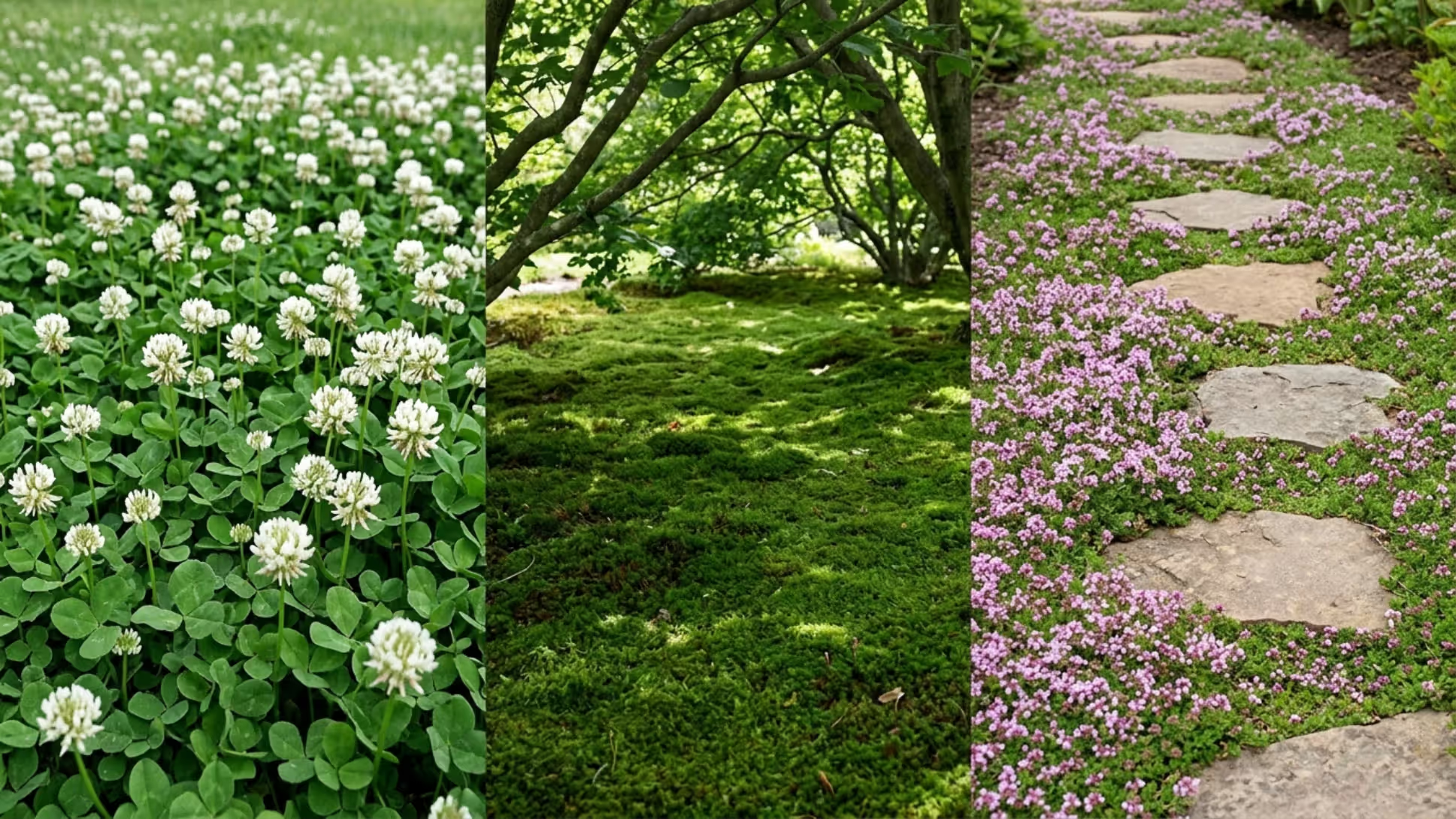
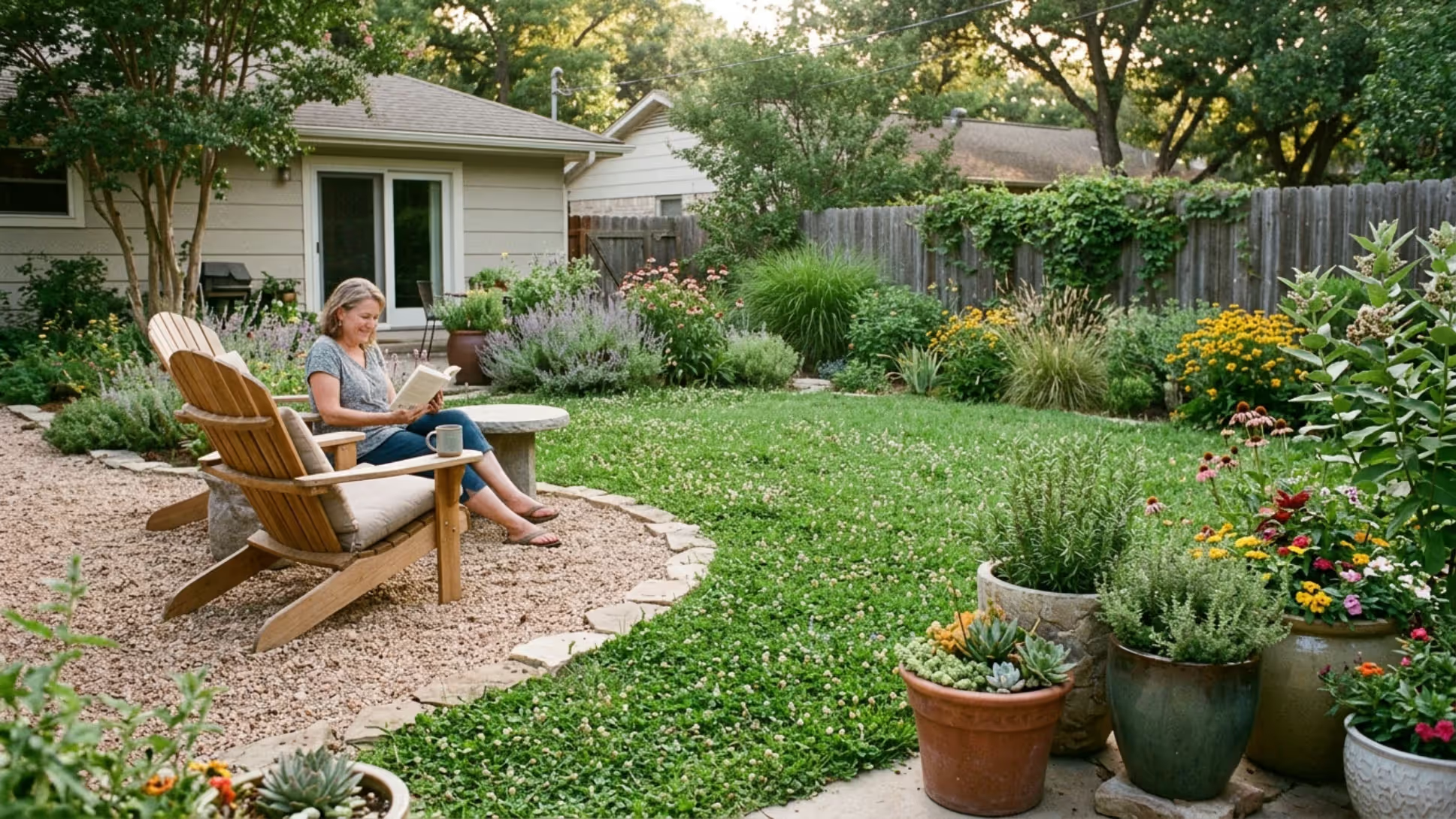
White clover has made a serious comeback. This isn't your grandparents' weed—it's a deliberate choice that's gaining ground in suburbs across the country.
Clover stays green with minimal water. It fixes nitrogen from the air, feeding itself without fertilizer. You'll mow maybe once a month if you want to keep the white flowers in check, but many people love the blooms for their cottage-garden look.
The soft texture feels great underfoot. Kids and dogs can play on it without issue. It tolerates moderate foot traffic better than you'd expect, though it won't hold up to a daily soccer practice the way sports turf would.
One downside: it can get slippery when wet. And if you're allergic to bees, the flowers might attract more visitors than you'd like during bloom season.
Moss Lawns
Moss creates that fairytale forest floor effect. It's incredibly soft, stays emerald green in shade, and needs almost zero maintenance once established.
This option works best in humid climates with acidic soil—think Pacific Northwest, parts of the Southeast, and shaded areas in the Northeast. Moss hates direct sun and alkaline conditions, so it's not universal.
You can't really walk on moss regularly. It's more of a "look but don't touch" ground cover, perfect for side yards, under trees, or ornamental areas. The pattern I see most often is homeowners using moss in shaded zones and switching to another option for high-traffic areas.
Establishing moss takes patience. You can transplant chunks, blend moss with buttermilk to create a slurry, or buy moss mats. It'll take 1-2 years to fully fill in, but once it does, you're done. No mowing, no fertilizing, barely any watering.
Creeping Thyme and Other Herb Ground Covers
Creeping thyme offers the best of several worlds. It tolerates foot traffic, smells amazing when you step on it, produces tiny purple or pink flowers, and thrives in full sun with minimal water.
Plant plugs 6-12 inches apart and they'll knit together in one growing season. You can mow once or twice a year if you want a tighter look, but it's not required. This works beautifully between stepping stones or as a full lawn replacement in smaller yards.
Other herb options include Roman chamomile (apple-scented when crushed) and Corsican mint (tiny leaves, strong minty smell). These prefer a bit more moisture than thyme but still use far less water than traditional grass.
The main limitation is establishment time. That first year, you'll need to water regularly and keep weeds at bay. Once mature, these ground covers are nearly bulletproof.
Native Prairie Grasses
If you've got space and like a naturalistic look, native prairie grasses create a low-maintenance meadow effect. Think buffalo grass in the Plains states, blue grama in the Southwest, or native sedges in wetter regions.
These grasses evolved in your climate. They handle local pests, diseases, and weather extremes without help. Water requirements drop to near-zero after the first year. You'll mow once in early spring or late fall—that's it.
Buffalo grass, for example, grows only 4-6 inches tall and spreads to form a dense turf. It goes dormant and tan in winter, then greens up beautifully in spring. Some people love the golden winter color; others find it too "dead" looking.
This approach works best on larger properties where a manicured look isn't the goal. HOAs sometimes push back on prairie grass installations, so check your covenants first.
Drought Tolerant Ground Cover Plants for Low Water Use
Water restrictions are tightening across the West and Southwest. Even areas that historically had plenty of rain are seeing drier summers. Drought tolerant ground cover options make sense almost everywhere now.
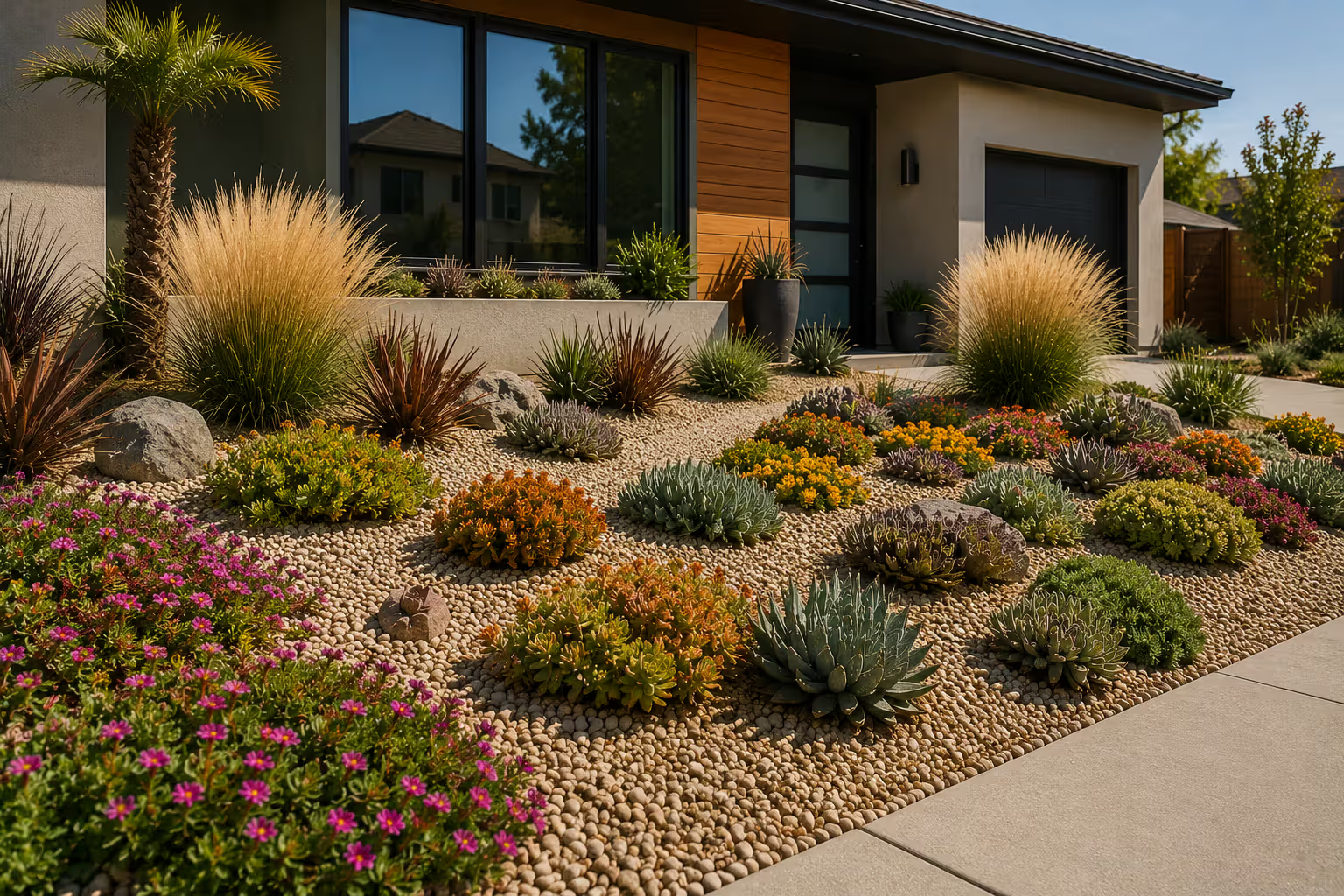
Sedum varieties (stonecrop) top the list for toughness. These succulents form dense mats, produce colorful flowers, and survive on rainfall alone once established. Sedum album, Sedum spurium, and Sedum kamtschaticum work well in most temperate zones. They handle foot traffic better than you'd think, though they're not meant for constant walking.
Ice plant (Delosperma) brings bright daisy-like flowers in orange, pink, purple, and yellow. It's fire-resistant, thrives in poor soil, and needs water maybe once a month in summer. Great for slopes and areas where erosion is a concern.
Ornamental grasses like blue fescue, Mexican feather grass, and pink muhly grass add movement and texture. They're not walkable ground covers, but they fill space beautifully with almost no care. Pair them with gravel or decomposed granite paths and you've got a modern, water-smart design.
Climate zone matters here. What thrives in Phoenix won't work in Seattle. Native plant societies in your state can point you toward the best drought-resistant options for your specific area. Don't fight your climate—work with it.
Author: Olivia Maren;
Source: cribbslandscaping.com
Hardscaping Solutions: Gravel, Pebbles, and Pavers
Sometimes the best ground cover is no plants at all. Hardscaping eliminates watering, mowing, and most maintenance while creating clean, contemporary outdoor spaces.
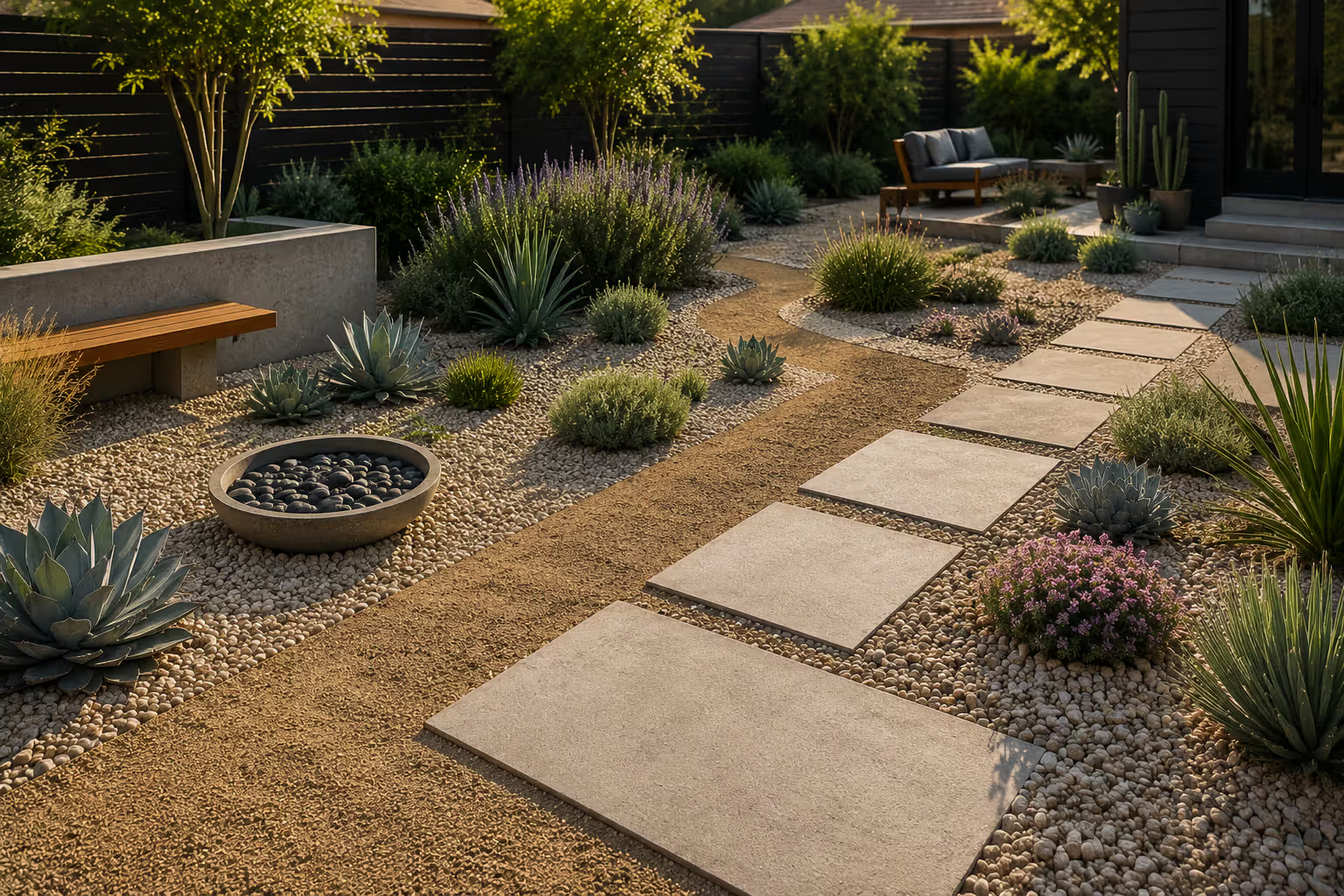
Gravel gardens blend stone with strategically placed plants. You might use three-quarter-inch crushed granite as the base layer, then add larger river rocks or boulders as focal points, with drought-tolerant plants in clusters. The result feels like a high-desert landscape—structured but natural.
Pebble and plant yard designs take a similar approach but with a softer look. Smaller pea gravel or polished river stones create a smoother surface. Tuck in ornamental grasses, agaves, or flowering perennials to break up the stone. This works particularly well in modern or minimalist designs.
Permeable pavers offer a middle ground. These interlocking units allow water to drain through gaps filled with gravel or low-growing plants like thyme. You get a solid surface for patios and paths without creating runoff problems. Installation costs more than plain gravel but less than solid concrete.
Decomposed granite (DG) creates a firm, compactable surface that looks natural. It's popular in California and the Southwest for paths and even entire yards. DG packs down hard enough to walk and roll on but still allows some water penetration. Expect to add a fresh layer every few years as it gradually washes away.
Author: Olivia Maren;
Source: cribbslandscaping.com
The simpler option usually wins here. A single type of gravel with a few well-chosen plants beats a complicated mix of five different stones and twenty plant species. Keep it clean and intentional.
No Grass Lawn Ideas by Yard Size and Climate
Context matters. What works in a 200-square-foot urban courtyard won't scale to a half-acre suburban lot. And a solution perfect for Phoenix will fail miserably in Atlanta.
Small Urban Yards
Space is tight, so every square foot counts. Hardscaping makes sense here—you need functional outdoor living space, not a tiny patch of grass that's hard to mow.
Consider a decomposed granite base with large pavers set in a grid pattern. Fill the gaps with creeping thyme or sedum. Add container plants for color and height. You've created an outdoor room that's usable year-round and needs almost no upkeep.
Another approach: moss in shaded areas, gravel in sunny spots, with a small water feature as a focal point. Urban yards often have shade from buildings or fences, making moss a natural fit.
Large Suburban Properties
You've got room to experiment and mix solutions. The front yard might be clover or native grasses for curb appeal. The backyard could combine a patio area with permeable pavers, play zones with hardier ground covers like buffalo grass, and ornamental areas with gravel and drought-tolerant perennials.
Zoning your property by use makes sense. High-traffic areas near the house get durable solutions. Outer areas can be more naturalistic and lower-maintenance. You don't need one solution for the entire property.
Many homeowners are keeping a small patch of traditional grass for kids or dogs, then converting the rest to alternatives. That hybrid approach cuts water use and maintenance by 60-70% while keeping some lawn function.
Arid Western Climates
Water is the limiting factor. Forget anything that needs regular irrigation.
Native desert plants, gravel, and hardscaping dominate successful designs here. Think palo verde trees, agaves, red yucca, and desert marigold planted in decomposed granite or crushed rock. Add boulders for visual interest and to create microclimates for plants.
Buffalo grass works in some parts of the West if you're set on a lawn-like look. It goes dormant in extreme heat but bounces back with monsoon rains. Expect it to be golden-tan for part of the year.
Avoid high-water ground covers like clover or moss. They'll struggle and frustrate you. Work with your climate, not against it.
Humid Southern Regions
Heat and humidity create different challenges. Many ground covers that thrive in dry climates get fungal problems in the South.
Moss excels here in shaded areas. It loves the humidity and stays green year-round. For sunny spots, try native sedges, frogfruit (Phyla nodiflora), or even native violets in less-trafficked areas.
Clover can work but may thin out in the hottest part of summer. Overseed in fall for best results. Some Southern gardeners mix clover with native warm-season grasses for a more resilient blend.
Gravel and hardscaping work everywhere, but you'll want to ensure good drainage. Standing water becomes a mosquito breeding ground fast in humid climates.
Author: Olivia Maren;
Source: cribbslandscaping.com
Cost Comparison: Installation and Long-Term Maintenance
Numbers help cut through the hype. Here's what you're actually looking at for a typical 1,000 square foot yard:
Option
Installation Cost (per sq ft)
Annual Maintenance Cost
Water Requirements
Lifespan
Foot Traffic Tolerance
Artificial Turf
$8-20
$200-400
None (rinsing only)
8-15 years
High
Clover Lawn
$0.50-2
$50-150
Low (1" per month)
Indefinite (reseed as needed)
Medium
Gravel/Pebble Design
$2-6
$50-100
None
20+ years (top up gravel)
Medium-High
Native Ground Cover
$1-4
$100-250
Very Low (after establishment)
Indefinite
Low-Medium
Moss Lawn
$3-8
$25-75
Low (in dry periods)
Indefinite
Low
Installation costs vary widely based on site prep, plant availability, and labor rates in your area. The ranges above reflect typical scenarios in 2026.
Clover wins on long-term value. Low upfront cost, minimal maintenance, and it lasts as long as you want it to. Gravel comes in second for durability and near-zero maintenance, though the initial cost is higher.
Artificial turf costs the most upfront and has a finite lifespan. When you factor in replacement every 10-12 years, the lifetime cost exceeds most natural alternatives by a wide margin.
Don't forget removal costs. Pulling out old artificial turf runs $1-3 per square foot. Natural ground covers just get dug up and composted or replaced with something new.
The shift away from monoculture lawns—whether natural grass or artificial—represents a fundamental change in how we think about outdoor spaces. Diverse plantings and hardscaping create resilient landscapes that support local ecosystems while reducing resource inputs. The most successful projects I see in 2026 embrace regional identity rather than fighting it.
— Morrison Janet
FAQ: Natural Lawn Substitutes Questions Answered
Is clover safe for dogs and other pets?
Yes, clover is completely safe for dogs, cats, and other pets. It's non-toxic if ingested and actually softer on paws than many grass varieties. The main concern is bees—clover flowers attract pollinators, so dogs that snap at insects might get stung. You can mow before flowering to reduce this risk, or choose microclover varieties that bloom less frequently. Many pet owners prefer clover because it doesn't need fertilizers or pesticides that could harm animals.
What is the cheapest alternative to artificial grass?
Clover seed is hands-down the most affordable option, costing $0.50-2 per square foot installed if you do it yourself. A 50-pound bag of white clover seed covers about 10,000 square feet and costs around $200-300. Seeding is simple—just rough up the soil, broadcast the seed, and water regularly for the first few weeks. For even cheaper, consider letting existing areas naturalize with whatever low-growing plants volunteer. This "benign neglect" approach costs nothing but won't give you a uniform look.
How do you transition from grass to ground cover?
The method depends on what you're planting. For clover, you can overseed directly into existing thin grass—the clover will gradually outcompete the turf. For most other ground covers, you'll need to kill or remove existing grass first. Solarization (covering the area with clear plastic for 6-8 weeks in summer) works without chemicals. Sheet mulching with cardboard and compost is another organic option. Once the grass is dead, plant your chosen ground cover at the recommended spacing. Expect a transition period of 1-2 growing seasons before the new plants fill in completely. Patience pays off here.
Do ground covers attract more bugs than grass?
It depends on the ground cover. Flowering options like clover and thyme attract beneficial pollinators—bees, butterflies, and native insects. This is actually a benefit for your garden and local ecosystem, though it might mean more insect activity in your yard. Non-flowering ground covers like moss or sedges don't attract notably more insects than grass. Gravel and hardscaping attract fewer bugs than any living option. If you're concerned about mosquitoes, focus on eliminating standing water rather than worrying about ground cover choice—mosquitoes breed in water, not plants.
Will my HOA allow alternatives to grass?
This varies wildly by neighborhood. Some HOAs have strict rules requiring traditional turfgrass. Others have updated guidelines to allow water-wise alternatives, especially in drought-prone regions. Your best approach: check your CC&Rs (covenants, conditions, and restrictions) first, then submit a formal proposal with photos and descriptions of what you're planning. Emphasize water savings, reduced maintenance, and environmental benefits. Many HOAs that initially resist will approve a well-presented plan, especially if you offer to do a small test area first. In some states, laws now limit HOA power to restrict drought-tolerant landscaping.
Are natural alternatives better for pollinators than artificial turf?
Absolutely. Artificial turf provides zero habitat or food for pollinators—it's an ecological dead zone. Living ground covers, especially flowering varieties like clover, thyme, and native plants, support bees, butterflies, and other beneficial insects. These pollinators are in serious decline and need all the help they can get. Even non-flowering ground covers like moss and sedges provide some habitat for ground-dwelling insects and microorganisms. If you care about supporting local wildlife, any living alternative beats plastic grass by a mile.
You don't have to rip out your entire yard this weekend. Start small. Pick one area—maybe that strip along the driveway that's always brown, or the shady side yard where grass won't grow anyway.
Test your chosen alternative in that space. See how it performs through a full season. Learn what it needs and whether you actually like it. Then expand from there.
The biggest mistake people make is trying to replicate a perfect lawn with a different plant. Let go of that image. Natural lawn substitutes look different, and that's the point. They have texture, seasonal changes, and character that plastic grass and monoculture turf can't match.
Talk to neighbors who've made the switch. Visit local botanic gardens or demonstration gardens to see mature examples of different ground covers. Take photos of what appeals to you. Your yard should reflect your climate, your lifestyle, and your aesthetic—not some universal ideal that doesn't actually exist.
Water restrictions aren't going away. Maintenance time is valuable. And more people are realizing that outdoor spaces can be beautiful, functional, and ecologically responsible all at once. The alternatives to artificial grass deliver on all three counts without the drawbacks of plastic turf.
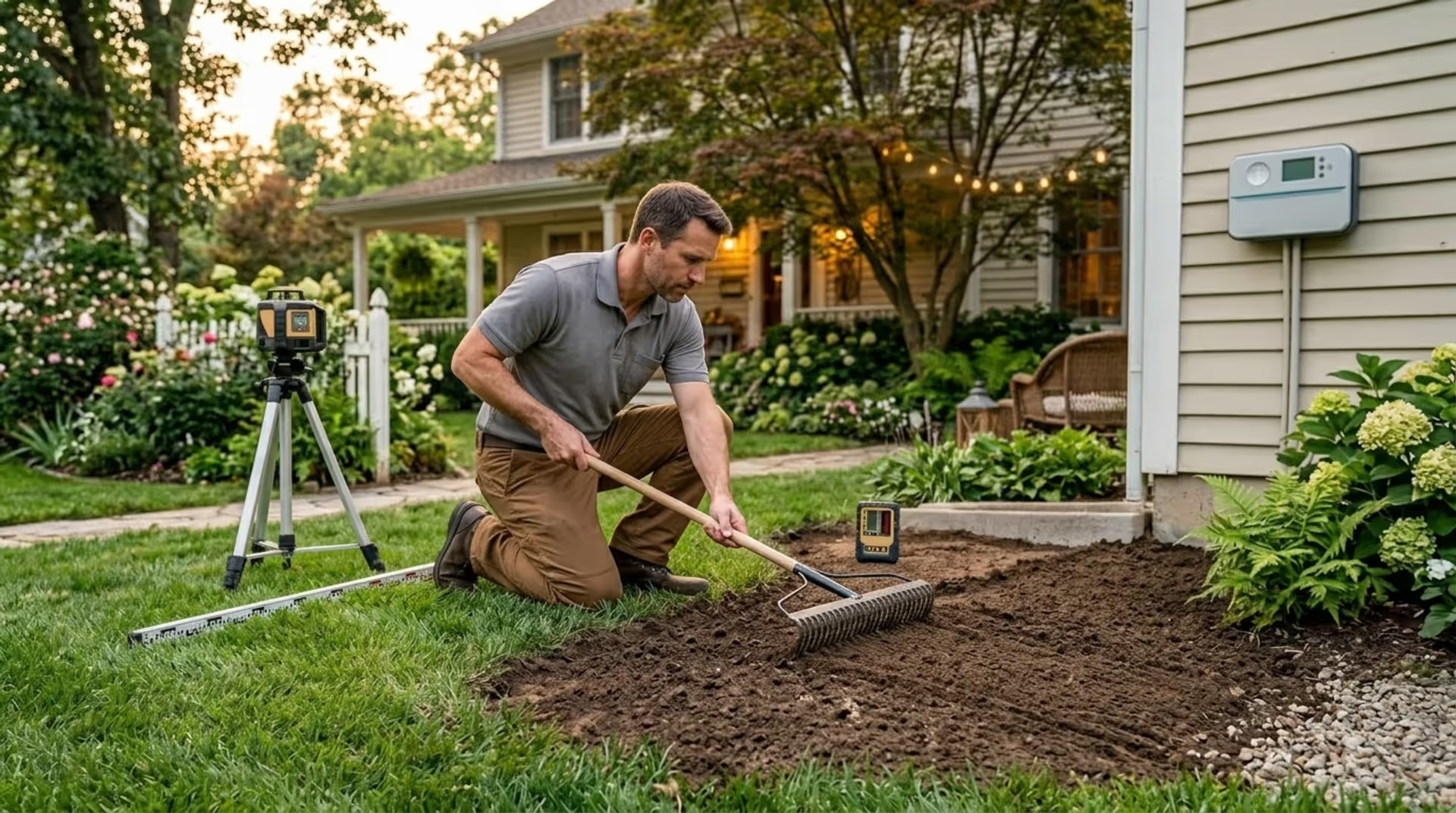
Proper drainage starts with the ground itself. When water pools around your foundation or turns your backyard into a swamp after every rain, you're looking at a grading problem. Learn how to shape your landscape to move water away from structures and create a yard that actually works.
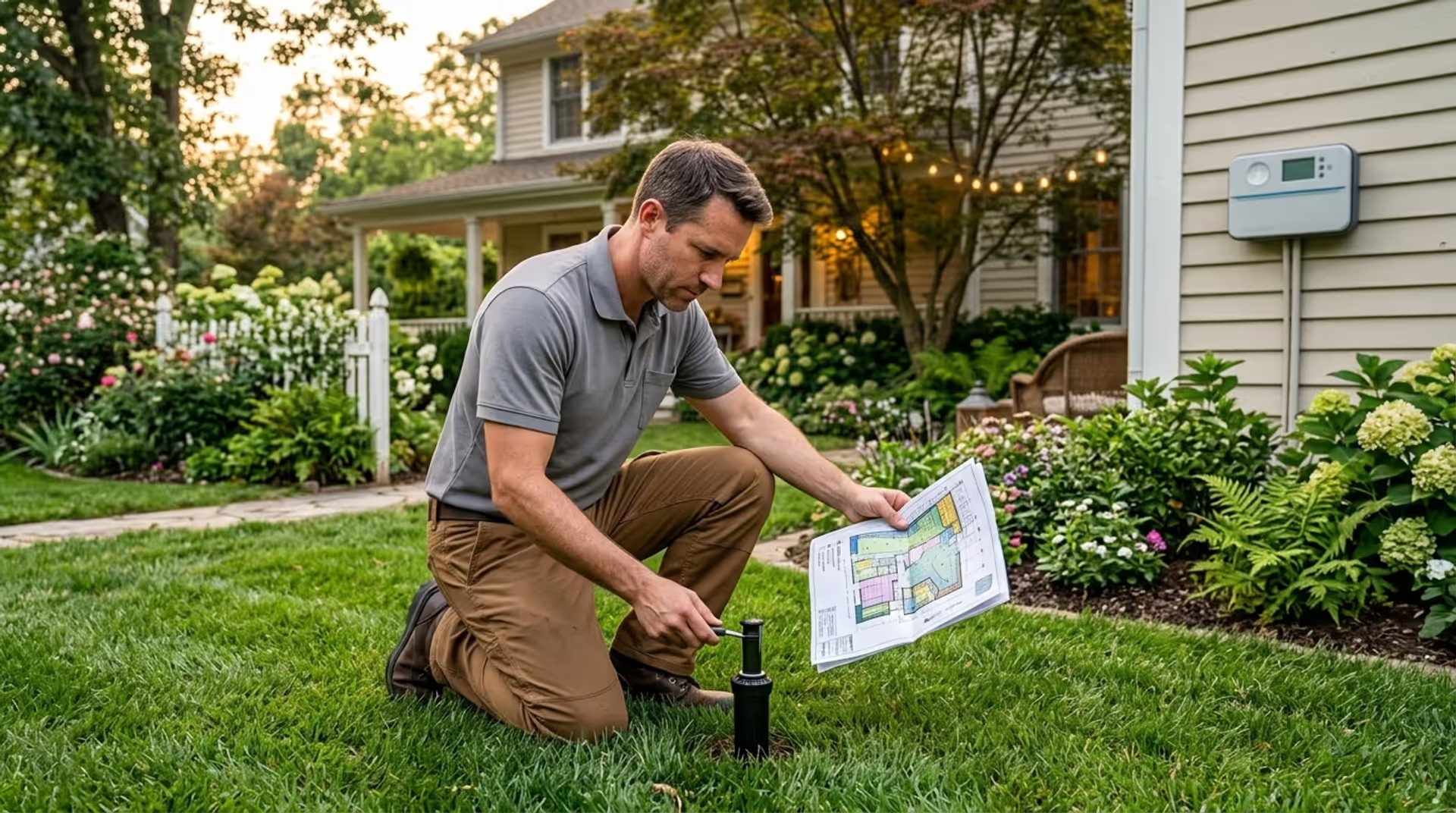
Discover how irrigation specialists design efficient watering systems, when professional help makes sense, and what to expect from installation. Includes system comparison, cost factors, and expert hiring tips for homeowners.
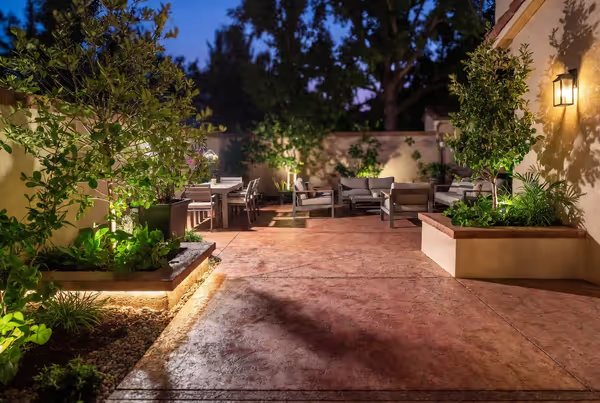
Discover creative concrete patio designs from stamped and textured finishes to polished surfaces and geometric layouts. Learn which concrete finish works best for your climate, budget, and style with detailed comparisons of durability, maintenance, and costs.
Discover how to select the best artificial grass for backyard spaces with our comprehensive guide. Learn what makes turf high-quality, compare leading products, and find the perfect match for your climate, pets, and usage. Expert insights on durability, drainage, realistic appearance, and common mistakes to avoid.
The content on this website is provided for general informational and educational purposes only. It is intended to explain concepts related to landscape design, outdoor spaces, plants, irrigation, hardscape and softscape, and sustainable landscaping.
All information on this website, including articles, guides, and examples, is presented for general educational purposes. Outcomes may vary depending on local climate, soil, plant selection, and project implementation.
This website does not provide professional design, construction, or horticultural advice, and the information presented should not be used as a substitute for consultation with qualified landscape architects, contractors, or horticulturists.
The website and its authors are not responsible for any errors or omissions, or for any outcomes resulting from decisions made based on the information provided on this website.